Key Features and Specifications
Watering cans come with several key features that enhance their functionality and usability. Manufacturers focus on designing these tools to meet the diverse needs of users in different sectors. The specifications of watering cans can vary widely depending on the material and intended use.
Key specifications include:
1. Material Type
- Available in plastic and metal
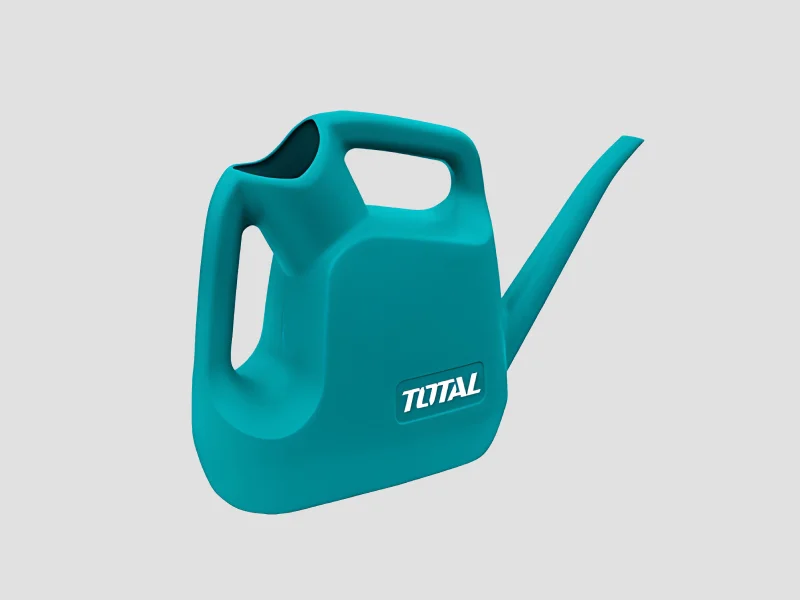
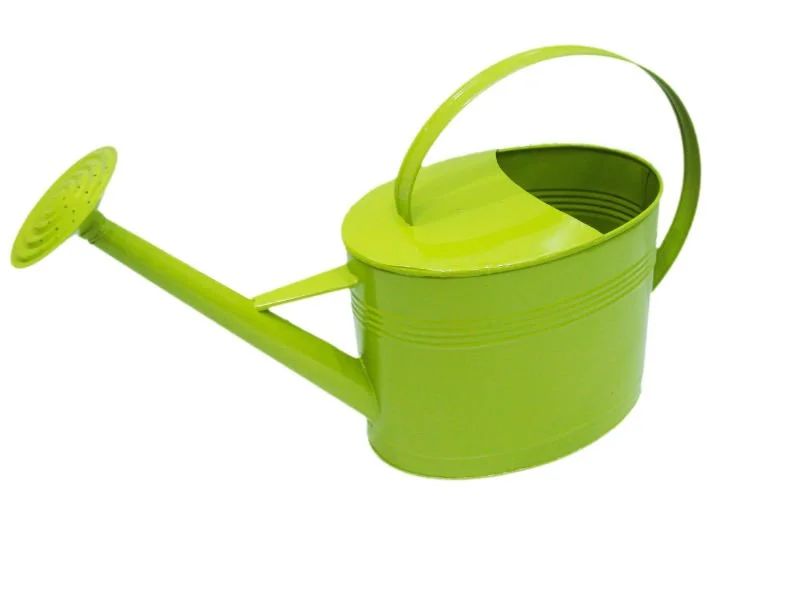
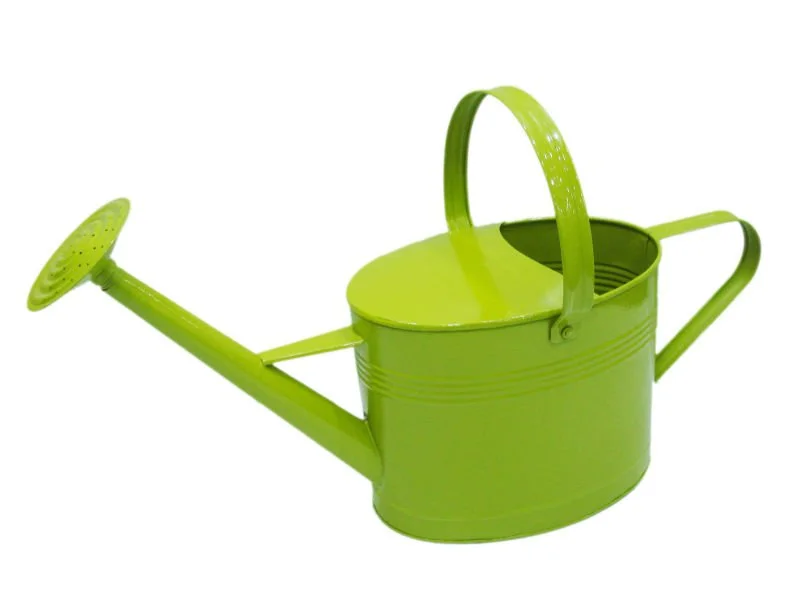
- Plastic options are lightweight and rust-resistant, while metal options offer durability and a traditional look
2. Capacity
- Common capacities range from 1 to 10 liters
- Allows users to choose size based on specific watering needs
3. Spout Design
- Options for elongated or short spouts
- Long spouts provide precise watering, while short spouts are easier to maneuver
4. Handle Type
- Ergonomic designs for comfortable grip
- Some models feature dual handles for balanced pouring
5. Weight
- Plastic models are generally lighter than metal
- Weight affects ease of use, especially when full
6. Finish
- Metal cans may have painted or galvanized finishes
- Finishes impact aesthetics and corrosion resistance
7. Color Options
- Available in various colors for aesthetic appeal
- Customization options may be available for branding
8. Safety Features
- Rounded edges and stable bases help prevent tipping
- Some have dripless spouts to avoid water spillage
These specifications collectively enhance the user experience, making watering cans a vital tool in gardening and horticulture.
Common Applications and Use Cases
Watering cans are versatile tools used across various industries, adapting to specific needs and applications.
1. Horticulture: In the horticultural sector, watering cans are used for nurturing delicate seedlings and potted plants, allowing for targeted watering without disturbing the soil.
2. Agriculture: Farmers often use watering cans for small plots or in greenhouses where traditional irrigation may not be practical, ensuring that each plant receives adequate moisture.
3. Landscaping: Landscape professionals utilize watering cans for detailed work, such as watering newly planted shrubs and flowers in gardens and public spaces.
4. Indoor Gardening: Urban gardeners and indoor plant enthusiasts rely on watering cans to manage moisture levels in houseplants, providing a simple way to maintain plant health.
5. Education: Schools and educational institutions use watering cans in gardening programs to teach students about plant care and environmental responsibility.
6. Nurseries: Plant nurseries use watering cans for efficient watering of various plant species, ensuring proper hydration for growth and sale.
7. Greenhouses: In greenhouse environments, watering cans allow for precise watering without over-saturating plants, helping to maintain optimal growing conditions.
Product Variants and Subcategories
Watering cans are available in different variants, each tailored to specific user needs and preferences. The diversity in options allows buyers to choose the most suitable can for their applications.
Plastic Watering Can: These lightweight options are ideal for home gardening and indoor plants. They come in various colors and sizes, making them aesthetically pleasing and functional. Their resistance to corrosion makes them suitable for frequent use.
Metal Watering Can: Galvanized or aluminum watering cans offer durability and a classic appearance. They are preferred by professional gardeners and landscapers for their sturdiness. Many metal cans feature elegant designs, making them suitable for outdoor displays.
Benefits and Advantages
Choosing the right watering can provides several benefits that enhance usability and efficiency in plant care.
1. Lightweight Design: Plastic watering cans are easy to handle, reducing fatigue during extended use.
2. Durability: Metal watering cans are robust and withstand harsh weather conditions, ensuring long-term use.
3. Versatile Use: Suitable for a wide range of plants, from delicate houseplants to larger outdoor gardens.
4. Precise Watering: The design of spouts allows for targeted watering, minimizing waste and ensuring plants receive the right amount of moisture.
5. Aesthetic Appeal: Metal cans often have attractive designs, adding charm to gardens and outdoor spaces.
6. Easy Storage: Many watering cans can be nested or stacked for convenient storage when not in use.
Buying Guide for B2B Buyers
When sourcing watering cans (plastic, metal) for business purposes, it is essential to consider several key factors to ensure a suitable purchase.
1. Quality Assessment: Evaluate the materials and construction quality to ensure durability and longevity. Look for features that enhance usability, such as ergonomic handles and effective spout designs.
2. Supplier Verification: Vet potential suppliers thoroughly to ensure they meet industry standards and can provide reliable products. Check for certifications and customer reviews to gauge their reputation.
3. Pricing and MOQ: Understand the pricing structures and minimum order quantities (MOQ) offered by suppliers. Compare costs across different manufacturers to find the best value for your needs.
4. Delivery and Lead Times: Consider logistics when sourcing. Ensure that suppliers can meet your delivery deadlines, and inquire about shipping options and costs.
5. Compliance Requirements: Be aware of any industry-specific compliance standards that may apply to watering cans. Ensure that suppliers adhere to these regulations to avoid potential issues.
Compliance and Certifications
Compliance with industry standards and certifications is crucial for ensuring that watering cans meet safety and quality requirements.
Relevant quality standards such as ISO 9001 guarantee that manufacturers follow consistent quality management practices. This ensures that products are reliable and meet customer expectations.
Industry certifications like CE indicate that products conform to European safety standards. This is particularly important for buyers in regions that require strict compliance.
Safety and testing requirements also play a significant role in the manufacturing process. Products must undergo rigorous testing to ensure they are safe for use, especially in agricultural and horticultural applications.
Regional compliance considerations may vary, so it is vital for buyers to understand local regulations that apply to watering cans in their respective areas.
Why Source Watering Cans (Plastic, Metal) from Pepagora?
Pepagora offers a trusted platform for sourcing watering cans (plastic, metal), providing buyers with multiple advantages that enhance the procurement experience.
Verified Supplier Network: Pepagora works with a network of thoroughly vetted suppliers, ensuring that buyers have access to high-quality products. This verification process helps eliminate risks associated with sourcing.
Streamlined RFQ Process: The Request for Quotation (RFQ) system simplifies the procurement process. Buyers can easily compare quotes from multiple suppliers, facilitating informed decision-making.
Trade Assurance and Support: Pepagora provides trade assurance, offering protection for buyers throughout the purchasing process. This includes support in resolving any issues that may arise.
Regional Coverage: With a strong presence in India, the GCC, and Southeast Asia, Pepagora enables buyers to connect with local suppliers, ensuring timely deliveries and reduced shipping costs.
By leveraging these advantages, businesses can confidently source watering cans that meet their specific needs, enhancing their operational efficiency and plant care capabilities.

 IN
IN