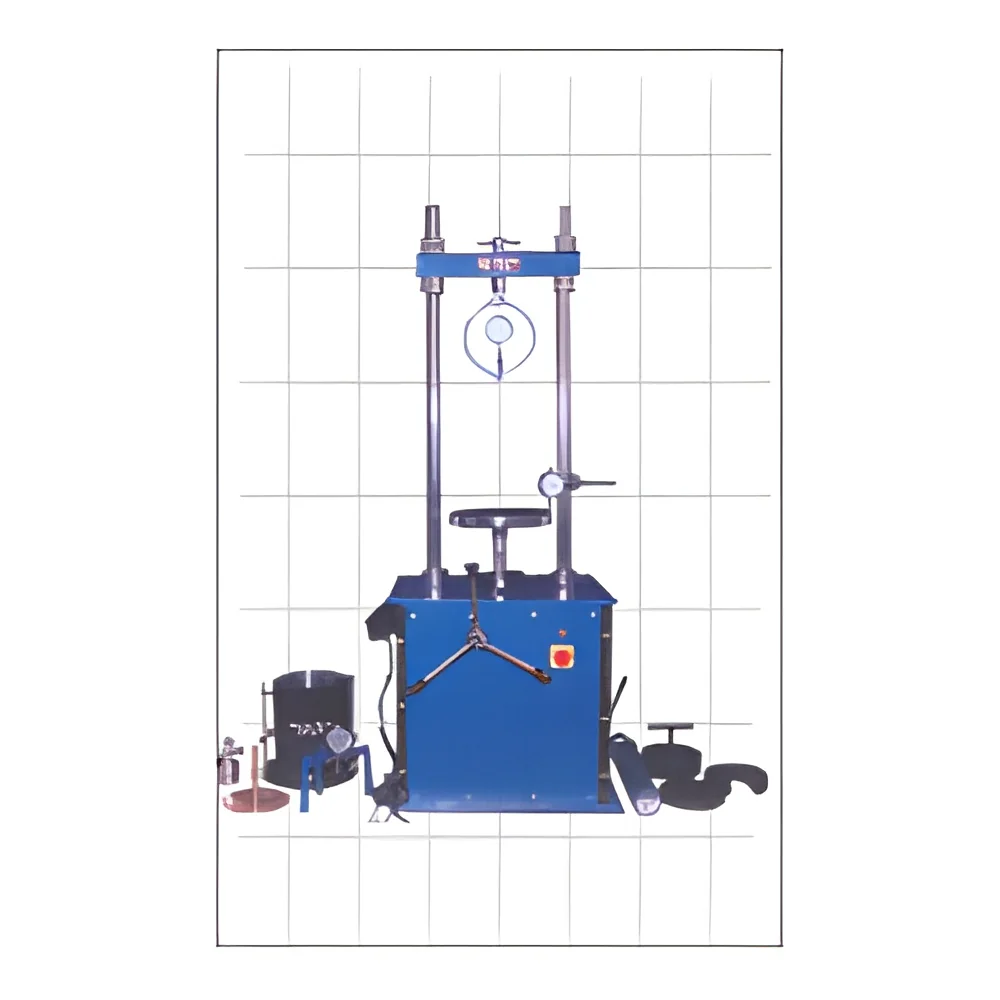
What are Soil Testing Kits?
Soil Testing Kits are essential tools used to analyze the physical and chemical properties of soil. These kits typically include various instruments and reagents that help determine soil pH, nutrient levels, moisture content, and other critical factors. By offering a simple and efficient way to assess soil health, these kits facilitate informed decision-making for agricultural and environmental applications.
The primary uses of Soil Testing Kits are in agriculture, landscaping, and environmental monitoring. Farmers rely on these kits to optimize soil conditions for crop production, ensuring they provide the right nutrients for healthy plant growth. Landscaping professionals use them to design and maintain gardens and lawns, while environmental scientists apply soil tests to assess contamination and soil restoration efforts. The growing demand for sustainable agricultural practices and environmental conservation has increased the relevance of soil testing in various industries.
In today’s market, Soil Testing Kits are increasingly recognized as vital tools for enhancing soil management and productivity. As global agricultural practices evolve, the need for precise soil analysis continues to rise. This trend is further driven by advancements in technology and a focus on sustainability, making soil testing a critical component of modern land management strategies.
Key Features and Specifications
Soil Testing Kits come equipped with several key features designed to enhance usability and accuracy. These features ensure that users can efficiently analyze soil conditions and make informed decisions based on the results.
Key specifications include:
1. Soil pH Measurement
- Measures the acidity or alkalinity of soil samples
- Typical range: 4.0 to 8.0 pH
2. Nutrient Analysis
- Determines levels of nitrogen, phosphorus, and potassium
- Concentration ranges typically measured in ppm (parts per million)
3. Moisture Content Assessment
- Evaluates the water retention capacity of soil
- Results expressed as a percentage of water content
4. Sample Collection Tools
- Includes trowels, sampling bags, and markers for easy collection
- Designed for durability and ease of use
5. Test Kits for Specific Nutrients
- Specialized kits available for targeted nutrient analysis
- Includes tests for micronutrients such as calcium, magnesium, and iron
6. User-Friendly Instructions
- Clear guidelines for conducting tests and interpreting results
- Often includes visual aids for better understanding
7. Portable Design
- Lightweight and compact for easy transportation
- Ideal for field testing and on-site analysis
8. Cost-Effective Solutions
- Affordable pricing for comprehensive soil analysis
- Designed to provide value for both small and large-scale users
In summary, Soil Testing Kits offer a diverse range of features that cater to different testing needs. Their specifications ensure accurate results, making them indispensable for various applications in agriculture and environmental management.
Common Applications and Use Cases
Soil Testing Kits play a crucial role across multiple sectors, providing valuable insights into soil health and quality.
1. Agriculture: Farmers utilize soil testing to determine nutrient deficiencies and optimize fertilization practices, ultimately leading to improved crop yields and sustainable farming methods.
2. Landscaping: Landscape architects and gardeners use soil tests to assess soil conditions before planting, ensuring that the selected plants thrive in their environment.
3. Environmental Monitoring: Environmental scientists employ soil testing to evaluate contamination levels, assess land restoration efforts, and monitor the impact of pollutants on soil health.
4. Construction: Engineers and builders conduct soil tests to analyze soil stability and suitability for construction projects, ensuring safety and compliance with regulations.
5. Education: Educational institutions use soil testing as a practical learning tool in environmental science and agriculture courses, teaching students about soil management.
6. Golf Course Management: Golf course superintendents test soil to maintain optimal conditions for turf health and playability, contributing to the overall quality of the course.
7. Research: Researchers in soil science and agriculture rely on soil testing to gather data for studies on soil behavior, nutrient dynamics, and environmental impacts.
Product Variants and Subcategories
Soil Testing Kits come in various forms to suit different needs and applications. Each variant is designed with specific features to address unique testing requirements.
Basic Soil Test Kit
This variant typically includes essential tools for measuring pH and nutrient levels. It is ideal for home gardeners and small-scale farmers looking for straightforward testing solutions.
Comprehensive Soil Analysis Kit
This kit offers an extensive range of tests, including moisture, pH, and nutrient levels. It is suited for professional agriculturalists and landscape designers requiring detailed soil assessments.
Field Test Kit
Designed for portability, this kit is perfect for on-site testing in remote locations. It often includes compact tools and reagents for quick assessments in the field.
Laboratory Soil Testing Kit
This variant is intended for more rigorous testing in laboratory settings. It may include advanced equipment for precise measurements and detailed analysis.
Benefits and Advantages
Soil Testing Kits provide numerous advantages that enhance agricultural and environmental practices.
Key benefits include:
1. Improved Crop Yield: Accurate soil testing helps farmers apply the right nutrients, leading to healthier plants and higher productivity.
2. Cost Savings: By identifying nutrient deficiencies, farmers can optimize fertilization, reducing waste and lowering costs.
3. Environmental Protection: Soil testing helps identify contamination and assess the health of ecosystems, contributing to better environmental management.
4. Informed Decision-Making: With precise data, users can make educated choices about land use, crop selection, and soil management practices.
5. Enhanced Soil Management: Regular soil testing enables users to monitor changes in soil quality over time, promoting sustainable land management.
6. Increased Plant Health: By understanding soil conditions, gardeners and landscapers can select appropriate plants, leading to better growth and aesthetics.
Buying Guide for B2B Buyers
When sourcing Soil Testing Kits, it is essential for B2B buyers to consider several key factors to ensure they select the right products for their needs.
1. Quality Assessment: Evaluate the quality of the kits by checking for user reviews, certifications, and the reputation of the manufacturer. High-quality kits yield reliable results.
2. Supplier Verification: Conduct thorough vetting of suppliers to ensure they provide legitimate, certified products. Check for industry standards and customer feedback.
3. Pricing and MOQ: Assess the pricing structure and minimum order quantities to find a balance between cost-effectiveness and required supply levels.
4. Delivery and Lead Times: Understand the logistics involved in ordering, including delivery times and shipping methods, to ensure timely access to the kits.
5. Compliance Requirements: Be aware of any regulatory standards or compliance requirements relevant to soil testing in your region, ensuring that the products meet necessary guidelines.
Compliance and Certifications
Soil Testing Kits must adhere to relevant quality and safety standards to ensure accurate and reliable results.
ISO 9001 is a widely recognized quality management standard that ensures manufacturers maintain high-quality processes in producing soil testing equipment. Compliance with this standard signifies a commitment to quality and continuous improvement.
Additionally, CE certification is crucial for products sold within the European market, indicating that the kits meet safety, health, and environmental protection standards.
Safety and testing requirements are vital as well, with many kits undergoing rigorous evaluations to ensure they provide reliable data. Without proper safety measures, the accuracy of soil tests could be compromised, leading to poor decision-making.
Regional compliance considerations vary, so it is essential to be aware of specific regulations that may affect soil testing practices in different areas.
Why Source Soil Testing Kits from Pepagora?
Pepagora provides a trusted platform for sourcing Soil Testing Kits with several key advantages that make it a preferred choice for B2B buyers.
Verified Supplier Network: Pepagora connects buyers with a network of verified suppliers who offer high-quality soil testing solutions. This verification process ensures that buyers can trust the products they are purchasing.
Streamlined RFQ Process: The platform features a user-friendly request for quotation (RFQ) system. This allows buyers to easily compare prices and specifications, simplifying the procurement process.
Trade Assurance and Support: Pepagora offers trade assurance, providing buyers with protection throughout the purchasing journey. This support builds confidence and encourages secure transactions.
Regional Coverage: With a strong presence in India, the GCC, and Southeast Asia, Pepagora caters to a wide geographical area. This broad coverage ensures that buyers can access quality soil testing kits regardless of their location.

 IN
IN