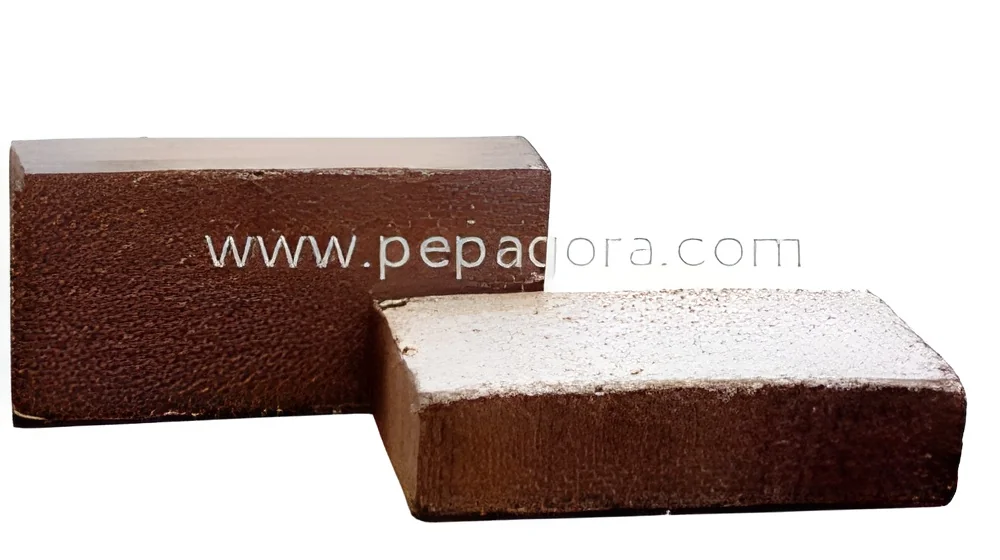
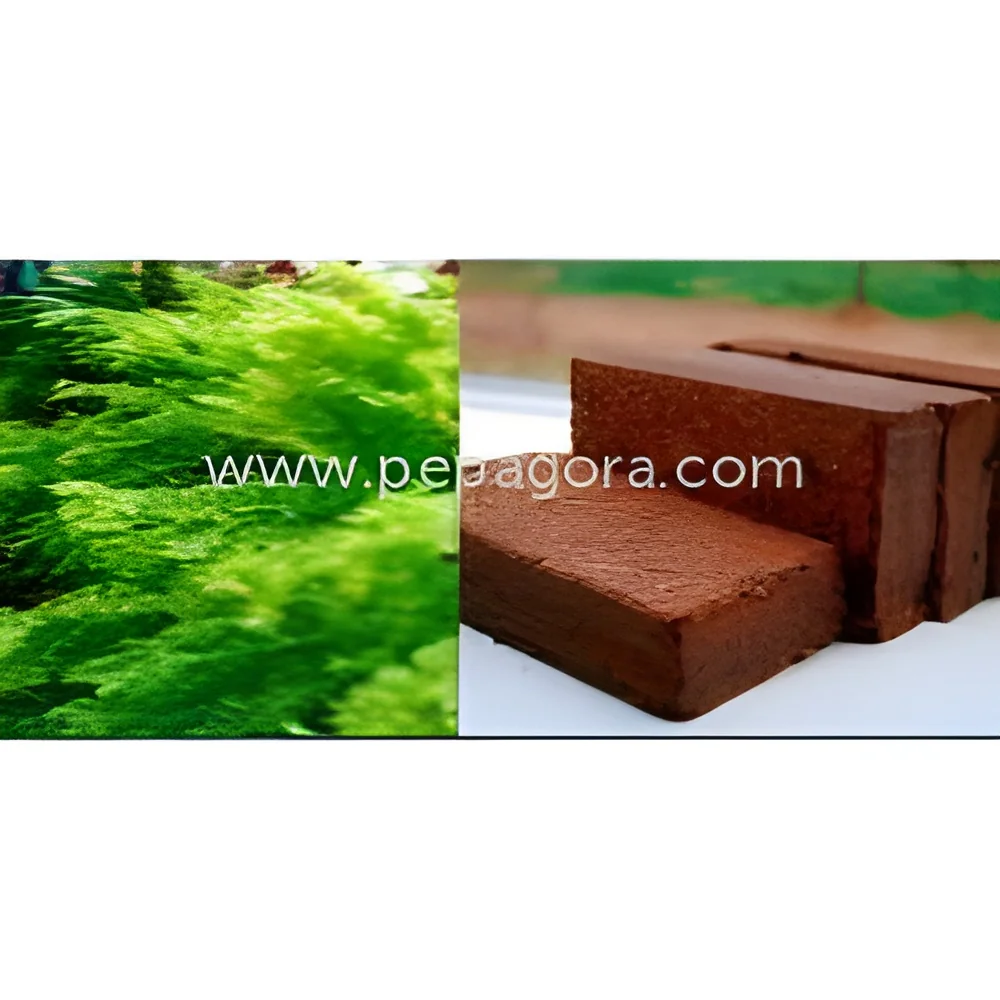
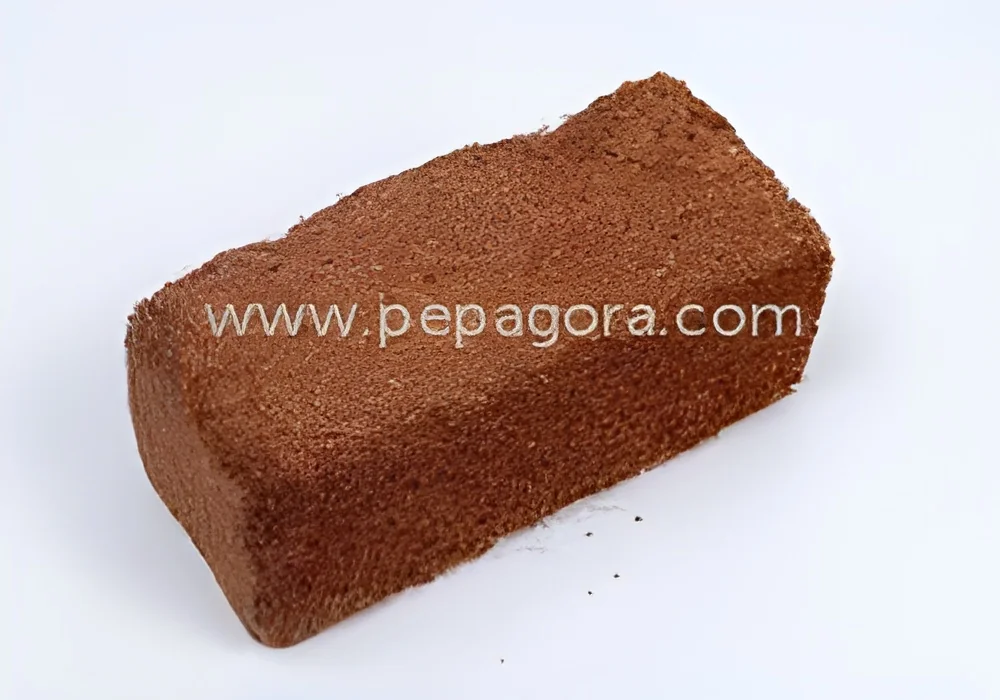
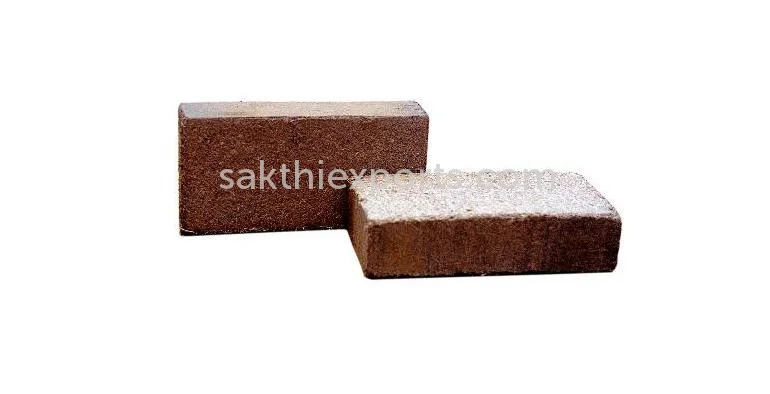
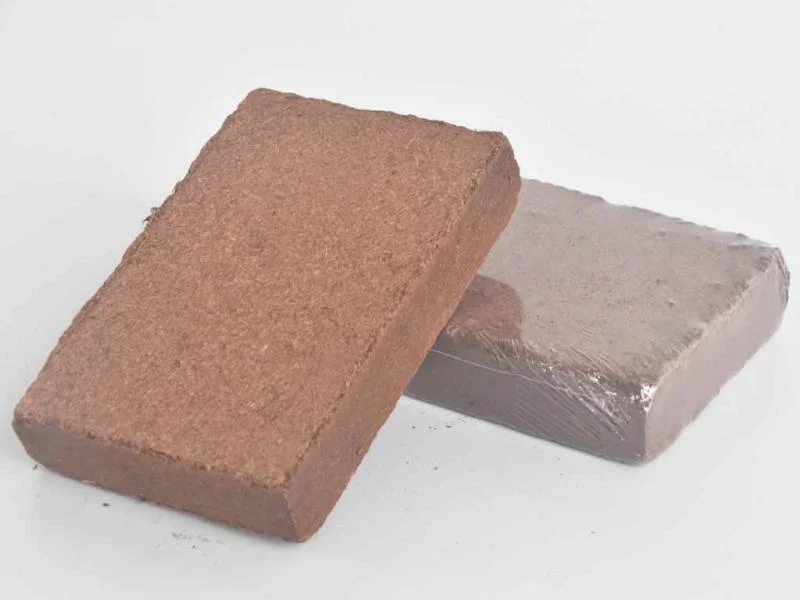
What are Organic Compost & Manure?
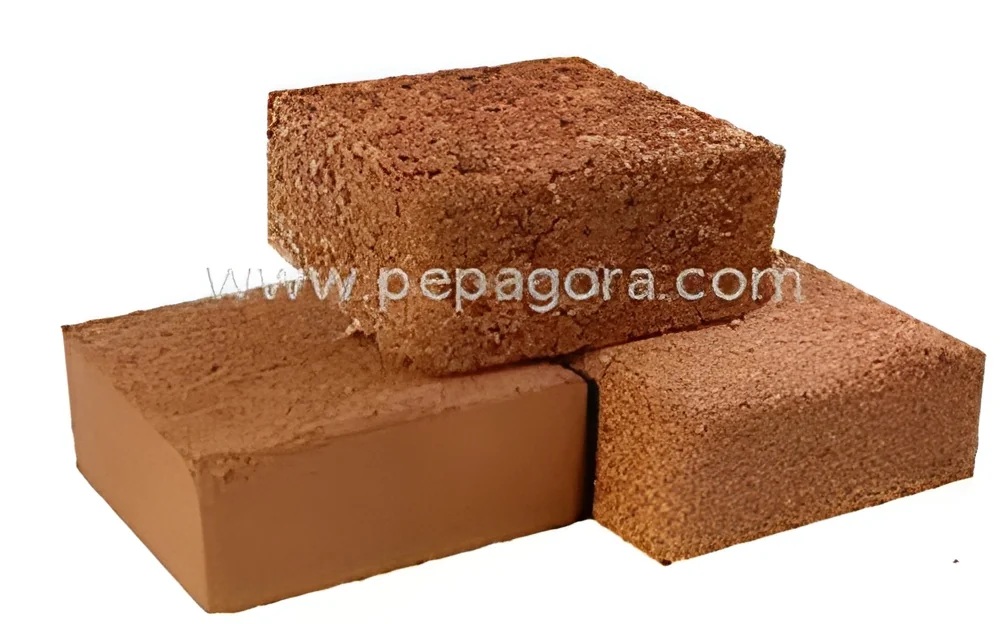
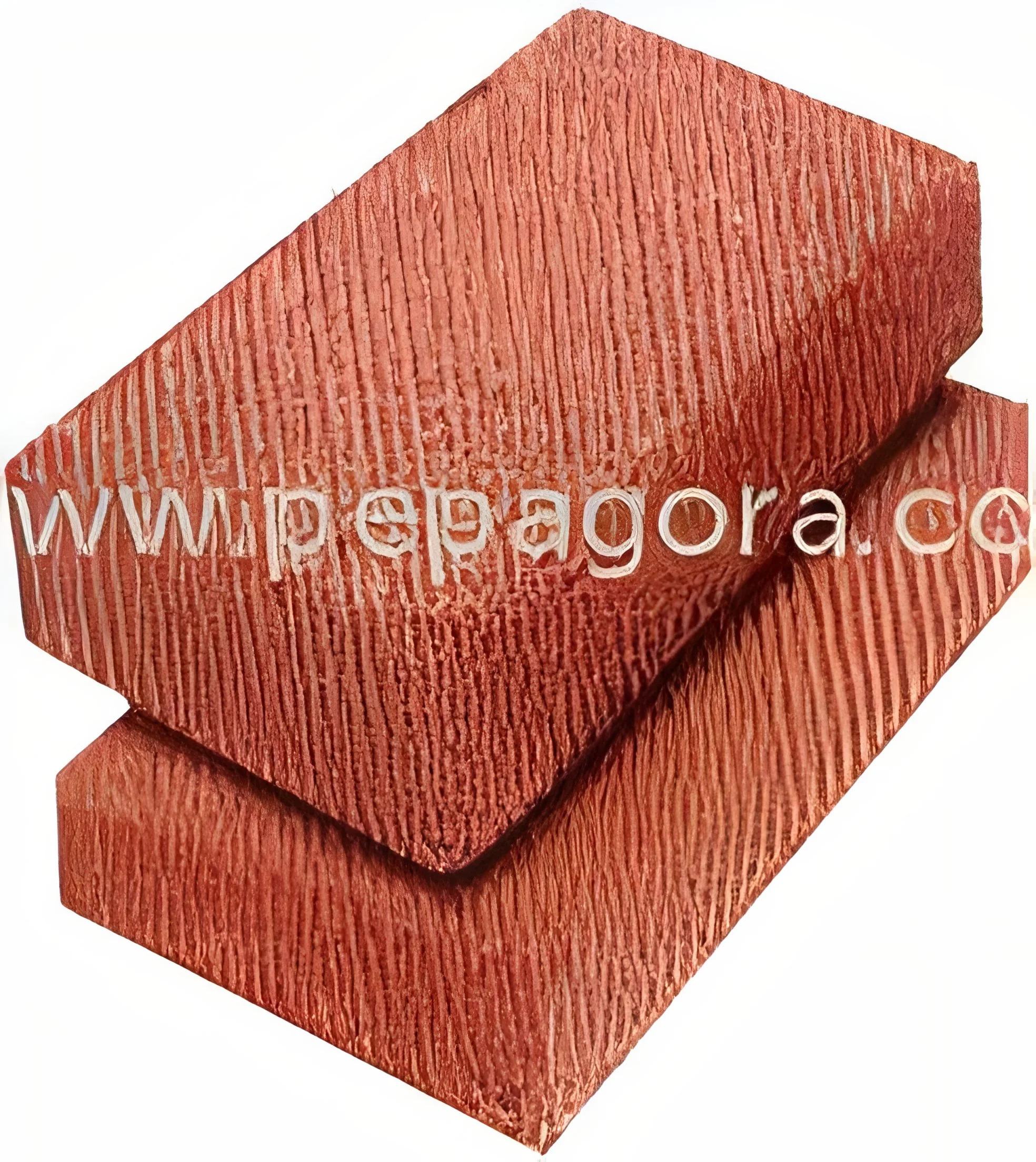
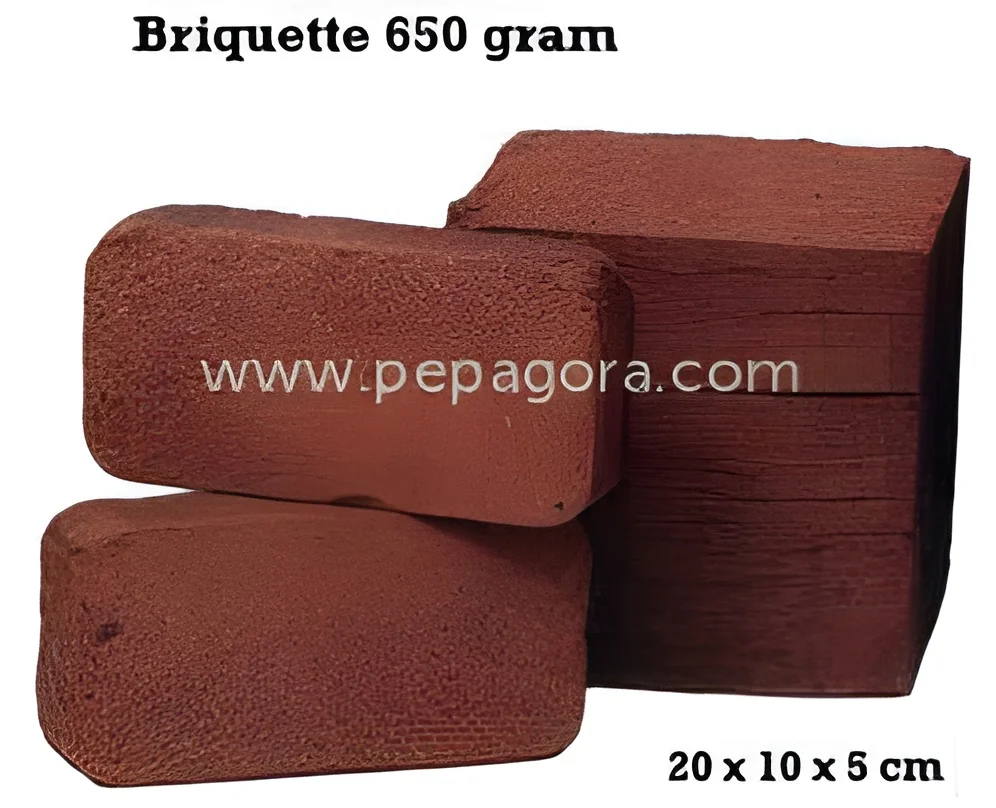
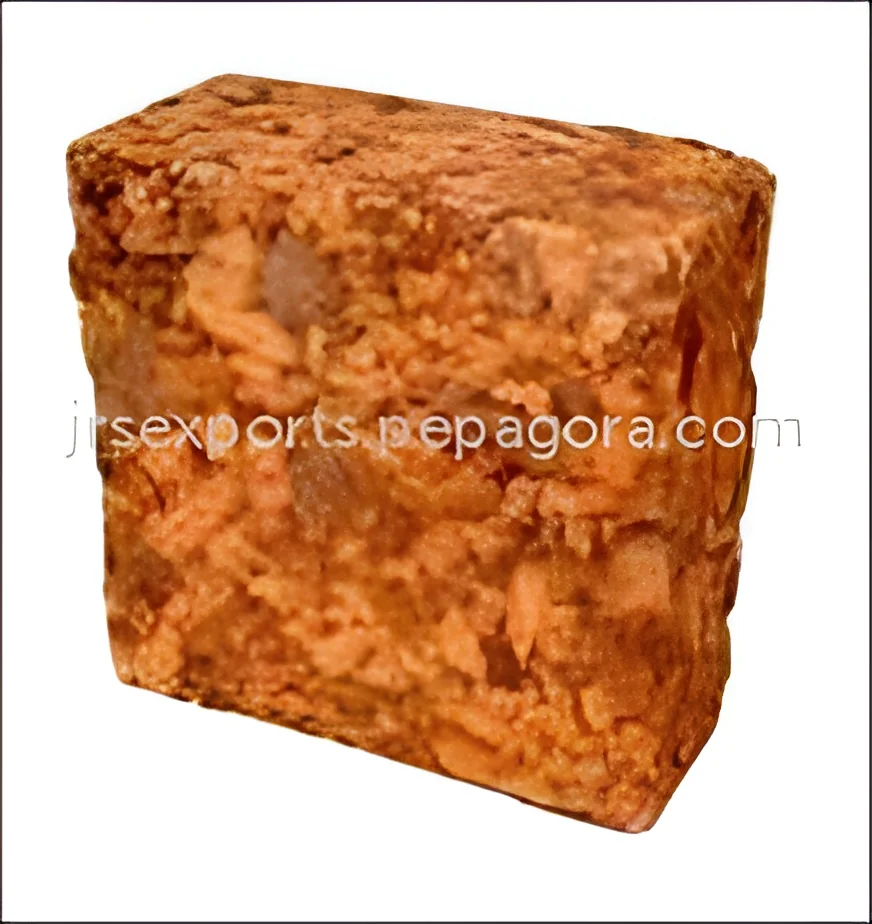
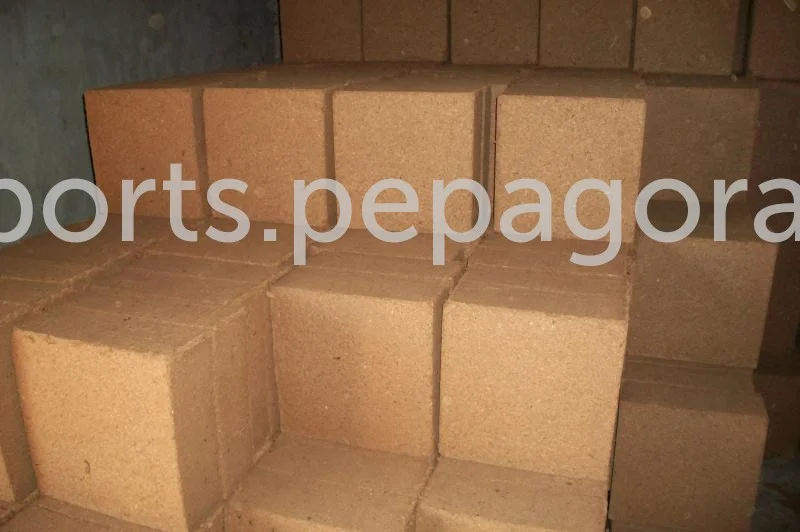
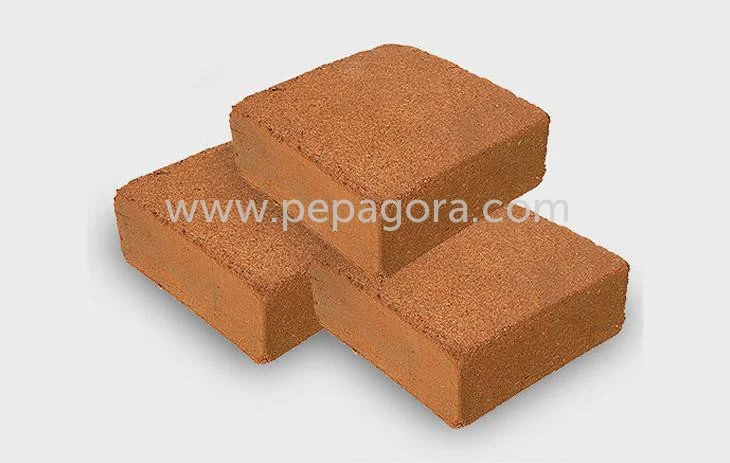
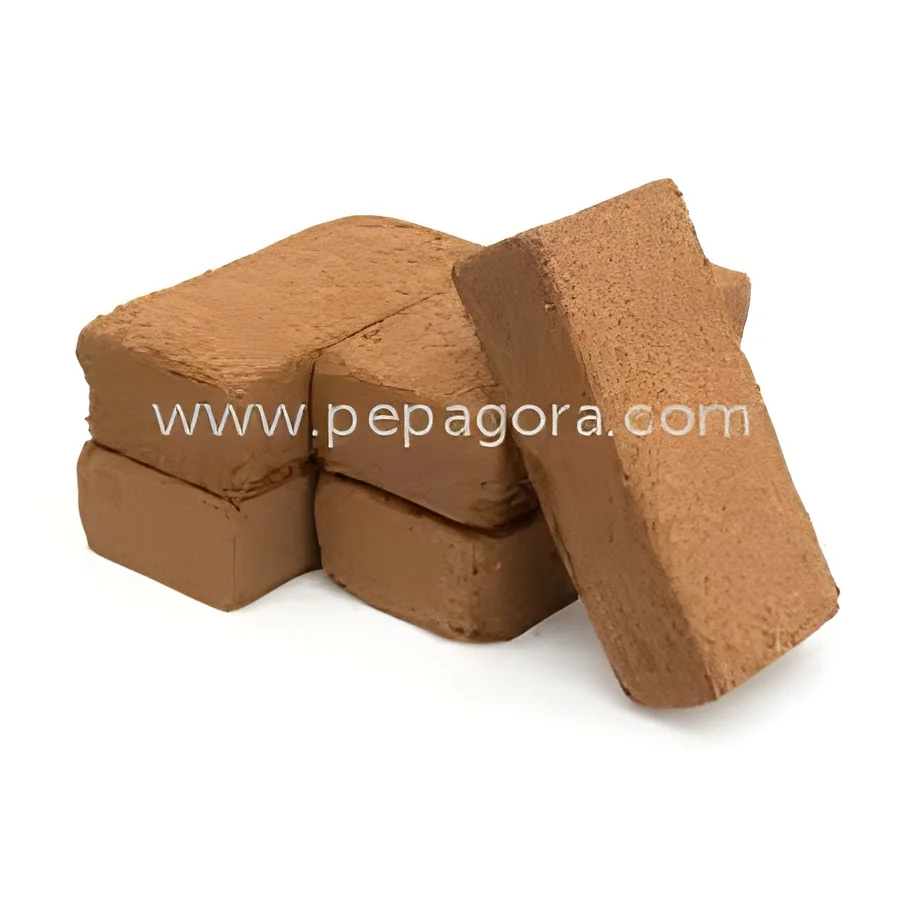
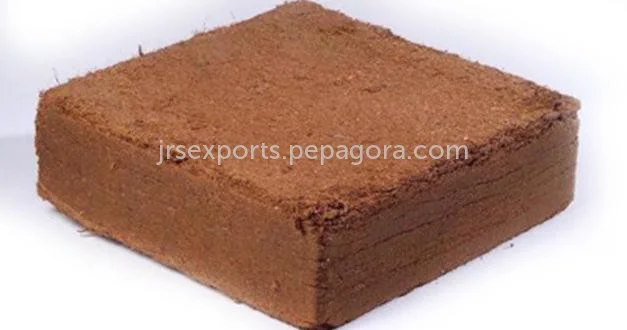
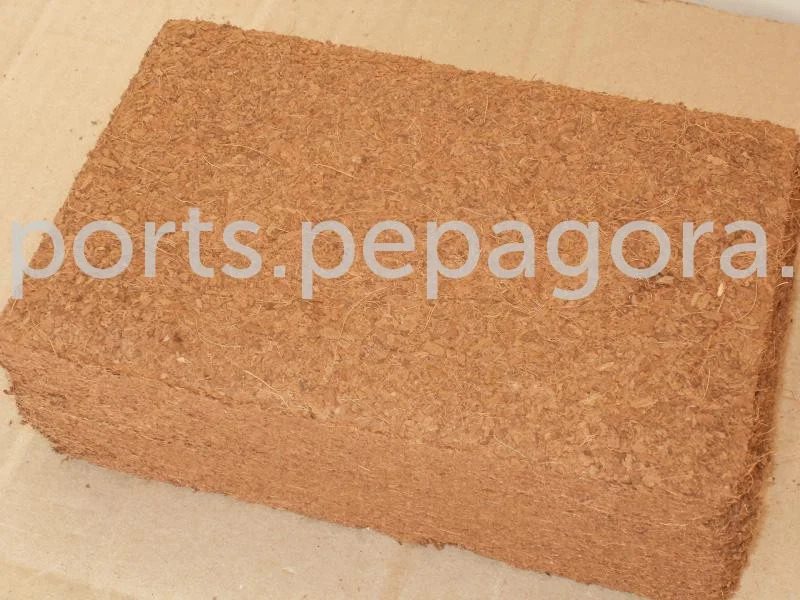
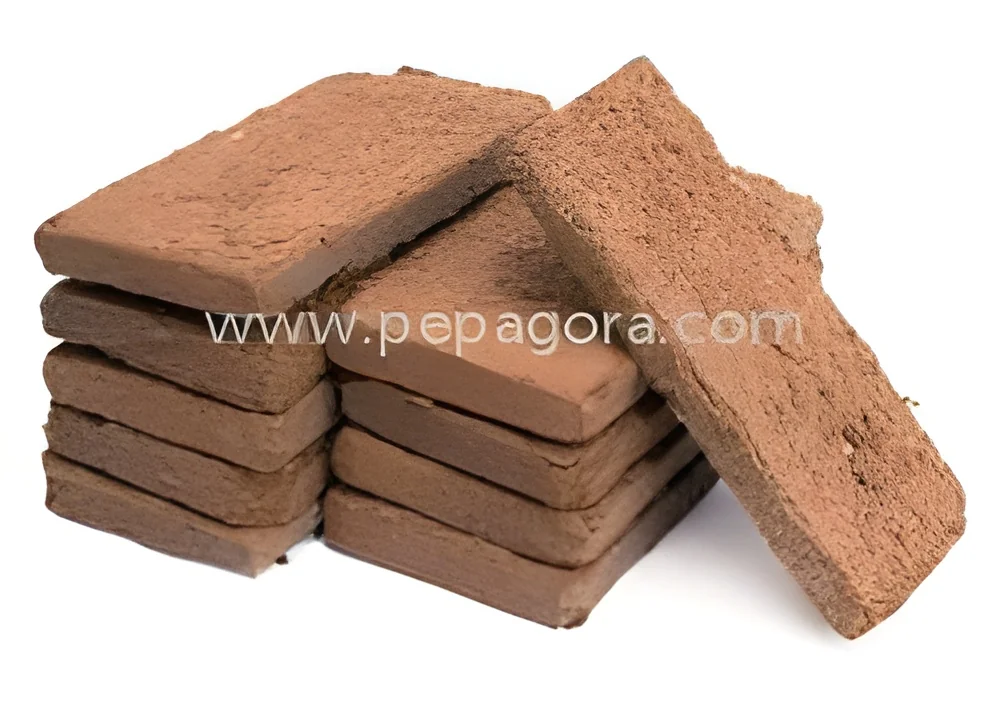
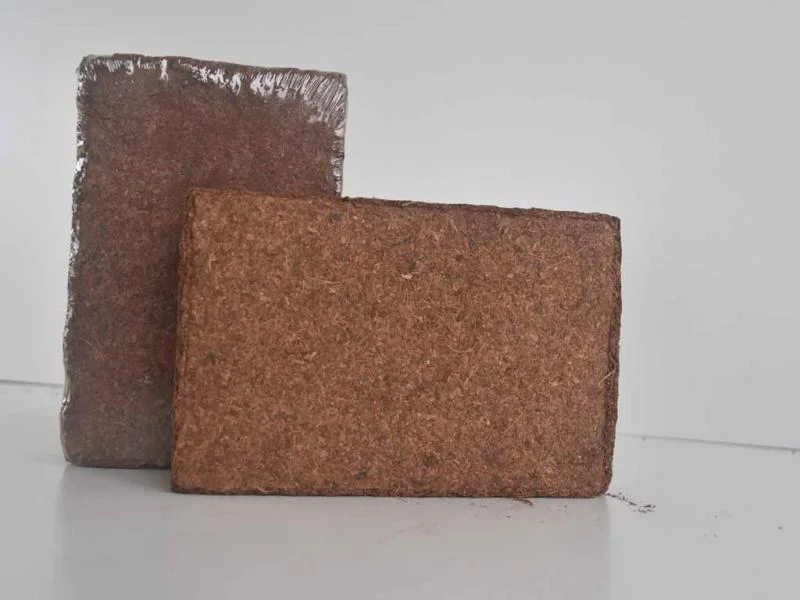
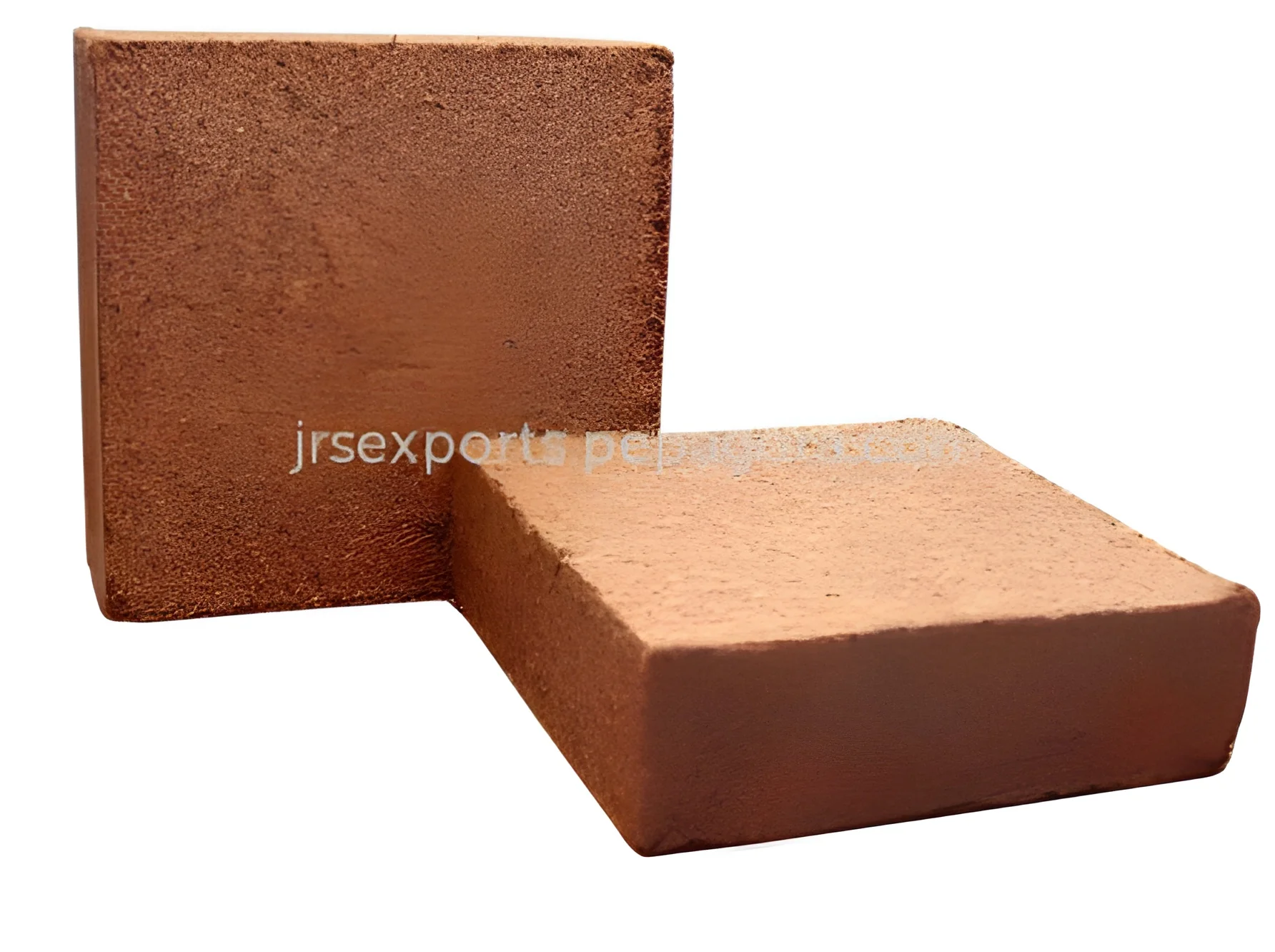
Organic compost and manure are natural fertilizers derived from decomposed organic materials. Organic compost is produced through the controlled decomposition of plant materials, food scraps, and other organic waste. Manure, on the other hand, is animal waste that has been processed for use in agriculture. Both products enrich soil fertility, improve soil structure, and promote healthy plant growth.
The primary uses of organic compost and manure include enhancing soil health in agricultural practices, landscaping, and gardening. Businesses in farming, horticulture, and landscaping frequently utilize these products to improve crop yields and promote sustainable practices. The growing emphasis on organic farming and eco-friendly practices has significantly increased the demand for organic compost and manure in the market.
In the context of the agricultural industry, organic compost and manure play a vital role in sustainable agriculture. They enable farmers to reduce reliance on synthetic fertilizers and pesticides, thus contributing to environmental health and soil preservation. The global market for organic fertilizers, including compost and manure, continues to expand due to increasing awareness of sustainable practices and the benefits of organic farming.
Key Features and Specifications
Organic compost and manure offer several key features that make them attractive for various applications. Their natural composition ensures that they are free from harmful chemicals, making them safe for both the environment and human health. Additionally, these products improve soil structure and moisture retention, which are essential for healthy plant growth.
Key specifications include:
1. Nutrient Content
- Organic compost typically contains essential nutrients such as nitrogen, phosphorus, and potassium.
- Nutrient levels may vary based on the source materials used in composting.
2. Organic Matter Percentage
- The organic matter content in compost and manure usually ranges from 20% to 60%.
- Higher organic matter levels enhance soil fertility and microbial activity.
3. pH Level
- The pH of organic compost and manure generally falls between 6.0 and 8.0.
- Maintaining an optimal pH level is crucial for nutrient availability to plants.
4. Moisture Content
- Ideal moisture levels for organic compost range from 40% to 60%.
- Proper moisture levels ensure effective decomposition and nutrient release.
5. Particle Size
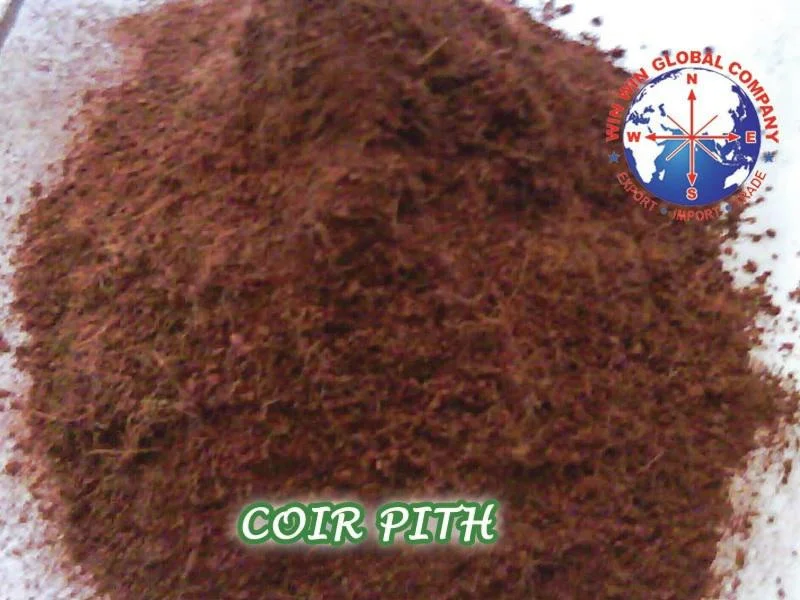
- Compost can vary in texture, with particle sizes ranging from fine to coarse.
- A uniform particle size can enhance application efficiency.
6. Maturity Level
- Mature compost is fully decomposed and stable, typically indicated by a dark color and earthy smell.
- Immature compost may still contain undecomposed materials, affecting its effectiveness.
In summary, the specifications of organic compost and manure highlight their suitability for enhancing soil health and supporting sustainable agricultural practices.
Common Applications and Use Cases
Organic compost and manure have diverse applications across multiple industries.
1. Agriculture: Farmers use organic compost and manure to enrich soil fertility, improve crop yields, and promote sustainable farming practices.
2. Landscaping: Landscape designers incorporate organic compost into soil mixes for planting and gardening to enhance soil structure and moisture retention.
3. Horticulture: Nurseries and greenhouses utilize organic compost to provide essential nutrients for plant growth and to support organic growing methods.
4. Home Gardening: Home gardeners often apply organic compost to vegetable and flower beds to enrich the soil naturally.
5. Erosion Control: Organic compost can be used in erosion control measures, improving soil stability and plant growth on slopes and vulnerable areas.
6. Restoration Projects: Environmental restoration projects employ organic compost to rehabilitate degraded lands and enhance biodiversity.
7. Composting Facilities: Facilities producing compost use organic materials and manure to create high-quality compost for distribution.
Product Variants and Subcategories
Organic compost and manure come in various forms to meet different agricultural and gardening needs.
Bulk Organic Compost
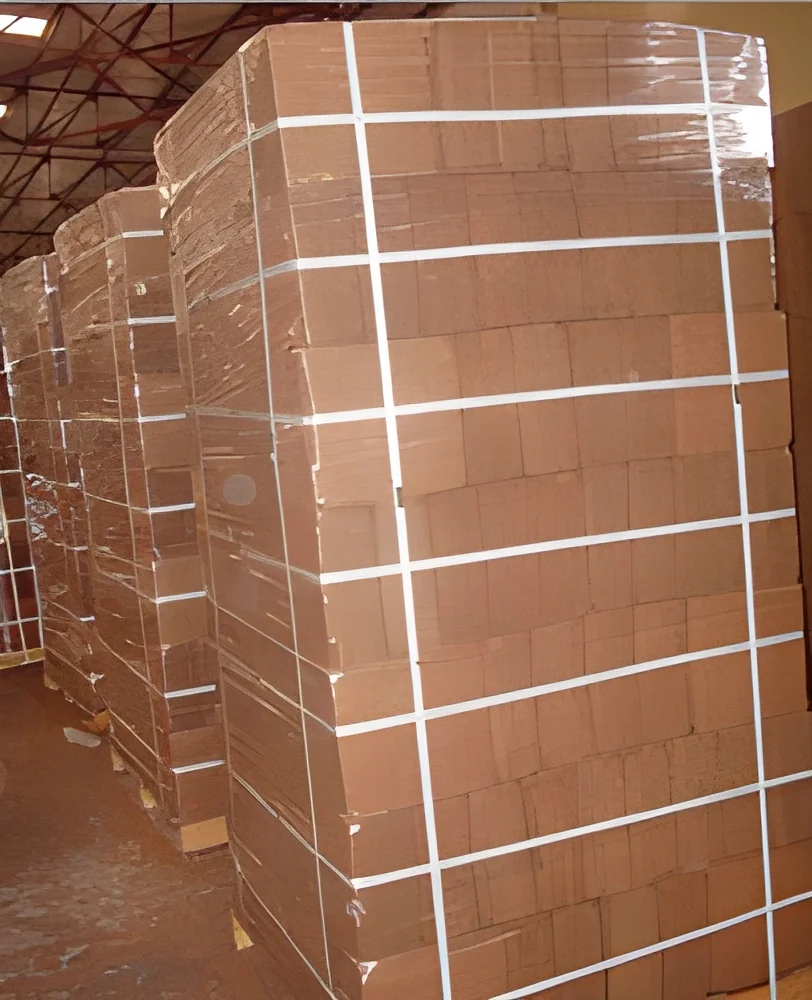
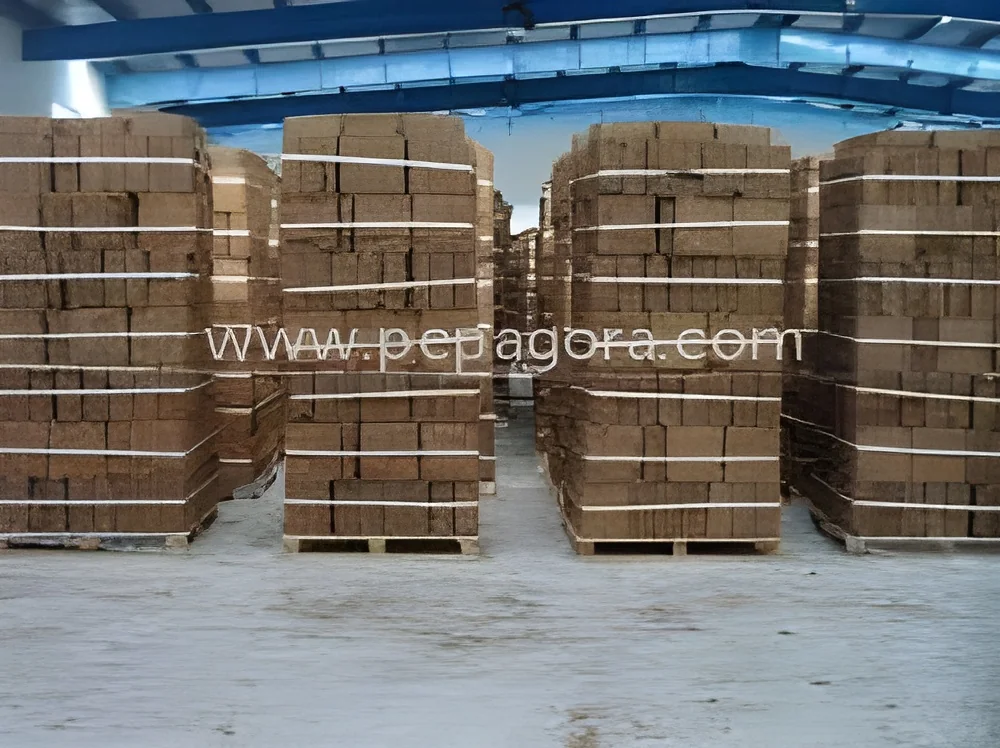
This variant is often delivered in large quantities for commercial use. It is suitable for large-scale agricultural applications and landscaping projects.
Bagged Organic Compost
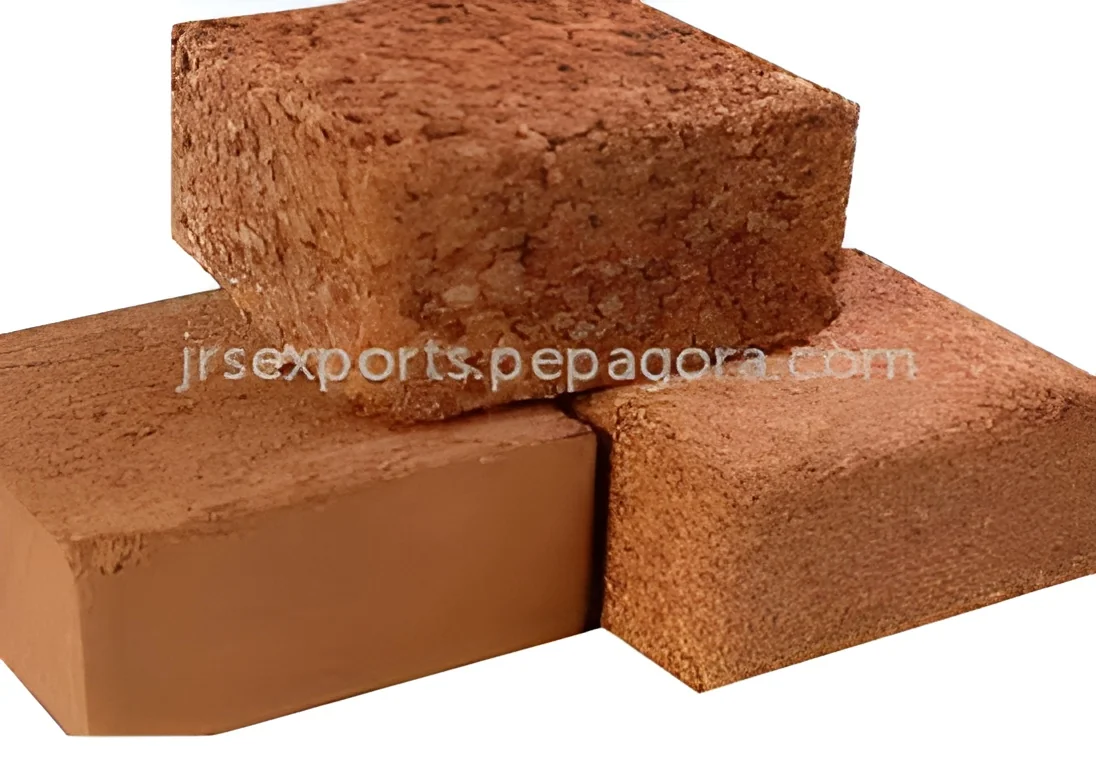
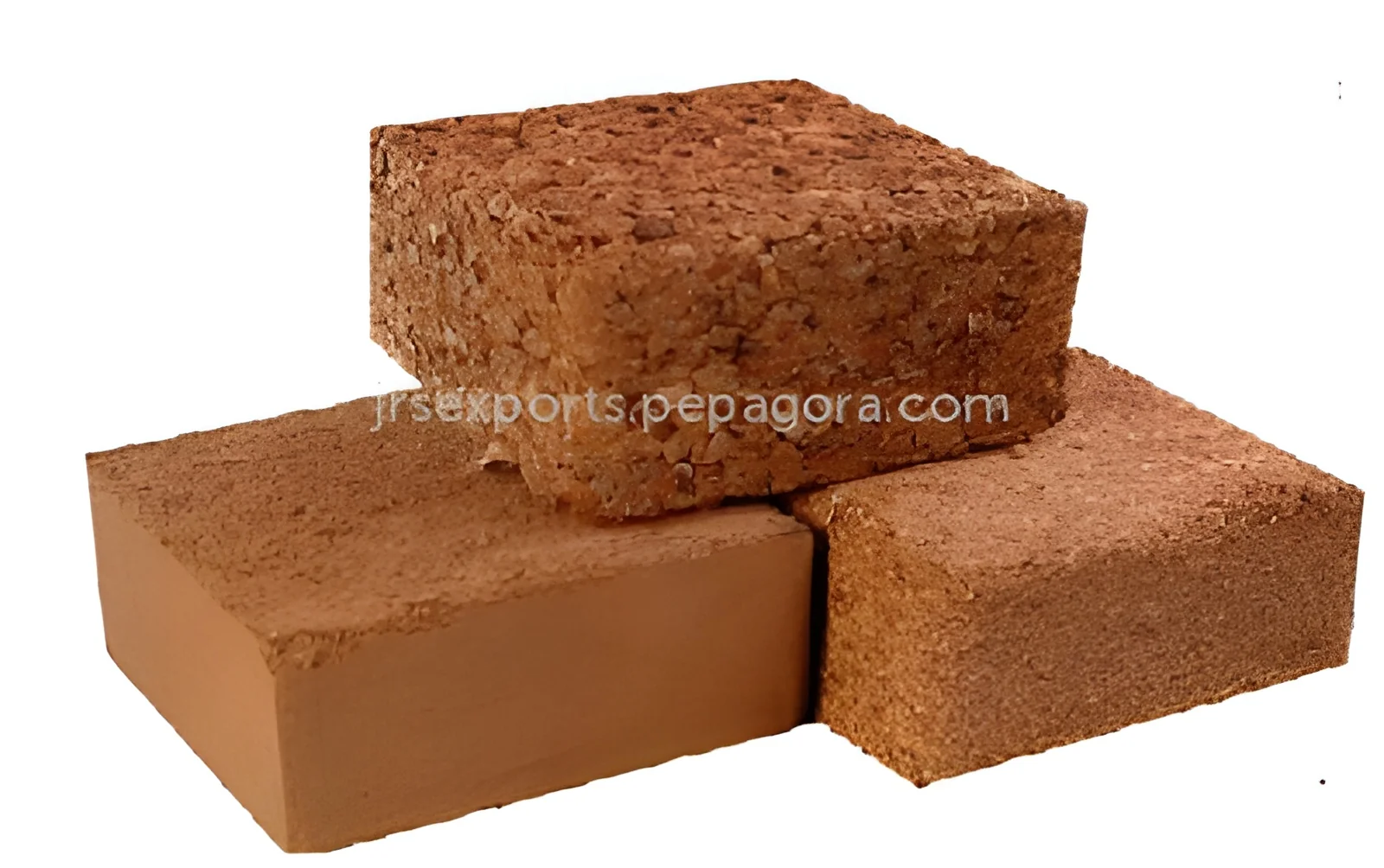
This packaged variant is convenient for home gardeners and smaller landscaping projects. It is ready to use and easy to store.
Liquid Manure
Liquid manure is a nutrient-rich slurry that can be applied directly to fields. It is particularly useful for rapid nutrient uptake by crops.
Composted Manure
This form of manure is fully decomposed and safe for application. It provides a balanced nutrient profile for various crops.
Benefits and Advantages
Choosing organic compost and manure offers several benefits for businesses and agricultural practices.
1. Environmental Sustainability: These products promote sustainable agriculture by reducing reliance on synthetic fertilizers and minimizing chemical runoff.
2. Improved Soil Health: Organic compost and manure enhance soil structure, increase nutrient availability, and promote beneficial microbial activity.
3. Cost-Effectiveness: Utilizing organic fertilizers can lower overall costs compared to synthetic alternatives, especially in the long term.
4. Enhanced Crop Yields: Regular application of organic compost and manure can lead to healthier plants and improved crop productivity.
5. Eco-Friendly: Organic compost and manure are natural, non-toxic options that contribute to environmental preservation.
6. Versatility: These products can be used in various applications, from large-scale farming to small home gardens.
Buying Guide for B2B Buyers
When sourcing organic compost and manure, B2B buyers should consider several key factors to ensure they make informed purchasing decisions.
1. Quality Assessment: Evaluate the quality of organic compost and manure based on nutrient content, moisture levels, and maturity. Request samples to analyze before making a purchase.
2. Supplier Verification: Conduct thorough vetting of suppliers. Check for certifications, customer reviews, and industry experience to ensure reliability.
3. Pricing and MOQ: Understand the pricing structure and minimum order quantities required by suppliers. Compare prices to ensure competitive rates while maintaining quality.
4. Delivery and Lead Times: Inquire about delivery options and lead times. Timely delivery is crucial for agricultural operations and project timelines.
5. Compliance Requirements: Familiarize yourself with local regulations and compliance standards related to organic fertilizers. Ensure the products meet relevant quality and safety standards.
Compliance and Certifications
Organic compost and manure must adhere to various compliance and certification standards to ensure quality and safety.
Relevant quality standards include ISO 9001, which focuses on quality management systems, and HACCP, which addresses food safety risks. These certifications help assure buyers that the products meet stringent quality requirements.
Additionally, industry certifications such as CE indicate compliance with European safety standards. This certification is essential for products intended for export or use in regulated markets.
Safety and testing requirements are crucial in maintaining the quality of organic compost and manure. Regular testing for contaminants, pathogens, and nutrient levels ensures that these products are safe for use in agriculture.
Regional compliance considerations vary based on local regulations. Buyers should be aware of specific guidelines that apply to their geographic location to ensure compliance with all applicable laws.
Why Source Organic Compost & Manure from Pepagora?
Pepagora provides a trusted platform for sourcing organic compost and manure, offering several key advantages to B2B buyers.
Verified Supplier Network: Pepagora features a network of verified suppliers who meet quality and safety standards. This network ensures that buyers have access to reliable products.
Streamlined RFQ Process: The platform allows buyers to submit requests for quotations easily, facilitating quick and efficient sourcing of organic fertilizers.
Trade Assurance and Support: Pepagora offers trade assurance, providing buyers with protection against potential issues during the purchasing process. Dedicated support is available to address any inquiries.
Regional Coverage: With a strong presence in India, the GCC, and Southeast Asia, Pepagora connects buyers with suppliers across diverse geographic regions, ensuring broad access to quality organic compost and manure.

 IN
IN