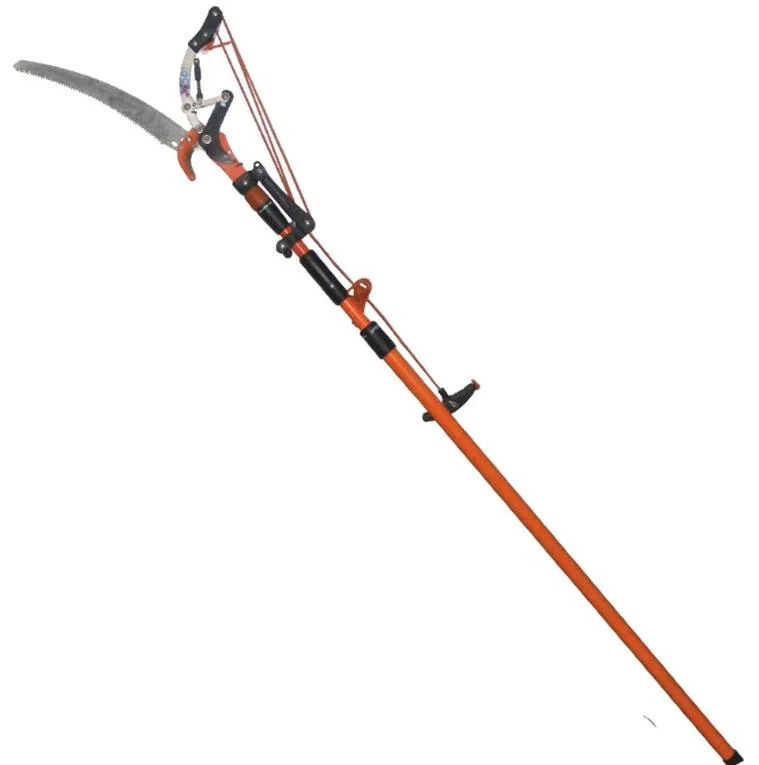
What are Pruners & Shears?
Pruners and shears are essential hand tools used primarily for trimming and shaping plants, trees, and shrubs. These tools come in various shapes and sizes, designed to efficiently cut through stems and branches. Pruners typically feature a single sharp blade that moves against a flat surface, while shears have two blades that slide past each other. Both tools are indispensable for maintaining healthy plants and promoting growth in gardens and landscapes.
The primary uses of pruners and shears include cutting back overgrown stems, shaping hedges, and removing dead or diseased branches. They are widely utilized in horticulture, landscaping, and agriculture, making them vital for businesses focused on plant care and management. The market for these tools is robust, driven by the increasing demand for gardening and landscaping services, as well as the growing trend of urban gardening and sustainable practices.
In today's competitive landscape, the relevance of pruners and shears extends beyond basic gardening. They are critical for professional landscapers, nurseries, and agricultural operations, which require reliable and efficient tools to enhance productivity and ensure high-quality outputs.
Key Features and Specifications
When considering pruners and shears, understanding their key features and specifications is essential for making an informed purchase. These tools are designed with various functionalities to meet the diverse needs of users in different industries.
Key specifications include:
1. Blade Material
- Typically made from high-carbon steel or stainless steel
- Offers durability, corrosion resistance, and sharpness retention
2. Cutting Capacity
- Refers to the maximum diameter of branches or stems that can be cut
- Common ranges are between 1/4 to 1 inch for pruners and up to 2 inches for shears
3. Handle Design
- Ergonomic designs reduce strain during extended use
- Options include non-slip grips for better control
4. Weight
- Lightweight designs enhance maneuverability
- Typical weights range from 0.5 to 1.5 pounds depending on the type
5. Locking Mechanism
- Ensures safety when tools are not in use
- Common types include slide locks and latch locks
6. Blade Type
- Bypass blades are ideal for live plants; anvil blades work well for dry wood
- Specialty blades are available for specific pruning tasks
7. Warranty Period
- Varies by manufacturer, typically offering 1 to 5 years
- A longer warranty indicates confidence in product durability
In summary, selecting the right pruners and shears involves considering these key features and specifications to ensure optimal performance and longevity in various applications.
Common Applications and Use Cases
Pruners and shears are versatile tools used across various industries, each with specific applications that highlight their importance.
1. Horticulture: In horticulture, pruners and shears are essential for maintaining plant health, managing growth, and preparing plants for seasonal changes. They enable precise cuts that promote healing and encourage new growth.
2. Landscaping: Professional landscapers use these tools to shape hedges, trim shrubs, and maintain overall aesthetics. Their effectiveness in achieving clean cuts helps enhance the visual appeal of outdoor spaces.
3. Agriculture: In agricultural settings, pruners are vital for harvesting fruits and vegetables. They assist in removing unwanted growth and ensuring that plants receive adequate sunlight and air circulation.
4. Nursery Management: Nurseries rely on pruners and shears for propagating plants and maintaining inventory. These tools help ensure that plants remain healthy and ready for sale.
5. Floristry: Florists use shears for cutting stems at precise angles, enabling better water uptake in arrangements. This enhances the longevity of floral displays.
6. Urban Gardening: With the rise of urban gardening, pruners and shears are crucial for individuals managing small gardens or community green spaces. They support efficient gardening practices in limited areas.
Product Variants and Subcategories
Pruners and shears come in various types to suit specific tasks and user preferences. Each variant is designed to enhance performance and user comfort.
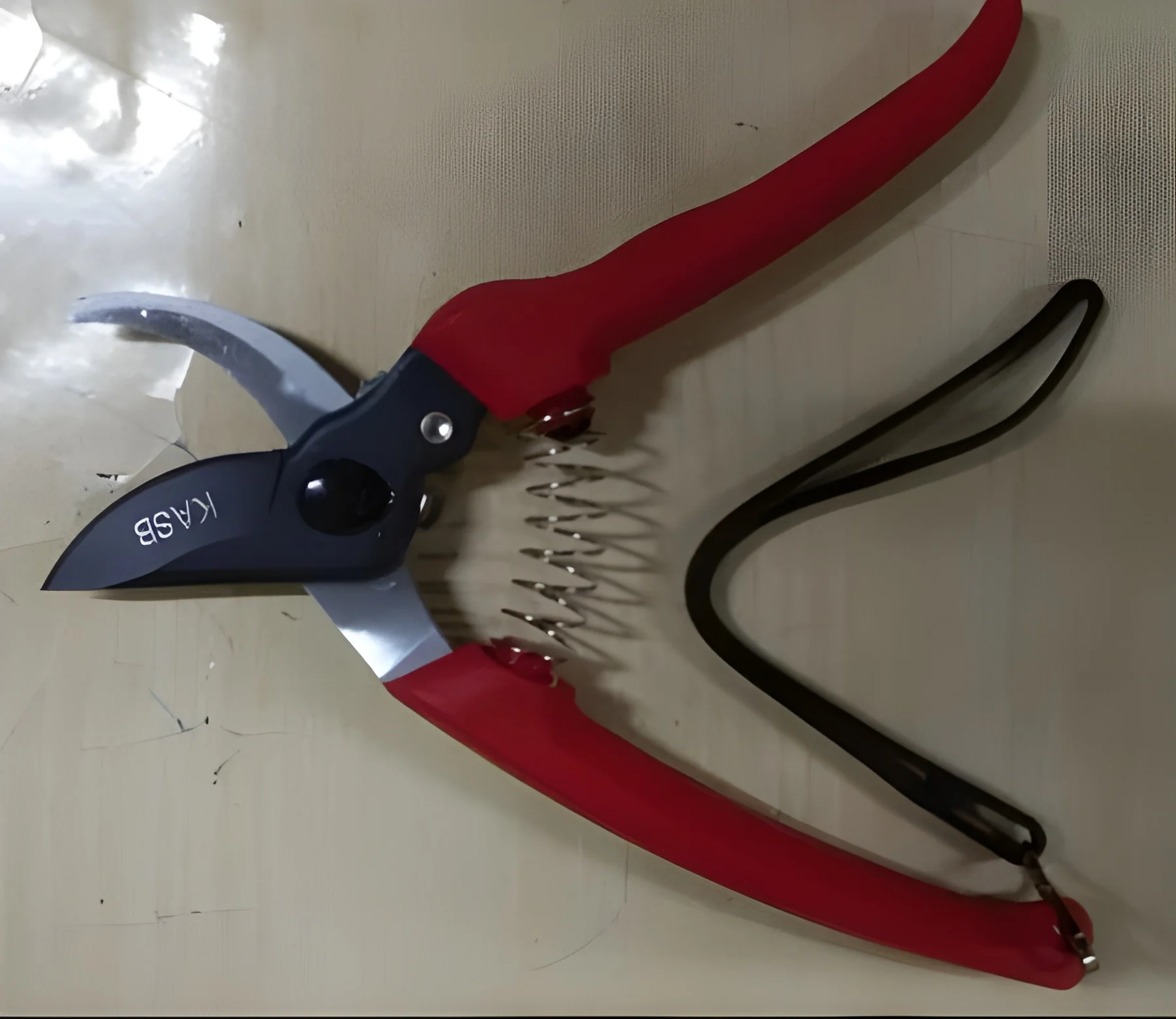
Bypass Pruners: Bypass pruners feature a curved blade that moves past a flat blade, making them ideal for fresh growth. They are perfect for trimming live plants and are favored by gardeners for their clean cuts.
Anvil Pruners: Anvil pruners have a straight blade that cuts against a flat surface. They are effective for cutting through older, dead wood and are commonly used in landscaping and maintenance tasks.
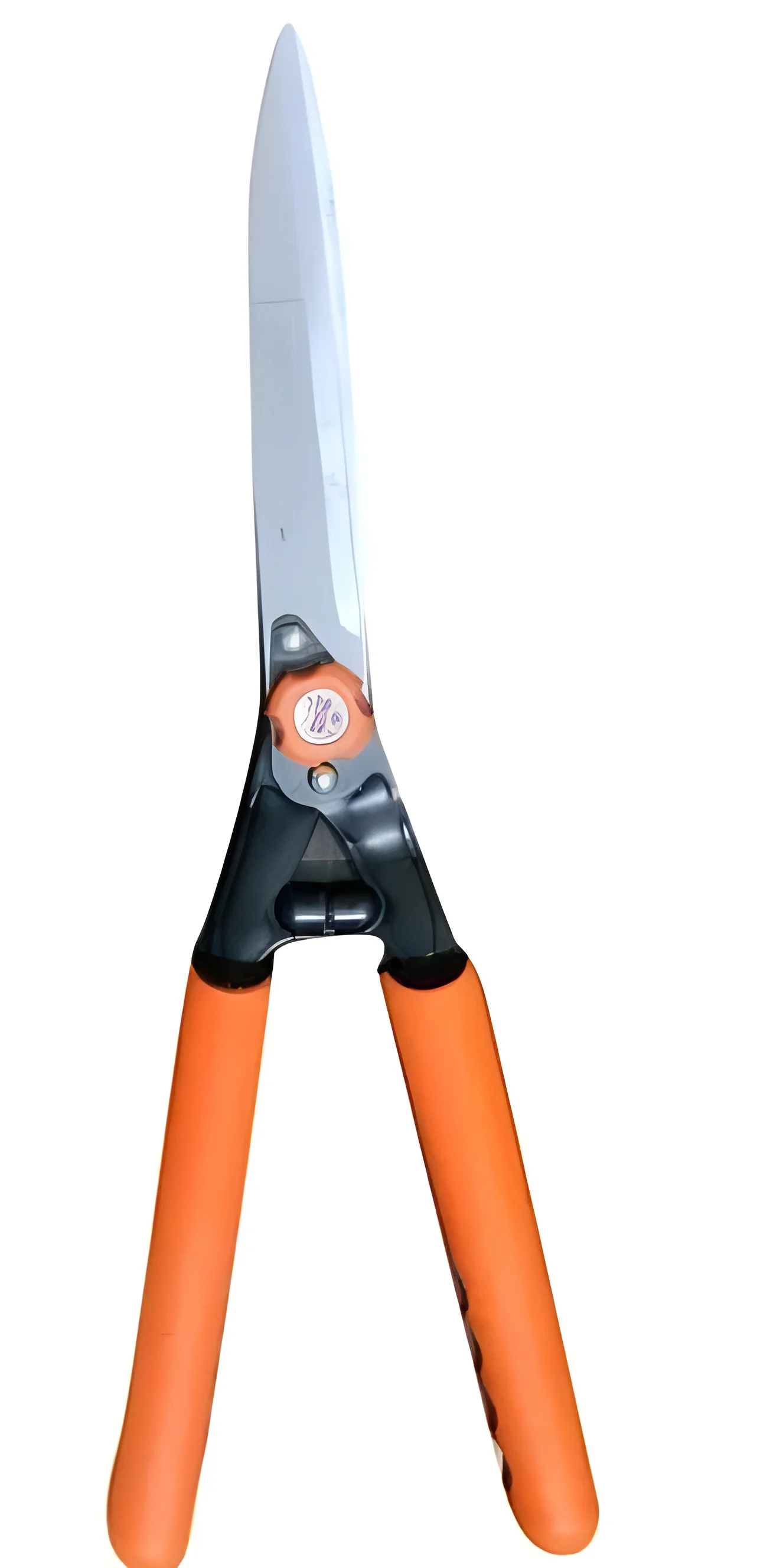
Garden Shears: Garden shears are larger than pruners and are designed for cutting and shaping shrubs or hedges. They typically feature longer handles for better leverage and control.
Professional Pruners: These tools are built for heavy-duty use and often have reinforced blades and ergonomic handles. They are designed for commercial use in landscaping and agriculture.
Benefits and Advantages
Investing in high-quality pruners and shears offers several advantages that can enhance productivity and improve results in various applications.
1. Improved Efficiency: Sharp and well-designed tools allow for quicker and cleaner cuts, saving time during pruning tasks.
2. Enhanced Ergonomics: Tools with ergonomic designs reduce hand fatigue and improve user comfort, enabling longer work sessions without strain.
3. Versatility: With different blade types and designs, pruners and shears can be used for a wide range of cutting tasks, from delicate flowers to tough branches.
4. Increased Plant Health: Proper pruning techniques promote healthier growth, reduce disease spread, and enhance the overall appearance of plants.
5. Cost-Effectiveness: Durable tools that require less frequent replacement lead to lower long-term costs for businesses.
6. Safety Features: Many modern pruners and shears come equipped with safety locks and protective features to prevent accidents during use.
Buying Guide for B2B Buyers
When sourcing pruners and shears for business needs, several factors should be considered to ensure the best purchasing decisions.
1. Quality Assessment: Evaluate the quality of materials and construction. Look for tools made from durable steel with ergonomic designs to ensure longevity and performance.
2. Supplier Verification: Conduct thorough research on suppliers. Verify their reputation, customer reviews, and certifications to ensure reliability and quality assurance.
3. Pricing and MOQ: Understand the pricing structures and minimum order quantities required by suppliers. This helps in budget planning and ensures that you are getting value for your investment.
4. Delivery and Lead Times: Confirm delivery schedules and lead times. Timely delivery is crucial for maintaining operations and meeting project deadlines.
5. Compliance Requirements: Ensure that the tools meet relevant safety and quality standards. Familiarize yourself with any regulatory requirements specific to your industry.
Compliance and Certifications
Compliance with industry standards is essential for ensuring the quality and safety of pruners and shears. Tools should meet relevant quality standards such as ISO 9001, which ensures consistent quality management processes.
Furthermore, certifications like CE indicate that products comply with European safety standards, assuring buyers of their reliability. Safety testing requirements must also be adhered to, as they help in identifying potential hazards associated with tool use.
Regional compliance considerations may vary, so it is important to understand the specific regulations in your market. This ensures that the products sourced are not only effective but also legally compliant for use in your operations.
Why Source Pruners & Shears from Pepagora?
Pepagora offers a trusted platform for sourcing pruners and shears with a range of key advantages that cater to B2B buyers.
Verified Supplier Network: Pepagora has established a comprehensive network of verified suppliers. This ensures that buyers can access high-quality tools while minimizing risks associated with sourcing.
Streamlined RFQ Process: The Request for Quotation (RFQ) process on Pepagora simplifies procurement. Buyers can easily compare quotes and select suppliers that meet their requirements.
Trade Assurance and Support: Pepagora provides trade assurance, protecting buyers' interests throughout the purchasing process. This includes support for any issues that may arise post-purchase.
Regional Coverage: With a geographic reach that spans India, the GCC, and Southeast Asia, Pepagora connects buyers with suppliers across diverse markets, facilitating easier access to quality pruners and shears.

 IN
IN