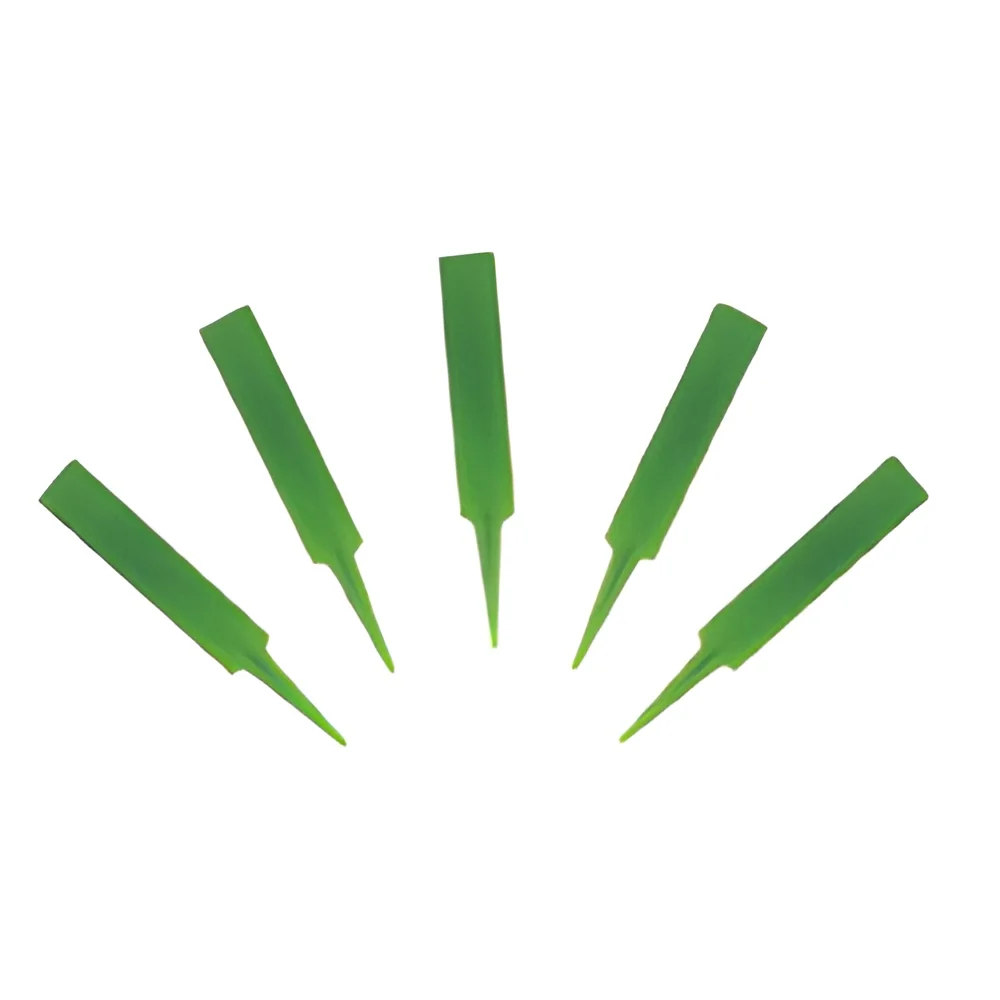
What are Plant Labels & Tags?
Plant labels and tags are essential tools used in various agricultural and horticultural settings to provide critical information about plants. These labels serve as identification markers, displaying data such as plant names, care instructions, and other pertinent details. Made from durable materials, they are designed to withstand environmental conditions while remaining legible over time.
The primary uses of plant labels and tags include organizing plants in nurseries, gardens, and landscapes, as well as facilitating the tracking of growth and care processes. Businesses in agriculture, landscaping, and garden centers rely on these labels to ensure proper plant management and customer satisfaction. By providing clear and accurate information, plant labels help streamline operations and enhance overall productivity.
In the context of industry relevance, plant labels and tags play a crucial role in the growing sectors of agriculture and horticulture. With increased demand for organized plant care and identification, the market for these products is expanding. Companies are increasingly recognizing the value of investing in high-quality plant labels and tags to improve efficiency and support sustainable practices.
Key Features and Specifications
When considering plant labels and tags, it is important to focus on several key features and specifications that enhance their functionality and usability. These specifications ensure that the labels perform well in various environments and meet the needs of different applications.
Key specifications include:
1. Material Type
- Common materials include plastic, metal, and biodegradable options.
- Each material offers different levels of durability and environmental impact.
2. Size and Dimensions
- Available in various sizes to accommodate different labeling needs.
- Standard dimensions range from small tags for individual plants to larger labels for garden beds.
3. Printability
- Labels can be printed with standard information or customized with specific details.
- Options for thermal printing or handwriting may be available.
4. Weather Resistance
- Labels are designed to withstand UV exposure, moisture, and temperature fluctuations.
- This ensures longevity in outdoor applications.
5. Color Options
- Available in various colors to enhance visibility and organization.
- Color coding can help in categorizing plants or identifying care levels.
6. Attachment Methods
- Tags may come with ties, stakes, or adhesive backing for easy application.
- The attachment method should suit the plant type and growing environment.
7. Reusability
- Some labels are designed for reuse, allowing for cost savings over time.
- Reusable options can be wiped clean and relabeled as needed.
8. Compliance Standards
- Labels may meet specific industry standards for safety and environmental impact.
- Ensure labels are compliant with local regulations if necessary.
In summary, selecting the right plant labels and tags involves understanding these key specifications and how they apply to your specific needs.
Common Applications and Use Cases
Plant labels and tags find applications across a variety of industries, each benefiting from effective plant identification and management.
1. Agriculture: Farmers use plant labels to track crop varieties, planting dates, and care instructions, facilitating better crop management and yield monitoring.
2. Horticulture: Nurseries employ labels to provide customers with essential information about plant species, care requirements, and growth habits, enhancing the buying experience.
3. Landscaping: Landscape professionals utilize tags to organize plant installations, ensuring proper identification and maintenance of diverse plant species in outdoor spaces.
4. Research Institutions: Research facilities use plant labels for experimental tracking, ensuring accurate documentation of different plant responses under various conditions.
5. Botanical Gardens: Botanical gardens implement labels to provide educational information to visitors about plant species, their origins, and ecological significance.
6. Home Gardening: Amateur gardeners use plant tags to keep track of their plants, ensuring they follow the correct care instructions for each species.
7. Greenhouses: Greenhouse operators rely on labels for plant organization and care, allowing for efficient cultivation and management of numerous plant varieties.
Product Variants and Subcategories
The diversity of plant labels and tags allows for various options to meet specific needs and preferences. Different variants can cater to different applications.
Plastic Tags
Plastic tags are lightweight and durable, making them suitable for outdoor use. They are often available in bright colors and can be printed or handwritten, providing flexibility for various labeling needs.
Metal Labels
Metal labels are known for their durability and resistance to harsh weather conditions. Often used in more permanent installations, these labels can be engraved or stamped with information, ensuring long-lasting legibility.
Biodegradable Labels
For eco-conscious businesses, biodegradable labels offer a sustainable option. These labels break down over time, minimizing environmental impact while still providing essential plant information during their lifespan.
Vinyl Stickers
Vinyl stickers can be customized for specific branding needs. They are weather-resistant and can be used on pots or planters, providing a professional appearance while conveying important plant details.
Waterproof Paper Tags
Waterproof paper tags are ideal for short-term use or indoor applications. They are typically less expensive and can be printed or written on, making them a versatile option for various labeling needs.
Benefits and Advantages
Investing in quality plant labels and tags brings several advantages to businesses and organizations.
1. Improved Organization: Labels help maintain order in plant management, making it easy to identify and track various species.
2. Enhanced Communication: Clear labeling provides essential information to customers and employees, improving care practices and reducing errors in plant handling.
3. Increased Efficiency: By streamlining plant identification processes, labels contribute to more efficient operations, saving time and resources.
4. Professional Appearance: Well-labeled plants enhance the aesthetic appeal of nurseries and gardens, attracting customers and promoting sales.
5. Support for Sustainability: Eco-friendly labeling options, such as biodegradable tags, align with sustainable practices and appeal to environmentally conscious consumers.
6. Customization Options: Many labels can be tailored to fit specific branding or informational needs, adding a personal touch to plant care.
Buying Guide for B2B Buyers
When sourcing plant labels and tags, B2B buyers should consider several important factors to ensure they make informed decisions.
1. Quality Assessment: Evaluate the materials and construction of the labels to ensure they will withstand the intended environmental conditions. Look for durability and weather resistance.
2. Supplier Verification: Vet suppliers to ensure they have a good reputation and provide high-quality products. Check reviews and request samples if possible.
3. Pricing and MOQ: Understand the pricing structure and minimum order quantities (MOQ) from suppliers. This information will help in cost planning and budgeting.
4. Delivery and Lead Times: Inquire about delivery schedules and lead times to ensure that products will arrive when needed, avoiding delays in operations.
5. Compliance Requirements: Ensure that the labels meet any relevant compliance or industry standards. This may include safety, environmental, or regulatory considerations specific to your region.
Compliance and Certifications
Plant labels and tags must adhere to relevant quality standards and certifications to ensure reliability and safety in various applications. Some important standards include ISO 9001, which focuses on quality management systems, and HACCP, which emphasizes food safety in agricultural practices. Compliance with GDP (Good Distribution Practices) is also significant in ensuring that products are stored and transported under proper conditions.
Certifications such as CE are important for demonstrating that products meet European safety standards. This can be essential for businesses looking to expand into international markets. Additionally, safety and testing requirements may be necessary to ensure that the materials used in labels do not pose risks to plants or consumers.
Regional compliance considerations should also be taken into account, as regulations may vary by location. Businesses must ensure their labeling practices align with local laws to avoid any legal issues.
Why Source Plant Labels & Tags from Pepagora?
Pepagora is a trusted platform for sourcing plant labels and tags, providing several key advantages for B2B buyers.
Verified Supplier Network: Pepagora offers a network of verified suppliers, ensuring that buyers can access high-quality products from reputable manufacturers. This reduces the risk associated with sourcing and enhances buyer confidence.
Streamlined RFQ Process: The platform features a streamlined Request for Quotation (RFQ) process, allowing buyers to easily request quotes from multiple suppliers. This competitive approach helps businesses secure the best prices and terms.
Trade Assurance and Support: Pepagora provides trade assurance and support to protect buyers throughout the purchasing process. This includes assistance with disputes and issues, ensuring a smoother transaction experience.
Regional Coverage: With a broad geographic reach that includes India, the GCC, and Southeast Asia, Pepagora connects buyers with suppliers across diverse markets. This allows businesses to find the right products tailored to their specific regional needs.

 IN
IN