
 IN
INRice Exporters (Basmati, Non-Basmati)
4 products available
Key Features and Specifications
Common Applications and Use Cases
Product Variants and Subcategories
Benefits and Advantages
Buying Guide for B2B Buyers
Compliance and Certifications

 India
India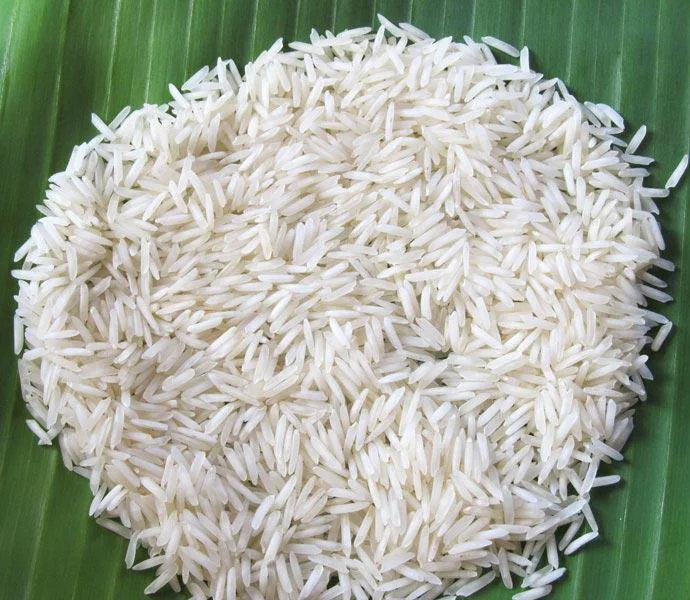
 India
India
Frequently Asked Questions
What are Rice Exporters (Basmati, Non-Basmati)?
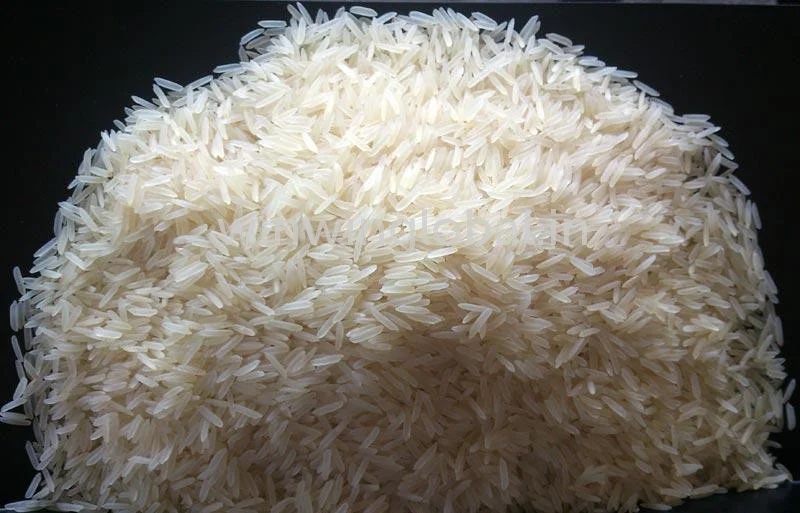
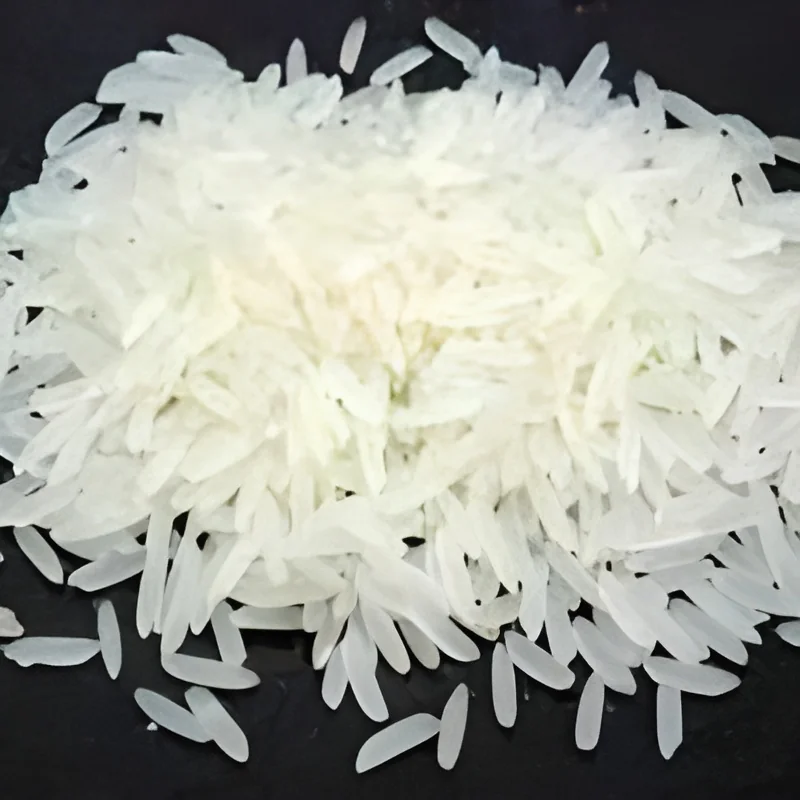
Rice Exporters (Basmati, Non-Basmati) are businesses that specialize in the export of rice, which includes both the aromatic Basmati variety and various Non-Basmati types. These exporters source rice from local farmers or mills and deliver it to international markets.
What are the different types of Rice Exporters (Basmati, Non-Basmati)?
The different types of Rice Exporters include those focusing on Basmati rice, known for its long grain and aromatic properties, and those specializing in Non-Basmati rice, which encompasses various varieties like Sona Masoori, IR64, and others. Exporters may also be categorized based on their sourcing strategies and certification standards.
How do I choose the right Rice Exporters (Basmati, Non-Basmati)?
Choosing the right Rice Exporters involves assessing their reputation, quality of rice, pricing, and delivery capabilities. It's also beneficial to check for certifications, customer reviews, and their ability to meet your specific requirements.
What are the standard specifications for Rice Exporters (Basmati, Non-Basmati)?
Standard specifications for Rice Exporters include moisture content, grain length, aroma, and absence of impurities. For Basmati rice, specific attributes like elongation ratio and fragrance are critical, while Non-Basmati rice may focus more on quality measurements like chalkiness and grain size.
What is the price range for Rice Exporters (Basmati, Non-Basmati)?
The price range for Rice Exporters varies based on the type of rice, quality, and market demand. Generally, Basmati rice tends to be more expensive, ranging from INR 50 to INR 150 per kg, while Non-Basmati rice can range from INR 30 to INR 80 per kg.
What quality standards apply to Rice Exporters (Basmati, Non-Basmati)?
Quality standards for Rice Exporters are governed by various national and international regulations, such as FSSAI in India and ISO standards. These standards ensure that rice meets specific criteria for safety, quality, and labeling before it is exported.
Where can I find Rice Exporters (Basmati, Non-Basmati) suppliers in India?
You can find Rice Exporters in India through online B2B marketplaces, trade fairs, or local agricultural cooperatives. Websites like Pepagora.com offer a directory of verified suppliers and exporters to facilitate your search.
Can Rice Exporters (Basmati, Non-Basmati) be customized?
Yes, many Rice Exporters offer customization options such as packaging sizes, private labeling, and specific quality requirements. It's advisable to discuss your needs directly with the exporter to ensure they can accommodate your requests.
What is the typical minimum order quantity for Rice Exporters (Basmati, Non-Basmati)?
The typical minimum order quantity (MOQ) for Rice Exporters can vary significantly, often ranging from 1 ton to 25 tons depending on the exporter and type of rice. It's best to inquire with individual exporters for their specific MOQs.
What is the typical lead time for Rice Exporters (Basmati, Non-Basmati)?
The typical lead time for Rice Exporters can range from 2 weeks to 8 weeks, depending on factors such as order size, availability of rice, and shipping logistics. It's important to confirm the lead time with the exporter prior to placing an order.
Why Businesses Trust Pepagora
Thousands of companies trust Pepagora to source smarter and sell faster
Expand Your Sales Globally

Source Smarter,Grow Faster
