
 IN
Rice Cookers
15 products available
What are Rice Cookers?
Rice cookers are specialized kitchen appliances designed to automate the cooking process of rice. They work by utilizing a heat source and a specially designed cooking bowl to ensure that rice is cooked evenly and to the perfect texture. The device typically includes a thermostat that regulates temperature and a timer that allows for precise cooking, making it an essential tool for both home and commercial kitchens.
In a business context, rice cookers are commonly used in restaurants, catering services, and food service operations. Their ability to produce consistent results with minimal supervision allows culinary professionals to focus on other aspects of meal preparation. Additionally, rice cookers can prepare various types of rice, including white, brown, and jasmine, catering to diverse culinary needs. The increasing demand for rice in global markets has solidified the relevance of rice cookers in the food industry.
The rice cooker market has experienced steady growth in recent years due to rising consumer interest in convenience and efficiency in cooking. As more businesses recognize the advantages of using rice cookers, the demand for high-quality models with advanced features continues to rise. This trend highlights the importance of sourcing reliable rice cookers to meet the needs of diverse culinary operations.
Key Features and Specifications
Rice cookers come equipped with various features and specifications that enhance their functionality and usability. These features cater to different culinary needs and operational requirements, making them a versatile choice for businesses.
Key specifications include:
1. Cooking Capacity
- Range from small (3 cups) to large (20 cups) capacities
- Suitable for different scales of food preparation
2. Cooking Modes
- Multiple settings for various types of rice and grains
- Options for steaming and slow cooking
3. Material Quality
- Cooking bowls made from stainless steel, non-stick, or aluminum
- Durable construction for long-lasting performance
4. Power Rating
- Typically ranges from 300 to 1200 watts
- Higher wattage allows for faster cooking times
5. Temperature Control
- Adjustable temperature settings for precise cooking
- Includes keep-warm functions to maintain rice temperature
6. Timer and Programming Features
- Programmable settings for delayed start and cooking duration
- Digital displays for easy monitoring
7. Safety Features
- Automatic shut-off to prevent overheating
- Cool-touch exteriors to ensure safe handling
In summary, the specifications of rice cookers are designed to meet the diverse needs of users, providing flexibility and convenience in cooking rice and other grains.
Common Applications and Use Cases
Rice cookers serve a wide array of industries, each with specific applications that leverage the appliance's capabilities.
1. Restaurants: Rice cookers are essential in restaurants for preparing various rice dishes, allowing chefs to produce consistent results while focusing on other meal components.
2. Catering Services: Catering businesses utilize rice cookers to prepare large quantities of rice for events, ensuring timely service and quality.
3. Educational Institutions: Schools and colleges often use rice cookers in cafeterias to provide healthy meal options for students, accommodating dietary preferences.
4. Hotels: Hotels rely on rice cookers for buffet services, offering guests a variety of rice dishes without compromising on quality.
5. Food Manufacturing: In food processing plants, rice cookers are used for pre-cooking rice before packaging, contributing to efficient production lines.
6. Meal Prep Services: Companies specializing in meal prep utilize rice cookers to prepare healthy meals in advance, catering to health-conscious consumers.
7. Home Kitchens: While primarily for commercial use, rice cookers are also popular in home kitchens for their convenience and efficiency in cooking rice.
Product Variants and Subcategories
Rice cookers come in various designs to cater to different needs and preferences.
Multi-functional Rice Cookers
These rice cookers not only cook rice but also offer features for steaming vegetables, slow cooking, and even making porridge. They are ideal for businesses looking for versatility in food preparation.
Induction Heating Rice Cookers
Induction heating rice cookers provide precise temperature control, ensuring even cooking. They are suitable for high-end restaurants that prioritize quality and consistency.
Electric Pressure Rice Cookers
These devices combine pressure cooking with traditional rice cooking methods. They are beneficial for quick meal preparation in busy commercial kitchens.
Benefits and Advantages
Rice cookers offer numerous benefits that make them a valuable addition to any food service operation.
1. Consistent Results: Rice cookers deliver uniform cooking results, eliminating the risk of undercooked or overcooked rice.
2. Time Efficiency: Automating the cooking process saves time, allowing staff to focus on other tasks in the kitchen.
3. Easy Operation: Most rice cookers feature simple controls, making them user-friendly for staff with varying skill levels.
4. Versatility: Beyond rice, many models can cook grains, steam vegetables, and even prepare soups, enhancing menu options.
5. Energy Efficiency: Rice cookers consume less energy compared to traditional cooking methods, contributing to lower operational costs.
6. Safety Features: With automatic shut-off and cool-touch exteriors, rice cookers enhance safety in busy kitchen environments.
Buying Guide for B2B Buyers
When sourcing rice cookers for business use, there are several crucial factors to consider.
1. Quality Assessment: Evaluate the build quality and material used in the rice cookers. Look for models that are durable and designed for heavy use in commercial settings.
2. Supplier Verification: Ensure that suppliers are reputable and have a track record of providing reliable products. Request references or reviews from other businesses.
3. Pricing and MOQ: Understand the pricing structure and minimum order quantities (MOQ) required by suppliers. This will help in budgeting and inventory planning.
4. Delivery and Lead Times: Inquire about the expected delivery times and logistics involved in shipping rice cookers. Timely delivery is essential for maintaining operational efficiency.
5. Compliance Requirements: Check for any regulatory compliance or certifications needed for the rice cookers, such as safety standards or industry certifications.
Compliance and Certifications
Rice cookers must meet certain quality and safety standards to ensure they are suitable for commercial use. Relevant quality standards include ISO 9001, which focuses on quality management systems, ensuring that manufacturers adhere to high production standards.
HACCP (Hazard Analysis Critical Control Point) is another important standard, emphasizing food safety management. This is particularly relevant in environments where food safety is critical.
CE certification indicates that the product meets European safety, health, and environmental protection standards. This certification is essential for businesses looking to operate in or export to European markets.
Additionally, manufacturers should comply with local regulations, which may vary by region. Ensuring that rice cookers meet these compliance requirements is vital for businesses to avoid legal issues and guarantee the safety of their food products.
Why Source Rice Cookers from Pepagora?
Pepagora provides a trusted platform for sourcing rice cookers, offering several key advantages for B2B buyers.
Verified Supplier Network: Pepagora connects buyers with a network of verified suppliers, ensuring that businesses can source high-quality rice cookers with confidence. Each supplier undergoes a rigorous vetting process to guarantee reliability.
Streamlined RFQ Process: The Request for Quotation (RFQ) process on Pepagora is designed to be efficient, allowing buyers to quickly obtain quotations from multiple suppliers. This saves time and helps businesses make informed purchasing decisions.
Trade Assurance and Support: Pepagora offers trade assurance, providing buyers with protection when sourcing products. This includes support for resolving any disputes or issues that may arise during the transaction process.
Regional Coverage: With a strong presence in India, the GCC, and Southeast Asia, Pepagora ensures that businesses in these regions have access to a wide variety of rice cookers. This geographical reach allows for better sourcing opportunities and logistics support, catering to diverse market needs.

 India
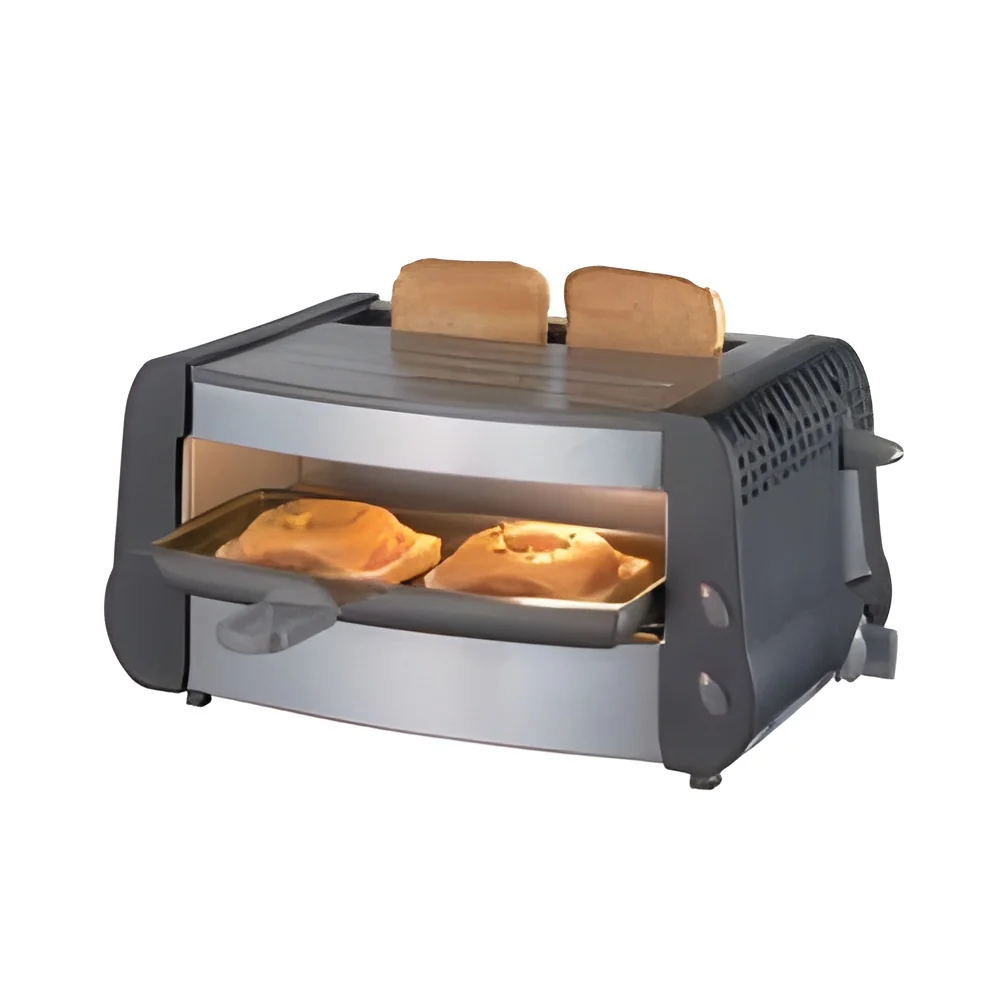
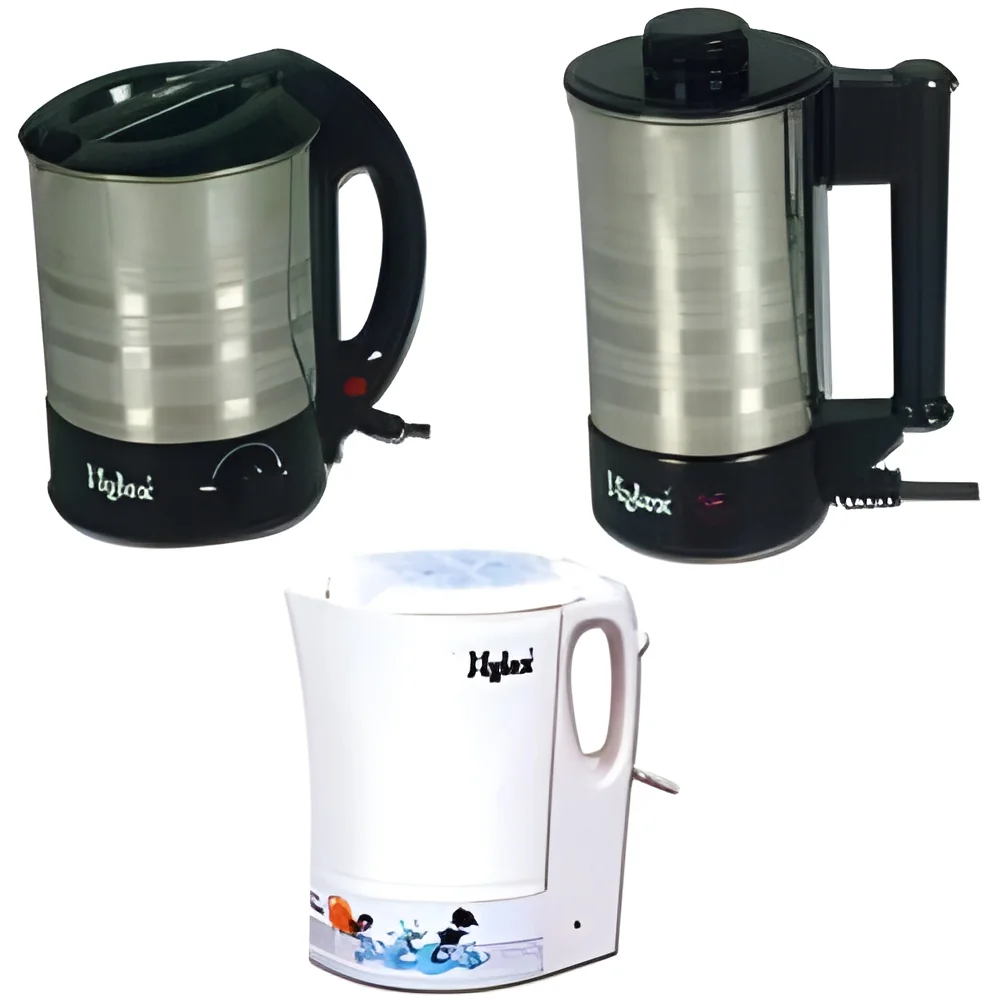
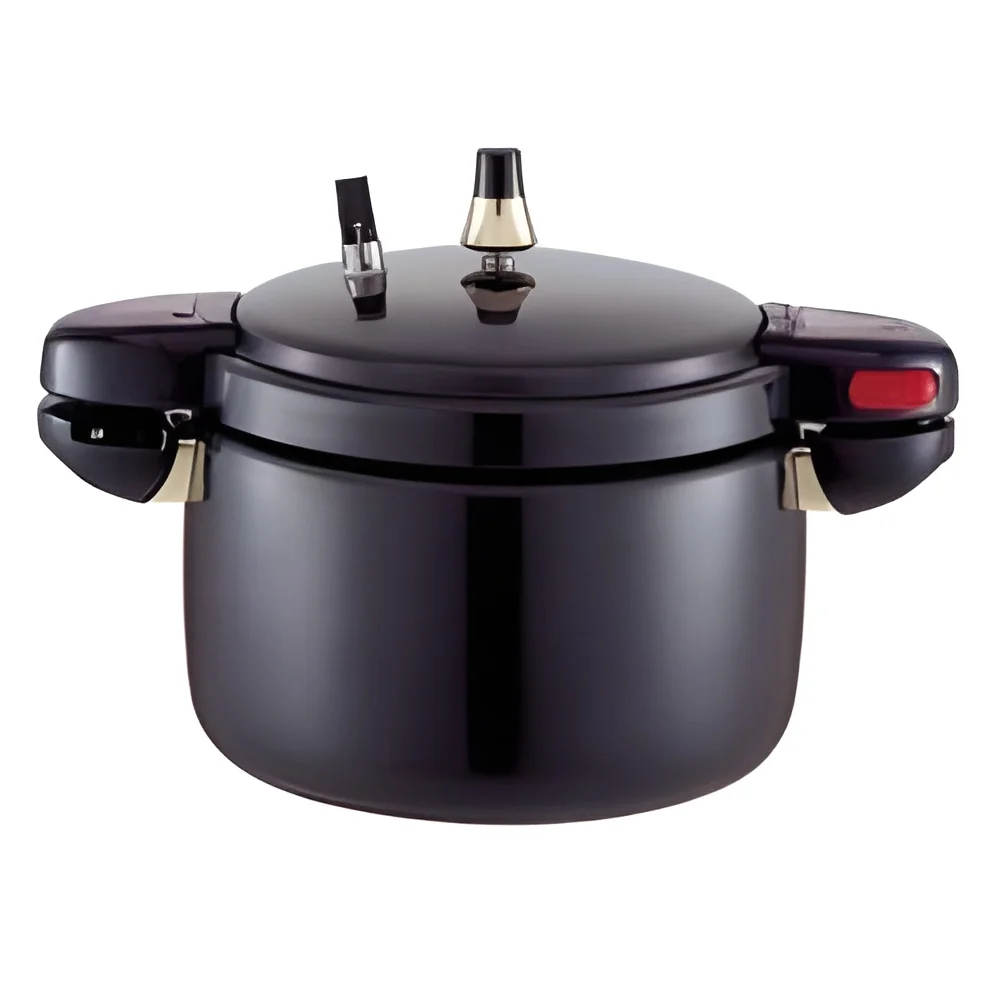 India
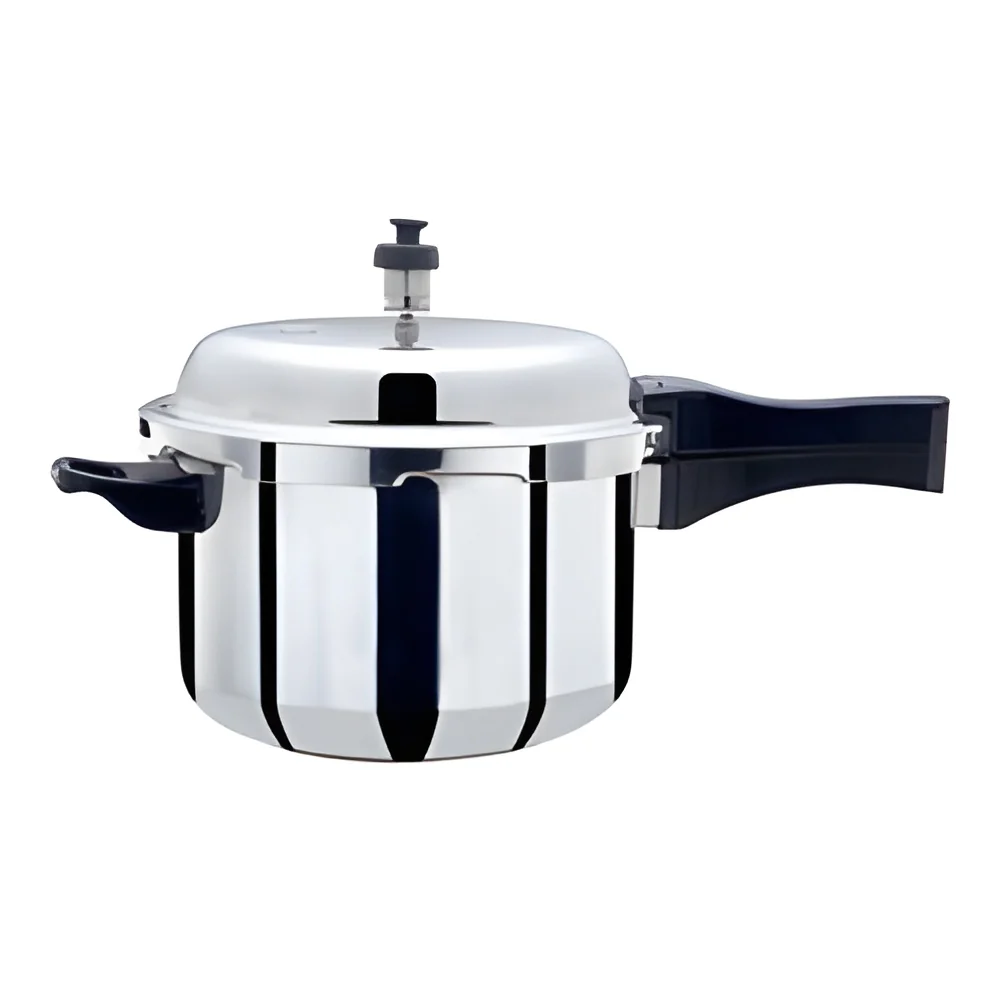
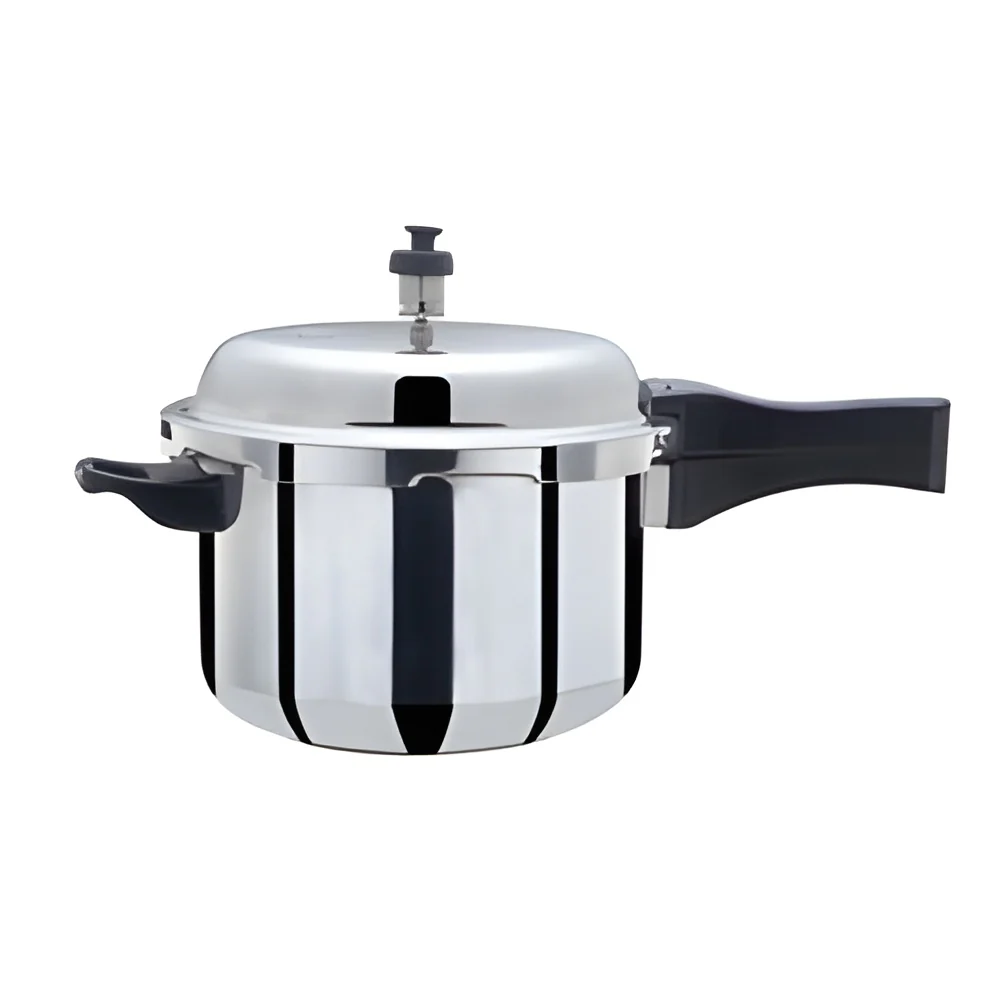
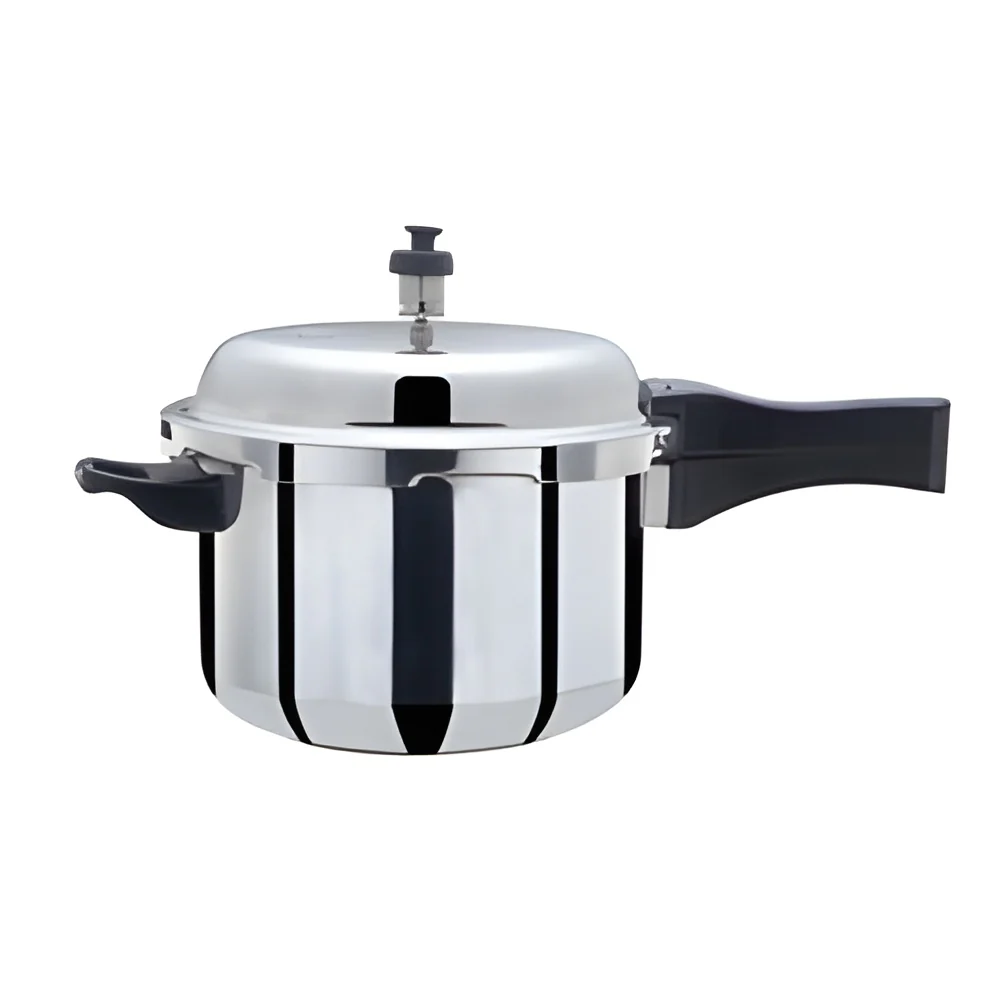
 India
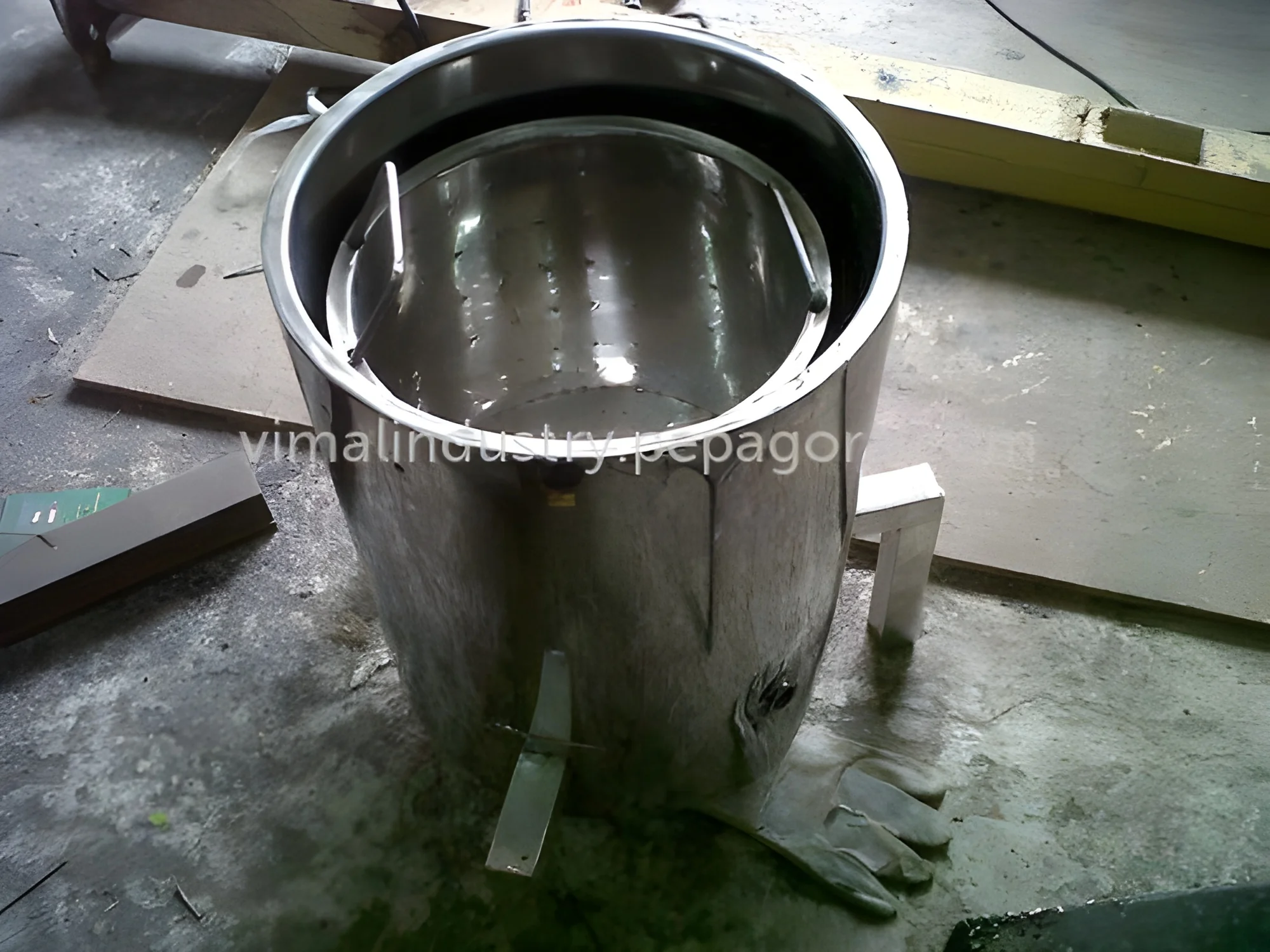

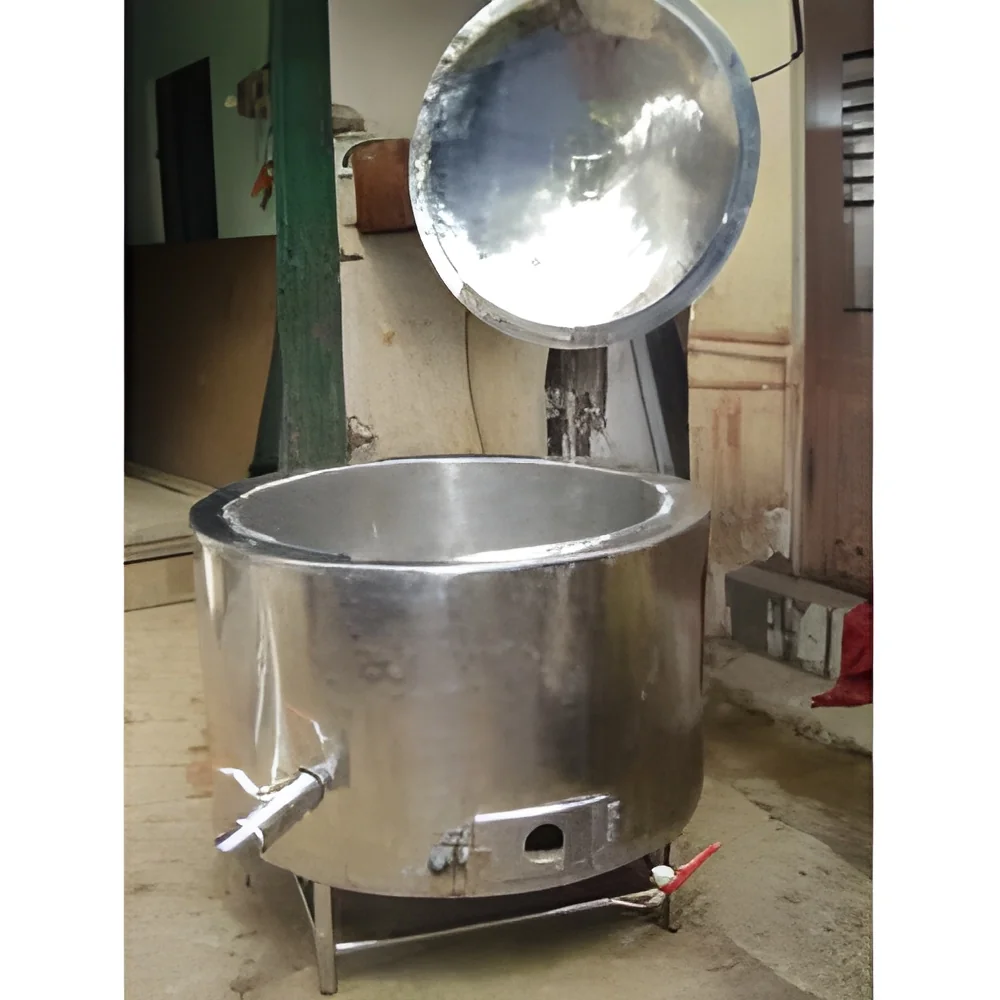 India
Frequently Asked Questions
What are Rice Cookers?
Rice cookers are electric appliances designed specifically for cooking rice. They automate the cooking process by using a heating element and a thermostat to control the temperature, ensuring that rice is cooked evenly and efficiently.
What are the different types of Rice Cookers?
There are several types of rice cookers, including standard rice cookers, induction heat rice cookers, and multi-functional rice cookers. Standard rice cookers use a simple heating element, while induction cookers use magnetic fields for more precise cooking. Multi-functional cookers can also prepare other grains, steam vegetables, and even bake.
How do I choose the right Rice Cookers?
To choose the right rice cooker, consider factors such as capacity, type of rice you typically cook, and additional features like programmable settings or sauté functions. It's also important to read reviews and compare brands to find a model that suits your needs.
What are the standard specifications for Rice Cookers?
Standard specifications for rice cookers include capacity (measured in cups), power consumption (watts), and material (inner pot material). Other specifications may include features like a keep-warm function, timer settings, and safety mechanisms.
What is the price range for Rice Cookers?
The price range for rice cookers can vary significantly based on features and brand. Generally, you can find basic models starting around INR 1,500, while high-end models with advanced features can cost upwards of INR 10,000.
What quality standards apply to Rice Cookers?
Rice cookers are generally subject to quality standards that ensure safety and efficiency, such as ISI standards in India. Manufacturers may also adhere to international standards like ISO to ensure product reliability and safety.
Where can I find Rice Cookers suppliers in India?
You can find rice cooker suppliers in India through B2B marketplaces like Pepagora.com, trade shows, and industry directories. It's advisable to research suppliers to ensure they meet quality standards and have a good reputation.
Can Rice Cookers be customized?
Yes, many manufacturers offer customization options for rice cookers, including branding and specific features tailored to customer preferences. Customization may also include variations in size and color.
What is the typical minimum order quantity for Rice Cookers?
The typical minimum order quantity (MOQ) for rice cookers can vary depending on the supplier, but it usually ranges from 50 to 100 units. Larger orders may be required for customized products.
What is the typical lead time for Rice Cookers?
The typical lead time for rice cookers can vary based on the supplier and order size, generally ranging from 2 to 6 weeks. Custom orders may require longer lead times depending on the complexity of the specifications.
Why Businesses Trust Pepagora
Thousands of companies trust Pepagora to source smarter and sell faster
Expand Your Sales Globally

Source Smarter,Grow Faster
