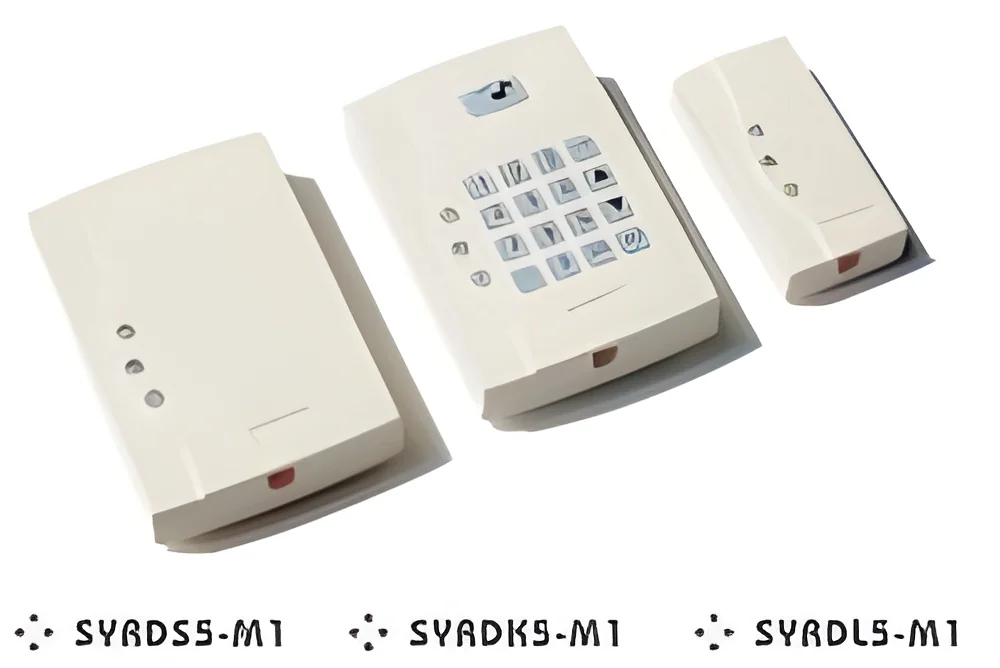
What are RFID Card Readers?
RFID card readers are electronic devices used to read information stored on RFID cards using radio frequency identification technology. These readers emit radio waves to communicate with RFID tags embedded in cards, allowing them to retrieve and process data wirelessly. The technology is used to facilitate automatic identification and tracking, making it an essential tool in various sectors.
In business settings, RFID card readers find application in access control, inventory management, and asset tracking. They are utilized in environments ranging from corporate offices to manufacturing plants, enhancing operational efficiency and security. The ability to read multiple tags simultaneously makes them particularly valuable in high-traffic areas where quick transactions are necessary.
As industries increasingly adopt automation and digital solutions, RFID technology remains relevant. Market demand for RFID card readers is driven by the need for improved data accuracy and operational efficiency, positioning these devices as critical components in modern business operations.
Key Features and Specifications
RFID card readers come with a range of features and specifications that cater to diverse business needs. Understanding these specifications is crucial for selecting the right reader for specific applications.
Key specifications include:
1. Frequency Range
- Common frequency bands include low frequency (125 kHz), high frequency (13.56 MHz), and ultra-high frequency (860-960 MHz).
- Each range has specific applications and read distances.
2. Read Range
- The reading distance can vary from a few centimeters to several meters, depending on the reader and tag used.
- This specification is critical for determining the operational environment.
3. Interface Options
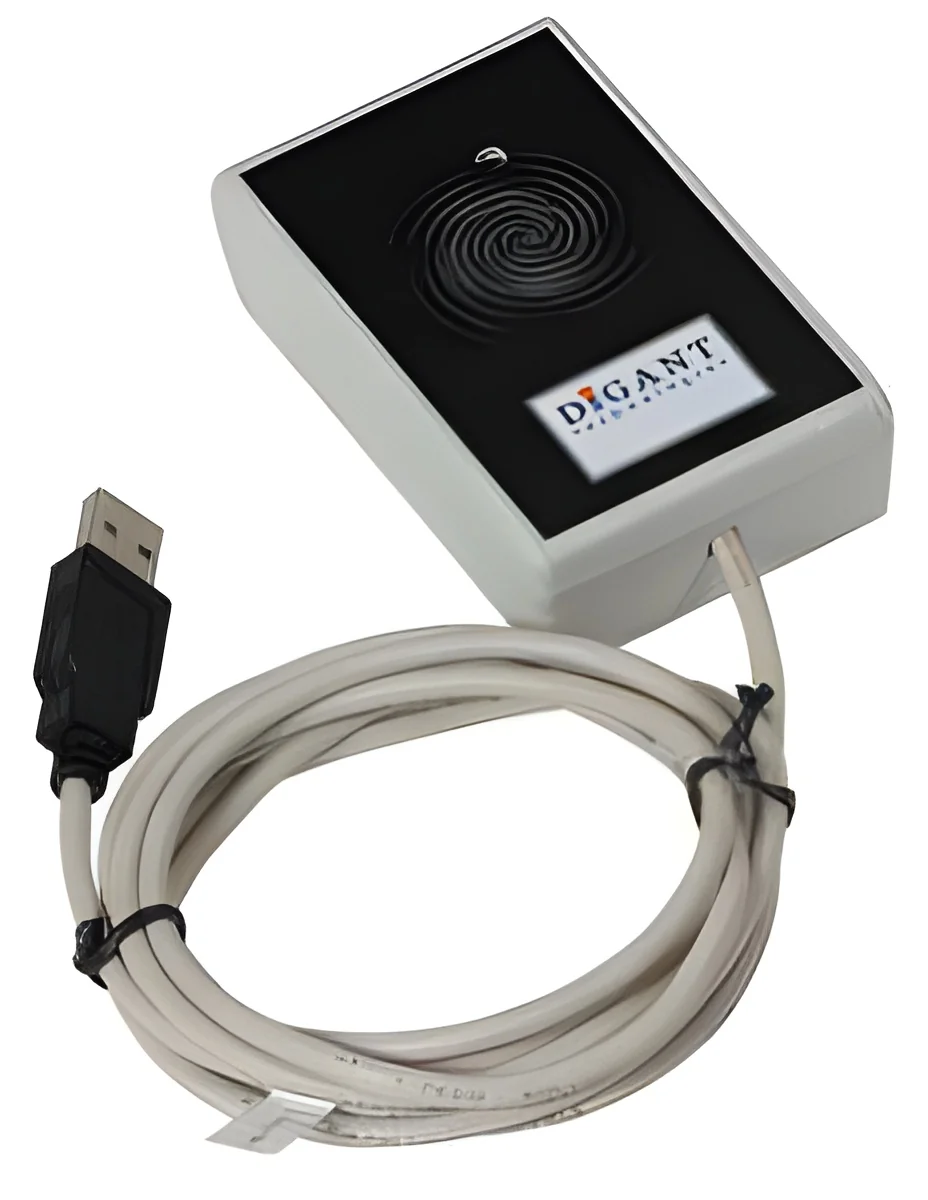
- RFID card readers may offer USB, RS232, or Ethernet connectivity.
- The choice of interface impacts integration with existing systems.
4. Power Supply
- Readers can be battery-operated or powered through USB or AC adapters.
- Battery life and power options should match the intended usage scenario.
5. Data Processing Speed
- The speed at which a reader can process data influences overall system efficiency.
- Faster readers are essential in high-volume environments.
6. Form Factor
- RFID readers come in various shapes, including handheld, fixed-mount, and embedded designs.
- The form factor should align with the application requirements.
7. Multi-Tag Reading Capability
- Many readers support simultaneous reading of multiple tags.
- This feature enhances efficiency in busy locations.
8. Environmental Ratings
- Readers may have IP ratings indicating resistance to dust and water.
- Consideration of environmental conditions is necessary for durability.
Overall, understanding these features helps buyers assess which RFID card reader best fits their needs.
Common Applications and Use Cases
RFID card readers serve various industries by streamlining processes and enhancing operational efficiency.
1. Retail: RFID technology enables efficient inventory management and loss prevention by quickly tracking stock levels and locations.
2. Healthcare: In hospitals, RFID card readers are used for patient identification and medication management, improving safety and compliance.
3. Manufacturing: These readers facilitate asset tracking and workflow management on production lines, minimizing downtime and errors.
4. Logistics: RFID readers enhance supply chain visibility, allowing for real-time tracking of goods and reducing delays.
5. Transportation: In public transport systems, RFID card readers expedite ticketing processes and improve passenger flow.
6. Security: Access control systems utilize RFID technology to manage entry to secure areas, ensuring only authorized personnel can gain access.
7. Libraries: RFID card readers streamline check-in and check-out processes, improving user experience and inventory management.
Product Variants and Subcategories
RFID card readers come in a variety of models designed to meet different operational needs.
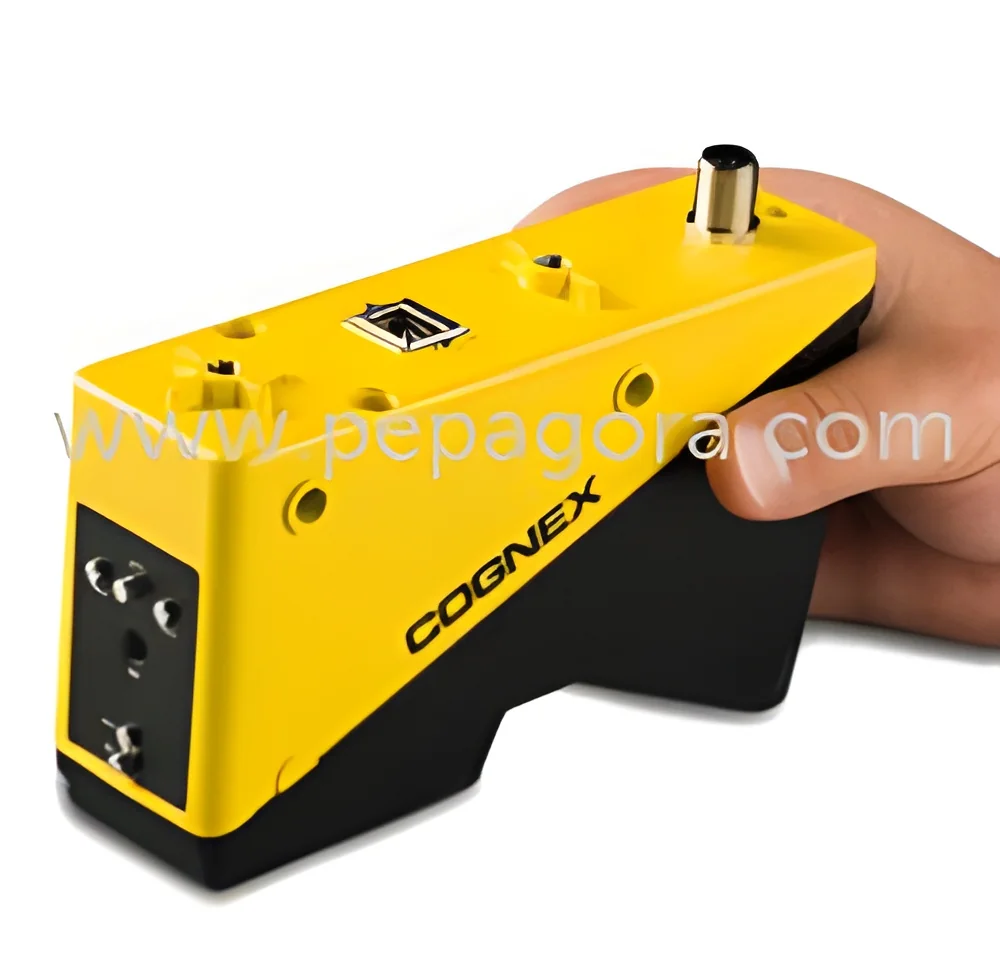
Handheld RFID Card Readers
These portable devices are ideal for inventory management and asset tracking in dynamic environments. They allow users to scan RFID tags without being tethered to a fixed location.
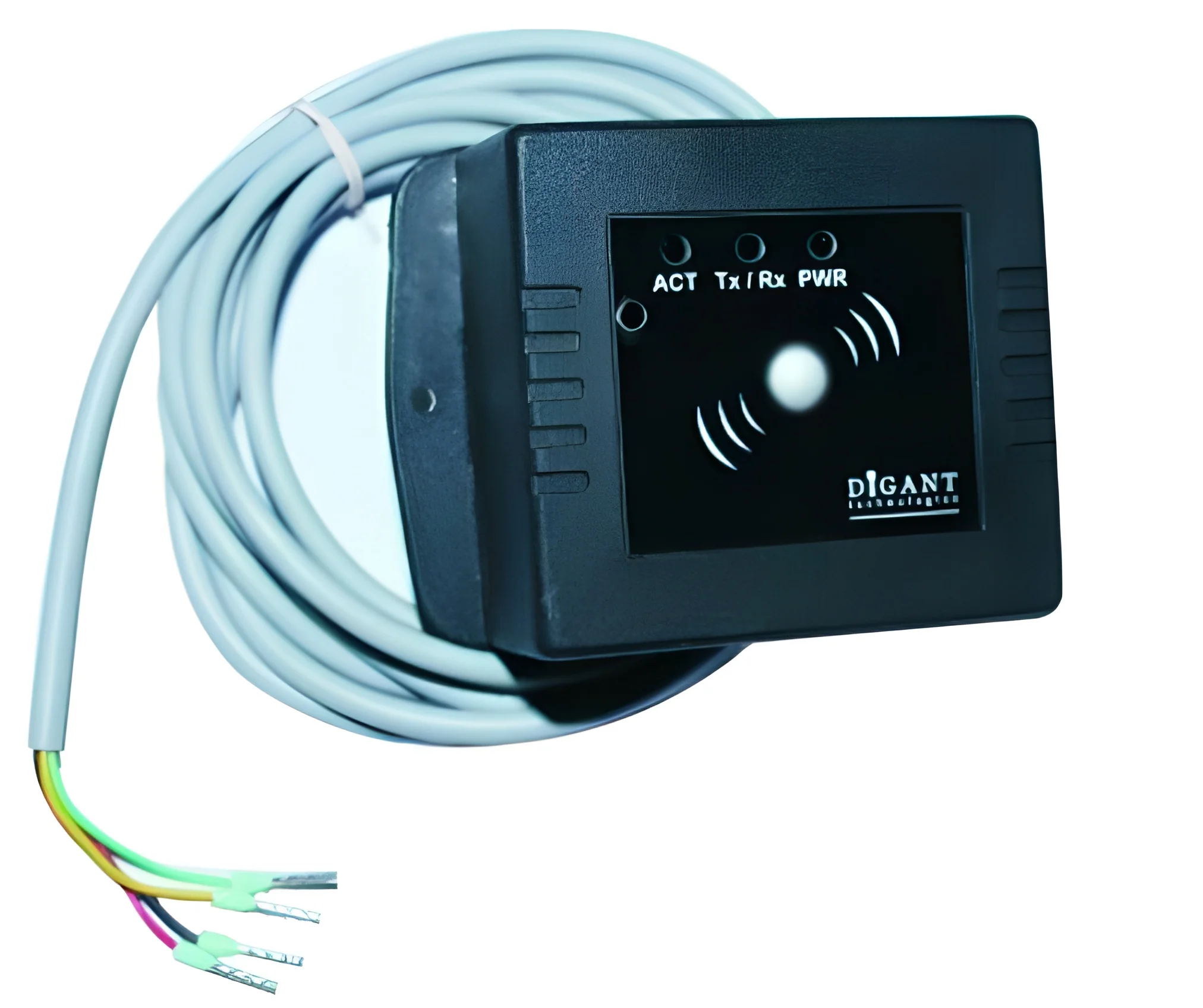
Fixed-Mount RFID Card Readers
Designed for permanent installation, these readers are often used in access control systems. They provide a reliable solution for monitoring entry points and tracking movement in secured areas.
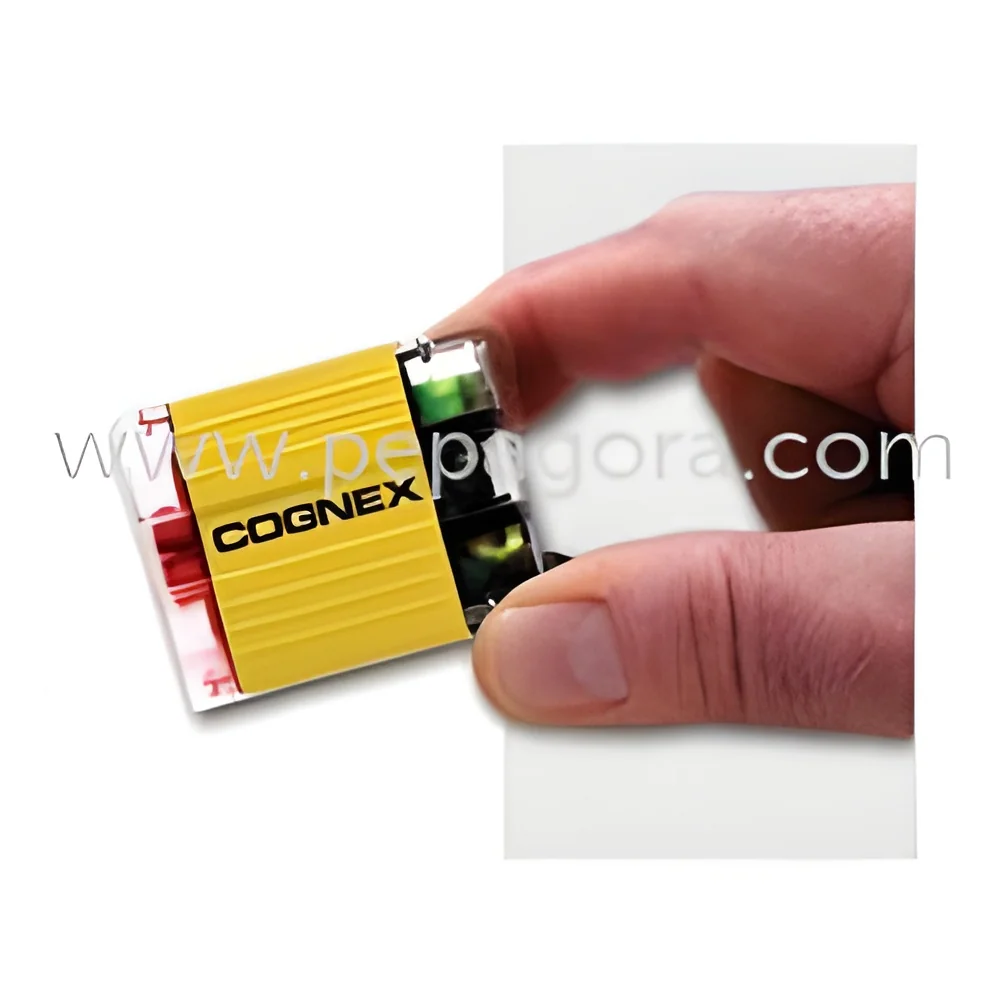
Integrated RFID Card Readers
These readers are built into other devices, such as kiosks or point-of-sale systems. Their integration allows for streamlined operations and enhanced user experiences.
Benefits and Advantages
RFID card readers offer several critical benefits that enhance business operations.
1. Increased Efficiency: RFID card readers speed up data collection processes, reducing the time spent on manual entries and improving workflow.
2. Enhanced Accuracy: By minimizing human error, RFID technology ensures data integrity, which is essential for decision-making.
3. Improved Security: These readers help secure access points and monitor sensitive areas, reducing unauthorized access.
4. Real-Time Data Access: Businesses can access up-to-date information, which aids in rapid decision-making and response.
5. Cost Savings: By optimizing operations and inventory management, RFID card readers lead to significant cost reductions over time.
6. Scalability: RFID systems can be easily scaled up to accommodate business growth without extensive reconfiguration.
Buying Guide for B2B Buyers
When sourcing RFID card readers, several factors should be taken into account to ensure the right choice.
1. Quality Assessment: Evaluate the durability and reliability of the devices. Look for products that meet international quality standards to ensure performance.
2. Supplier Verification: Conduct thorough research on potential suppliers. Check for reviews and testimonials to confirm their credibility and service quality.
3. Pricing and MOQ: Understand the pricing structures and minimum order quantities. This knowledge will help in budgeting and planning purchases effectively.
4. Delivery and Lead Times: Inquire about shipping options and lead times to ensure timely availability of products for your operations.
5. Compliance Requirements: Ensure that the RFID card readers meet necessary regulatory compliance standards, particularly in specialized industries like healthcare and transportation.
Compliance and Certifications
Compliance and certifications are vital for ensuring that RFID card readers meet industry standards and regulations.
Products may adhere to quality standards such as ISO 9001, which focuses on quality management systems, ensuring consistent quality in manufacturing and service delivery.
Industry certifications like CE indicate that the products comply with health, safety, and environmental protection standards set by the European Union.
Safety and testing requirements are critical, particularly for devices used in sensitive environments such as healthcare. Compliance with these standards ensures that the products are safe for use.
Additionally, regional compliance considerations may vary. It is essential to verify that the RFID card readers meet local regulations in the markets where they will be deployed.
Why Source RFID Card Readers from Pepagora?
Pepagora provides a trusted platform for sourcing RFID card readers with several key advantages.
Verified Supplier Network: Pepagora connects buyers with a network of verified suppliers, ensuring that businesses can find reliable products that meet their needs.
Streamlined RFQ Process: The platform facilitates an efficient request for quotation (RFQ) process, allowing buyers to receive competitive pricing and terms from multiple suppliers quickly.
Trade Assurance and Support: Pepagora offers trade assurance, protecting buyers' investments during the sourcing process. Comprehensive support ensures a smooth transaction experience.
Regional Coverage: With a presence in India, the GCC, and Southeast Asia, Pepagora enables buyers to source RFID card readers across diverse geographical markets, catering to a wide range of business needs.

 IN
IN
 India
India