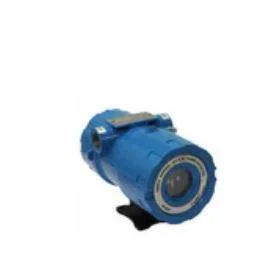
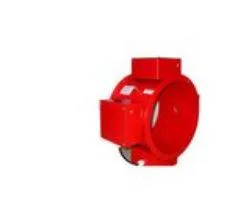
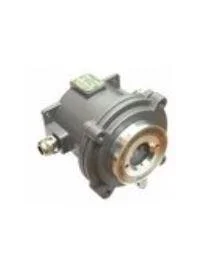
What are Flame Detectors?
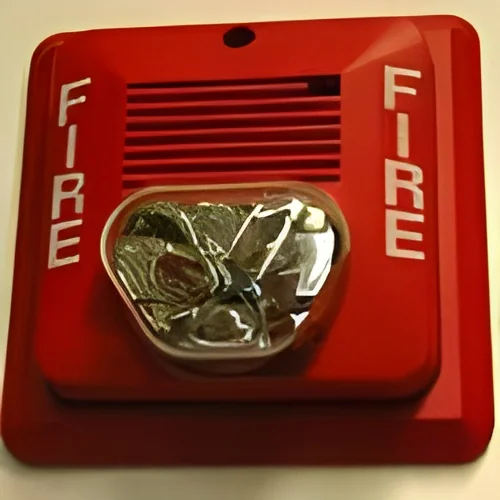
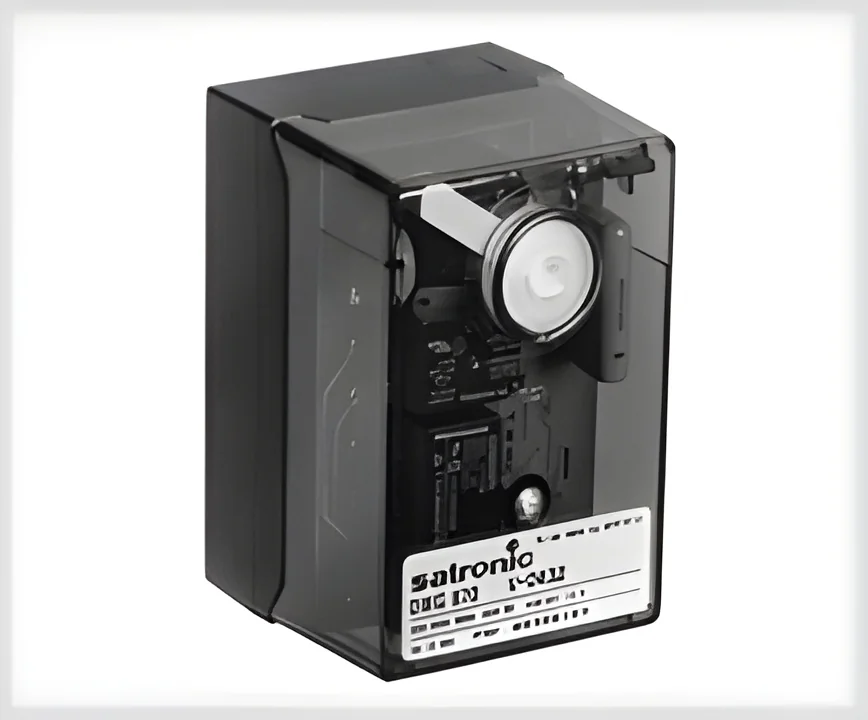
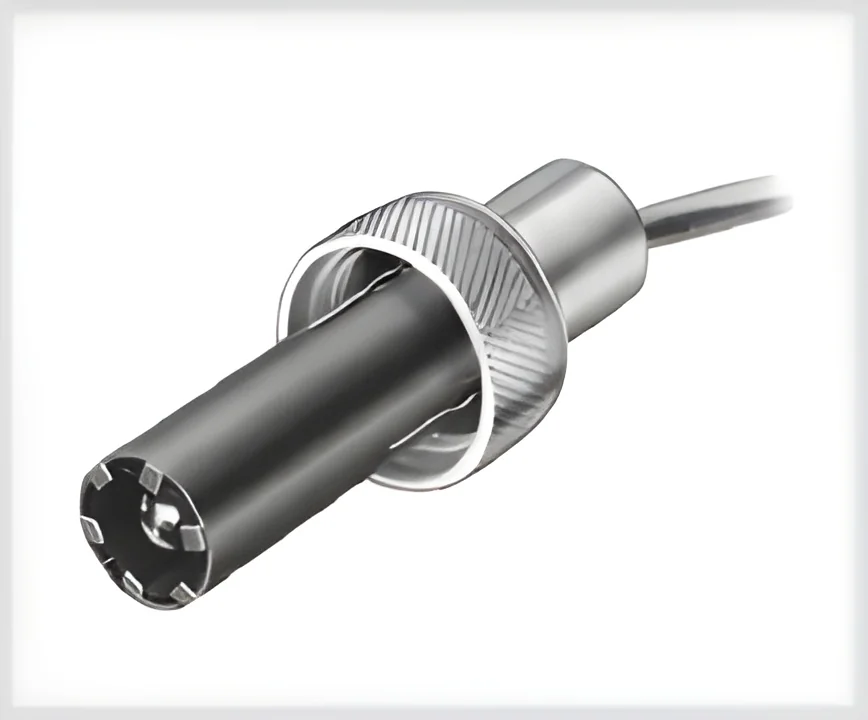
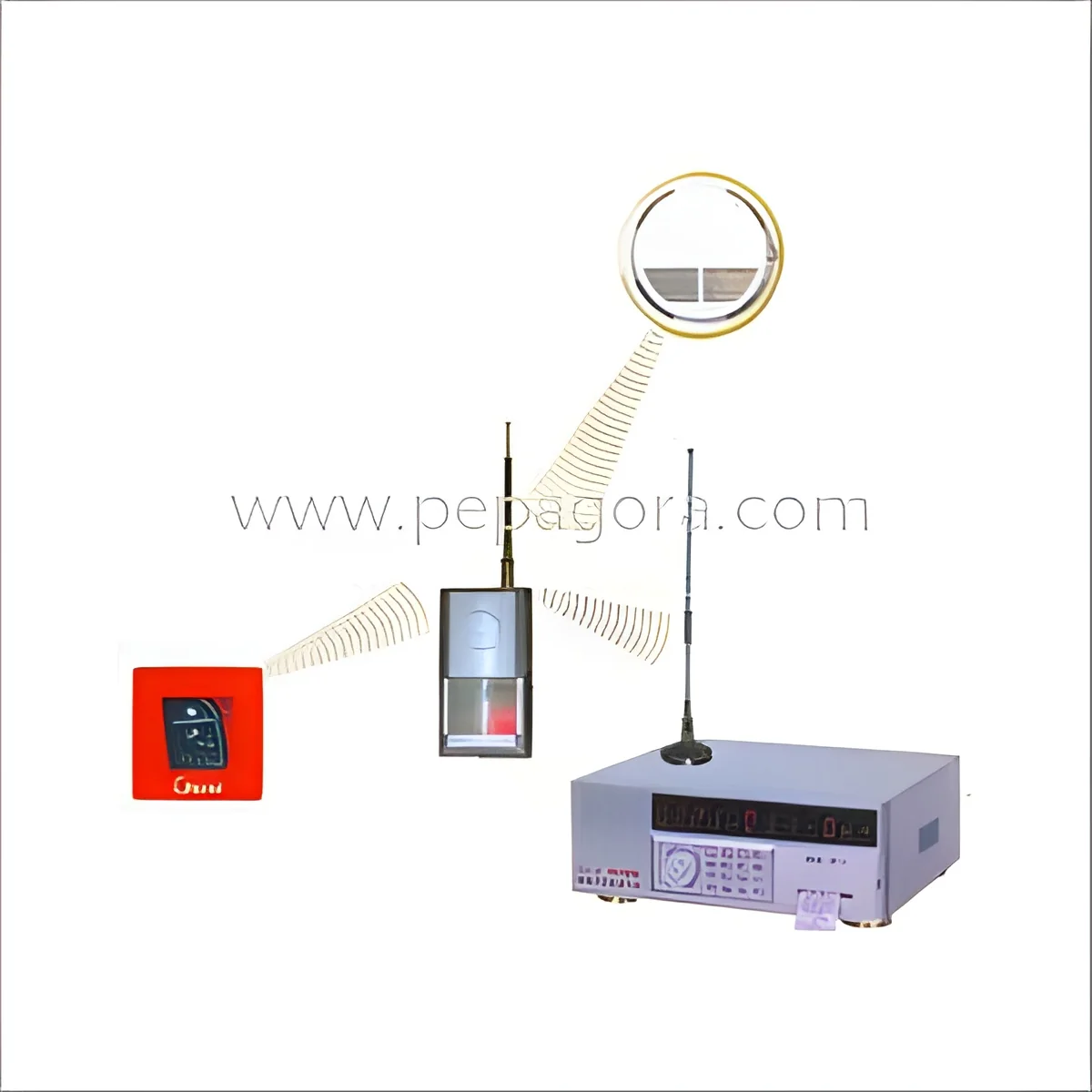
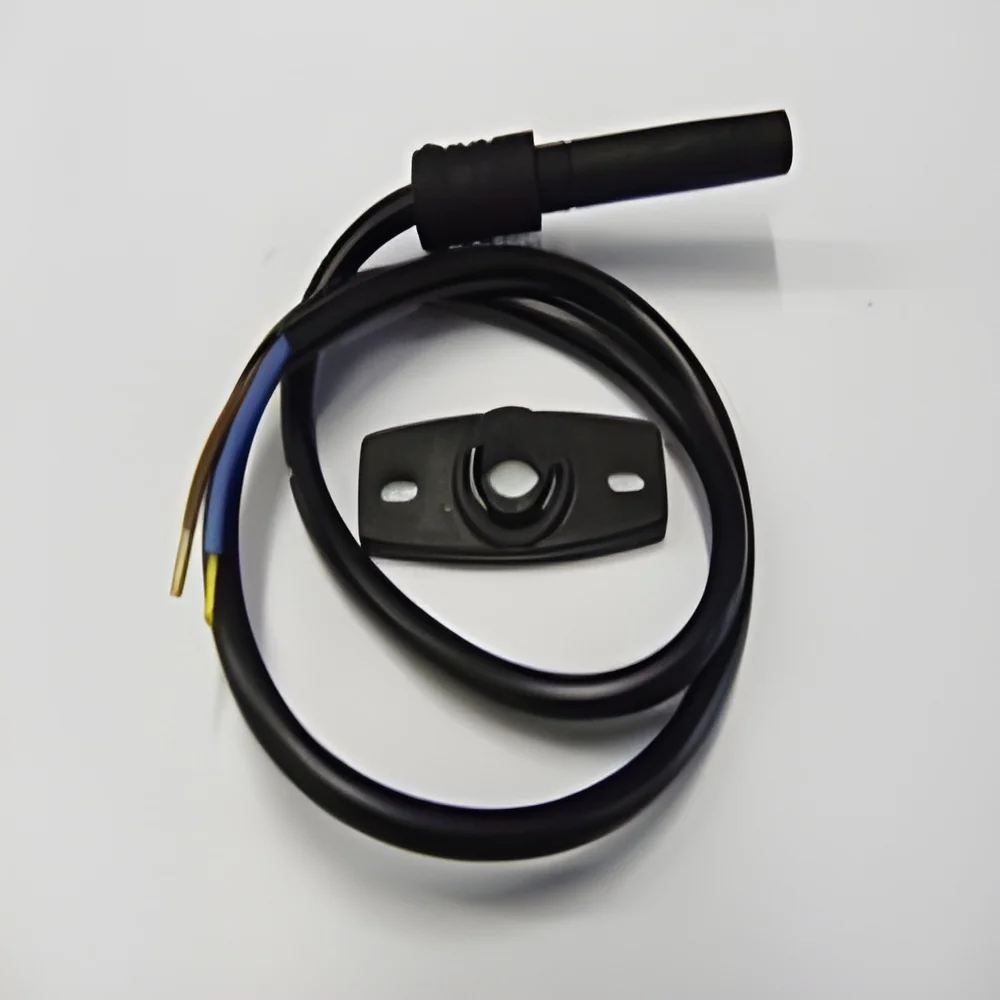
Flame detectors are advanced devices designed to identify the presence of flames in various environments. These sensors work by detecting specific wavelengths of light emitted by flames, allowing for quick response to potential fire hazards. Flame detectors are essential for ensuring safety in industrial settings, where the risk of fire can be significant due to the presence of flammable materials.
Flame detectors are primarily used in high-risk industries such as oil and gas, chemical manufacturing, and power generation. Their applications include monitoring areas where flammable gases or liquids are present and protecting critical equipment and personnel from fire risks. By providing early detection, these devices significantly reduce response times, minimizing potential damage and ensuring regulatory compliance.
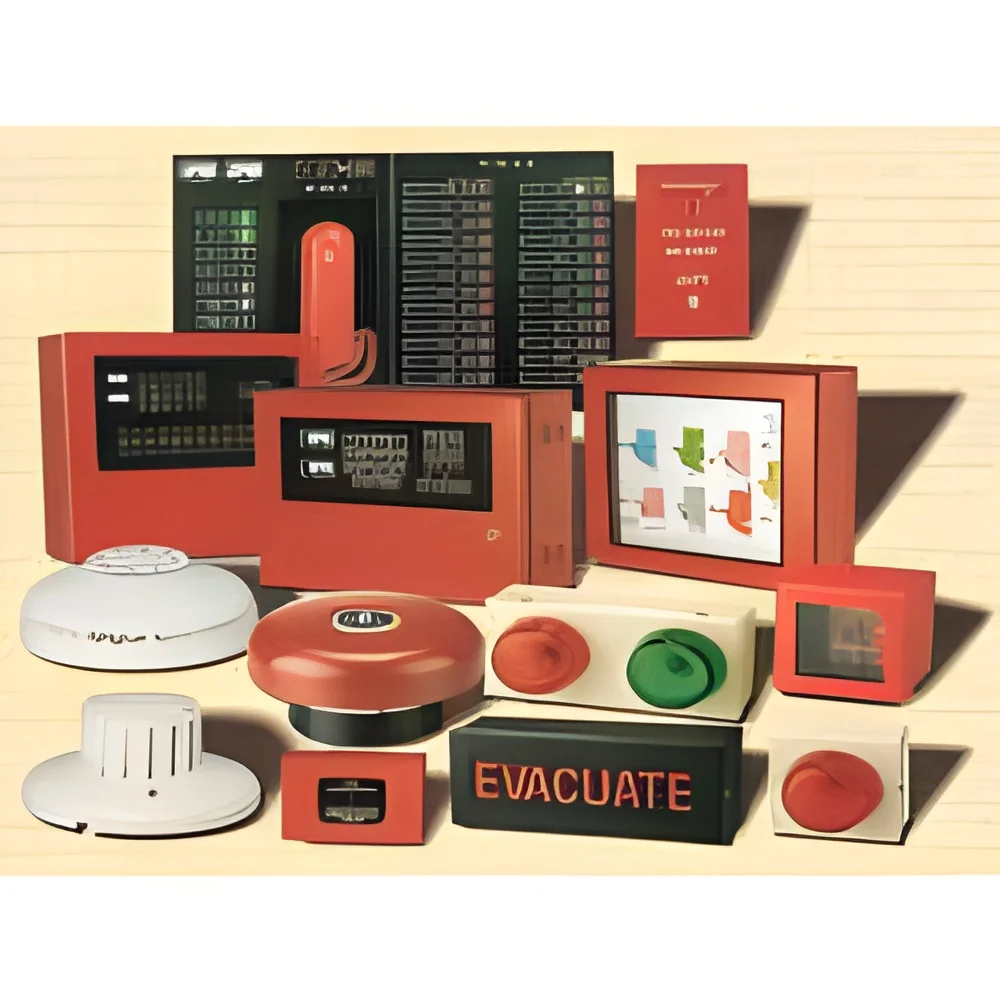
In the current market, flame detectors are becoming increasingly relevant as industries strive for higher safety standards. With growing regulations and an emphasis on workplace safety, the demand for reliable flame detection solutions continues to rise. Companies are investing in advanced technology to enhance their fire safety systems, making flame detectors a critical component of modern industrial safety protocols.
Key Features and Specifications
Flame detectors come with several key features that enhance their functionality and reliability. Understanding these specifications is crucial for selecting the right device for specific applications.
Key specifications include:
1. Detection Range
- The distance within which the detector can effectively identify flames.
- Typically ranges from a few meters to several hundred meters, depending on the model.
2. Response Time
- The time taken by the detector to sense a flame and trigger an alarm.
- Generally measured in seconds, with faster models available for critical applications.
3. Sensitivity Levels
- The ability of the detector to differentiate between flames and other light sources.
- Can be adjusted based on the specific environment or application requirements.
4. Operating Temperature
- The temperature range within which the detector can function effectively.
- Data not available.
5. Power Supply Options
- Various configurations, including battery-operated and hardwired options.
- Flexibility to suit different installation environments.
6. Environmental Ratings
- Ratings for dust and moisture resistance, ensuring reliable performance in harsh conditions.
- Common ratings include IP ratings for ingress protection.
7. Communication Protocols
- Compatibility with various communication standards for integration with existing safety systems.
- May include options for wired and wireless connectivity.
8. Mounting Options
- Multiple mounting configurations to accommodate various installation sites.
- Flexibility for ceiling, wall, or pole mounting.
In summary, understanding the key features and specifications of flame detectors allows businesses to make informed decisions when integrating these devices into their safety systems.
Common Applications and Use Cases
Flame detectors are utilized across a range of industries, each with specific applications tailored to their unique fire safety needs.
1. Oil and Gas: In this sector, flame detectors are critical for monitoring drilling rigs and processing plants where flammable gases are present. Their rapid response capabilities help mitigate risks associated with leaks and explosions.
2. Chemical Manufacturing: Facilities handling volatile substances rely on flame detectors to ensure safety during production and storage. These devices provide early warnings of potential fires, allowing for immediate action.
3. Power Generation: Flame detection is essential in power plants, especially those using fossil fuels. The detectors ensure that any ignition sources are identified promptly to prevent catastrophic failures.
4. Aerospace: In aircraft manufacturing and maintenance, flame detectors play a vital role in ensuring safety during fuel handling and engine testing processes.
5. Mining: Flame detectors are used in underground mining operations to monitor for fires caused by equipment or combustible materials, ensuring the safety of workers and minimizing downtime.
6. Waste Management: Facilities that process hazardous waste utilize flame detectors to safeguard against fires that can arise from chemical reactions or equipment malfunctions.
7. Food and Beverage: In food processing plants, flame detectors help prevent fires that could occur during cooking and heating processes, protecting both personnel and equipment.
Product Variants and Subcategories
Flame detectors are available in various configurations to meet the diverse needs of different industries. Each variant is designed with specific features that cater to unique applications.
Infrared Flame Detectors: These detectors use infrared sensors to identify flames by detecting specific wavelengths of light. They are particularly effective in environments with high ambient light levels, making them ideal for outdoor applications.
Ultraviolet Flame Detectors: These detectors are designed to sense ultraviolet radiation emitted by flames. They are highly sensitive and can detect flames quickly, making them suitable for applications requiring rapid response.
Multi-Spectrum Flame Detectors: Combining infrared and ultraviolet detection technologies, these detectors offer enhanced reliability and reduced false alarms. They are suitable for critical applications across various industries.
Benefits and Advantages
Flame detectors provide numerous benefits that enhance safety and operational efficiency in industrial environments.
1. Early Detection: The primary advantage of flame detectors is their ability to identify fires in the initial stages, allowing for prompt action to mitigate damage.
2. Enhanced Safety: By reducing the risk of fire-related incidents, flame detectors contribute to a safer working environment for employees, ultimately leading to increased morale and productivity.
3. Compliance Support: Flame detectors help organizations meet regulatory requirements related to fire safety, ensuring adherence to industry standards.
4. Reduced Downtime: Early flame detection minimizes the potential for extensive damage, reducing operational downtime and associated costs.
5. Cost-Effective Solutions: Investing in flame detectors can lead to long-term savings by preventing costly fire-related incidents and potential legal liabilities.
6. Customizable Options: Flame detectors can be tailored to specific environments, ensuring optimal performance based on unique operational needs.
Buying Guide for B2B Buyers
When sourcing flame detectors, it is essential for B2B buyers to consider several key factors to ensure they select the right products for their needs.
1. Quality Assessment: Evaluate the quality of flame detectors by reviewing manufacturer certifications and compliance with industry standards. Look for products with reliable performance histories.
2. Supplier Verification: Vet suppliers thoroughly to ensure they have a proven track record of delivering high-quality flame detection solutions. This includes checking references and assessing their customer support capabilities.
3. Pricing and MOQ: Understand the pricing structure and minimum order quantities required by suppliers. This will help in budgeting and planning for procurement needs.
4. Delivery and Lead Times: Inquire about delivery schedules and lead times to ensure that products can be received when needed, particularly for emergency situations.
5. Compliance Requirements: Ensure that flame detectors meet relevant regulatory and safety standards in your industry. This will help avoid potential legal and operational issues.
Compliance and Certifications
Flame detectors must comply with various quality standards and certifications to ensure their reliability and effectiveness in fire detection.
ISO 9001 is a widely recognized quality management standard that demonstrates a commitment to quality in manufacturing processes. Flame detectors manufactured under this standard are subjected to rigorous quality control measures.
CE certification indicates that flame detectors comply with European safety standards, ensuring they meet essential health and safety requirements. This certification is crucial for products sold in the European market.
Safety and testing requirements vary by region and industry. Flame detectors must undergo thorough testing to validate their performance in real-world scenarios, ensuring they function as intended when needed most.
Regional compliance considerations may include specific regulations set forth by local authorities governing fire safety standards. It is essential for manufacturers and suppliers to stay updated on these requirements to ensure compliance.
Why Source Flame Detectors from Pepagora?
Pepagora provides a trusted platform for sourcing flame detectors, offering several key advantages for businesses seeking reliable fire safety solutions.
Verified Supplier Network: Pepagora connects buyers with a network of verified suppliers, ensuring that only high-quality flame detection products are available. This verification process helps mitigate risks associated with sourcing from untested vendors.
Streamlined RFQ Process: The request for quotation (RFQ) system simplifies the procurement process, allowing buyers to receive competitive quotes from multiple suppliers efficiently. This saves time and helps in making informed purchasing decisions.
Trade Assurance and Support: Pepagora offers trade assurance services that protect buyers against potential risks, ensuring that transactions are secure and that products meet specified requirements.
Regional Coverage: With a focus on markets in India, the GCC, and Southeast Asia, Pepagora provides extensive regional coverage, catering to the unique needs of businesses in these areas. This geographic reach facilitates easier access to flame detection solutions tailored to local industry standards.

 IN
IN