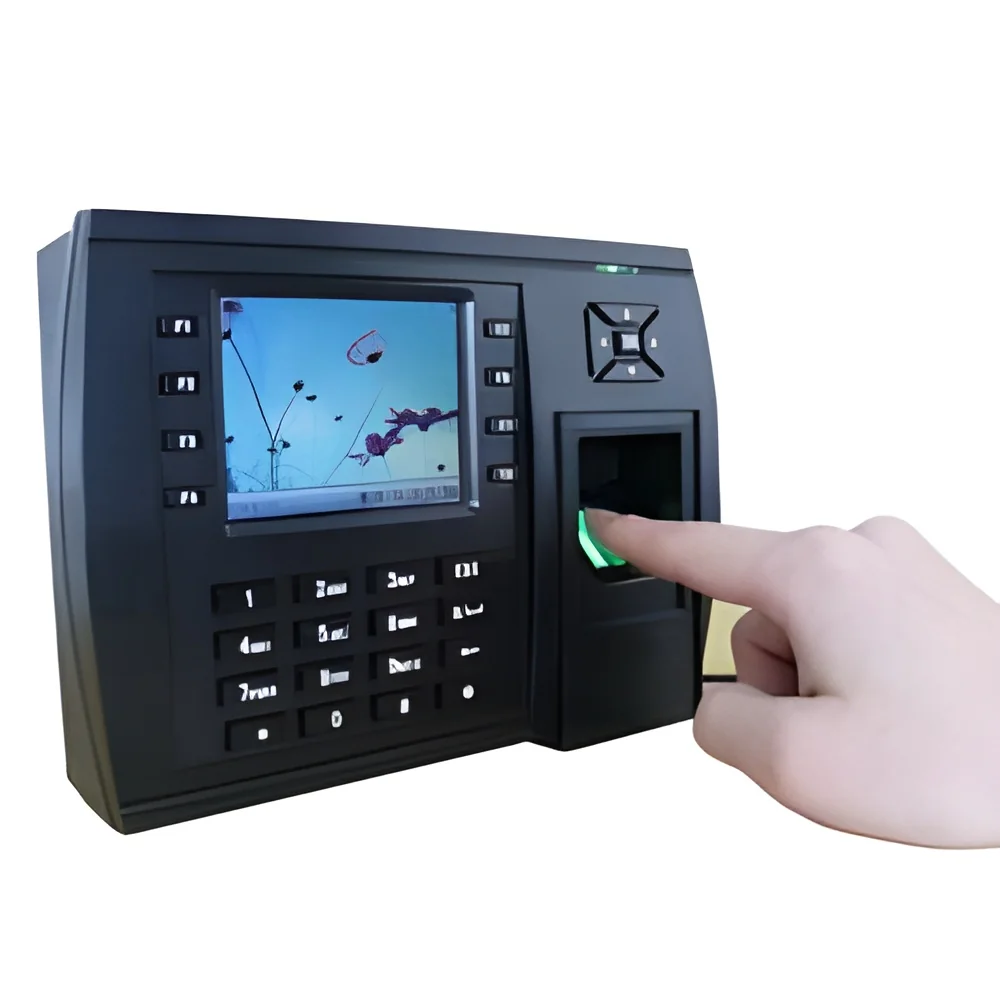
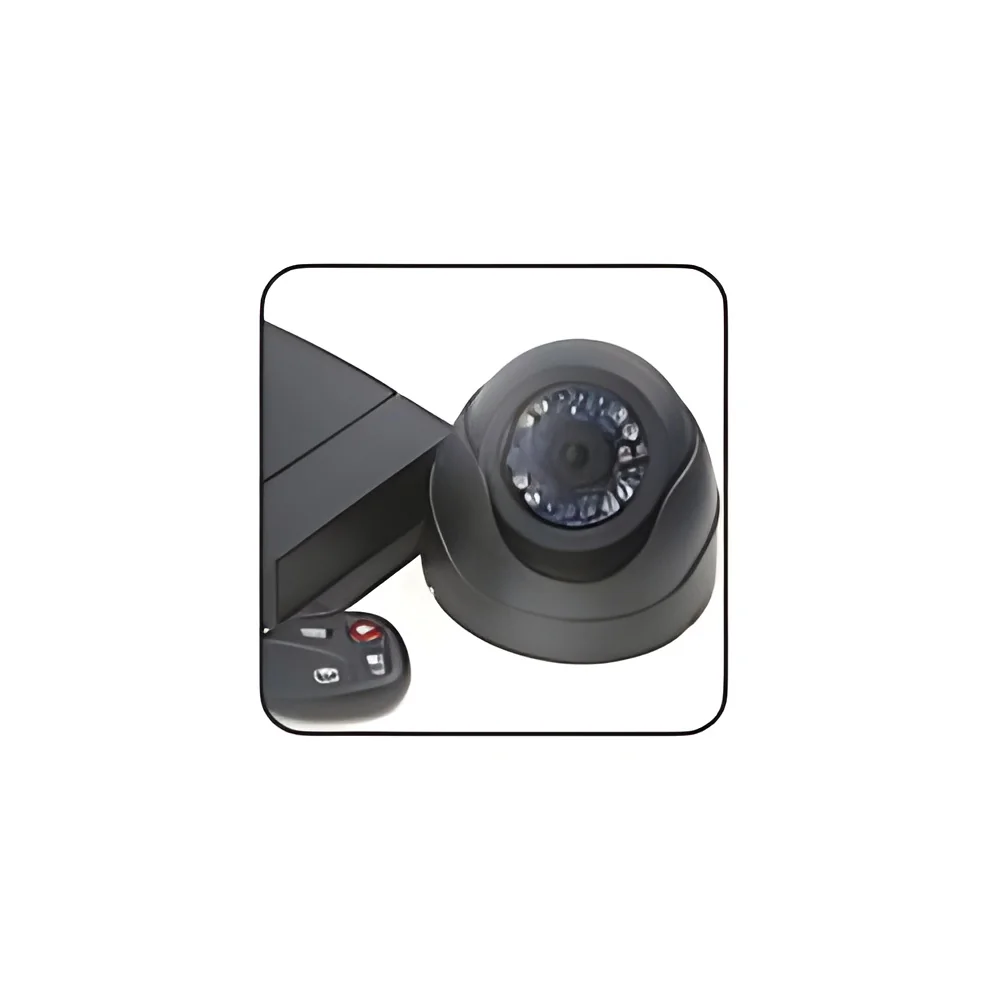
What are Biometric Access Systems?
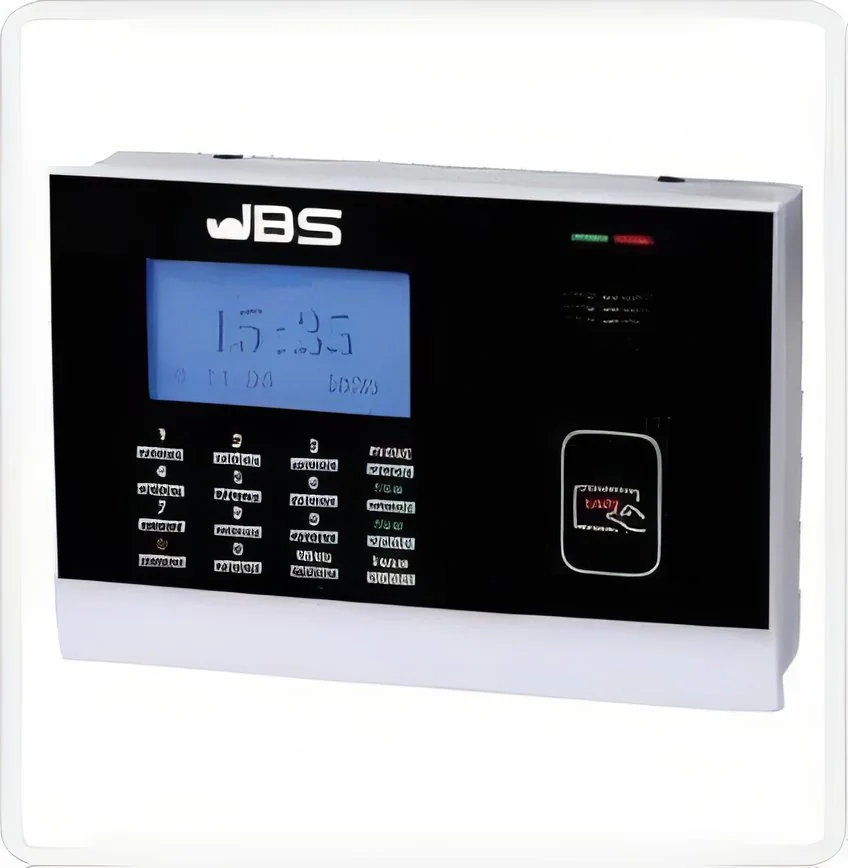
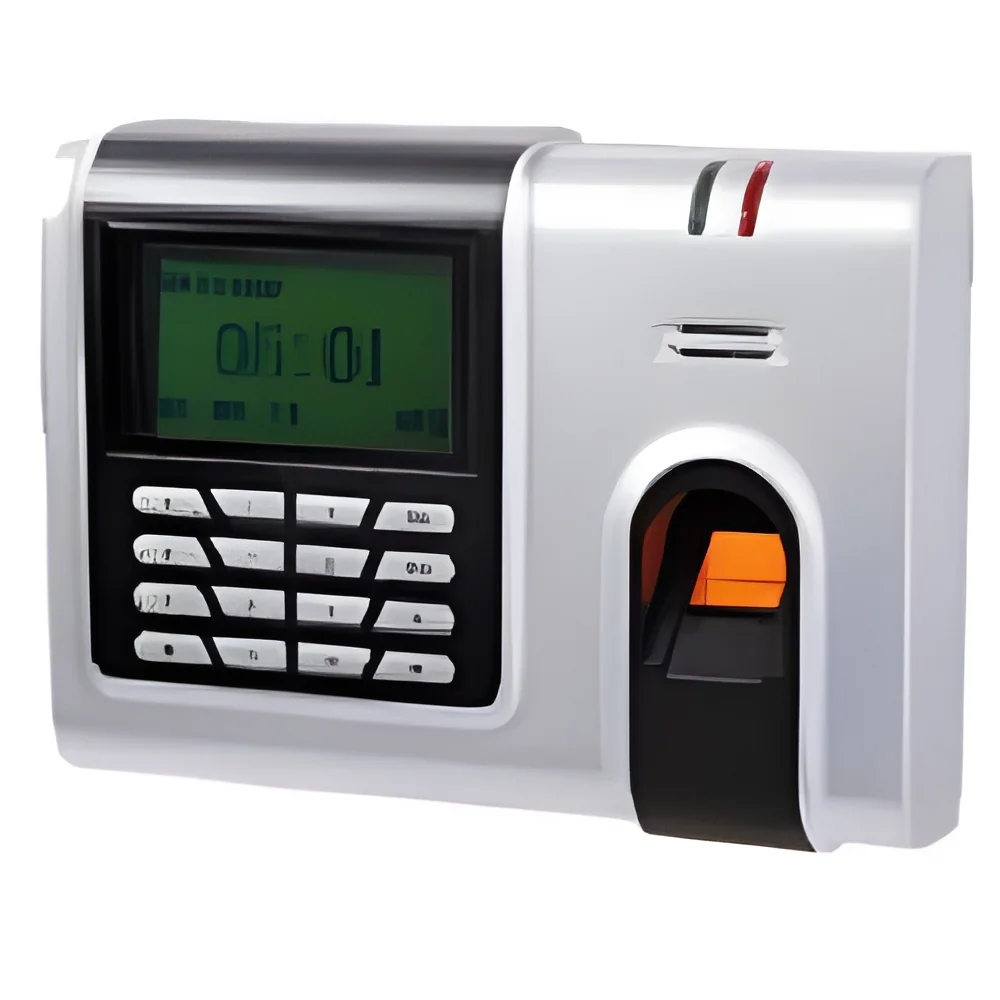
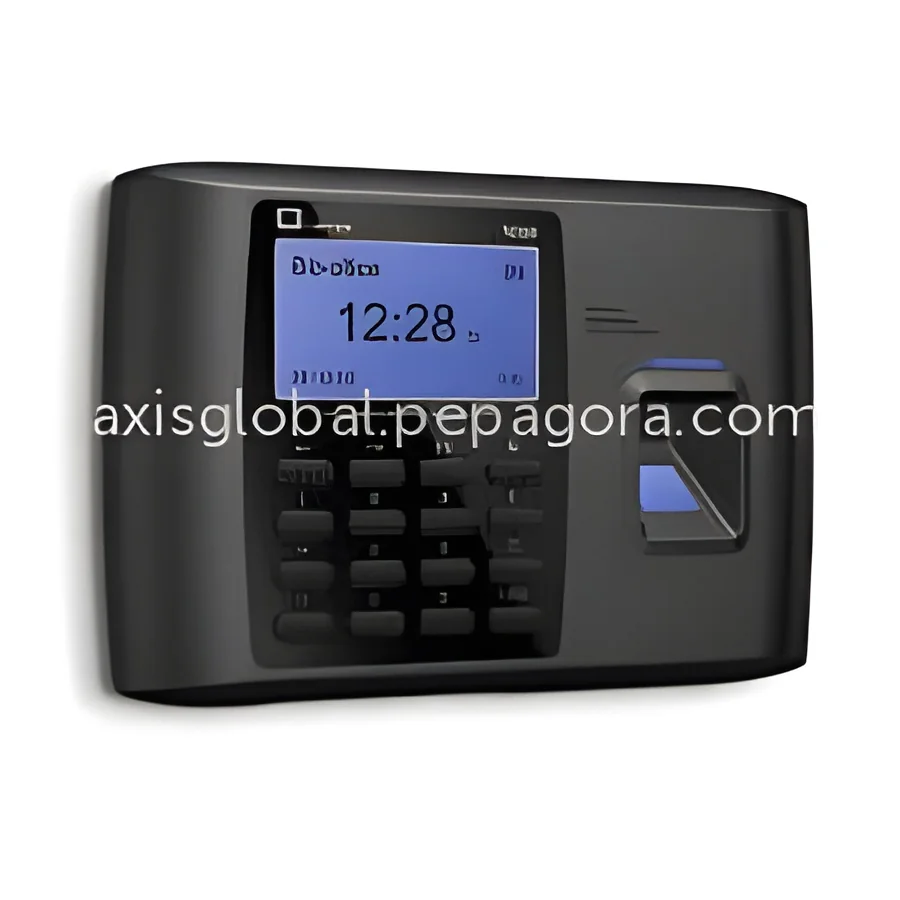
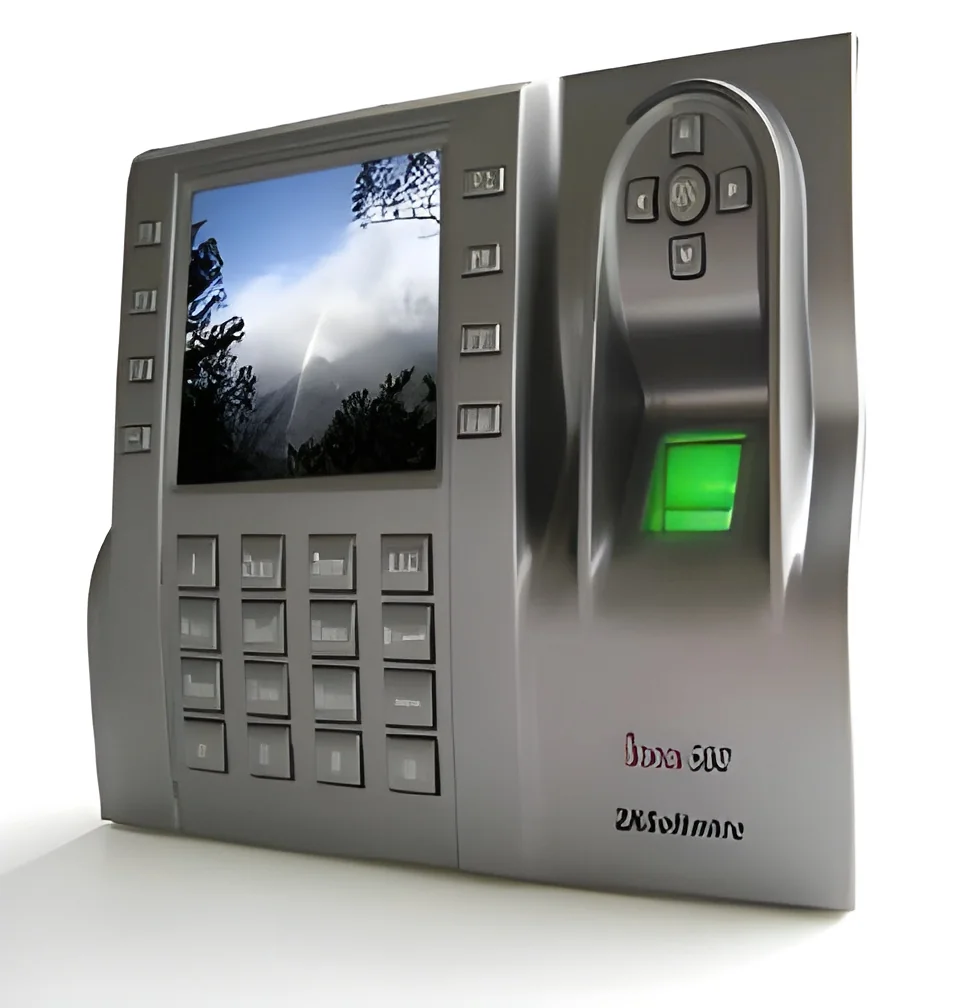
Biometric Access Systems are advanced security solutions that utilize unique biological traits of individuals to grant or deny access to physical or digital spaces. These systems primarily rely on biometric identifiers such as fingerprints, facial recognition, iris scans, and voice recognition. The technology behind these systems captures, analyzes, and compares biometric data to authenticate users, making it a highly secure method of access control.
These systems are widely used across various business applications, including secure entry to buildings, sensitive data protection in IT systems, and access management in restricted areas. Organizations in finance, healthcare, and government sectors often adopt biometric systems to enhance their security protocols. The relevance of biometric access systems continues to grow as businesses seek to mitigate security risks and improve operational efficiency in an increasingly digital world.
Key Features and Specifications
Biometric Access Systems are equipped with several key features that enhance their functionality and security. Understanding the technical specifications is crucial for businesses looking to implement these systems.
Key specifications include:
1. Biometric Recognition Type
- Fingerprint, facial, iris, or voice recognition
- Varies based on system design and application needs
2. Authentication Speed
- Time taken for user recognition
- Typically ranges from 0.5 to 2 seconds
3. Security Level
- Measures the robustness of the authentication process
- Multi-factor authentication may be available
4. User Capacity
- Maximum number of users the system can accommodate
- Ranges from hundreds to thousands depending on model
5. Integration Capabilities
- Ability to connect with existing security systems and software
- Compatibility with various access control interfaces
6. Environmental Resistance
- Ratings for temperature and humidity tolerance
- Ensures reliable operation in diverse settings
7. Data Encryption
- Level of encryption for stored biometric data
- Essential for protecting sensitive information
8. Power Supply Options
- Types of power sources supported
- Includes battery backup for uninterrupted operation
These features collectively contribute to the effectiveness and reliability of biometric access systems, making them suitable for diverse organizational needs.
Common Applications and Use Cases
Biometric Access Systems find applications across a wide range of industries, enhancing security and operational efficiency.
1. Healthcare: Hospitals use biometric systems to secure access to patient records and medication storage, ensuring that only authorized personnel can access sensitive information.
2. Finance: Banks and financial institutions implement biometric access for secure transactions and to protect sensitive customer data from unauthorized access.
3. Government: Public sector agencies utilize biometric systems for secure entry to government buildings and to verify identities for various services.
4. Manufacturing: Factories employ biometric access for restricted areas, ensuring that only trained and authorized employees can operate heavy machinery.
5. Hospitality: Hotels use biometric systems for secure guest check-ins and to restrict access to employee-only areas.
6. Education: Universities and schools implement these systems to safeguard student records and secure entry to campus facilities.
7. Retail: Retailers adopt biometric systems for employee access to inventory and secure areas, streamlining operations and enhancing security.
Product Variants and Subcategories
Biometric Access Systems are diverse, catering to various security needs and applications.
Fingerprint Scanners
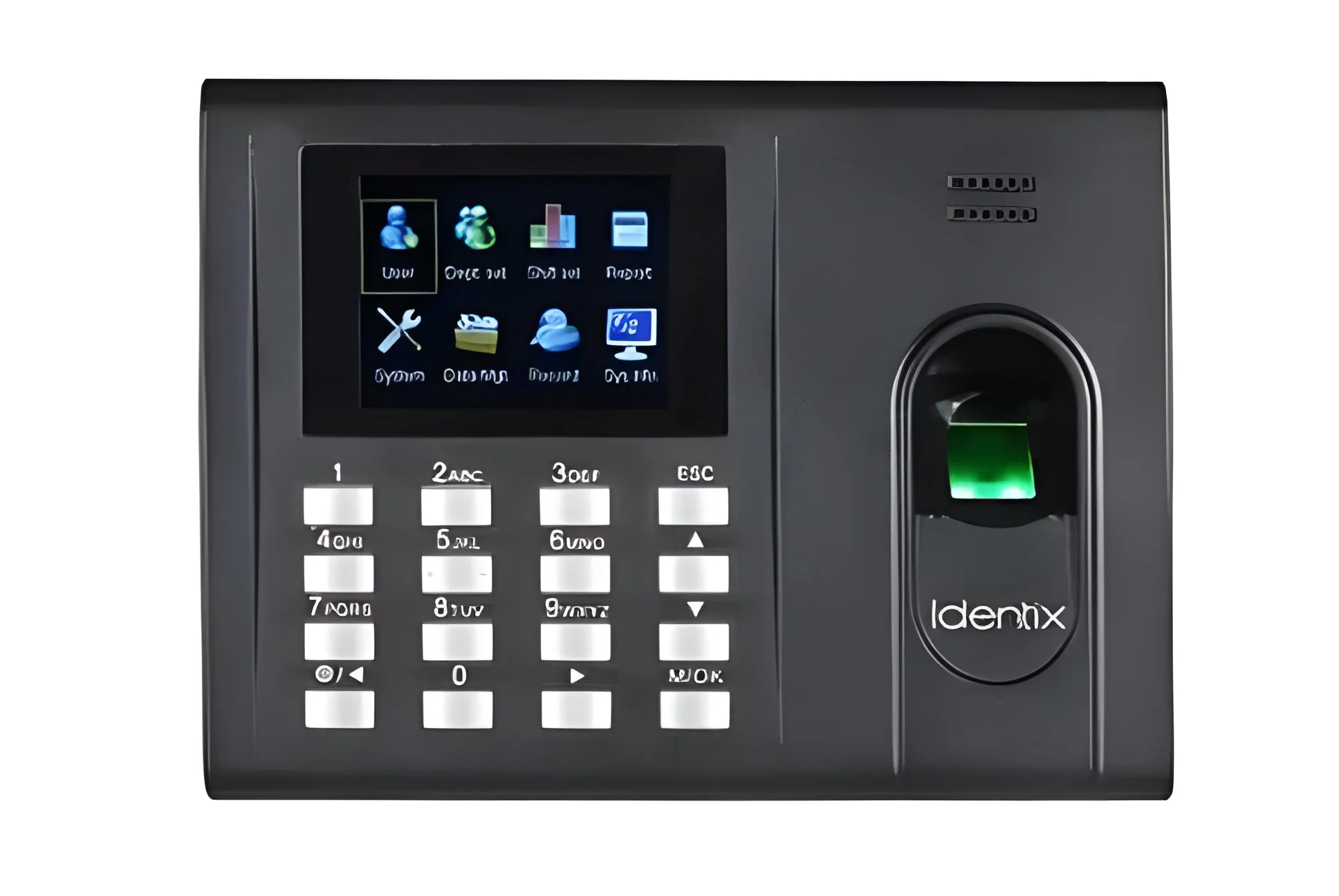
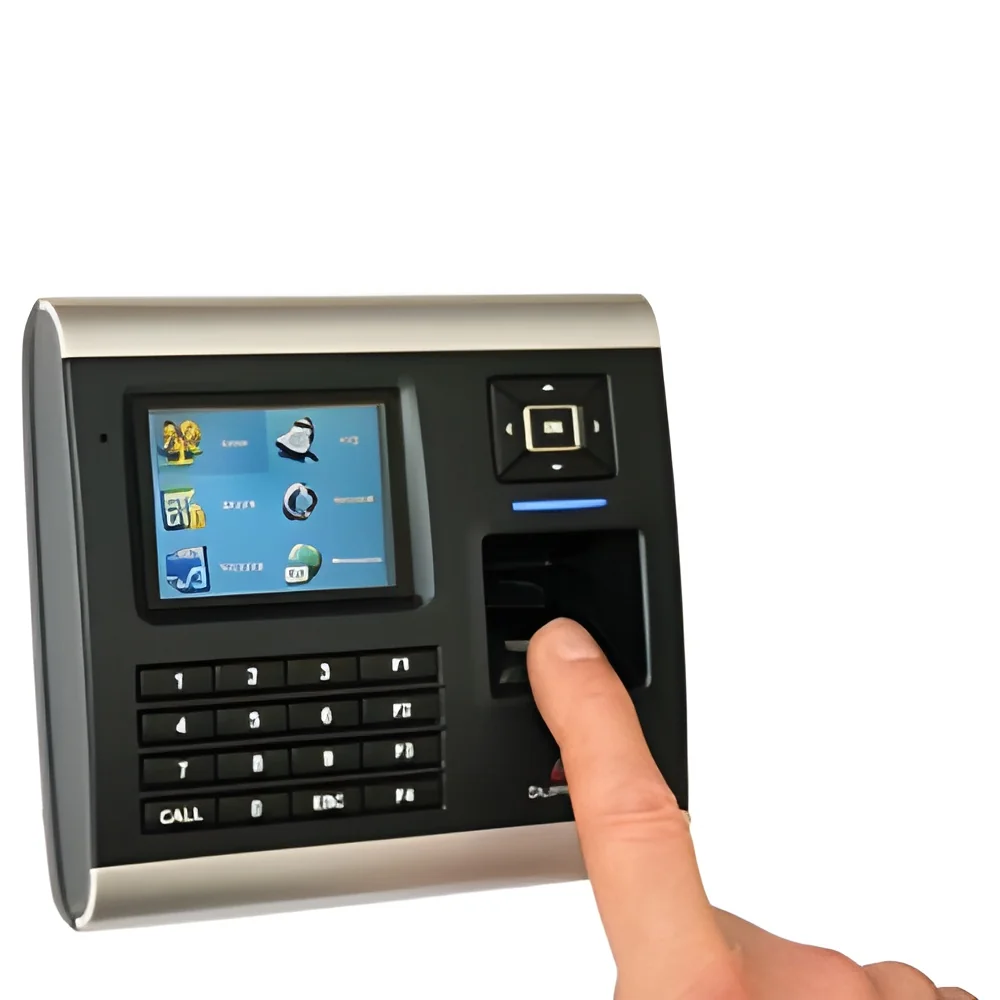
These systems capture and analyze fingerprint patterns for access control. They are compact, user-friendly, and suitable for high-traffic areas.
Facial Recognition Systems
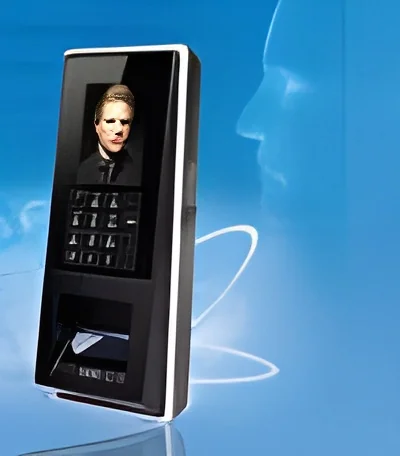
These utilize advanced imaging technology to verify identities based on facial features. Ideal for monitoring large crowds in public spaces.
Iris Recognition Systems
These systems use iris patterns for high-security environments, offering a low false acceptance rate and high accuracy.
Voice Recognition Systems
Using voiceprints, these systems provide secure access through audio identification, often used in customer service applications.
Benefits and Advantages
Biometric Access Systems offer numerous benefits that enhance security and operational efficiency for businesses.
1. Enhanced Security: Biometric traits are unique to each individual, reducing the likelihood of unauthorized access.
2. User Convenience: Quick authentication processes streamline entry, saving time for both employees and visitors.
3. Cost-Effective: Although the initial investment may be higher, these systems reduce the need for physical keys and security personnel.
4. Audit Trails: Many biometric systems provide logs of access attempts, helping organizations monitor and manage security effectively.
5. Scalability: These systems can be easily expanded to accommodate growing user bases as organizations scale.
6. Reduced Fraud: Biometric systems decrease the risk of identity theft or fraud, enhancing overall trust in security measures.
Buying Guide for B2B Buyers
When sourcing Biometric Access Systems, businesses should consider several key factors to ensure they make informed purchasing decisions.
1. Quality Assessment: Evaluate the quality of biometric systems based on user reviews, industry reputation, and performance metrics. Reliable products often meet recognized standards.
2. Supplier Verification: Vet suppliers through background checks, references, and industry certifications to ensure they provide high-quality products and support.
3. Pricing and MOQ: Understand the pricing structure and minimum order quantities to align with your budget and operational needs.
4. Delivery and Lead Times: Consider logistics and delivery timelines to ensure timely installation and integration with existing systems.
5. Compliance Requirements: Ensure that the chosen biometric systems meet relevant regulatory requirements and industry standards for security and data protection.
Compliance and Certifications
Biometric Access Systems must adhere to various quality standards and certifications to ensure reliability and security. Compliance with ISO 9001 ensures that the manufacturing processes meet international quality management standards. Additionally, products may carry certifications such as CE, indicating compliance with European safety and health regulations.
Safety and testing requirements are critical, particularly in sectors with stringent data protection laws. Organizations must also consider regional compliance, as regulations may vary significantly across different geographies, impacting the deployment of biometric systems.
Why Source Biometric Access Systems from Pepagora?
Pepagora offers a trusted platform for sourcing Biometric Access Systems, providing several key advantages for businesses.
Verified Supplier Network: Pepagora connects buyers with a network of vetted suppliers. This ensures that businesses receive high-quality products backed by reputable manufacturers.
Streamlined RFQ Process: The Request for Quotation system simplifies the procurement process, allowing businesses to easily compare options and make informed decisions.
Trade Assurance and Support: Pepagora provides buyer protection through trade assurance policies, ensuring that transactions are secure and that buyers receive the support they need.
Regional Coverage: With a strong presence in India, the GCC, and Southeast Asia, Pepagora caters to a diverse range of businesses, ensuring that regional needs are met efficiently.

 IN
IN