
 IN
Boom Barriers
11 products available
What are Boom Barriers?
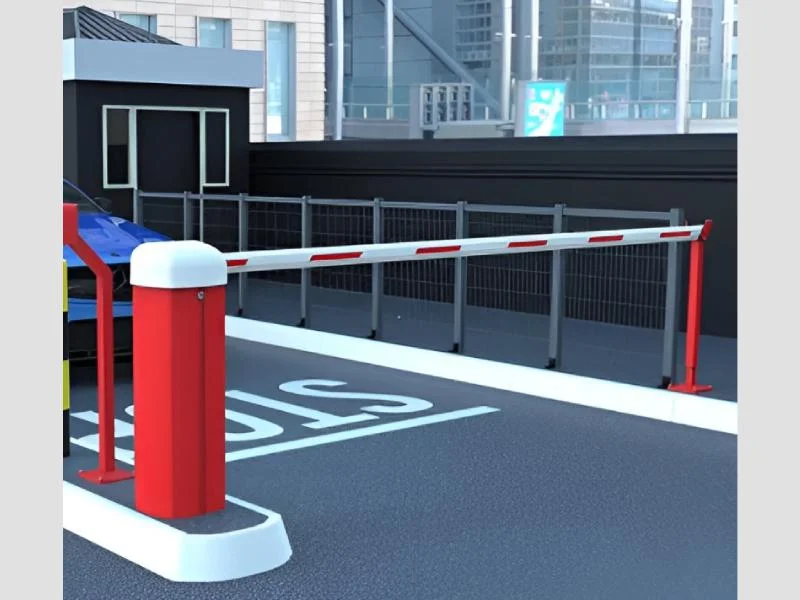
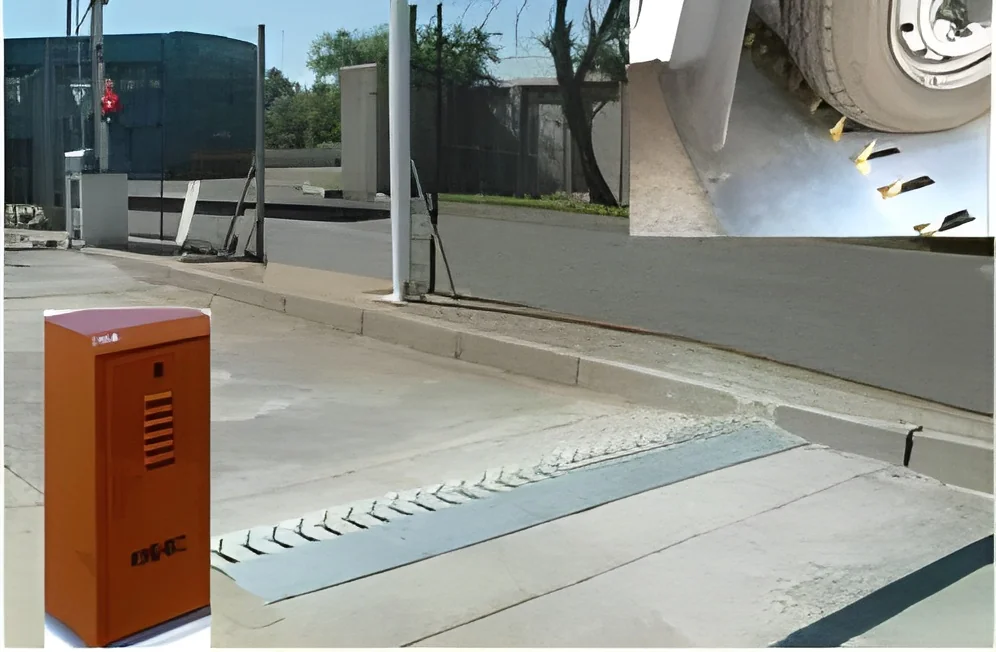
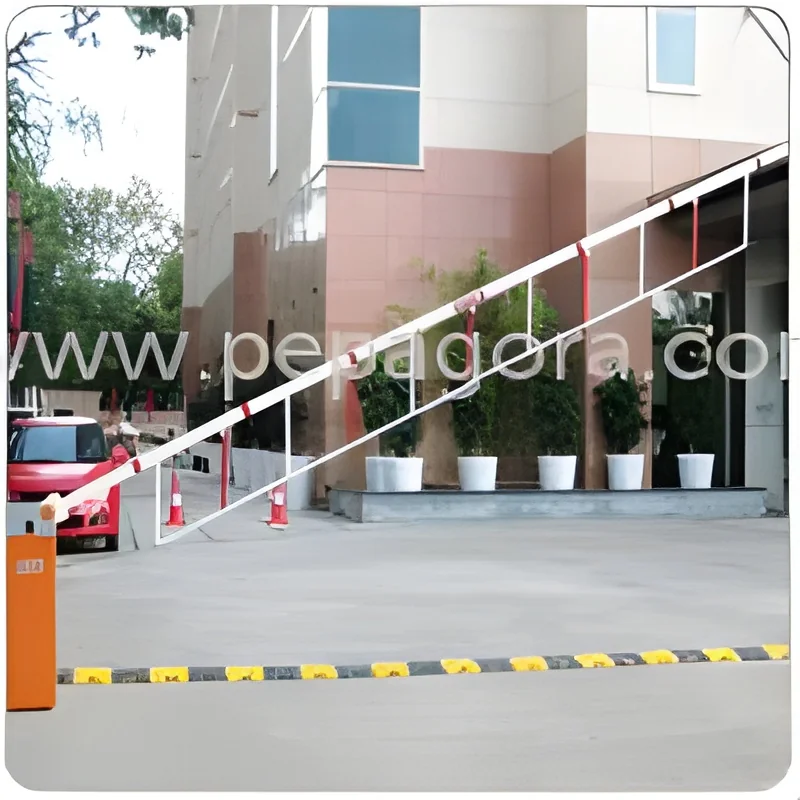
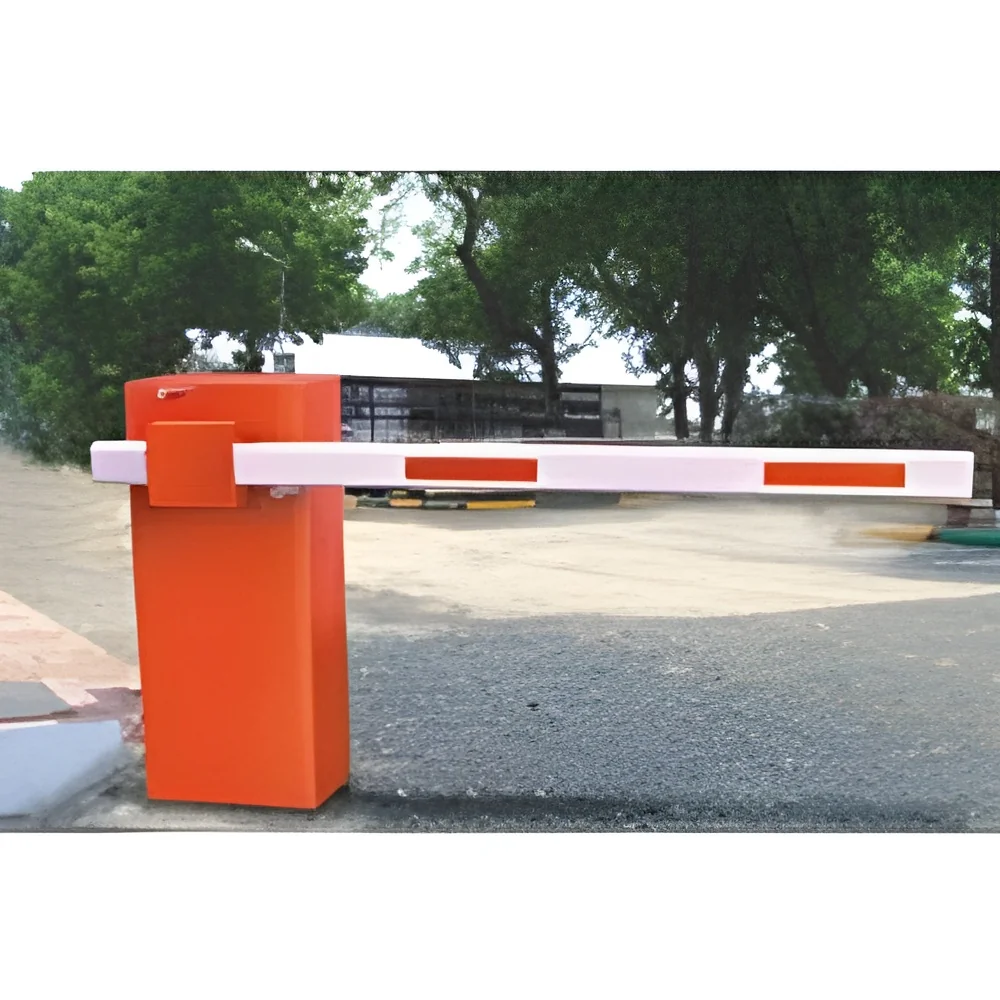
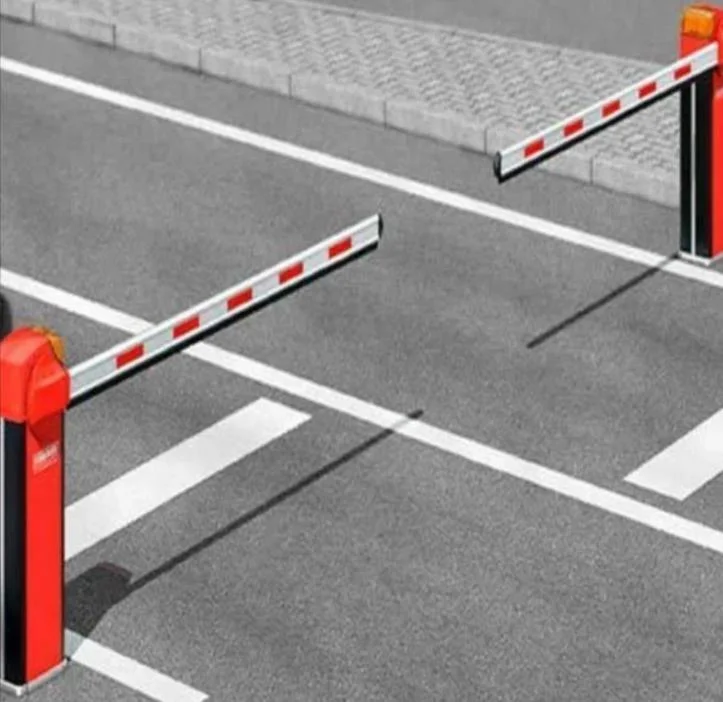
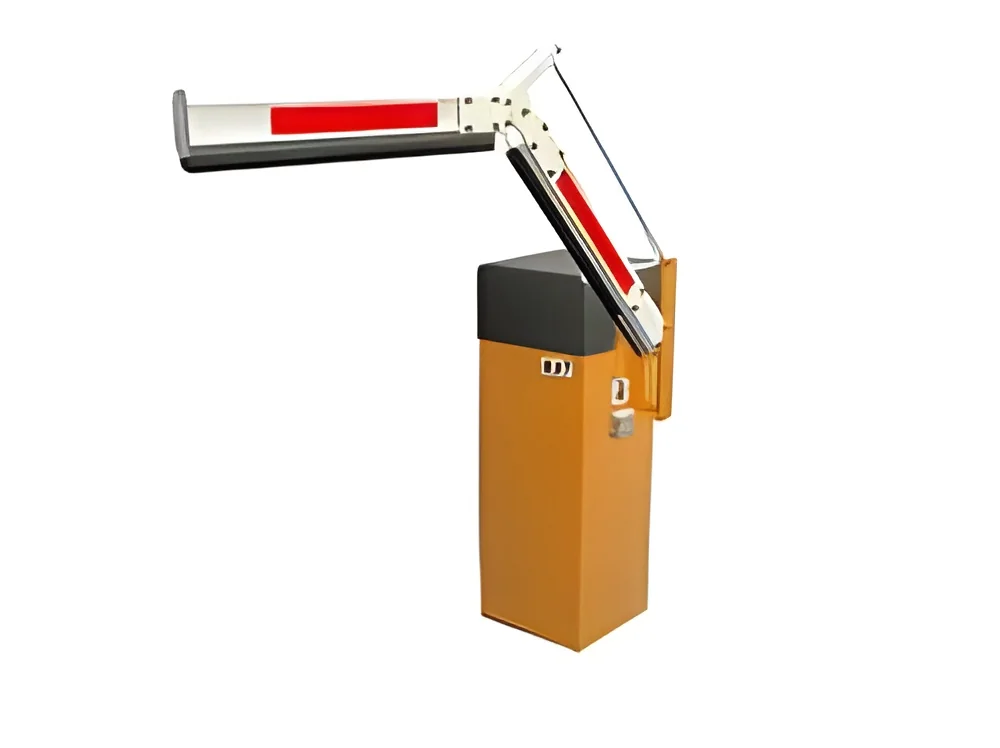
Boom barriers are mechanical devices used to control vehicle access at entry points. They feature a horizontal arm that lifts to allow vehicles to enter or exit a restricted area and lowers to block access when closed. They are commonly operated electronically, providing an efficient solution for traffic management and security.
These barriers are primarily used in parking lots, toll booths, and secure facilities where vehicle access needs to be regulated. They can be integrated with various access control systems, such as RFID readers and ticket dispensers, to enhance security and streamline the entry process. Boom barriers are relevant across multiple industries, including transportation, logistics, and event management, where controlling vehicular movement is crucial.
The market for boom barriers is steadily growing due to increased security concerns and the need for efficient traffic management solutions. With advancements in technology, these barriers are becoming more sophisticated, offering features such as remote operation and real-time monitoring, thus making them indispensable in modern infrastructure.
Key Features and Specifications
Boom barriers come with various features that enhance their functionality and reliability. They are designed to be durable and efficient, catering to a wide range of applications. Below are some key specifications:
1. Operating Mechanism
- This includes manual or automatic systems.
- Automatic systems typically use electric motors for faster operation.
2. Arm Length
- Standard arm lengths range from 3 to 6 meters.
- Longer arms are available for wider access points.
3. Speed of Operation
- Boom barriers typically operate at speeds of 1 to 3 seconds for full opening.
- Fast operation is essential for high-traffic areas.
4. Build Material
- Common materials include aluminum and steel for strength and durability.
- Weather-resistant coatings are used for outdoor applications.
5. Control Options
- Remote control, keypad entry, and integration with access control systems are available.
- Some models offer smartphone app control.
6. Safety Features
- Safety sensors prevent the arm from closing on vehicles or pedestrians.
- Emergency stop buttons are standard in many installations.
7. Power Supply
- Operates on standard AC power with backup battery options for emergencies.
- Power consumption varies by model.
8. Installation Requirements
- Installation can vary based on site conditions and barrier type.
- Professional installation is recommended for optimal performance.
In summary, boom barriers are engineered to provide effective vehicle control and security, with a variety of features tailored to meet different operational needs.
Common Applications and Use Cases
Boom barriers are widely utilized across various sectors to enhance security and streamline vehicle traffic.
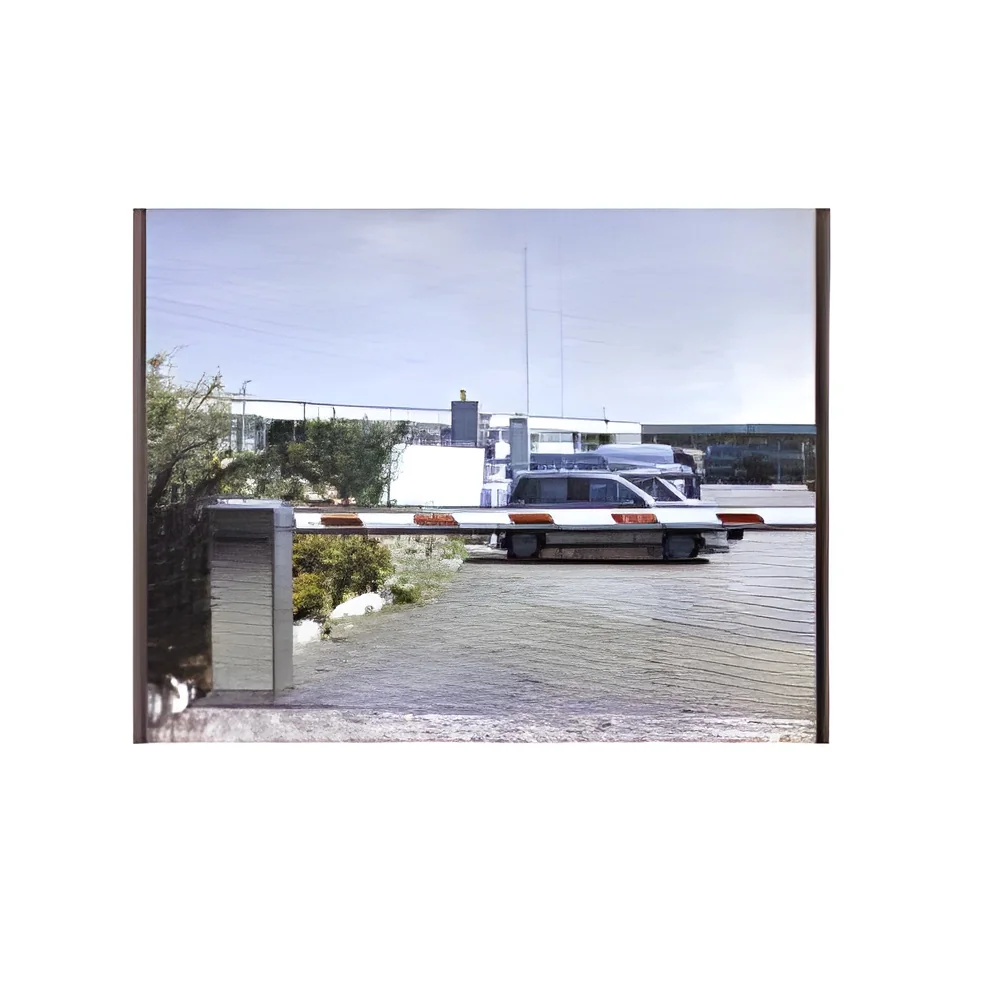
1. Parking Facilities: They are essential in managing vehicle access in commercial and residential parking lots, ensuring that only authorized vehicles can enter.
2. Toll Booths: Boom barriers are critical in toll collection points, allowing for efficient traffic flow while securely collecting fees.
3. Airports: Used to control access to restricted areas, ensuring that only authorized personnel can enter.
4. Industrial Sites: They secure entry points in factories and warehouses, helping to prevent unauthorized access and protect assets.
5. Events Management: During events, boom barriers help in crowd control, managing vehicle access and ensuring safety.
6. Government Facilities: They are employed to secure access to sensitive areas, such as military bases and government buildings.
7. Residential Complexes: Used in gated communities to control access to ensure the safety of residents.
Product Variants and Subcategories
Boom barriers are available in various models, catering to different operational needs.
Automatic Boom Barriers: These barriers operate with electric motors and are ideal for high-traffic areas. They offer quick access and can be integrated with advanced control systems for enhanced security.
Manual Boom Barriers: These are operated by hand and are suitable for low-traffic sites. They are often more cost-effective and simpler in design, making them a viable option for smaller applications.
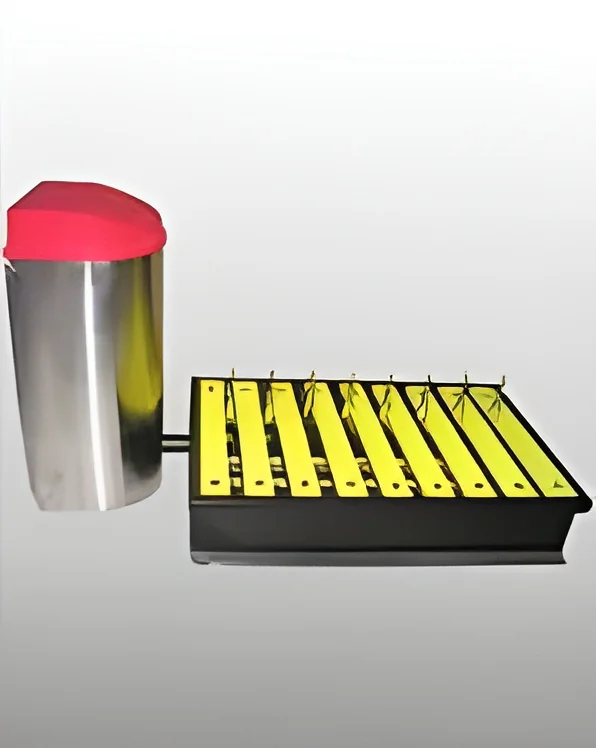
Heavy-Duty Boom Barriers: Designed for industrial use, these barriers are built to withstand harsh conditions and high-frequency use. They are ideal for construction sites and large warehouses.
Solar-Powered Boom Barriers: These environmentally friendly options utilize solar energy, reducing operational costs and providing a sustainable solution for remote locations.
Portable Boom Barriers: These barriers can be easily relocated and are ideal for temporary setups, such as events or construction sites, where flexibility is essential.
Benefits and Advantages
Investing in boom barriers offers numerous benefits to businesses.
1. Enhanced Security: They provide a physical barrier that prevents unauthorized access, protecting valuable assets and ensuring safety.
2. Improved Traffic Flow: Automating vehicle access helps reduce congestion, especially in high-traffic areas like parking lots and toll booths.
3. Cost-Effective: With various pricing options, boom barriers offer a range of solutions that can fit different budgets and operational needs.
4. Customization Options: Many models can be tailored with various features and technologies to meet specific business requirements.
5. Low Maintenance: With durable construction materials and simple mechanical systems, boom barriers require minimal upkeep.
6. Remote Operation: Many modern boom barriers can be operated remotely, providing convenience and efficiency for users.
Buying Guide for B2B Buyers
When considering the procurement of boom barriers, several important factors should be evaluated.
1. Quality Assessment: Look for barriers that meet industry standards for durability and reliability. Review materials and construction methods to ensure they can withstand environmental conditions.
2. Supplier Verification: Research potential suppliers to ensure they are reputable and have a history of providing quality products. Check reviews and ratings from other businesses.
3. Pricing and MOQ: Understand the cost implications and minimum order quantities associated with different models. Factor in budget constraints and potential for bulk purchasing discounts.
4. Delivery and Lead Times: Discuss logistics with suppliers to ensure timely delivery. Consider lead times when planning installations to avoid disruptions.
5. Compliance Requirements: Be aware of any local regulations or compliance standards that may apply to the installation and operation of boom barriers in your area.
Compliance and Certifications
Boom barriers must adhere to various quality and safety standards to ensure reliability and compliance.
Relevant quality standards, such as ISO 9001, ensure that manufacturers maintain consistent quality in their production processes. These standards help assure buyers of the product's reliability and performance.
Industry certifications, including CE marking, indicate compliance with European safety and health regulations. This certification assures buyers that the product meets specific safety standards.
Safety and testing requirements are crucial to the operation of boom barriers. Products should undergo rigorous testing to ensure they perform safely under various conditions.
Regional compliance considerations may vary, and buyers should be informed about local regulations that govern the installation and operation of boom barriers to ensure adherence.
Why Source Boom Barriers from Pepagora?
Pepagora offers a reliable platform for sourcing boom barriers, providing several key advantages for businesses.
Verified Supplier Network: Pepagora features a network of trusted suppliers who have been vetted for quality and reliability. This ensures buyers can source products from reputable manufacturers.
Streamlined RFQ Process: The request for quotation process on Pepagora is designed to be efficient and user-friendly, allowing buyers to easily request quotes and compare options.
Trade Assurance and Support: Pepagora offers trade assurance that protects buyers from potential risks. This support provides peace of mind during the procurement process.
Regional Coverage: With a strong presence in India, GCC, and Southeast Asia, Pepagora enables businesses to access boom barriers tailored to their specific regional needs and requirements.





Frequently Asked Questions
What are Boom Barriers?
Boom barriers are mechanical devices used to control vehicle access to a restricted area. They consist of a horizontal bar that can be raised or lowered to allow or prevent entry, commonly found in parking lots, toll booths, and secure facility entrances.
What are the different types of Boom Barriers?
There are several types of boom barriers, including manual, automatic, and hydraulic boom barriers. Manual barriers require physical operation, while automatic barriers are controlled electronically. Hydraulic barriers use hydraulic systems for smooth operation and can handle heavy usage.
How do I choose the right Boom Barriers?
Choosing the right boom barrier involves considering factors such as the level of security needed, frequency of use, and installation space. Assessing the environment where the barrier will be placed is also crucial to ensure compatibility with surrounding infrastructure.
What are the standard specifications for Boom Barriers?
Standard specifications for boom barriers typically include height and width of the boom arm, operating speed, durability ratings, and power supply requirements. Additionally, they may feature safety mechanisms such as obstacle detection and emergency release options.
What is the price range for Boom Barriers?
The price of boom barriers can vary significantly based on type, features, and manufacturer. Generally, you can expect prices to range from INR 15,000 to INR 1,00,000, depending on the specifications and technology used.
What quality standards apply to Boom Barriers?
Boom barriers must adhere to various quality standards, including safety and performance regulations set by national and international bodies. Common standards include ISI certifications and compliance with ISO quality management systems.
Where can I find Boom Barriers suppliers in India?
You can find boom barriers suppliers in India through online B2B marketplaces like Pepagora.com, trade fairs, and industry directories. It is advisable to compare multiple suppliers to ensure you get a reliable product and service.
Can Boom Barriers be customized?
Yes, boom barriers can often be customized to meet specific requirements. Customization options may include adjusting the height and width of the boom arm, adding special features, or integrating with existing security systems.
What is the typical minimum order quantity for Boom Barriers?
The minimum order quantity (MOQ) for boom barriers varies by supplier but is often set between 1 to 10 units. It is best to check with individual manufacturers for their specific MOQ policies.
What is the typical lead time for Boom Barriers?
The typical lead time for boom barriers can range from 1 to 4 weeks depending on the supplier, customization options, and order volume. It is advisable to discuss lead times during the procurement process to ensure timely delivery.
Why Businesses Trust Pepagora
Thousands of companies trust Pepagora to source smarter and sell faster
Expand Your Sales Globally

Source Smarter,Grow Faster
