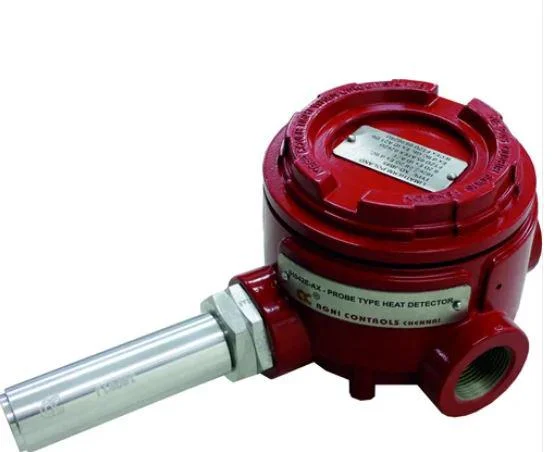
What are Heat Detectors?
Heat detectors are devices designed to detect changes in temperature within an environment, primarily to identify potential fire hazards. These detectors operate on the principle of monitoring temperature fluctuations, which can indicate the presence of a fire. When a certain temperature threshold is exceeded, the device activates an alarm, alerting occupants to the potential danger. Heat detectors are essential components of fire safety systems, providing an early warning mechanism to minimize risks and protect lives and property.
These devices are widely utilized across various industries, including manufacturing, warehousing, hospitality, and healthcare. Their ability to detect heat, rather than smoke, makes them particularly suitable for areas where smoke may not be a reliable indicator of fire, such as kitchens or industrial settings. By integrating heat detectors into fire detection systems, businesses can enhance safety protocols and comply with regulatory requirements, ensuring a safer environment for employees and visitors alike.
As fire safety regulations become increasingly stringent, the demand for reliable heat detection systems continues to grow. Industries are recognizing the importance of proactive fire prevention measures, driving advancements in heat detector technology. This growing market is characterized by a focus on innovation, with manufacturers striving to improve detection accuracy and integration with smart building systems.
Key Features and Specifications
Heat detectors come equipped with various features tailored to enhance their functionality and reliability. Understanding these specifications is crucial for businesses seeking to implement effective fire safety measures.
Key specifications include:
1. Detection Type
- Heat detectors can be classified into fixed temperature, rate-of-rise, or combination types.
- Each type has specific operational parameters suited for different environments.
2. Temperature Range
- Typically, heat detectors operate within a specific temperature range to detect abnormalities.
- Data not available on exact ranges for specific models.
3. Alarm Activation
- Devices are designed to trigger alarms at predetermined temperature thresholds.
- This feature ensures timely alerts to prevent fire escalation.
4. Environmental Resistance
- Heat detectors may be rated for specific environmental conditions, such as humidity and dust resistance.
- This ensures optimal performance in challenging settings.
5. Installation Type
- Options include surface-mounted, flush-mounted, or portable models.
- Selection depends on the specific application and location requirements.
6. Power Source
- Heat detectors can be battery-powered or hardwired into electrical systems.
- Battery options provide flexibility in installation.
7. Connectivity Features
- Some models offer integration with building management systems for enhanced monitoring.
- This feature allows for real-time data sharing and alerts.
8. Certifications
- Many heat detectors are certified to meet international safety standards, such as CE.
- Certification ensures compliance with quality and safety regulations.
In summary, understanding the key features and specifications of heat detectors enables businesses to select the most appropriate devices for their specific needs, ensuring effective fire safety measures are in place.
Common Applications and Use Cases
Heat detectors are versatile devices used across various industries to enhance fire safety protocols.
1. Manufacturing: In factories, heat detectors are essential for monitoring areas with high-temperature machinery, ensuring early detection of potential fire hazards.
2. Warehousing: In large storage facilities, these detectors help identify overheating goods or equipment, preventing fire incidents that could cause significant damage.
3. Hospitality: Hotels and restaurants benefit from heat detectors in kitchens, where smoke may not be a reliable indicator of fire, ensuring prompt alerts to staff.
4. Healthcare: Hospitals utilize heat detectors in critical areas to safeguard patient safety and comply with strict fire safety regulations.
5. Transportation: Buses and trains incorporate heat detectors to monitor engine compartments, providing an extra layer of safety for passengers and operators.
6. Data Centers: In environments with sensitive electronic equipment, heat detectors help prevent overheating, protecting valuable assets.
7. Educational Institutions: Schools and universities install heat detectors in laboratories and kitchens to ensure safety in high-risk areas.
Product Variants and Subcategories
Heat detectors come in various configurations to meet the diverse needs of different environments.
Fixed Temperature Heat Detectors: These detectors trigger an alarm when a specific temperature is reached. They are ideal for environments where rapid temperature changes are a concern.
Rate-of-Rise Heat Detectors: Designed to detect a rapid increase in temperature, these detectors are suitable for areas where quick responses are critical.
Combination Heat Detectors: These devices incorporate features from both fixed temperature and rate-of-rise detectors, providing comprehensive coverage for varied applications.
Benefits and Advantages
Implementing heat detectors brings numerous advantages to businesses looking to enhance fire safety.
1. Early Detection: Heat detectors provide timely alerts, allowing for swift action to mitigate fire risks and protect lives.
2. Reduced False Alarms: By focusing on temperature changes rather than smoke, heat detectors minimize the chances of false alarms, leading to more efficient safety responses.
3. Versatile Applications: Their adaptability makes heat detectors suitable for various industries, ensuring broad applicability.
4. Compliance Assurance: Many heat detectors meet industry standards and regulations, helping businesses maintain compliance with fire safety laws.
5. Cost-Effective Solutions: Investing in heat detectors can lead to reduced insurance premiums and lower potential losses from fire incidents.
6. Enhanced Safety Culture: Implementing heat detection systems fosters a proactive safety culture within organizations, increasing awareness and preparedness.
Buying Guide for B2B Buyers
When sourcing heat detectors, businesses should consider several important factors to ensure they select the right products for their needs.
1. Quality Assessment: Evaluate product quality by reviewing manufacturer reputation, customer feedback, and performance testing results.
2. Supplier Verification: Vet suppliers by checking certifications, industry experience, and customer reviews to ensure reliability and integrity.
3. Pricing and MOQ: Understand the pricing structure and minimum order quantities required by suppliers to plan budgets effectively.
4. Delivery and Lead Times: Inquire about logistics, including estimated delivery times, to ensure timely deployment of heat detectors in your facilities.
5. Compliance Requirements: Verify that the selected heat detectors meet relevant regulatory standards and certifications, ensuring adherence to safety requirements.
Compliance and Certifications
Heat detectors must adhere to various quality standards and certifications to guarantee safety and effectiveness. One of the relevant standards is ISO 9001, which emphasizes quality management systems and customer satisfaction. Compliance with HACCP (Hazard Analysis and Critical Control Points) is crucial in environments such as food processing where safety is paramount.
Additionally, many heat detectors are certified with CE, indicating compliance with European safety standards. This certification assures buyers of the product's quality and reliability. Testing requirements often involve rigorous assessments to verify performance under various conditions.
Regional compliance considerations vary by location, necessitating an understanding of local regulations that may affect the installation and operation of heat detectors. Businesses should stay informed about these requirements to avoid potential legal issues and ensure safety.
Why Source Heat Detectors from Pepagora?
Pepagora offers a trusted platform for sourcing heat detectors, providing numerous advantages for B2B buyers.
Verified Supplier Network: Pepagora connects buyers with a network of verified suppliers, ensuring that only reliable manufacturers are considered. This verification process helps eliminate risks associated with sourcing products.
Streamlined RFQ Process: The platform simplifies the request for quotation process, allowing buyers to efficiently compare offers from multiple suppliers. This encourages competitive pricing and better deals.
Trade Assurance and Support: Pepagora provides trade assurance, protecting buyers from potential issues during transactions. This support fosters confidence in sourcing decisions.
Regional Coverage: With a reach that spans India, the Gulf Cooperation Council (GCC), and Southeast Asia, Pepagora facilitates sourcing for businesses in diverse geographical locations, ensuring accessibility to quality heat detectors.

 IN
IN