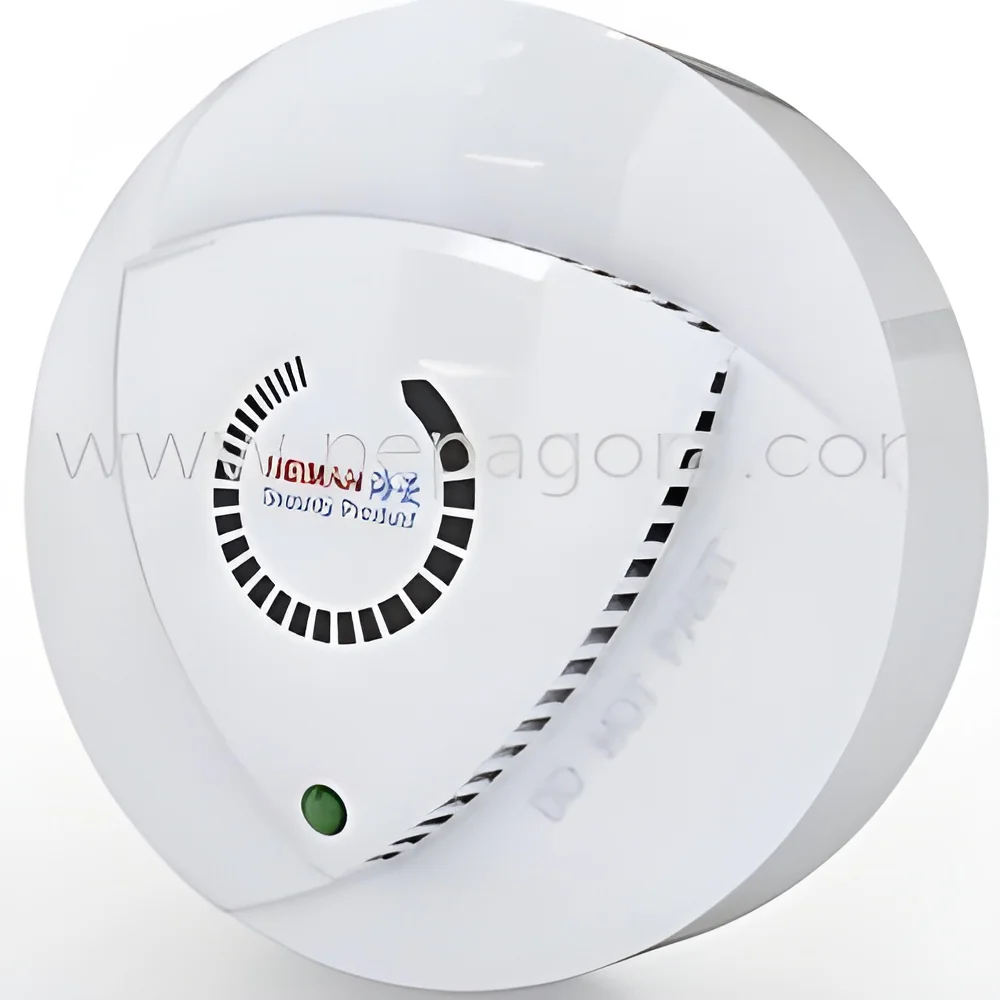
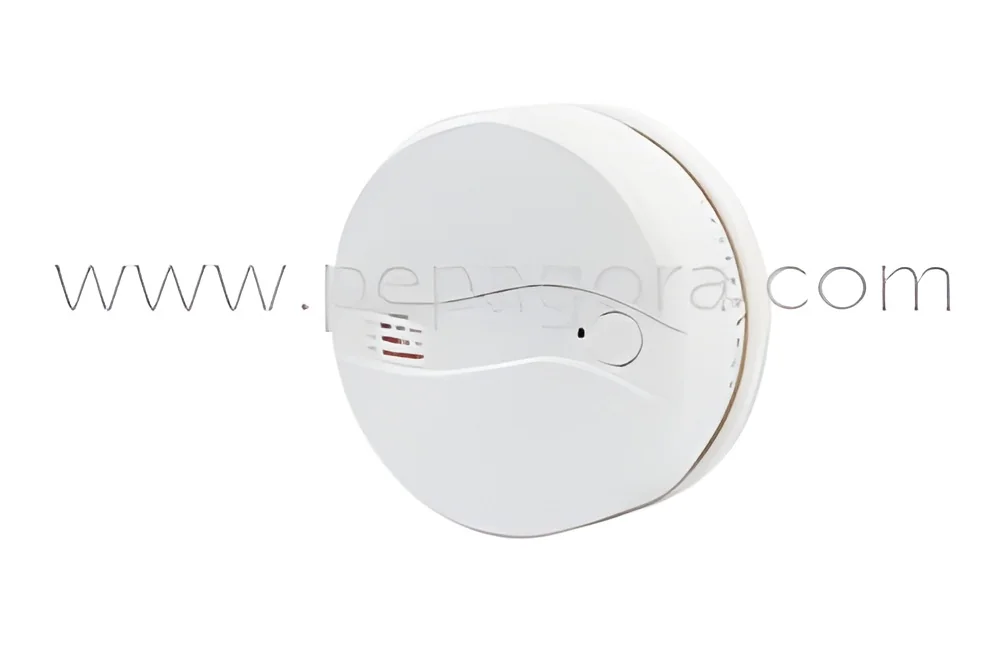
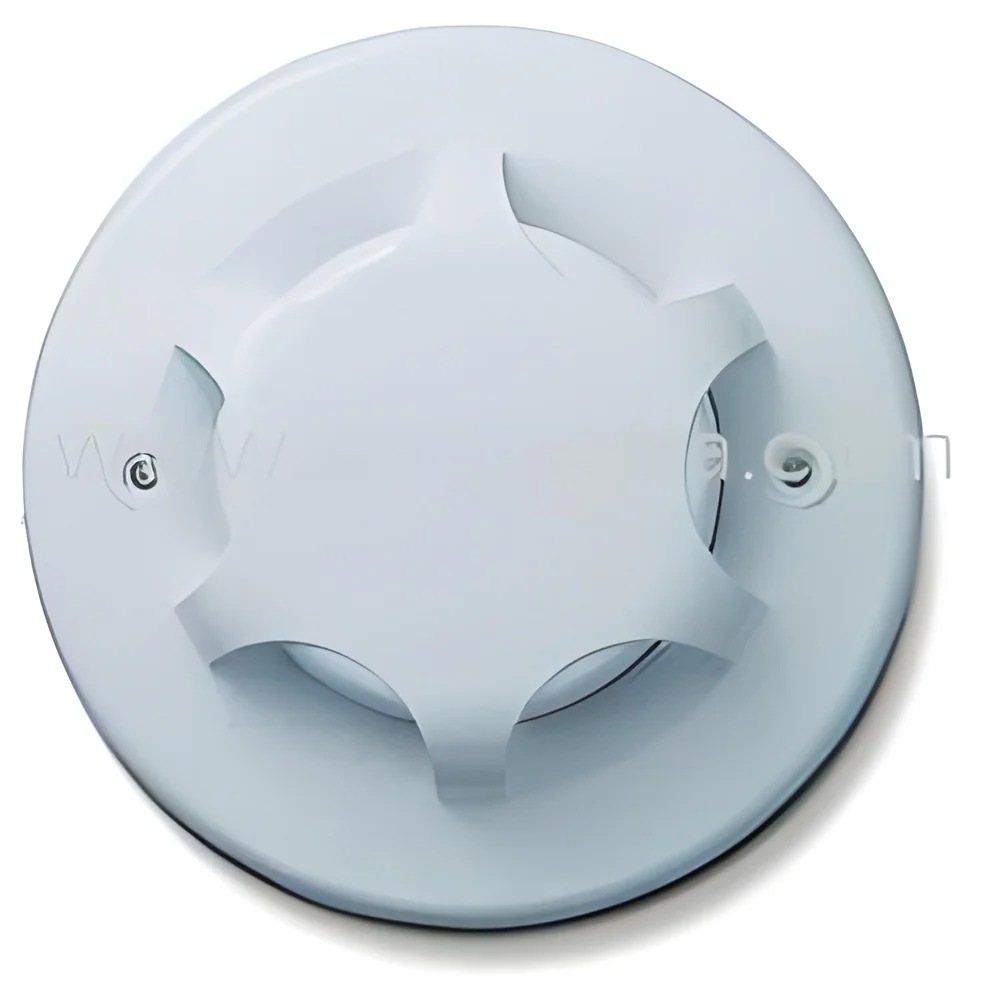
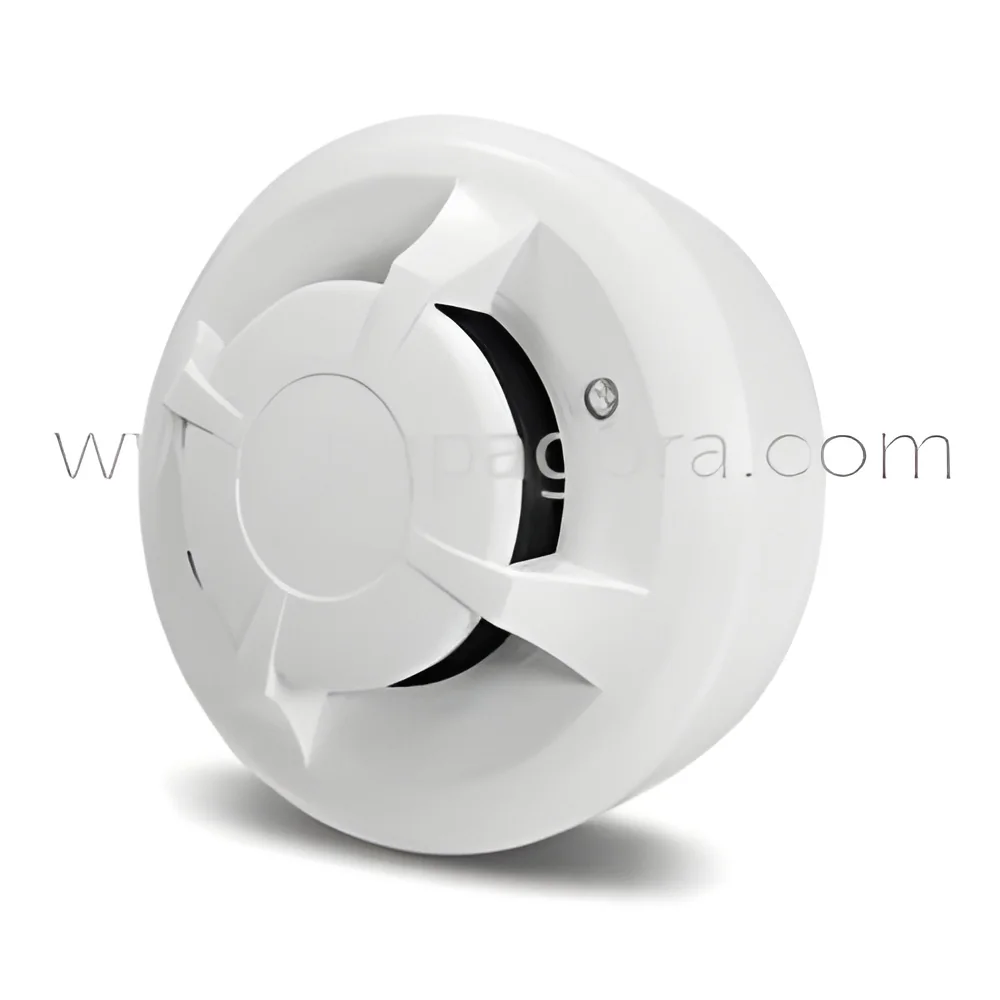
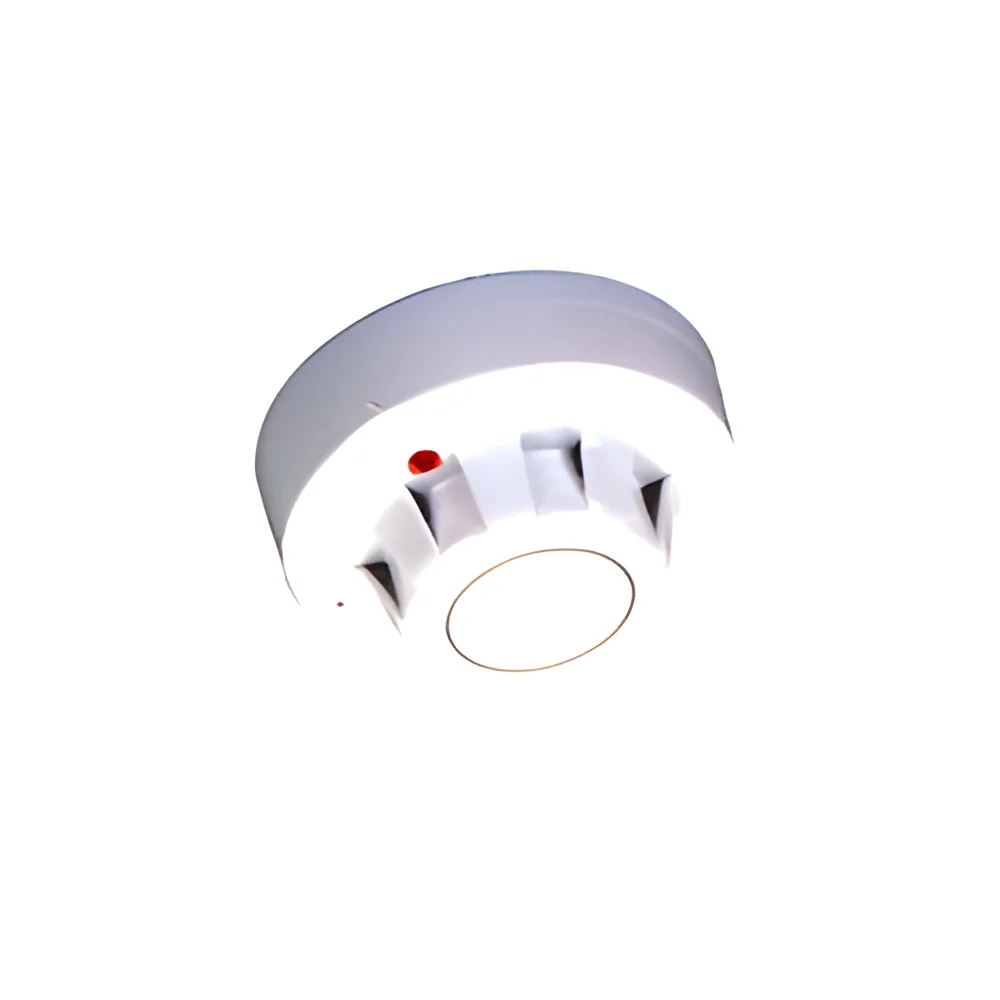
What are Smoke Detectors?
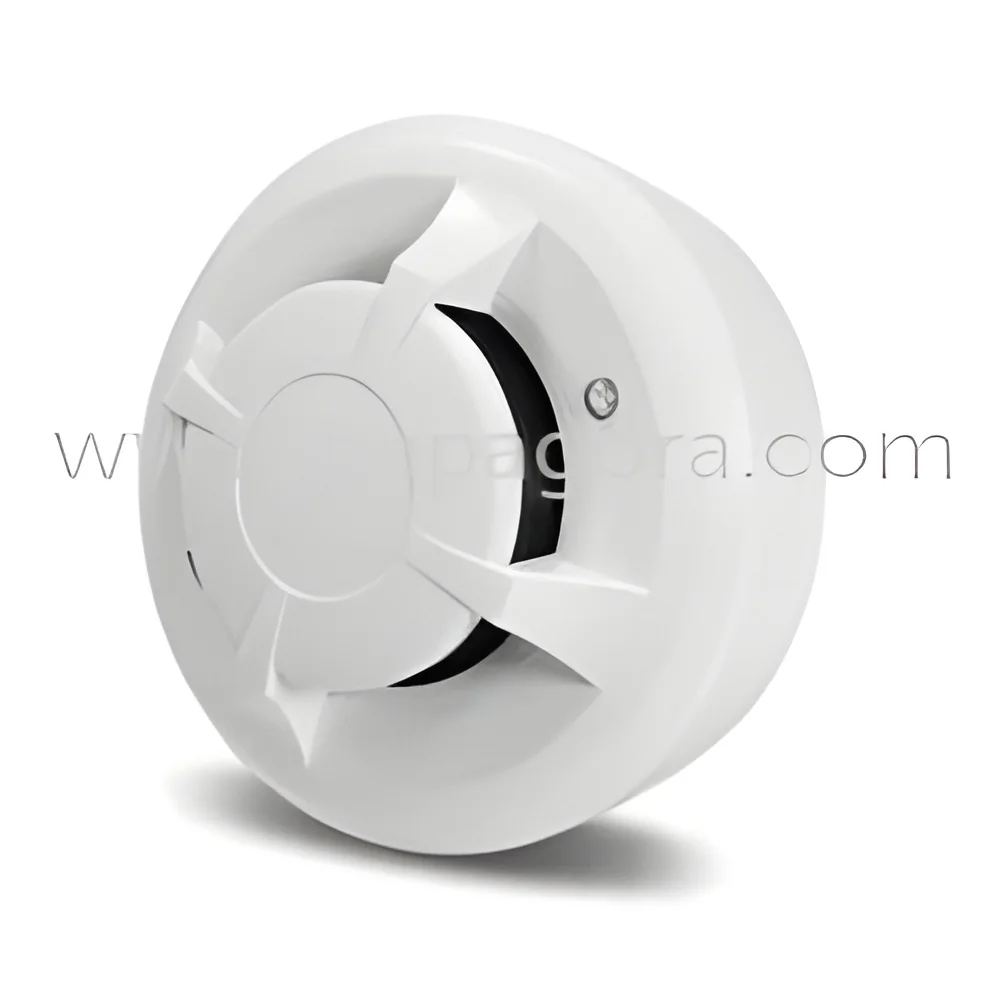
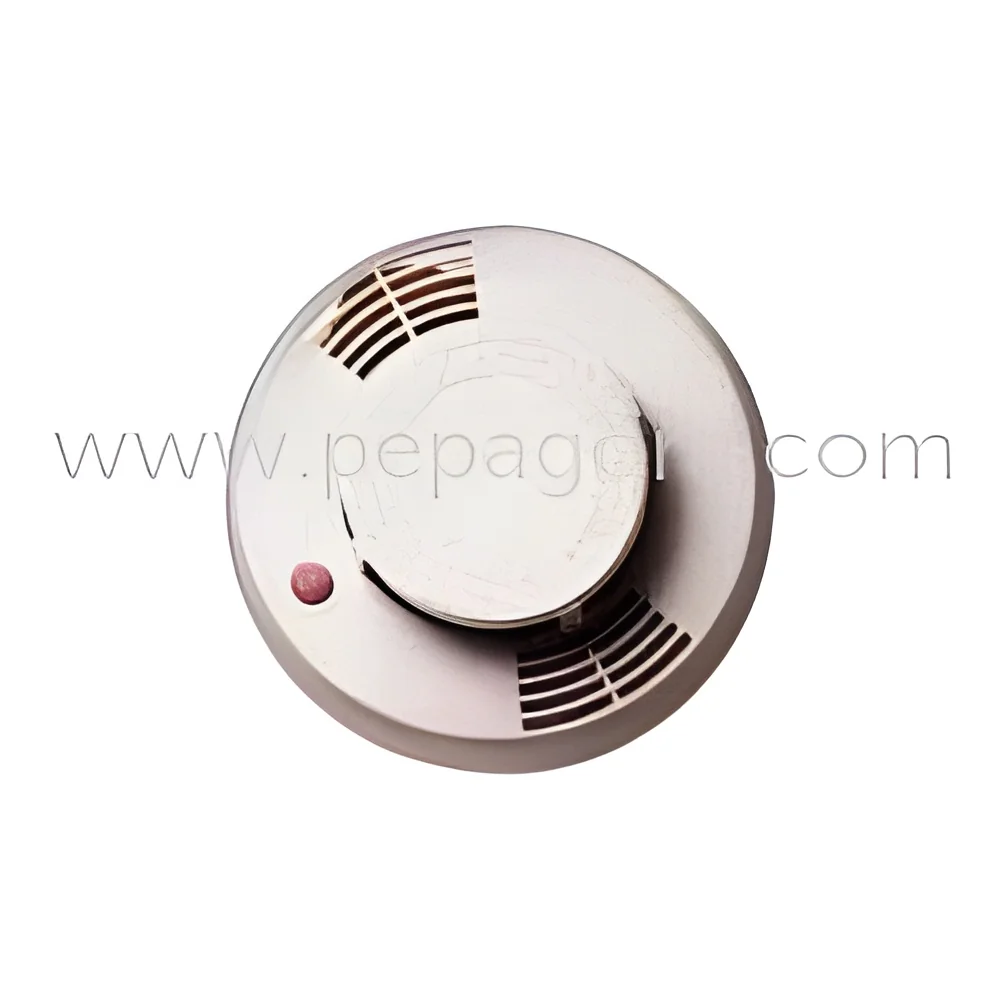
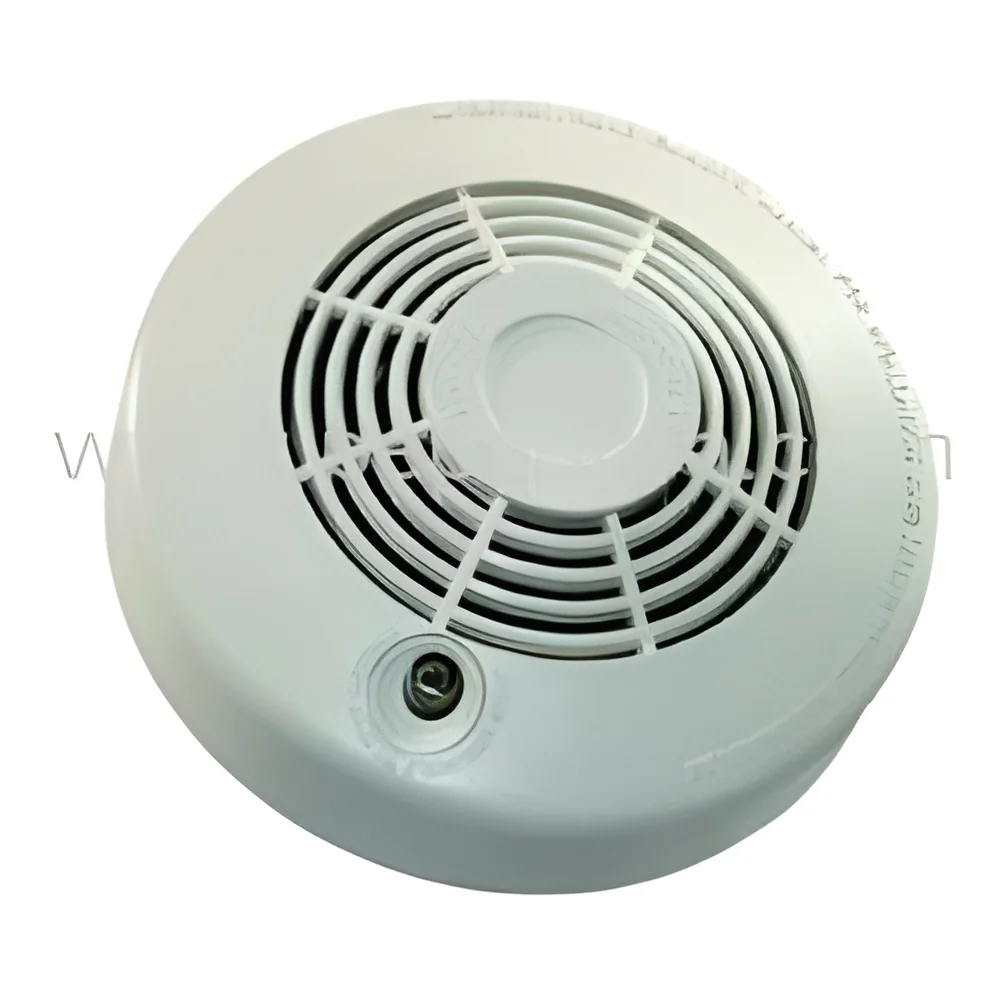
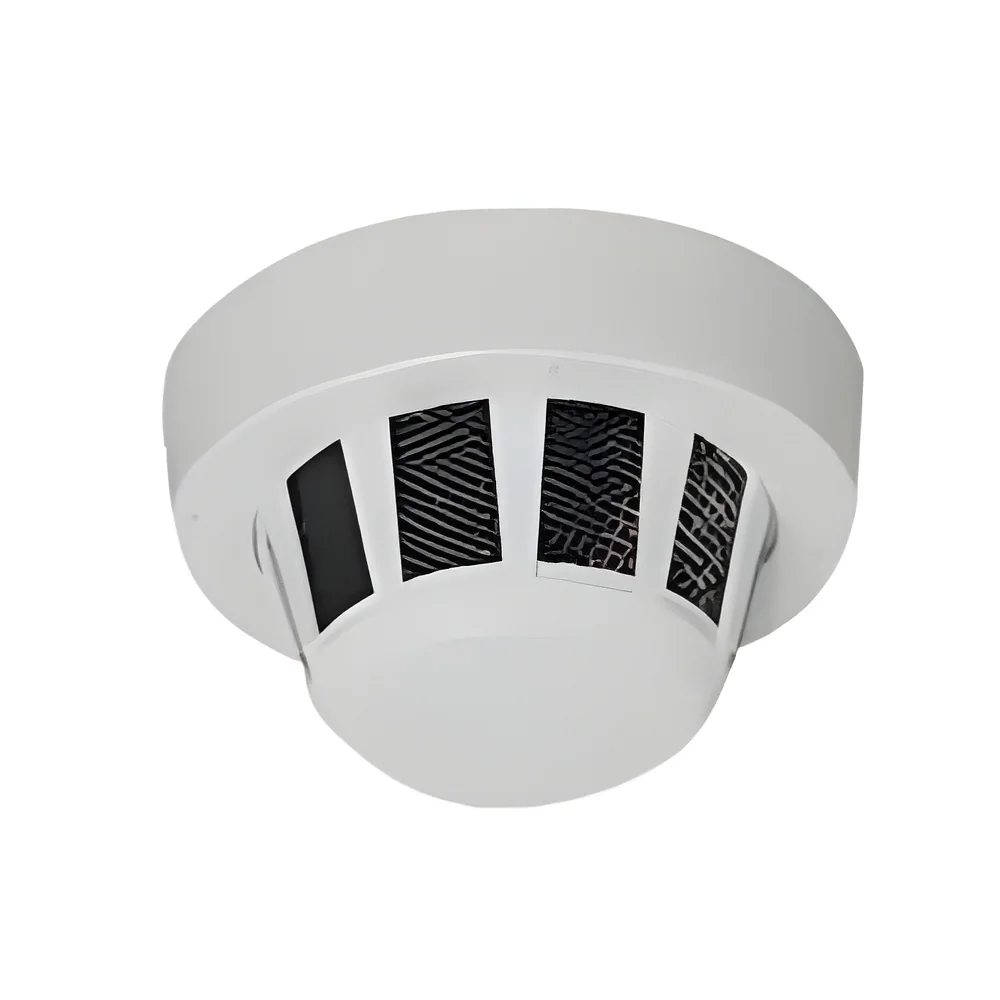
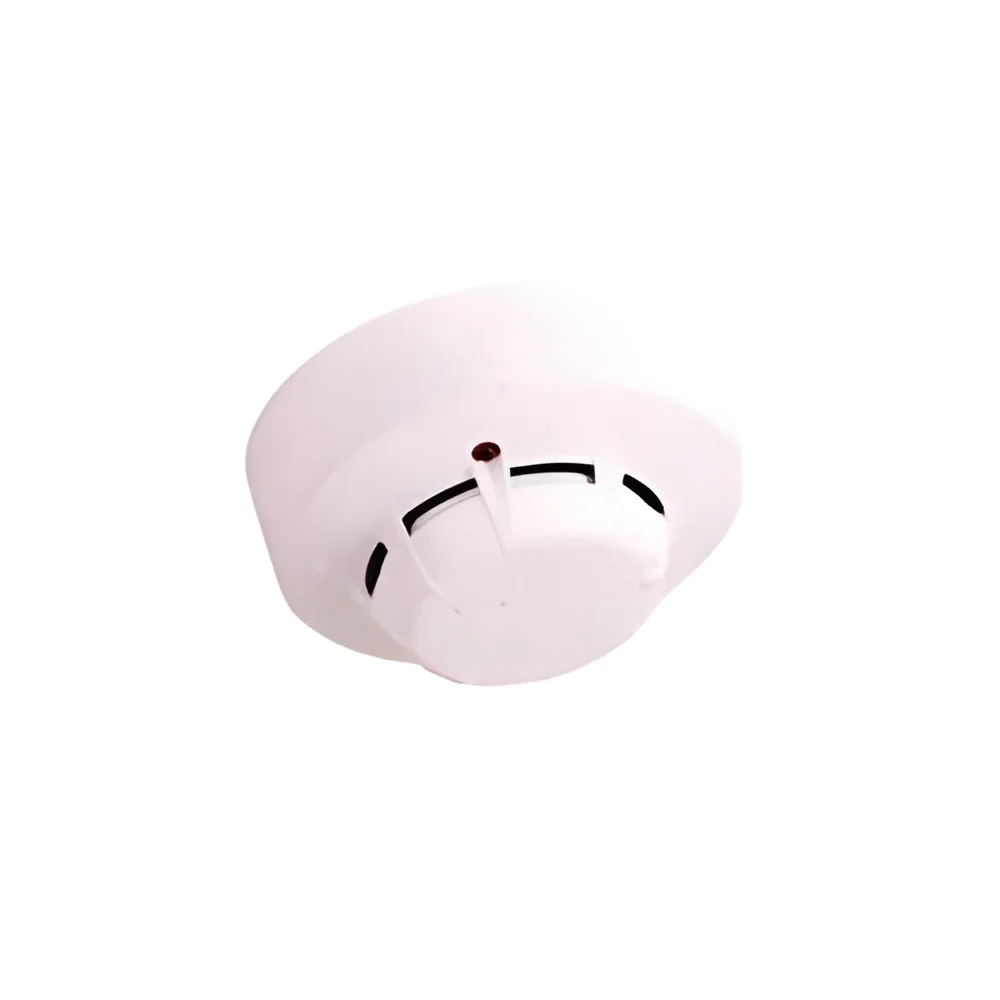
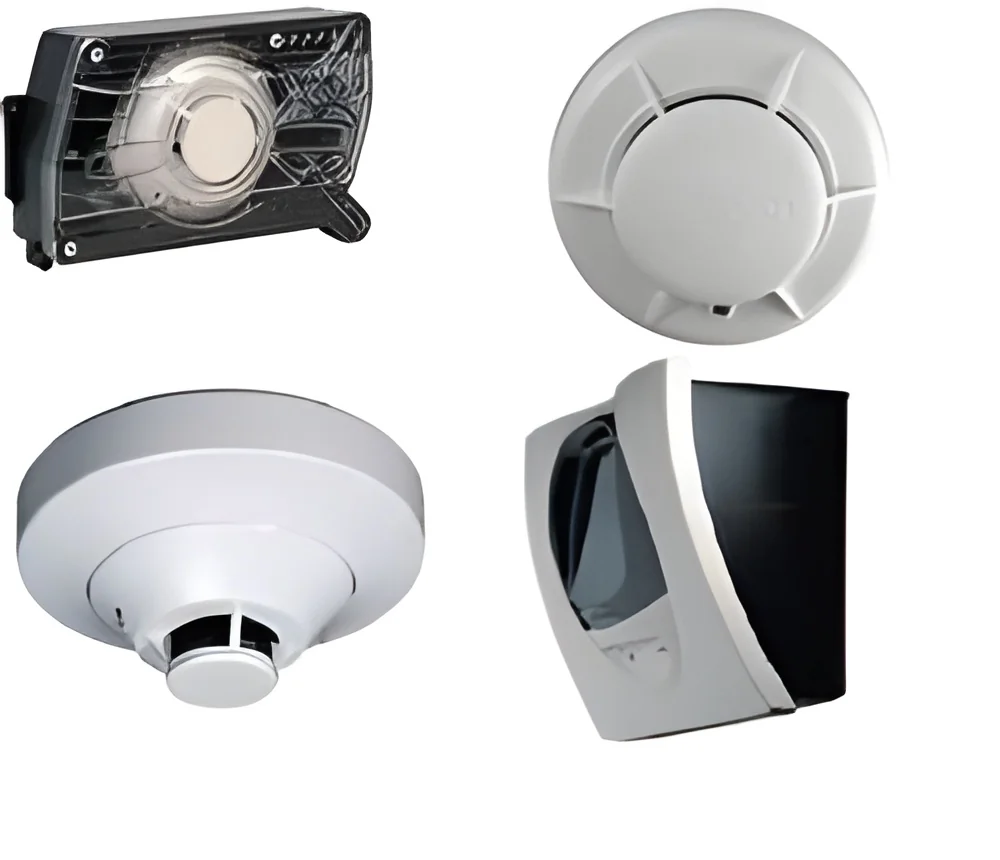
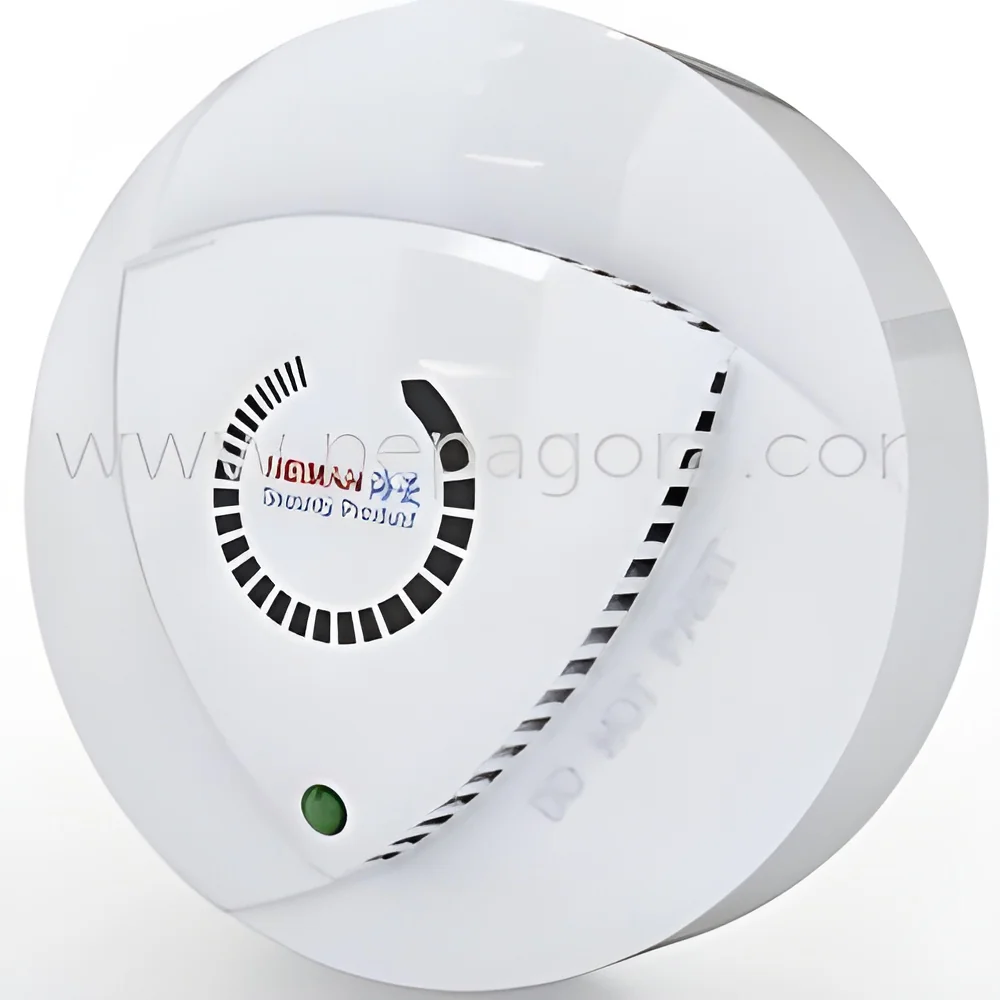
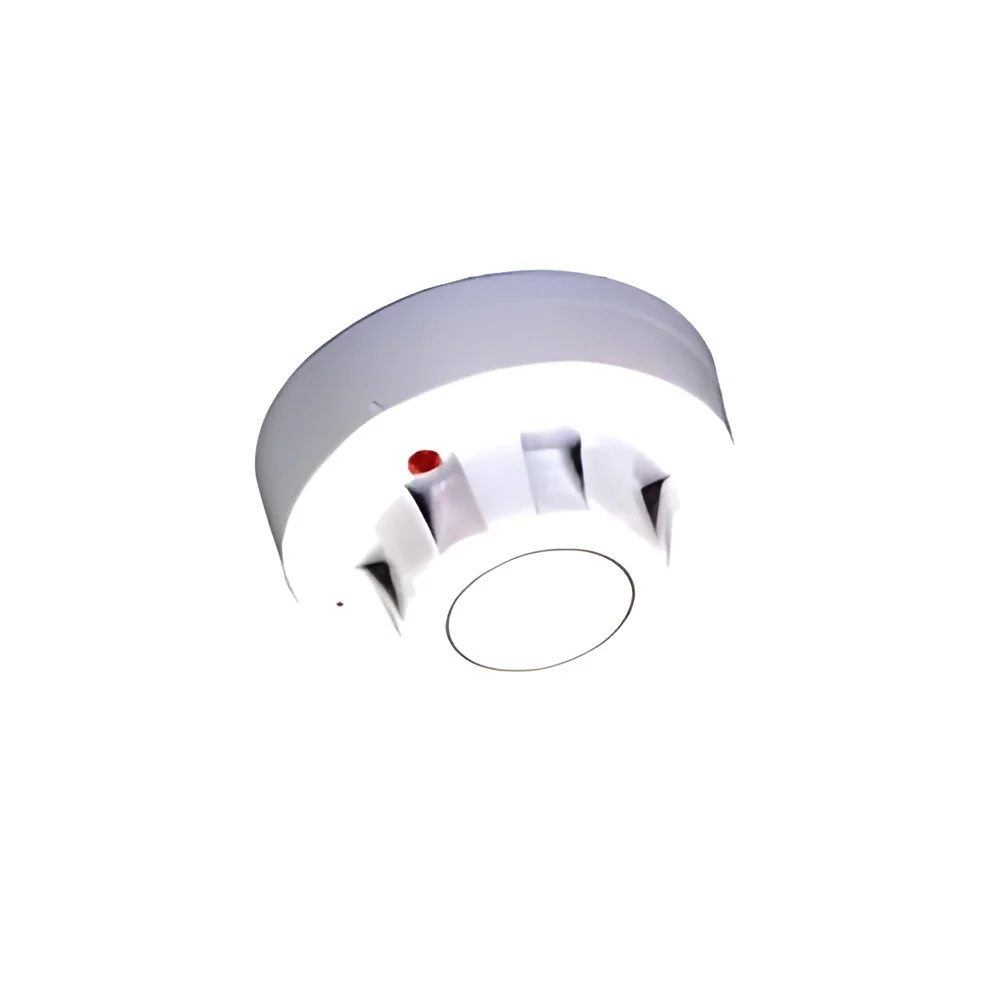
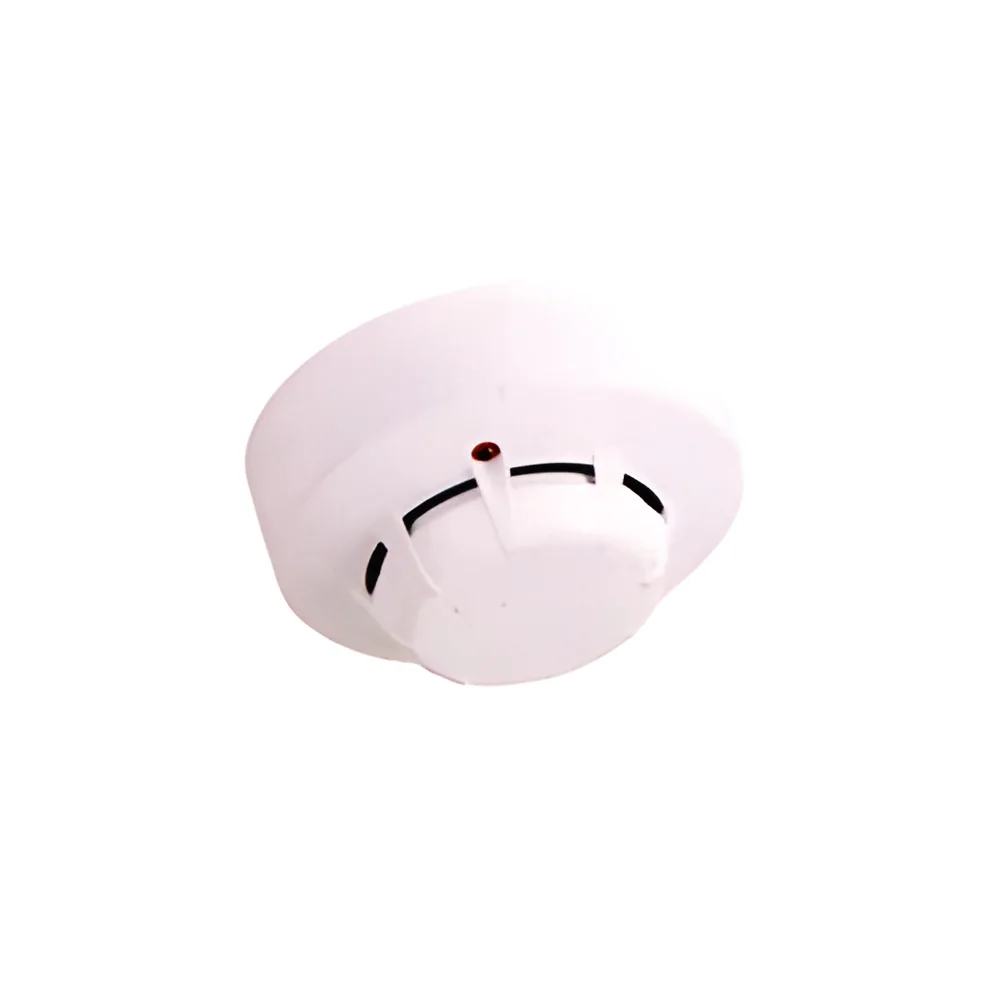
Smoke detectors are devices designed to detect smoke as a primary indication of fire. These units utilize various sensing technologies to identify smoke particles in the air. When smoke is detected, the device typically emits a loud alarm to alert occupants of potential danger, providing crucial time for evacuation and response.
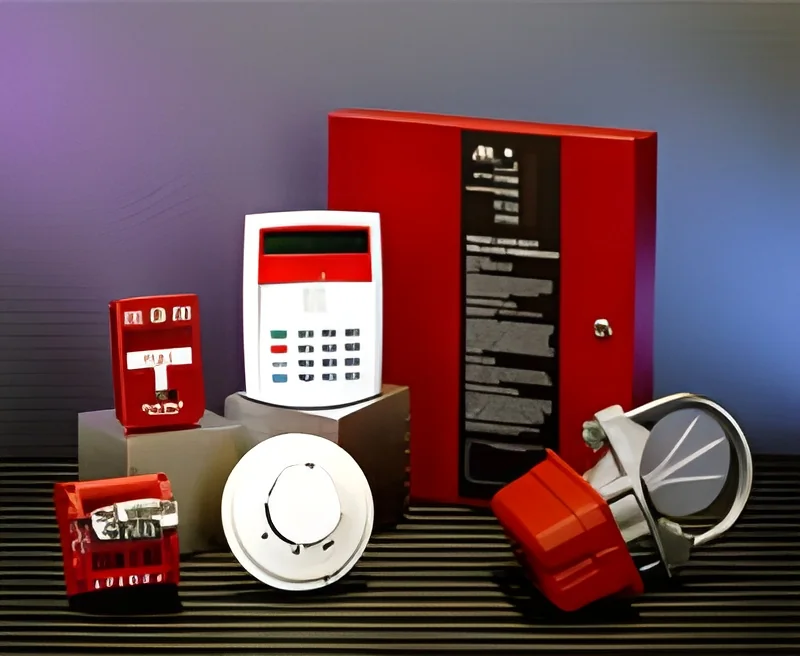
In business applications, smoke detectors are vital for ensuring safety in various environments, including commercial buildings, manufacturing facilities, and warehouses. They are part of fire protection systems and are often integrated with other safety measures such as sprinklers and alarms. The relevance of smoke detectors in today's market is underscored by stringent safety regulations and standards, making them essential for compliance and risk management in many industries.
Key Features and Specifications
Smoke detectors come equipped with a range of features and specifications that enhance their effectiveness and reliability. These specifications are critical for ensuring that the devices meet safety standards and operate efficiently in various environments.
Key specifications include:
1. Detection Technology
- Photoelectric or ionization sensors
- Effective in different types of smoke detection
2. Alarm Volume
- Typically ranges from 85 to 120 decibels
- Ensures high audibility in emergency situations
3. Power Source
- Battery-operated or hardwired options
- Battery life can vary from 5 to 10 years
4. Connectivity
- Options for wired or wireless connectivity
- Enables integration with smart home systems
5. Operating Temperature Range
- Usually operates between 32°F to 120°F
- Suitable for most indoor environments
6. Humidity Range
- Generally functions well in humidity levels between 10% to 95%
- Important for performance in varying climates
7. Size and Weight
- Compact designs for easy installation
- Weigh typically between 0.5 to 1.5 pounds
8. Certifications
- CE certified for compliance with European safety standards
- Ensures reliability and quality assurance
These specifications not only provide insights into functionality but also help in making informed purchasing decisions.
Common Applications and Use Cases
Smoke detectors are versatile devices that serve various industries and applications.
1. Residential Homes: In homes, smoke detectors are essential for fire safety, providing alerts to occupants in case of smoke detection.
2. Commercial Buildings: Office spaces utilize smoke detectors to ensure the safety of employees and visitors, often required by building codes.
3. Manufacturing Facilities: Industrial settings use smoke detectors to protect equipment and personnel, often integrated into broader fire safety systems.
4. Warehouses: In storage facilities, smoke detectors help prevent fire damage to inventory, contributing to overall risk management strategies.
5. Hospitals: Healthcare facilities rely on smoke detectors to maintain patient safety, especially in areas with heightened fire risks.
6. Educational Institutions: Schools and universities implement smoke detectors to safeguard students and staff, adhering to safety regulations.
7. Hotels: Hospitality venues use smoke detectors to protect guests and comply with safety standards, essential for maintaining reputation and safety.
Product Variants and Subcategories
Smoke detectors come in various forms to meet specific needs.
Ionization Smoke Detectors: These detectors are highly sensitive to flaming fires and work by using radioactive material to ionize the air, creating an electrical current. They are ideal for areas where rapid fire detection is crucial.
Photoelectric Smoke Detectors: Utilizing light to detect smoke, these detectors are more effective in detecting smoldering fires. They are suitable for locations such as living rooms and bedrooms.
Combination Smoke Detectors: These devices incorporate both ionization and photoelectric technologies, offering comprehensive protection against different types of fires. They are versatile and can be used in diverse settings.
Benefits and Advantages
Smoke detectors provide numerous benefits that enhance safety and compliance.
1. Enhanced Safety: Smoke detectors significantly reduce the risk of injury or loss of life by providing early warnings of fire.
2. Compliance with Regulations: Installing smoke detectors helps businesses meet local and national safety regulations, avoiding legal penalties.
3. Insurance Benefits: Many insurance companies offer discounts for properties equipped with smoke detectors, reducing overall costs for businesses.
4. Peace of Mind: Knowing that smoke detectors are in place allows occupants to feel safer, enhancing overall well-being.
5. Easy Maintenance: Most smoke detectors require minimal maintenance, with simple battery replacements needed at intervals.
6. Integration with Safety Systems: Smoke detectors can be integrated with other fire safety measures, enhancing overall emergency response capabilities.
Buying Guide for B2B Buyers
When sourcing smoke detectors, buyers should consider several critical factors to ensure they select the right products.
1. Quality Assessment: Look for smoke detectors that meet industry standards and certifications. Quality assurance is vital to ensure reliability and effectiveness.
2. Supplier Verification: Conduct thorough research to verify suppliers’ credibility. Check for reviews, ratings, and previous customer feedback to gauge reliability.
3. Pricing and MOQ: Understand the pricing structure and minimum order quantities. This helps in budgeting and ensures that the purchase aligns with business needs.
4. Delivery and Lead Times: Consider the logistics of delivery and the lead times involved. Timely delivery is crucial for compliance and operational readiness.
5. Compliance Requirements: Be aware of local regulations and standards that smoke detectors must meet. Ensuring compliance is essential for safety and legality.
Compliance and Certifications
Smoke detectors must adhere to various quality standards and certifications to ensure their effectiveness and safety. Relevant quality standards include ISO 9001, which emphasizes quality management systems, ensuring that manufacturers maintain high production standards.
In addition to ISO, smoke detectors often carry the CE certification, indicating compliance with European safety standards. This certification assures buyers of the product's reliability and safety in use.
Safety and testing requirements also play a significant role in the manufacturing of smoke detectors. These devices must undergo rigorous testing to confirm their operational effectiveness in detecting smoke and alerting occupants.
Regional compliance considerations are important as regulations may vary by location. Understanding these differences is crucial for businesses operating in multiple regions to ensure that their smoke detectors meet all necessary legal and safety standards.
Why Source Smoke Detectors from Pepagora?
Pepagora offers a trusted platform for sourcing smoke detectors, providing numerous advantages to B2B buyers.
Verified Supplier Network: Pepagora connects buyers with a network of verified suppliers, ensuring that products meet stringent quality standards. This reduces risks associated with sourcing from unknown suppliers.
Streamlined RFQ Process: The platform simplifies the request for quotation process, allowing buyers to easily compare offerings from multiple suppliers. This transparency aids in making informed purchasing decisions.
Trade Assurance and Support: Pepagora provides buyer protection through trade assurance, ensuring that transactions are secure and that buyers receive the products as promised.
Regional Coverage: With a strong presence in India, the GCC, and Southeast Asia, Pepagora offers regional support and expertise. This geographic reach ensures that businesses can access smoke detectors tailored to their specific market needs and compliance requirements.

 IN
IN