What are Emergency Exit Devices & Panic Bars?
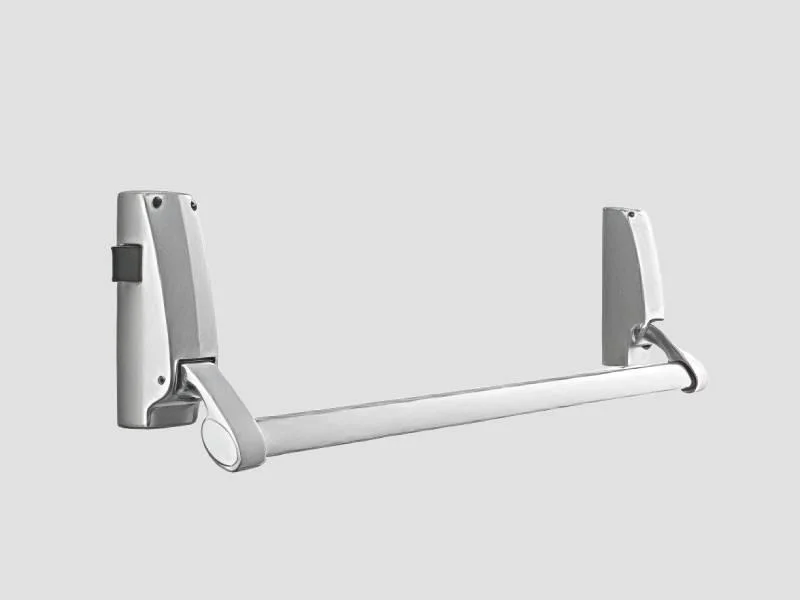
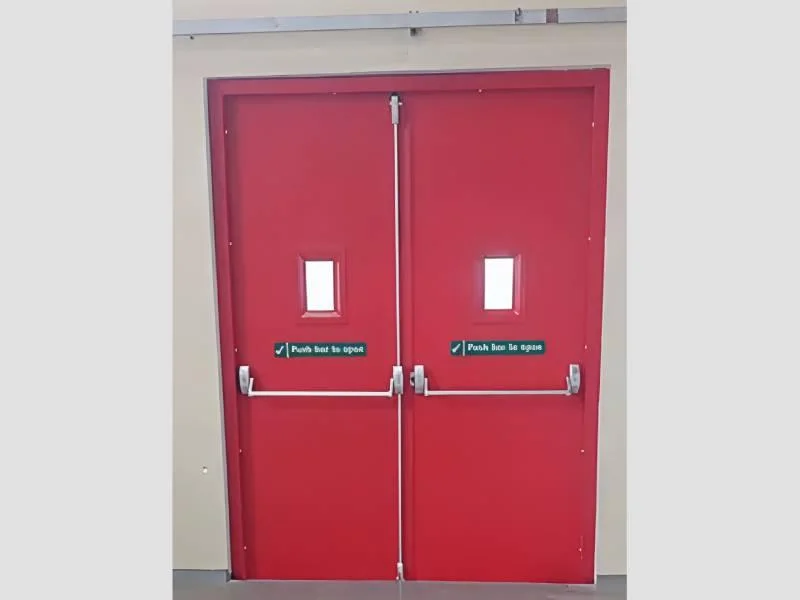
Emergency exit devices and panic bars are vital safety features installed on exit doors to ensure rapid egress during emergencies. These devices allow individuals to exit a building quickly and safely, typically by pressing a bar or lever that releases the door latch. Designed for high-traffic areas, they are easy to operate, even in stressful situations, making them essential components of building safety infrastructure.
These devices are primarily used in commercial and public buildings such as schools, hospitals, and shopping centers. They are critical for complying with safety regulations and building codes, which mandate that exits must be accessible and functional at all times. The market for emergency exit devices is growing, driven by increasing safety awareness and regulatory requirements across various industries.
Key Features and Specifications
Emergency exit devices and panic bars come equipped with several key features designed for safety and functionality. Understanding these specifications is crucial for selecting the right device for your needs.
Key specifications include:
1. Material Quality
- Typically made from durable materials such as stainless steel or aluminum.
- Resistant to corrosion and wear, ensuring longevity.
2. Locking Mechanism
- Various locking systems available, including rim, mortise, and vertical rods.
- Designed to prevent unauthorized access while ensuring quick exit.
3. Activation Mechanism
- Options for push bars, levers, or touchpads.
- Easy to operate, even with limited mobility.
4. Compliance Standards
- Must meet local and international safety regulations.
- Commonly certified with CE marking to indicate compliance.
5. Size and Dimensions
- Available in various widths to fit standard doors.
- Custom sizes may be available for specialized applications.
6. Finish Options
- Multiple finishes such as polished, brushed, or powder-coated.
- Aesthetic choices to match building design.
7. Installation Type
- Surface-mounted and concealed options available.
- Designed for straightforward installation on various door types.
In summary, selecting the right emergency exit device involves considering material quality, locking mechanisms, and compliance with safety standards to ensure optimal performance and safety.
Common Applications and Use Cases
Emergency exit devices and panic bars are widely utilized across many sectors, making them a crucial aspect of safety planning.
1. Education: Schools and universities often install these devices in classrooms and auditoriums to facilitate quick evacuation during emergencies.
2. Healthcare: Hospitals and clinics use panic bars on exit doors to ensure that patients and staff can exit swiftly in case of a fire or other urgent situations.
3. Retail: Shopping malls and stores benefit from these devices to manage large crowds and ensure customer safety during emergencies.
4. Hospitality: Hotels and restaurants install exit devices to meet safety regulations and enhance guest safety.
5. Industrial: Factories and warehouses use panic bars on emergency exits to comply with safety regulations, enabling workers to exit quickly in hazardous situations.
6. Government: Public buildings and offices are required to have emergency exit devices to ensure the safety of employees and visitors.
7. Transportation: Airports and train stations utilize these devices on exit doors to maintain safety and efficient crowd management.
Product Variants and Subcategories
Emergency exit devices and panic bars come in various types to meet different application needs.
Standard Panic Bar
This variant features a simple push-bar mechanism, making it easy for users to exit quickly. It is suitable for most commercial applications and is designed for high-traffic areas.
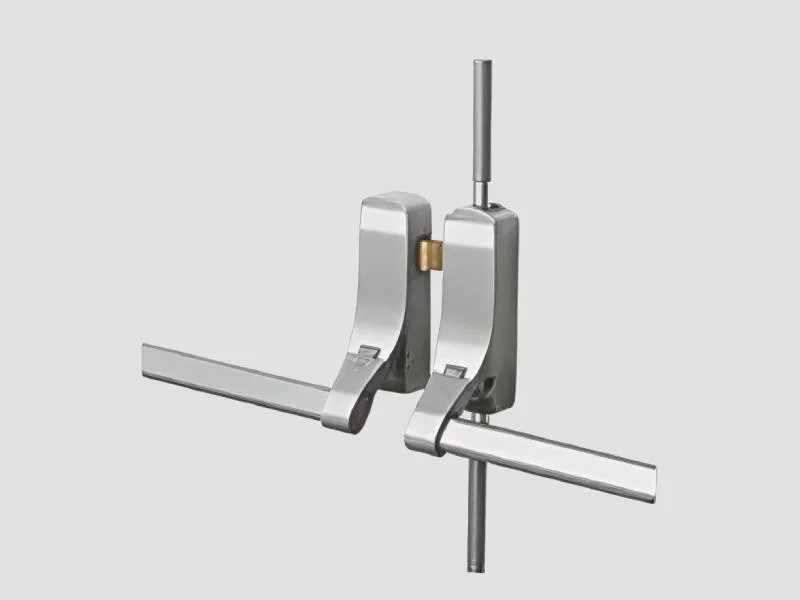
Vertical Rod Panic Bar
This type provides added security with vertical rods that secure the top and bottom of the door. It is ideal for double doors and areas requiring enhanced security features.
Mortise Panic Device
This variant is installed within the door, providing a clean aesthetic while offering effective emergency egress. It is commonly used in high-end commercial buildings.
Rim Panic Device
Designed for surface mounting, this device is often used on single doors. It combines ease of installation with reliable performance.
Benefits and Advantages
Emergency exit devices and panic bars provide numerous advantages for businesses and organizations.
1. Enhanced Safety: These devices help prevent injuries during emergencies by allowing for quick exits.
2. Compliance with Regulations: Installing proper exit devices ensures adherence to local and national safety codes.
3. User-Friendly Operation: Panic bars are designed for ease of use, even for individuals with disabilities.
4. Versatility: Suitable for various door types and applications, making them adaptable to different environments.
5. Durability: Made from high-quality materials, these devices are built to withstand heavy use and environmental factors.
6. Cost-Effective: Investing in reliable emergency exit devices can reduce liability and protect lives, ultimately saving costs associated with accidents.
Buying Guide for B2B Buyers
When sourcing emergency exit devices and panic bars, several critical factors should be considered to ensure the right selection.
1. Quality Assessment: Evaluate the materials and construction of devices. Look for devices made from corrosion-resistant materials with proven durability.
2. Supplier Verification: Vet suppliers thoroughly by checking references, certifications, and previous projects to ensure reliability.
3. Pricing and MOQ: Analyze pricing structures and minimum order quantities. Compare quotes from multiple suppliers to ensure competitive pricing.
4. Delivery and Lead Times: Discuss lead times and delivery logistics to avoid delays in project timelines.
5. Compliance Requirements: Ensure that the products meet the necessary compliance standards and regulations specific to your region.
Compliance and Certifications
Emergency exit devices and panic bars must comply with various safety standards and certifications to ensure their reliability and effectiveness.
ISO 9001 is a quality management standard that applies to manufacturers of emergency exit devices, ensuring they maintain high-quality production processes.
CE certification indicates that products meet European safety, health, and environmental protection standards. This certification is essential for devices sold in European markets.
Testing requirements may include performance assessments under simulated emergency conditions to verify functionality.
Compliance with local regulations varies by region, and manufacturers must stay informed about specific requirements relevant to their markets.
Why Source Emergency Exit Devices & Panic Bars from Pepagora?
Pepagora offers a reliable platform for sourcing emergency exit devices and panic bars, providing several key advantages.
Verified Supplier Network: Pepagora has established a comprehensive network of verified suppliers, ensuring that buyers have access to trustworthy manufacturers and quality products.
Streamlined RFQ Process: The platform facilitates an efficient request for quotation (RFQ) process, enabling buyers to obtain competitive pricing and service options quickly.
Trade Assurance and Support: Pepagora offers trade assurance services that protect buyers throughout the purchasing process, ensuring peace of mind when sourcing products.
Regional Coverage: With a strong presence in India, the GCC, and Southeast Asia, Pepagora caters to a diverse market, making it easy for businesses across these regions to find the right emergency exit solutions.

 IN
IN