
 IN
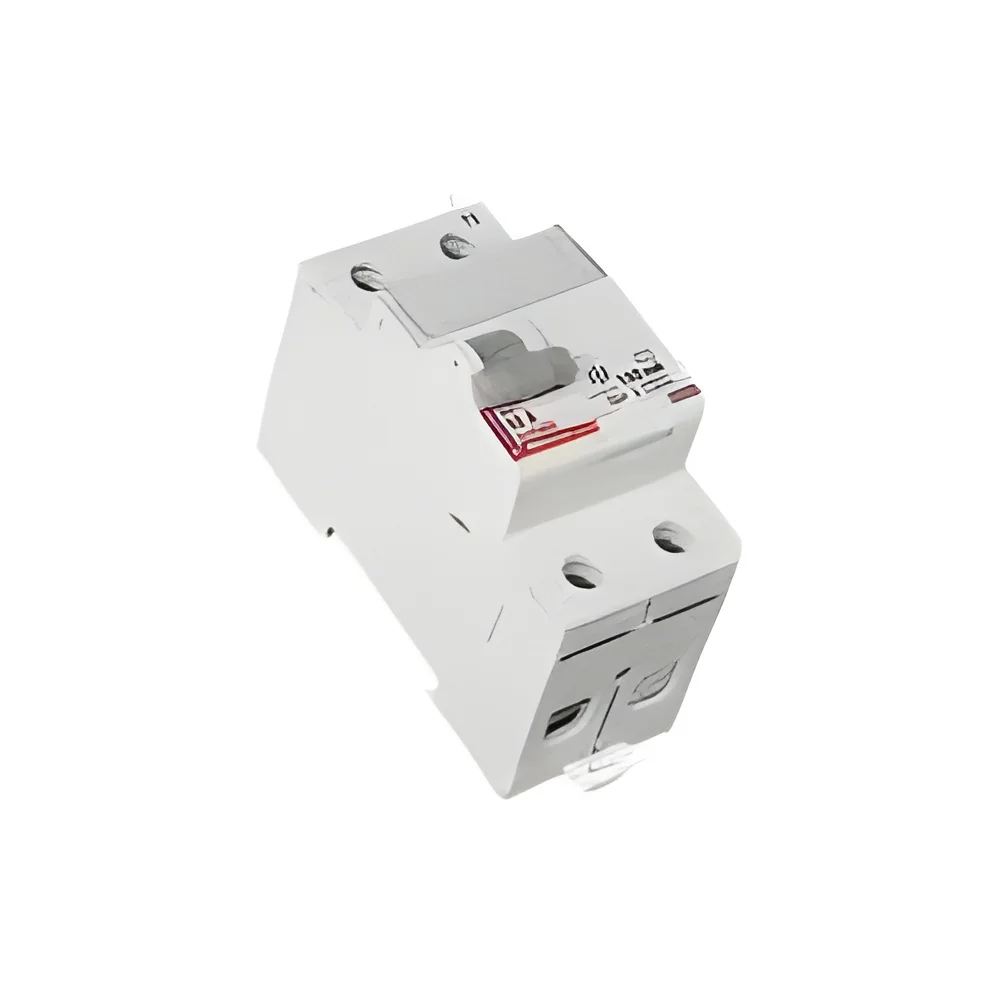
Residual Current Circuit Breakers (RCCBs)
4 products available
Key Features and Specifications
RCCBs come with several important features and specifications that define their performance and suitability for various applications. Understanding these specifications is essential for selecting the right RCCB for specific needs.
Key specifications include:
1. Rated Current
- Defines the maximum current the RCCB can handle.
- Common ranges are 16A, 25A, 40A, and 63A.
2. Sensitivity Rating
- Indicates the level of leakage current the RCCB can detect before tripping.
- Typical sensitivity ratings are 30mA for personal protection and 100mA or 300mA for equipment protection.
3. Number of Poles
- Refers to the number of circuits the RCCB can protect.
- Configurations include single-pole, double-pole, three-pole, and four-pole.
4. Tripping Time
- The time it takes for the RCCB to disconnect the circuit after detecting a fault.
- Standard response time is within 30 milliseconds for personal protection.
5. Operating Voltage
- Specifies the voltage range within which the RCCB operates effectively.
- Common ratings include 230V and 400V.
6. Installation Type
- Indicates whether the RCCB is designed for surface mounting or din rail mounting.
7. Environmental Conditions
- Defines the operational limits regarding temperature and humidity.
- Specific data not available.
8. Compliance and Certifications
- RCCBs must comply with relevant safety and quality standards.
- Common certification includes CE marking.
In summary, understanding these specifications helps businesses select the appropriate RCCBs for their specific applications, ensuring safety and compliance.
Common Applications and Use Cases
RCCBs find extensive use across various industries due to their essential safety features.
1. Residential: In homes, RCCBs are installed to protect against electric shocks and prevent electrical fires caused by leakage currents, particularly in wet areas such as bathrooms and kitchens.
2. Commercial: In offices and retail spaces, RCCBs are employed to safeguard electrical equipment and ensure the safety of employees and customers by preventing electrical hazards.
3. Manufacturing: In factories, RCCBs protect machinery and equipment while also safeguarding workers in environments where water or conductive materials may be present.
4. Healthcare: In hospitals and clinics, RCCBs are critical for protecting sensitive medical equipment and ensuring patient safety in areas with a high risk of electrical faults.
5. Agriculture: In farming operations, RCCBs protect electrical systems in barns and greenhouses, where moisture and environmental conditions can pose risks.
6. Construction: In construction sites, RCCBs are used to enhance safety for workers using power tools and temporary electrical installations.
7. Hospitality: In hotels and restaurants, RCCBs ensure the safety of electrical systems in kitchens and guest areas, minimizing risks associated with electrical leaks.
Product Variants and Subcategories
RCCBs are available in various configurations to meet specific application needs.
Type A RCCB
This variant is designed to detect both AC and pulsating DC residual currents. It is suitable for applications involving electronic devices such as computers and solar inverters.
Type B RCCB
Type B RCCBs can detect smooth DC residual currents and are typically used in industrial applications with variable frequency drives or renewable energy systems.
Type C RCCB
This variant is designed for circuits with high inrush currents, common in motor applications. It provides enhanced protection against nuisance tripping.
Type D RCCB
Type D RCCBs are designed for circuits with very high inrush currents, suitable for heavy industrial equipment and transformers.
Benefits and Advantages
RCCBs provide several critical benefits that enhance electrical safety and operational efficiency.
1. Enhanced Safety: RCCBs significantly reduce the risk of electric shocks by quickly disconnecting the circuit when a fault is detected.
2. Fire Prevention: By detecting leakage currents that could lead to electrical fires, RCCBs help protect property and reduce fire hazards.
3. Compliance Assurance: Using RCCBs helps businesses comply with electrical safety regulations, minimizing potential legal liabilities.
4. Easy Installation: Many RCCBs are designed for straightforward installation, allowing for quick integration into existing electrical systems.
5. Cost-Effective Protection: While the initial investment may vary, the long-term savings from preventing accidents and equipment damage make RCCBs a cost-effective choice.
6. Versatility: RCCBs are applicable in various environments, making them suitable for diverse industries and applications.
Buying Guide for B2B Buyers
When sourcing Residual Current Circuit Breakers (RCCBs), there are several key factors to consider to ensure quality and suitability for your needs.
1. Quality Assessment: Evaluate the quality of RCCBs based on manufacturer reputation, product specifications, and any available certifications. Look for RCCBs that comply with international safety standards.
2. Supplier Verification: Vet suppliers thoroughly to ensure they have a track record of providing reliable products. Check for customer reviews, industry experience, and compliance with regulations.
3. Pricing and MOQ: Understand the pricing structure and minimum order quantities (MOQ) set by suppliers. This knowledge helps in budgeting and planning for procurement.
4. Delivery and Lead Times: Consider the logistics of delivery and lead times when placing orders. Ensure that suppliers can meet your project timelines.
5. Compliance Requirements: Be aware of regional compliance requirements and certifications necessary for electrical safety. This may include CE marking and adherence to local electrical codes.
Compliance and Certifications
Compliance with relevant quality standards and certifications is crucial for RCCBs to ensure safety and reliability. Key standards include ISO 9001, which guarantees a quality management system, and CE marking, indicating compliance with European safety directives.
Safety and testing requirements dictate that RCCBs undergo rigorous testing to ensure they perform effectively under various conditions. Manufacturers must adhere to these standards to provide safe and reliable products.
It is also essential to consider regional compliance, as different countries may have specific regulations regarding electrical safety. Understanding these requirements ensures that your electrical installations meet legal standards and function safely.
Why Source Residual Current Circuit Breakers (RCCBs) from Pepagora?
Pepagora is a trusted platform for sourcing Residual Current Circuit Breakers (RCCBs), offering numerous advantages to B2B buyers.
Verified Supplier Network: Pepagora connects buyers with a network of verified suppliers, ensuring that all products meet high-quality standards. This verification process minimizes the risk of purchasing inferior products.
Streamlined RFQ Process: The platform simplifies the request for quotation (RFQ) process, allowing buyers to easily compare offers from multiple suppliers. This transparency helps in making informed purchasing decisions.
Trade Assurance and Support: Pepagora provides trade assurance, protecting buyers from potential disputes. Additionally, the platform offers customer support to assist with any inquiries or issues.
Regional Coverage: With a broad geographic reach encompassing India, the GCC, and Southeast Asia, Pepagora enables businesses to source RCCBs efficiently, ensuring timely delivery and compliance with local regulations.

 India

Frequently Asked Questions
What are Residual Current Circuit Breakers (RCCBs)?
Residual Current Circuit Breakers (RCCBs) are electrical devices designed to prevent electric shock and protect electrical circuits from earth faults. They work by detecting imbalances between the live and neutral wires, disconnecting the circuit when a fault is detected.
What are the different types of Residual Current Circuit Breakers (RCCBs)?
There are several types of Residual Current Circuit Breakers (RCCBs), including Type AC, Type A, Type B, and Type F. Type AC is used for alternating current, Type A is suitable for pulsating direct current, Type B is for smooth direct current, and Type F is designed for frequency converters.
How do I choose the right Residual Current Circuit Breakers (RCCBs)?
Choosing the right Residual Current Circuit Breakers (RCCBs) involves considering factors such as the application, the sensitivity rating (commonly 30mA for personal protection), and the number of poles required. It is also important to assess the electrical load and the environment in which the RCCB will be installed.
What are the standard specifications for Residual Current Circuit Breakers (RCCBs)?
Standard specifications for Residual Current Circuit Breakers (RCCBs) include voltage ratings, current ratings (typically from 25A to 125A), and sensitivity ratings (30mA, 100mA, and 300mA). Additionally, RCCBs should comply with international standards such as IEC 61008.
What is the price range for Residual Current Circuit Breakers (RCCBs)?
The price range for Residual Current Circuit Breakers (RCCBs) can vary widely based on specifications and manufacturers, typically ranging from INR 500 to INR 5000. Factors influencing pricing include features, brand reputation, and additional certifications.
What quality standards apply to Residual Current Circuit Breakers (RCCBs)?
Residual Current Circuit Breakers (RCCBs) must adhere to quality standards such as IS 12640 in India and IEC 61008 internationally. Compliance with these standards ensures reliability, safety, and performance in electrical installations.
Where can I find Residual Current Circuit Breakers (RCCBs) suppliers in India?
You can find Residual Current Circuit Breakers (RCCBs) suppliers in India through various online B2B marketplaces, trade shows, and industry directories. Websites like Pepagora.com provide a platform to connect with reliable manufacturers and suppliers.
Can Residual Current Circuit Breakers (RCCBs) be customized?
Yes, many manufacturers offer customization options for Residual Current Circuit Breakers (RCCBs) to meet specific requirements. Customizations may include different current ratings, sensitivity levels, and additional features based on the application.
What is the typical minimum order quantity for Residual Current Circuit Breakers (RCCBs)?
The typical minimum order quantity (MOQ) for Residual Current Circuit Breakers (RCCBs) varies by supplier, but it generally ranges from 10 to 50 units. Some suppliers may offer flexible MOQs for small businesses or trial orders.
What is the typical lead time for Residual Current Circuit Breakers (RCCBs)?
The typical lead time for Residual Current Circuit Breakers (RCCBs) can vary from 1 to 4 weeks, depending on the supplier and order specifications. Factors such as stock availability and customization requests may also affect lead times.
Why Businesses Trust Pepagora
Thousands of companies trust Pepagora to source smarter and sell faster
Expand Your Sales Globally

Source Smarter,Grow Faster
