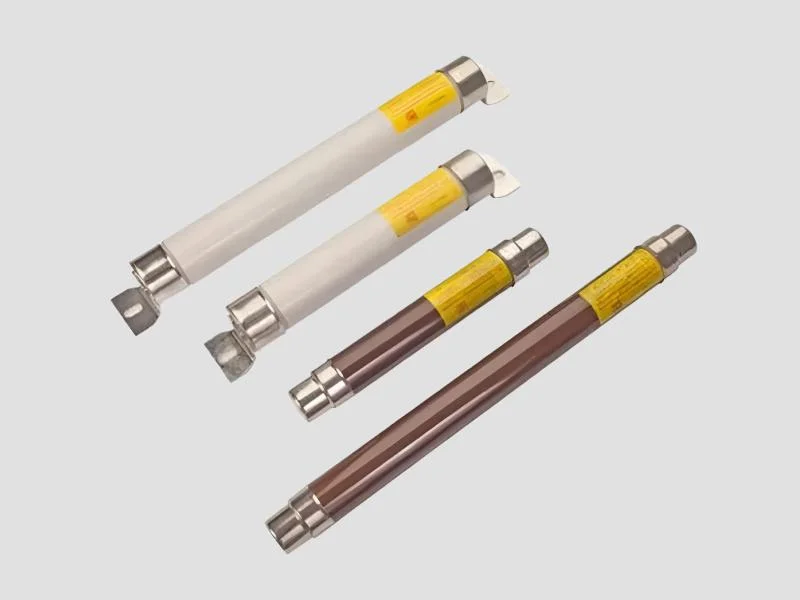
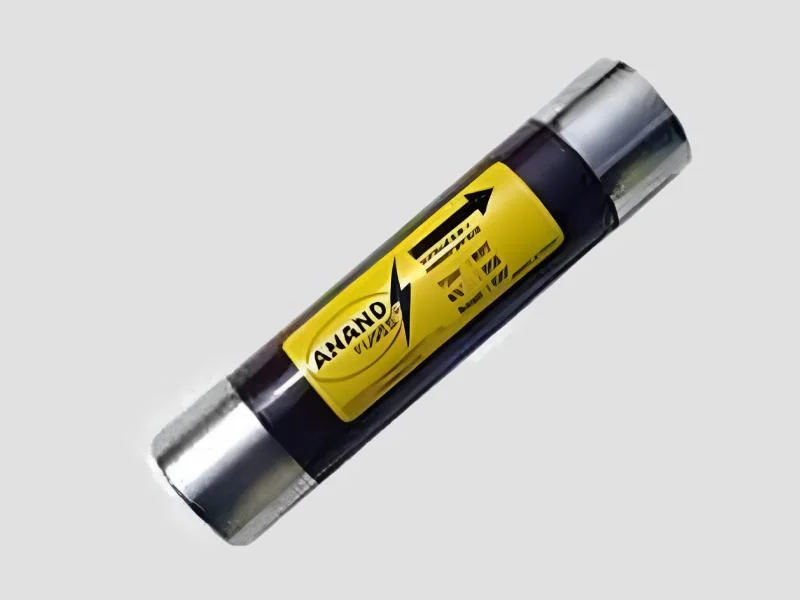
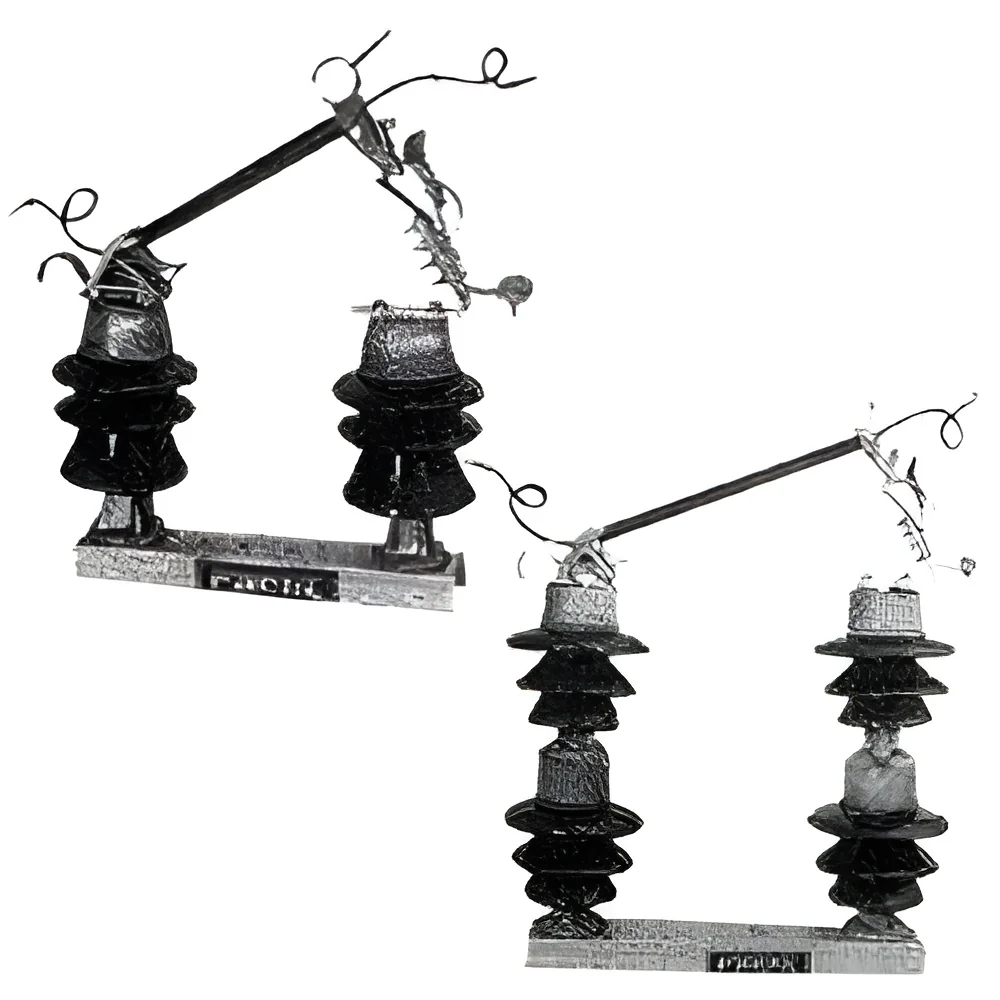
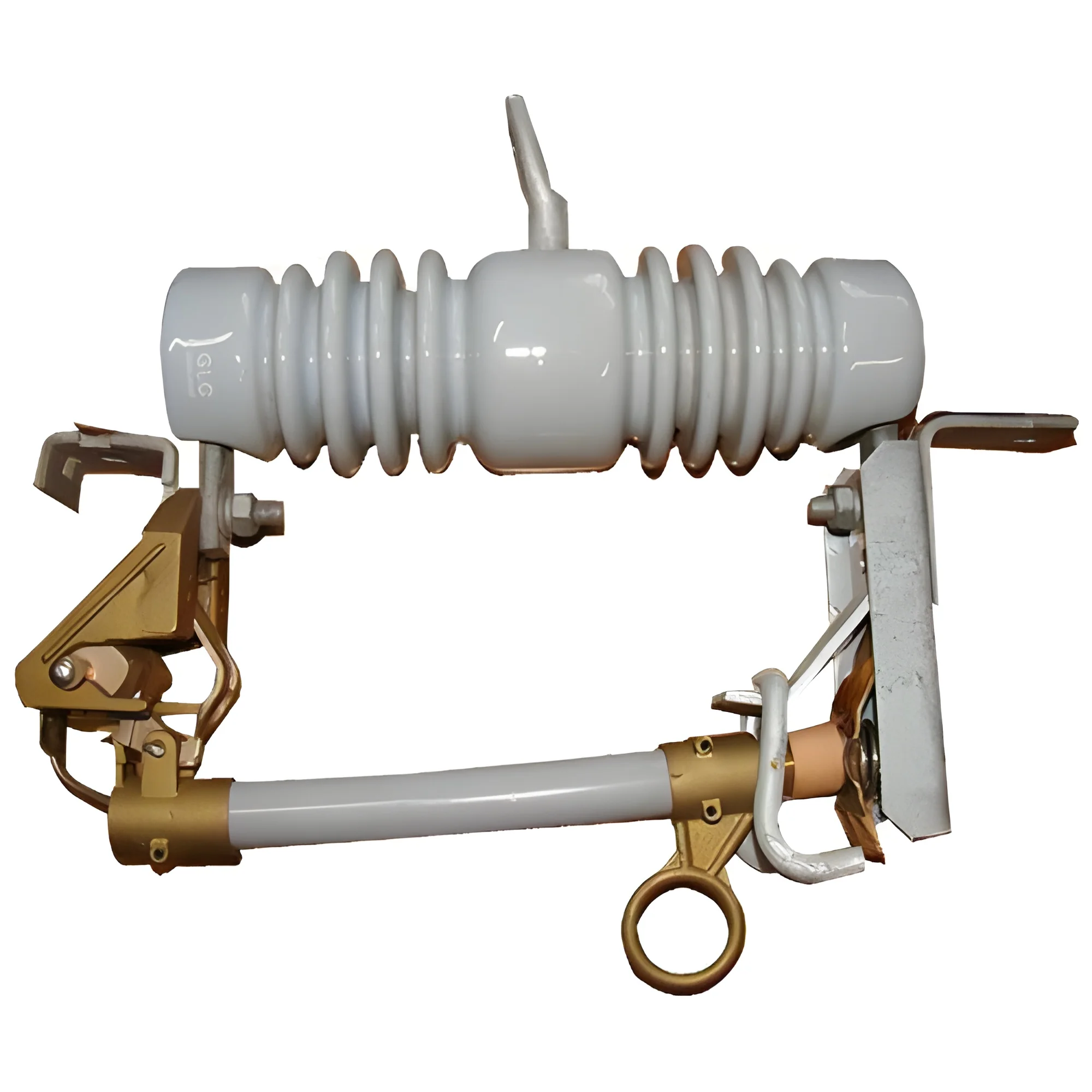
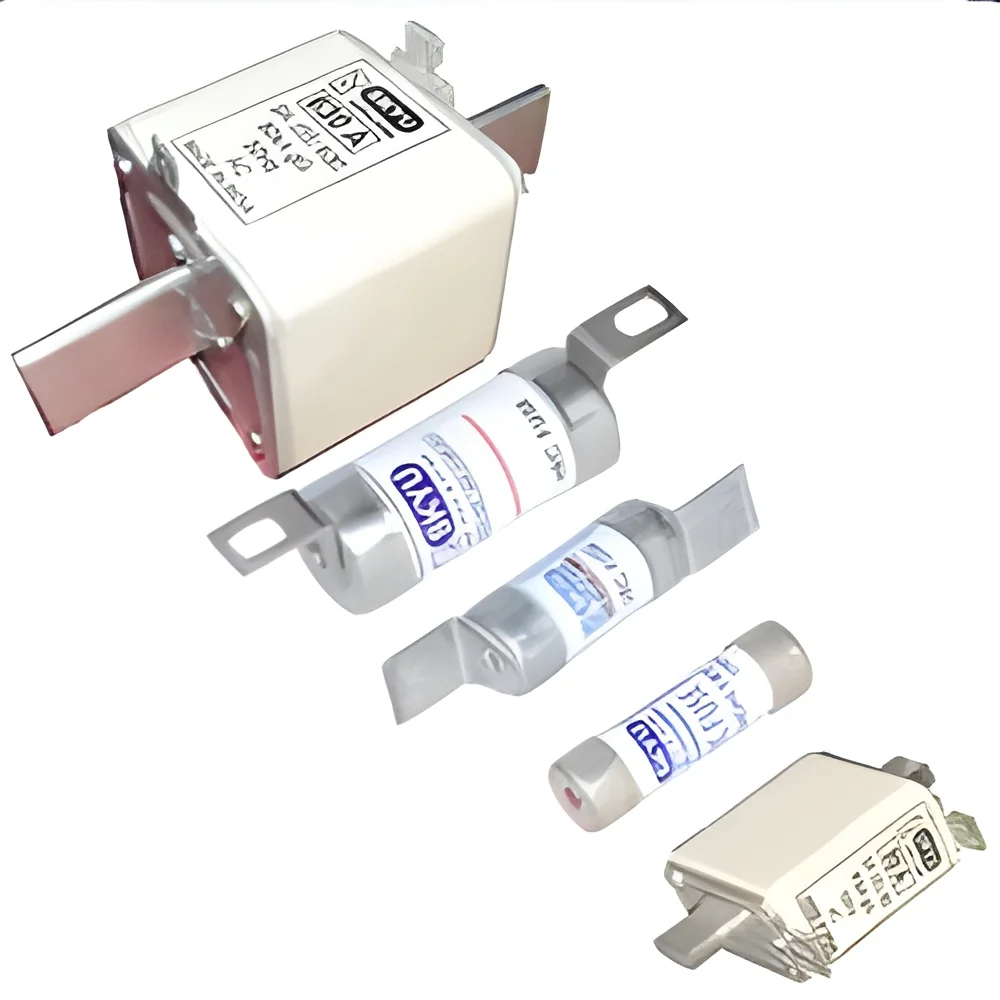
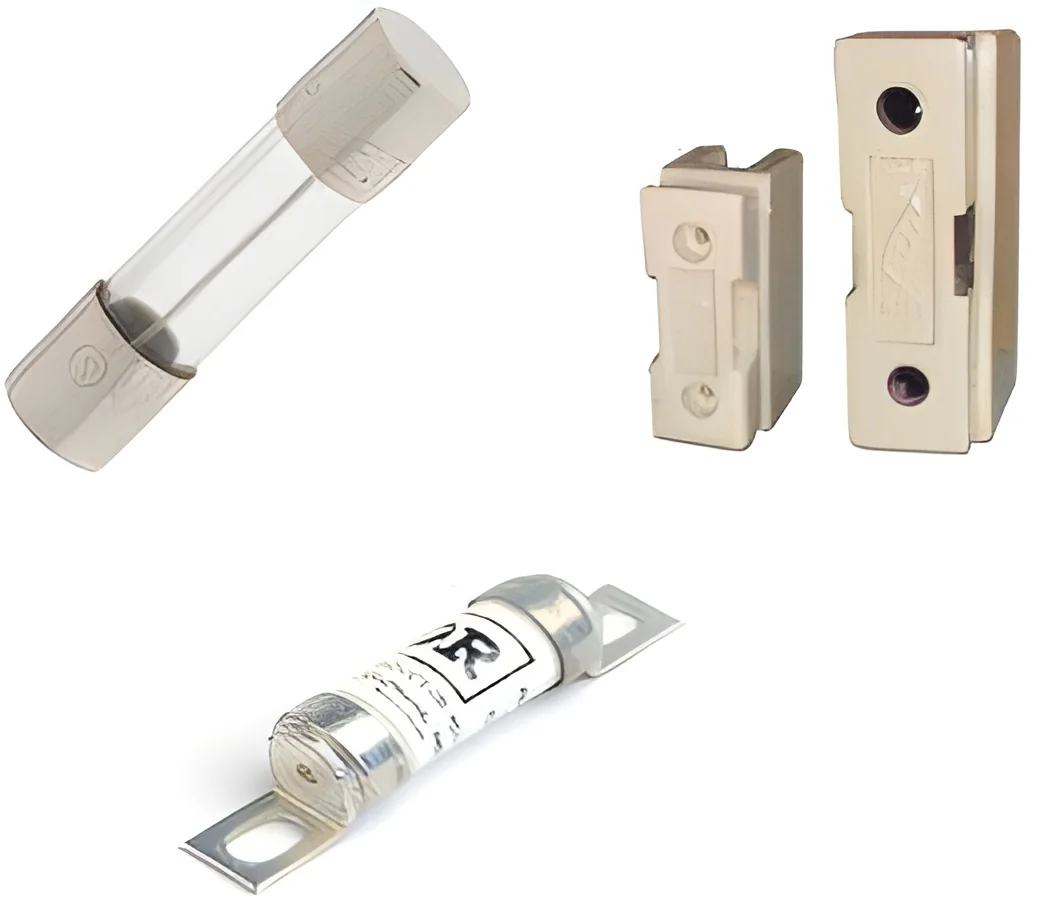
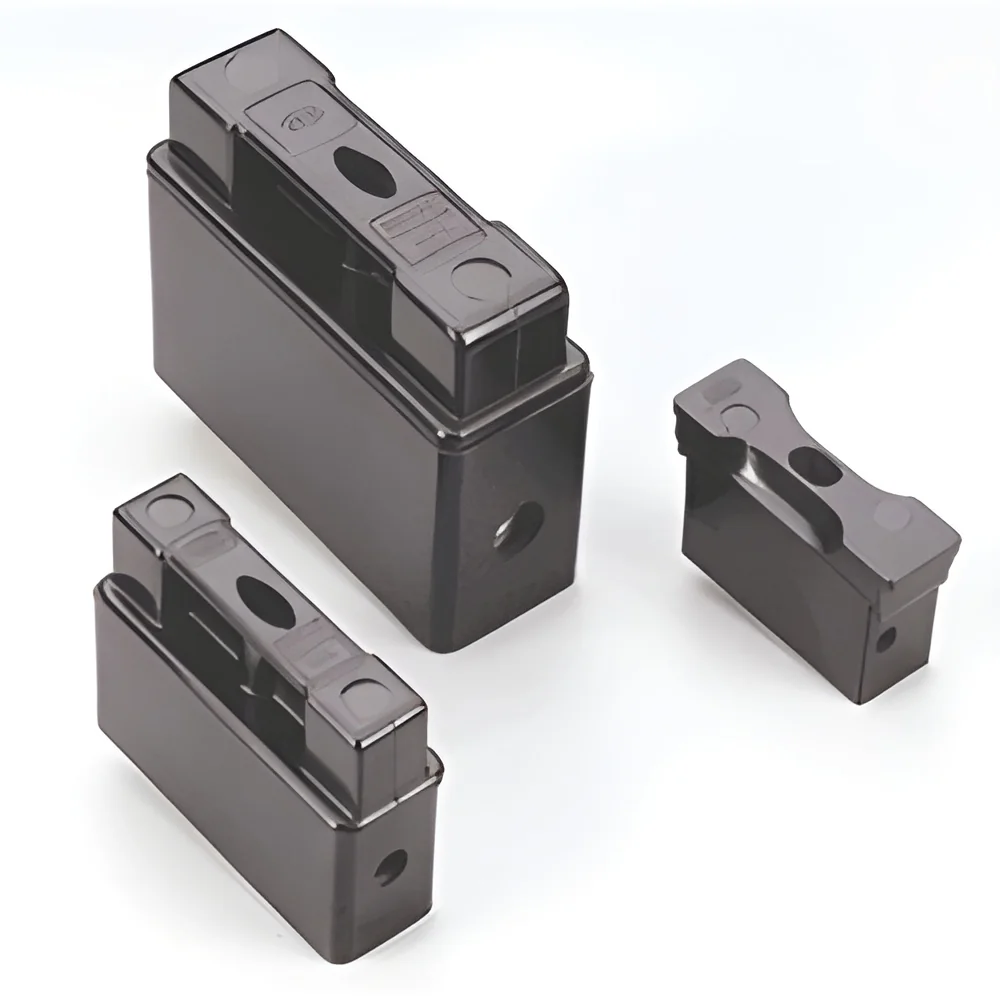
What are Industrial Fuses?
Industrial fuses are crucial components used to protect electrical circuits from overloads and short circuits. They function by interrupting the flow of current in the event of a fault, thereby preventing damage to equipment and ensuring safety in industrial environments. Fuses are designed to operate quickly to minimize the duration of overcurrent and are available in various ratings and types to suit different applications.
These fuses find applications across numerous sectors, including manufacturing, energy, and automotive industries. They are essential in equipment like transformers, motors, and control panels where electrical currents can fluctuate significantly. By ensuring operational safety and equipment protection, industrial fuses play a vital role in maintaining efficiency and reducing downtime in business operations.
In the current market, the relevance of industrial fuses continues to grow alongside advancements in technology and increasing demand for reliable electrical systems. As industries evolve and become more automated, the need for effective circuit protection becomes paramount. This has led to the development of specialized fuses that cater to specific industry needs, ensuring that businesses can operate smoothly and safely.
Key Features and Specifications
Industrial fuses offer various features and specifications that enhance their performance and reliability. Understanding these specifications is essential for selecting the right fuse for your application.
Key specifications include:
1. Current Rating
- This indicates the maximum continuous current the fuse can handle without blowing.
- Ratings typically range from a few amperes to several hundred amperes.
2. Voltage Rating
- This specifies the maximum voltage the fuse can safely interrupt.
- Common ratings include 250V, 500V, and higher for specialized applications.
3. Breaking Capacity
- This refers to the maximum fault current the fuse can safely interrupt without failure.
- Values can range from several kiloamperes to tens of kiloamperes.
4. Time-Delay Characteristics
- Fuses can be categorized as fast-acting or time-delay, affecting how quickly they react to overcurrents.
- Time-delay fuses are suitable for applications with temporary surges.
5. Physical Dimensions
- The size and shape of fuses vary based on application requirements, affecting installation and compatibility.
6. Mounting Type
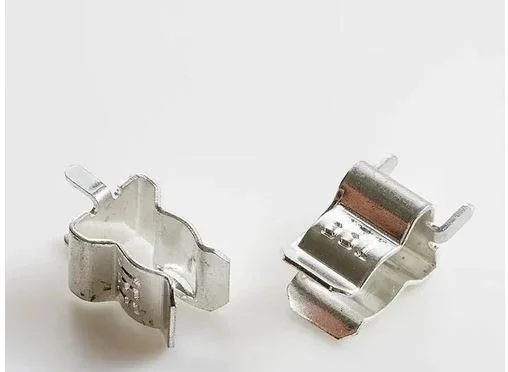
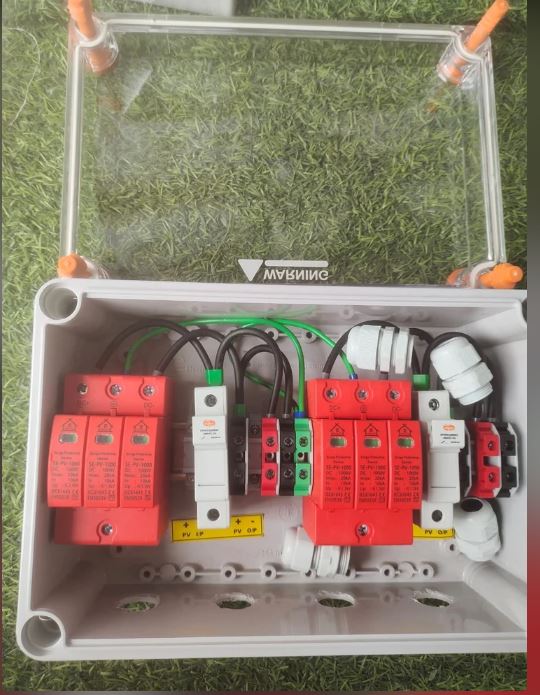
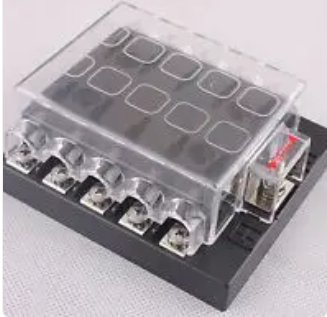
- Fuses can be panel-mounted, in-line, or cartridge types, each suited for specific installation scenarios.
7. Environmental Ratings
- Certain fuses are designed to withstand harsh environments, including temperature and humidity variations.
8. Certifications
- Many industrial fuses carry certifications such as CE, ensuring compliance with safety and regulatory standards.
In summary, understanding these specifications is vital for selecting the right industrial fuse to ensure optimal performance and safety in your application.
Common Applications and Use Cases
Industrial fuses serve various industries, each with specific applications and requirements.
1. Manufacturing: In manufacturing plants, fuses protect machinery and production lines from electrical overloads, ensuring smooth operation and reducing downtime.
2. Energy: In power generation and distribution, fuses safeguard transformers and substations, playing a critical role in the reliability of electrical supply systems.
3. Automotive: In automotive manufacturing, fuses are used in various electrical systems, including lighting, ignition, and control circuits to prevent damage from faults.
4. Construction: Construction sites utilize fuses in temporary power supplies to ensure safety in electrical installations during the building process.
5. HVAC: Heating, ventilation, and air conditioning systems rely on fuses to protect motors and compressors from electrical faults, enhancing system reliability.
6. Marine: In marine applications, fuses are essential for protecting electrical systems on vessels, ensuring safety in harsh marine environments.
7. Data Centers: Data centers use fuses to protect critical infrastructure from power surges, maintaining operational integrity and preventing data loss.
Product Variants and Subcategories
Industrial fuses come in a variety of types to cater to diverse applications and requirements.
Cartridge Fuses
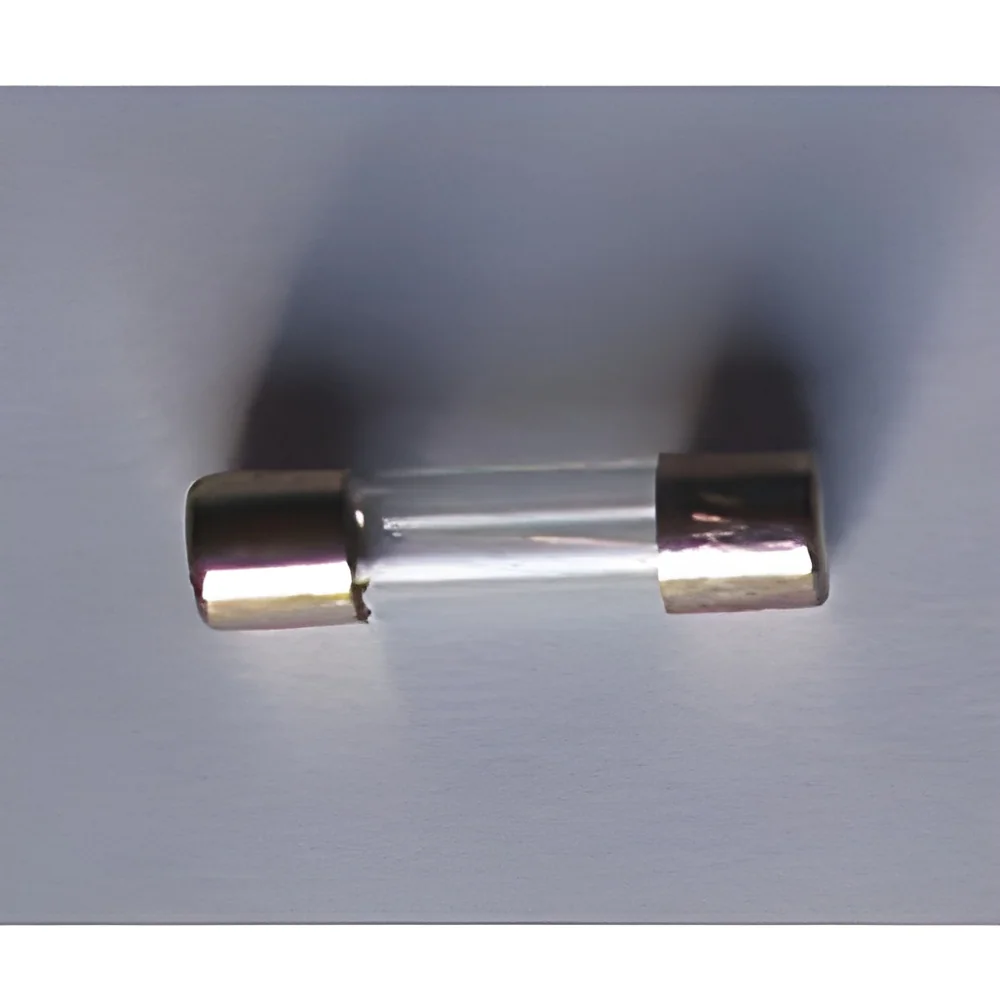
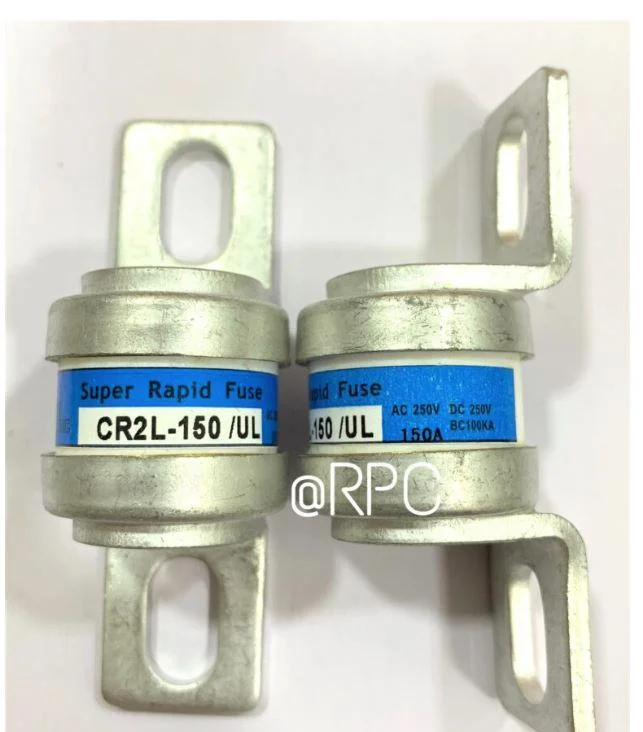
Cartridge fuses are cylindrical and often used in industrial applications where space is limited. They offer high breaking capacity and are suitable for various current ratings.
Blade Fuses
Blade fuses are commonly found in automotive and electronic applications. Their design allows for easy replacement and installation, making them user-friendly.
Resettable Fuses
Resettable fuses, or polyfuses, automatically reset after a fault condition is removed. They are ideal for applications where frequent overloads may occur, providing a convenient solution.
Miniature Fuses
Miniature fuses are compact and designed for smaller devices and appliances. They are widely used in consumer electronics and small machinery.
Benefits and Advantages
Industrial fuses offer significant benefits that enhance safety and operational efficiency.
1. Overcurrent Protection: Fuses provide reliable protection against overloads, minimizing the risk of equipment damage and electrical fires.
2. Cost-Effectiveness: Compared to circuit breakers, fuses are often more affordable, making them a cost-effective solution for circuit protection.
3. Fast Response: Fuses react quickly to overcurrent situations, reducing the potential for damage and enhancing safety.
4. Simple Installation: Fuses are generally easy to install and replace, requiring minimal downtime during maintenance.
5. Versatility: With various types and ratings, industrial fuses can be tailored to a wide range of applications across multiple industries.
6. Compliance Assurance: Many fuses are designed to meet industry standards, ensuring adherence to safety regulations and quality requirements.
Buying Guide for B2B Buyers
When sourcing Industrial Fuses, there are several factors to consider for informed procurement.
1. Quality Assessment: Evaluate quality based on manufacturer reputation and compliance with industry standards. Look for certifications like CE to ensure reliability and safety.
2. Supplier Verification: Vet suppliers by checking references, certifications, and their manufacturing processes. A verified supplier network is vital for consistent quality.
3. Pricing and MOQ: Understand cost structures and minimum order quantities (MOQ) to align with budget constraints while ensuring adequate supply.
4. Delivery and Lead Times: Consider logistics and delivery timelines to avoid disruptions in your operations. Ensure suppliers can meet your scheduling needs.
5. Compliance Requirements: Stay informed about regulatory requirements that apply to your industry. Ensure the fuses you choose comply with local and international standards.
Compliance and Certifications
Compliance with industry standards is critical for industrial fuses. Common quality standards include ISO 9001, which ensures that manufacturers maintain effective quality management systems. Certifications like CE indicate that the products meet safety, health, and environmental protection standards set by the European Union.
Safety and testing requirements are also paramount. Fuses must undergo rigorous testing to verify their performance under various conditions, ensuring they can handle specified overloads and operate safely in their intended environments.
Regional compliance considerations may vary, so it is essential to be aware of local regulations that could affect sourcing and usage. Understanding these compliance requirements helps ensure that the fuses used in your applications are safe and effective.
Why Source Industrial Fuses from Pepagora?
Pepagora provides a trusted platform for sourcing Industrial Fuses with several key advantages that benefit B2B buyers.
Verified Supplier Network: Pepagora has established a network of verified suppliers, ensuring that buyers have access to high-quality products from reputable manufacturers. This network enhances confidence in sourcing decisions.
Streamlined RFQ Process: The platform simplifies the request for quotation (RFQ) process, allowing buyers to efficiently compare prices and specifications from different suppliers. This transparency helps in making informed purchasing decisions.
Trade Assurance and Support: Pepagora offers trade assurance, providing buyers with protection against potential disputes. The support team is available to assist with any challenges that may arise during the sourcing process.
Regional Coverage: With a focus on regions such as India, GCC, and Southeast Asia, Pepagora ensures that buyers have access to local suppliers, reducing lead times and shipping costs. This geographical reach enhances the overall purchasing experience for businesses in these markets.

 IN
IN