What are Breaker Panels & Accessories?
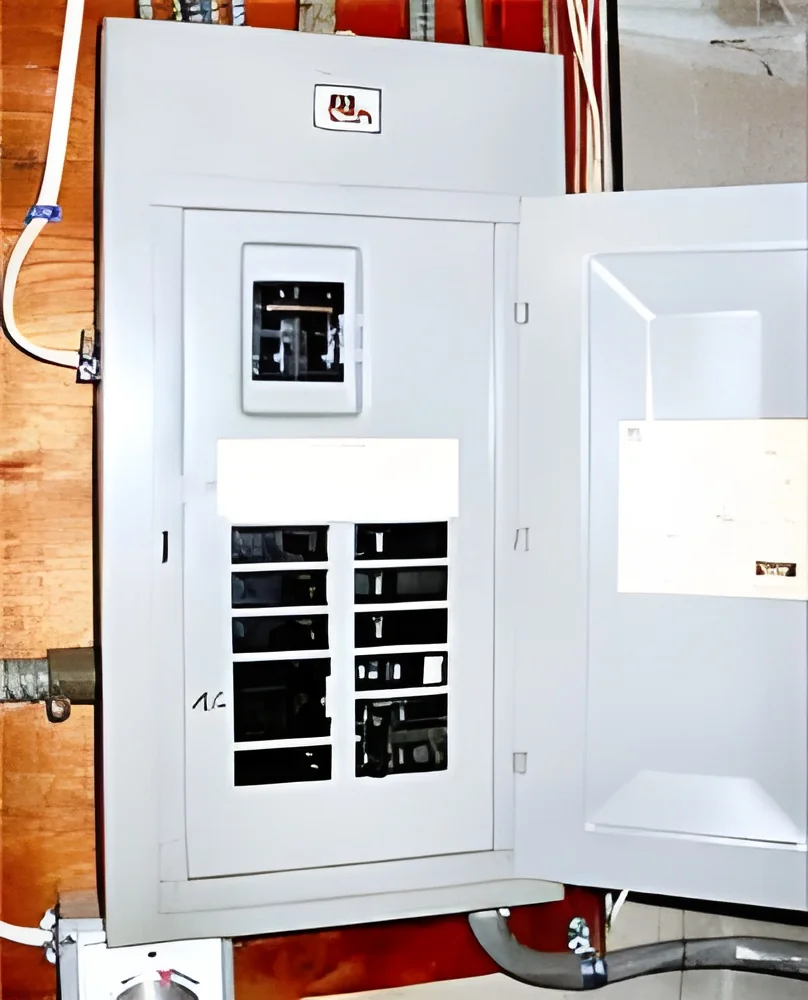
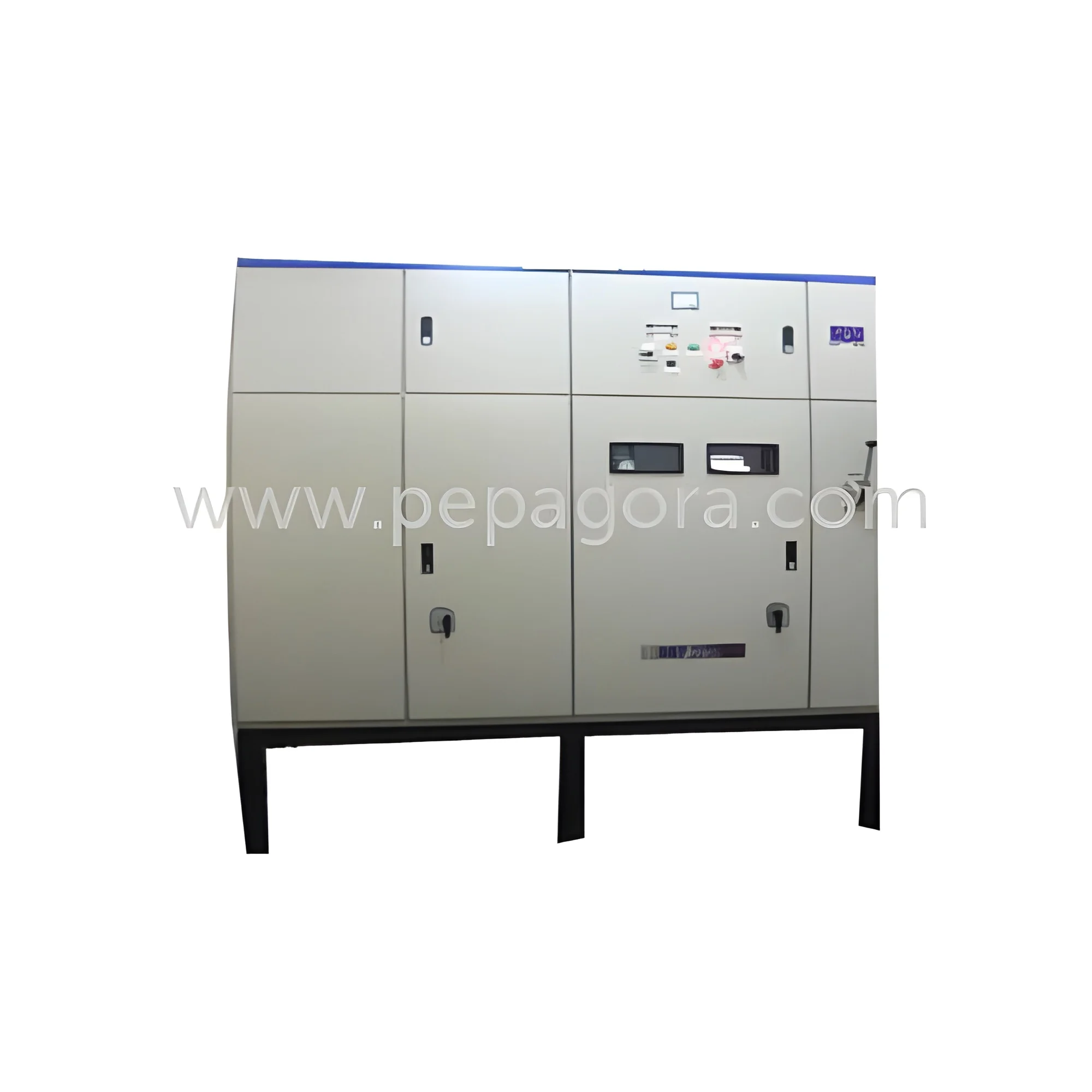
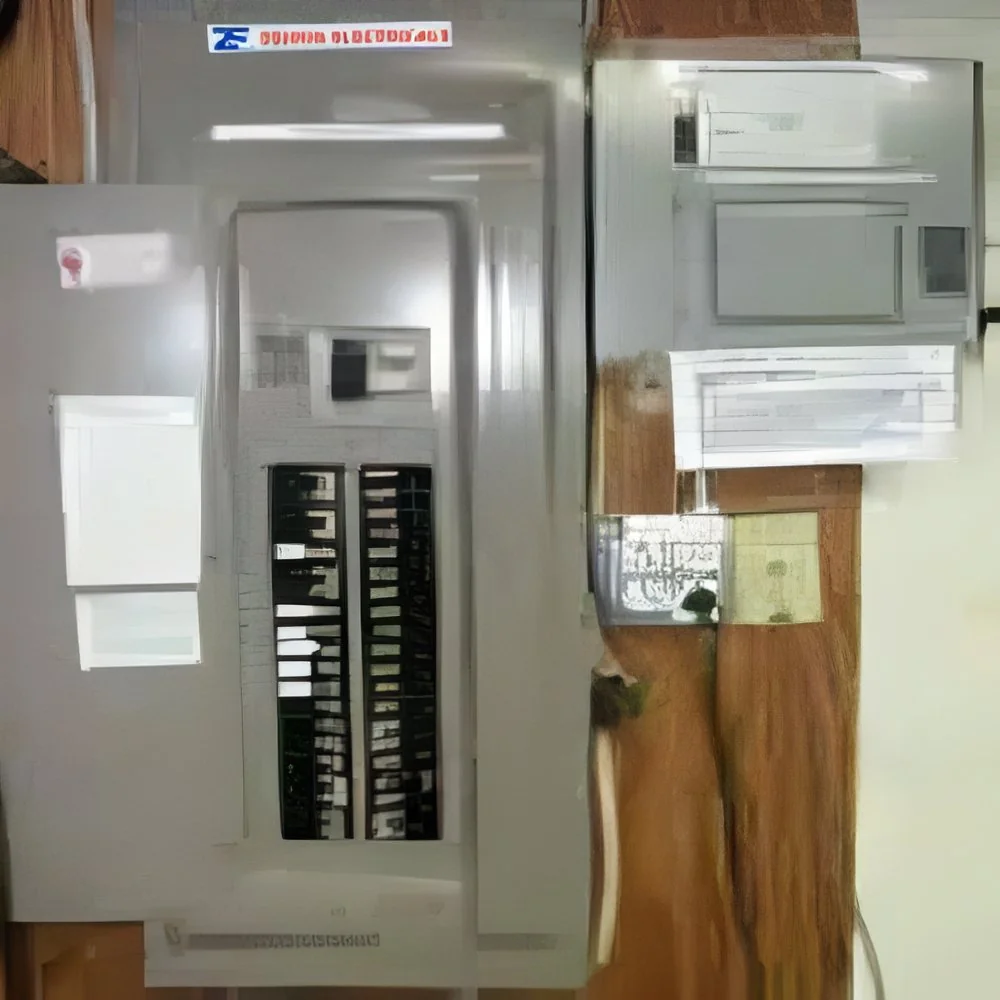
Breaker panels, also known as distribution boards or electrical panels, are essential components in electrical systems. They serve as the central hub for managing electrical power distribution throughout a facility or building. Breaker panels house circuit breakers that protect electrical circuits from overloads and short circuits, ensuring safe operation and preventing potential hazards.
These panels are commonly used in various business applications, including commercial buildings, manufacturing plants, and industrial facilities. They play a crucial role in distributing electricity to different areas, allowing for the efficient operation of machinery, lighting, and other electrical systems. The proper installation and maintenance of breaker panels are vital for ensuring operational efficiency and safety in any electrical setup.
In today's market, breaker panels and accessories are increasingly relevant as industries adopt advanced electrical systems. The growing demand for reliable power distribution solutions drives innovation, leading to improved features and specifications. Organizations seeking to optimize energy use and enhance safety rely significantly on these products, making them a critical aspect of modern electrical infrastructure.
Key Features and Specifications
Breaker panels and accessories come with several key features designed to enhance functionality and safety. Understanding these specifications can help businesses select the right products for their needs.
Key specifications include:
1. Circuit Breaker Types
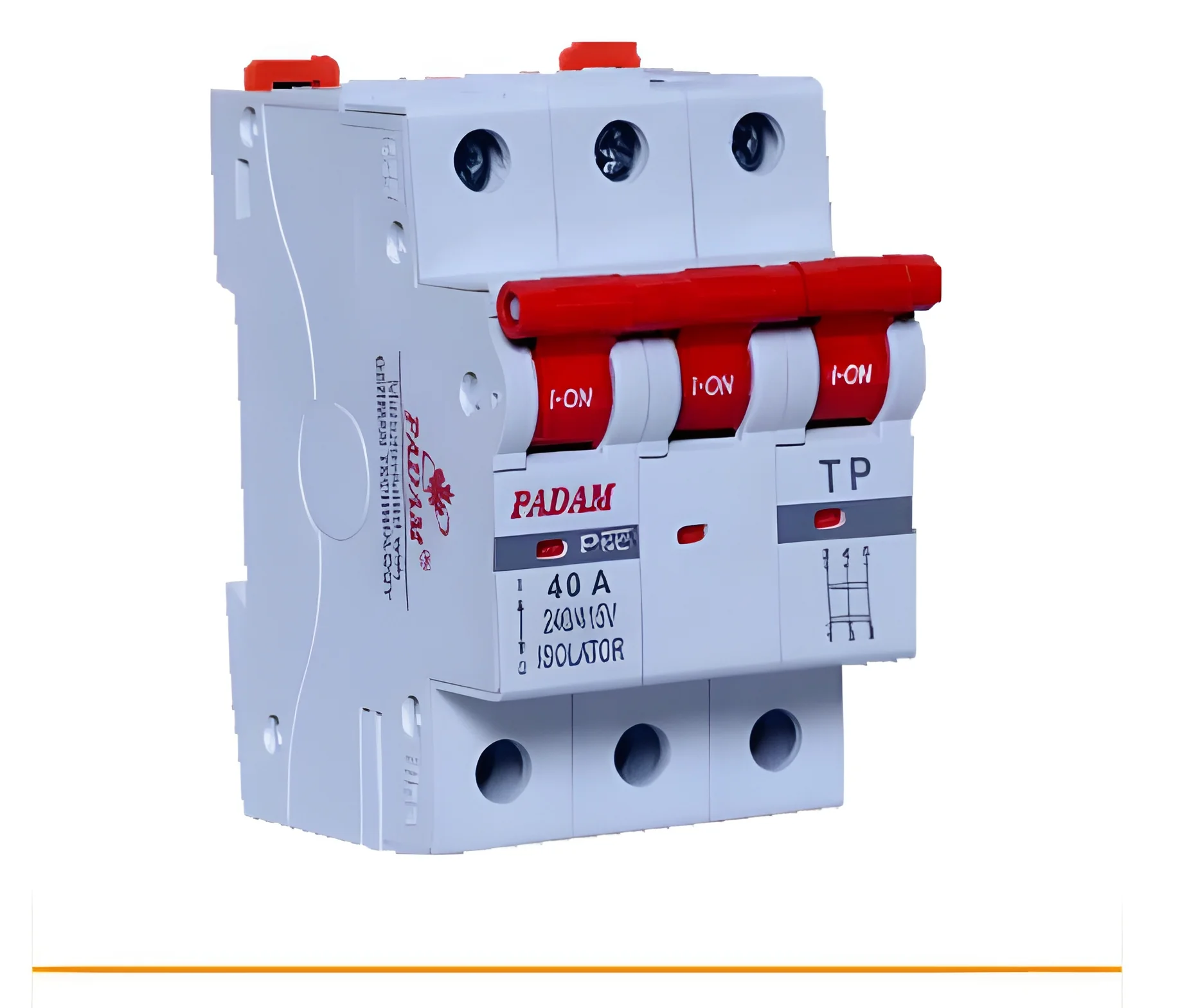
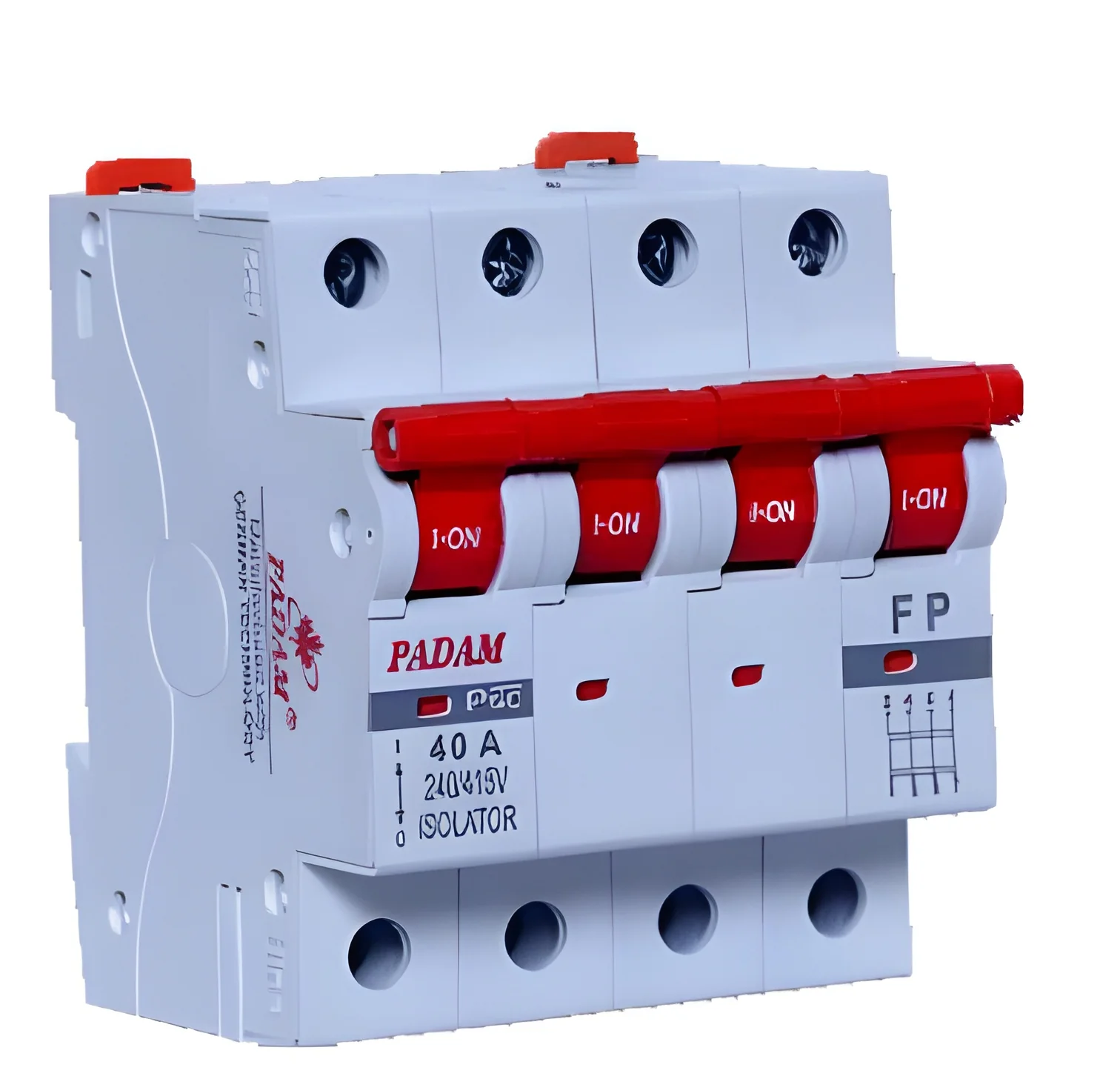
- Standard options include single-pole, double-pole, and ground fault circuit interrupters (GFCIs).
- These breakers vary in amperage ratings depending on application needs.
2. Panel Size and Configuration
- Available in various sizes to accommodate different numbers of circuits.
- Configurations can be customized based on the layout of electrical systems.
3. Enclosure Material
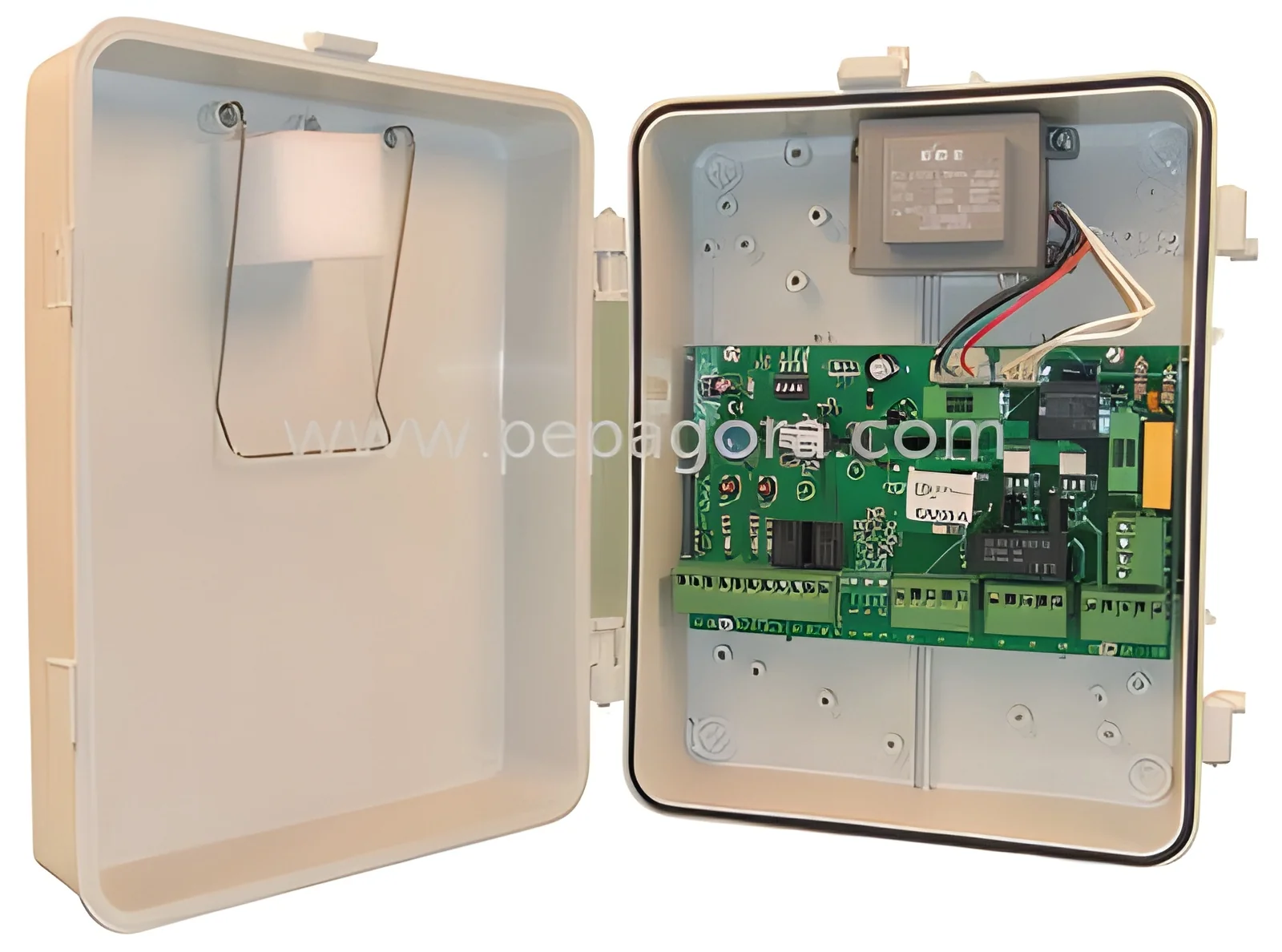
- Common materials include steel and plastic for durability and protection.
- Certain models may offer weather-resistant or corrosion-resistant features.
4. Voltage Rating
- Typically rated for standard voltages, including 120V, 240V, and 480V.
- Ensures compatibility with electrical systems.
5. Safety Certifications
- Products may carry CE certification indicating compliance with safety standards.
- Ensures reliability and safety in operation.
6. Bus Bar Type
- Options include copper or aluminum, each with distinct conductivity properties.
- The choice affects performance and cost.
7. Mounting Options
- Panels can be flush-mounted or surface-mounted based on installation requirements.
- Flexibility in mounting enhances usability.
8. Accessories
- Accessories may include surge protectors, grounding bars, and panel covers.
- Enhance functionality and safety of the breaker panel.
Overall, the diverse specifications available allow businesses to tailor breaker panels to their specific electrical needs.
Common Applications and Use Cases
Breaker panels and accessories are versatile products used across various industries.
1. Commercial Buildings: In office buildings, breaker panels help manage power distribution for lighting, HVAC, and office equipment. They ensure reliable electricity supply while protecting circuits from overloads.
2. Manufacturing: In industrial settings, breaker panels are essential for controlling machinery and production lines. They provide the necessary power while safeguarding against electrical faults.
3. Retail: In retail environments, breaker panels manage electrical loads for lighting and point-of-sale systems. They help maintain consistent power and enhance operational efficiency.
4. Healthcare: In hospitals and clinics, reliable breaker panels ensure that critical medical equipment operates without interruption. They meet stringent safety standards to protect patients and staff.
5. Educational Institutions: Schools use breaker panels to distribute power throughout their facilities, ensuring that classrooms, laboratories, and common areas remain fully operational.
6. Warehousing: In warehouses, breaker panels manage electrical needs for lighting and equipment used in logistics. They support safe operations in high-traffic areas.
7. Hospitality: Hotels and restaurants rely on breaker panels to handle diverse electrical loads, from kitchen equipment to guest room lighting, ensuring comfort and functionality.
Product Variants and Subcategories
Breaker panels and accessories come in various forms to meet specific business needs. This diversity allows companies to find solutions tailored to their requirements.
Standard Breaker Panels: These panels are designed for general applications and provide essential circuit protection and distribution capabilities. They are suitable for most commercial and industrial settings.
Smart Breaker Panels: Equipped with monitoring and control features, smart panels offer advanced functionalities that allow for real-time tracking of energy consumption. They are ideal for businesses focused on energy efficiency.
Sub-Distribution Panels: These panels are used to distribute power from a main panel to specific areas or equipment. They help manage larger electrical systems by breaking down power distribution into manageable segments.
Load Centers: Load centers combine the functions of a breaker panel and an electrical service entrance. They are designed for residential and light commercial applications, providing a compact solution for power distribution.
Benefits and Advantages
Investing in high-quality breaker panels and accessories presents numerous advantages for businesses.
1. Enhanced Safety: Breaker panels protect electrical systems from overloads and short circuits, reducing the risk of fires and equipment damage.
2. Improved Efficiency: Properly configured breaker panels ensure effective power distribution, optimizing energy use and minimizing waste.
3. Scalability: Businesses can easily expand their electrical systems with modular breaker panels that accommodate future growth.
4. Compliance Assurance: Many breaker panels come with necessary safety certifications, ensuring adherence to regulatory standards.
5. Cost Savings: Efficient power management reduces electricity costs, contributing to overall operational savings.
6. Reliable Performance: High-quality components ensure consistent performance, reducing downtime and maintenance needs.
Buying Guide for B2B Buyers
When sourcing breaker panels and accessories, it is crucial for businesses to consider several key factors.
1. Quality Assessment: Evaluate the quality of materials and components used in the panels. Look for certifications and industry standards that indicate reliability.
2. Supplier Verification: Vet potential suppliers thoroughly. Check their reputation, customer reviews, and compliance with industry regulations to ensure trustworthy partnerships.
3. Pricing and MOQ: Understand the pricing structure and minimum order quantities. Compare quotes from different suppliers to find the best value for your budget.
4. Delivery and Lead Times: Confirm expected delivery times and logistics capabilities. Timely delivery is essential to avoid project delays.
5. Compliance Requirements: Ensure that the products meet relevant industry standards and local regulations. This is critical for maintaining safety and functionality.
Compliance and Certifications
Compliance and certifications are critical aspects of breaker panels and accessories. Adhering to relevant quality standards ensures that products meet safety and operational requirements.
ISO 9001 is a widely recognized quality management standard that demonstrates a commitment to consistent quality in manufacturing processes. Companies that adhere to this standard ensure that their breaker panels are produced under strict quality controls.
The CE certification indicates that products meet European safety, health, and environmental protection standards. This certification is crucial for ensuring that breaker panels can be safely used within the European market.
Safety and testing requirements vary by industry and region. It is essential for manufacturers to conduct thorough testing to verify that their panels can withstand electrical loads and meet safety standards.
Regional compliance considerations should also be taken into account. Different countries may have specific regulations governing electrical installations, making it important for businesses to source products that comply with local laws.
Why Source Breaker Panels & Accessories from Pepagora?
Pepagora provides a trusted platform for sourcing breaker panels and accessories, offering several key advantages that benefit B2B buyers.
Verified Supplier Network: Pepagora features a network of verified suppliers, ensuring that buyers receive high-quality products from reputable manufacturers. This reduces the risk associated with sourcing unfamiliar suppliers.
Streamlined RFQ Process: The platform simplifies the request for quotation (RFQ) process, allowing buyers to quickly and easily compare offers from multiple suppliers. This efficiency helps businesses make informed purchasing decisions.
Trade Assurance and Support: Pepagora offers trade assurance, providing buyers with protection against potential issues during transactions. This support fosters confidence in the purchasing process.
Regional Coverage: With a strong presence in India, the GCC, and Southeast Asia, Pepagora connects buyers with suppliers across these regions. This geographic reach enhances the availability and accessibility of breaker panels and accessories for businesses.
In conclusion, sourcing breaker panels and accessories from Pepagora ensures a reliable and efficient purchasing experience, tailored to meet the diverse needs of B2B buyers.

 IN
IN