What are Low Voltage Circuit Breakers?
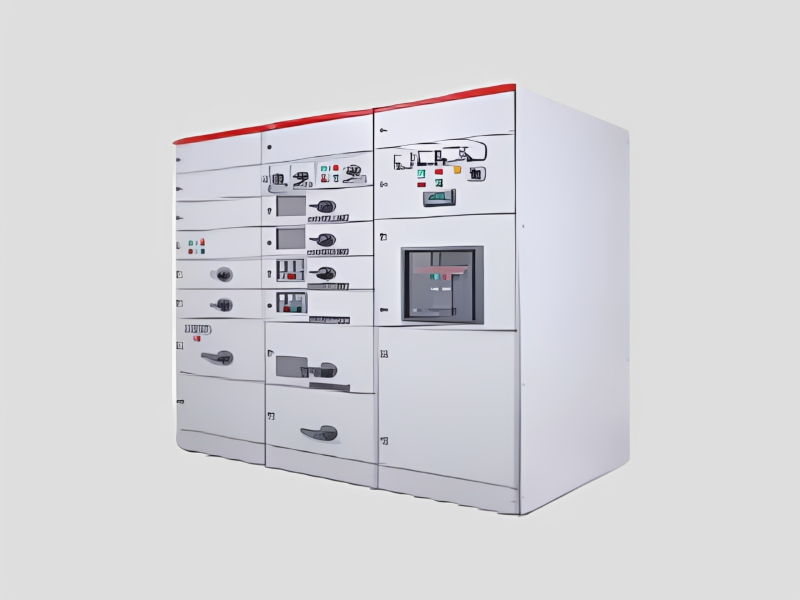
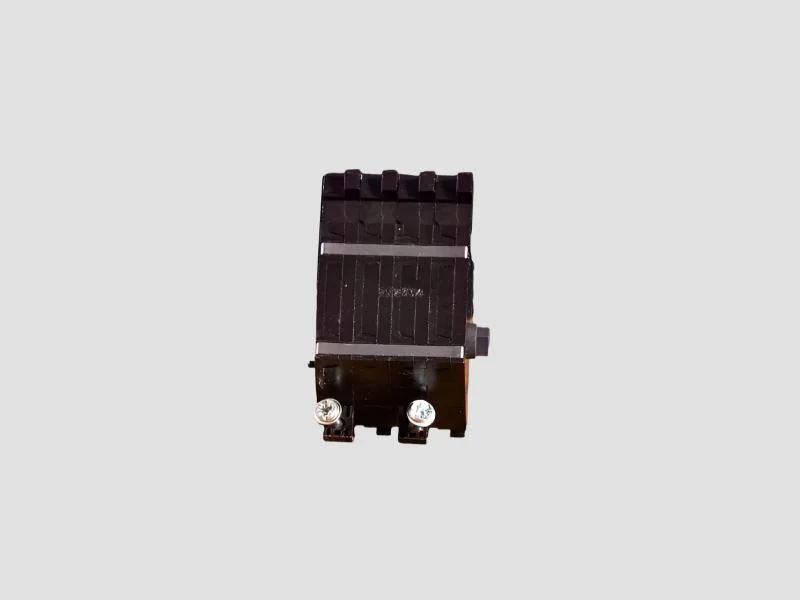
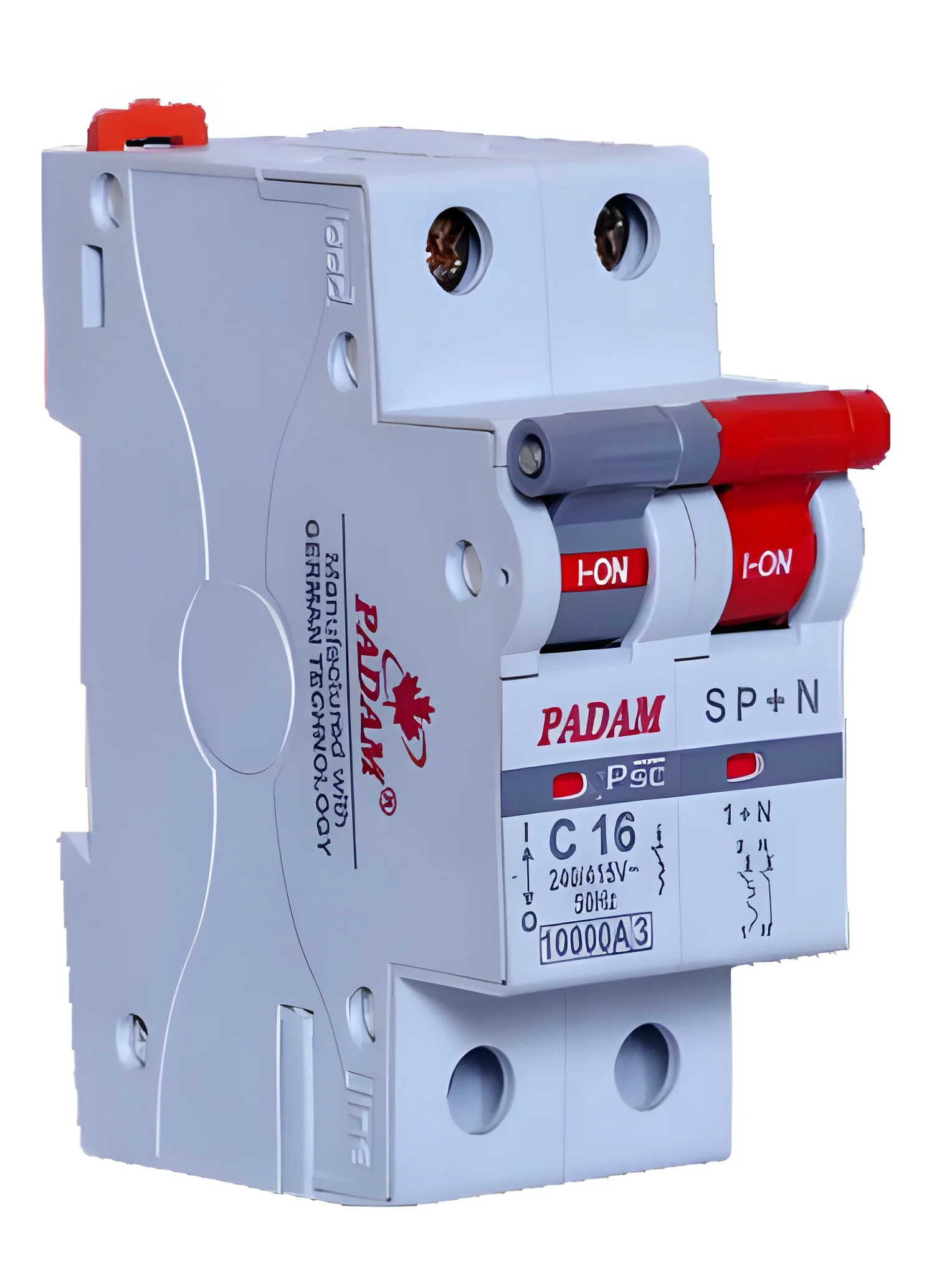
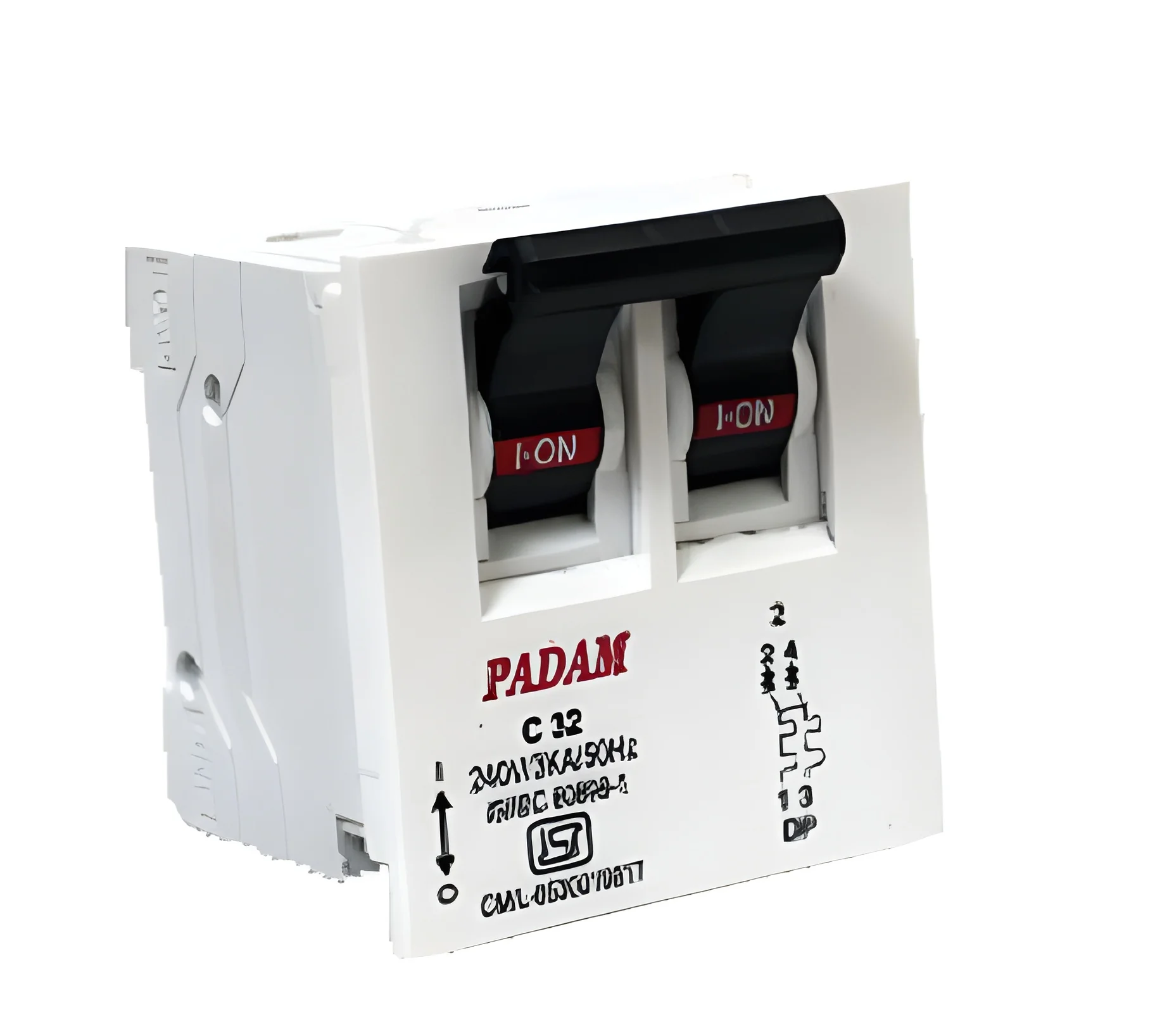
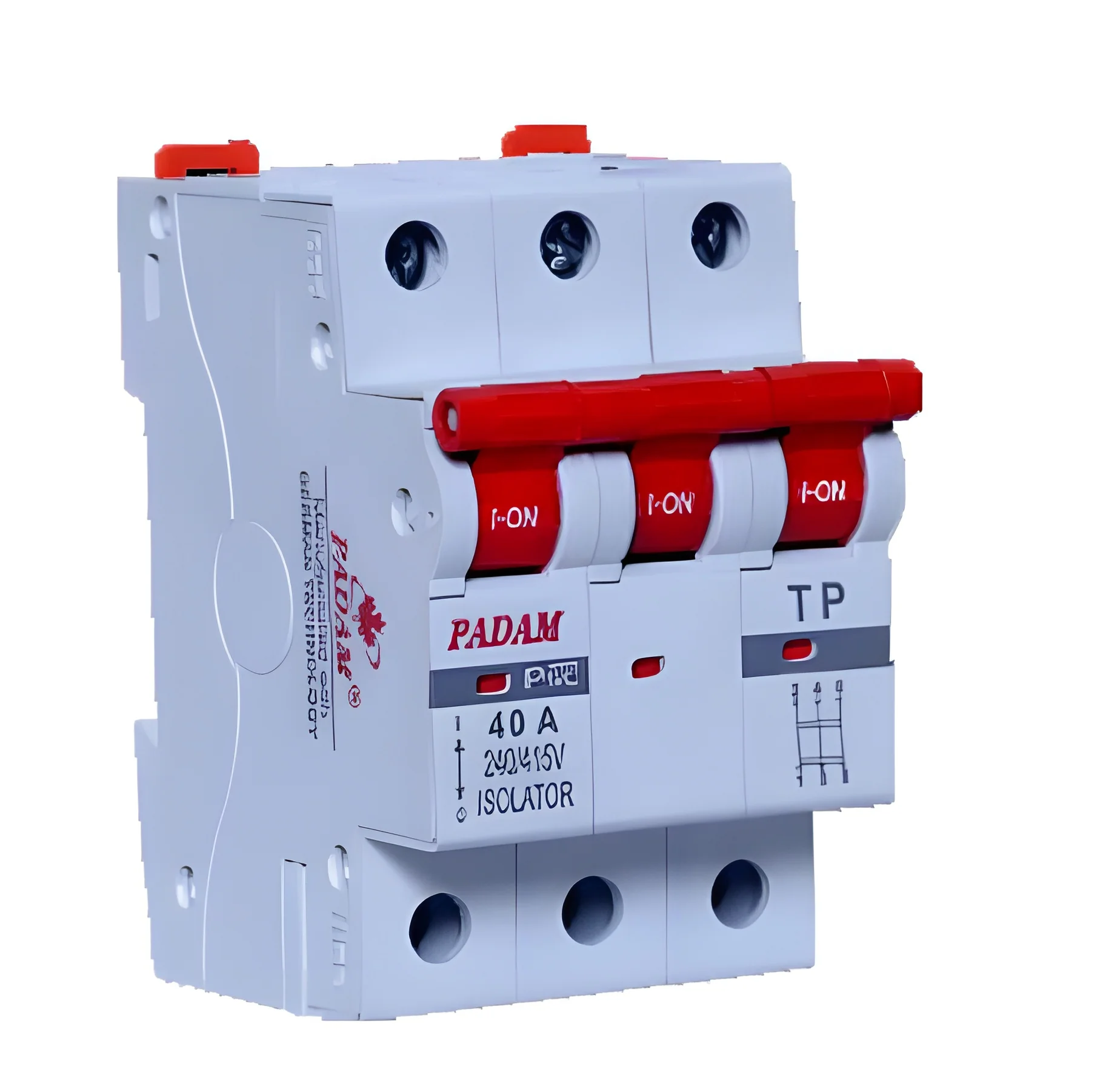
Low Voltage Circuit Breakers (LVCBs) are electrical devices designed to protect electrical circuits from overloads and short circuits. They automatically disconnect the circuit when they detect anomalies, thereby preventing damage to equipment and reducing the risk of electrical fires. LVCBs operate at voltage levels typically up to 1,000 volts AC or 1,500 volts DC, making them essential components in residential, commercial, and industrial settings.
These circuit breakers are widely used in a variety of applications, including power distribution systems, machinery, and electrical panels. They ensure operational safety and reliability, allowing businesses to maintain continuity while protecting their investments in electrical infrastructure. The increasing demand for energy efficiency and safety standards in industries has further solidified the relevance of LVCBs in the market.
As industries evolve, the need for advanced protection devices like LVCBs continues to grow. They are integral in sectors such as manufacturing, construction, and telecommunications, where electrical safety is paramount. As the global market for electrical components expands, LVCBs will play a crucial role in meeting safety regulations and energy management requirements.
Key Features and Specifications
Low Voltage Circuit Breakers come with a range of features that enhance their functionality and reliability. Understanding these specifications is essential for selecting the right model for specific applications.
Key specifications include:
1. Rated Current
- This specification indicates the maximum current the breaker can handle without tripping.
- Typical ranges can vary from a few amps to several hundred amps.
2. Breaking Capacity
- This refers to the maximum fault current the breaker can interrupt safely.
- Common values range from 6 kA to 100 kA.
3. Voltage Rating
- This denotes the maximum voltage the circuit breaker can operate at.
- Standard ratings are typically between 230V and 1,000V.
4. Operating Mechanism
- This defines the type of mechanism used to trip the breaker.
- Options include thermal, magnetic, or a combination of both.
5. Mounting Type
- Circuit breakers can be mounted in various configurations, such as DIN rail or panel mounted.
6. Number of Poles
- This indicates how many circuits the breaker can protect simultaneously.
- Options typically include single, double, or three-phase configurations.
7. Test Standards
- Circuit breakers should meet international safety standards, such as IEC and UL.
8. Ambient Temperature Range
- This indicates the temperature range within which the breaker can operate effectively.
- Standard ranges are usually between -20°C to 60°C.
In summary, when selecting Low Voltage Circuit Breakers, it is important to consider these specifications to ensure optimal performance and safety in electrical systems.
Common Applications and Use Cases
Low Voltage Circuit Breakers are versatile devices used across various industries to enhance electrical safety.
1. Manufacturing: In manufacturing plants, LVCBs protect machinery and equipment from overloads, ensuring smooth operations and minimizing downtime.
2. Construction: Construction sites use LVCBs to safeguard temporary electrical installations, reducing the risk of electrical faults during building activities.
3. Telecommunications: In telecom applications, LVCBs protect critical communication equipment from power surges and faults.
4. Transportation: Railways and airports rely on LVCBs to ensure the safety and reliability of their electrical systems.
5. Commercial Buildings: Office buildings utilize LVCBs for general electrical distribution, ensuring the safety of lighting and HVAC systems.
6. Renewable Energy: In solar and wind energy applications, LVCBs protect inverters and other electrical components from faults.
7. Data Centers: Data centers use LVCBs to protect sensitive equipment and maintain uninterrupted power supply.
Product Variants and Subcategories
Low Voltage Circuit Breakers come in various variants, each designed to meet specific needs and applications.
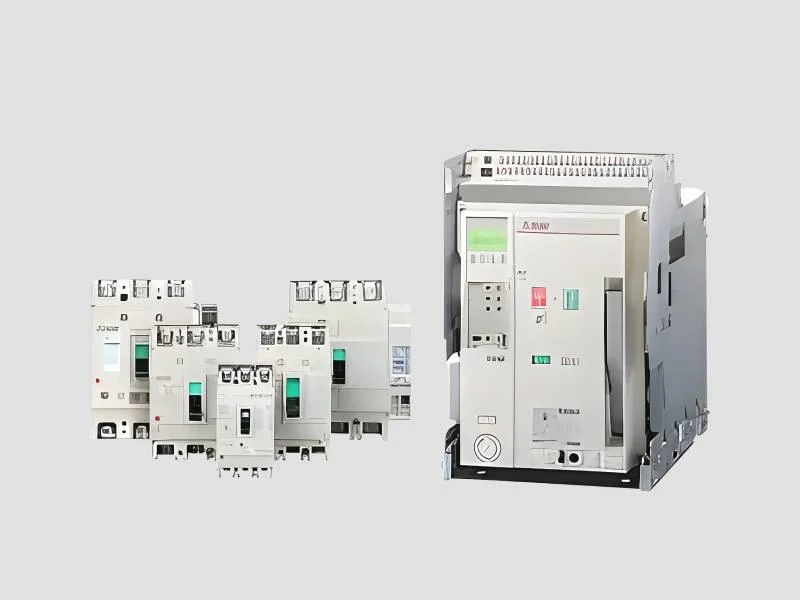
Molded Case Circuit Breakers (MCCB): MCCBs are designed for medium voltage applications and offer adjustable trip settings. They are suitable for industrial environments where equipment requires robust protection.
Miniature Circuit Breakers (MCB): MCBS are ideal for residential and light commercial use. They provide reliable protection against overloads and short circuits in smaller electrical systems.
Residual Current Circuit Breakers (RCCB): RCCBs are specialized for detecting earth faults and preventing electric shocks. They are essential in environments where safety is a priority.
Air Circuit Breakers (ACB): ACBs are used in high current applications and offer a wide range of features for protective coordination.
Benefits and Advantages
Low Voltage Circuit Breakers offer numerous benefits that enhance electrical safety and operational efficiency.
1. Enhanced Safety: LVCBs automatically disconnect circuits during faults, significantly reducing the risk of electrical fires and equipment damage.
2. Reliability: These devices provide consistent protection, ensuring that electrical systems remain operational under normal conditions.
3. Easy Installation: Many LVCBs are designed for straightforward installation, reducing setup time and labor costs.
4. Customizable Options: Buyers can select from various specifications to match their specific needs, enhancing versatility.
5. Compliance with Standards: LVCBs are designed to meet international safety standards, ensuring reliability and legal compliance.
6. Cost-Effective: Investing in LVCBs can lead to long-term savings by preventing costly electrical failures and downtime.
Buying Guide for B2B Buyers
When sourcing Low Voltage Circuit Breakers, several factors should be taken into account to ensure the right choice for your organization.
1. Quality Assessment: Look for products that meet established quality criteria and have undergone rigorous testing to ensure safety and reliability.
2. Supplier Verification: Vet suppliers thoroughly by checking their credentials, reputation, and compliance with industry standards to ensure you are working with a reliable partner.
3. Pricing and MOQ: Evaluate pricing structures and minimum order quantities to find a balance between cost-effectiveness and meeting your operational needs.
4. Delivery and Lead Times: Consider the logistics involved, including the supplier's ability to meet delivery schedules and manage lead times effectively.
5. Compliance Requirements: Ensure that the products comply with relevant regulations and standards applicable in your region to avoid legal complications.
Compliance and Certifications
Low Voltage Circuit Breakers must adhere to various compliance and certification standards to ensure safety and reliability.
One of the key quality standards is ISO 9001, which establishes requirements for a quality management system. This certification ensures that manufacturers maintain consistent quality in their products and processes.
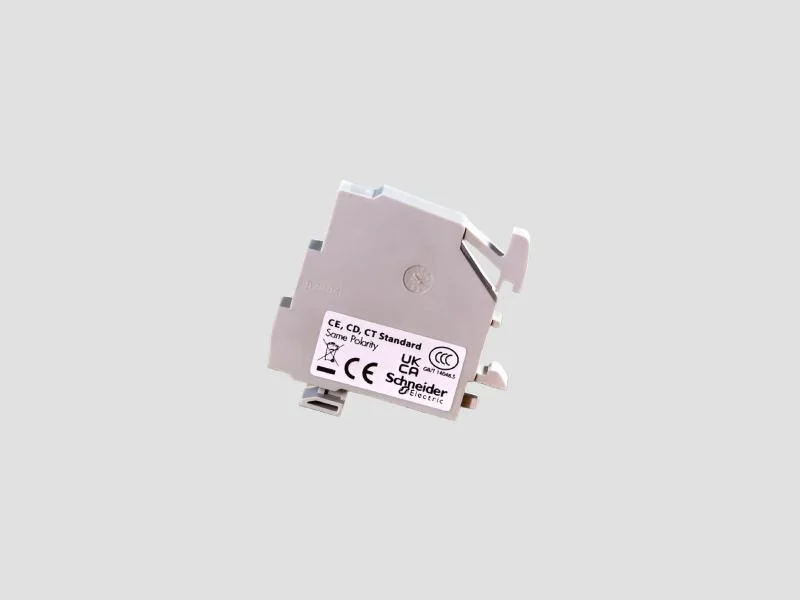
In addition to ISO standards, LVCBs often come with CE certification, which indicates compliance with European safety, health, and environmental protection standards.
Safety and testing requirements are also critical. LVCBs should be tested for performance under various conditions to ensure they operate effectively in real-world applications.
Lastly, regional compliance considerations may vary, so it is important to understand local regulations and ensure that the products meet these requirements.
Why Source Low Voltage Circuit Breakers from Pepagora?
Pepagora offers a trusted platform for sourcing Low Voltage Circuit Breakers, providing several key advantages for businesses.
Verified Supplier Network: Pepagora collaborates with a network of verified suppliers, ensuring that buyers have access to high-quality products from reputable manufacturers.
Streamlined RFQ Process: The platform features an efficient request for quotation (RFQ) system, allowing buyers to easily compare offers and make informed purchasing decisions.
Trade Assurance and Support: Pepagora provides trade assurance, protecting buyers against potential risks and ensuring a smooth transaction process.
Regional Coverage: With a strong presence in India, the GCC, and Southeast Asia, Pepagora enables businesses to source LVCBs effectively across diverse markets, catering to regional demands and preferences.

 IN
IN