What are Vacuum Circuit Breakers (VCBs)?
Vacuum Circuit Breakers (VCBs) are electrical devices used to protect electrical circuits from overloads and short circuits. They operate by interrupting the current flow within a vacuum chamber, which allows for efficient arc extinction. This design minimizes the risk of damage to the breaker and the connected equipment. VCBs are known for their reliability and long operational life, making them a preferred choice in various industrial applications.
VCBs are primarily used in high voltage applications, including substations, industrial plants, and commercial buildings. They offer advanced protection and control for electrical systems, ensuring safety and efficiency. Industries rely on VCBs for their ability to handle large currents while maintaining environmental considerations. The growing demand for energy-efficient solutions in the electrical sector has further enhanced the relevance of VCBs in the market.
๐๐ฒ๐ ๐๐ฒ๐ฎ๐๐๐ฟ๐ฒ๐ ๐ฎ๐ป๐ฑ ๐ฆ๐ฝ๐ฒ๐ฐ๐ถ๐ณ๐ถ๐ฐ๐ฎ๐๐ถ๐ผ๐ป๐
Vacuum Circuit Breakers come with a range of features that enhance their performance and reliability. Understanding the specifications is crucial for selecting the right VCB for specific applications.
Key specifications include:
1. Operating Voltage
- Typically ranges between 3 kV to 36 kV
- Suitable for medium to high voltage applications
2. Breaking Capacity
- Can range from 630 A to 12,500 A
- Determines the maximum fault current the breaker can interrupt
3. Mechanical Life
- Generally rated for over 10,000 operations
- Ensures longevity and reliability under normal conditions
4. Insulation Level
- Insulation strength usually adheres to standards of 12 kV to 36 kV
- Critical for safe operation in various environments
5. Control Voltage
- Commonly available in 110 V to 240 V DC
- Allows for integration into existing control systems
6. Design Standards
- Manufactured according to international quality standards such as IEC
- Ensures compliance with safety and performance requirements
7. Weight
- Typically ranges from 100 kg to 500 kg
- Influences installation and operational logistics
8. Ambient Temperature Range
- Designed to operate efficiently in temperatures from -5ยฐC to 40ยฐC
- Suitable for various climatic conditions
With these specifications, VCBs provide flexibility and reliability in electrical protection.
๐๐ผ๐บ๐บ๐ผ๐ป ๐๐ฝ๐ฝ๐น๐ถ๐ฐ๐ฎ๐๐ถ๐ผ๐ป๐ ๐ฎ๐ป๐ฑ ๐จ๐๐ฒ ๐๐ฎ๐๐ฒ๐
Vacuum Circuit Breakers serve various industries, each with specific applications.
1. Power Generation: VCBs are used in power plants to safeguard generators and transformers against faults, ensuring uninterrupted power supply.
2. Manufacturing: In industrial settings, VCBs protect machinery from electrical faults, reducing downtime and maintenance costs.
3. Oil and Gas: These breakers are essential in oil and gas facilities for the protection of critical equipment against electrical surges.
4. Transportation: VCBs are used in railways and metro systems to ensure reliable operation of electrical systems.
5. Renewable Energy: They play a crucial role in solar and wind energy systems, protecting inverters and other components from overload.
6. Commercial Buildings: VCBs provide protection in commercial electrical systems, ensuring safety and compliance with regulations.
7. Mining: In mining operations, VCBs protect heavy equipment from electrical faults, enhancing operational safety.
๐ฃ๐ฟ๐ผ๐ฑ๐๐ฐ๐ ๐ฉ๐ฎ๐ฟ๐ถ๐ฎ๐ป๐๐ ๐ฎ๐ป๐ฑ ๐ฆ๐๐ฏ๐ฐ๐ฎ๐๐ฒ๐ด๐ผ๐ฟ๐ถ๐ฒ๐
Vacuum Circuit Breakers come in various configurations to meet diverse industry needs.
Compact VCBs
These are designed for space-constrained environments, offering high performance in a smaller footprint. Ideal for urban infrastructure projects.
Outdoor VCBs
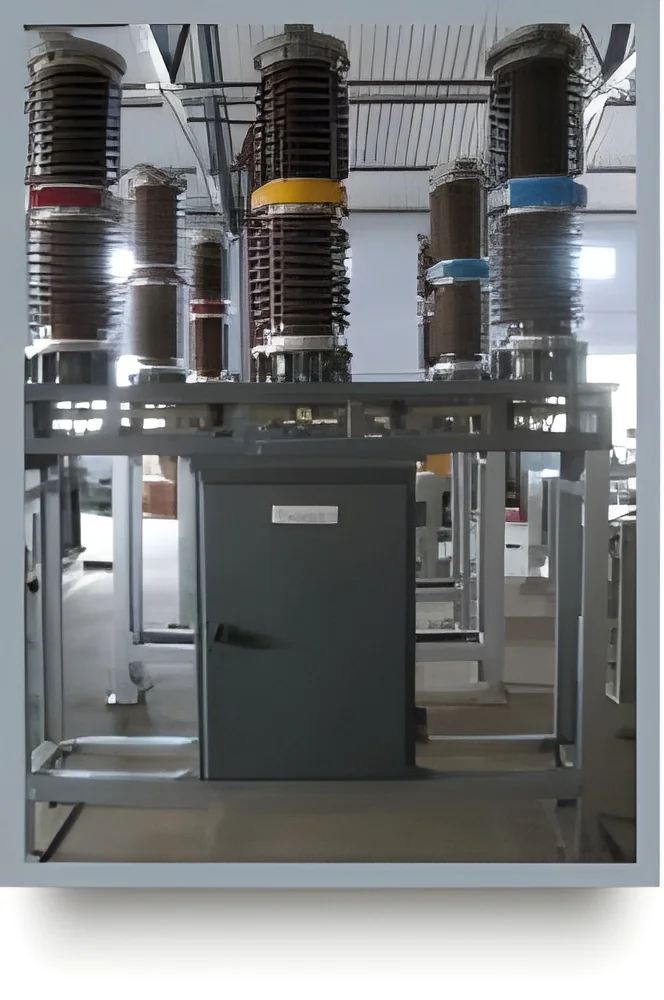
Specifically engineered for outdoor installations, these breakers are weather-resistant and suited for substations and distribution systems.
Indoor VCBs
Designed for indoor applications, they provide reliable protection in controlled environments, such as manufacturing facilities.
Integrated VCBs
These variants offer built-in protection and control features, simplifying installation and enhancing operational efficiency.
๐๐ฒ๐ป๐ฒ๐ณ๐ถ๐๐ ๐ฎ๐ป๐ฑ ๐๐ฑ๐๐ฎ๐ป๐๐ฎ๐ด๐ฒ๐
Vacuum Circuit Breakers offer numerous advantages that make them a preferred choice in industrial applications.
1. High Reliability: VCBs have a long operational life due to their vacuum technology, reducing the need for frequent replacements.
2. Low Maintenance: With minimal moving parts and a sealed environment, VCBs require less maintenance compared to other types of circuit breakers.
3. Fast Operation: VCBs can interrupt fault currents rapidly, protecting equipment and reducing downtime.
4. Compact Design: Their space-efficient design allows for installation in limited spaces without compromising performance.
5. Environmentally Friendly: VCBs use vacuum technology, which eliminates harmful gases and contributes to a cleaner environment.
6. Safety Features: Equipped with various safety mechanisms, VCBs ensure reliable operation in critical applications.
๐๐๐๐ถ๐ป๐ด ๐๐๐ถ๐ฑ๐ฒ ๐ณ๐ผ๐ฟ ๐๐ฎ๐ ๐๐๐๐ฒ๐ฟ๐
When sourcing Vacuum Circuit Breakers (VCBs), it is essential to consider several key factors to ensure the selection of the right product.
1. Quality Assessment: Evaluate the quality of VCBs based on industry standards and certifications. Look for products that meet IEC or similar standards to ensure reliability.
2. Supplier Verification: Vet potential suppliers by checking their reputation in the market, customer reviews, and certifications. A reliable supplier should have a proven track record.
3. Pricing and MOQ: Understand the pricing structure and minimum order quantities (MOQ). Compare multiple suppliers to ensure competitive pricing while not compromising on quality.
4. Delivery and Lead Times: Confirm delivery timelines and lead times with suppliers to avoid delays in project execution. Consider logistics and transportation factors.
5. Compliance Requirements: Ensure that the VCBs meet regional compliance and regulatory standards. This is crucial for projects in heavily regulated industries.
๐๐ผ๐บ๐ฝ๐น๐ถ๐ฎ๐ป๐ฐ๐ฒ ๐ฎ๐ป๐ฑ ๐๐ฒ๐ฟ๐๐ถ๐ณ๐ถ๐ฐ๐ฎ๐๐ถ๐ผ๐ป๐
Vacuum Circuit Breakers must adhere to several quality standards and certifications to ensure safety and performance.
ISO 9001 is a key quality management standard that ensures manufacturers maintain high-quality production processes. Compliance with this standard reflects a commitment to quality and customer satisfaction.
CE certification is essential for VCBs sold in the European market, indicating that they meet EU safety, health, and environmental protection standards.
Testing requirements for VCBs often include dielectric strength, thermal stability, and operational performance tests. These tests ensure that the breakers function correctly under various conditions.
Regional compliance considerations may vary, so it is essential to verify that VCBs meet local regulations and standards to avoid legal complications and ensure safety.
Why Source Vacuum Circuit Breakers (VCBs) from Pepagora?
Pepagora provides a trusted platform for sourcing Vacuum Circuit Breakers (VCBs) with several key advantages.
Verified Supplier Network: Pepagora connects buyers with a network of verified suppliers, ensuring quality and reliability in sourcing VCBs. Each supplier is vetted to meet industry standards.
Streamlined RFQ Process: The platform offers a simplified request for quotation (RFQ) process. Buyers can easily compare multiple quotes, making informed purchasing decisions.
Trade Assurance and Support: Pepagora provides trade assurance, ensuring that buyers are protected throughout the purchasing process. Support is available to resolve any issues that may arise.
Regional Coverage: The platform serves a wide geographic reach, including India, GCC, and Southeast Asia. This ensures that buyers can access quality VCBs no matter their location.
By choosing Pepagora, businesses can confidently source Vacuum Circuit Breakers that meet their specific needs while benefiting from a comprehensive support system.