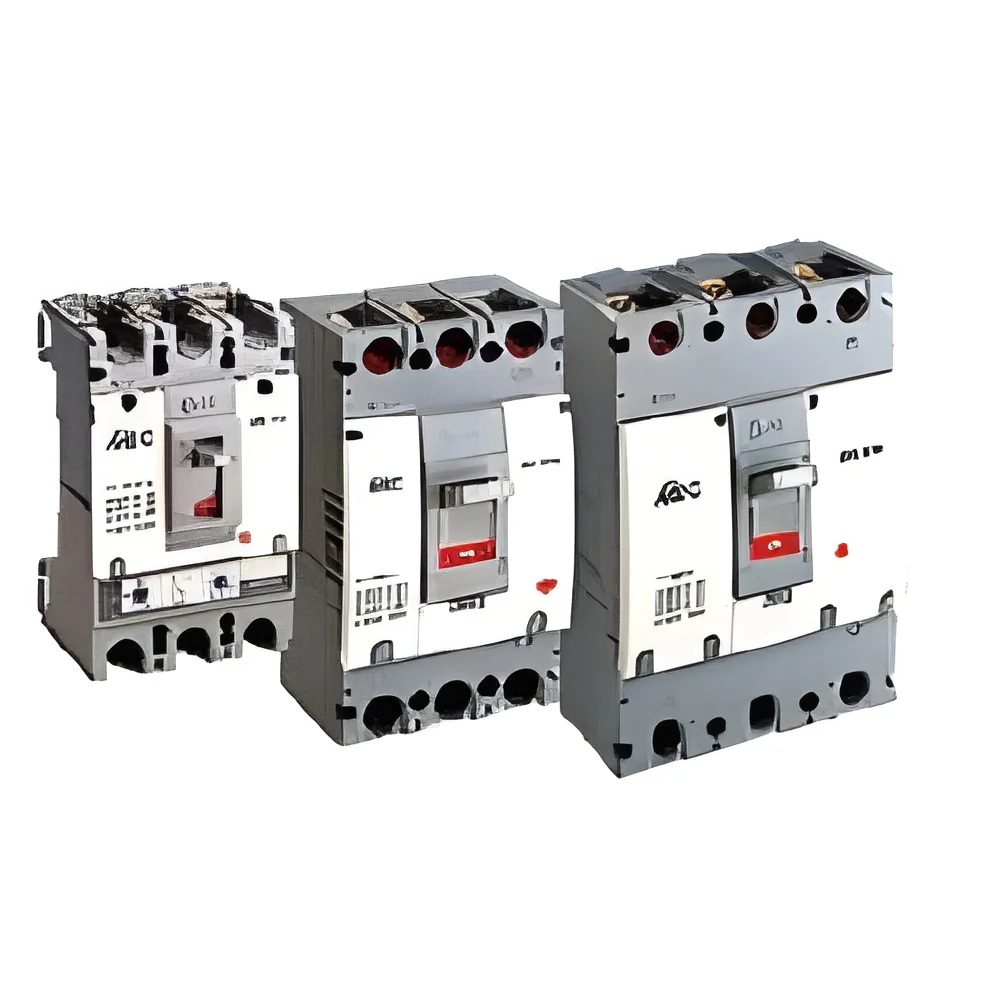
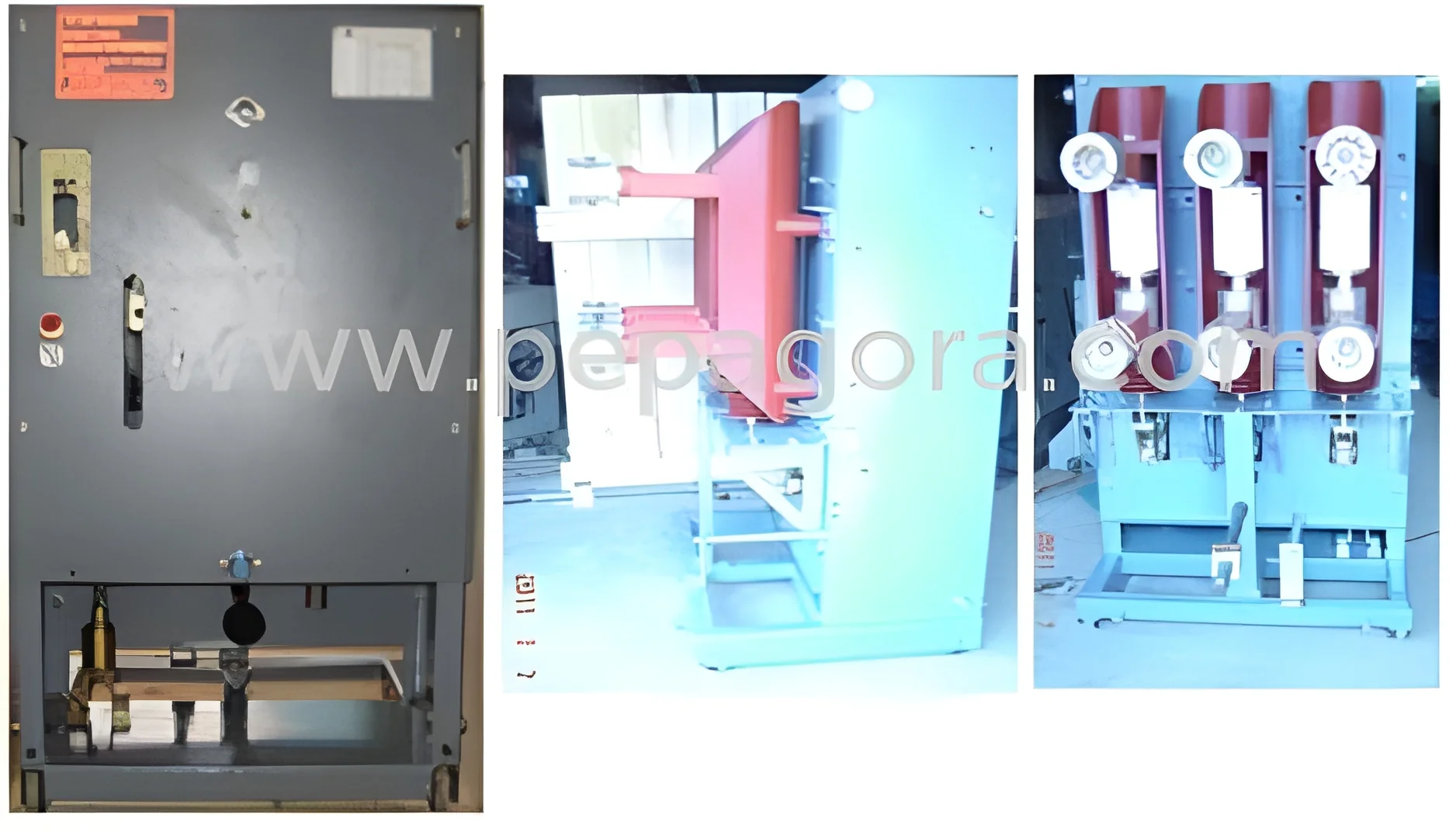
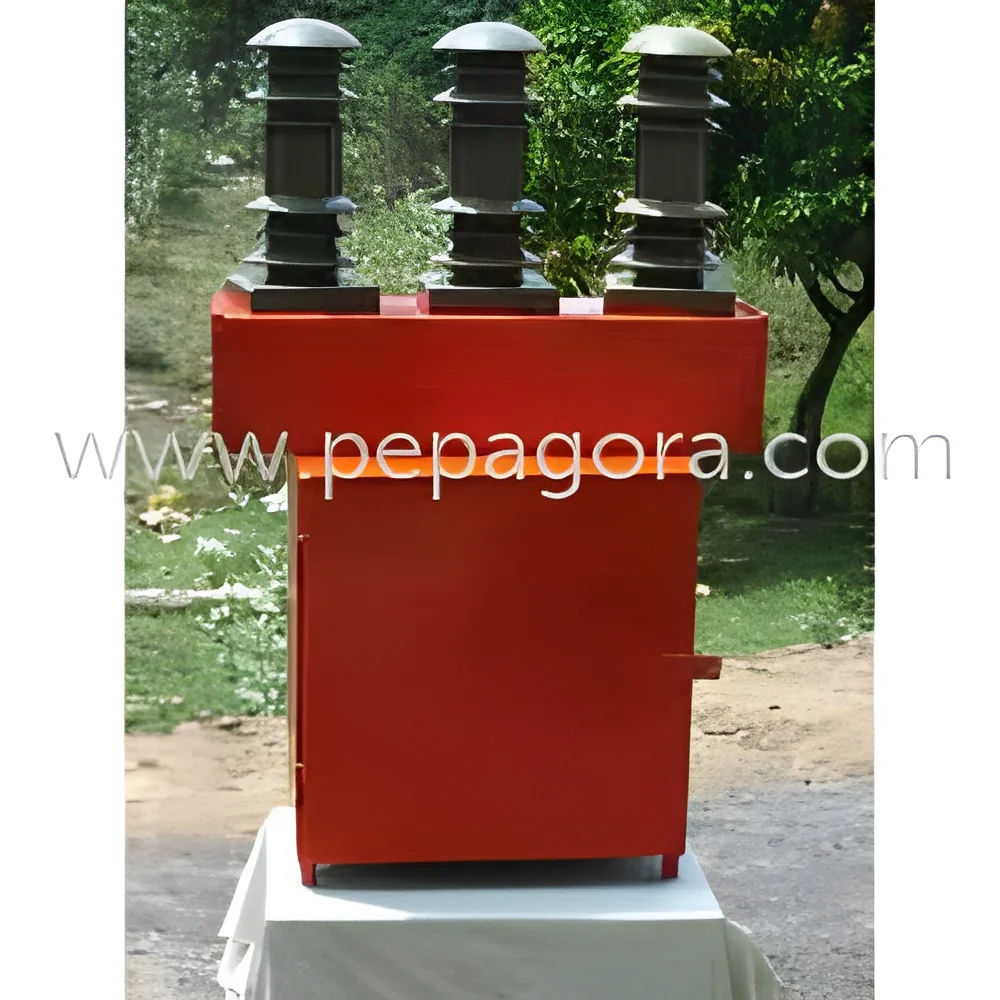
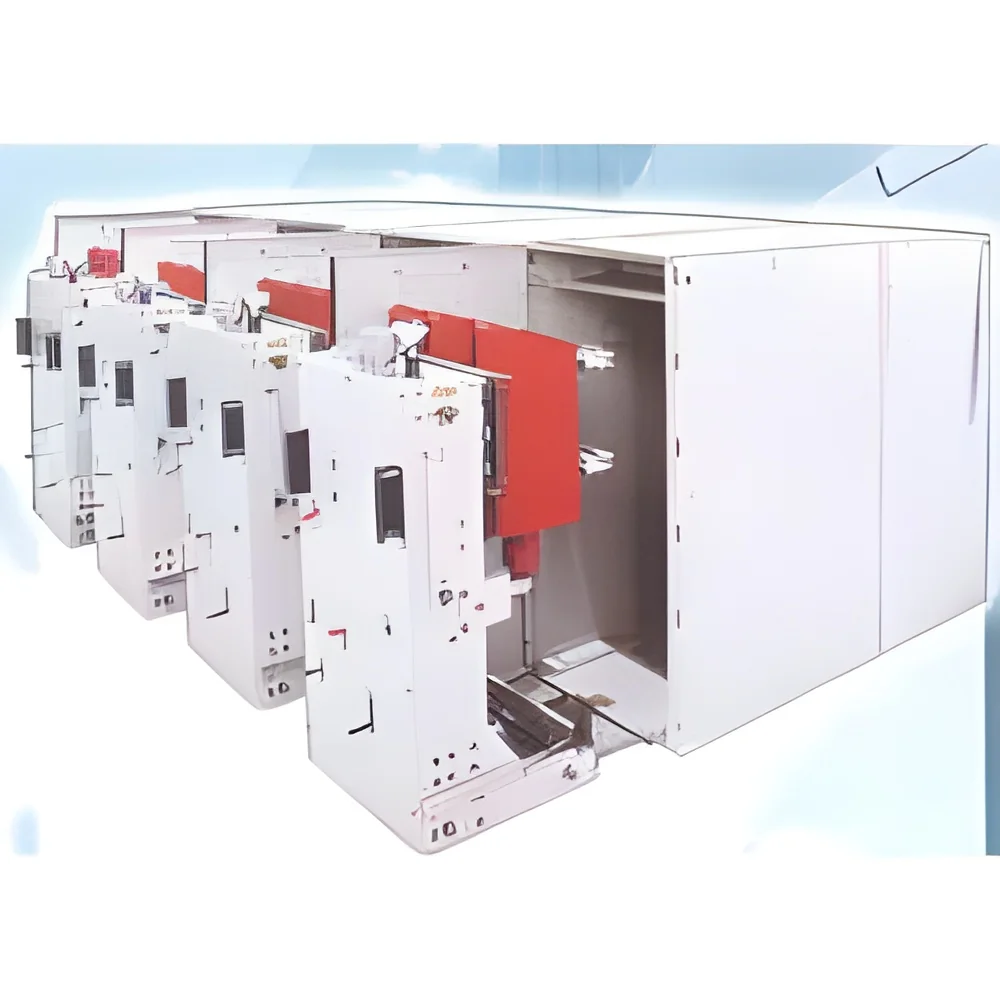
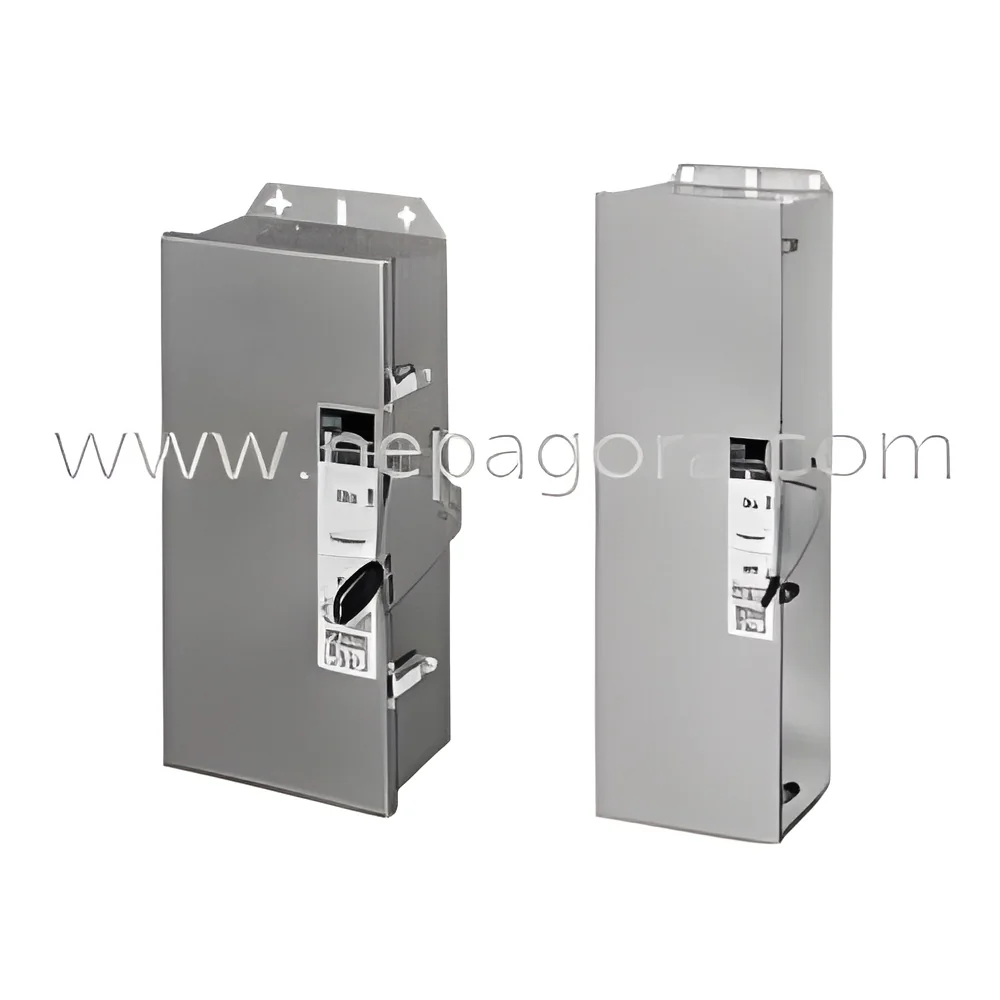
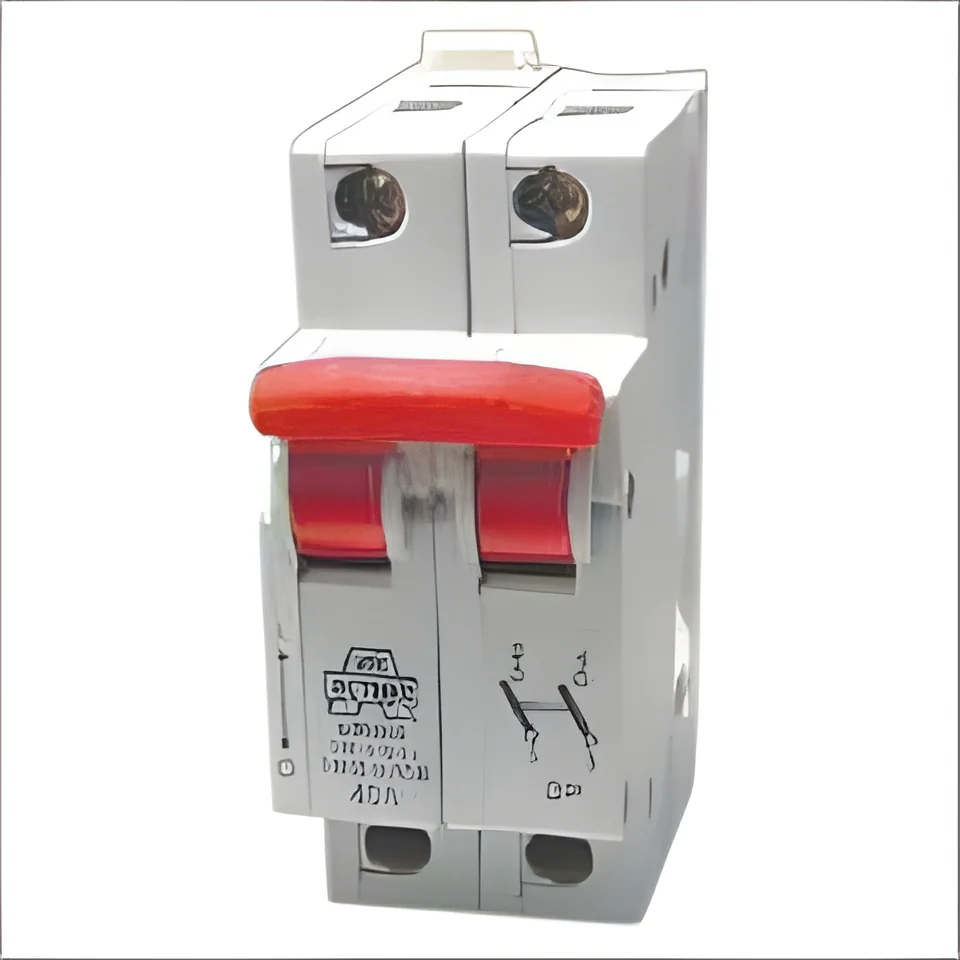
What are Thermal Magnetic Circuit Breakers?
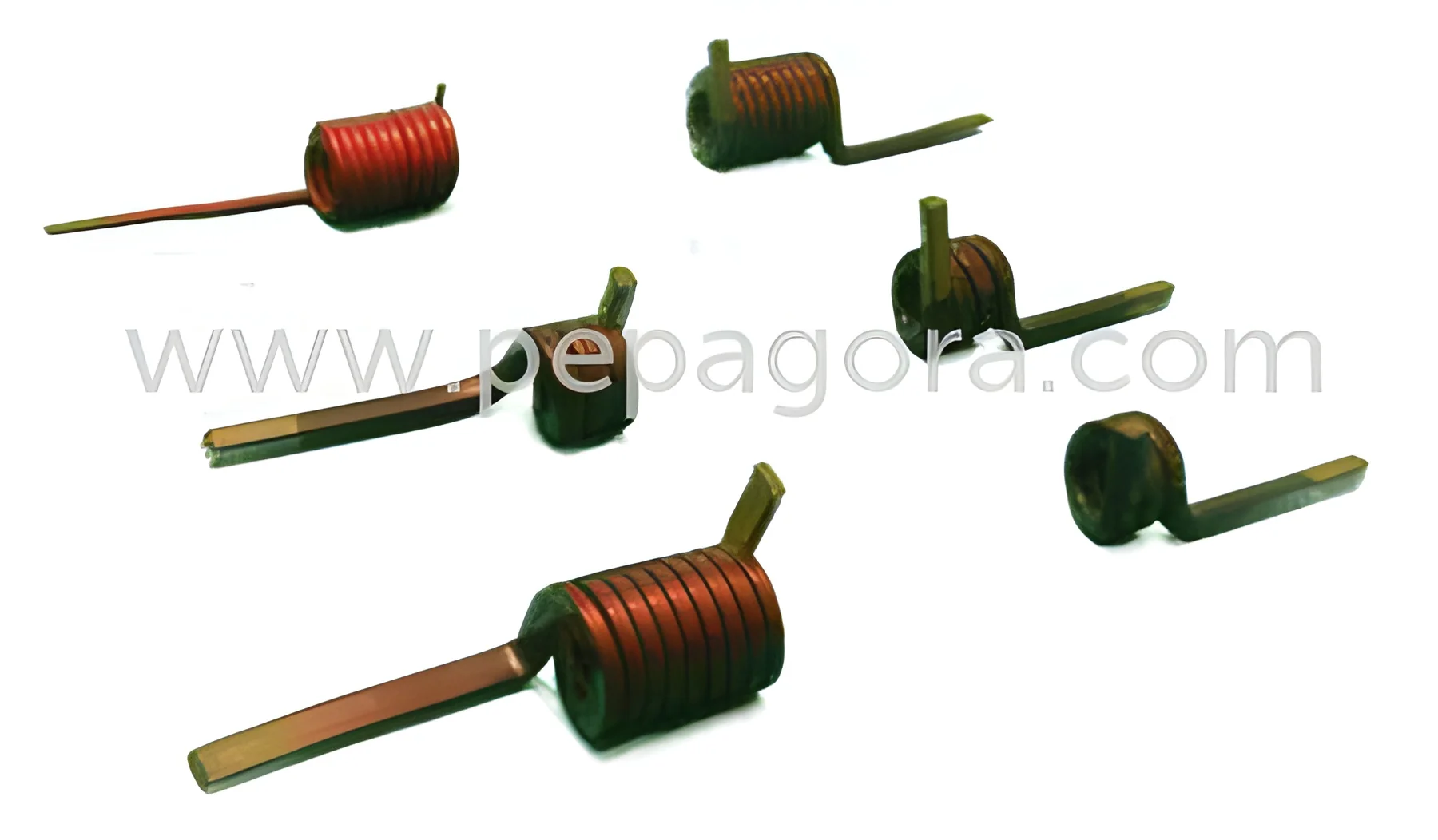
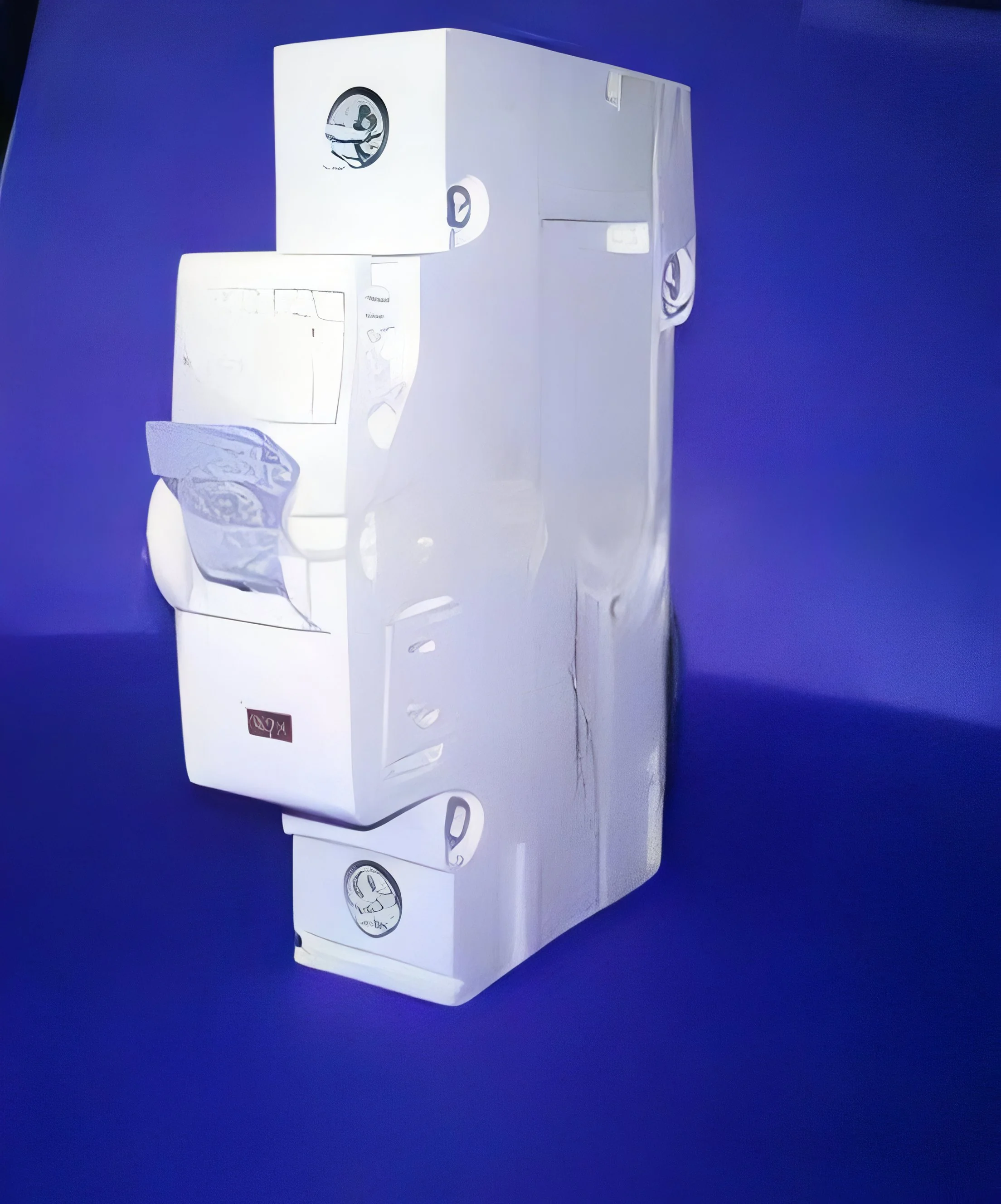
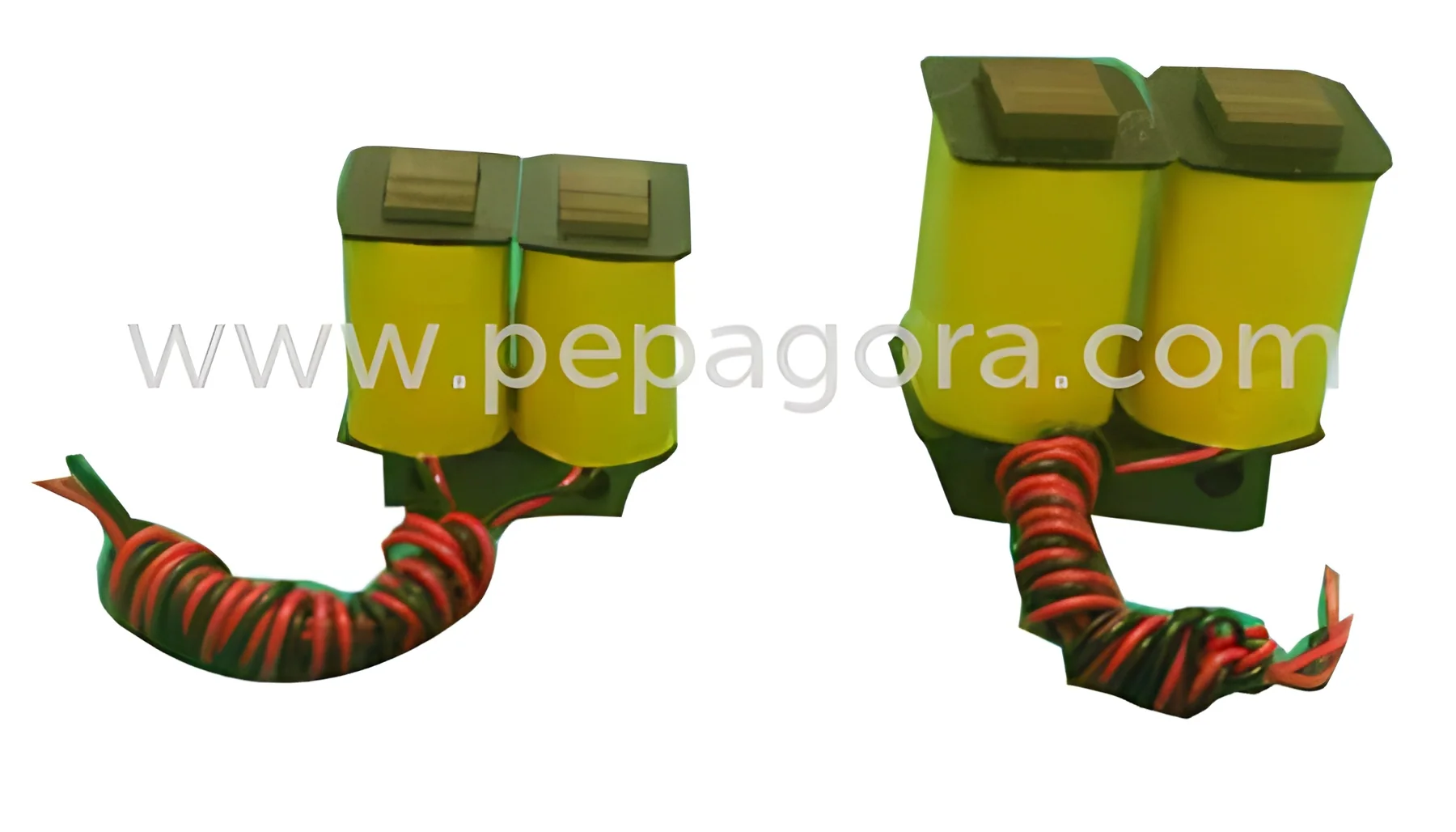
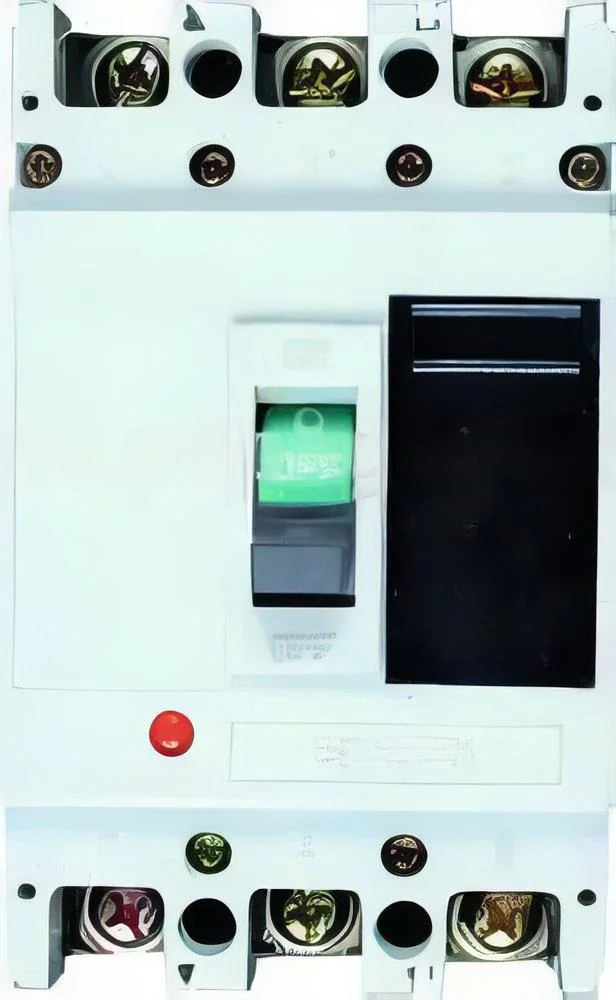
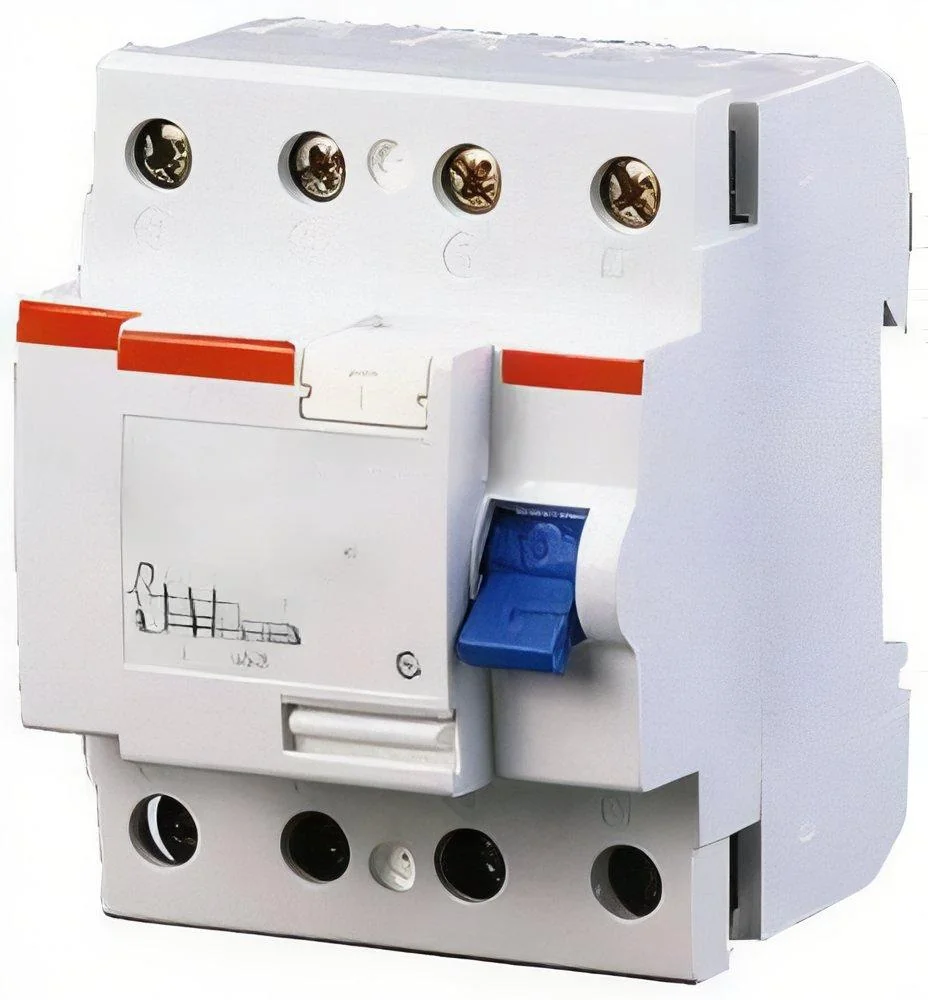
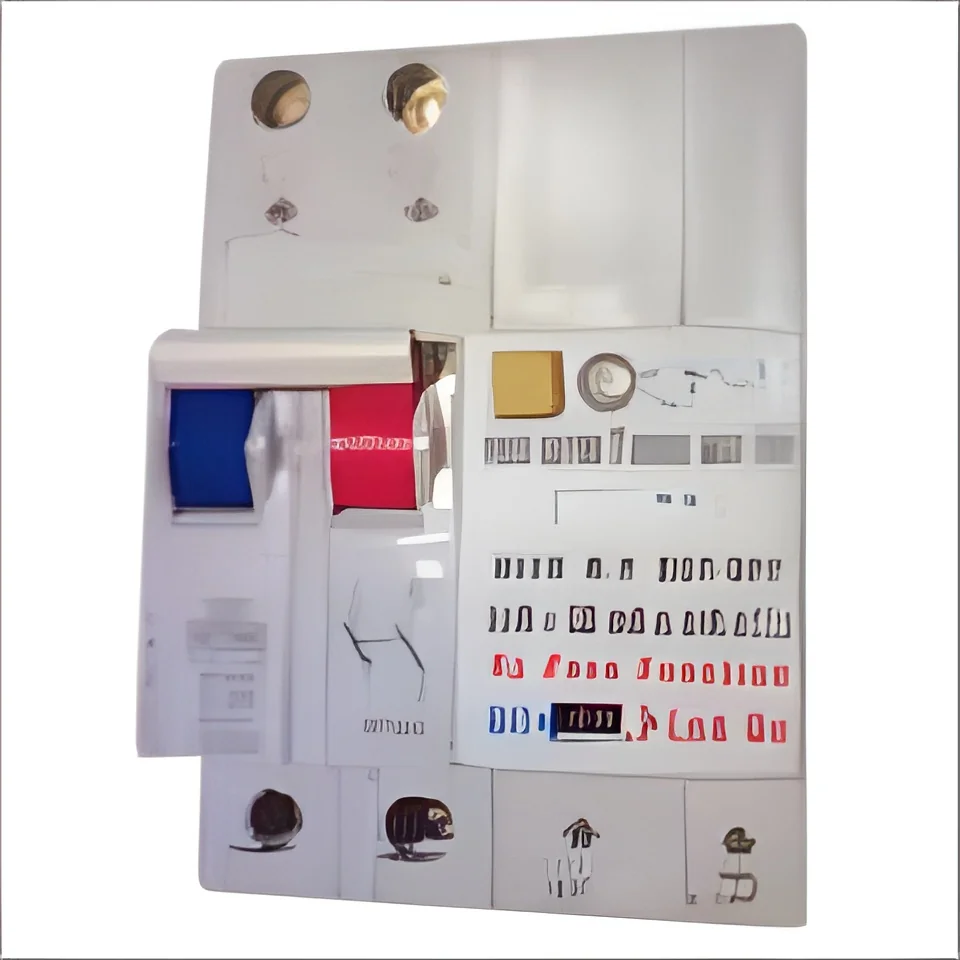
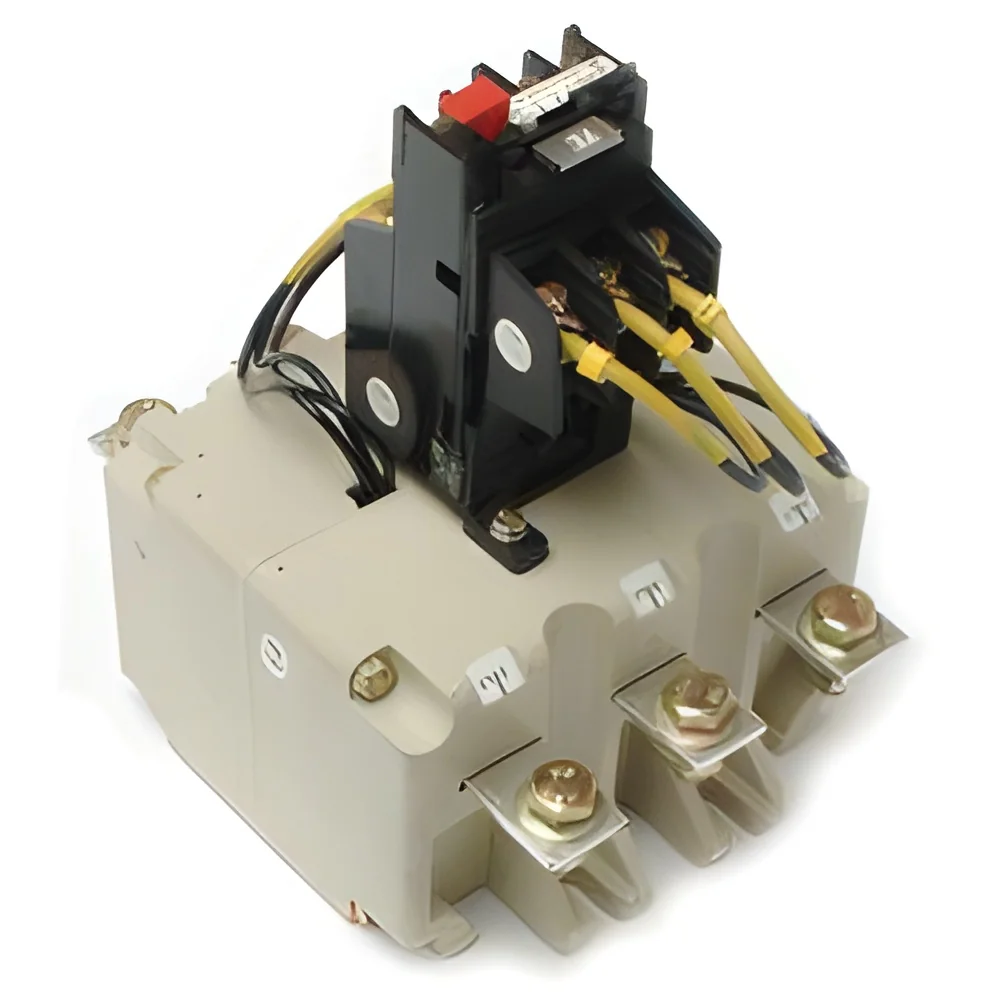
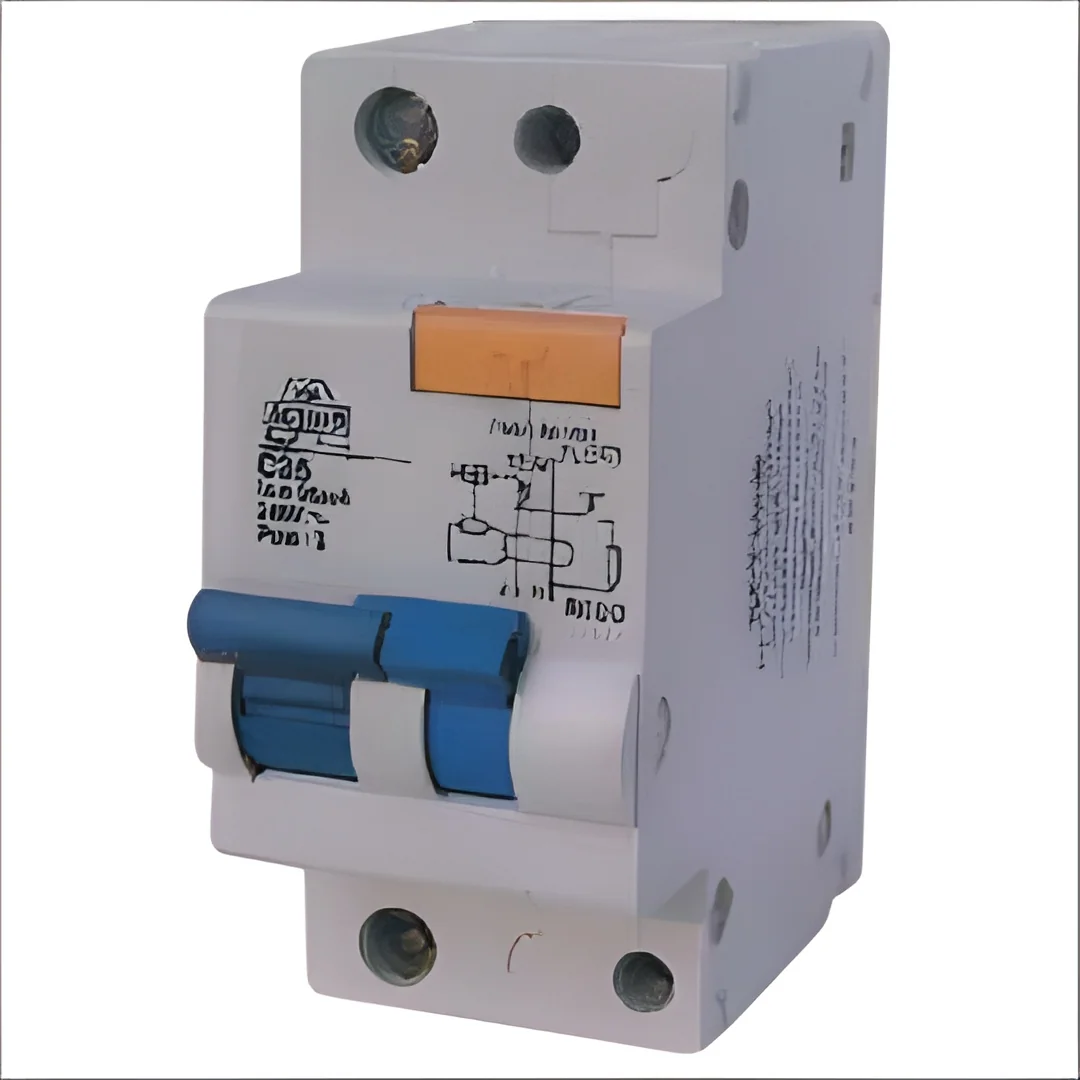
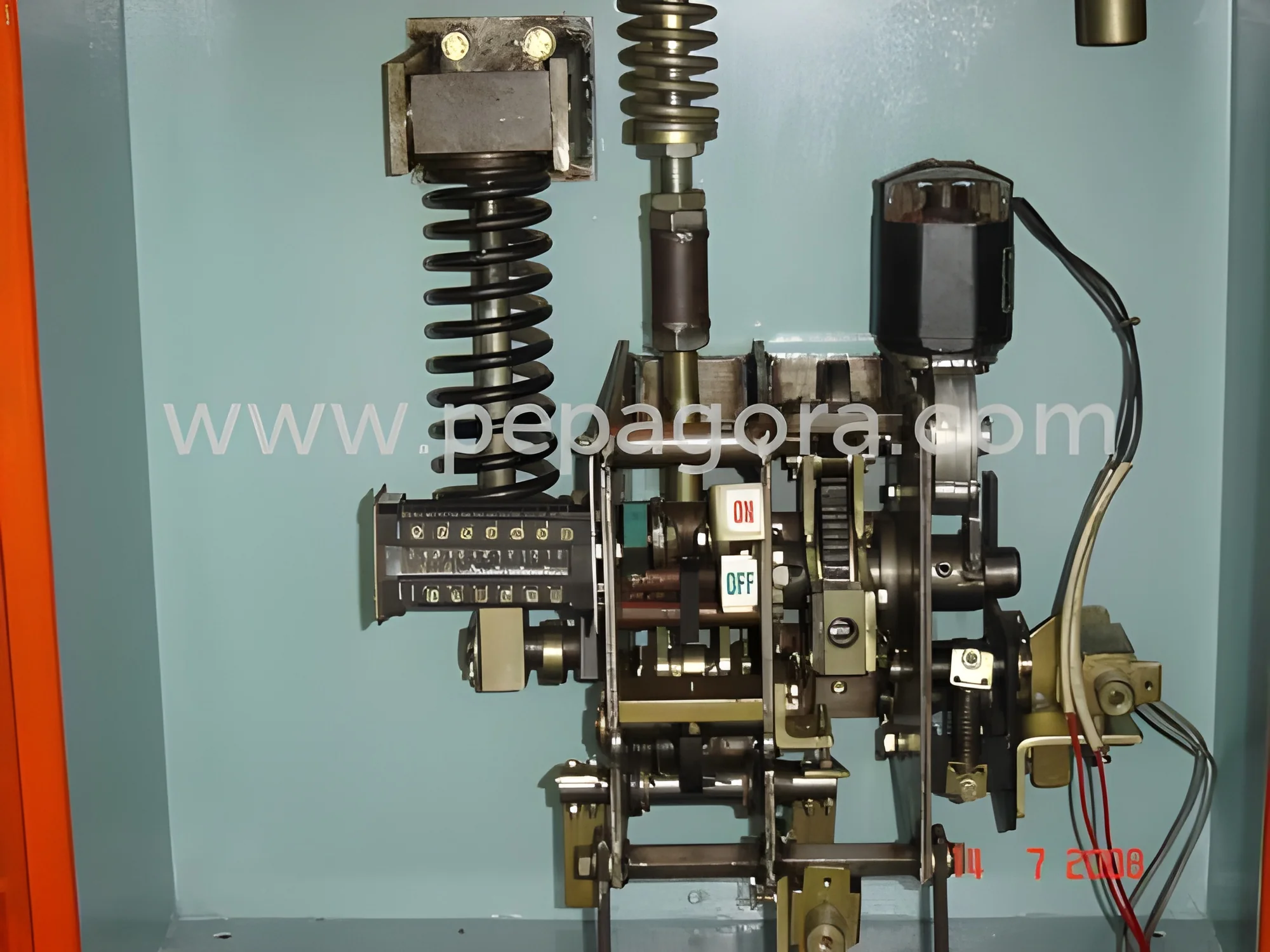
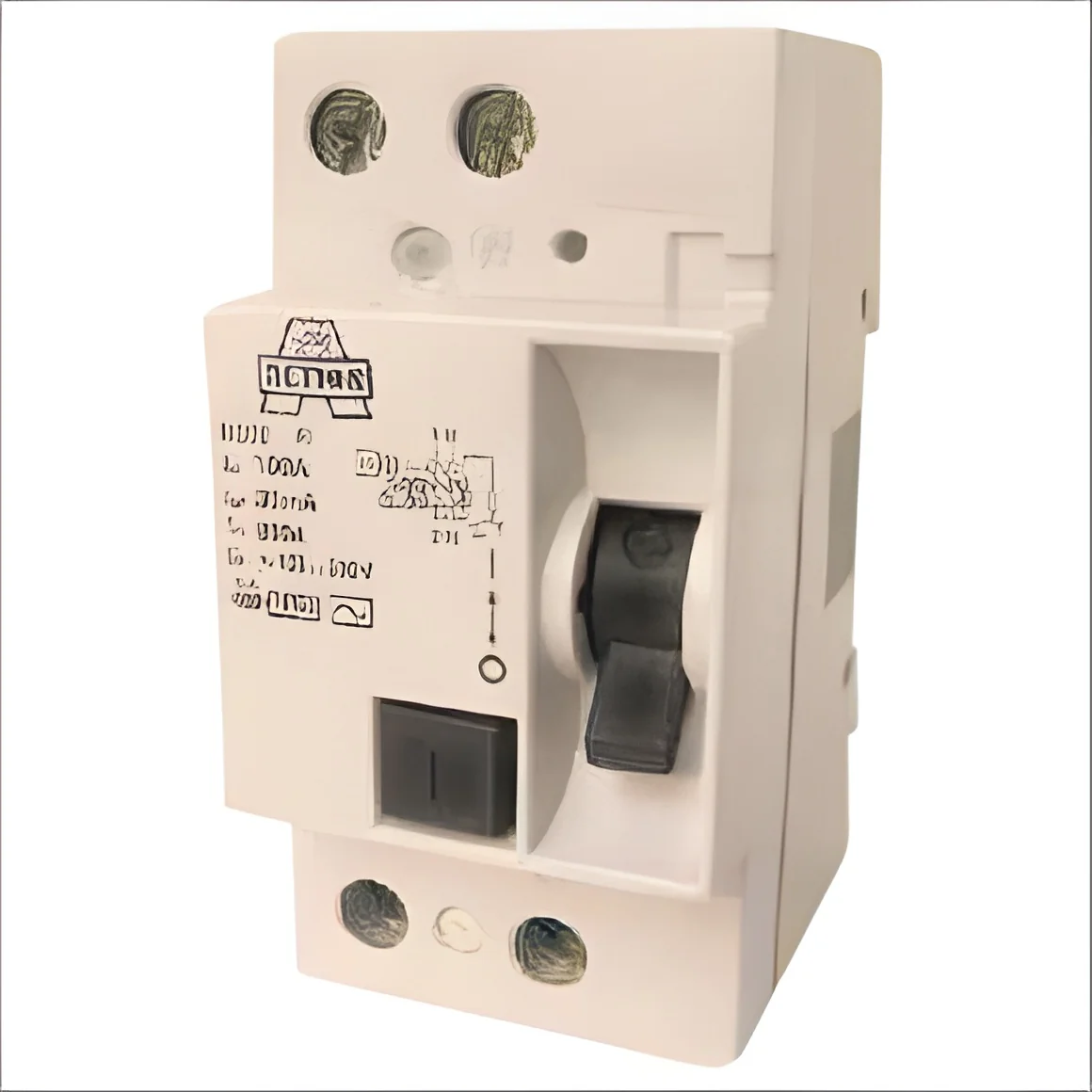
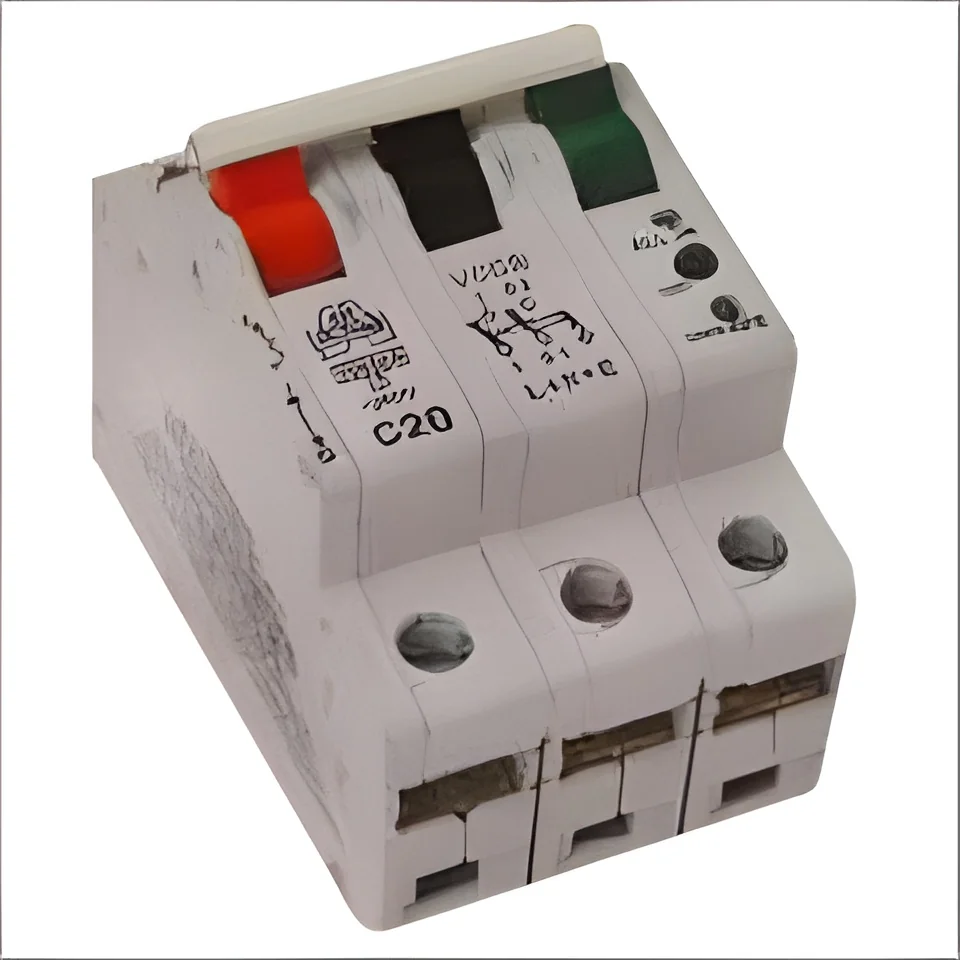
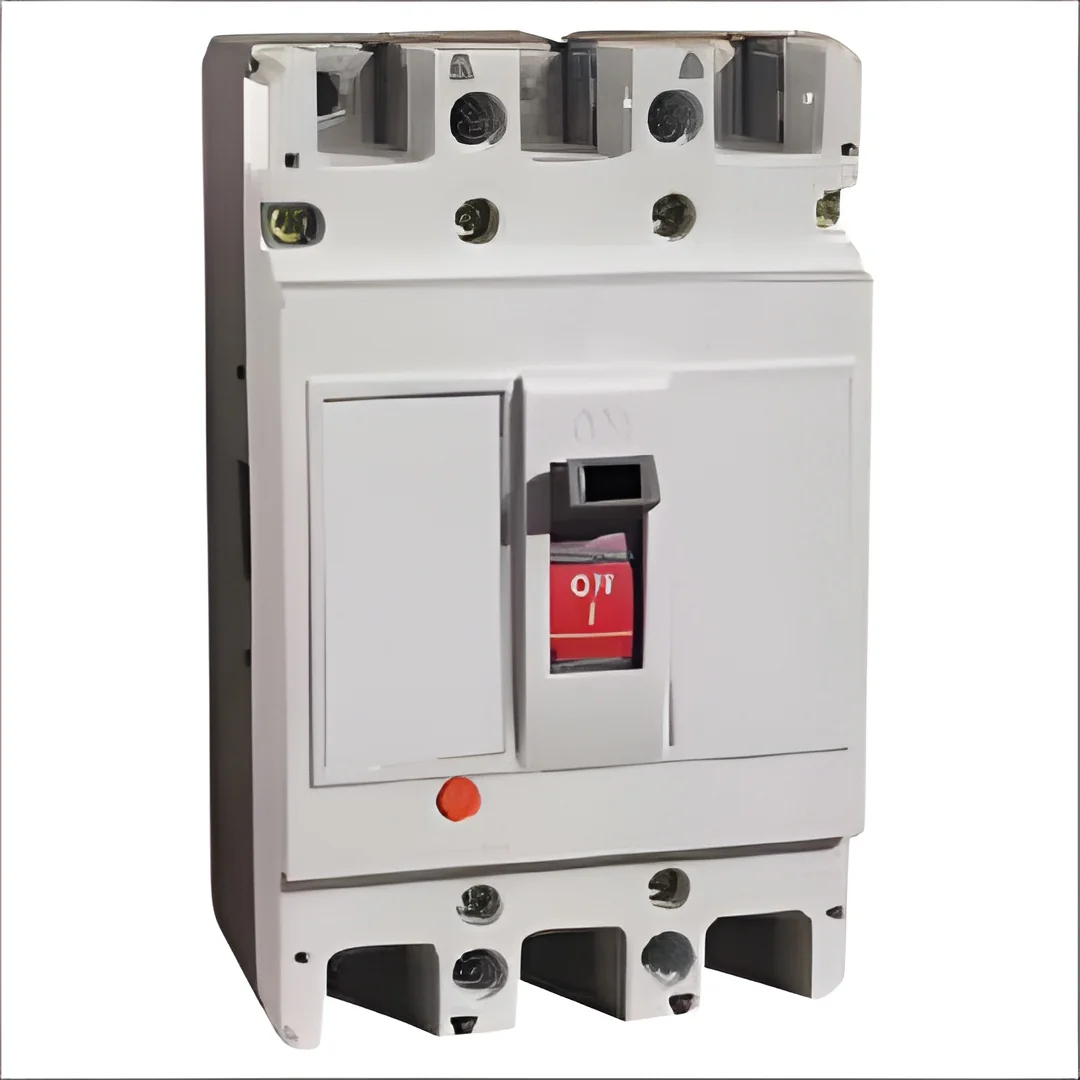
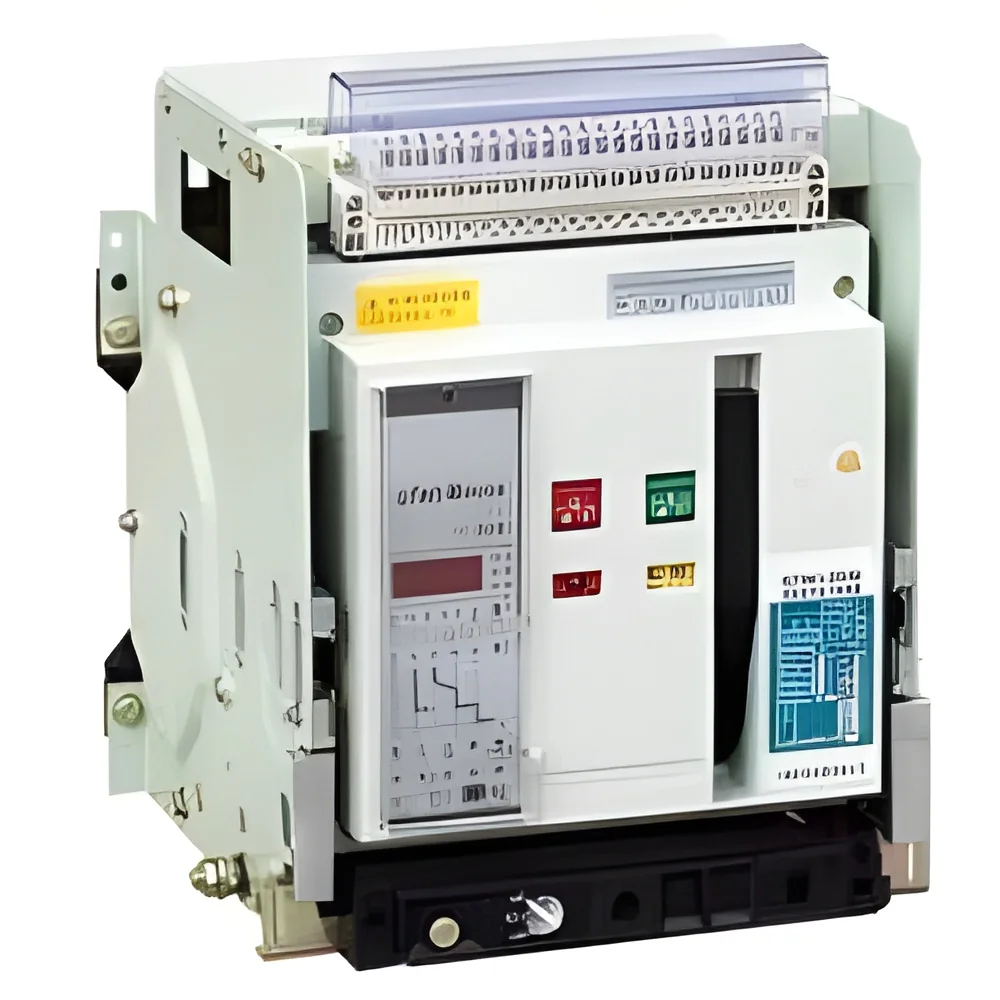
Thermal magnetic circuit breakers are essential electrical devices designed to protect electrical circuits from overloads and short circuits. They combine two fundamental protection mechanisms: thermal and magnetic. The thermal element responds to prolonged overloads by using a bimetallic strip that bends and trips the circuit when it reaches a certain temperature. The magnetic element provides protection against short circuits by using an electromagnetic mechanism that trips the circuit instantaneously when it detects a surge in current.
These circuit breakers are commonly used in various industrial applications, including manufacturing, commercial buildings, and residential installations. They serve as a critical safety measure to prevent electrical fires and equipment damage. In business contexts, thermal magnetic circuit breakers ensure operational efficiency by safeguarding machinery and electrical systems. Their reliability and efficiency are vital in maintaining uptime and minimizing operational risks.
The market for thermal magnetic circuit breakers is growing as industries increasingly focus on safety and energy efficiency. As businesses invest in modern electrical systems, the demand for reliable circuit protection solutions continues to rise. This trend highlights the importance of thermal magnetic circuit breakers in ensuring the safety and efficiency of electrical installations across various sectors.
Key Features and Specifications
Thermal magnetic circuit breakers offer several key features that enhance their functionality and reliability. Understanding these specifications helps buyers make informed decisions.
Key specifications include:
1. Voltage Rating
- Determines the maximum voltage the circuit breaker can handle.
- Common ratings include 120V, 240V, and 480V.
2. Current Rating
- Indicates the maximum continuous current the breaker can carry without tripping.
- Typical ranges vary from 1A to 100A or more.
3. Tripping Characteristics
- Defines the response time of the circuit breaker to overloads and short circuits.
- Includes various curves like B, C, and D, which cater to different applications.
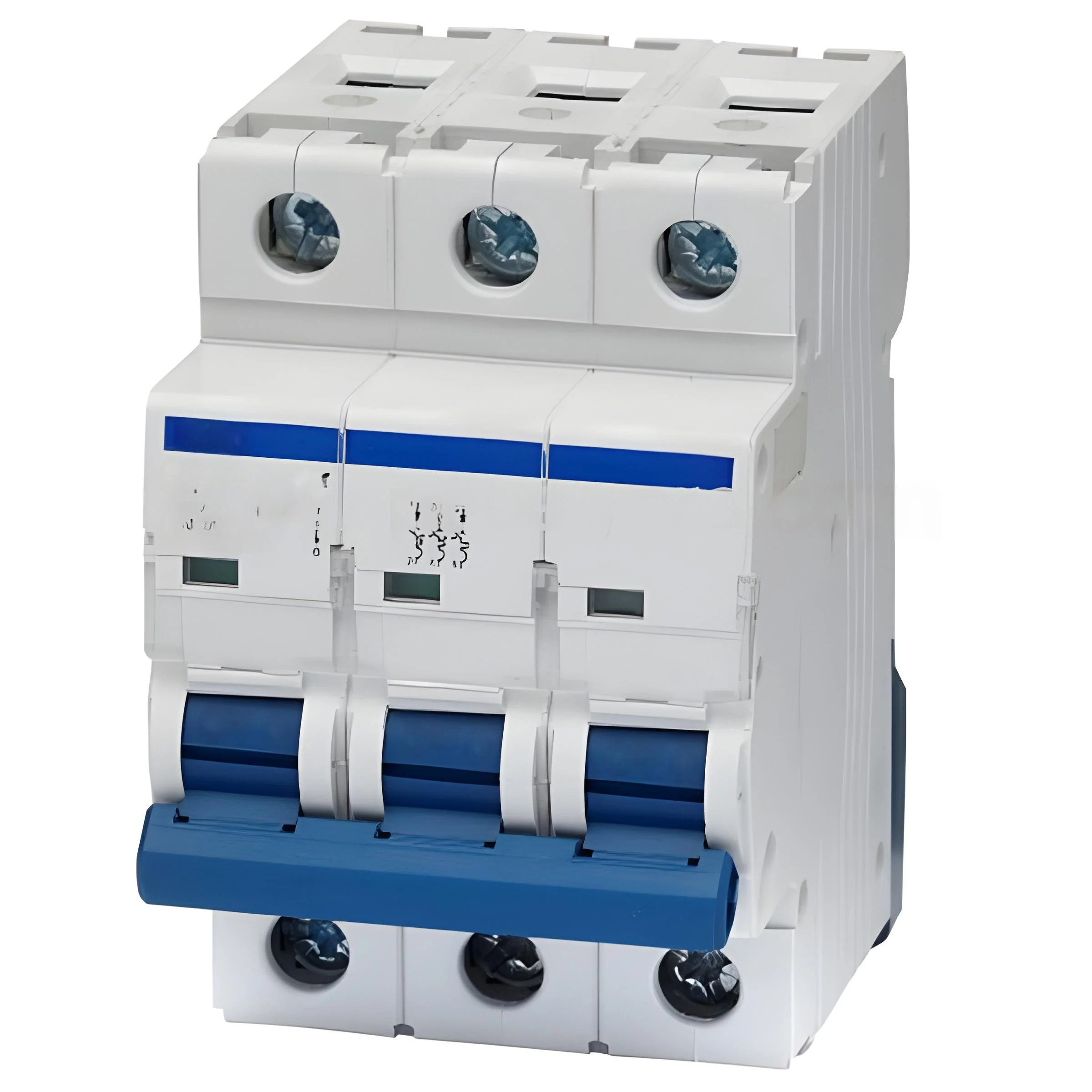
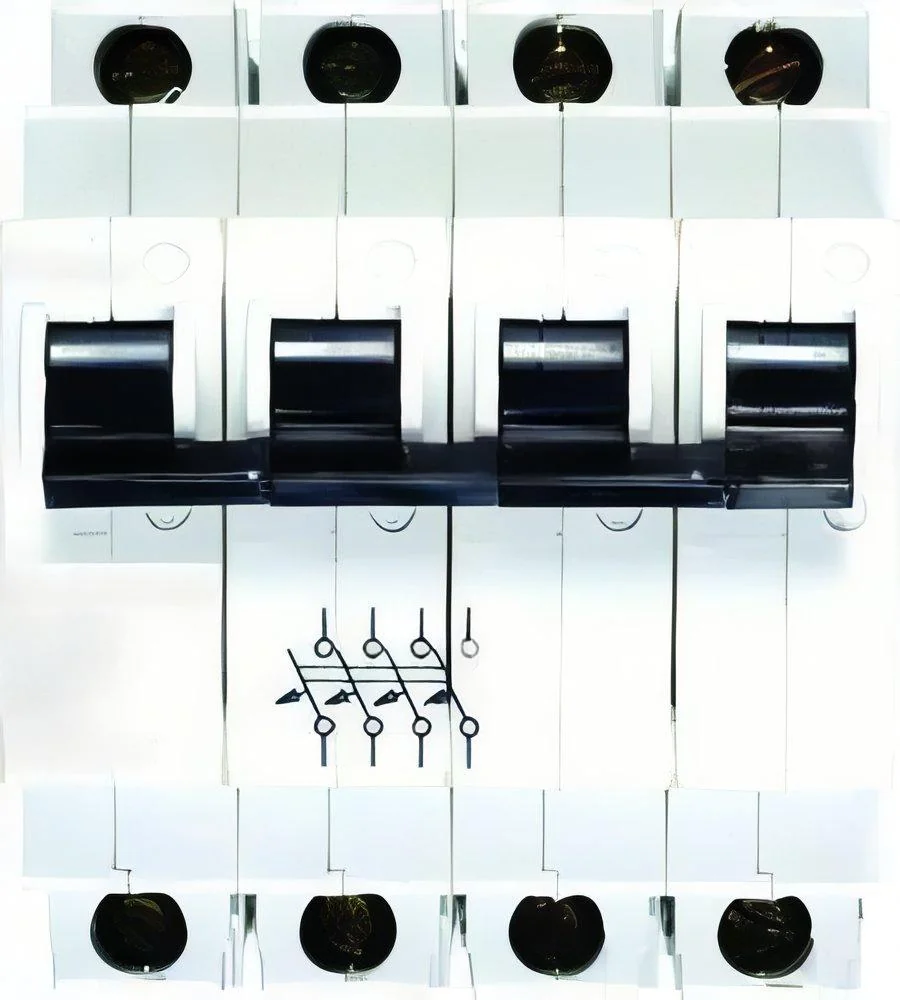
4. Number of Poles
- Refers to the number of circuits the breaker can protect.
- Available in single-pole, double-pole, and three-pole configurations.
5. Mounting Type
- Indicates how the circuit breaker is installed.
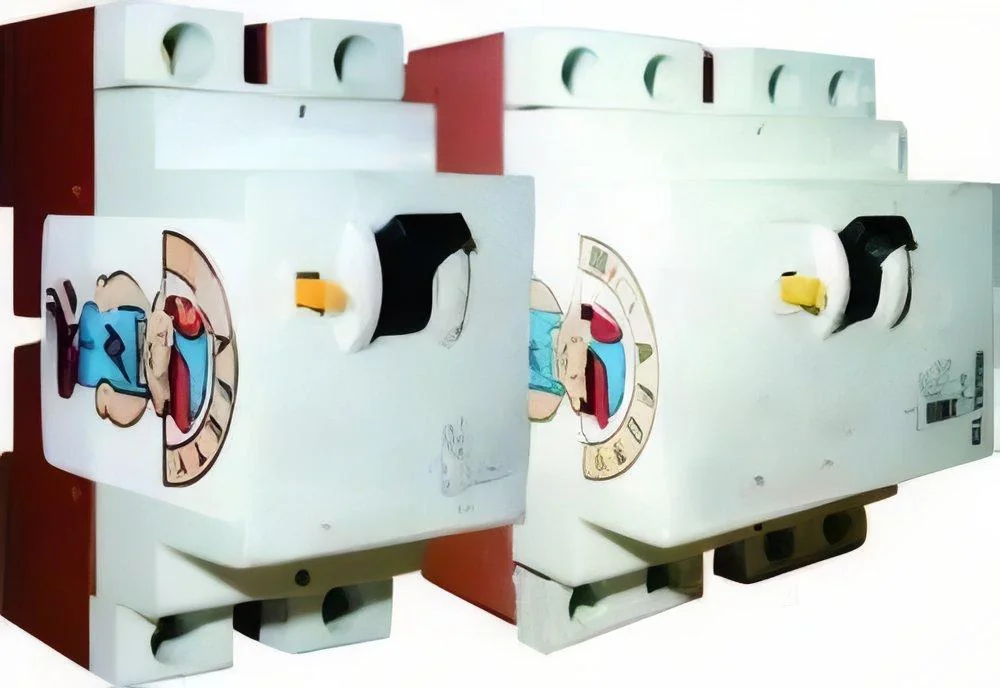
- Options include panel-mounted and DIN rail-mounted.
6. Operating Temperature Range
- Specifies the temperature conditions under which the circuit breaker operates effectively.
- Typically ranges from -20 to +60 degrees Celsius.
7. Certification
- Ensures compliance with industry standards and safety regulations.
- Common certification includes CE marking.
8. Dimensions
- Refers to the physical size of the circuit breaker.
- Important for fitting into panels or enclosures.
These specifications collectively determine the suitability of thermal magnetic circuit breakers for various applications and environments.
Common Applications and Use Cases
Thermal magnetic circuit breakers are versatile and find applications across multiple industries.
1. Manufacturing: Used to protect machinery and equipment from electrical faults, ensuring continuous operation and safety.
2. Commercial Buildings: Essential for safeguarding electrical systems in offices, retail spaces, and hospitality facilities against overloads.
3. Residential Installations: Commonly used in homes to protect circuits, ensuring safety for appliances and electronic devices.
4. Renewable Energy: Employed in solar and wind power systems to provide reliable circuit protection.
5. Data Centers: Critical for protecting sensitive equipment from electrical surges and ensuring operational reliability.
6. Transportation: Used in rail systems and vehicles to protect electrical systems from faults.
7. Construction: Essential for temporary power setups on construction sites to ensure safety during operations.
Product Variants and Subcategories
Thermal magnetic circuit breakers come in different variants to cater to specific needs and applications within the electrical market.
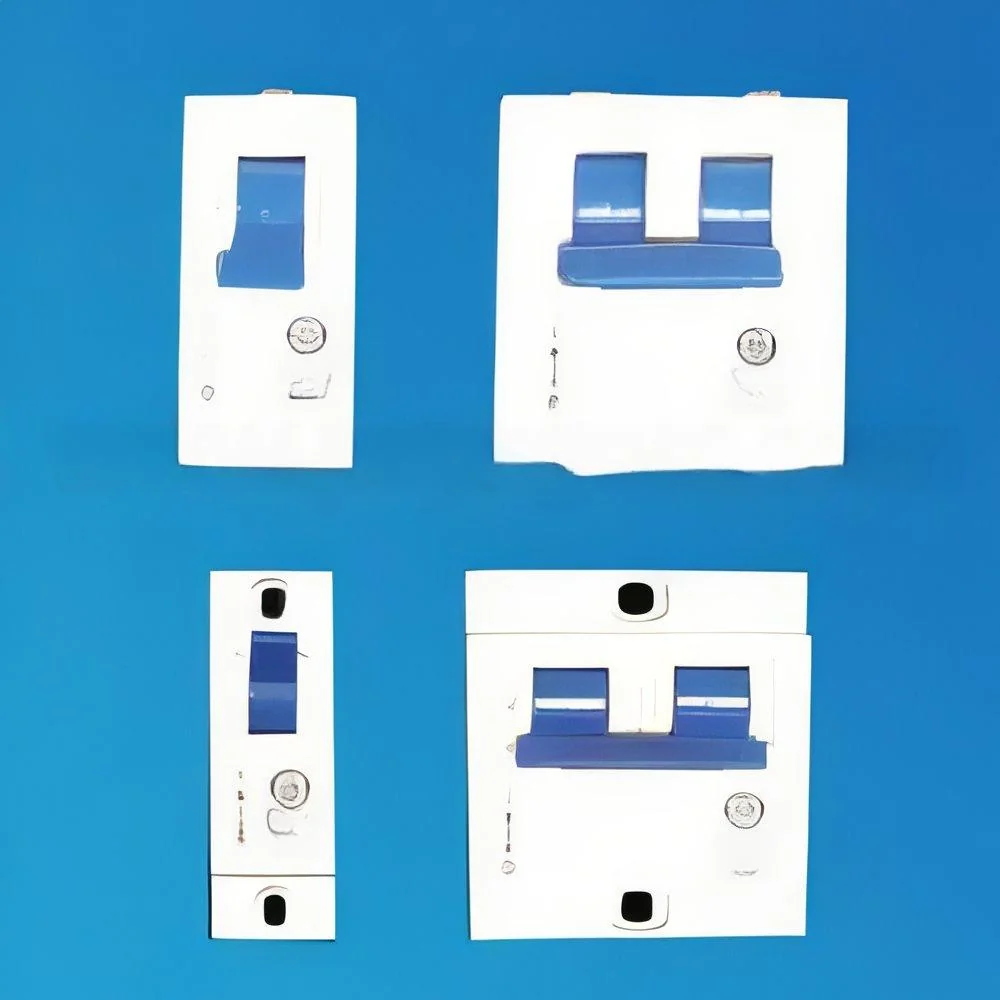
Single-Pole Circuit Breakers
These are designed to protect single-phase circuits. They are compact and suitable for residential and light commercial applications where space is limited.
Double-Pole Circuit Breakers
Commonly used for two-phase circuits, these breakers provide a higher level of protection for heavier loads, making them ideal for commercial equipment and appliances.
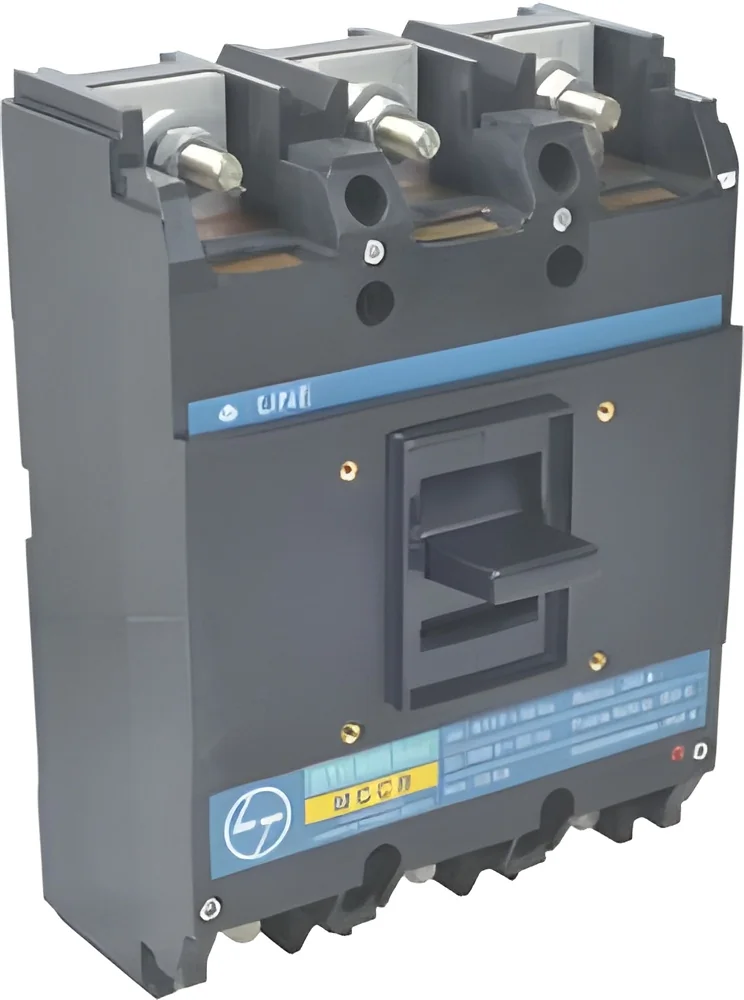
Three-Pole Circuit Breakers
Designed for three-phase systems, these breakers are essential in industrial applications where large machinery and equipment operate. They ensure balanced load distribution and effective protection.
Benefits and Advantages
Thermal magnetic circuit breakers provide numerous advantages that make them a popular choice for various applications.
1. Enhanced Safety: They protect against overloads and short circuits, reducing the risk of electrical fires and equipment damage.
2. Quick Response Time: The combination of thermal and magnetic protection allows for fast tripping in case of faults, ensuring immediate disconnection of power.
3. Versatility: Available in various ratings and configurations, they cater to a wide range of applications across different industries.
4. User-Friendly: Easy to install and reset, these breakers simplify maintenance and operation for users.
5. Cost-Effective: By preventing damage to electrical systems and equipment, thermal magnetic circuit breakers help save costs associated with repairs and downtime.
6. Compliance: Many models meet international safety standards, providing peace of mind for businesses regarding regulatory requirements.
Buying Guide for B2B Buyers
When sourcing thermal magnetic circuit breakers, several key factors should be considered to ensure that the right products are selected for specific needs.
1. Quality Assessment: Evaluate the quality of the circuit breakers by reviewing manufacturer specifications, customer reviews, and testing certifications. High-quality products can enhance safety and reliability.
2. Supplier Verification: Vet suppliers to ensure they have a solid reputation and provide reliable products. Look for certifications and industry experience to gauge trustworthiness.
3. Pricing and MOQ: Consider the cost of circuit breakers and the minimum order quantity (MOQ) required by suppliers. Compare prices across different vendors to find competitive options.
4. Delivery and Lead Times: Assess the logistics involved in sourcing. Understand the expected lead times for delivery to ensure timely project execution.
5. Compliance Requirements: Ensure that the circuit breakers meet relevant regulatory and compliance standards for your industry. This may include certifications like CE, which guarantee safety and quality.
Compliance and Certifications
Thermal magnetic circuit breakers are subject to a range of compliance standards and certifications that ensure their safety and reliability.
One of the key quality standards applicable is ISO 9001, which focuses on quality management systems. This certification ensures that the manufacturing processes adhere to international quality benchmarks.
In addition, many thermal magnetic circuit breakers carry the CE mark, indicating compliance with European safety, health, and environmental protection standards. This is crucial for businesses operating within the European Union or exporting products to that region.
Safety and testing requirements vary by region but typically include assessments for electrical and thermal performance. Compliance with these standards is essential for ensuring that the products are safe for use in various applications.
Regional compliance considerations may also come into play, as different markets may have specific regulations that must be met. Understanding these requirements is critical for manufacturers and purchasers alike.
Why Source Thermal Magnetic Circuit Breakers from Pepagora?
Pepagora offers a trusted platform for sourcing thermal magnetic circuit breakers with several key advantages that benefit businesses.
Verified Supplier Network: Pepagora connects buyers with a verified network of suppliers, ensuring that all listed products meet stringent quality and safety standards. This verification process helps businesses make informed purchasing decisions.
Streamlined RFQ Process: The Request for Quotation (RFQ) system simplifies the sourcing process. Buyers can easily request quotes from multiple suppliers, allowing for better comparisons and efficient decision-making.
Trade Assurance and Support: Pepagora provides trade assurance and support, protecting buyers throughout the purchasing process. This includes assistance with logistics, payment security, and dispute resolution, ensuring a smooth transaction experience.
Regional Coverage: With a strong presence in India, the GCC, and Southeast Asia, Pepagora caters to a wide geographic audience. This regional coverage ensures that businesses can access thermal magnetic circuit breakers suited to their specific market needs, further enhancing operational efficiency.

 IN
IN