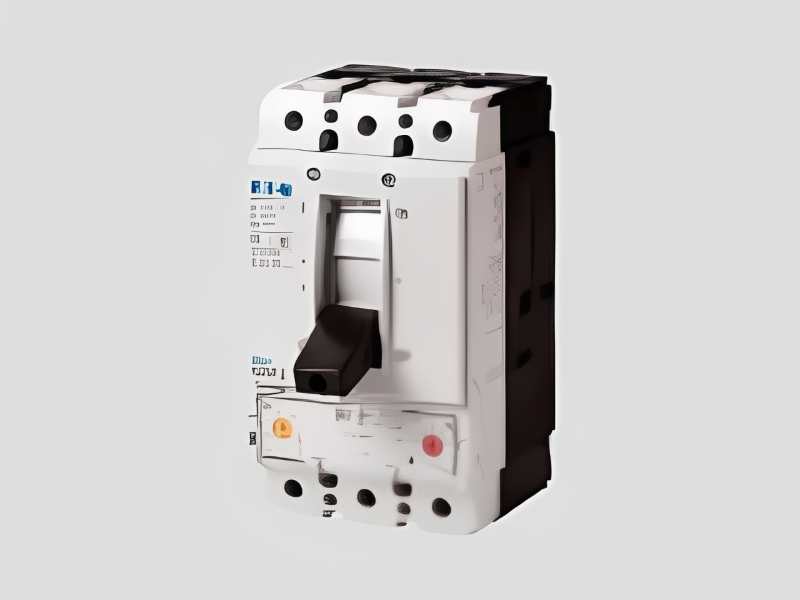
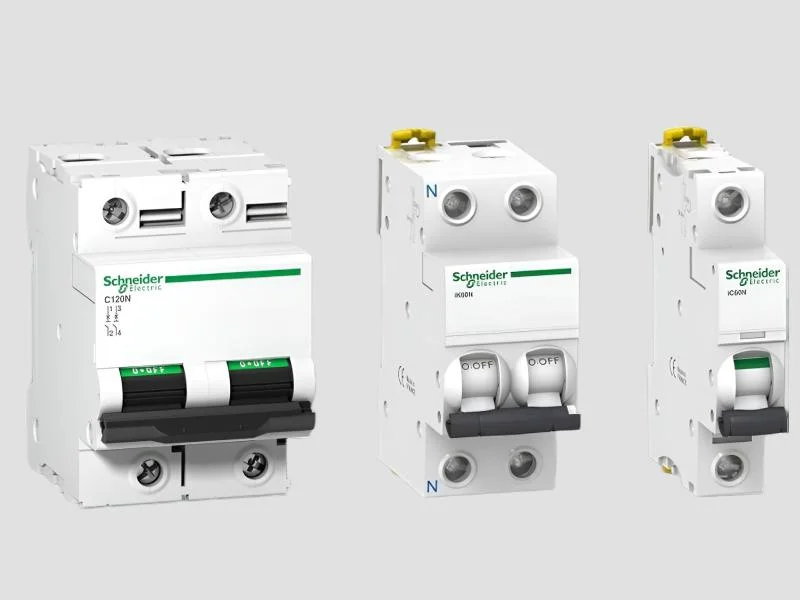
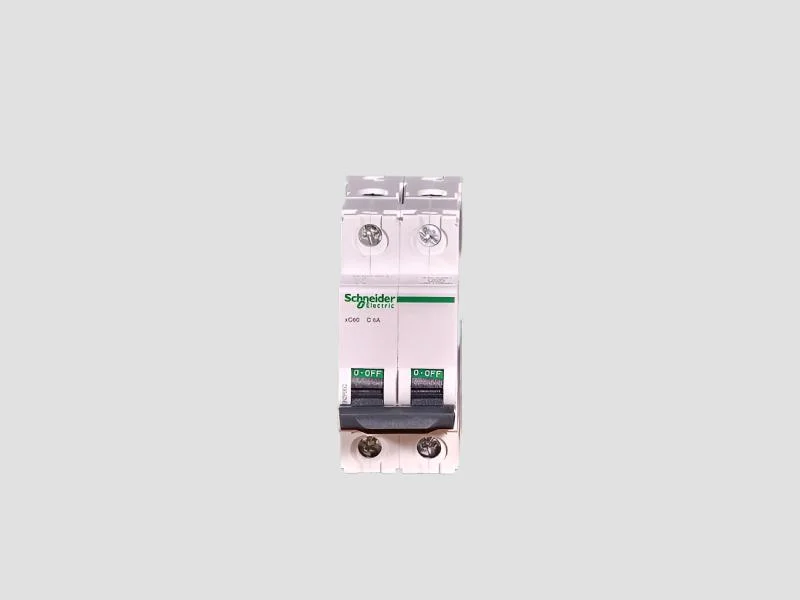
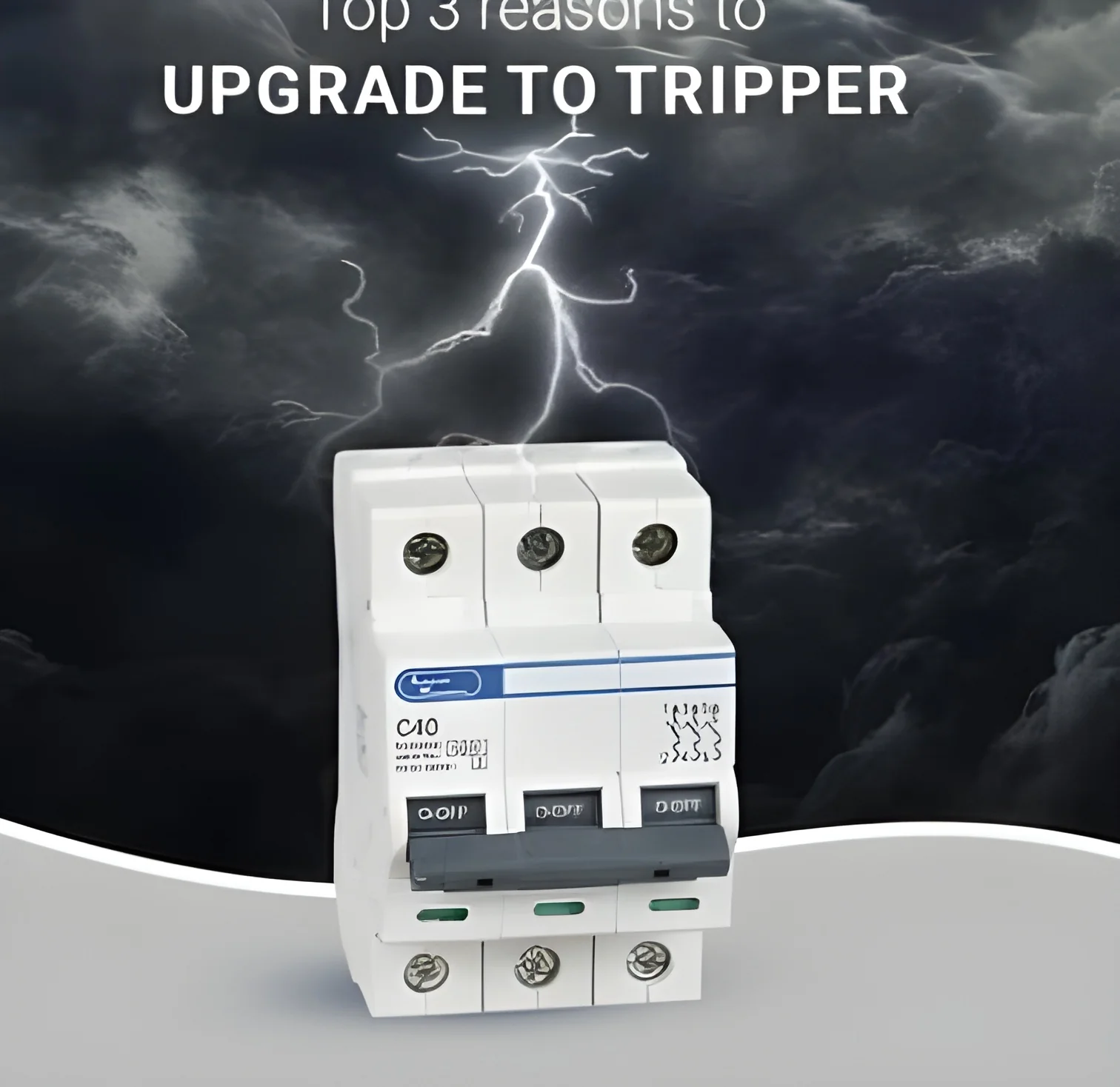
What are Miniature Circuit Breakers (MCBs)?
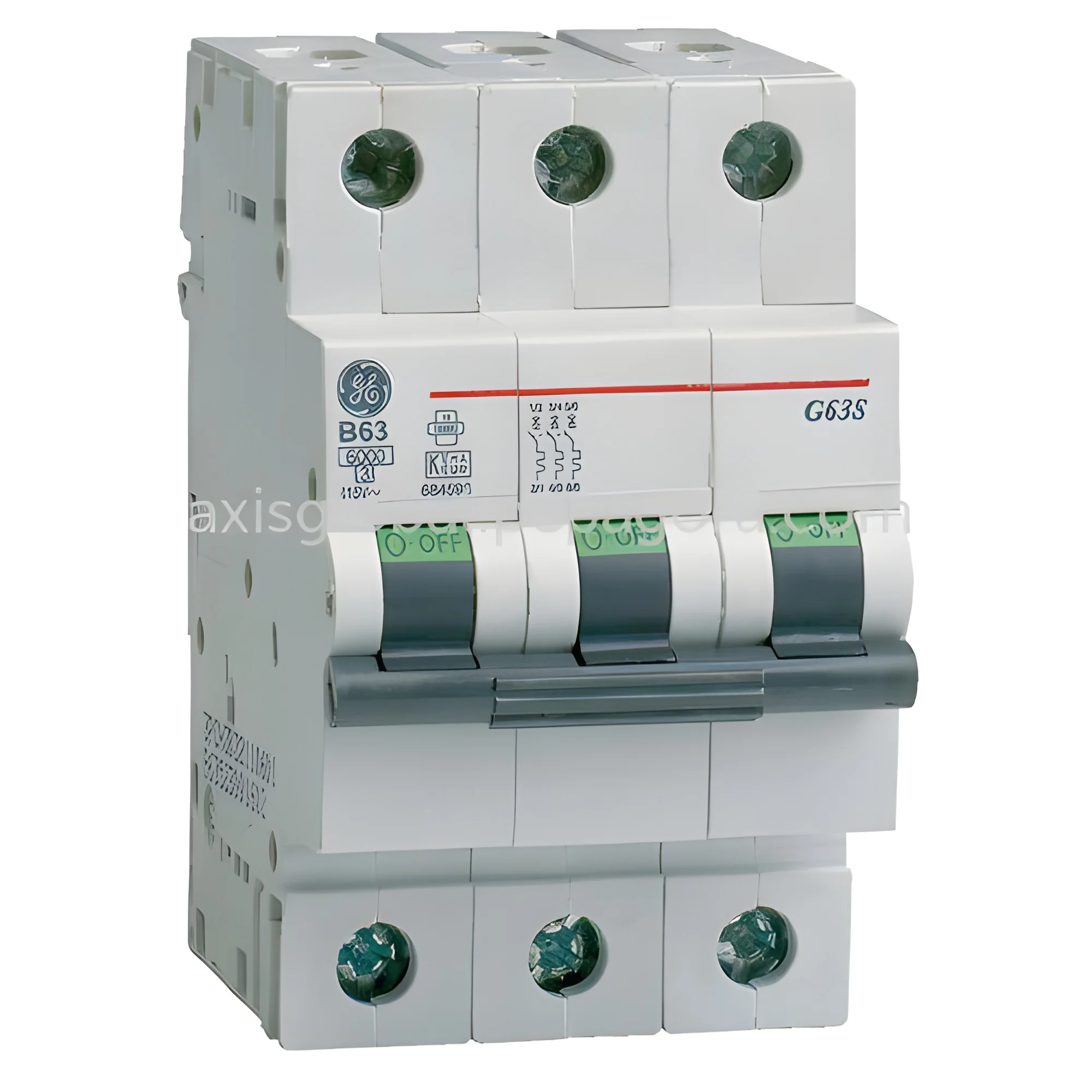
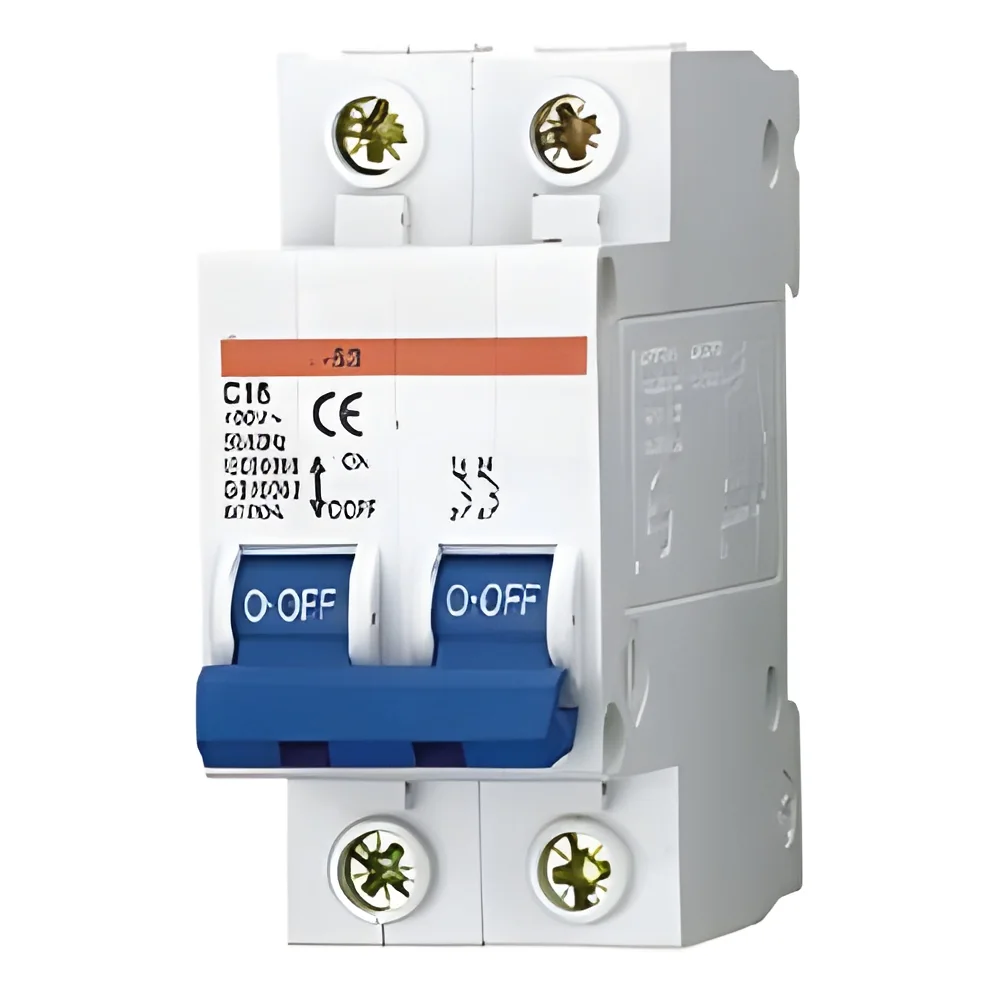
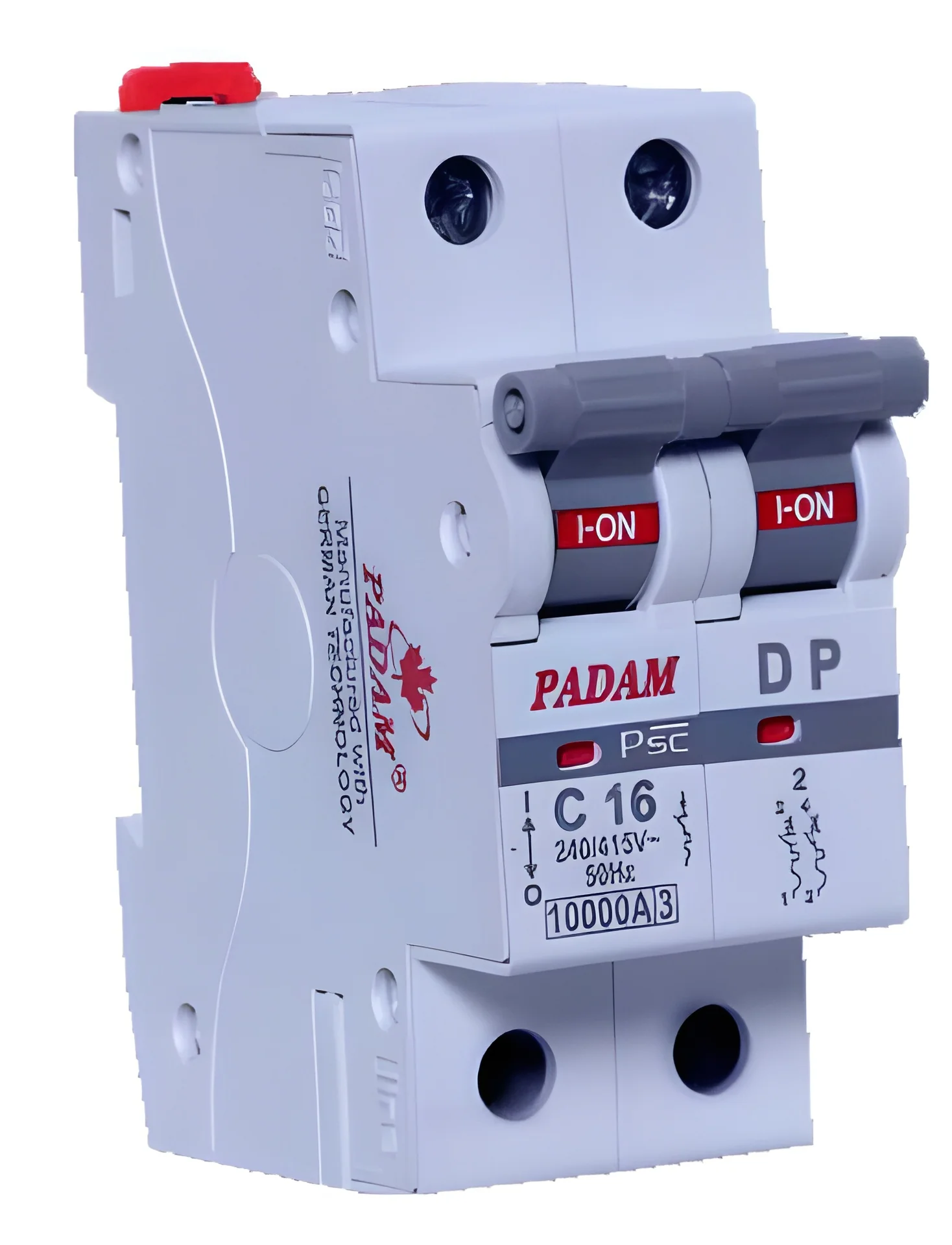
Miniature Circuit Breakers (MCBs) are essential electrical devices designed to protect electrical circuits from overloads and short circuits. They automatically switch off the electrical supply when they detect fault conditions, preventing damage to equipment and reducing the risk of fire. MCBs serve as a reliable alternative to traditional fuses, offering quicker response times and the ability to be reset rather than replaced.
These devices are widely used in residential, commercial, and industrial applications. MCBs are integral to power distribution panels, ensuring safety and efficiency in electrical installations. Their compact size makes them suitable for various settings, from small homes to large factories. In the current market, the demand for MCBs is driven by increasing safety regulations and the growing need for reliable electrical protection in various industries.
๐๐ฒ๐ ๐๐ฒ๐ฎ๐๐๐ฟ๐ฒ๐ ๐ฎ๐ป๐ฑ ๐ฆ๐ฝ๐ฒ๐ฐ๐ถ๐ณ๐ถ๐ฐ๐ฎ๐๐ถ๐ผ๐ป๐
Miniature Circuit Breakers (MCBs) come with several key features that enhance their performance and reliability. Understanding these specifications is crucial for selecting the right MCB for a specific application.
Key specifications include:
1. Rated Current
- Indicates the maximum current the MCB can handle without tripping.
- Common ranges include 1A to 63A.
2. Tripping Curve
- Defines the MCB's response time to overcurrent conditions.
- Types include B, C, and D curves, suitable for different applications.
3. Breaking Capacity
- The maximum fault current an MCB can interrupt safely.
- Typically ranges from 3kA to 100kA.
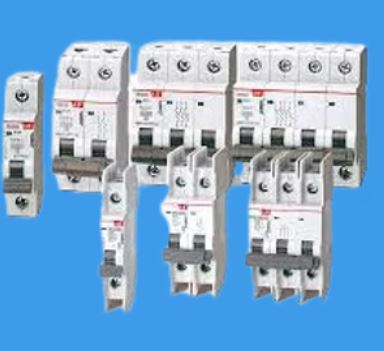
4. Number of Poles
- Indicates the number of circuits the MCB can protect.
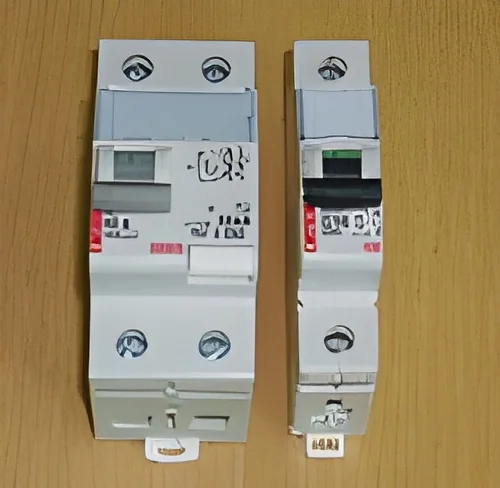
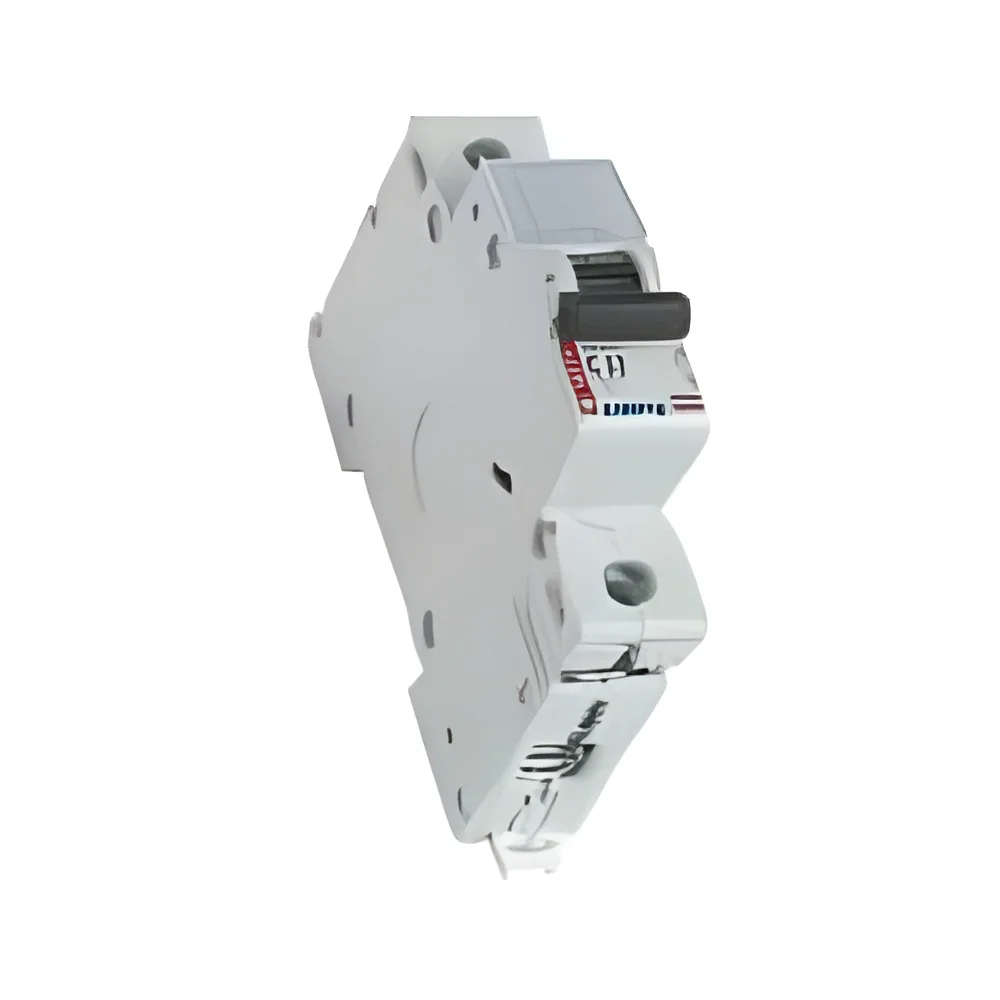
- Available in single, double, triple, or four-pole configurations.
5. Voltage Rating
- The maximum voltage the MCB can handle.
- Standard ratings include 230V, 400V, and 690V.
6. Operating Temperature
- The range of ambient temperatures in which the MCB can operate effectively.
- Generally between -5ยฐC to 40ยฐC.
7. Compliance Standards
- MCBs must adhere to international safety standards, such as IEC 60898.
8. Insulation Resistance
- Measures the resistance of the MCB to electrical leakage.
- A higher resistance indicates better performance.
In summary, the specifications of Miniature Circuit Breakers are critical to their functionality and safety in electrical systems. Proper selection ensures optimal protection and compliance with industry standards.
๐๐ผ๐บ๐บ๐ผ๐ป ๐๐ฝ๐ฝ๐น๐ถ๐ฐ๐ฎ๐๐ถ๐ผ๐ป๐ ๐ฎ๐ป๐ฑ ๐จ๐๐ฒ ๐๐ฎ๐๐ฒ๐
Miniature Circuit Breakers (MCBs) are versatile devices used across various industries to ensure electrical safety.
1. Residential: MCBs protect home electrical systems from overload and short circuits, ensuring the safety of household appliances and wiring.
2. Commercial: In office buildings and retail spaces, MCBs manage electrical loads and protect sensitive equipment from power surges.
3. Industrial: Factories and manufacturing facilities utilize MCBs to safeguard machinery and processes from electrical faults, enhancing operational safety.
4. Telecommunications: MCBs are used in telecom equipment to prevent damage from electrical disturbances, ensuring consistent service.
5. Data Centers: MCBs protect critical infrastructure by managing power loads and preventing outages that could disrupt operations.
6. Healthcare: In hospitals, MCBs safeguard medical equipment, ensuring reliability and safety in patient care.
7. Agriculture: MCBs are used in agricultural machinery and facilities to protect against electrical faults, ensuring smooth operations.
๐ฃ๐ฟ๐ผ๐ฑ๐๐ฐ๐ ๐ฉ๐ฎ๐ฟ๐ถ๐ฎ๐ป๐๐ ๐ฎ๐ป๐ฑ ๐ฆ๐๐ฏ๐ฐ๐ฎ๐๐ฒ๐ด๐ผ๐ฟ๐ถ๐ฒ๐
Miniature Circuit Breakers (MCBs) are available in various configurations to meet diverse application needs.
Standard MCBs
These are the most common variants, designed for general-purpose use in residential and commercial environments. They provide reliable protection against overloads and short circuits.
Type B MCBs
Specifically designed for residential applications, Type B MCBs trip at lower current levels, making them suitable for protecting lighting and other sensitive circuits.
Type C MCBs
Ideal for commercial and industrial settings, Type C MCBs can handle higher inrush currents and are used to protect equipment like motors and transformers.
Type D MCBs
These MCBs are designed for applications with high inrush currents, such as large motors. They offer robust protection for demanding industrial environments.
๐๐ฒ๐ป๐ฒ๐ณ๐ถ๐๐ ๐ฎ๐ป๐ฑ ๐๐ฑ๐๐ฎ๐ป๐๐ฎ๐ด๐ฒ๐
Miniature Circuit Breakers (MCBs) offer numerous advantages that make them a preferred choice for electrical protection.
Key benefits include:
1. Enhanced Safety: MCBs provide automatic disconnection from the power supply during fault conditions, reducing fire risks.
2. Resettable: Unlike fuses, MCBs can be reset after tripping, minimizing downtime and maintenance costs.
3. Compact Design: MCBs are designed to occupy less space in electrical panels, allowing for more efficient installations.
4. Precise Tripping Characteristics: MCBs have distinct tripping curves, ensuring appropriate protection for various loads.
5. Reliability: MCBs are built to withstand harsh conditions, ensuring consistent performance over time.
6. Compliance with Standards: MCBs meet international safety standards, providing assurance of quality and reliability.
๐๐๐๐ถ๐ป๐ด ๐๐๐ถ๐ฑ๐ฒ ๐ณ๐ผ๐ฟ ๐๐ฎ๐ ๐๐๐๐ฒ๐ฟ๐
When sourcing Miniature Circuit Breakers (MCBs), it is essential to consider various factors to ensure informed purchasing decisions.
1. Quality Assessment: Evaluate the quality of MCBs based on manufacturer reputation, adherence to standards, and product certifications.
2. Supplier Verification: Vet suppliers by checking their credentials, customer reviews, and track records to ensure reliability.
3. Pricing and MOQ: Understand the pricing structure and minimum order quantities (MOQ) to align with budget and inventory needs.
4. Delivery and Lead Times: Confirm lead times and shipping options to ensure timely availability of products.
5. Compliance Requirements: Ensure MCBs meet local and international compliance standards relevant to your industry and application.
๐๐ผ๐บ๐ฝ๐น๐ถ๐ฎ๐ป๐ฐ๐ฒ ๐ฎ๐ป๐ฑ ๐๐ฒ๐ฟ๐๐ถ๐ณ๐ถ๐ฐ๐ฎ๐๐ถ๐ผ๐ป๐
Miniature Circuit Breakers (MCBs) must adhere to specific quality standards and certifications to ensure safety and reliability.
ISO 9001 is a standard that outlines requirements for a quality management system, ensuring consistent quality in manufacturing processes.
CE marking indicates compliance with European safety standards, assuring customers of the product's safety and performance.
MCBs must undergo rigorous safety and testing requirements to ensure they function correctly under fault conditions. This includes checks on tripping mechanisms and electrical performance.
Regional compliance considerations vary by market. Buyers should be aware of local regulations that pertain to electrical safety and product standards.
Why Source Miniature Circuit Breakers (MCBs) from Pepagora?
Pepagora provides a trusted platform for sourcing Miniature Circuit Breakers (MCBs) with several key advantages.
Verified Supplier Network: Pepagora connects buyers with a network of verified suppliers, ensuring that each vendor meets strict quality and reliability standards.
Streamlined RFQ Process: The platform offers an efficient request-for-quotation (RFQ) system, allowing buyers to compare offers from multiple suppliers quickly.
Trade Assurance and Support: Pepagora provides buyer protection through trade assurance measures, ensuring that transactions are secure and transparent.
Regional Coverage: With a broad geographic reach across India, GCC, and Southeast Asia, Pepagora caters to diverse market needs, making it a valuable resource for sourcing MCBs.