𝗪𝗵𝗮𝘁 𝗮𝗿𝗲 𝗖𝗶𝗿𝗰𝘂𝗶𝘁 𝗕𝗿𝗲𝗮𝗸𝗲𝗿𝘀 & 𝗙𝘂𝘀𝗲𝘀?
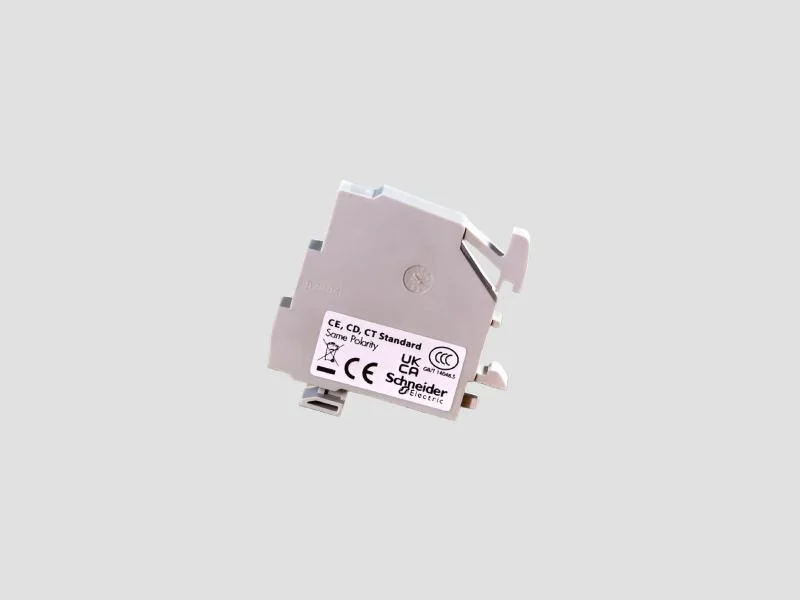
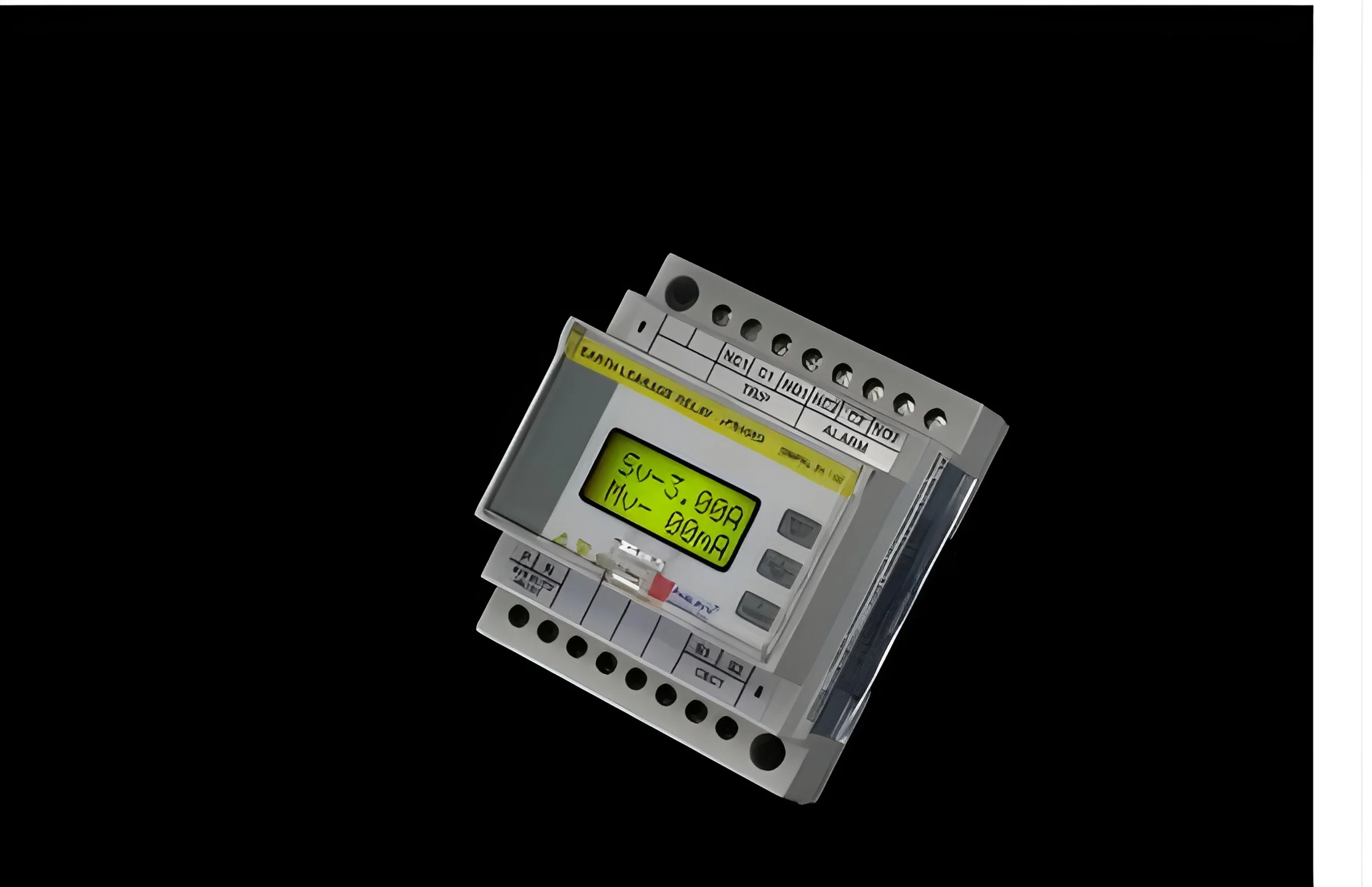
Circuit breakers and fuses are essential electrical components designed to protect electrical circuits from overload or short circuits. A circuit breaker is a switch that automatically interrupts the flow of current when it detects an abnormal condition, while a fuse is a safety device that melts and breaks the circuit when excessive current flows through it. Both components are critical in ensuring the safety and reliability of electrical systems.
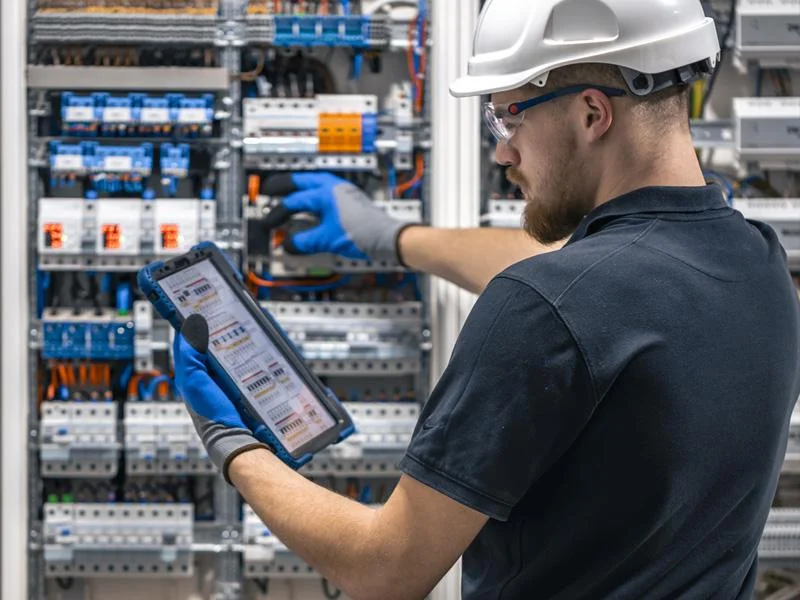
These devices are primarily used in residential, commercial, and industrial applications. They are integral to electrical panels, machinery, and various electronic systems. In business contexts, circuit breakers and fuses help prevent costly equipment damage, reduce fire risks, and ensure compliance with safety regulations. Their importance spans multiple industries, including construction, manufacturing, and energy.
In the current market, the demand for reliable circuit protection devices continues to grow. As industries increasingly prioritize safety and efficiency, the relevance of circuit breakers and fuses remains significant. Manufacturers are continually innovating to enhance their performance and compliance with emerging standards, making them vital components in modern electrical systems.
𝗞𝗲𝘆 𝗙𝗲𝗮𝘁𝘂𝗿𝗲𝘀 𝗮𝗻𝗱 𝗦𝗽𝗲𝗰𝗶𝗳𝗶𝗰𝗮𝘁𝗶𝗼𝗻𝘀
Circuit breakers and fuses come with several key features that ensure they perform effectively in different applications. Their specifications can vary based on the intended use, voltage ratings, and design characteristics.
Key specifications include:
1. Voltage Rating
- Indicates the maximum voltage the device can handle safely.
- Common ratings include 120V, 240V, and higher for industrial applications.
2. Current Rating
- Defines the maximum continuous current the device can carry without tripping.
- Ratings typically range from a few amperes to several hundred amperes.
3. Tripping Mechanism
- Describes how the device responds to overload or short-circuit conditions.
- Types include thermal, magnetic, and electronic trip mechanisms.
4. Interrupting Capacity
- Refers to the maximum fault current the device can safely interrupt.
- This is crucial for preventing equipment damage during fault conditions.
5. Mounting Type
- Specifies how the device is installed, such as panel-mounted or DIN-rail mounted.
- This affects the ease of installation and space requirements.
6. Operating Temperature Range
- Indicates the range of temperatures within which the device can operate effectively.
- Typically between -20°C to 60°C, but this can vary by model.
7. Compliance Standards
- Highlights adherence to safety and quality standards such as CE marking.
- Essential for ensuring reliability and safety in various applications.
8. Application Type
- Describes whether the device is designed for residential, commercial, or industrial use.
- Helps in selecting the right device based on specific operational needs.
In summary, understanding the key features and specifications of circuit breakers and fuses is essential for selecting the appropriate device for any application. These specifications ensure that the devices can effectively protect electrical systems.
𝗖𝗼𝗺𝗺𝗼𝗻 𝗔𝗽𝗽𝗹𝗶𝗰𝗮𝘁𝗶𝗼𝗻𝘀 𝗮𝗻𝗱 𝗨𝘀𝗲 𝗖𝗮𝘀𝗲𝘀
Circuit breakers and fuses are utilized across a wide range of industries, ensuring safety and functionality in electrical installations.
1. Residential: In homes, circuit breakers and fuses protect appliances and wiring from overcurrent, preventing potential fire hazards and equipment damage.
2. Commercial: Businesses use these devices to safeguard office equipment, lighting, and HVAC systems, ensuring uninterrupted operations and compliance with safety regulations.
3. Manufacturing: In industrial settings, circuit breakers and fuses protect machinery and production lines from electrical faults, minimizing downtime and repair costs.
4. Energy: Power plants and renewable energy installations utilize circuit protection to manage high voltages and currents, ensuring system stability and safety.
5. Construction: Temporary power setups at construction sites rely on circuit breakers and fuses to protect workers and equipment from electrical issues during the build process.
6. Telecommunications: In telecom systems, these devices protect sensitive electronic components from power surges and faults, ensuring reliable communication services.
7. Transportation: Circuit breakers are used in trains, ships, and aircraft to ensure the safety of electronic systems and power distribution.
In conclusion, the versatility of circuit breakers and fuses makes them integral to various sectors, highlighting their importance in maintaining electrical safety and efficiency.
𝗣𝗿𝗼𝗱𝘂𝗰𝘁 𝗩𝗮𝗿𝗶𝗮𝗻𝘁𝘀 𝗮𝗻𝗱 𝗦𝘂𝗯𝗰𝗮𝘁𝗲𝗴𝗼𝗿𝗶𝗲𝘀
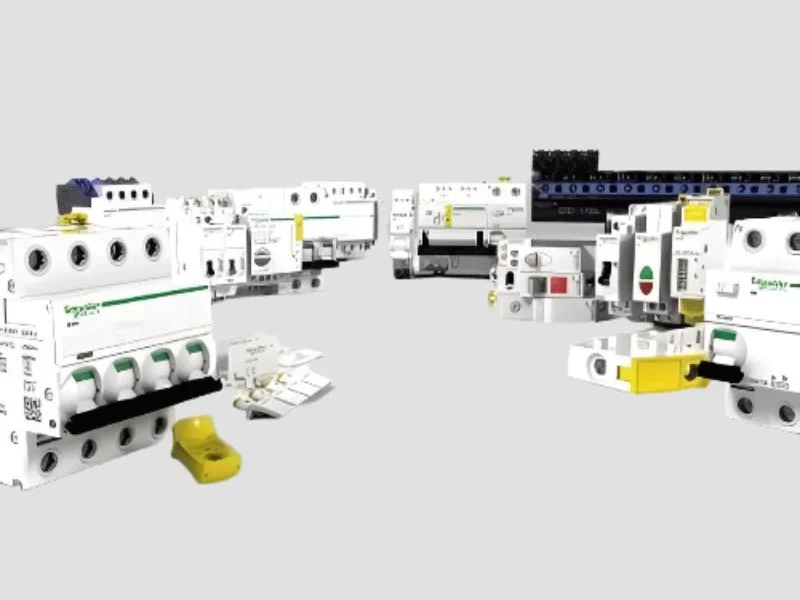
Circuit breakers and fuses come in various types, each designed for specific applications and environments.
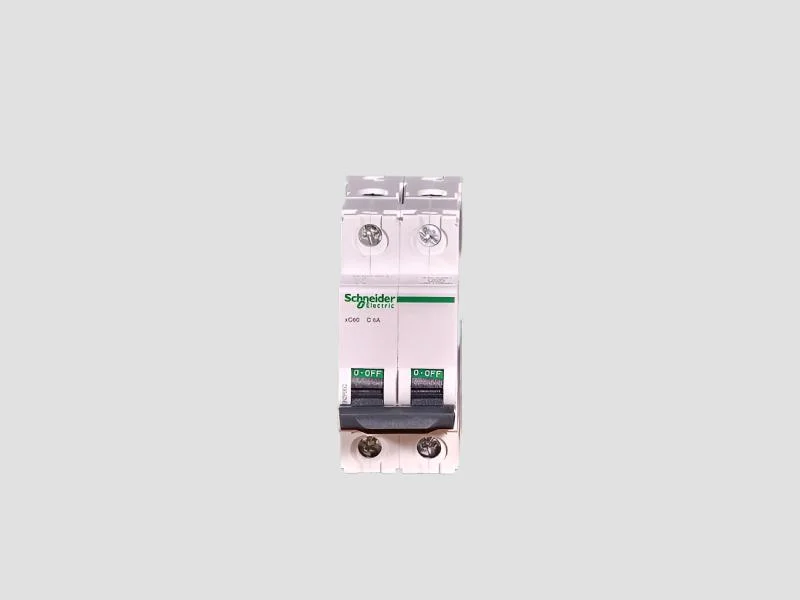
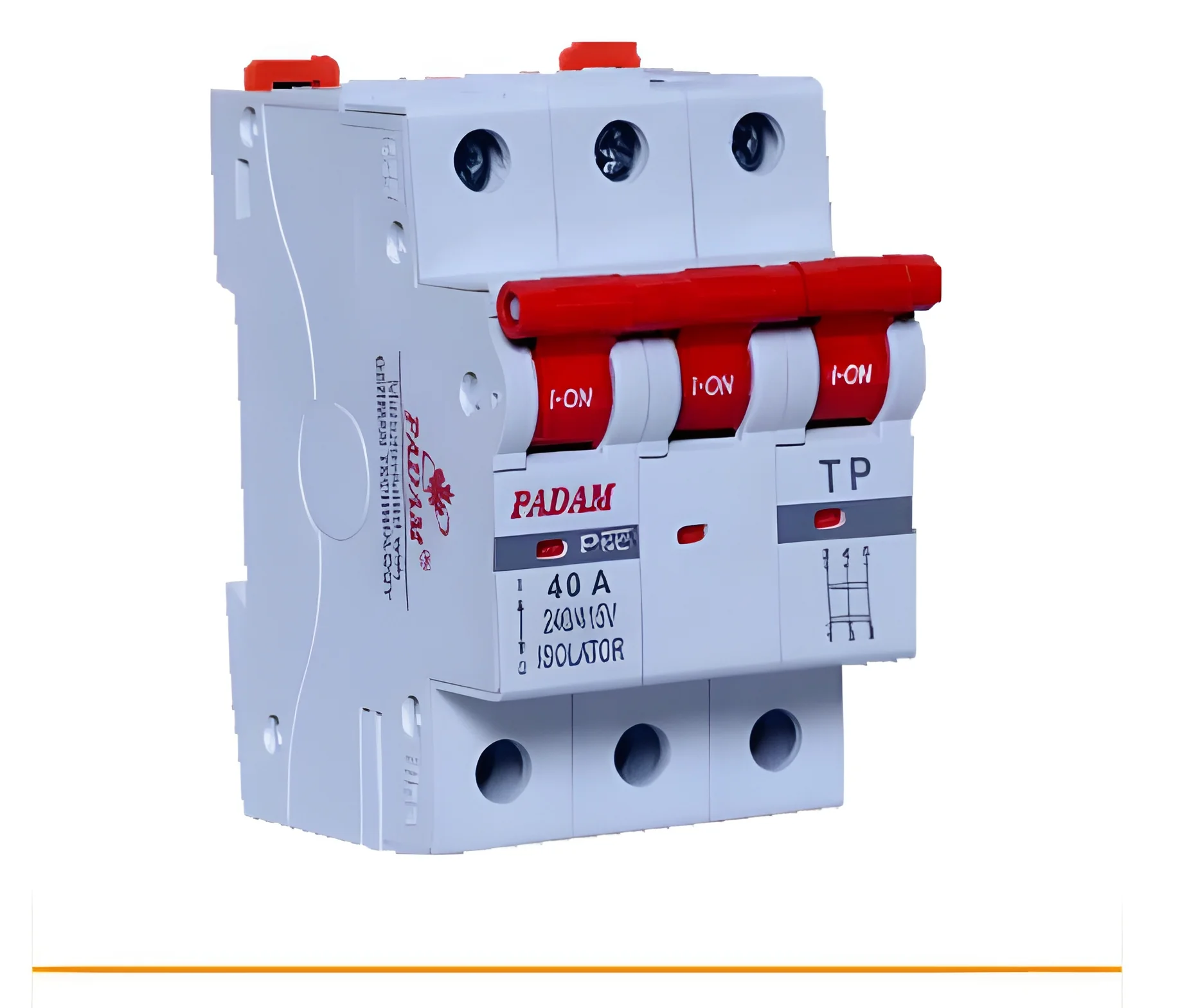
Miniature Circuit Breakers (MCBs)
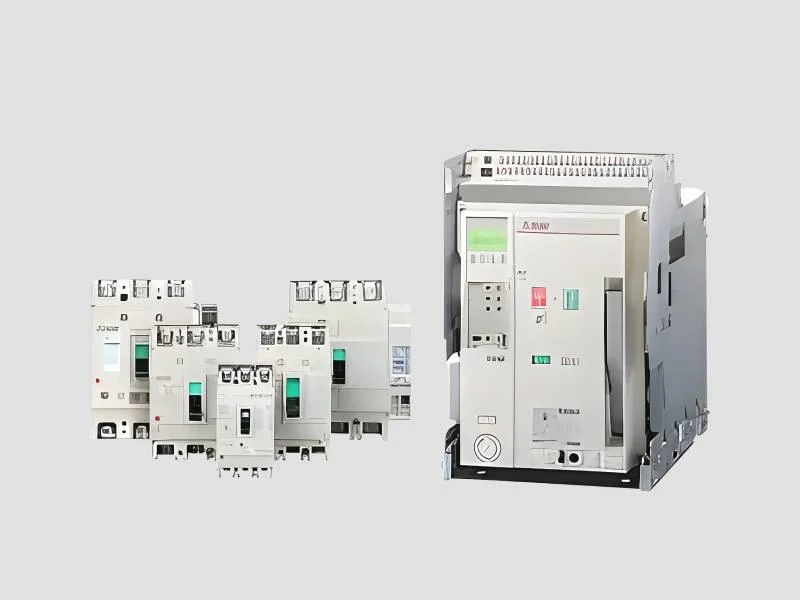
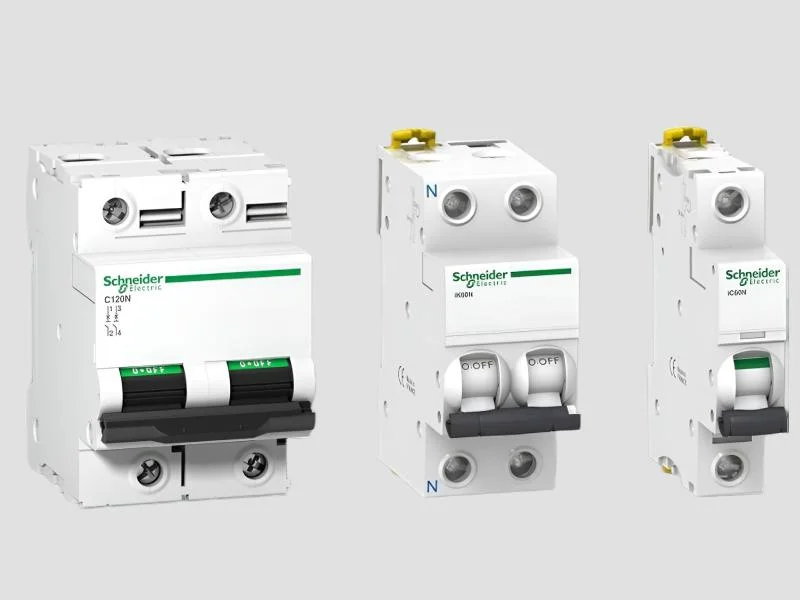
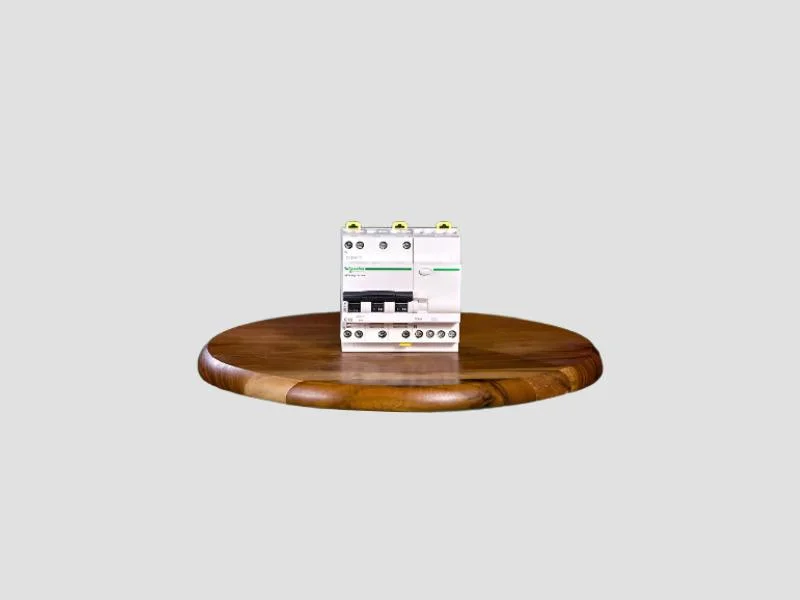
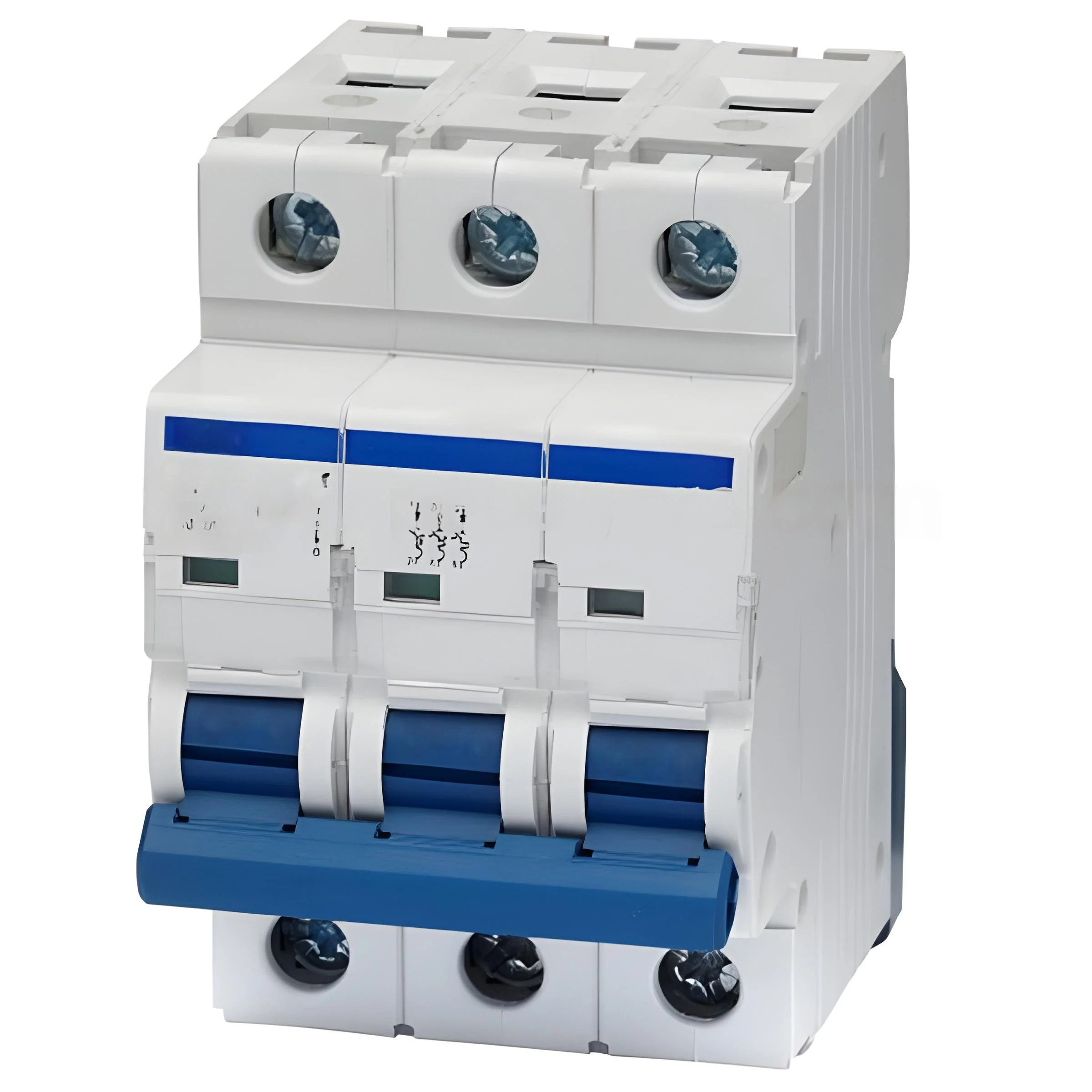
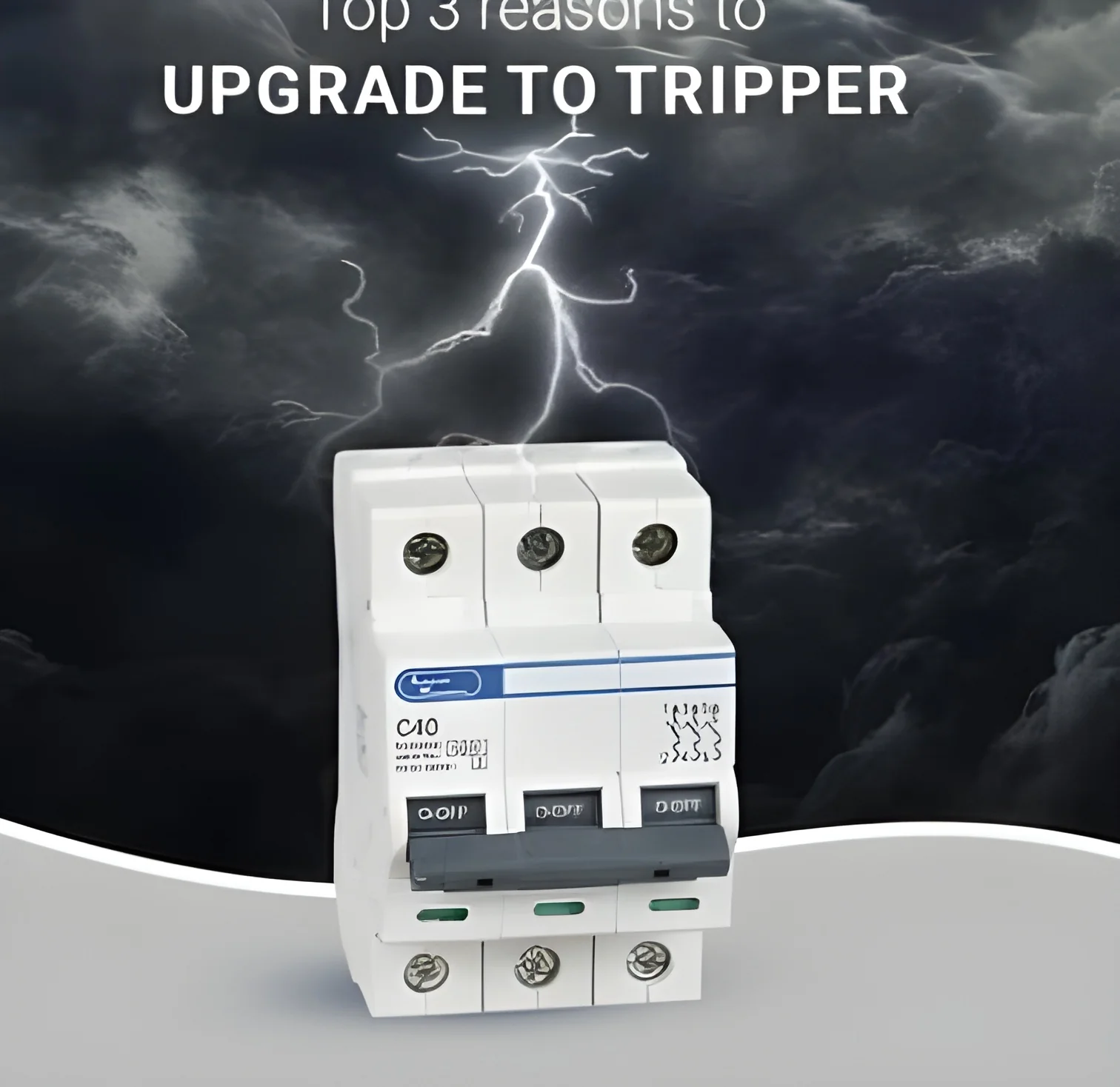
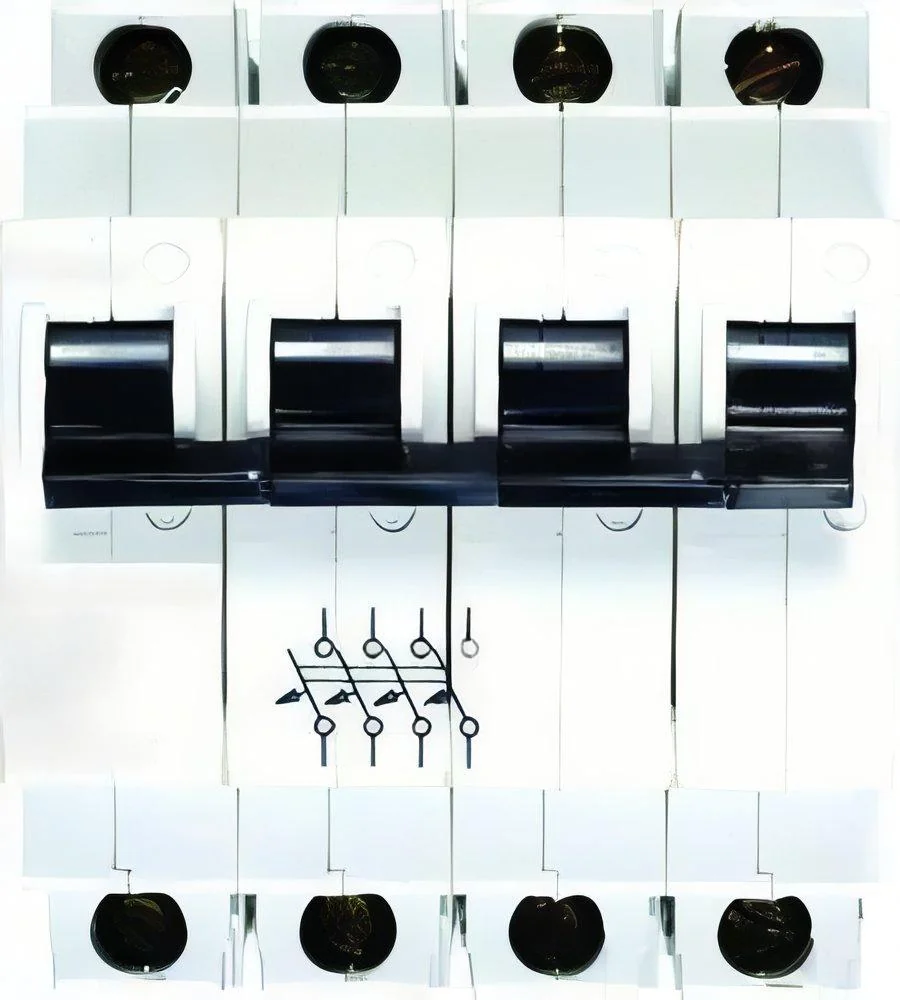
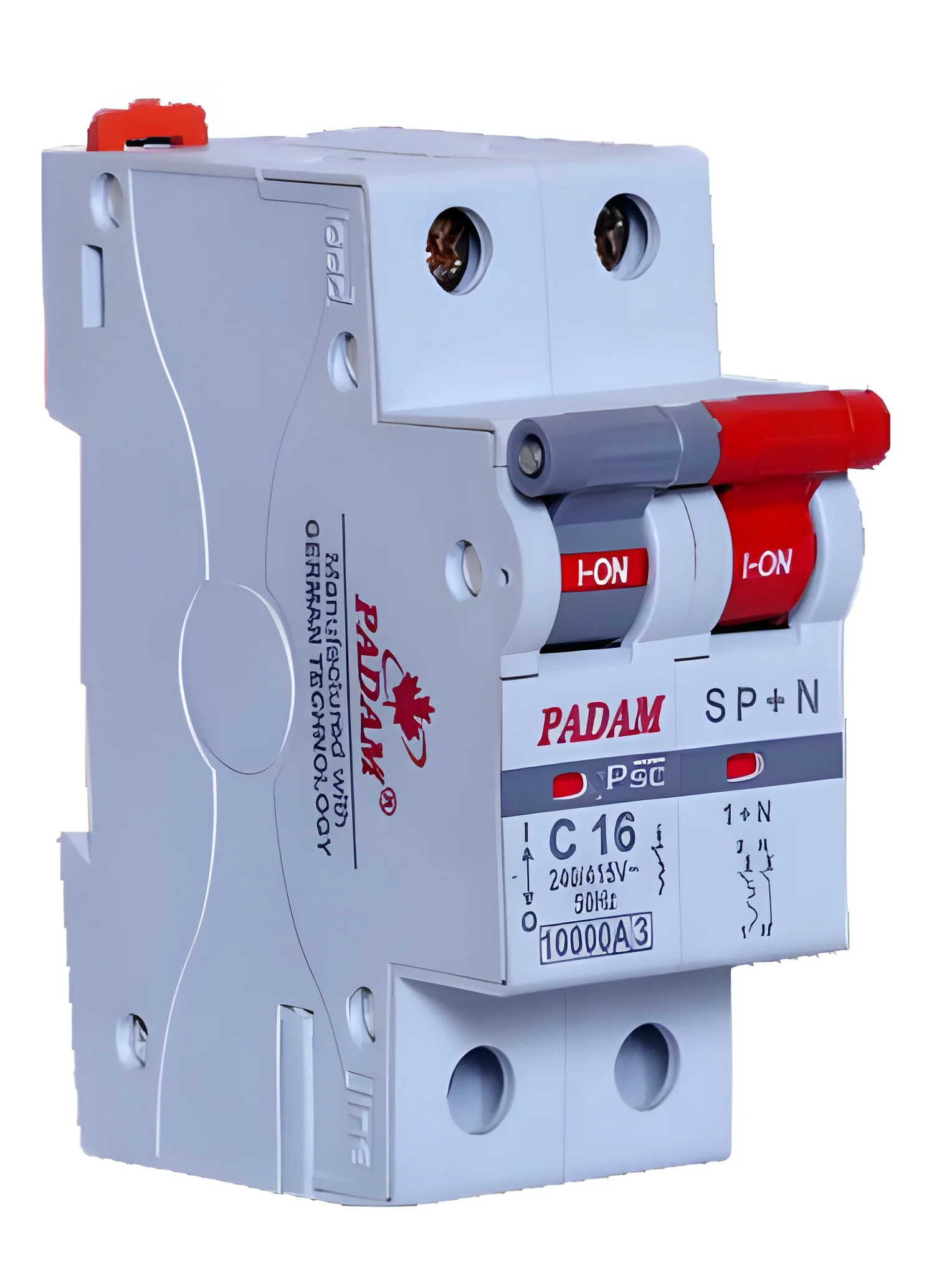
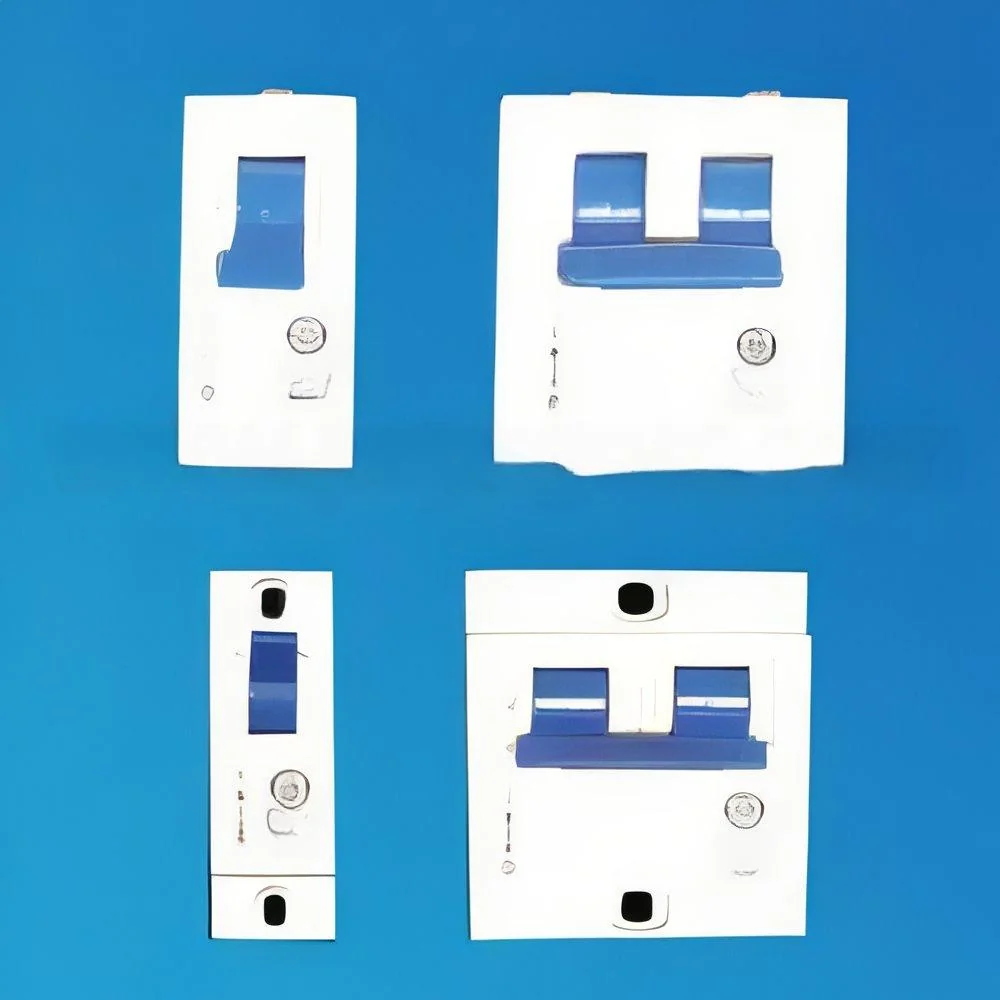
MCBs are designed for low voltage applications, providing protection against overloads and short circuits. They are commonly used in residential and small commercial settings due to their compact size and reliability.
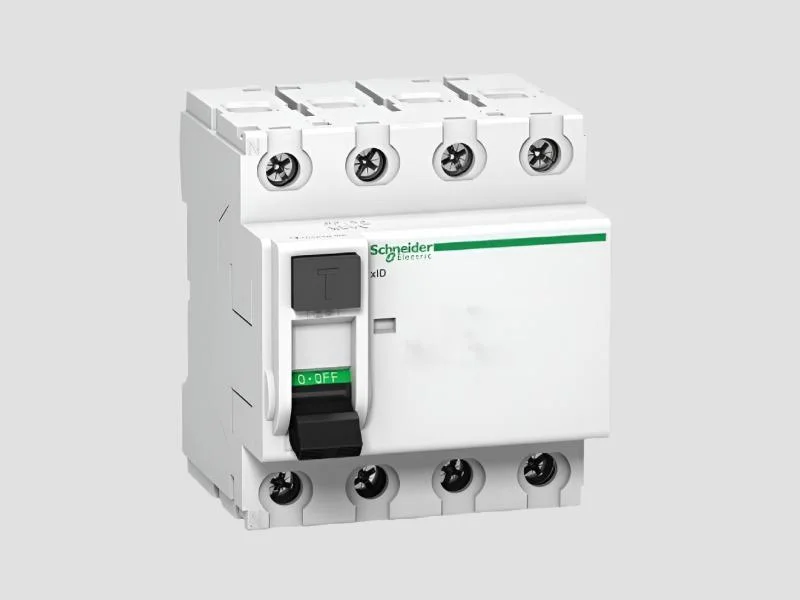
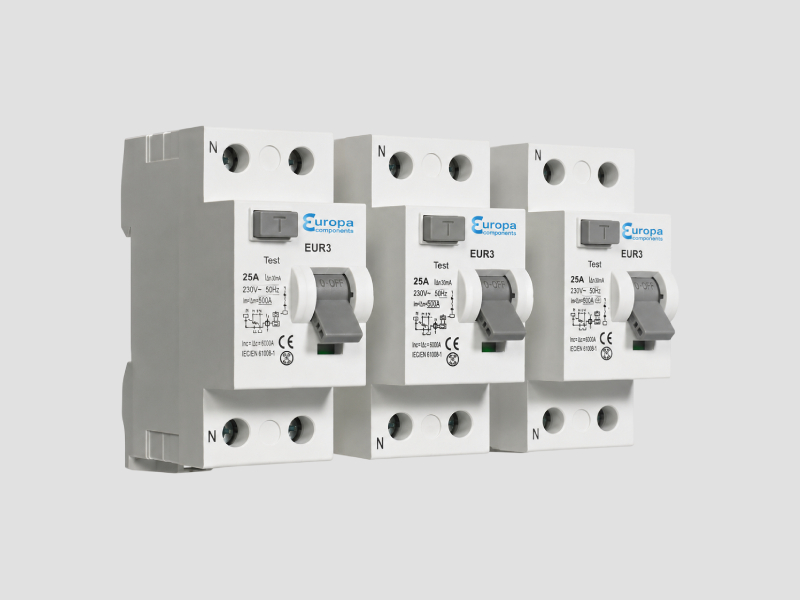
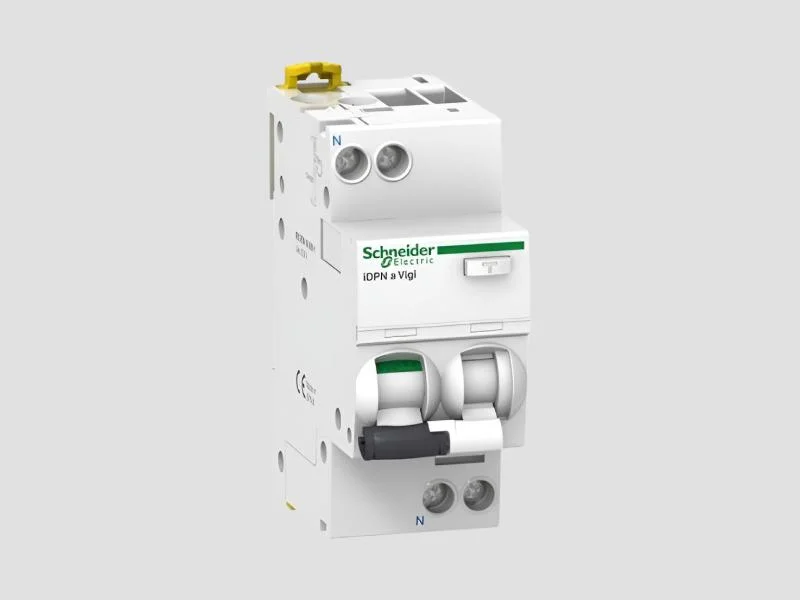
Residual Current Circuit Breakers (RCCBs)
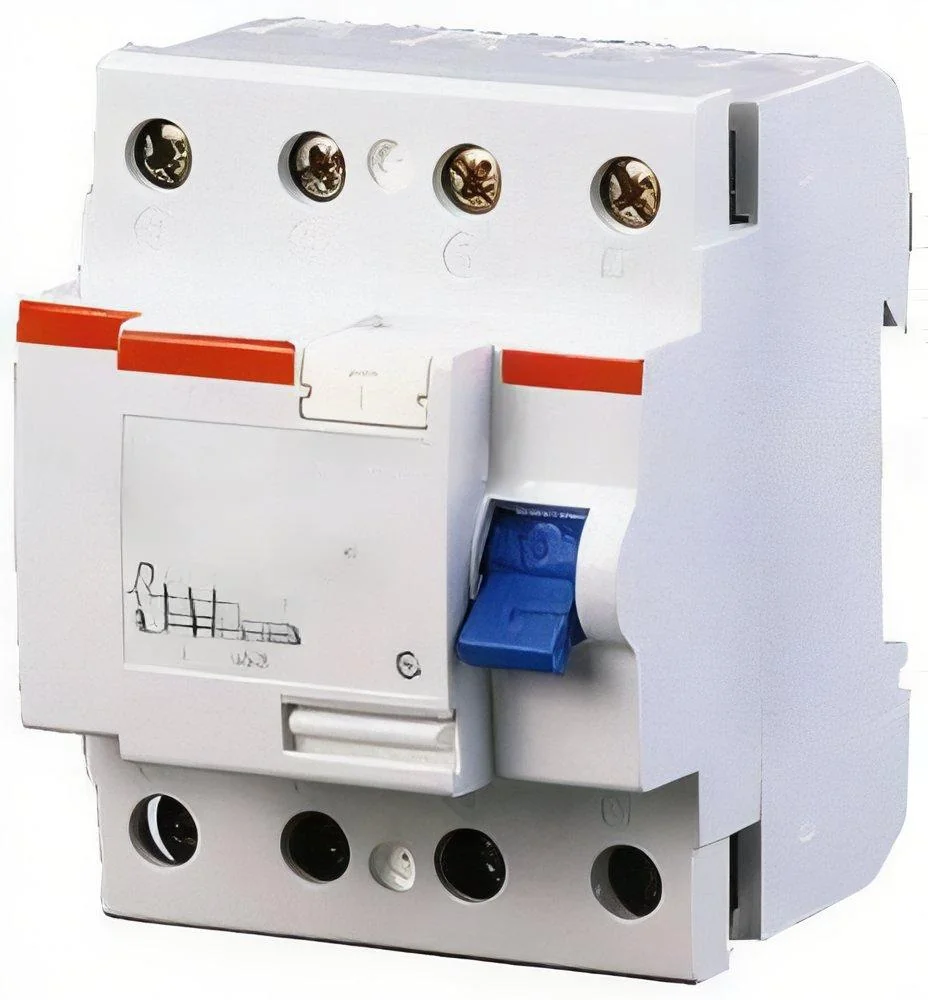
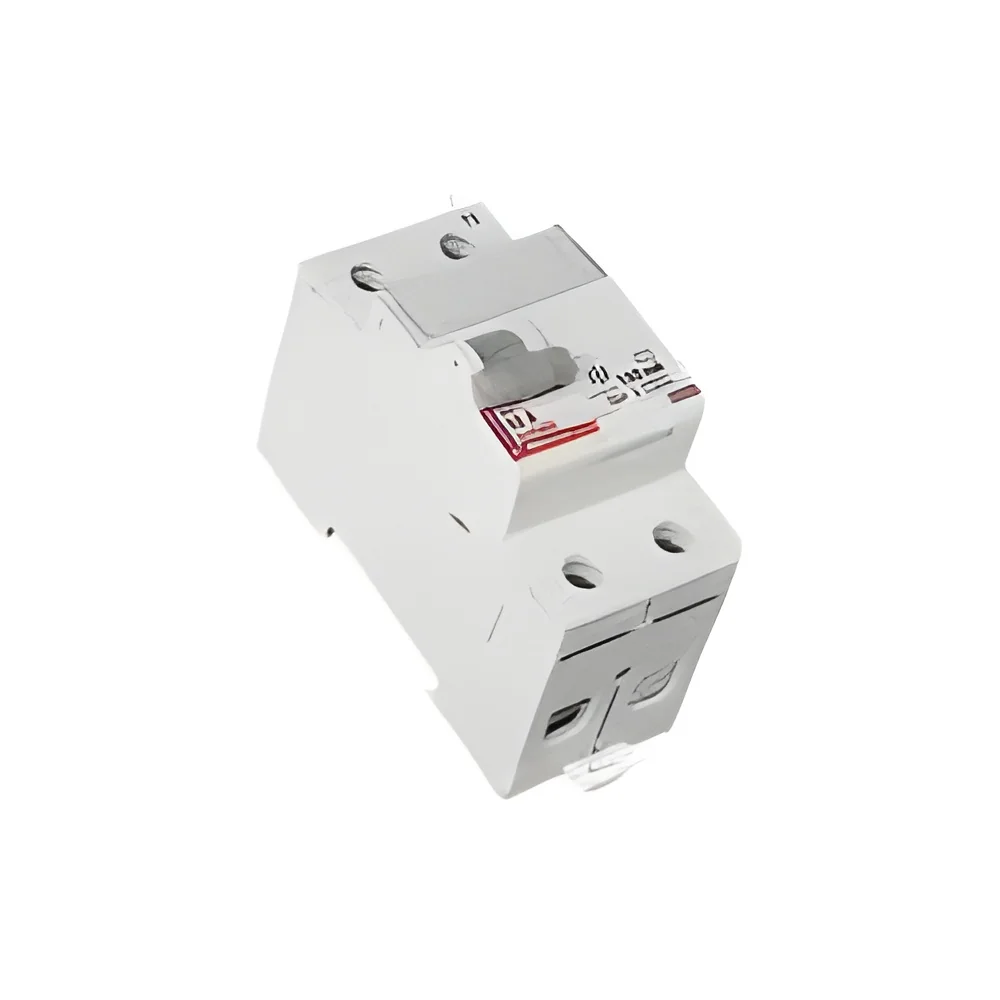
RCCBs detect earth faults and provide protection against electric shocks. They are essential in residential and commercial installations where safety is a priority, particularly in wet areas such as bathrooms and kitchens.
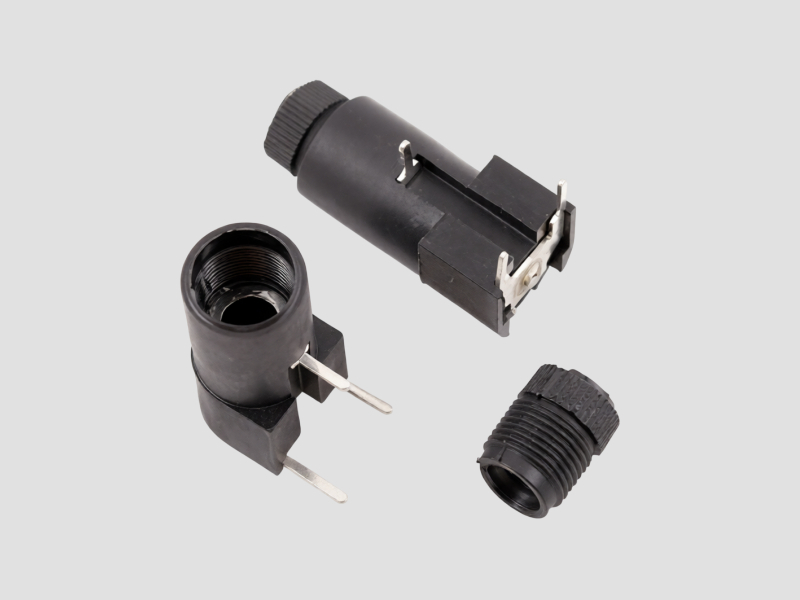
Fuse Links
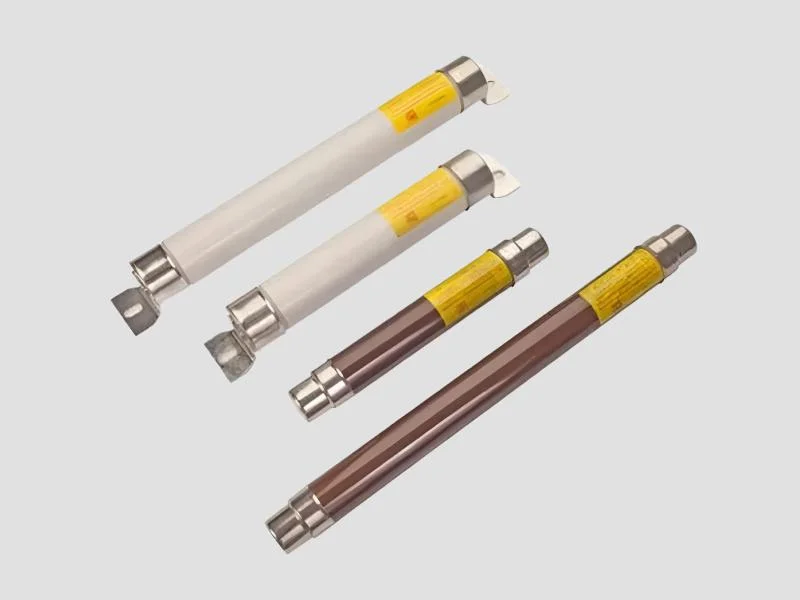
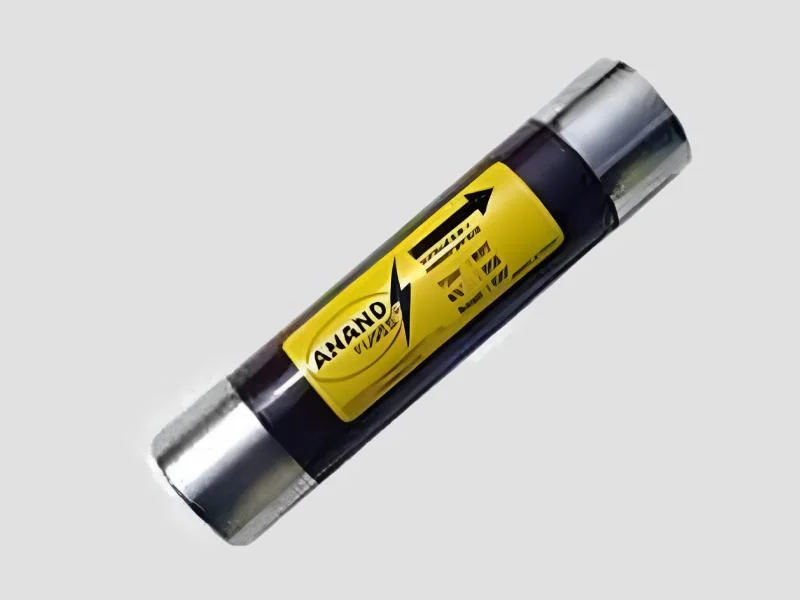
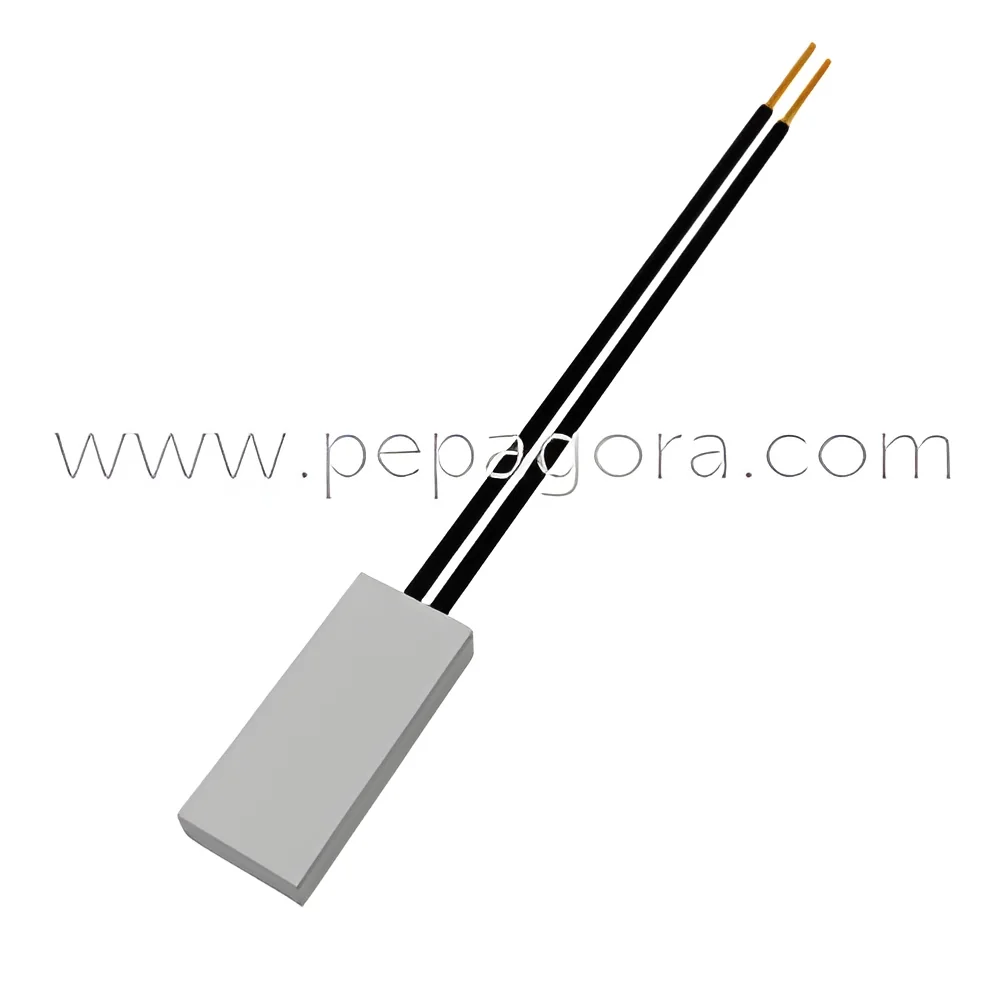
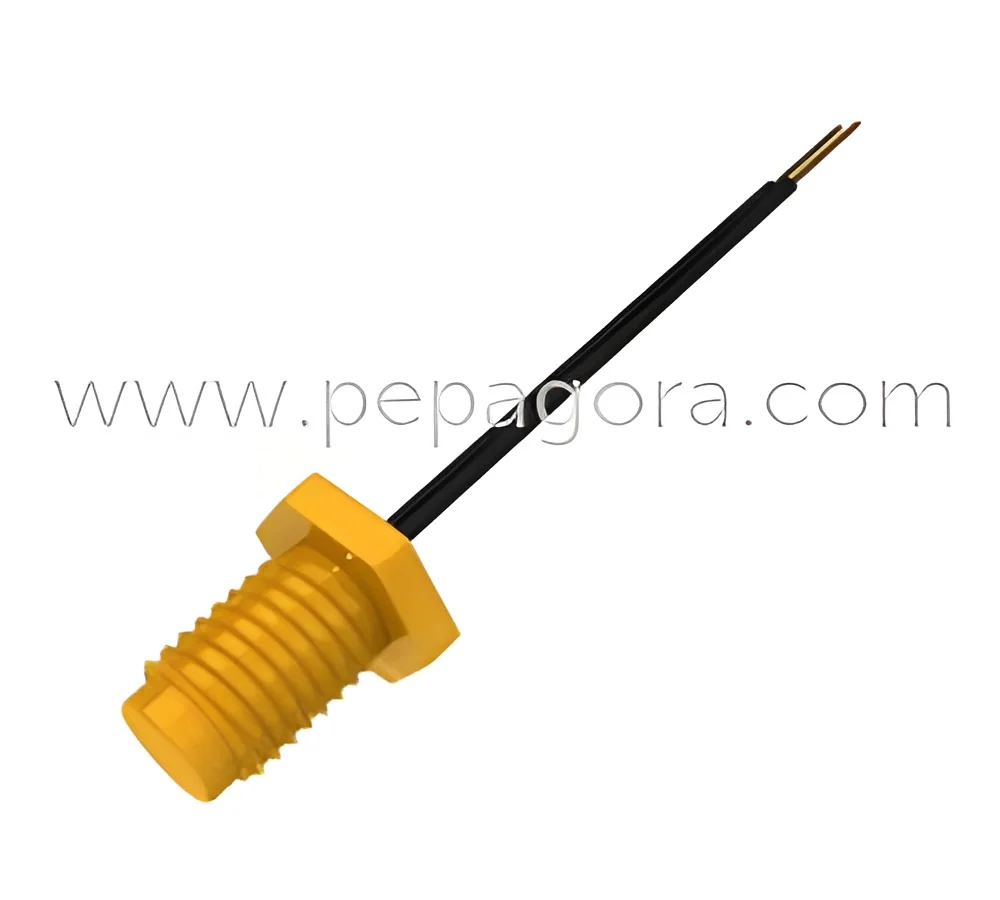
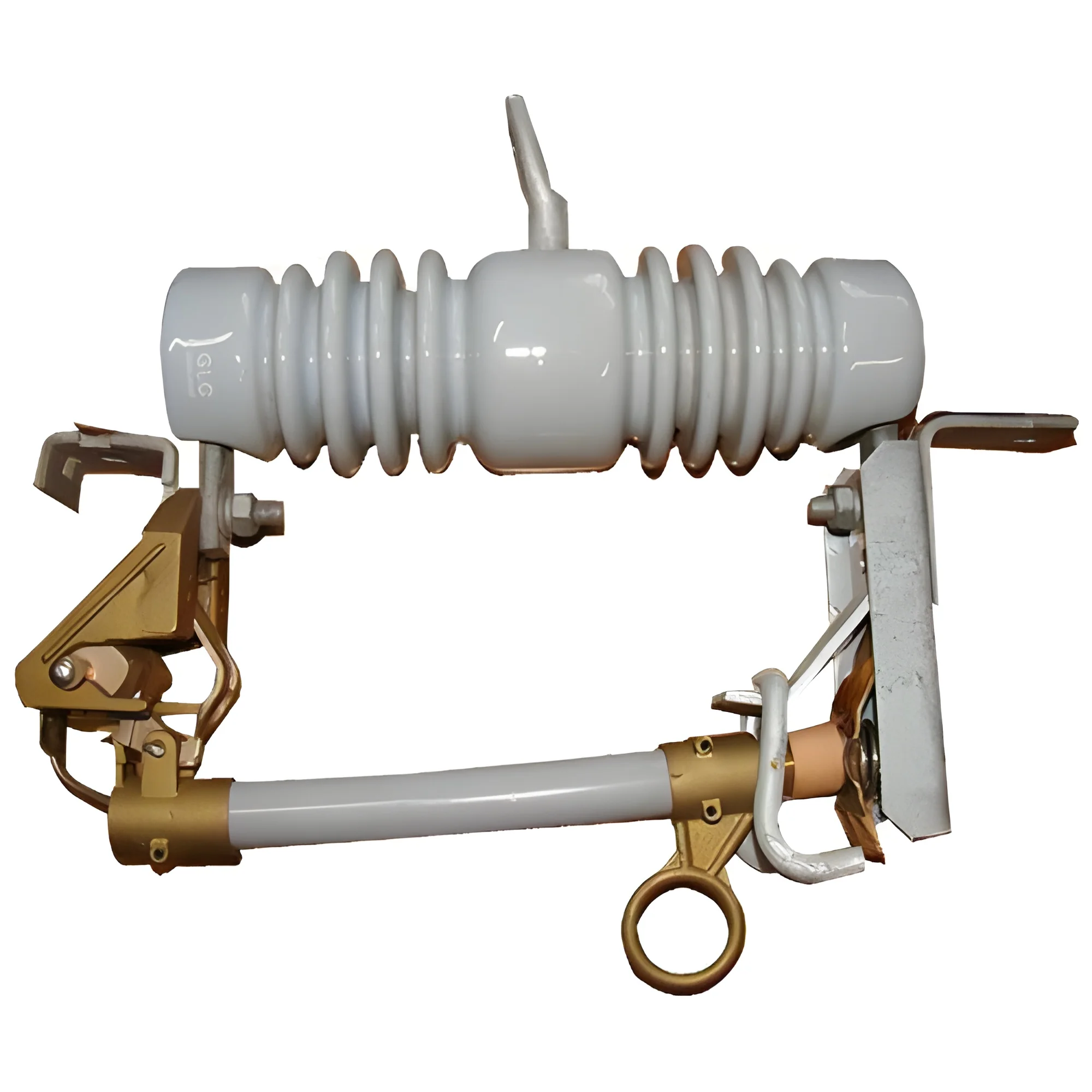
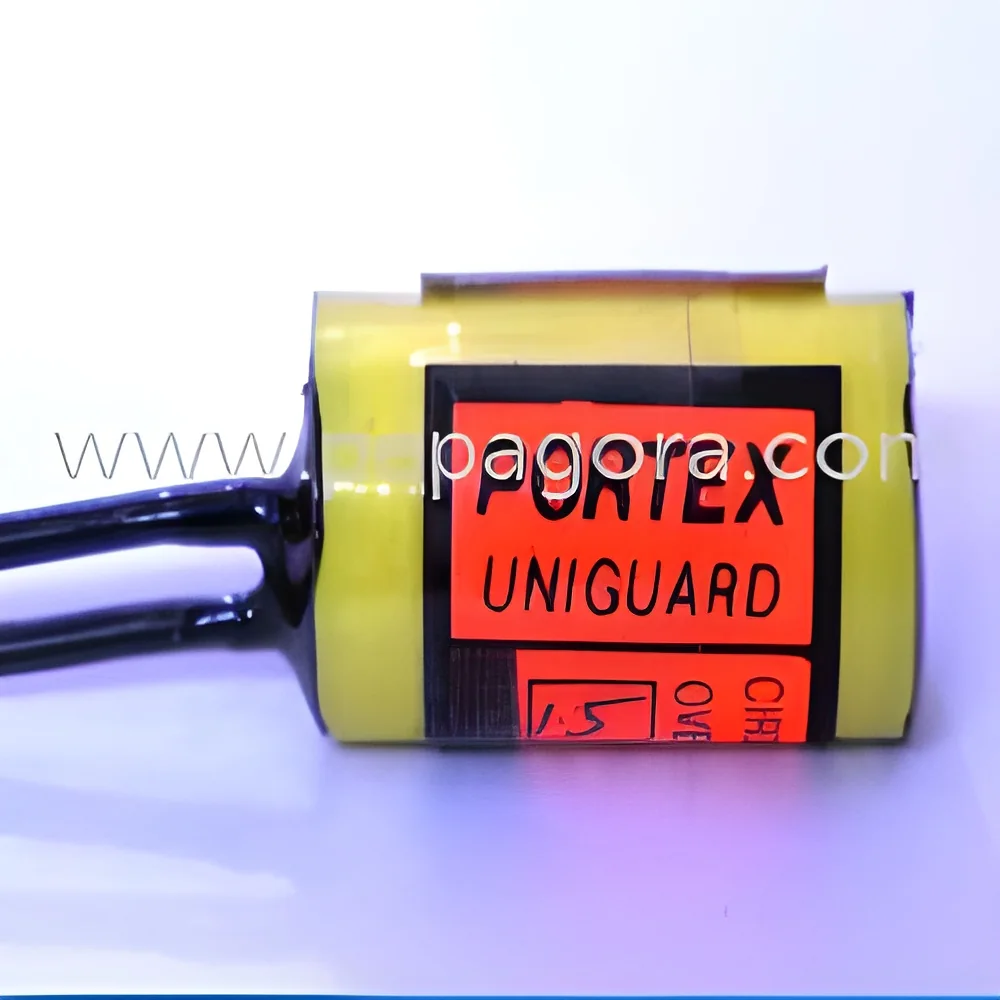
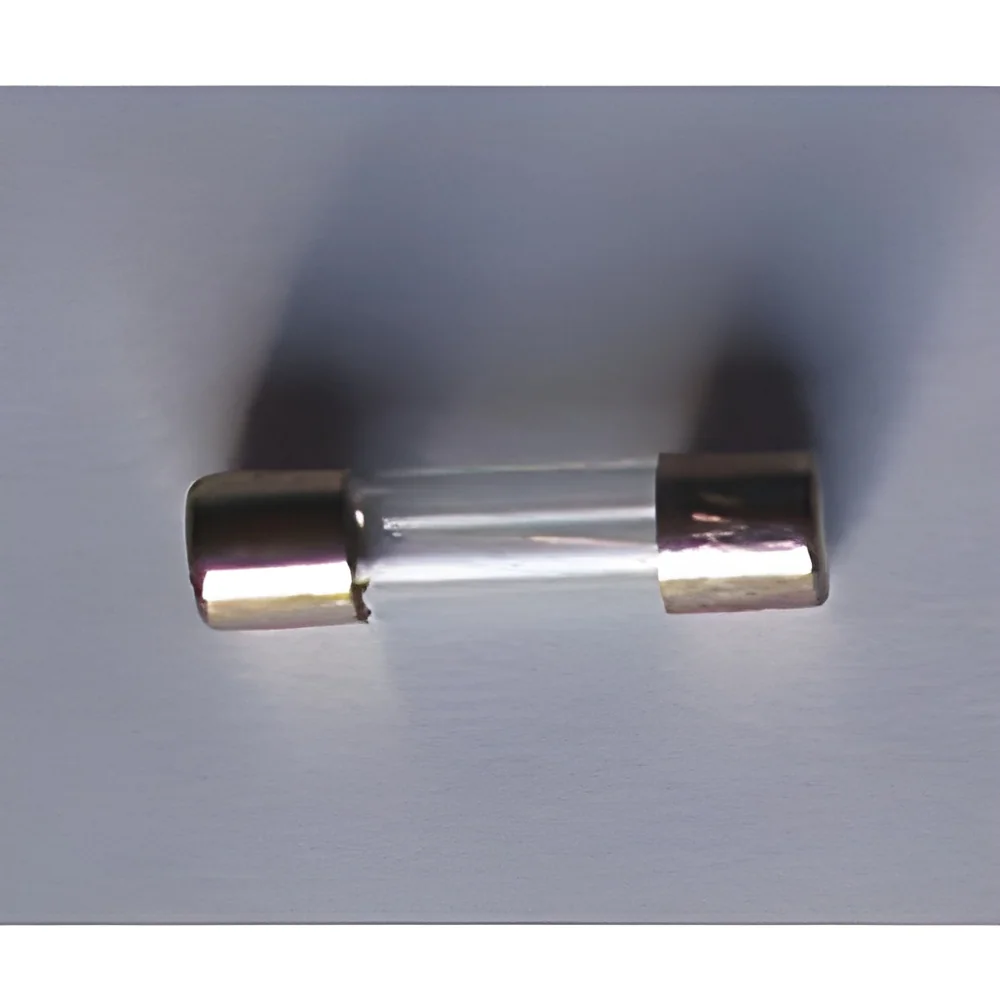
Fuse links are simple protective devices that melt under excessive current. They are widely used in various applications, from small electronic devices to larger industrial machinery, providing a cost-effective solution for circuit protection.
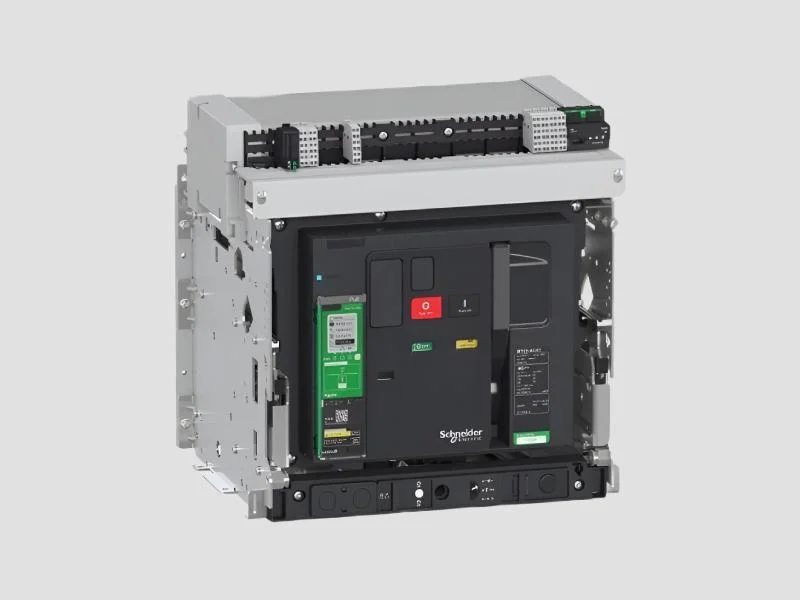
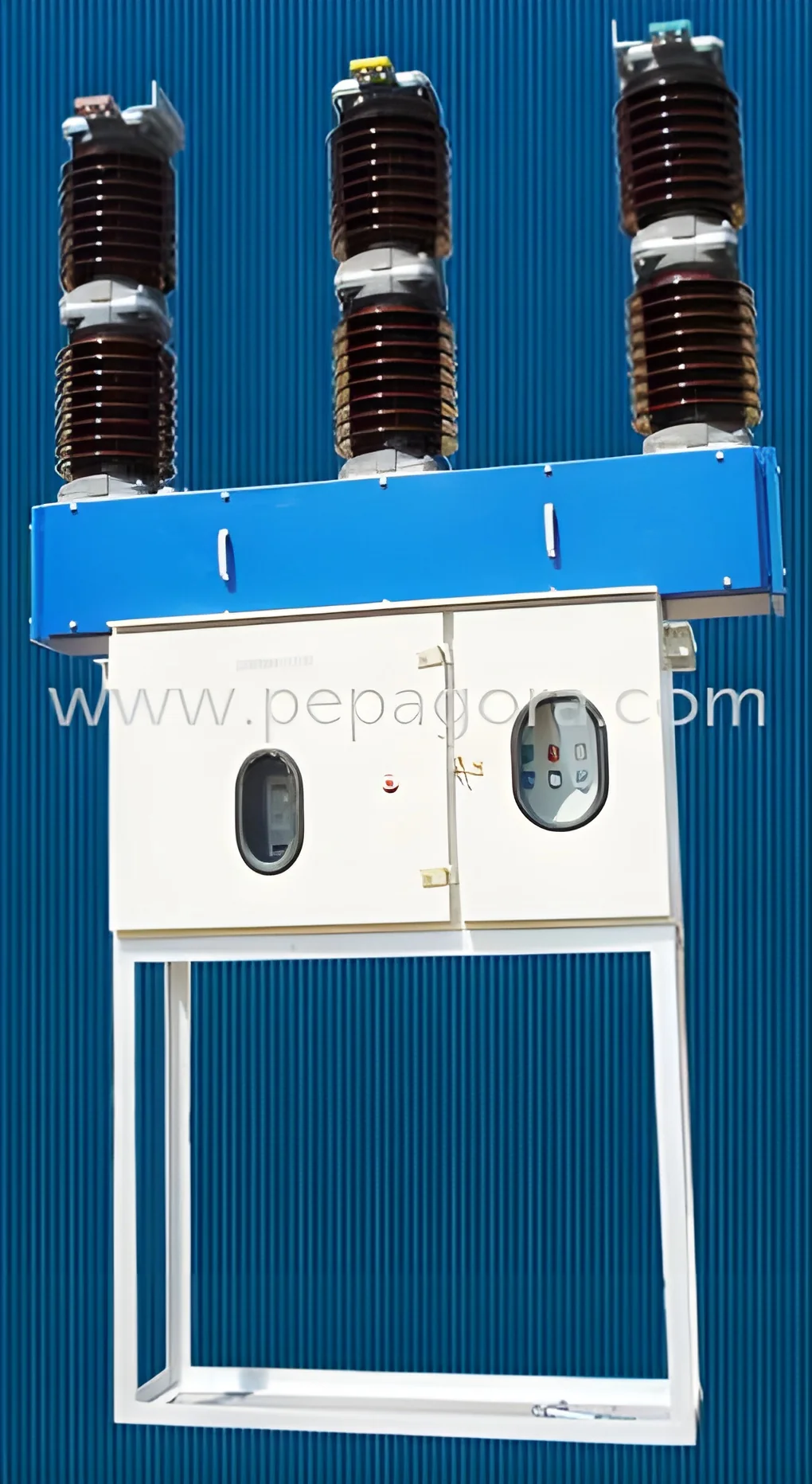
Air Circuit Breakers (ACBs)
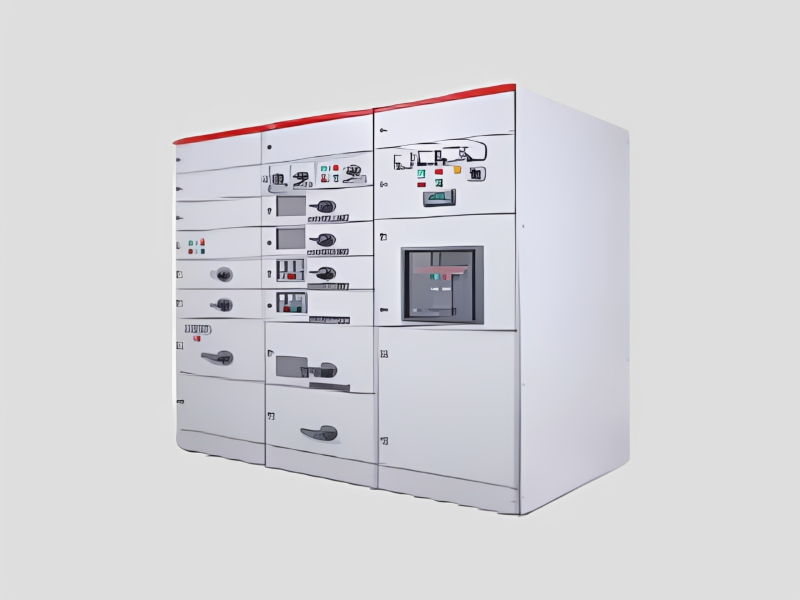
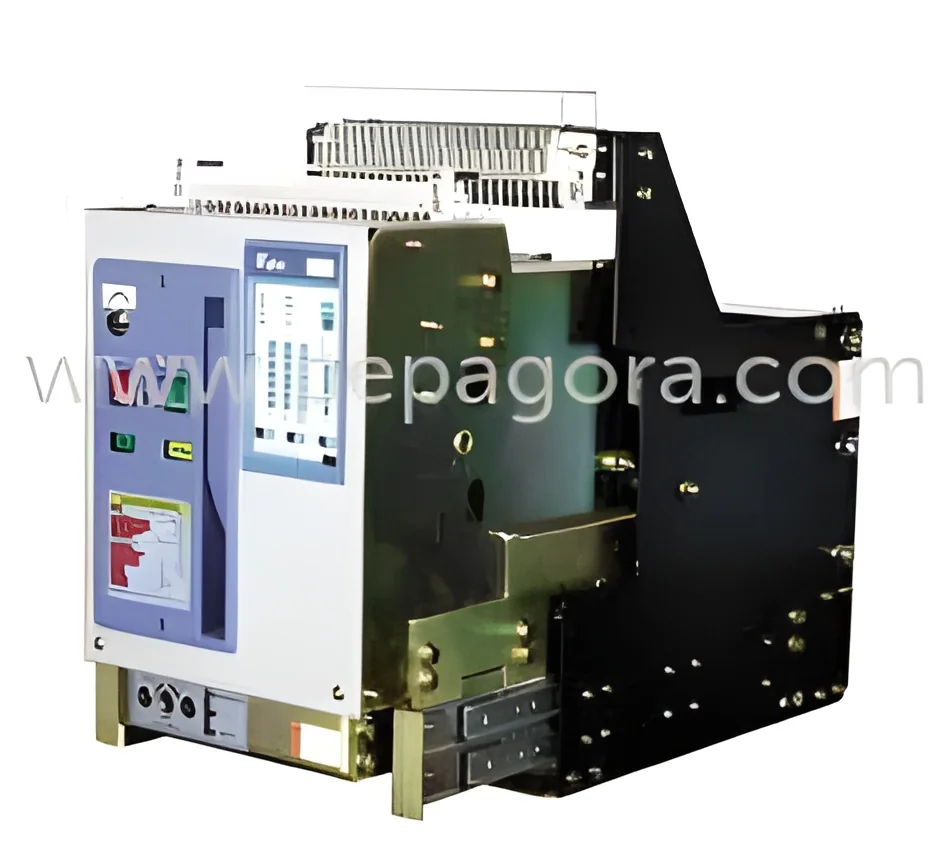
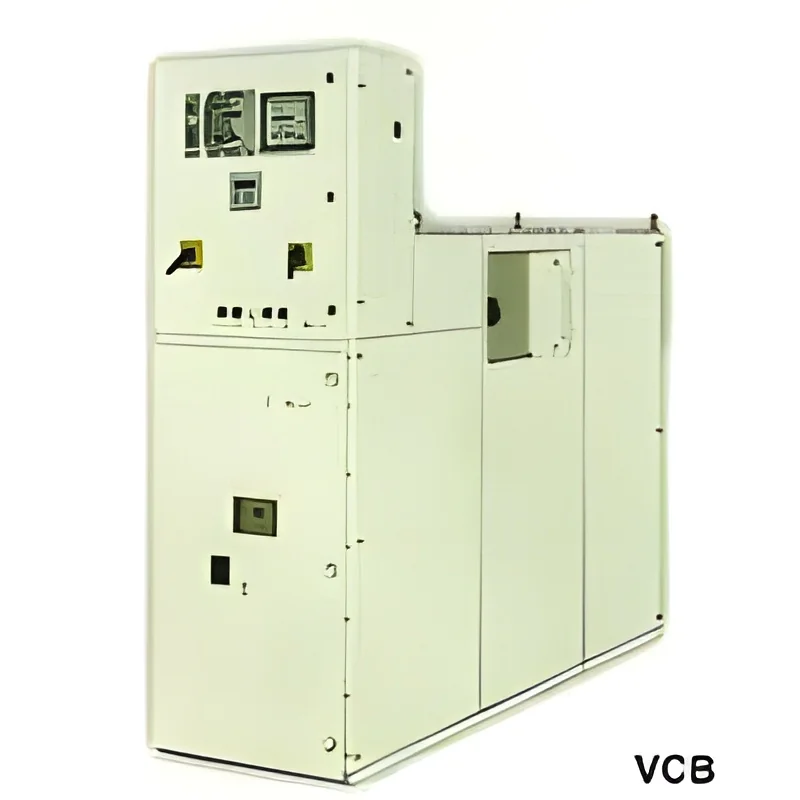
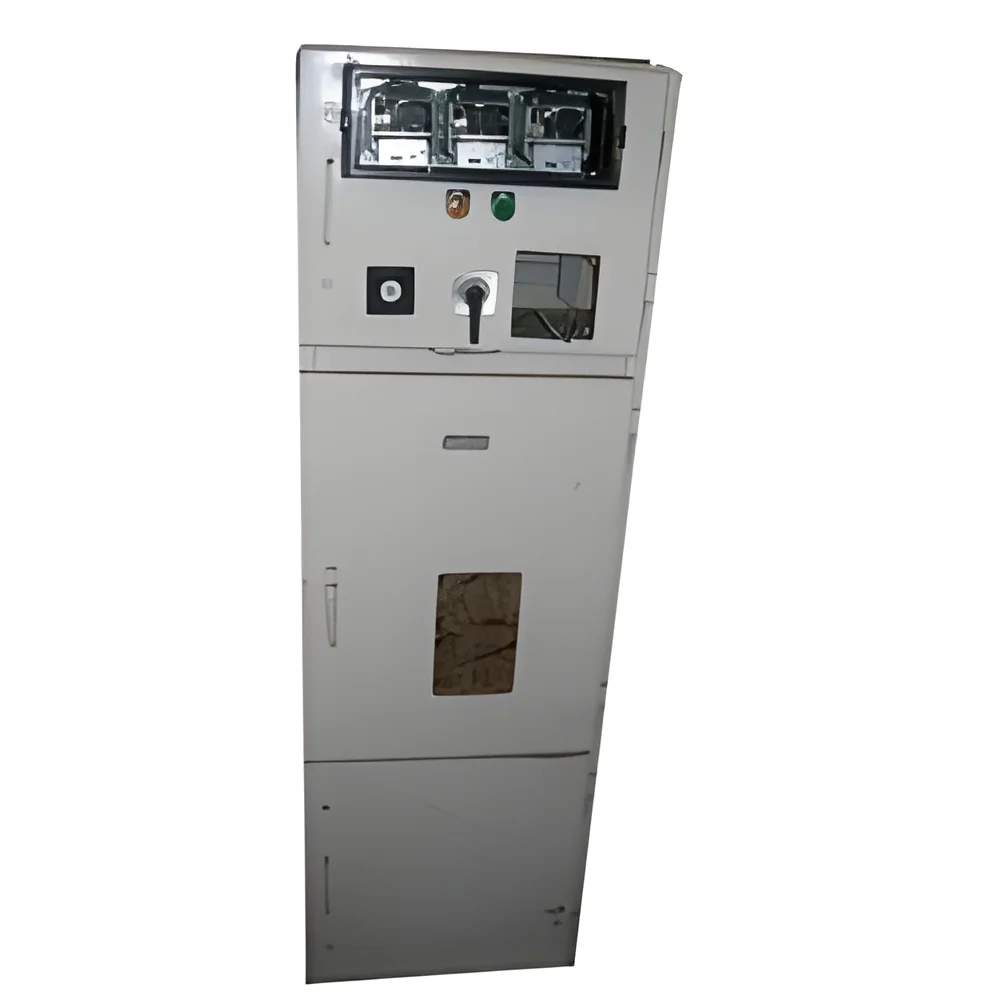
ACBs are used in high-current applications, typically exceeding 100A. They are suitable for industrial environments and provide advanced protection features, including adjustable trip settings and remote monitoring capabilities.
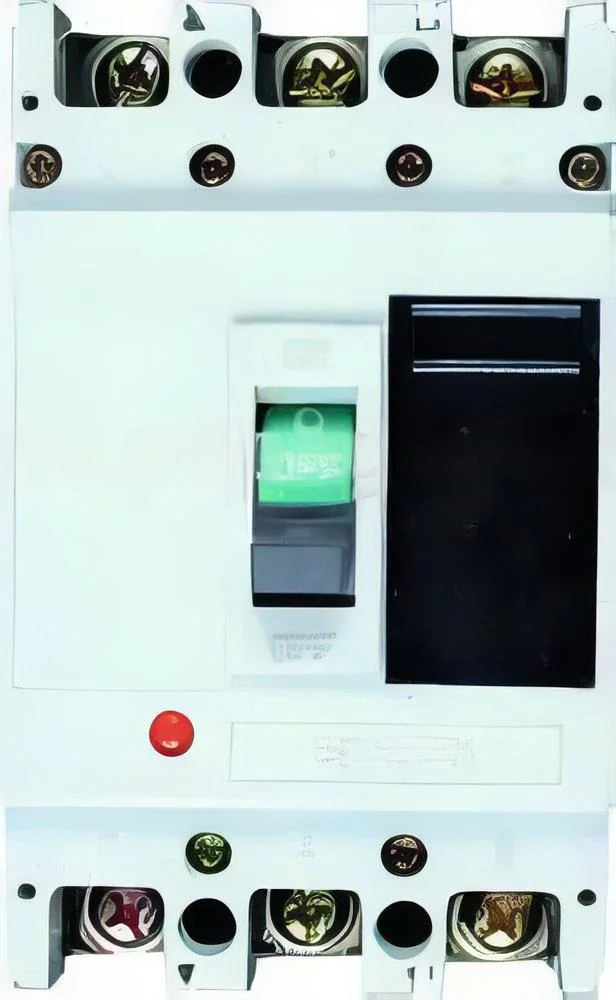
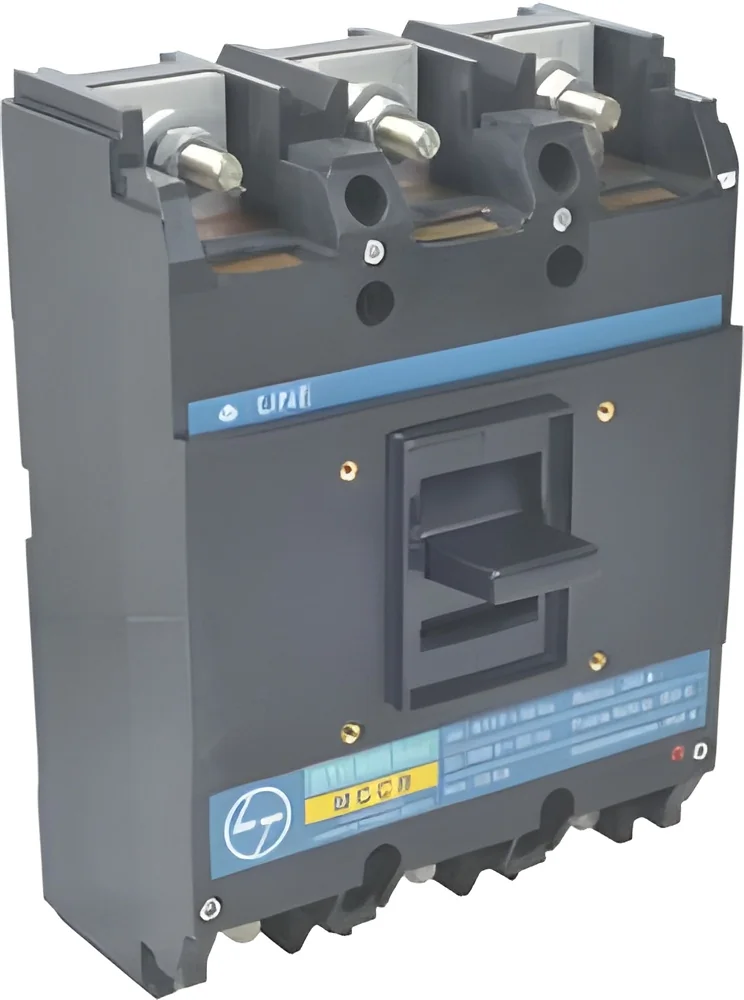
Molded Case Circuit Breakers (MCCBs)
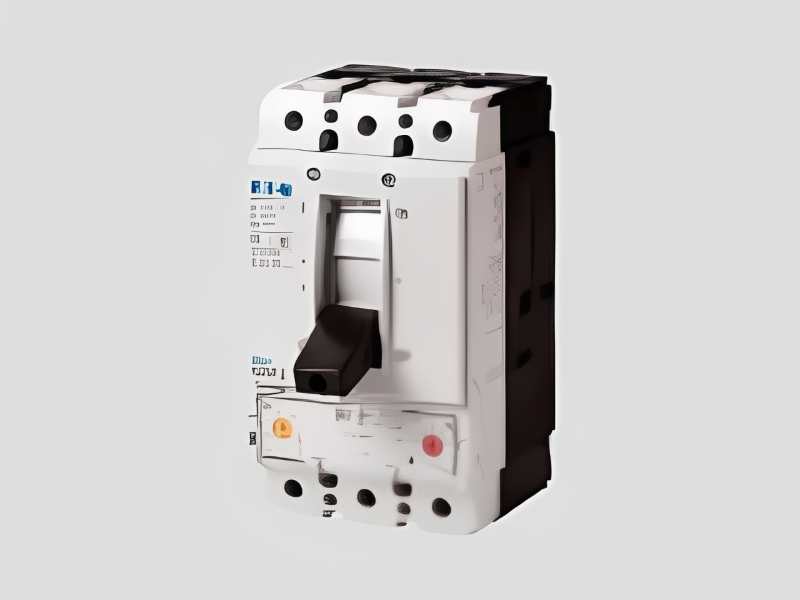
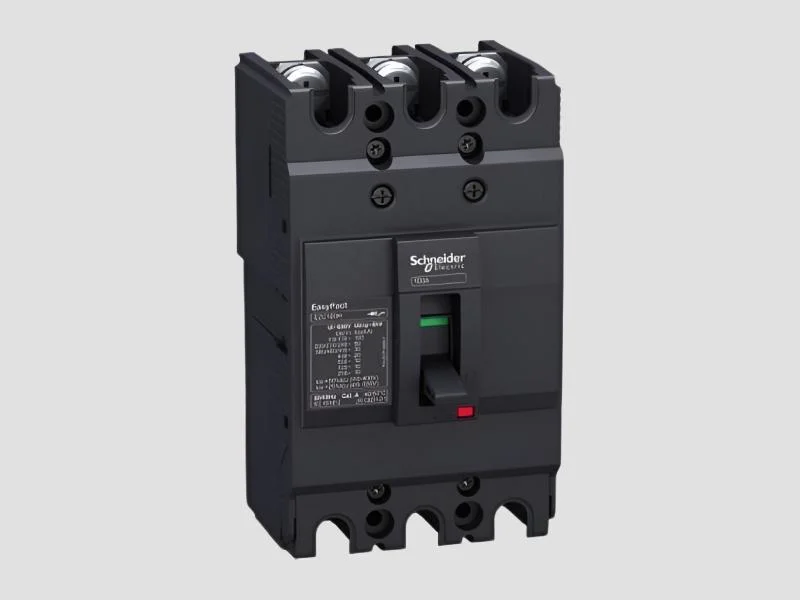
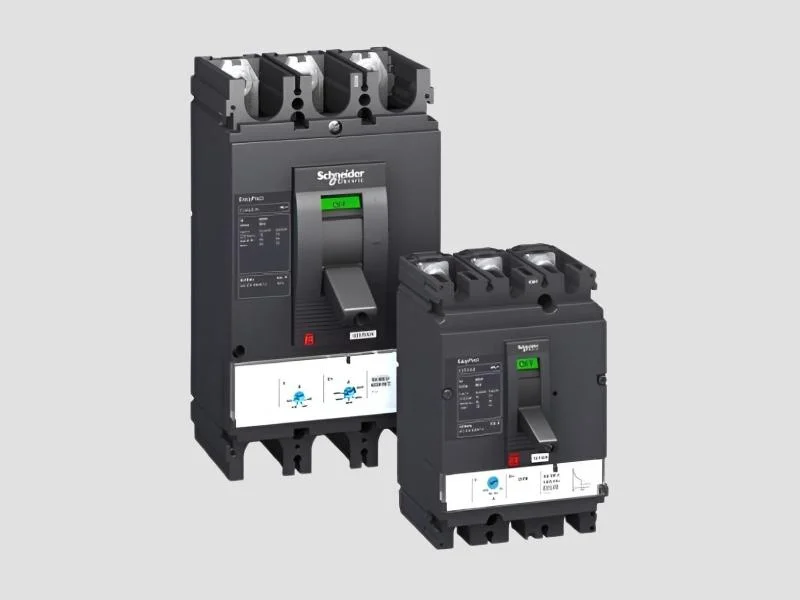
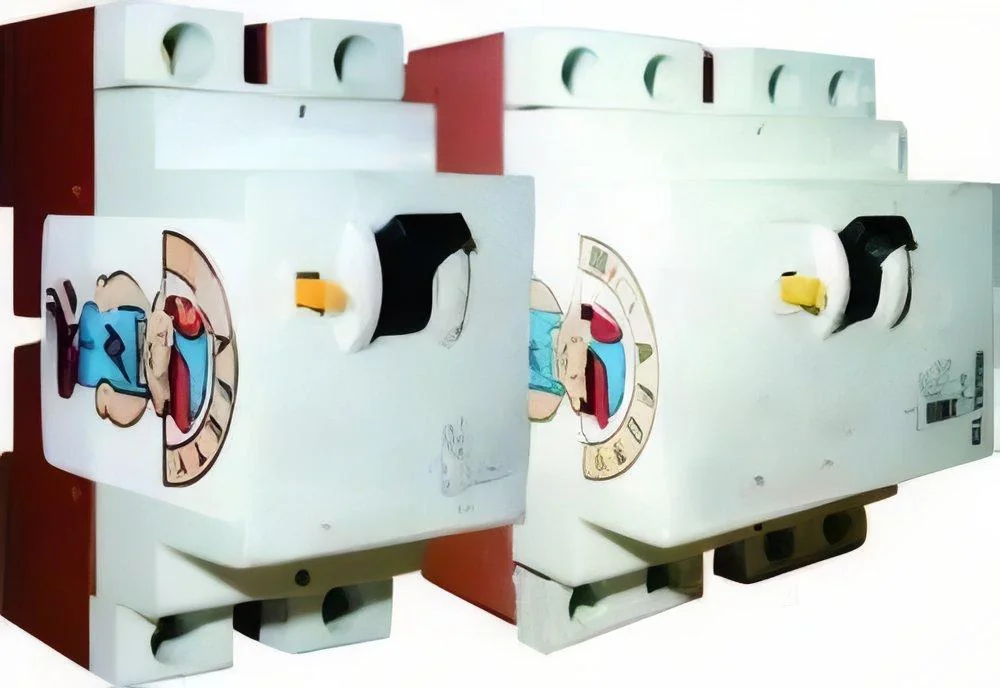
MCCBs are designed for medium voltage applications, offering protection against overloads and short circuits. They are used in industrial and commercial settings where higher current ratings are required.
𝗕𝗲𝗻𝗲𝗳𝗶𝘁𝘀 𝗮𝗻𝗱 𝗔𝗱𝘃𝗮𝗻𝘁𝗮𝗴𝗲𝘀
Selecting the right circuit breakers and fuses offers numerous advantages for businesses.
1. Enhanced Safety: These devices minimize the risk of electrical fires and equipment damage, ensuring a safer working environment.
2. Equipment Protection: By interrupting faulty current flows, circuit breakers and fuses safeguard critical machinery and electronic systems, preventing costly repairs.
3. Compliance Assurance: Using certified devices helps businesses adhere to industry standards and regulations, reducing liability risks.
4. Operational Reliability: Reliable circuit protection ensures uninterrupted operations, enhancing productivity and efficiency across various applications.
5. Cost-Effectiveness: Investing in quality circuit protection can lead to long-term savings by reducing maintenance and repair costs associated with electrical failures.
6. Versatility: The wide range of available options allows businesses to select devices tailored to their specific needs and applications.
In summary, the benefits of circuit breakers and fuses extend beyond safety, offering significant advantages that contribute to operational efficiency and compliance.
𝗕𝘂𝘆𝗶𝗻𝗴 𝗚𝘂𝗶𝗱𝗲 𝗳𝗼𝗿 𝗕𝟮𝗕 𝗕𝘂𝘆𝗲𝗿𝘀
When sourcing circuit breakers and fuses, several factors should be considered to ensure a suitable selection.
1. Quality Assessment: Look for products that meet industry standards and certifications. Quality devices should have a proven track record of reliability and safety.
2. Supplier Verification: Vet suppliers by reviewing their reputation and customer feedback. Ensure they have a solid background in manufacturing and distributing electrical components.
3. Pricing and MOQ: Understand the pricing structure and minimum order quantities (MOQ) to ensure it aligns with your budget and procurement strategy.
4. Delivery and Lead Times: Assess the logistics capabilities of suppliers, including delivery times. Timely availability is crucial for maintaining project schedules.
5. Compliance Requirements: Ensure that the products comply with relevant safety and quality standards in your region. This may include certifications like CE and other local regulations.
In conclusion, following these guidelines will help B2B buyers make informed decisions when sourcing circuit breakers and fuses.
𝗖𝗼𝗺𝗽𝗹𝗶𝗮𝗻𝗰𝗲 𝗮𝗻𝗱 𝗖𝗲𝗿𝘁𝗶𝗳𝗶𝗰𝗮𝘁𝗶𝗼𝗻𝘀
Compliance with safety and quality standards is critical for circuit breakers and fuses. Manufacturers are often required to adhere to international standards such as ISO 9001, which ensures quality management systems are in place. This certification indicates a commitment to quality, reliability, and customer satisfaction.
In addition to ISO standards, many products carry the CE mark, which signifies compliance with European safety, health, and environmental protection standards. This is particularly important for companies operating in or exporting to European markets.
Safety and testing requirements are paramount in the production of circuit breakers and fuses. These devices must undergo rigorous testing to ensure they can effectively interrupt electrical faults and operate reliably under various conditions.
Regional compliance considerations may also apply, depending on where the products are to be used. Different countries may have specific regulations regarding electrical safety that manufacturers must follow to ensure their products are suitable for market entry.
𝗪𝗵𝘆 𝗦𝗼𝘂𝗿𝗰𝗲 𝗖𝗶𝗿𝗰𝘂𝗶𝘁 𝗕𝗿𝗲𝗮𝗸𝗲𝗿𝘀 & 𝗙𝘂𝘀𝗲𝘀 𝗳𝗿𝗼𝗺 𝗣𝗲𝗽𝗮𝗴𝗼𝗿𝗮?
Pepagora provides a trusted platform for sourcing circuit breakers and fuses, offering several key advantages for B2B buyers.
Verified Supplier Network: Pepagora connects buyers with a network of verified suppliers, ensuring that all products meet stringent quality and safety standards. This network simplifies the sourcing process and enhances buyer confidence.
Streamlined RFQ Process: The request for quotation (RFQ) process on Pepagora is designed to be efficient and user-friendly. Buyers can easily submit their specifications and receive competitive quotes from multiple suppliers, facilitating informed purchasing decisions.
Trade Assurance and Support: Pepagora offers trade assurance, providing buyers with protection against potential issues during the procurement process. This support enhances trust and encourages businesses to engage in transactions with confidence.
Regional Coverage: With a focus on markets in India, the GCC, and Southeast Asia, Pepagora provides extensive regional coverage. This ensures that businesses can access a wide range of circuit breakers and fuses tailored to their specific needs while benefiting from local supplier networks.
In summary, sourcing circuit breakers and fuses through Pepagora ensures quality, reliability, and support, making it an ideal choice for businesses looking to enhance their electrical safety and efficiency.

 IN
IN