
 IN
PVA (Polyvinyl Alcohol) Materials
6 products available
Key Features and Specifications
PVA materials offer a range of features that contribute to their effectiveness in industrial applications. Their properties can be tailored to meet specific requirements, making them highly versatile. Key specifications help businesses assess the suitability of PVA for their needs.
Key specifications include:
1. Water Solubility
- PVA is highly soluble in water, with solubility dependent on the degree of hydrolysis.
- Typical solubility ranges from 88% to 98%.
2. Tensile Strength
- PVA exhibits significant tensile strength, making it ideal for applications requiring durability.
- Tensile strength can reach up to 30 MPa.
3. Film Forming Ability
- PVA can form clear, flexible films that are resistant to oils and greases.
- Film thickness can vary based on application needs.
4. Biodegradability
- PVA is biodegradable under appropriate conditions, making it environmentally friendly.
- Decomposition rates can vary based on environmental factors.
5. Chemical Resistance
- PVA shows good resistance to a range of solvents and chemicals.
- It is not resistant to strong acids and bases.
6. Viscosity
- PVA solutions can be adjusted to achieve desired viscosity levels for specific applications.
- Viscosity ranges can vary based on concentration and temperature.
7. Thermal Stability
- PVA can withstand moderate temperatures, with thermal degradation occurring at higher temperatures.
- Typical thermal stability range is up to 200 degrees Celsius.
In summary, PVA materials are defined by their unique properties that enhance their functionality across various applications. Understanding these specifications helps businesses make informed decisions for their projects.
Common Applications and Use Cases
PVA materials serve a diverse range of industries due to their versatile characteristics. Their applications are extensive and continue to grow as industries evolve.
1. Textile Industry: PVA is utilized as a sizing agent to enhance the strength and finish of fabrics. It provides excellent bonding in textile adhesives, improving the overall quality of textile products.
2. Adhesives and Sealants: PVA is a fundamental component in many adhesive formulations, providing strong and reliable bonding for woodworking, packaging, and construction materials.
3. Packaging Industry: The biodegradable nature of PVA makes it suitable for environmentally friendly packaging solutions. It is used in films and coatings that require moisture protection.
4. Paper Industry: PVA is often employed as a coating agent in paper production to improve printability and surface strength, enhancing the quality of printed materials.
5. Construction Industry: PVA is used in construction as an additive in cement and concrete to improve adhesion and flexibility, contributing to the longevity of structures.
6. Pharmaceuticals: PVA is used in drug formulations and as a coating for tablets, providing controlled release properties and enhancing stability.
7. Agriculture: PVA is utilized in controlled release fertilizers and seed coating applications, improving nutrient delivery to plants.
Product Variants and Subcategories
PVA materials come in various forms that cater to different industrial needs. Each variant is designed to offer specific benefits and applications.
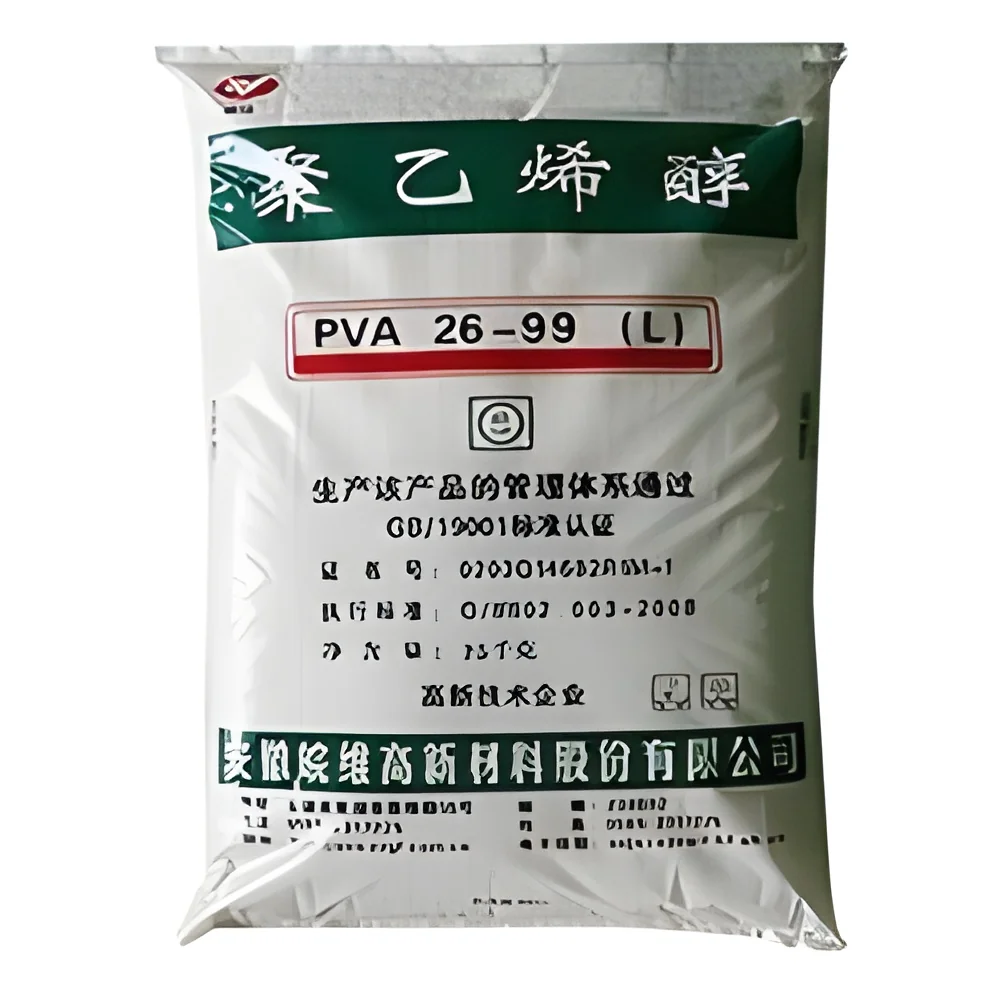
PVA Granules
PVA granules are often used in applications where dissolution is required. They are easy to handle and can be blended with other materials to achieve desired properties.
PVA Film
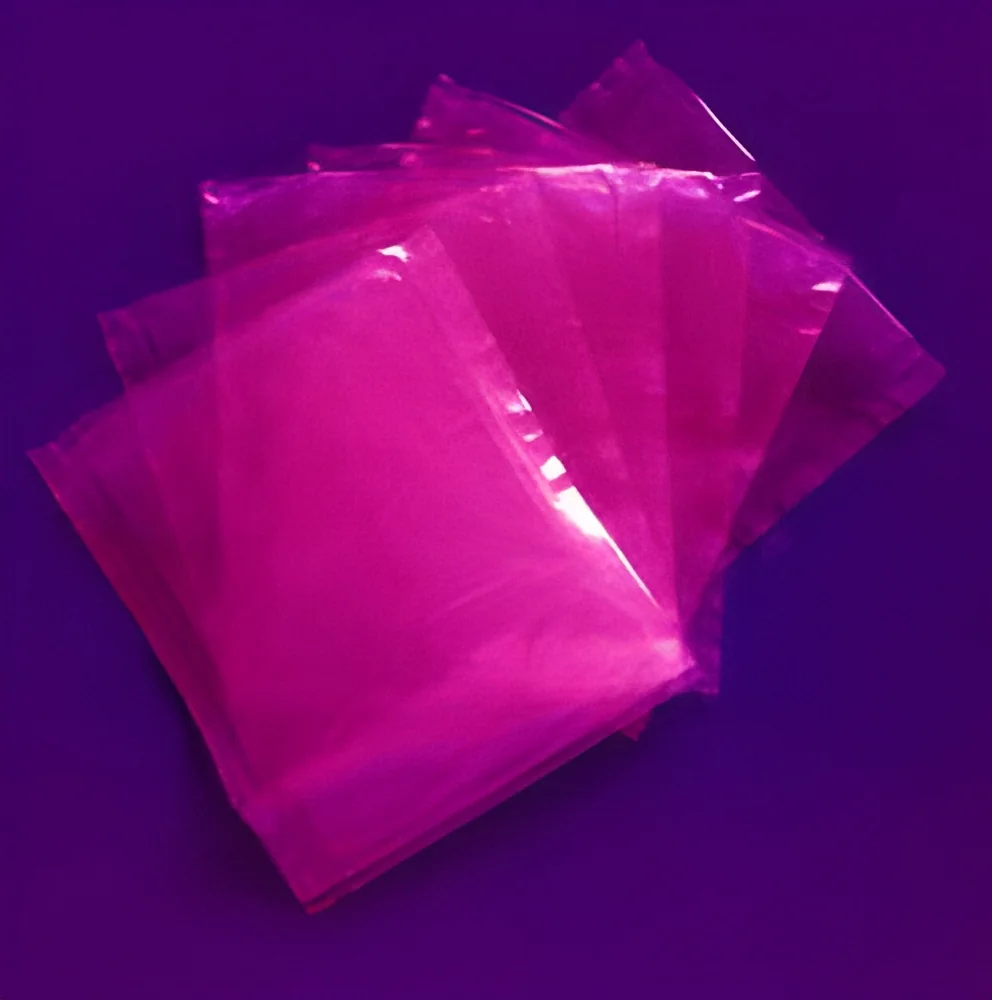
PVA films are known for their clarity and flexibility, making them ideal for packaging applications. They offer moisture resistance and biodegradability, aligning with sustainable practices.
PVA Solutions
PVA solutions are versatile and can be customized for specific viscosity and concentration levels. They are used in adhesive formulations and as binders in various industrial processes.
Benefits and Advantages
PVA materials provide a multitude of benefits that make them a preferred choice in numerous industrial applications. Their unique properties contribute significantly to their effectiveness.
Key benefits include:
1. Versatility: PVA can be modified to suit various applications, from adhesives to biodegradable films, allowing for broad usage across industries.
2. Environmental Friendliness: The biodegradable nature of PVA aligns with sustainable practices, making it a responsible choice for eco-conscious companies.
3. Strong Bonding: PVA adhesives provide reliable and durable bonding, ensuring long-lasting performance in various applications.
4. Customizability: PVA materials can be tailored for specific viscosity, solubility, and strength requirements, meeting diverse industrial needs.
5. Safety: PVA is non-toxic and safe for use in applications involving food packaging and pharmaceuticals, ensuring compliance with safety standards.
6. Cost-Effectiveness: The availability of PVA in bulk and its multifunctional applications contribute to overall cost savings for businesses.
Buying Guide for B2B Buyers
When sourcing PVA (Polyvinyl Alcohol) materials, it is essential to consider various factors to ensure the right selection for your business needs.
1. Quality Assessment: Evaluate the quality of PVA by reviewing material specifications and conducting tests to ensure it meets required standards for your application.
2. Supplier Verification: Vet potential suppliers by checking their credentials, industry experience, and customer reviews to ensure reliability and consistency in supply.
3. Pricing and MOQ: Understand the pricing structure and minimum order quantities (MOQ) to ensure alignment with your budget and purchasing plans.
4. Delivery and Lead Times: Discuss logistics with suppliers to establish realistic delivery schedules, ensuring you can meet production timelines without delays.
5. Compliance Requirements: Ensure that the PVA materials meet relevant regulatory and compliance standards for your industry, including safety and environmental considerations.
Compliance and Certifications
PVA materials must adhere to various quality standards and certifications to ensure safety and effectiveness in their applications.
Relevant quality standards include ISO 9001, which outlines requirements for a quality management system, and HACCP (Hazard Analysis Critical Control Point), which is essential for food-related applications. Additionally, GDP (Good Distribution Practice) ensures that products are consistently stored and transported under proper conditions.
Industry certifications such as CE indicate compliance with safety and health requirements within the European Economic Area. These certifications are critical for gaining market access and ensuring product reliability.
Safety and testing requirements for PVA materials involve thorough evaluations to assess their properties, ensuring they do not pose health risks. Manufacturers must also consider regional compliance requirements that may vary based on local regulations.
Why Source PVA (Polyvinyl Alcohol) Materials from Pepagora?
Pepagora provides a trusted platform for sourcing PVA (Polyvinyl Alcohol) materials, offering numerous advantages to B2B buyers.
Verified Supplier Network: Pepagora connects buyers with a network of verified suppliers, ensuring reliability and quality in sourcing PVA materials. This verification process enhances buyer confidence and promotes transparency in transactions.
Streamlined RFQ Process: The platform features an easy-to-use Request for Quotation (RFQ) process, allowing buyers to quickly receive competitive quotes from multiple suppliers. This efficiency helps businesses make informed purchasing decisions.
Trade Assurance and Support: Pepagora offers trade assurance and support to protect buyers throughout the transaction. This includes assistance with negotiations, payment security, and dispute resolution, fostering a positive purchasing experience.
Regional Coverage: With a strong presence in India, the GCC, and Southeast Asia, Pepagora ensures broad geographic reach, enabling businesses to access quality PVA materials from diverse suppliers across these regions.

 India
 India
Frequently Asked Questions
What are PVA (Polyvinyl Alcohol) Materials?
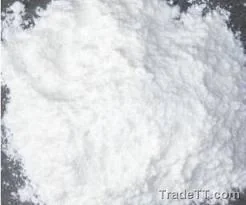
PVA (Polyvinyl Alcohol) Materials are synthetic polymers that are soluble in water and known for their excellent film-forming, emulsifying, and adhesive properties. They are used in various applications, including textiles, paper, and packaging, due to their biodegradability and versatility.
What are the different types of PVA (Polyvinyl Alcohol) Materials?
There are several grades of PVA materials, categorized primarily by their degree of hydrolysis and molecular weight. Common types include fully hydrolyzed PVA, partially hydrolyzed PVA, and low molecular weight PVA, each tailored for specific applications such as adhesives, coatings, and films.
How do I choose the right PVA (Polyvinyl Alcohol) Materials?
Choosing the right PVA materials depends on the intended application, required properties like solubility and viscosity, and environmental considerations. It is advisable to consult with suppliers or manufacturers to match the PVA grade with your specific needs.
What are the standard specifications for PVA (Polyvinyl Alcohol) Materials?
Standard specifications for PVA materials typically include parameters such as viscosity, degree of hydrolysis, and molecular weight. These specifications ensure that the materials meet the requirements for strength, solubility, and application performance.
What is the price range for PVA (Polyvinyl Alcohol) Materials?
The price range for PVA materials can vary significantly based on factors such as grade, quantity, and supplier. Generally, prices may range from INR 200 to INR 800 per kilogram, depending on market conditions and specific product characteristics.
What quality standards apply to PVA (Polyvinyl Alcohol) Materials?
PVA materials are typically subject to various quality standards, including ISO certifications and specific industry regulations. Compliance with these standards ensures product consistency, safety, and suitability for their intended applications.
Where can I find PVA (Polyvinyl Alcohol) Materials suppliers in India?
You can find PVA materials suppliers in India through online B2B marketplaces like Pepagora, industry trade shows, and directories. These platforms can connect you with reputable manufacturers and distributors to meet your sourcing needs.
Can PVA (Polyvinyl Alcohol) Materials be customized?
Yes, PVA materials can often be customized to meet specific requirements, such as varying viscosity, hydrolysis levels, or additional properties. Working closely with manufacturers can help you obtain tailored solutions for your applications.
What is the typical minimum order quantity for PVA (Polyvinyl Alcohol) Materials?
The typical minimum order quantity (MOQ) for PVA materials can vary by supplier and product specifications, generally ranging from 25 kg to 1 ton. It is advisable to check with the supplier for their specific MOQ requirements.
What is the typical lead time for PVA (Polyvinyl Alcohol) Materials?
The typical lead time for PVA materials can range from a few days to several weeks, depending on the supplier's inventory, customization needs, and order size. It is recommended to confirm the lead time with your chosen supplier during the ordering process.
Why Businesses Trust Pepagora
Thousands of companies trust Pepagora to source smarter and sell faster
Expand Your Sales Globally

Source Smarter,Grow Faster
