IN
IN₹
Apparel & Fashion
Description
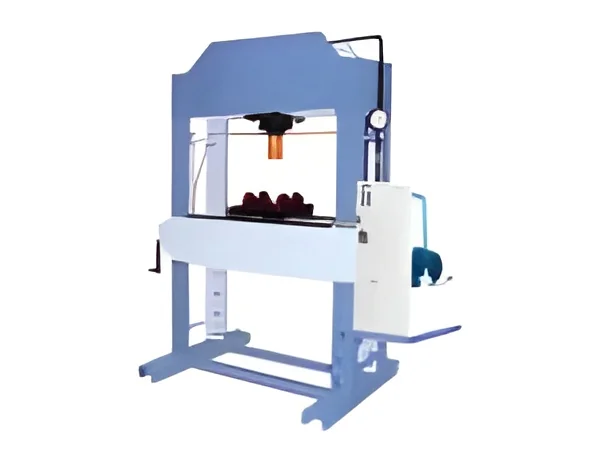
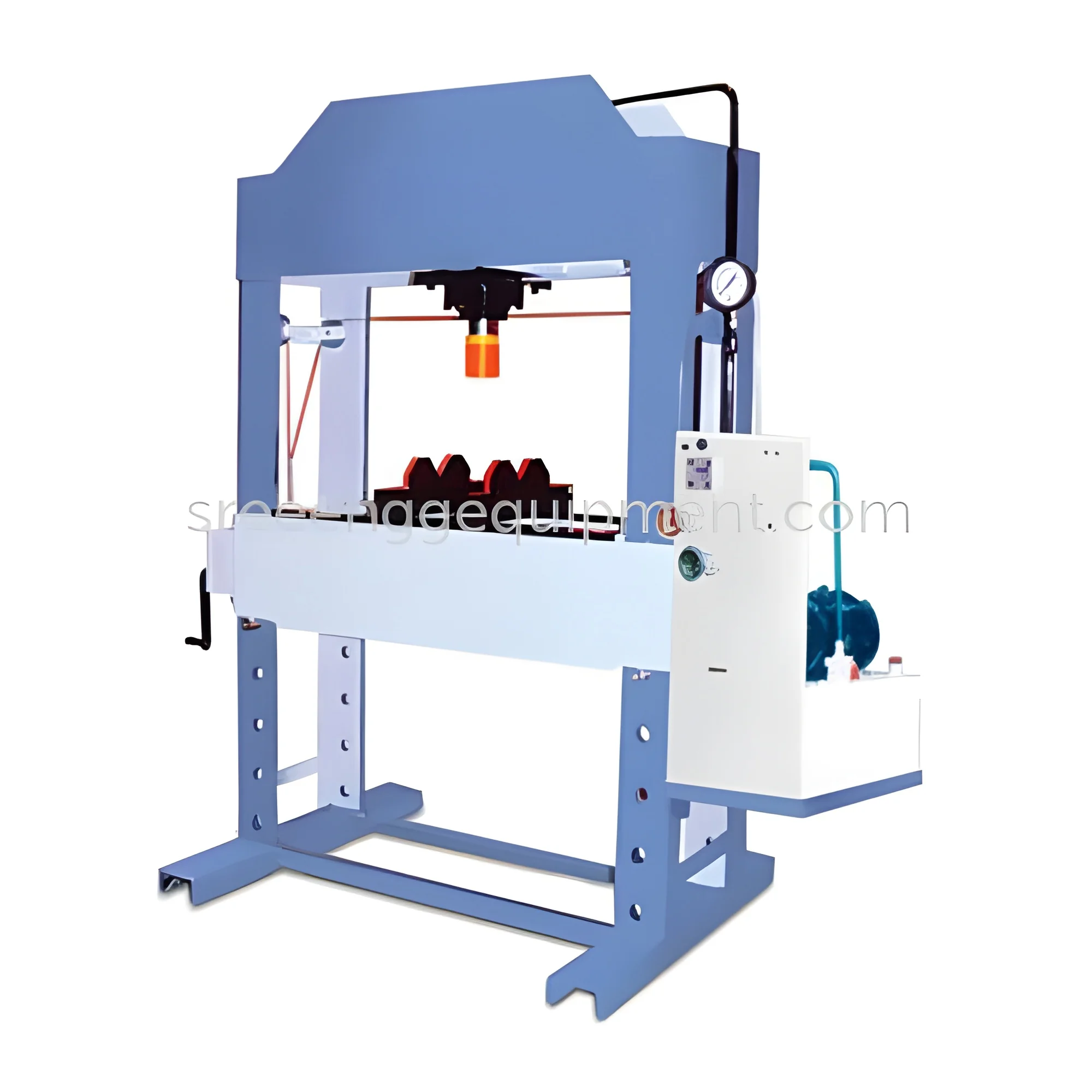
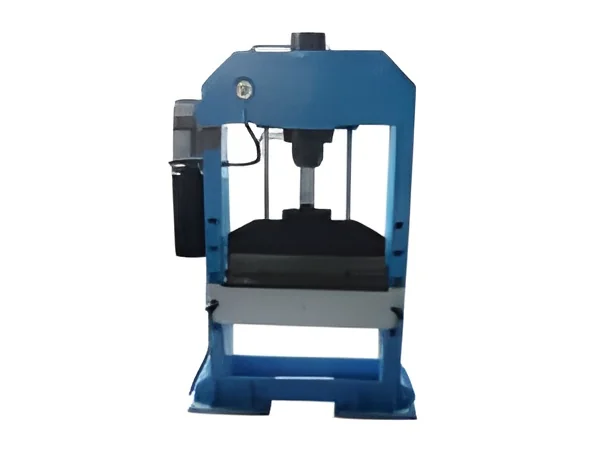
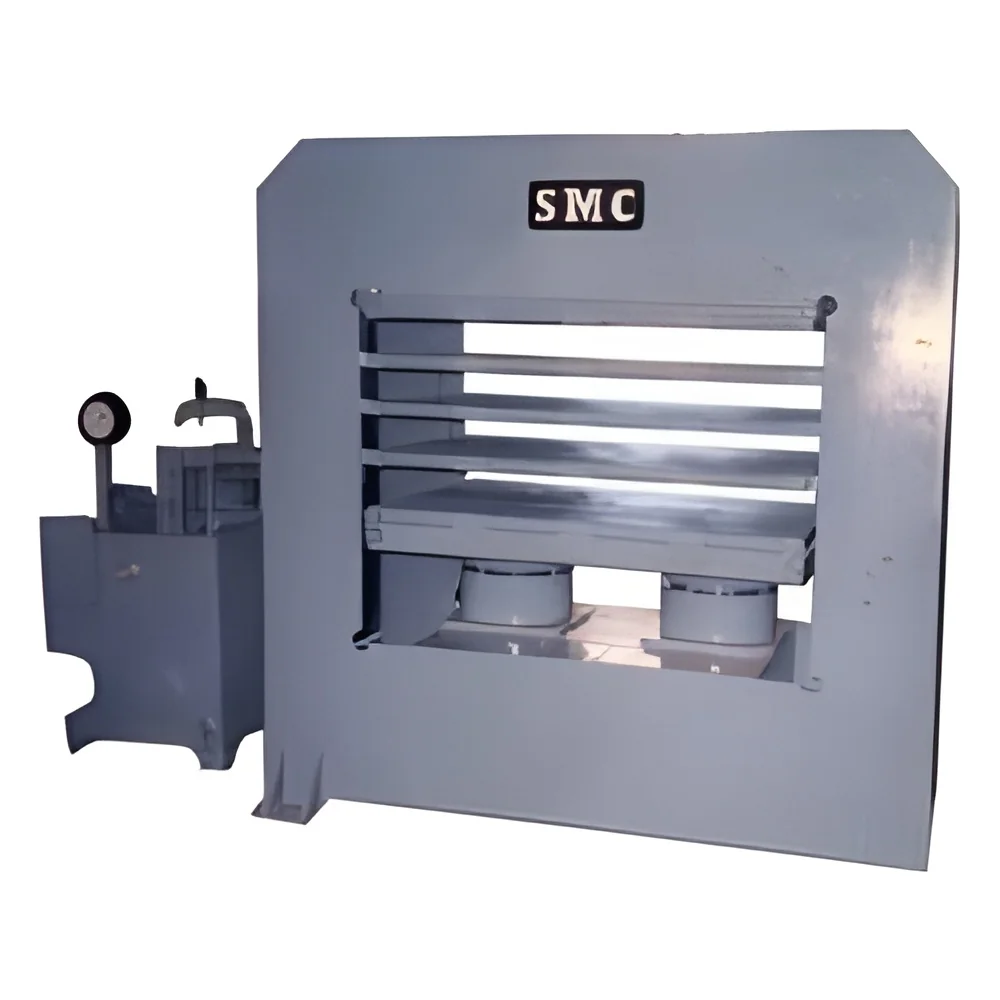
The hydraulic deep drawing press represents precision engineering for industrial metal forming, transforming flat sheet metal into deep, seamless components through controlled hydraulic force. This advanced machine ensures uniform material distribution and precise depth control, making it essential for manufacturing processes that demand exacting accuracy and consistent results. Built with durability as a core principle, it delivers reliable performance across extended production cycles while maintaining strict quality standards. The press combines substantial power with fine-tuned control, providing manufacturers with a dependable solution for creating complex geometries and deep-drawn parts that meet rigorous specifications.

This press serves vital functions across multiple precision manufacturing sectors. In automotive production, it forms critical components like body panels, fuel systems, and structural elements. Aerospace applications include engine components, airframe parts, a...
The hydraulic deep drawing press represents precision engineering for industrial metal forming, transforming flat sheet metal into deep, seamless components through controlled hydraulic force. This advanced machine ensures uniform material distribution and precise depth control, making it essential for manufacturing processes that demand exacting accuracy and consistent results. Built with durability as a core principle, it delivers reliable performance across extended production cycles while maintaining strict quality standards. The press combines substantial power with fine-tuned control, providing manufacturers with a dependable solution for creating complex geometries and deep-drawn parts that meet rigorous specifications.

This press serves vital functions across multiple precision manufacturing sectors. In automotive production, it forms critical components like body panels, fuel systems, and structural elements. Aerospace applications include engine components, airframe parts, and specialized housings requiring exact tolerances. Appliance manufacturing utilizes the press for sinks, housings, and functional parts. The machine also supports electrical industry needs for enclosures and industrial container production where deep-drawn shapes are essential. Its versatility extends to handling various metals including steel, aluminum, copper, and specialized alloys across different thickness specifications, making it a fundamental asset in modern manufacturing facilities seeking to expand their metal forming capabilities.

The hydraulic deep drawing press delivers substantial business value through operational reliability, production efficiency, and consistent output quality. Manufacturers benefit from reduced material waste through precise forming processes and lower maintenance requirements due to robust construction. The machine supports higher productivity through optimized cycle times and consistent part quality, reducing rework and inspection needs. Its durable design ensures long-term performance with minimal operational downtime, providing excellent return on investment for businesses focused on precision manufacturing. The equipment's proven reliability makes it a strategic asset for companies scaling their operations while maintaining quality standards and meeting delivery commitments.

Key Features:
- Advanced hydraulic system providing consistent pressure and precise control throughout the forming cycle
- Deep drawing capability for producing complex geometric parts with uniform wall thickness
- Heavy-duty steel construction with reinforced frame ensuring long-term reliability and stability
- Adjustable tonnage capacity and customizable bed sizes to match specific production requirements
- Intuitive control interface with programmable settings for efficient operation and repeatable results

Benefits:
- Consistent part quality with precise dimensional accuracy and repeatable production outcomes
- Reduced material waste through optimized forming processes and minimal scrap generation
- Lower operational costs with efficient energy use and reduced maintenance requirements
- Enhanced production flexibility to handle various metals, thicknesses, and part geometries
- Long equipment lifespan with durable construction minimizing downtime and replacement needs
Specifications
| Additional Information | |
|---|---|
| Country of Origin | India |
Application
This hydraulic deep drawing press transforms sheet metal into deep, complex components with exceptional accuracy and repeatability. Its robust construction ensures reliable operation in high-volume manufacturing settings where precision is critical for maintaining quality standards and meeting tight tolerances consistently across production runs.
The press handles various metals and material thicknesses, offering versatility for diverse industrial needs. It is designed to minimize material waste and reduce operational costs while maintaining efficient production cycles. This makes it an ideal solution for manufacturers seeking durable, high-performance equipment that enhances their metal forming capabilities and supports long-term operational efficiency.
- Production of automotive body panels, fuel tanks, and structural components
- Manufacturing aerospace parts including engine housings and specialized ducts
- Fabrication of kitchen sinks, appliance housings, and sanitaryware
- Creating electrical enclosures, industrial containers, and pressure vessels
- Forming specialized components for medical equipment and defense applications
Trade Details
| Available Stock | In Stock |
| Sample Availability | No |
Payment Terms
| Payment Terms |
|
Company Profile

Sree Engineering Equipments, Tamil Nadu
 Tamil Nadu, India
Tamil Nadu, IndiaTools & Hardware•Manufacturer•Distributor / Wholesaler
Factory Details
Factory SizeBelow 1000 sqm
Annual Production Capacity0
Main Markets
Domestic
Hydraulic Deep Drawing Press For Precision Metal Forming In Automotive Aerospace
Hydraulic deep drawing press delivers precision metal forming for automotive, aerospace, and appliance manufacturing. Engineered for reliability and superior performance in demanding production environments.
Min. Order Quantity: 1 unit
Shipping
Shipping fee and delivery date to be negotiated. Contact supplier now for more details.
Sree Engineering Equipments
 Tamil Nadu, India
Tamil Nadu, IndiaTools & HardwareManufacturer