What are Punches & Chisels?
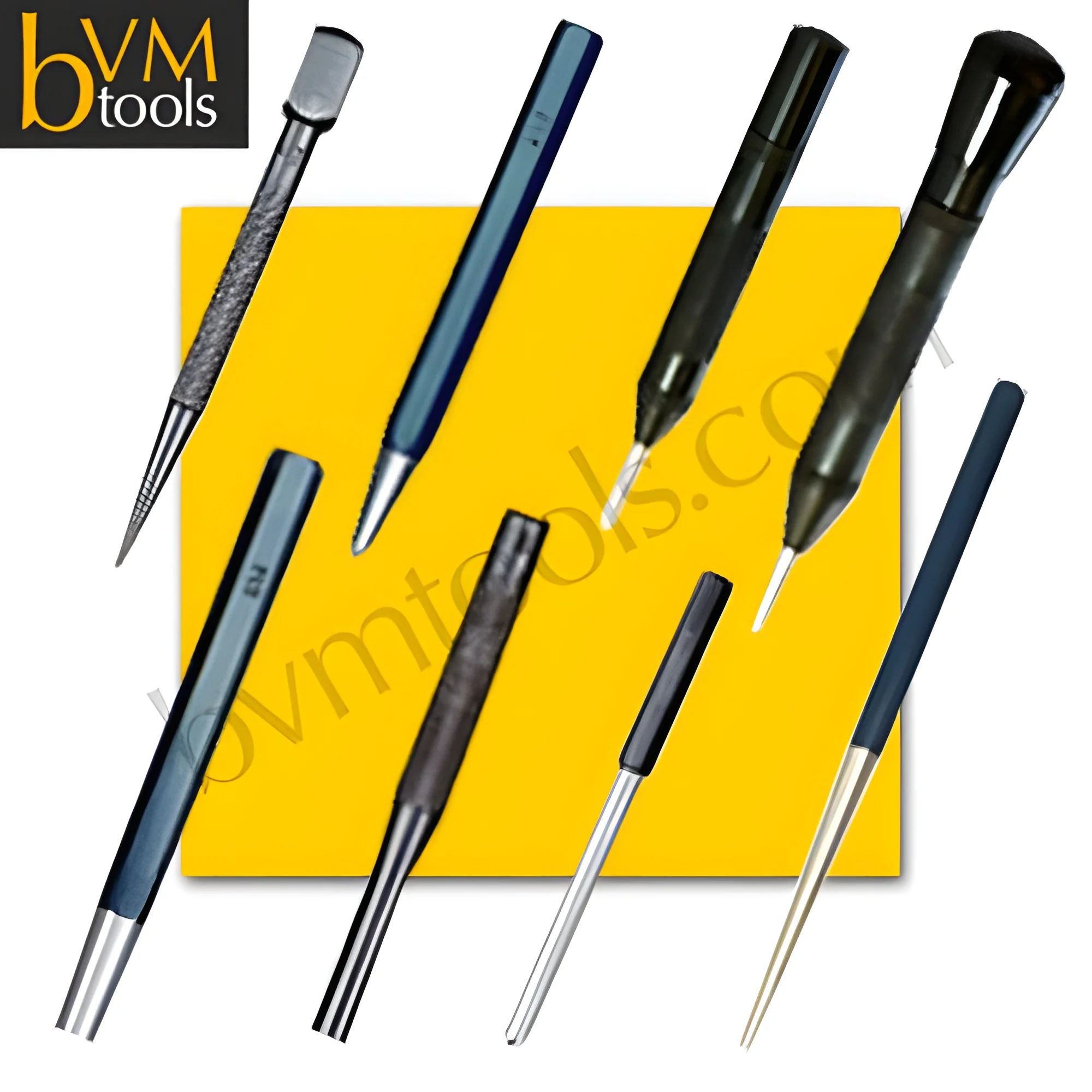
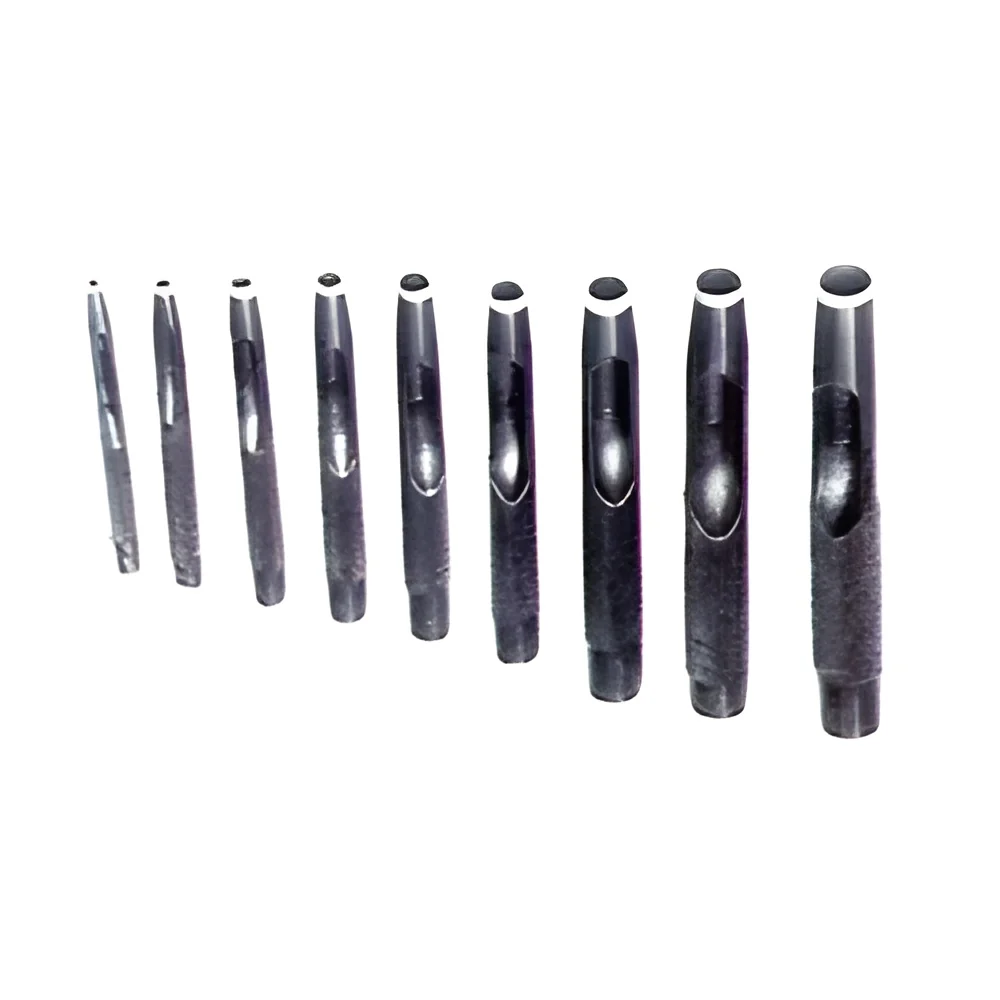
Punches and chisels are essential hand tools used for shaping, cutting, and creating indentations in various materials, primarily metals and wood. Punches are designed to create holes or marks in a material by applying pressure, while chisels are used for cutting or carving out sections of material. These tools come in a range of sizes and shapes, allowing for precision work in different applications.
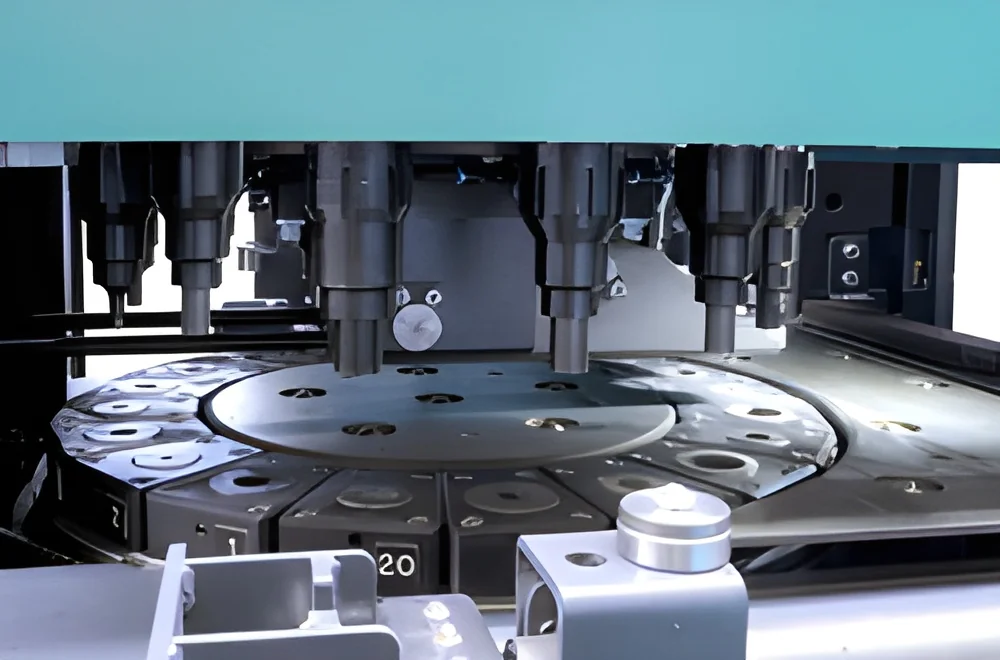
The primary uses of punches and chisels span various industries, including manufacturing, construction, and woodworking. In manufacturing, punches can be employed to create holes in metal components for assembly. Chisels are vital in the construction industry for tasks such as trimming and shaping materials. Additionally, these tools are widely used in artistic and craft applications, where detailed carving is required.
In the current market, punches and chisels remain relevant due to their versatility and effectiveness in various applications. With ongoing innovations in tool design and manufacturing processes, businesses continue to rely on these tools to achieve high-quality results in their projects. As demand grows, manufacturers are exploring new materials and technologies to enhance the performance and durability of punches and chisels.
Key Features and Specifications
Punches and chisels are characterized by several key features that ensure their effectiveness and durability in various applications. Understanding these specifications is crucial for businesses looking to invest in high-quality tools.
Key specifications include:
1. Material Composition
- Punches and chisels are typically made from high-carbon steel or tool steel.
- These materials offer superior hardness and resistance to wear.
2. Tip Design
- Punches may have flat, pointed, or hollow tips depending on the intended use.
- Chisel tips are available in various shapes, such as straight or bevelled.
3. Length
- Tools come in different lengths, generally ranging from 3 to 12 inches.
- Longer tools provide greater leverage for tougher materials.
4. Diameter
- Punches are available in multiple diameters for creating holes of different sizes.
- Common diameters range from 1/16 inch to 1 inch.
5. Handle Design
- Ergonomic handles are designed for comfort and grip, reducing hand fatigue.
- Some tools feature shock-absorbing grips to enhance user safety.
6. Hardness Rating
- Hardness is often measured in Rockwell scale, with ratings typically from HRC 40 to HRC 60.
- Higher ratings indicate greater hardness and durability.
7. Surface Finish
- Many punches and chisels have a polished or coated finish to prevent corrosion.
- Surface treatments enhance the longevity of the tools.
In summary, understanding these specifications helps buyers select the right punches and chisels tailored to their specific needs, ultimately improving productivity and quality in their operations.
Common Applications and Use Cases
Punches and chisels serve a wide range of industries and applications due to their versatility and effectiveness.
1. Manufacturing: In manufacturing, punches are often used to create holes in metal sheets for assembly, while chisels are employed for shaping and finishing metal parts.
2. Construction: In construction, chisels are crucial for trimming and shaping wood or masonry materials, allowing for precision fitting and detailing in structures.
3. Woodworking: Woodworkers use chisels for carving intricate designs and details in furniture and cabinetry, while punches assist in creating dowel holes for joints.
4. Metal Fabrication: In metal fabrication, punches create precise holes for fastening and assembly, while chisels remove excess material for a smooth finish.
5. Automotive: In the automotive industry, punches are used to create holes for mounting components, and chisels are employed in bodywork for shaping and repairing metal parts.
6. Crafting: Crafters utilize punches for decorative purposes, such as creating unique patterns in paper or leather, while chisels are used for artistic carving.
7. DIY Projects: DIY enthusiasts often employ punches and chisels for various home improvement tasks, from building furniture to crafting custom decor.
Product Variants and Subcategories
Punches and chisels come in various types, each designed for specific applications, providing flexibility for businesses.
Flat Chisels: These chisels have a straight edge designed for cutting and shaping wood and other materials. They are commonly used in woodworking for clean cuts and finishes.
Pointed Punches: Pointed punches are designed for creating starter holes in metal or wood, ensuring accurate drilling. They are widely used in construction and manufacturing.
Cold Chisels: Made for cutting and shaping hardened steel, cold chisels are essential in metalworking applications. They are designed to withstand high impact and stress.
Taper Punches: Taper punches are used to align holes in metal parts and facilitate easier drilling. Their tapered design allows for precise entry into existing holes.
Center Punches: Center punches are used to mark the center point for drilling, ensuring accuracy. They create a small indentation that guides drill bits, minimizing slipping.
Benefits and Advantages
Investing in high-quality punches and chisels provides numerous benefits for businesses across various industries.
1. Precision: These tools offer high accuracy, allowing for clean cuts and precise holes, which is essential for quality workmanship.
2. Durability: Made from high-grade materials, punches and chisels are designed to withstand intensive use, ensuring longevity and reduced replacement costs.
3. Versatility: With a wide range of applications across different industries, these tools can be used for multiple tasks, making them a valuable addition to any toolkit.
4. Ease of Use: Ergonomic designs and various sizes make punches and chisels easy to handle, enhancing user comfort and efficiency.
5. Cost-Effectiveness: Quality punches and chisels can significantly improve productivity, leading to better results and reduced labor costs over time.
6. Safety: Many tools are designed with safety features, minimizing the risk of injury during use and providing peace of mind for operators.
Buying Guide for B2B Buyers
When sourcing punches and chisels, businesses should consider several important factors to ensure they select the best tools for their needs.
1. Quality Assessment: Evaluate the material quality and construction of punches and chisels. Look for tools made from high-carbon or tool steel, as these offer superior performance.
2. Supplier Verification: Vet suppliers by checking their credentials, customer reviews, and product certifications. A reliable supplier will provide quality assurance and support.
3. Pricing and MOQ: Understand the pricing structure and minimum order quantities (MOQ) before placing orders. Compare prices from multiple suppliers to ensure competitive rates.
4. Delivery and Lead Times: Consider delivery options and lead times when planning purchases. Ensure suppliers can meet your project's timelines to avoid delays.
5. Compliance Requirements: Be aware of any regulatory standards that apply to punches and chisels in your region. Ensure that suppliers can provide necessary certifications, such as CE marking.
Compliance and Certifications
Compliance with industry standards and certifications is critical for ensuring the quality and safety of punches and chisels.
Reputable manufacturers often adhere to quality standards such as ISO 9001, which outlines requirements for a quality management system. This certification indicates a commitment to maintaining high-quality production processes.
Additionally, CE certification is essential for tools sold in the European market, ensuring they meet safety and environmental protection requirements. Compliance with these standards assures buyers of the tools' reliability and safety for use in various applications.
Safety and testing requirements are also paramount, as tools must undergo rigorous testing to ensure they can withstand operational stresses. Businesses should look for products that have been tested against industry benchmarks to guarantee performance and safety.
Regional compliance considerations may vary, so it is crucial for buyers to understand local regulations that could affect the use and distribution of punches and chisels in their respective markets.
Why Source Punches & Chisels from Pepagora?
Pepagora provides a trusted platform for sourcing punches and chisels, offering several key advantages to B2B buyers.
Verified Supplier Network: Pepagora connects buyers with a network of verified suppliers, ensuring that each vendor meets strict quality and reliability standards. This network allows businesses to source tools from reputable manufacturers.
Streamlined RFQ Process: The request for quotation (RFQ) process on Pepagora is designed to be straightforward and efficient. Buyers can easily submit their requirements and receive competitive quotes from multiple suppliers, saving time and effort.
Trade Assurance and Support: Pepagora offers trade assurance programs that protect buyers throughout the sourcing process. This includes support for dispute resolution and ensuring timely deliveries, providing peace of mind.
Regional Coverage: With a strong presence in India, the GCC, and Southeast Asia, Pepagora offers extensive regional coverage. This allows businesses to access a wide range of products and suppliers tailored to their local markets, facilitating smoother transactions.
By choosing Pepagora as a sourcing platform, businesses can ensure they obtain high-quality punches and chisels while enjoying reliable support and a vast supplier network.

 IN
IN
 India
India