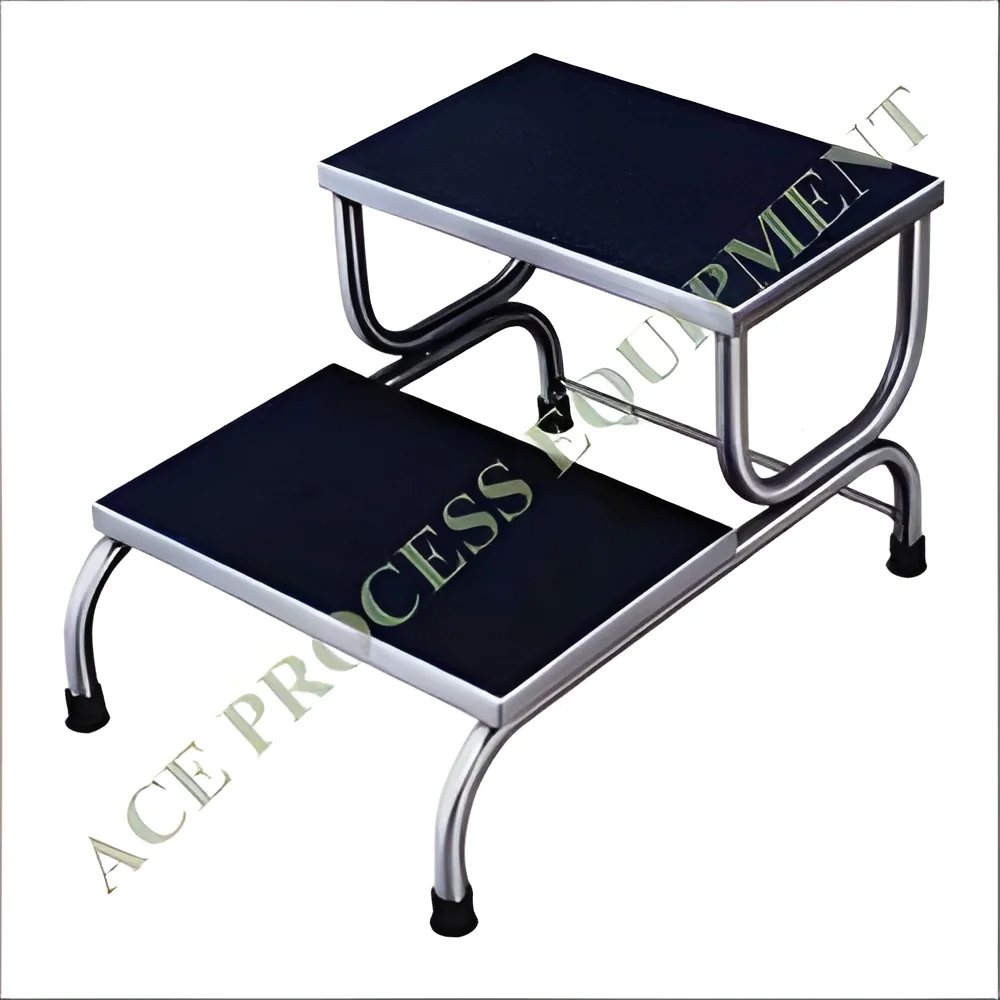
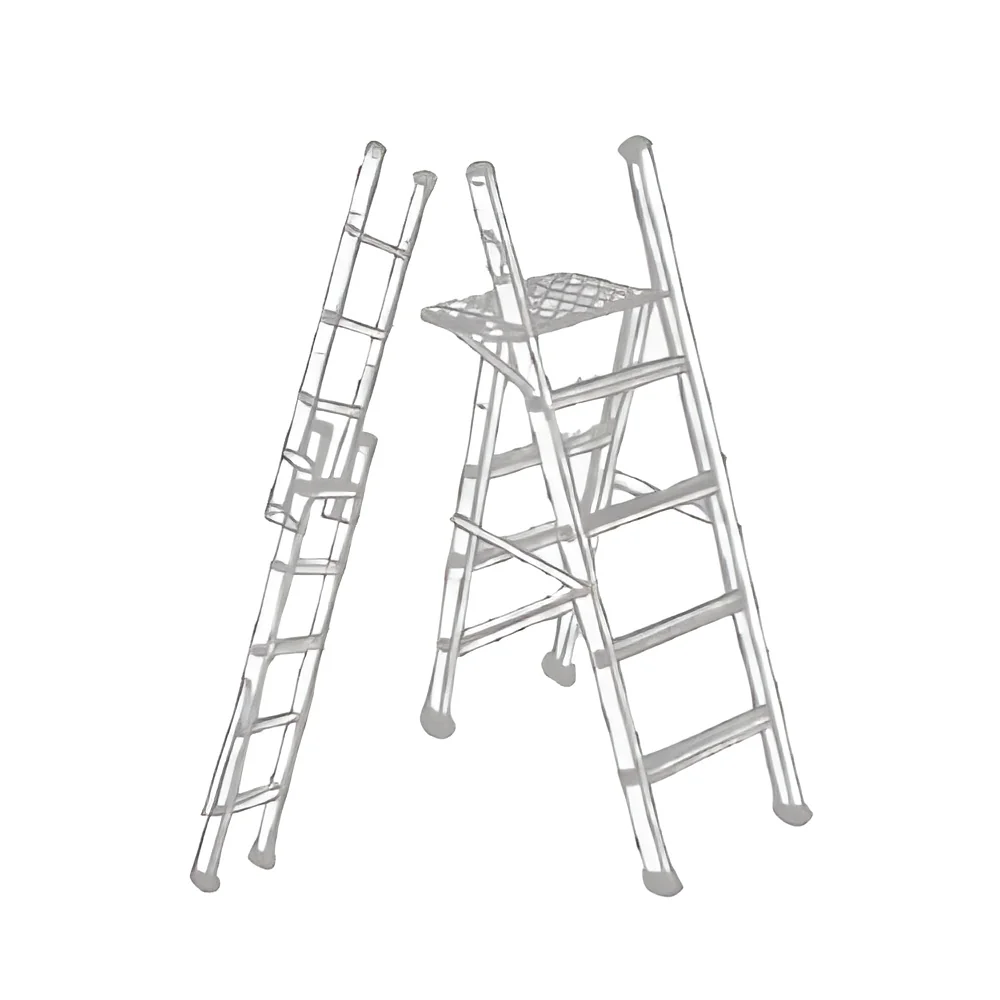
What are Ladders & Step Stools?
Ladders and step stools are essential tools designed to provide access to elevated areas safely and efficiently. They come in various styles and materials, catering to different needs and preferences. Ladders typically consist of two upright supports connected by rungs or steps, allowing users to climb to various heights. Step stools, on the other hand, are smaller and more portable, often featuring a foldable design that makes them easy to store and transport.
These products find primary use in both residential and commercial settings. In homes, they assist with tasks such as changing light bulbs, reaching high shelves, or performing maintenance work. In business environments, ladders and step stools are indispensable in sectors like retail, construction, and warehousing, where employees frequently need to access products or equipment stored at height. The growing emphasis on workplace safety has increased the demand for high-quality, compliant ladders and step stools across various industries.
In today's market, ladders and step stools represent a significant segment of the industrial tools sector. With continuous advancements in safety features and materials, manufacturers are focusing on producing innovative products that meet the diverse needs of their users. This evolution is crucial as businesses strive to enhance productivity and ensure employee safety while working at heights.
Key Features and Specifications
Ladders and step stools boast several key features that enhance their functionality and safety. Understanding these specifications is essential for making informed purchasing decisions.
Key specifications include:
1. Material Composition
- Common materials include aluminum, fiberglass, and steel.
- Each material offers unique benefits such as lightweight construction or durability.
2. Load Capacity
- Varies by model, typically ranging from 200 to 1,200 pounds.
- Essential to choose a ladder or step stool that meets specific weight requirements.
3. Height Range
- Available in various heights, from 2-foot step stools to 20-foot ladders.
- Ensures users can find the right size for their specific tasks.
4. Step Width
- Standard step width ranges from 12 to 16 inches.
- Wider steps offer increased stability and comfort during use.
5. Foldability
- Many step stools feature a foldable design for easy storage.
- Ladders may also have collapsible options for convenience.
6. Safety Features
- Includes slip-resistant feet and locking mechanisms.
- Essential for preventing accidents while in use.
7. Compliance Standards
- Must adhere to safety regulations such as ANSI and OSHA standards.
- Ensures products meet industry safety requirements.
8. Warranty
- Varies by manufacturer, typically ranging from 1 to 5 years.
- A good warranty reflects the manufacturer's confidence in their product quality.
In summary, understanding the key features and specifications of ladders and step stools is vital for ensuring that they meet the specific needs of businesses and comply with safety standards.
Common Applications and Use Cases
Ladders and step stools are versatile tools used across various industries. Their adaptability makes them a staple in many business operations.
1. Retail: In retail environments, ladders help employees restock shelves and display merchandise at varying heights, ensuring a well-organized store.
2. Construction: Construction workers frequently use ladders to access rooftops and elevated structures, making them essential for building projects.
3. Warehousing: In warehouses, step stools assist workers in retrieving items from high storage locations, improving efficiency in inventory management.
4. Maintenance: Facility maintenance teams rely on ladders for tasks such as changing light bulbs, cleaning gutters, and performing repairs.
5. Landscaping: Landscapers use step stools to reach higher plants and perform trimming or maintenance tasks safely.
6. Education: In schools and universities, ladders are often used for accessing storage areas, hanging decorations, or conducting repairs.
7. Hospitality: Hotels and restaurants employ ladders for maintenance tasks, including cleaning windows and accessing high displays.
Product Variants and Subcategories
Ladders and step stools come in various designs, each tailored to specific applications and user needs. This diversity allows businesses to choose the right product for their tasks.
Aluminum Ladders: Lightweight and corrosion-resistant, aluminum ladders are ideal for indoor and outdoor use. They are easy to transport and suitable for a variety of tasks.
Fiberglass Ladders: Known for their strength and electrical insulation properties, fiberglass ladders are perfect for electricians and those working near live wires. They are durable and designed for heavy-duty tasks.
Platform Step Stools: These stools feature a larger platform for stability and are often equipped with handrails. They are excellent for tasks requiring prolonged standing or support.
Folding Step Stools: Designed for easy storage, folding step stools are highly portable and convenient for quick access to elevated areas. They are commonly used in both homes and workplaces.
Benefits and Advantages
Ladders and step stools offer several advantages that enhance their value in various settings. Understanding these benefits can help businesses make informed purchasing decisions.
Key benefits include:
1. Enhanced Safety: Modern ladders and step stools come equipped with safety features to prevent accidents, ensuring a secure working environment.
2. Increased Efficiency: Accessing hard-to-reach areas quickly allows employees to complete tasks faster, boosting overall productivity.
3. Versatility: Their diverse designs make ladders and step stools suitable for a wide range of applications across different industries.
4. Space Saving: Folding and collapsible options allow for easy storage, making them ideal for businesses with limited space.
5. Cost-Effectiveness: High-quality ladders and step stools are durable and long-lasting, providing excellent value over time.
6. Compliance Assurance: Many products meet industry safety standards, helping businesses avoid potential liability issues.
Buying Guide for B2B Buyers
When sourcing ladders and step stools, B2B buyers should consider several key factors to ensure they select the right products for their needs.
1. Quality Assessment: Evaluate the quality of materials and construction. Look for products that meet recognized safety standards to ensure reliability.
2. Supplier Verification: Vet suppliers carefully. Check their reputation, certifications, and customer reviews to ensure they provide quality products.
3. Pricing and MOQ: Consider the pricing structure and minimum order quantity (MOQ). Comparing multiple suppliers can help find the best value.
4. Delivery and Lead Times: Assess the supplier's ability to meet delivery deadlines. Timely delivery is critical for maintaining operations.
5. Compliance Requirements: Ensure that the products comply with relevant safety regulations and standards specific to your industry to avoid legal complications.
Compliance and Certifications
Ladders and step stools must adhere to various compliance standards to ensure safety and reliability. Key standards include ISO 9001, which focuses on quality management systems, and CE certification, indicating compliance with European safety regulations.
Manufacturers should also follow safety and testing requirements set forth by organizations such as ANSI and OSHA. These guidelines help maintain high safety standards for products used in industrial settings.
Additionally, regional compliance considerations may vary based on local laws and regulations. It is crucial for businesses to stay informed about these requirements to ensure that their ladders and step stools are compliant and safe for use.
Why Source Ladders & Step Stools from Pepagora?
Pepagora provides a trusted platform for sourcing ladders and step stools, offering several key advantages for B2B buyers.
Verified Supplier Network: Pepagora connects buyers with a comprehensive network of verified suppliers. Each supplier undergoes rigorous screening to ensure quality and reliability.
Streamlined RFQ Process: The platform features a user-friendly request for quotation (RFQ) system, enabling buyers to easily compare prices and specifications from multiple suppliers, saving time and effort.
Trade Assurance and Support: Pepagora offers trade assurance, providing buyers with added protection throughout the purchasing process. This support helps mitigate risks associated with sourcing products.
Regional Coverage: With a broad geographic reach, including India, the GCC, and Southeast Asia, Pepagora caters to businesses across various regions, ensuring easy access to quality ladders and step stools regardless of location.

 IN
IN