What are Industrial Maintenance Tools?
Industrial maintenance tools are specialized equipment and instruments designed to facilitate the upkeep and repair of machinery and systems within various industrial settings. These tools are essential for ensuring operational efficiency, safety, and compliance with regulatory standards. They encompass a broad range of products including hand tools, power tools, diagnostic instruments, and safety devices.
The primary uses of industrial maintenance tools include preventive maintenance, repair tasks, and troubleshooting issues in machinery and manufacturing processes. They are widely utilized in sectors such as manufacturing, construction, automotive, and energy production. Businesses leverage these tools to minimize downtime, enhance productivity, and prolong the lifespan of their assets.
In the current market, the demand for industrial maintenance tools is steadily increasing due to the growing emphasis on operational efficiency and the need for compliance with safety regulations. As industries evolve and adopt advanced technologies, the importance of high-quality maintenance tools becomes even more critical to ensure seamless operations.
Key Features and Specifications
Industrial maintenance tools come with a variety of features and specifications that enhance their utility and effectiveness. Understanding these specifications is crucial for selecting the right tools for specific maintenance tasks.
Key specifications include:
1. Material Composition
- Typically made from durable materials such as stainless steel, carbon steel, or high-grade plastics
- Ensures longevity and resistance to wear and tear
2. Ergonomic Design
- Designed for ease of use and comfort
- Reduces operator fatigue during prolonged use
3. Precision Engineering
- Tools are manufactured to meet strict tolerances for accuracy
- Ensures reliable performance in critical applications
4. Safety Features
- Incorporates mechanisms such as guards, safety locks, and non-slip grips
- Enhances user safety during operation
5. Portability
- Many tools are designed to be lightweight and easy to transport
- Facilitates use in various locations and environments
6. Versatility
- Suitable for a range of applications, from light maintenance to heavy-duty repairs
- Can often be used with multiple attachments or accessories
7. Warranty and Support
- Many manufacturers offer warranties and after-sales support
- Provides assurance of product reliability and service
8. Compliance with Standards
- Adheres to relevant industrial standards such as CE certification
- Ensures tools meet specific safety and quality benchmarks
In summary, the features and specifications of industrial maintenance tools are designed to improve performance, usability, and safety, making them indispensable in various industrial environments.
Common Applications and Use Cases
Industrial maintenance tools have a wide array of applications across different industries, each requiring specific tools for their maintenance needs.
1. Manufacturing: Tools are used to maintain production equipment, ensuring that machinery operates smoothly and efficiently. Regular maintenance prevents unexpected breakdowns and reduces downtime.
2. Construction: Maintenance tools are essential for repairing and servicing construction machinery and tools. They help ensure that equipment is safe and operational for ongoing projects.
3. Automotive: These tools are crucial in the automotive industry for servicing vehicles and machinery used in manufacturing. They assist in diagnosing issues and performing repairs.
4. Energy Production: Maintenance tools are used to service equipment in power plants, ensuring that generators and turbines operate at peak efficiency.
5. HVAC: Tools designed for heating, ventilation, and air conditioning systems are necessary for routine maintenance and repairs, contributing to energy efficiency and system reliability.
6. Agriculture: These tools support the maintenance of agricultural machinery and equipment, enabling farmers to keep their operations running smoothly.
7. Facility Management: In commercial buildings, maintenance tools are used to keep machinery and systems, such as elevators and HVAC systems, in working order.
Product Variants and Subcategories
The diversity of industrial maintenance tools allows for specialized variants tailored to specific needs and applications.
Hand Tools
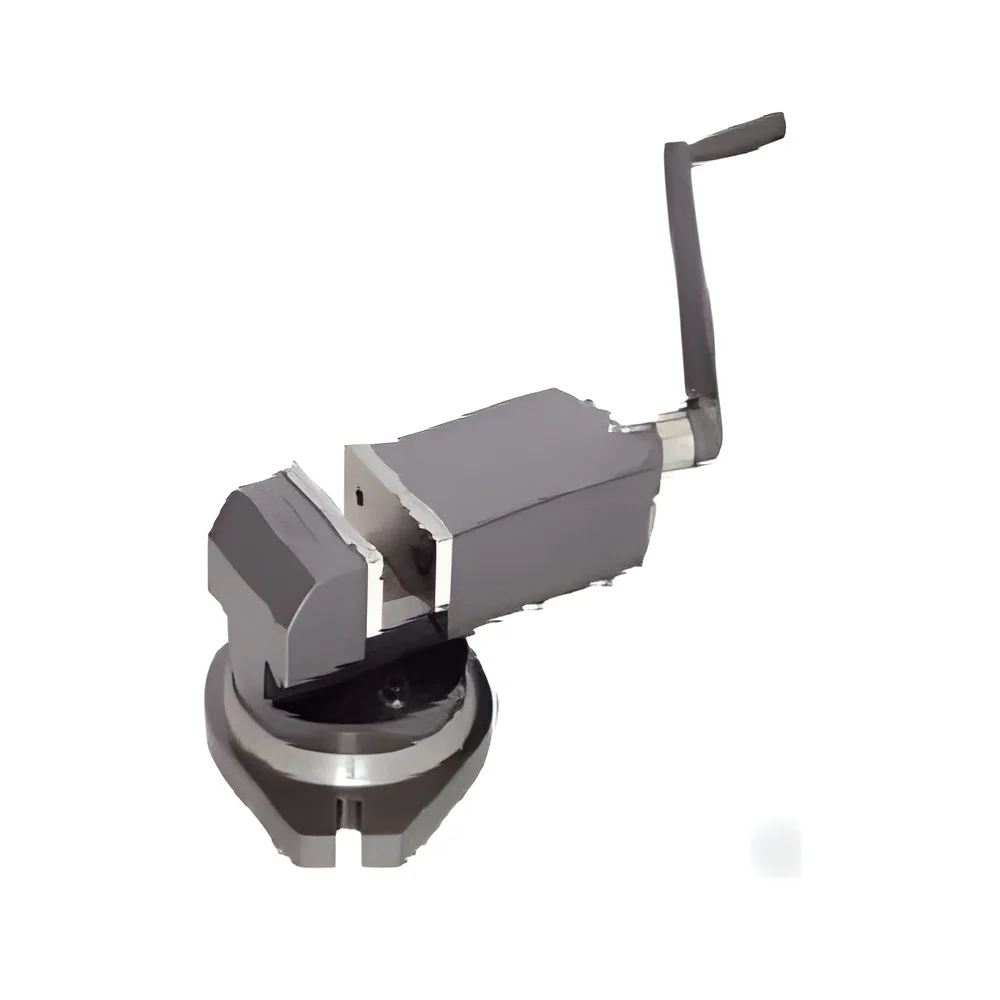
Hand tools include wrenches, screwdrivers, pliers, and hammers. They are essential for mechanical repairs and adjustments, offering precision and control for various tasks.
Power Tools
Power tools, such as drills, saws, and grinders, provide increased efficiency and speed for maintenance tasks. They are designed for heavy-duty use and can handle more demanding applications.
Diagnostic Tools
These tools include multimeters, oscilloscopes, and thermal imaging cameras. They are critical for troubleshooting and diagnosing issues in complex machinery and systems.
Safety Equipment
Safety gear such as gloves, goggles, and helmets are essential to protect workers during maintenance tasks. They ensure compliance with safety regulations and enhance workplace safety.
Benefits and Advantages
Investing in industrial maintenance tools offers numerous advantages that can significantly enhance operational efficiency.
1. Increased Productivity: High-quality tools streamline maintenance tasks, allowing for quicker repairs and less downtime.
2. Cost Efficiency: Regular maintenance using the right tools can prevent costly breakdowns and extend the lifespan of equipment, leading to reduced overall costs.
3. Improved Safety: Tools designed with safety features help minimize the risk of accidents and injuries in the workplace, ensuring compliance with safety standards.
4. Enhanced Precision: Precision tools ensure accurate measurements and repairs, reducing the likelihood of errors that can lead to further issues.
5. Versatility: Many industrial maintenance tools can be used across different applications, making them a versatile investment for businesses.
6. User Comfort: Ergonomically designed tools reduce fatigue and strain on workers, leading to better performance and job satisfaction.
Buying Guide for B2B Buyers
When sourcing industrial maintenance tools, it is important for B2B buyers to consider several key factors to ensure they make informed purchasing decisions.
1. Quality Assessment: Evaluate the quality of tools by looking for reputable brands and checking for industry certifications. High-quality tools often have a longer lifespan and require less frequent replacement.
2. Supplier Verification: Research potential suppliers to ensure they have a good reputation and a track record of reliability. Look for reviews, ask for references, and verify certifications.
3. Pricing and MOQ: Understand the pricing structure and minimum order quantities (MOQ) required by suppliers. This will help in budgeting and ensuring that you meet supplier requirements.
4. Delivery and Lead Times: Inquire about delivery options and lead times, especially if tools are needed urgently. A reliable supplier should provide clear timelines for order fulfillment.
5. Compliance Requirements: Ensure that the tools meet relevant compliance and regulatory standards. This is crucial for safety and operational efficiency in your industry.
Compliance and Certifications
Compliance with quality standards and certifications is crucial in the industrial maintenance tools market. Many tools adhere to standards such as ISO 9001, which ensures that products meet international quality management principles. Additionally, CE certification indicates that the tools comply with safety and environmental standards set by the European Union.
Safety and testing requirements are also significant, as they ensure that tools are safe to use and perform reliably under various conditions. Buyers should also consider regional compliance, as different markets may have specific regulations governing the use of industrial tools.
Why Source Industrial Maintenance Tools from Pepagora?
Pepagora provides a trusted platform for sourcing industrial maintenance tools, offering multiple advantages to buyers.
Verified Supplier Network: Pepagora maintains a network of verified suppliers, ensuring that buyers can access high-quality products from reputable manufacturers. This reduces the risk associated with sourcing.
Streamlined RFQ Process: The request for quotation (RFQ) process on Pepagora is designed to be user-friendly, enabling buyers to compare quotes efficiently and select the best options for their needs.
Trade Assurance and Support: Pepagora offers trade assurance and buyer protection, giving customers confidence in their purchases. This support includes assistance with any issues that may arise during transactions.
Regional Coverage: With a presence in key markets such as India, the GCC, and Southeast Asia, Pepagora connects buyers with suppliers across the region, facilitating easier access to a diverse range of industrial maintenance tools.

 IN
IN