
 IN
Torque Wrenches
5 products available
What are Torque Wrenches?
Torque wrenches are precision tools used to apply a specific amount of torque to a fastener, such as a bolt or nut. They are essential for ensuring that fasteners are tightened to the manufacturer's specifications, which is crucial for the integrity and safety of mechanical assemblies. Torque wrenches come in various types, including click, beam, and digital models, catering to different needs and applications in industrial settings.
These tools are predominantly used in industries such as automotive, aerospace, and construction, where precise fastener tension is critical. In automotive service, for example, a torque wrench ensures that lug nuts are tightened to the correct specifications, preventing wheel detachment. Similarly, in aerospace, it is vital to maintain exact torque values on critical components to ensure safety and performance. The market for torque wrenches continues to grow, driven by advancements in technology and the increasing demand for precision engineering.
Key Features and Specifications
Torque wrenches are equipped with various features that make them suitable for precise applications. Understanding these specifications is essential for selecting the right tool for your operations.
Key specifications include:
1. Torque Range
- The range of torque that the wrench can apply, typically measured in foot-pounds or Newton-meters.
- Common ranges include 10-150 ft-lbs and 20-300 Nm.
2. Accuracy
- The precision with which the wrench can measure and apply torque.
- Accuracy is often expressed as a percentage of the reading, such as ± 4%.
3. Drive Size
- The size of the drive socket, which affects compatibility with various fasteners.
- Common sizes include 1/4 inch, 3/8 inch, and 1/2 inch.
4. Calibration
- The frequency and method of calibration required to maintain accuracy.
- Calibration intervals may vary, often recommended every 6-12 months.
5. Construction Material
- The materials used in the wrench's construction, which affect durability and weight.
- Common materials include steel and aluminum.
6. Display Type
- The type of readout for torque measurement, which can be analog or digital.
- Digital displays often provide easier readability and additional features.
7. Handle Type
- The design of the handle, which can include features for comfort and grip.
- Options include rubberized grips and ergonomic shapes for better handling.
8. Compliance Standards
- Adherence to industry standards and certifications that ensure quality and reliability.
- Many torque wrenches comply with CE standards.
These specifications help ensure that the torque wrenches meet the rigorous demands of various industrial applications.
Common Applications and Use Cases
Torque wrenches find utility across a wide range of industries, each requiring precise torque application.
1. Automotive Industry: In automotive repair and assembly, torque wrenches are vital for ensuring that bolts and nuts are tightened to specified torque values, enhancing vehicle safety and performance.
2. Aerospace Engineering: These tools are crucial in aerospace applications where components must be assembled with exact precision to maintain structural integrity and safety during flight.
3. Construction: In building projects, torque wrenches are used to secure structural components, ensuring that connections can withstand loads and stresses.
4. Manufacturing: In various manufacturing processes, torque wrenches are employed for assembly tasks, ensuring that products meet quality and safety standards.
5. Oil and Gas Industry: Torque wrenches are utilized in the assembly and maintenance of pipelines and drilling equipment, where precise fastening is critical.
6. Marine Industry: In shipbuilding and maintenance, torque wrenches ensure that critical components are securely fastened in harsh environments.
7. Electrical Engineering: In electrical applications, torque wrenches help secure connections in control panels and equipment to prevent failures.
Product Variants and Subcategories
Torque wrenches come in several variants, each designed for specific applications and user preferences.
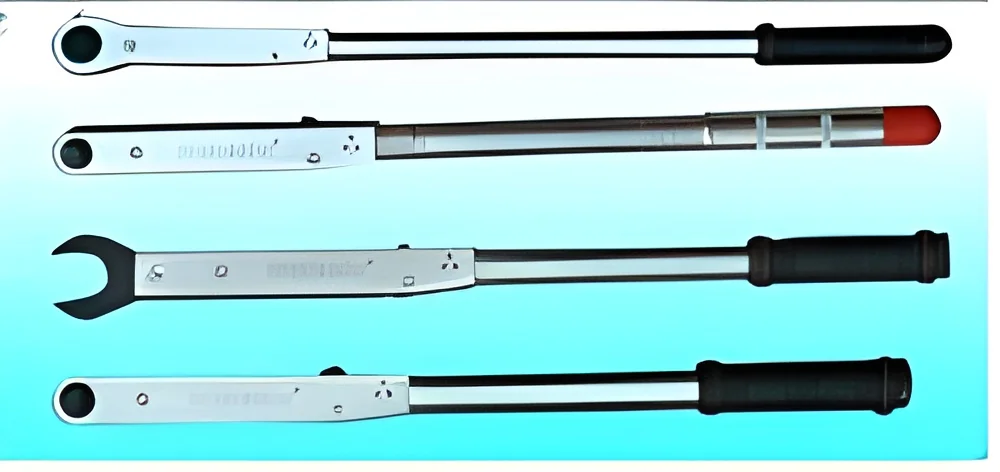
Click Torque Wrenches: These wrenches emit a click sound when the set torque is reached, providing a tactile signal to the user. They are popular in automotive and maintenance applications for their simplicity and reliability.
Beam Torque Wrenches: Featuring a scale and a pointer, beam wrenches allow users to visually monitor torque application. They are often used in educational settings and industries where a visual cue is essential.
Digital Torque Wrenches: Equipped with digital displays, these wrenches provide precise readings and often include memory functions and alerts. They are ideal for applications requiring high accuracy and ease of use.
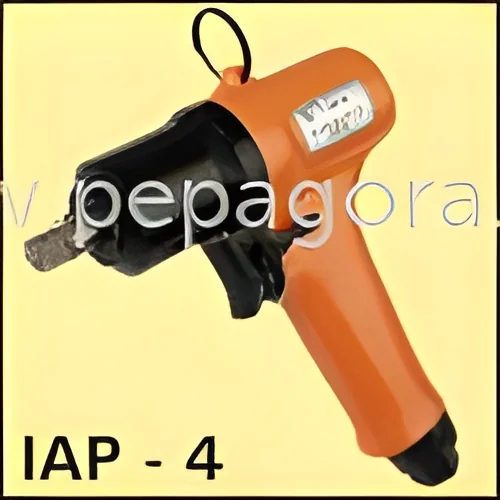
Pneumatic Torque Wrenches: These wrenches are powered by compressed air, making them suitable for high-volume applications, such as manufacturing and assembly lines.
Benefits and Advantages
Torque wrenches offer numerous advantages that enhance operational efficiency and safety.
1. Precision Tightening: They ensure that fasteners are tightened to the exact specifications, reducing the risk of failure due to under or over-tightening.
2. Improved Safety: By applying the correct torque, these tools help prevent accidents caused by loose or improperly fastened components.
3. Enhanced Durability: Regular use of torque wrenches prolongs the lifespan of fasteners and machinery by preventing wear and tear associated with improper tightening.
4. User-Friendly: Many modern torque wrenches feature intuitive designs, making them easy to use even for those with limited experience.
5. Cost-Effective: Investing in quality torque wrenches can reduce maintenance costs by preventing damage and ensuring long-term reliability of equipment.
6. Versatility: Torque wrenches can be used in various applications across multiple industries, making them a valuable addition to any toolkit.
Buying Guide for B2B Buyers
When sourcing torque wrenches, several crucial factors should be considered to ensure the best purchase decisions.
1. Quality Assessment: Evaluate the quality of torque wrenches by checking for certifications and adherence to industry standards. Reliable brands often provide detailed specifications and warranty information.
2. Supplier Verification: Vetting suppliers is essential to ensure they have a good reputation and provide quality products. Look for customer reviews, testimonials, and industry credentials.
3. Pricing and MOQ: Understand the pricing structure and minimum order quantities (MOQ) offered by suppliers. This information helps in budgeting and ensures you can meet your operational needs without overspending.
4. Delivery and Lead Times: Consider the logistics involved in acquiring torque wrenches, including shipping times and costs. Timely delivery is critical in maintaining project schedules.
5. Compliance Requirements: Ensure that the torque wrenches comply with regional regulations and standards. This includes certifications such as CE, which can affect importation and use in specific markets.
Compliance and Certifications
Torque wrenches are subject to various quality standards and certifications that ensure their performance and reliability in industrial applications. ISO 9001 is a widely recognized standard that confirms a manufacturer’s commitment to quality management systems.
Additionally, the CE marking indicates that a product meets European safety, health, and environmental protection standards. This certification is crucial for companies looking to operate in European markets.
Safety and testing requirements for torque wrenches include regular calibration and adherence to manufacturer guidelines to ensure ongoing accuracy and performance. Regional compliance considerations may vary, so it is essential to stay informed about specific legal requirements in your operating area.
Why Source Torque Wrenches from Pepagora?
Pepagora offers a trusted platform for sourcing torque wrenches, providing numerous advantages to B2B buyers.
Verified Supplier Network: Pepagora ensures that all suppliers in its network are thoroughly vetted and verified, offering peace of mind to buyers regarding product quality and supplier reliability.
Streamlined RFQ Process: The request for quotation (RFQ) process on Pepagora is designed for efficiency, allowing buyers to obtain multiple quotes quickly. This feature simplifies decision-making and helps secure the best pricing.
Trade Assurance and Support: Buyers are protected through trade assurance policies that ensure safe transactions. Pepagora also provides customer support to assist with any inquiries or issues that may arise.
Regional Coverage: Pepagora serves a broad geographic area, including India, the GCC, and Southeast Asia. This extensive reach allows buyers to access a diverse range of torque wrenches suited to various industry needs.


Frequently Asked Questions
What are Torque Wrenches?
Torque wrenches are precision tools used to apply a specific torque to a fastener, such as a nut or bolt. They are essential in various industries to ensure that fasteners are tightened to the correct specifications, preventing damage or failure.
What are the different types of Torque Wrenches?
There are several types of torque wrenches, including beam, click, digital, and adjustable torque wrenches. Each type has unique features and applications, ensuring that users can select the most suitable tool for their specific needs.
How do I choose the right Torque Wrenches?
To choose the right torque wrench, consider factors such as the required torque range, type of fasteners, and the environment in which it will be used. Additionally, evaluate the accuracy, ease of use, and durability of the wrench to ensure it meets your operational needs.
What are the standard specifications for Torque Wrenches?
Standard specifications for torque wrenches typically include torque range, accuracy percentage, and drive size. Ensuring that these specifications align with your application requirements is crucial for effective use.
What is the price range for Torque Wrenches?
The price range for torque wrenches can vary significantly based on type, brand, and specifications. Generally, prices can start from a few hundred rupees for basic models and go up to several thousand rupees for advanced, professional-grade tools.
What quality standards apply to Torque Wrenches?
Torque wrenches are typically subjected to quality standards such as ISO 6789 and ASME B107.300. Compliance with these standards ensures the accuracy and reliability of the wrenches in various applications.
Where can I find Torque Wrenches suppliers in India?
You can find torque wrench suppliers in India through B2B marketplaces like Pepagora, trade exhibitions, and industrial supply catalogs. Online platforms often provide a wide range of options and allow you to compare prices and specifications.
Can Torque Wrenches be customized?
Yes, torque wrenches can be customized based on specific requirements, such as torque settings, handle design, and branding. Customization options may vary by manufacturer, so it's advisable to discuss your needs with potential suppliers.
What is the typical minimum order quantity for Torque Wrenches?
The typical minimum order quantity (MOQ) for torque wrenches can vary depending on the manufacturer and specific product. Generally, MOQs can range from 1 to several dozen units, particularly for custom orders.
What is the typical lead time for Torque Wrenches?
The typical lead time for torque wrenches can range from a few days to several weeks, depending on factors such as availability, customization, and shipping. It's recommended to confirm lead times with suppliers when placing an order.
Why Businesses Trust Pepagora
Thousands of companies trust Pepagora to source smarter and sell faster
Expand Your Sales Globally

Source Smarter,Grow Faster
