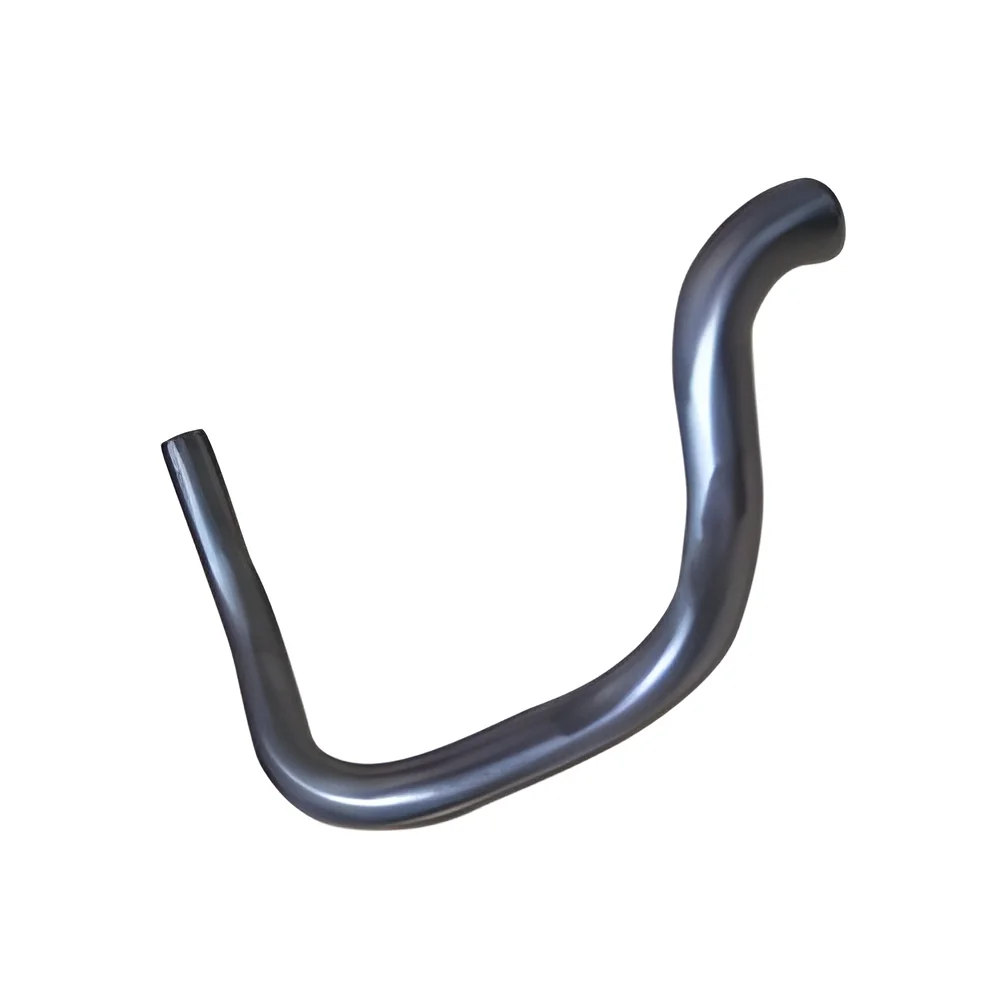
What are Pipe Benders?
Pipe benders are specialized tools or machines designed to bend pipes into various shapes and angles without compromising the structural integrity of the material. These devices are essential in the manufacturing and construction industries, allowing for precise bends in metal, plastic, and other materials. Pipe benders come in various designs, ranging from manual hand benders to fully automated hydraulic systems, catering to different production needs and volume requirements.
The primary use of pipe benders is in applications that require pipes to fit into specific architectural, industrial, or mechanical designs. Industries such as plumbing, HVAC, automotive, and construction rely heavily on pipe benders to create intricate pipe layouts that meet stringent specifications. These tools facilitate efficiency in production processes and help reduce waste by allowing for accurate shaping of materials.
In today's competitive market, the relevance of pipe benders is underscored by the increasing demand for customized piping solutions. As industries evolve, the need for flexible manufacturing processes that can adapt to unique project requirements becomes crucial. The global market for pipe benders continues to expand, driven by advancements in technology and increasing industrial activities.
Key Features and Specifications
When evaluating pipe benders for industrial applications, several key features and specifications are critical to consider. These specifications determine the effectiveness, efficiency, and suitability of pipe benders for specific tasks.
Key specifications include:
1. Bending Capacity
- This specification refers to the maximum diameter and wall thickness of the pipes that can be bent.
- Typical ranges may include capacities from 1/4 inch to 6 inches in diameter, depending on the model.
2. Bending Angle
- The bending angle specifies the range of angles the pipe bender can achieve.
- Common angles include 0 to 180 degrees, allowing for versatile applications.
3. Power Source
- Pipe benders may be manual, electric, or hydraulic.
- Electric and hydraulic models typically offer more power and efficiency for larger jobs.
4. Material Compatibility
- Different pipe benders are designed for specific materials, including stainless steel, aluminum, and PVC.
- Knowing material compatibility ensures the right tool for the job.
5. Automation Features
- Some models come with automated settings for precision and repeatability.
- Features may include digital controls and programmable bending sequences.
6. Portability
- Depending on the design, some pipe benders are compact and portable for use in various locations.
- This is particularly useful for contractors who work on site.
7. Safety Features
- Pipe benders may include protective guards and emergency stop buttons to enhance operator safety.
In summary, understanding these specifications is crucial for selecting the right pipe bender for your business needs, ensuring efficiency and quality in pipe bending operations.
Common Applications and Use Cases
Pipe benders are utilized across a variety of industries, each with specific applications that benefit from this essential tool.
1. Plumbing: In plumbing, pipe benders are used to create custom bends for water supply lines and drainage systems, ensuring proper fit and flow.
2. HVAC: In heating, ventilation, and air conditioning systems, pipe benders help in shaping ducts and refrigerant lines to fit within tight spaces.
3. Automotive: The automotive industry employs pipe benders to produce exhaust systems and fuel lines, requiring precise bends to maintain performance and safety.
4. Construction: In construction, pipe benders are essential for scaffolding and framework, allowing for the creation of strong, custom structures.
5. Furniture Manufacturing: For furniture makers, pipe benders are used to create unique designs in metal piping for tables, chairs, and other products.
6. Aerospace: The aerospace sector uses pipe benders to form tubes that are integral to aircraft systems, requiring high precision and quality.
7. Oil and Gas: In the oil and gas industry, pipe benders are critical for creating pipelines and fittings that withstand high pressures and harsh environments.
Product Variants and Subcategories
Pipe benders come in a range of variants to suit different needs and applications. Although specific subcategories are not available, the diversity in design allows for tailored solutions.
Manual Pipe Benders: These are hand-operated tools ideal for small-scale projects and on-site adjustments. They offer portability and ease of use for quick bends.
Electric Pipe Benders: Designed for higher volume operations, electric pipe benders provide consistent power for efficient bending. They are suitable for production environments where precision is essential.
Hydraulic Pipe Benders: These machines use hydraulic pressure to bend heavy-duty pipes. They are ideal for industrial applications requiring significant bending capacity and durability.
Benefits and Advantages
Choosing the right pipe bender offers several key benefits that enhance production efficiency and quality.
1. Increased Efficiency: Automated and hydraulic models speed up the bending process, allowing for more work to be completed in less time.
2. Precision Bending: Advanced features ensure accurate bends every time, reducing waste and the need for rework.
3. Versatile Applications: Pipe benders can accommodate various materials and sizes, making them suitable for a wide range of industries.
4. Cost Savings: By minimizing waste and enhancing production speeds, businesses can achieve significant cost efficiencies over time.
5. Enhanced Safety: Modern pipe benders are designed with safety features that protect operators, reducing the risk of accidents.
6. Customization Capabilities: Many pipe benders can be adjusted for different sizes and angles, allowing for tailored solutions for specific projects.
Buying Guide for B2B Buyers
When sourcing pipe benders, it is essential to consider several factors to ensure that you select the right equipment for your business.
1. Quality Assessment: Evaluate the build quality and materials used in the pipe bender. Look for models that meet industry standards and have a reputation for reliability.
2. Supplier Verification: Vet suppliers thoroughly by checking their credentials, customer reviews, and history in the market to ensure you are dealing with reputable manufacturers.
3. Pricing and MOQ: Understand the pricing structure and the minimum order quantity (MOQ) required. This will help in budgeting and ensuring you meet your business needs without excess expenditure.
4. Delivery and Lead Times: Consider logistics and delivery schedules. Ensure that the supplier can meet your timeline for delivery to avoid project delays.
5. Compliance Requirements: Check for any regulatory compliance that may be necessary for your industry. Ensure that the pipe bender meets all relevant safety and quality standards.
Compliance and Certifications
Pipe benders must adhere to various compliance and certification standards to ensure quality and safety in their operation.
Relevant quality standards such as ISO 9001 focus on maintaining high-quality management systems, ensuring that manufacturers consistently produce reliable products. Additionally, industry certifications like CE indicate compliance with European safety standards, which is essential for gaining customer trust and satisfying regulatory requirements.
Safety and testing requirements are crucial in the manufacturing of pipe benders. This includes rigorous testing of equipment to ensure it operates safely under specified conditions.
Regional compliance considerations may vary based on local regulations. It is important for manufacturers and suppliers to remain updated on these requirements to ensure their products can be marketed and used in different regions without legal complications.
Why Source Pipe Benders from Pepagora?
Pepagora is a trusted platform for sourcing pipe benders, offering several key advantages to B2B buyers.
Verified Supplier Network: Pepagora ensures that all suppliers in their network are thoroughly vetted, providing buyers with confidence in the quality and reliability of products.
Streamlined RFQ Process: The request for quotation (RFQ) process on Pepagora is designed to be efficient, allowing buyers to quickly receive quotes from multiple suppliers, making it easier to compare options.
Trade Assurance and Support: Pepagora offers buyer protection through trade assurance, ensuring that transactions are secure and that any issues can be resolved with support from the platform.
Regional Coverage: With a strong presence in India, the GCC, and Southeast Asia, Pepagora provides access to a wide range of suppliers, making it easier for businesses to find the right pipe bender for their specific needs.
By leveraging these advantages, businesses can make informed decisions and streamline their procurement processes for pipe benders.

 IN
IN