What are Sealant & Adhesive Dispensers?
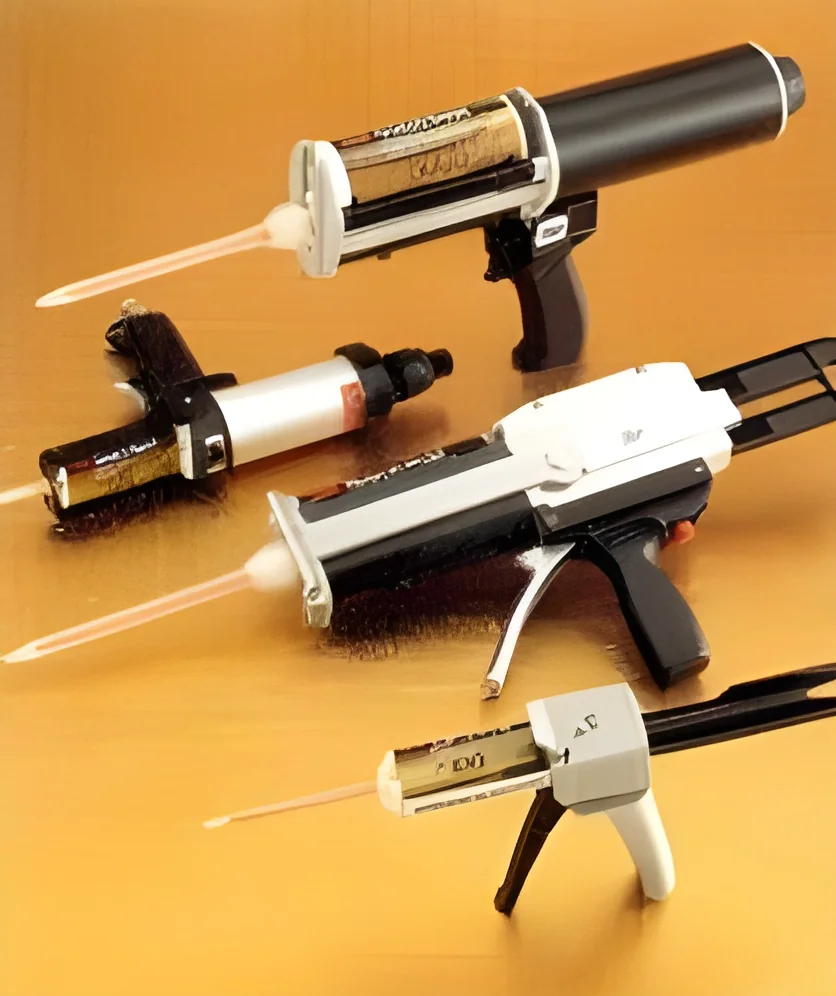
Sealant and adhesive dispensers are specialized tools designed to apply sealants and adhesives in a controlled manner. These dispensers facilitate precise application, ensuring that the right amount of product is used for each job. They are available in various forms, including manual, pneumatic, and electric models, catering to different operational needs and user preferences.
These dispensers are primarily used in construction, automotive, manufacturing, and maintenance applications. Businesses utilize them for bonding materials, sealing joints, and providing waterproof barriers. Their functionality is critical in ensuring that the adhesive or sealant is applied evenly, which contributes to the durability and effectiveness of the bond created.
In today's market, the demand for efficient and reliable sealant and adhesive dispensers is on the rise. Industries are continuously seeking ways to enhance productivity and improve the quality of their applications. As a result, advancements in dispenser technology are becoming increasingly relevant, with features that cater to various sealing and bonding needs across multiple sectors.
Key Features and Specifications
Sealant and adhesive dispensers come equipped with features designed for efficiency and ease of use. Key specifications help buyers make informed decisions when selecting the right dispenser for their needs.
Key specifications include:
1. Dispenser Type
- Manual, pneumatic, or electric options
- Each type offers different levels of control and ease of use
2. Capacity
- Varies from small cartridges to large bulk containers
- Important for assessing the volume of adhesive or sealant that can be dispensed
3. Application Pressure
- The required pressure for optimal dispensing
- Ensures consistent application without product wastage
4. Nozzle Size
- Different nozzle sizes for precision in application
- Allows for various bead sizes based on the job requirements
5. Weight
- The weight of the dispenser can affect user comfort and ease of operation
- Lighter models may be preferred for extended use
6. Build Material
- Typically made from durable materials such as plastic or metal
- Impacts the longevity and robustness of the dispenser
7. Temperature Range
- Operating temperature specifications for different adhesives and sealants
- Ensures that the product remains effective under various conditions
8. Compatibility
- Ability to work with various adhesive and sealant types
- Essential for versatility in handling different materials
In summary, understanding these specifications allows businesses to choose dispensers that best fit their operational needs.
Common Applications and Use Cases
Sealant and adhesive dispensers are versatile tools that serve a variety of industries.
1. Construction: These dispensers are extensively used for applying sealants in building projects, ensuring that joints and seams are watertight.
2. Automotive: In the automotive sector, dispensers are used for bonding components and sealing parts to enhance vehicle durability and performance.
3. Manufacturing: In manufacturing settings, sealant dispensers are critical for assembly lines where precise application of adhesives is necessary for product integrity.
4. Aerospace: These dispensers play a vital role in the aerospace industry, where high-performance adhesives are essential for aircraft assembly and maintenance.
5. Electronics: In electronics manufacturing, dispensers are used for applying adhesives to circuit boards and components, ensuring reliable connections.
6. Marine: In the marine industry, sealant dispensers help in waterproofing and bonding materials in boat construction and repair.
7. HVAC: These dispensers are also utilized in HVAC systems for sealing ducts and ensuring energy efficiency.
Product Variants and Subcategories
Sealant and adhesive dispensers come in various designs to meet different application needs.
Manual Dispensers: These are operated by hand and are ideal for small jobs or precise applications. They usually have a simple trigger mechanism, allowing for easy control of the sealant or adhesive flow.
Pneumatic Dispensers: These dispensers use compressed air to dispense materials, making them suitable for high-volume applications. They offer consistent pressure and speed, reducing user fatigue.
Electric Dispensers: Electric models provide automated dispensing, which increases efficiency and minimizes waste. They are particularly useful in production environments where consistent application is crucial.
Benefits and Advantages
Sealant and adhesive dispensers offer numerous benefits that enhance operational efficiency.
1. Precision Application: Dispensers allow for controlled application, reducing waste and ensuring that the right amount of product is used.
2. Increased Productivity: With the right dispenser, users can complete tasks more quickly, improving overall workflow efficiency.
3. Versatility: Many dispensers can accommodate various types of adhesives and sealants, making them suitable for multiple applications across industries.
4. Ergonomic Design: Most dispensers are designed for comfort, reducing strain during prolonged use.
5. Cost-Effective: By minimizing waste and optimizing material use, dispensers can lead to significant cost savings over time.
6. Consistency: Dispensers ensure uniform application, which is critical for maintaining quality standards in production processes.
Buying Guide for B2B Buyers
When sourcing sealant and adhesive dispensers, several factors should be considered to ensure the best purchase.
1. Quality Assessment: Look for dispensers made from durable materials and reliable components. Check reviews and ratings to ensure they meet industry standards.
2. Supplier Verification: Vet potential suppliers to confirm their credibility and track record. It's important to source from reputable manufacturers or distributors.
3. Pricing and MOQ: Understand the pricing structures and minimum order quantities. Compare quotes from different suppliers to find the best deal.
4. Delivery and Lead Times: Consider the logistics involved in receiving the dispensers. Ensure that suppliers can meet your delivery timelines.
5. Compliance Requirements: Be aware of any regulatory standards that may apply to the dispensers, including safety and quality certifications.
Compliance and Certifications
Sealant and adhesive dispensers must adhere to various compliance and certification standards to ensure safety and quality.
Relevant quality standards include ISO 9001, which emphasizes quality management systems, and others like HACCP and GDP that focus on safety and regulatory compliance in manufacturing processes.
Industry certifications such as CE are crucial for products sold in the European market, indicating conformity with health, safety, and environmental protection standards.
Additionally, dispensers may need to comply with specific safety and testing requirements based on their intended use. Regional compliance considerations can also impact sourcing decisions, as different areas may have varying regulations.
Why Source Sealant & Adhesive Dispensers from Pepagora?
Pepagora offers a reliable platform for sourcing sealant and adhesive dispensers, ensuring businesses have access to quality products.
Verified Supplier Network: We have established a robust network of verified suppliers, ensuring that buyers can trust the quality and reliability of the dispensers offered.
Streamlined RFQ Process: Our Request for Quotation (RFQ) system simplifies the procurement process, allowing buyers to easily obtain quotes from multiple suppliers.
Trade Assurance and Support: We prioritize buyer protection, offering trade assurance services that provide peace of mind during transactions.
Regional Coverage: Pepagora caters to a wide range of geographic regions, including India, the GCC, and Southeast Asia, making it easier for businesses to find local suppliers that meet their needs.

 IN
IN