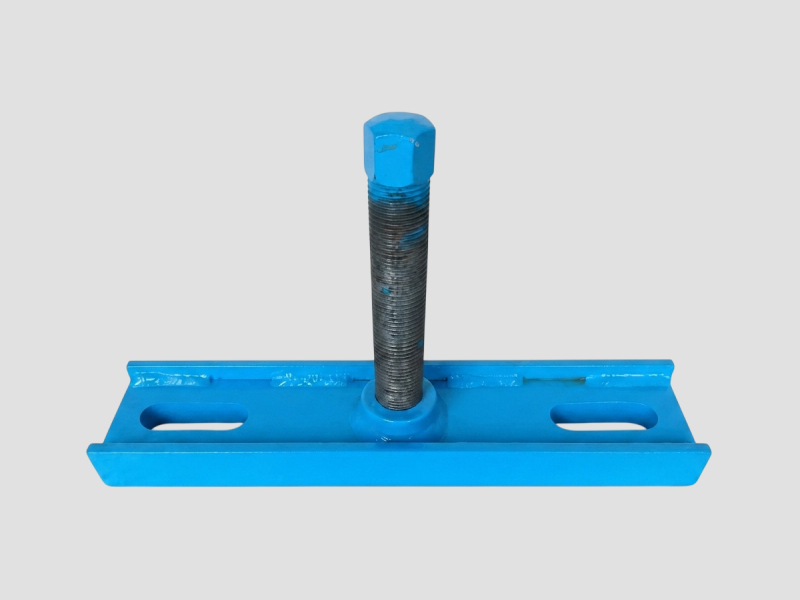
𝗪𝗵𝗮𝘁 𝗮𝗿𝗲 𝗕𝗲𝗮𝗿𝗶𝗻𝗴 𝗣𝘂𝗹𝗹𝗲𝗿𝘀 & 𝗚𝗲𝗮𝗿 𝗣𝘂𝗹𝗹𝗲𝗿𝘀?
Bearing pullers and gear pullers are essential tools used to remove bearings and gears from shafts or housings. These devices apply a controlled force to extract components without causing damage to the surrounding machinery. Bearing pullers typically have two or three arms that grip the bearing, while gear pullers may feature a central bolt to facilitate the extraction of gears. Both tools are designed for efficiency and ease of use in various mechanical applications.
The primary uses of bearing and gear pullers are found in automotive and industrial maintenance, where removing and replacing components is a frequent task. They are commonly used in workshops, manufacturing facilities, and assembly lines. These tools are crucial for tasks such as replacing worn bearings in motors or extracting gears from transmissions, ensuring machinery operates smoothly and efficiently.
In the market context, the demand for bearing and gear pullers is driven by the ongoing maintenance needs of machinery across multiple industries. As mechanical systems become more complex, the need for reliable extraction tools continues to grow. Manufacturers are continually innovating to improve the design and functionality of these tools, ensuring they meet the evolving requirements of various applications.
𝗞𝗲𝘆 𝗙𝗲𝗮𝘁𝘂𝗿𝗲𝘀 𝗮𝗻𝗱 𝗦𝗽𝗲𝗰𝗶𝗳𝗶𝗰𝗮𝘁𝗶𝗼𝗻𝘀
Bearing pullers and gear pullers come with a range of features that enhance their performance and usability. These specifications are crucial for ensuring that the pullers can meet the demands of specific applications.
Key specifications include:
1. Puller Type
- Types include two-jaw, three-jaw, and internal pullers.
- Each type is designed for different applications and component sizes.
2. Material Construction
- Typically made from high-strength steel for durability.
- Ensures resistance to wear and tear during heavy use.
3. Maximum Load Capacity
- Varies by model, commonly ranges from 1 ton to 10 tons.
- Determines the size and weight of the components the puller can handle.
4. Arm Length
- Varies between models to accommodate different sizes of bearings and gears.
- Longer arms provide greater reach for deeper-set components.
5. Grip Mechanism
- Features may include adjustable arms for versatile applications.
- Ensures a secure grip on various component sizes.
6. Ease of Use
- Some models include ergonomic handles for better user comfort.
- Quick-release mechanisms streamline the operation process.
7. Portability
- Many pullers are designed to be compact and lightweight.
- Facilitates transport between job sites.
8. Compatibility
- Certain pullers are designed for specific types of bearings or gears.
- Important for ensuring the right tool is used for each application.
In summary, understanding the key features and specifications of bearing pullers and gear pullers helps businesses select the right tools for their specific needs, enhancing productivity and reducing downtime.
𝗖𝗼𝗺𝗺𝗼𝗻 𝗔𝗽𝗽𝗹𝗶𝗰𝗮𝘁𝗶𝗼𝗻𝘀 𝗮𝗻𝗱 𝗨𝘀𝗲 𝗖𝗮𝘀𝗲𝘀
Bearing pullers and gear pullers are versatile tools found in various industries, each serving specific applications.
1. Automotive Industry: These tools are essential for removing bearings from engines and transmissions, making it easier to perform repairs and maintenance on vehicles.
2. Manufacturing: In manufacturing plants, pullers are used to maintain machinery by replacing worn-out bearings and gears, ensuring smooth operation and minimizing downtime.
3. Aerospace: Bearing pullers play a critical role in maintaining aircraft engines and components, where precision and reliability are paramount.
4. Marine: In the marine sector, these tools assist in the maintenance of ship engines and propeller systems, ensuring safe and efficient operation.
5. Heavy Equipment: Used to service and repair heavy machinery, ensuring that components are easily replaced during routine maintenance.
6. Electrical Equipment: Pullers are used to remove bearings from electric motors, generators, and other equipment, facilitating repairs and upgrades.
7. Construction: In construction, pullers help maintain machinery such as cranes and excavators, where reliable performance is essential.
𝗣𝗿𝗼𝗱𝘂𝗰𝘁 𝗩𝗮𝗿𝗶𝗮𝗻𝘁𝘀 𝗮𝗻𝗱 𝗦𝘂𝗯𝗰𝗮𝘁𝗲𝗴𝗼𝗿𝗶𝗲𝘀
Bearing pullers and gear pullers come in various variants, each tailored to specific tasks and applications.
Universal Bearing Puller
This variant features adjustable arms that can fit a wide range of bearing sizes. It is designed for versatility, making it ideal for workshops that deal with various machinery.
Heavy-Duty Gear Puller
This type is built to withstand high torque and is used for extracting large gears from heavy machinery. Its robust construction ensures reliability in demanding environments.
Hydraulic Puller
Hydraulic pullers utilize hydraulic pressure to facilitate the extraction process. This variant is ideal for larger components where manual force may be insufficient.
Pneumatic Puller
Pneumatic pullers operate using compressed air, providing a powerful solution for quick and efficient gear and bearing removal. This variant is often used in high-volume production environments.
𝗕𝗲𝗻𝗲𝗳𝗶𝘁𝘀 𝗮𝗻𝗱 𝗔𝗱𝘃𝗮𝗻𝘁𝗮𝗴𝗲𝘀
Using bearing pullers and gear pullers provides numerous benefits that significantly enhance operational efficiency.
1. Increased Efficiency: These tools streamline the process of removing bearings and gears, reducing the time spent on maintenance tasks.
2. Reduced Damage Risk: The design of pullers minimizes the risk of damaging components during extraction, ensuring that parts remain intact for reuse.
3. Versatility: With various types available, pullers can be used in a wide range of applications across multiple industries.
4. Improved Safety: Using proper pullers reduces the risk of injury that can occur with improvised extraction methods.
5. Cost Savings: By facilitating proper maintenance and repairs, these tools can extend the life of machinery and reduce replacement costs.
6. Enhanced Precision: The ability to extract components accurately ensures machinery operates as intended, leading to better overall performance.
𝗕𝘂𝘆𝗶𝗻𝗴 𝗚𝘂𝗶𝗱𝗲 𝗳𝗼𝗿 𝗕𝟮𝗕 𝗕𝘂𝘆𝗲𝗿𝘀
When sourcing bearing pullers and gear pullers, it is essential to consider several key factors to ensure you make the right purchase.
1. Quality Assessment: Evaluate the quality of the pullers by checking the materials used and the manufacturer's reputation. High-quality tools will offer better durability and performance.
2. Supplier Verification: Vet suppliers carefully to ensure they provide reliable products. Look for reviews or certifications that demonstrate their commitment to quality.
3. Pricing and MOQ: Understand the pricing structure and minimum order quantities (MOQ) as these can vary significantly between suppliers. Ensure that the cost aligns with your budget and needs.
4. Delivery and Lead Times: Discuss logistics with suppliers to determine delivery times. Timely delivery is critical to maintaining your operational schedule.
5. Compliance Requirements: Ensure that the products meet relevant regulatory and safety standards. Compliance with industry standards guarantees a level of quality and reliability.
𝗖𝗼𝗺𝗽𝗹𝗶𝗮𝗻𝗰𝗲 𝗮𝗻𝗱 𝗖𝗲𝗿𝘁𝗶𝗳𝗶𝗰𝗮𝘁𝗶𝗼𝗻𝘀
Compliance and certifications are crucial aspects of bearing pullers and gear pullers, ensuring they meet industry standards and safety requirements.
Many pullers comply with quality standards such as ISO 9001, which ensures that manufacturing processes meet consistent quality management principles. These standards help guarantee that the products are reliable and effective.
Certifications like UL (Underwriters Laboratories) and CE (Conformité Européenne) indicate that the products have been tested for safety and performance. These certifications provide assurance to buyers that the tools meet established safety criteria.
Moreover, safety and testing requirements are vital in the design and manufacturing of pullers. Tools must undergo rigorous testing to ensure they can withstand the demands of various applications without failure.
Regional compliance considerations may also affect sourcing decisions, as different regions may have specific regulations that products must adhere to. Understanding these compliance factors ensures that businesses procure tools that are not only effective but also safe and legally compliant.
𝗪𝗵𝘆 𝗦𝗼𝘂𝗿𝗰𝗲 𝗕𝗲𝗮𝗿𝗶𝗻𝗴 𝗣𝘂𝗹𝗹𝗲𝗿𝘀 & 𝗚𝗲𝗮𝗿 𝗣𝘂𝗹𝗹𝗲𝗿𝘀 𝗳𝗿𝗼𝗺 𝗣𝗲𝗽𝗮𝗴𝗼𝗿𝗮?
Pepagora provides a trusted platform for sourcing bearing pullers and gear pullers with several key advantages that cater to B2B buyers.
Verified Supplier Network: Pepagora connects buyers with a network of verified suppliers, ensuring that you receive high-quality tools from reputable manufacturers. This verification process reduces the risk of purchasing substandard products.
Streamlined RFQ Process: The request for quotation (RFQ) system simplifies the sourcing process, allowing buyers to obtain competitive pricing and detailed product information from multiple suppliers quickly. This efficiency aids in making informed purchasing decisions.
Trade Assurance and Support: Pepagora offers trade assurance, providing buyers with additional protection during transactions. This support fosters confidence in the purchasing process, ensuring that buyers receive the products as specified.
Regional Coverage: With a strong presence in India, the GCC, and Southeast Asia, Pepagora offers extensive geographic reach. This regional coverage enables businesses to access a wide array of suppliers and products, facilitating easier procurement across various markets.

 IN
IN