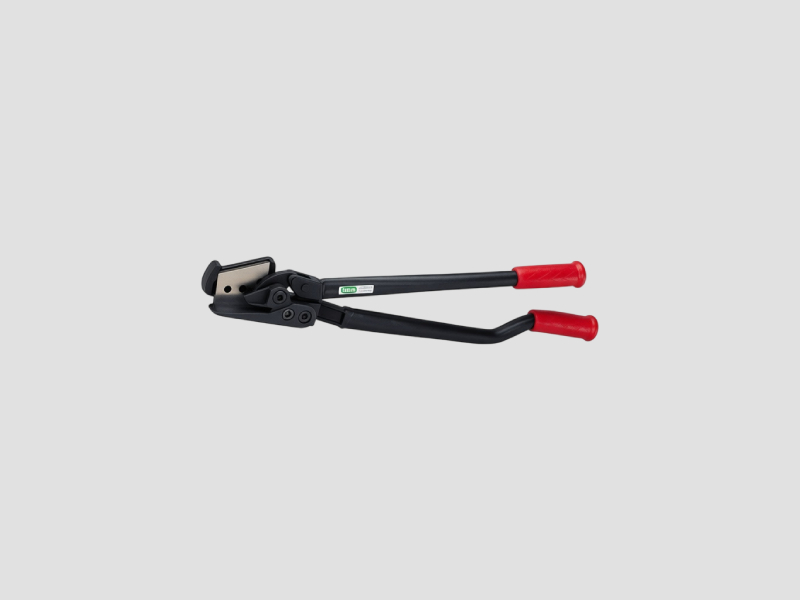
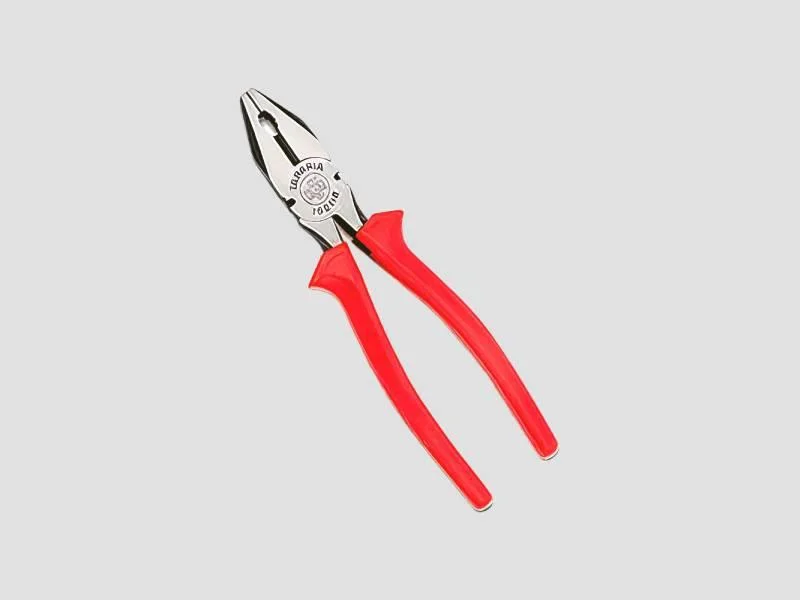
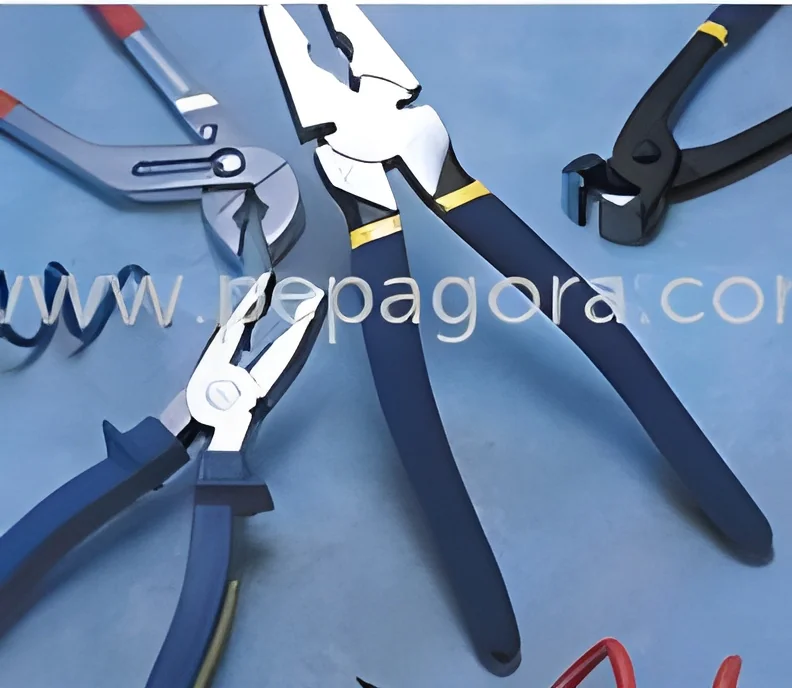
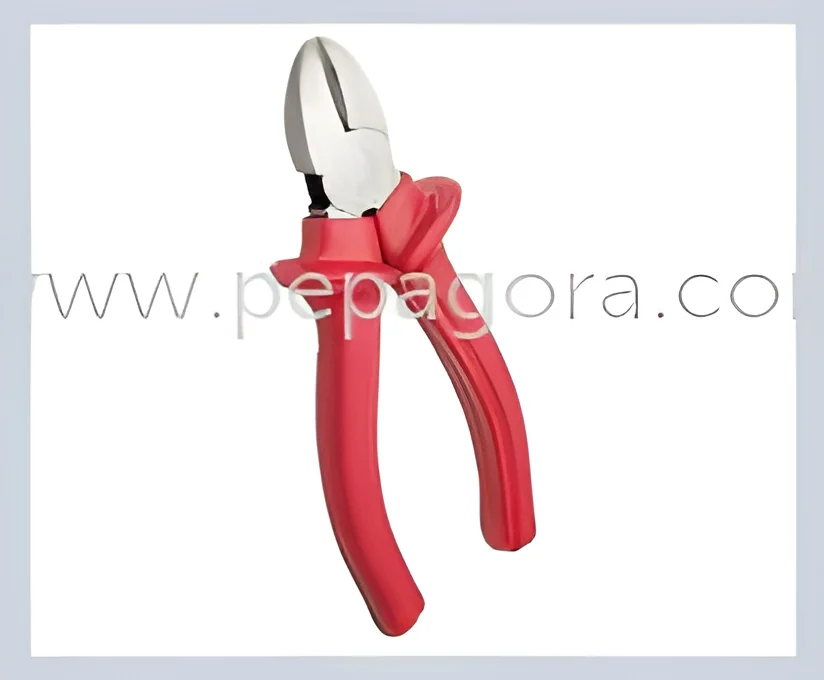
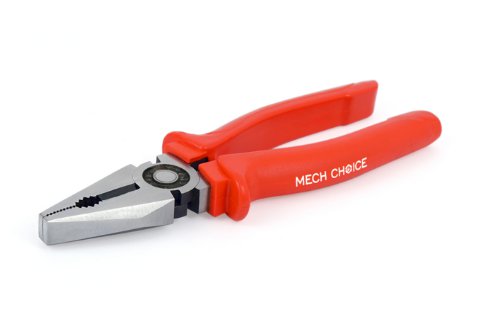
What are Pliers & Cutters?
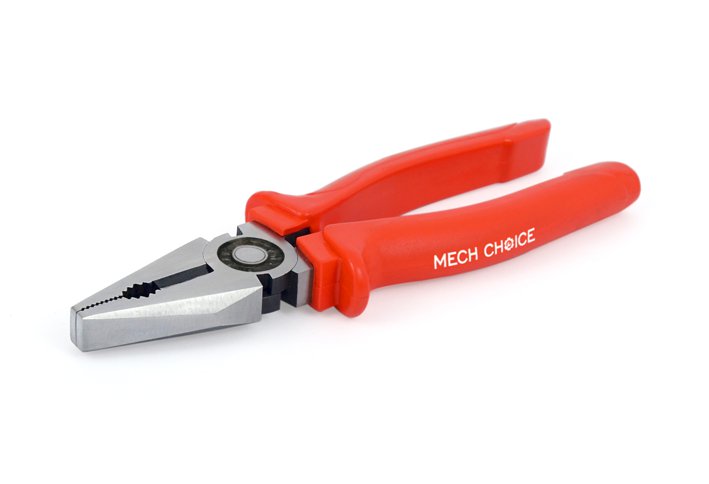
Pliers and cutters are essential hand tools used in various industrial and commercial applications. Pliers are designed to grip, twist, bend, and cut materials, while cutters are specifically designed for slicing through various types of materials, including wires and cables. These tools come in various shapes and sizes, tailored to meet specific needs in different work environments.
Pliers and cutters serve a broad range of purposes in industries such as manufacturing, construction, electrical work, and automotive services. They are invaluable for tasks that require precision and strength, such as assembling components, cutting wires, and manipulating small parts. The versatility of these tools makes them a staple in toolkits across various sectors.
In the current market, the demand for high-quality pliers and cutters is driven by the need for efficiency and precision in industrial operations. As businesses aim to enhance productivity, the quality and reliability of hand tools like pliers and cutters become critical factors in maintaining operational standards. Companies are increasingly seeking tools that not only meet basic functionality but also adhere to industry standards for safety and performance.
Key Features and Specifications
Pliers and cutters are equipped with various features that enhance their performance and usability. Understanding these specifications helps buyers select the right tools for their specific applications.
Key specifications include:
1. Material Composition
- High-carbon steel or chrome vanadium
- Provides durability and resistance to wear
2. Handle Design
- Ergonomic grips for comfort and reduced fatigue
- Insulated handles for electrical applications
3. Jaw Type
- Various shapes such as needle-nose, slip-joint, and locking
- Each type designed for specific tasks and access
4. Cutting Capacity
- Varies based on the type of cutter (e.g., wire cutters)
- Measured in terms of wire gauge or material thickness
5. Size Variations
- Available in multiple sizes ranging from compact to extended lengths
- Suitable for different hand sizes and tasks
6. Weight
- Lightweight options for ease of use
- Heavier models for durability and strength
In summary, the key features and specifications of pliers and cutters are designed to cater to diverse industrial needs. Selecting the appropriate specifications can significantly impact the efficiency and effectiveness of tasks.
Common Applications and Use Cases
Pliers and cutters are widely utilized across different industries, each requiring specific applications to enhance productivity.
1. Electrical Industry: Pliers and cutters are essential for tasks such as stripping wires, crimping connectors, and making precise electrical connections.
2. Construction: These tools are used for gripping and manipulating materials, cutting rebar, and assembling structural components.
3. Automotive: Pliers are commonly employed for tasks like removing and installing clips and fasteners, as well as cutting wires and hoses.
4. Manufacturing: In production lines, pliers and cutters facilitate the assembly of parts, handling of materials, and quality control inspections.
5. HVAC: Professionals in heating, ventilation, and air conditioning use these tools for cutting ductwork and manipulating piping.
6. Plumbing: Pliers and cutters assist plumbers in cutting and fitting pipes and fixtures, ensuring secure connections.
7. Jewelry Making: Specialized pliers are used to manipulate delicate components and cut fine wires, making them essential for artisans in this field.
Product Variants and Subcategories
Pliers and cutters come in a variety of designs to meet specific needs in different applications. This diversity allows users to select tools that best fit their requirements.
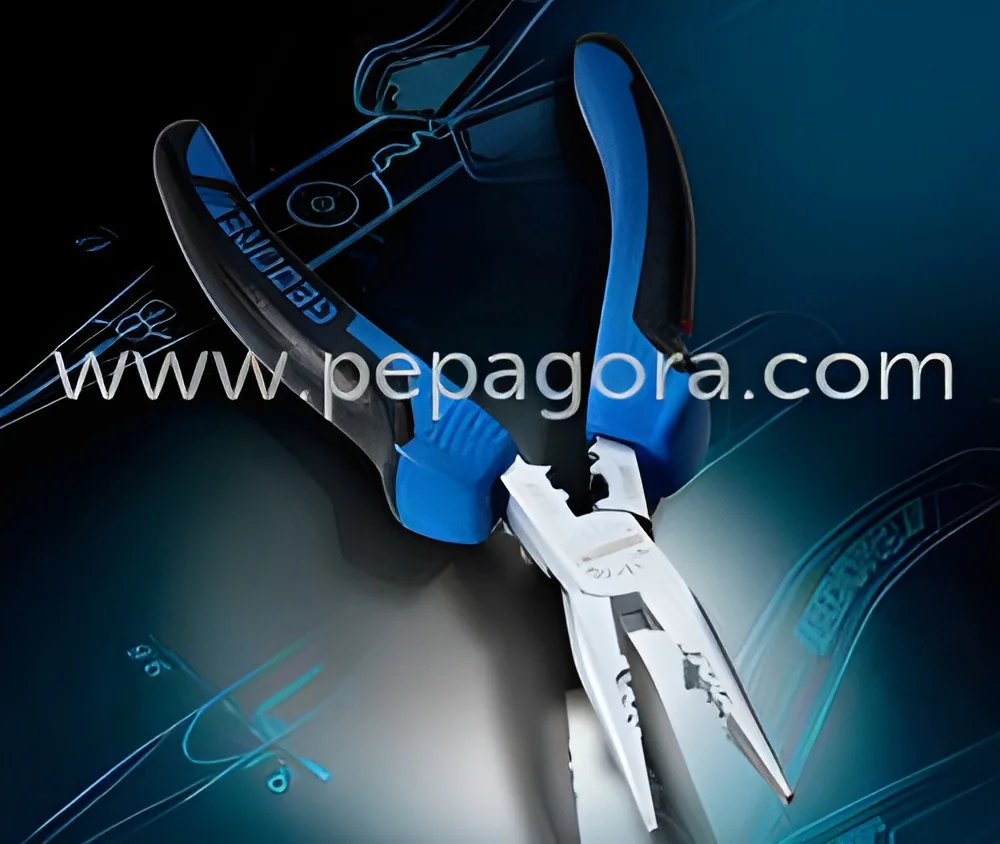
Needle Nose Pliers: These have elongated jaws that taper to a point, making them ideal for reaching tight spaces and performing intricate tasks such as bending wire and holding small components.
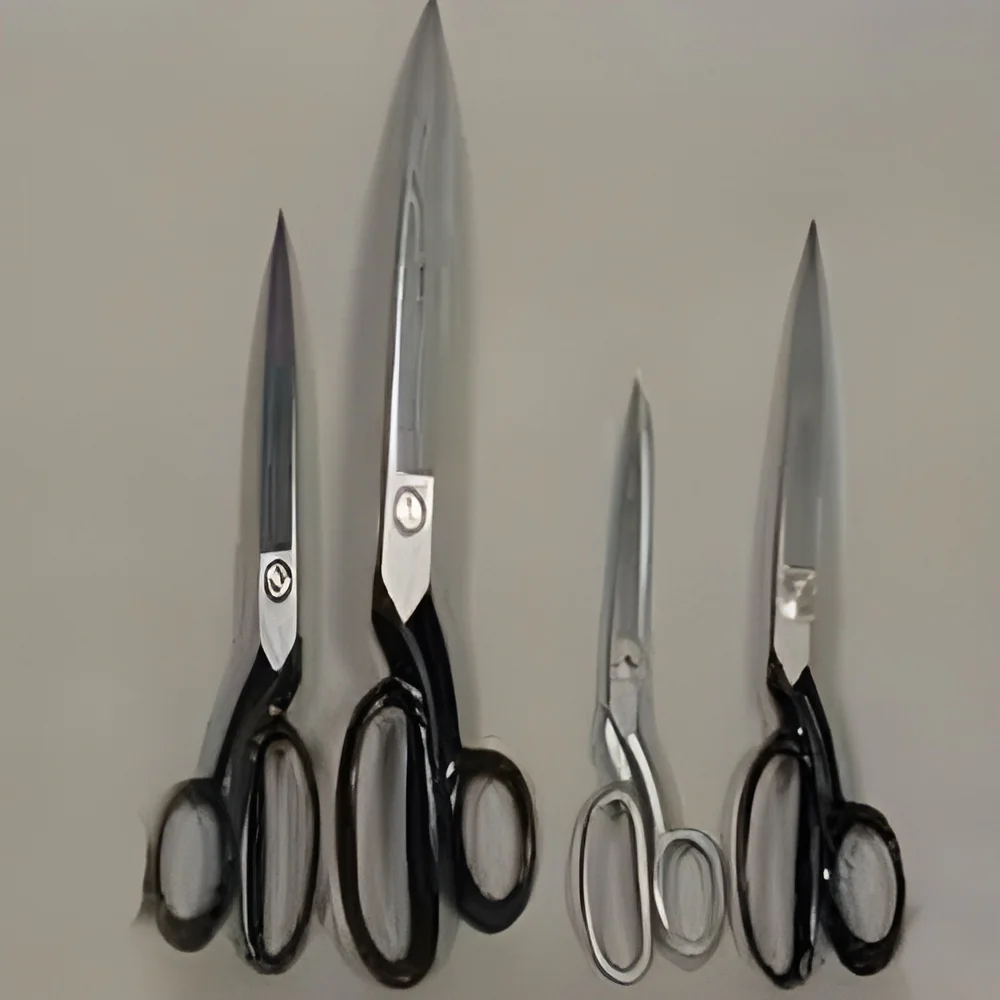
Wire Cutters: Specifically designed for cutting through various gauges of wire, these cutters ensure clean and precise cuts. They are essential for electrical work and crafting applications.
Slip Joint Pliers: Featuring an adjustable pivot point, slip joint pliers can accommodate various sizes of objects, making them versatile for gripping and turning tasks.
Locking Pliers: These pliers can be locked into position, providing a strong grip on materials without continuous hand pressure. They are useful for welding and metalworking applications.
Crimping Pliers: Designed for crimping connectors onto wire and cable ends, these pliers ensure secure electrical connections, essential in both automotive and electrical industries.
Benefits and Advantages
Choosing high-quality pliers and cutters offers significant advantages to businesses.
1. Enhanced Efficiency: Reliable tools streamline workflows, enabling workers to complete tasks more quickly and accurately.
2. Increased Safety: Quality tools reduce the risk of accidents and injuries by providing better grip and control during use.
3. Versatility: A wide range of pliers and cutters allows for diverse applications, making them suitable for various industries and projects.
4. Cost-Effectiveness: Investing in durable tools reduces the need for frequent replacements, leading to long-term savings.
5. Improved Precision: High-quality tools provide better control, resulting in more accurate cuts and manipulations.
6. Ergonomic Design: Tools designed with user comfort in mind help reduce fatigue and improve productivity during prolonged use.
Buying Guide for B2B Buyers
When sourcing pliers and cutters, buyers should consider several important factors to ensure they select the right tools for their needs.
1. Quality Assessment: Evaluate the material and construction of the tools, ensuring they meet industry standards for durability and performance. Look for trusted brands with a reputation for quality.
2. Supplier Verification: Vet suppliers by checking their credentials and customer reviews. A reliable supplier will have a proven track record and offer consistent product quality.
3. Pricing and MOQ: Analyze pricing structures and minimum order quantities (MOQ) to ensure they align with your budget and purchasing needs. Bulk purchasing may offer cost savings.
4. Delivery and Lead Times: Understand the logistics involved in order fulfillment. Confirm delivery timelines to ensure tools arrive when needed to avoid project delays.
5. Compliance Requirements: Ensure that the tools meet relevant safety and compliance standards for your industry. Verify certifications to guarantee the tools are safe for use.
Compliance and Certifications
Pliers and cutters are subject to various quality standards and certifications that ensure their safety and effectiveness in industrial applications.
Many tools comply with ISO 9001 standards, which focus on quality management systems. This certification guarantees that manufacturers consistently produce high-quality products that meet customer expectations.
In addition to ISO standards, tools may carry CE marking, indicating compliance with European health and safety regulations. This certification is crucial for tools sold in European markets and assures buyers of their safety and reliability.
Safety and testing requirements for pliers and cutters are essential to ensure they can withstand the rigors of industrial use. Tools are often subjected to rigorous testing procedures to verify their durability and performance under different conditions.
Regional compliance considerations also play a role in sourcing decisions. Depending on the market, tools may need to meet specific regulatory requirements to be sold or used in certain regions.
Why Source Pliers & Cutters from Pepagora?
Pepagora provides a trusted platform for sourcing pliers and cutters, offering several key advantages to B2B buyers.
Verified Supplier Network: Pepagora connects buyers with a network of verified suppliers, ensuring that all listed vendors meet strict quality and compliance standards. This helps buyers make informed decisions based on supplier credibility.
Streamlined RFQ Process: The platform simplifies the request for quotation (RFQ) process, allowing buyers to easily gather quotes from multiple suppliers. This efficiency saves time and helps in comparing options effectively.
Trade Assurance and Support: Pepagora offers trade assurance to protect buyers during transactions. This includes support in case of disputes, ensuring a safer purchasing experience.
Regional Coverage: With a strong presence in India, the GCC, and Southeast Asia, Pepagora provides extensive geographical coverage, making it easier for businesses in these regions to access high-quality pliers and cutters tailored to their industrial needs.

 IN
IN