𝗪𝗵𝗮𝘁 𝗮𝗿𝗲 𝗣𝗿𝗼𝗴𝗿𝗲𝘀𝘀𝗶𝘃𝗲 𝗗𝗶𝗲𝘀?
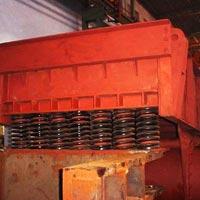
Progressive dies are specialized tools used in the manufacturing process to create complex shapes and features in metal parts. They operate through a series of stations that progressively shape the material as it moves through the die. Each station performs a specific operation, allowing for the efficient production of parts with multiple features or components in a single pass. This method not only enhances productivity but also improves accuracy and consistency in the final product.
Progressive dies find primary applications in industries such as automotive, electronics, and appliance manufacturing. They are commonly used to produce items like brackets, clips, and housings, where precision and repeatability are crucial. The ability to create intricate designs in a streamlined manner makes progressive dies an essential tool in high-volume manufacturing environments. As industries continue to seek ways to improve efficiency and reduce costs, the demand for progressive dies remains strong, underscoring their relevance in the current market.
𝗞𝗲𝘆 𝗙𝗲𝗮𝘁𝘂𝗿𝗲𝘀 𝗮𝗻𝗱 𝗦𝗽𝗲𝗰𝗶𝗳𝗶𝗰𝗮𝘁𝗶𝗼𝗻𝘀
Progressive dies come with a range of features and specifications that enhance their functionality and performance. Understanding these specifications is crucial for selecting the right die for specific applications.
Key specifications include:
1. Die Material
- Typically made from high-carbon steel or tool steel
- Ensures durability and resistance to wear
2. Die Type
- Options include single-press and multi-station dies
- Determines the complexity and number of operations
3. Tolerance Levels
- Can achieve tolerances as tight as ±0.001 inches
- Essential for maintaining part accuracy
4. Production Speed
- Capable of producing hundreds to thousands of parts per hour
- Increases efficiency in high-volume production
5. Maximum Material Thickness
- Accommodates varying thicknesses, typically up to 0.125 inches
- Influences the types of materials that can be processed
6. Maximum Sheet Size
- Determines the largest sheet that can be fed into the die
- Typically ranges from 12 x 24 inches to larger custom sizes
7. Die Configuration
- Customizable configurations to meet specific design needs
- Enhances versatility in production
8. Maintenance Requirements
- Regular maintenance is needed to ensure optimal performance
- Includes lubrication and wear part replacement
In summary, understanding the key specifications of progressive dies helps businesses select the right tools for their production needs, ensuring high efficiency and quality in manufacturing.
𝗖𝗼𝗺𝗺𝗼𝗻 𝗔𝗽𝗽𝗹𝗶𝗰𝗮𝘁𝗶𝗼𝗻𝘀 𝗮𝗻𝗱 𝗨𝘀𝗲 𝗖𝗮𝘀𝗲𝘀
Progressive dies serve various industries with specific applications that highlight their versatility.
1. Automotive: Progressive dies are used to manufacture components such as brackets, clips, and panels for vehicles, ensuring durability and precision.
2. Electronics: In the electronics industry, these dies produce intricate parts like connectors and housings that require high accuracy and repeatability.
3. Appliance Manufacturing: Progressive dies create components for household appliances, including frames and structural parts, streamlining production processes.
4. Aerospace: The aerospace sector utilizes progressive dies for producing lightweight and high-strength components that meet strict regulatory standards.
5. Medical Devices: Progressive dies are employed in the production of medical device components, ensuring compliance with safety and quality requirements.
6. HVAC: In heating, ventilation, and air conditioning systems, progressive dies manufacture essential parts like ducts and brackets, enhancing efficiency in assembly.
7. Packaging: The packaging industry uses progressive dies to create closures and containers, optimizing production and material usage.
𝗣𝗿𝗼𝗱𝘂𝗰𝘁 𝗩𝗮𝗿𝗶𝗮𝗻𝘁𝘀 𝗮𝗻𝗱 𝗦𝘂𝗯𝗰𝗮𝘁𝗲𝗴𝗼𝗿𝗶𝗲𝘀
Progressive dies come in various forms to cater to different manufacturing needs. The diversity of product variants allows for customization based on specific applications.
Standard Progressive Dies: These dies are designed for general applications, offering a balance of cost and efficiency. They are suitable for a wide range of materials and production volumes.
Custom Progressive Dies: Tailored to meet unique specifications, custom progressive dies provide solutions for complex shapes and specific industry requirements. Their design can be optimized for particular materials and tolerances.
Multi-Station Progressive Dies: These variants allow for multiple operations in a single run, increasing production efficiency. They are ideal for high-volume manufacturing where speed is essential.
𝗕𝗲𝗻𝗲𝗳𝗶𝘁𝘀 𝗮𝗻𝗱 𝗔𝗱𝘃𝗮𝗻𝘁𝗮𝗴𝗲𝘀
Progressive dies offer numerous benefits that enhance manufacturing processes and outcomes.
1. Increased Productivity: Progressive dies streamline the manufacturing process, allowing for faster production rates and reduced cycle times.
2. Cost Efficiency: By minimizing material waste and labor costs, these dies contribute to lower production costs overall.
3. High Precision: Progressive dies provide consistent and accurate results, ensuring that each part meets strict quality standards.
4. Flexibility: The ability to customize dies for specific applications allows manufacturers to adapt to changing market demands and product designs.
5. Reduced Setup Time: Progressive dies can be designed for quick changeovers, minimizing downtime and increasing operational efficiency.
6. Improved Safety: Modern progressive dies incorporate safety features that reduce the risk of accidents during operation, promoting a safer workplace.
𝗕𝘂𝘆𝗶𝗻𝗴 𝗚𝘂𝗶𝗱𝗲 𝗳𝗼𝗿 𝗕𝟮𝗕 𝗕𝘂𝘆𝗲𝗿𝘀
When sourcing progressive dies, several factors should be considered to ensure a successful purchase.
1. Quality Assessment: Evaluate the materials and construction of the dies. High-quality materials ensure longevity and performance under demanding conditions.
2. Supplier Verification: Vet potential suppliers by checking their certifications, customer reviews, and industry reputation. This ensures reliability and quality.
3. Pricing and MOQ: Understand the cost structure and minimum order quantities. This helps in budgeting and determining the feasibility of the purchase.
4. Delivery and Lead Times: Assess the supplier's ability to meet delivery timelines. Timely delivery is crucial for maintaining production schedules.
5. Compliance Requirements: Ensure that the dies meet relevant industry standards and regulations. Compliance with certifications like CE is essential for quality assurance.
𝗖𝗼𝗺𝗽𝗹𝗶𝗮𝗻𝗰𝗲 𝗮𝗻𝗱 𝗖𝗲𝗿𝘁𝗶𝗳𝗶𝗰𝗮𝘁𝗶𝗼𝗻𝘀
Compliance with industry standards and certifications is critical for ensuring the quality and safety of progressive dies.
Many progressive dies adhere to quality standards such as ISO 9001, which ensures that manufacturing processes meet international quality management principles. This certification emphasizes a commitment to continuous improvement and customer satisfaction.
Additionally, CE certification is important for products sold in the European market, indicating that the dies meet safety, health, and environmental protection standards.
Manufacturers must also comply with safety and testing requirements to ensure that their dies perform reliably and safely in production environments. Regular testing and adherence to safety guidelines protect both workers and the integrity of the manufacturing process.
Regional compliance considerations may also apply, depending on the geographical market in which the dies will be utilized. It is essential to stay informed about local regulations and standards that may affect the use of progressive dies.
𝗪𝗵𝘆 𝗦𝗼𝘂𝗿𝗰𝗲 𝗣𝗿𝗼𝗴𝗿𝗲𝘀𝘀𝗶𝘃𝗲 𝗗𝗶𝗲𝘀 𝗳𝗿𝗼𝗺 𝗣𝗲𝗽𝗮𝗴𝗼𝗿𝗮?
Pepagora provides a trusted platform for sourcing progressive dies with several key advantages.
The verified supplier network ensures that buyers have access to reliable and reputable manufacturers. Each supplier undergoes a thorough vetting process, guaranteeing that they meet the necessary quality and service standards.
The streamlined RFQ process simplifies the quotation system, enabling buyers to request and compare quotes efficiently. This feature saves time and helps in making informed purchasing decisions.
Trade assurance and support from Pepagora protect buyers throughout the transaction process. This commitment to buyer protection fosters confidence and security when sourcing products.
Lastly, Pepagora offers regional coverage that spans India, the Gulf Cooperation Council (GCC), and Southeast Asia. This broad geographic reach ensures that buyers can find suitable suppliers that meet their specific needs, regardless of location.

 IN
IN
 India
India