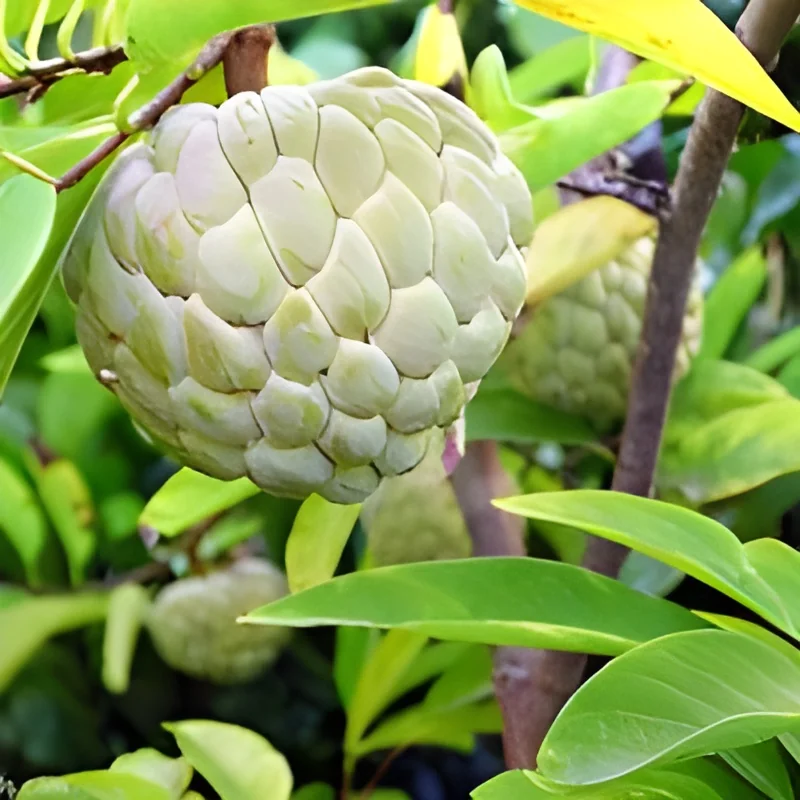
What are Pomegranate, Apple & Citrus Exporters?
Pomegranate, apple, and citrus exporters are businesses that specialize in the international trade of these fruits. They source high-quality produce directly from farmers or orchards and facilitate its distribution to markets around the world. The role of exporters is essential in connecting growers with retailers and consumers in different countries, ensuring that the fruits retain their freshness and quality during transportation.
These exporters cater to various sectors, including food service, retail chains, and wholesalers. They play a crucial role in meeting the demand for fresh fruits, which are often sought after for their nutritional benefits and culinary applications. Pomegranate, apple, and citrus fruits are popular worldwide, used in juices, salads, desserts, and health products, making their exportation a significant business opportunity.
In the current market context, the demand for fresh, healthy produce is steadily increasing. Factors such as globalization, changing dietary preferences, and health consciousness among consumers contribute to the growth of this industry. Exporters must navigate complex logistics, quality control processes, and compliance with international regulations to succeed in this competitive landscape.
Key Features and Specifications
Pomegranate, apple, and citrus exporters offer a range of features and specifications that ensure the quality and safety of the products they provide. These specifications are crucial for maintaining the integrity of the fruits during transport and ensuring they meet market standards.
Key specifications include:
1. Quality Assessment
- Rigorous quality checks are performed to select the best fruits.
- Parameters include size, color, firmness, and absence of defects.
2. Packaging Standards
- Fruits are packaged in materials that ensure protection and freshness.
- Use of breathable packaging to control moisture and prevent spoilage.
3. Temperature Control
- Fruits are stored and transported at optimal temperature ranges.
- This helps maintain freshness and prolong shelf life.
4. Humidity Control
- Controlled humidity levels during storage and transport.
- Essential for preventing dehydration and mold growth.
5. Traceability
- Systems in place to track the origin of the fruits.
- Ensures transparency and accountability in the supply chain.
6. Compliance with International Standards
- Adherence to regulations such as HACCP and ISO standards.
- Certifications like CE ensure safety and quality.
7. Export Documentation
- Proper documentation to facilitate smooth customs clearance.
- Includes phytosanitary certificates and export licenses.
8. Delivery Options
- Flexible delivery methods to meet client needs.
- Options for air freight or sea freight based on urgency and cost.
In summary, these specifications are vital for exporters to ensure they deliver high-quality, fresh products that meet the demands of international markets.
Common Applications and Use Cases
Pomegranate, apple, and citrus fruits have widespread applications across various industries. These applications highlight the versatility and importance of these fruits.
1. Food Industry: Fresh fruits are used in restaurants and food service establishments for salads, garnishes, and desserts, enhancing flavor and nutrition.
2. Beverage Industry: Juices and smoothies made from these fruits are popular in cafes and beverage companies, capitalizing on their health benefits.
3. Retail Sector: Supermarkets and grocery stores stock these fruits to cater to health-conscious consumers, making them a staple in fresh produce sections.
4. Nutraceuticals: Extracts from pomegranates and citrus fruits are used in dietary supplements for their antioxidant properties.
5. Culinary Arts: Chefs utilize these fruits for their unique flavors and presentation in high-end dining, showcasing their versatility.
6. Cosmetics: Citrus extracts are used in skincare products for their refreshing properties, expanding the market reach of these fruits.
7. Export Markets: These fruits are exported to countries with demand for fresh produce, enhancing global trade opportunities.
Product Variants and Subcategories
The market for pomegranate, apple, and citrus fruits is diverse, with several variants available that cater to different consumer preferences and applications.
Pomegranate Varieties
Pomegranates are available in different varieties, each with unique flavors and colors. Popular types include Wonderful, Angel Red, and Early Wonderful, which are known for their sweetness and juiciness, making them ideal for fresh consumption and juice production.
Apple Varieties
Apples come in numerous varieties, such as Granny Smith, Fuji, and Gala. Each variety offers distinct flavor profiles, textures, and uses, ranging from fresh eating to baking and cooking.
Citrus Varieties
Citrus fruits include oranges, lemons, limes, and grapefruits. Each type serves various culinary applications, from fresh consumption to juicing and flavoring dishes.
Benefits and Advantages
Sourcing pomegranate, apple, and citrus fruits from reliable exporters provides numerous benefits for businesses.
Key benefits include:
1. Freshness Assurance: Exporters prioritize quality and freshness, ensuring that fruits reach consumers in optimal condition.
2. Diverse Product Range: Access to various fruit types and varieties to meet market demands and consumer preferences.
3. Compliance with Standards: Exporters adhere to international regulations, ensuring safety and quality in all products.
4. Efficient Logistics: Established logistics processes enable timely delivery and reduce spoilage during transport.
5. Competitive Pricing: Exporters can offer competitive pricing through direct sourcing from producers, benefiting buyers.
6. Expertise and Support: Knowledgeable exporters provide guidance on market trends and best practices, helping businesses succeed.
Buying Guide for B2B Buyers
When sourcing pomegranate, apple, and citrus exporters, it is essential to consider several factors to ensure a successful partnership.
1. Quality Assessment: Evaluate the quality of fruits through samples and certifications. Look for consistency in size, taste, and appearance.
2. Supplier Verification: Vet potential suppliers by checking references, certifications, and industry reputation. Ensure they have a reliable track record.
3. Pricing and MOQ: Understand the pricing structure and minimum order quantities. Compare offers from multiple suppliers to find the best deal.
4. Delivery and Lead Times: Discuss delivery options and lead times to ensure timely supply for your business needs. Flexibility in shipping can be crucial.
5. Compliance Requirements: Ensure that suppliers meet all necessary regulatory and compliance standards for your region. This includes food safety and import regulations.
Compliance and Certifications
Compliance and certifications play a critical role in the quality assurance of pomegranate, apple, and citrus exports. Key quality standards include ISO 9001, which emphasizes quality management systems, and HACCP, which focuses on food safety management. These standards help ensure that exporters implement effective processes to maintain product quality and safety throughout the supply chain.
In addition to quality standards, exporters often hold various industry certifications, such as CE, which indicates that products meet European health, safety, and environmental protection standards. These certifications are essential for gaining consumer trust and facilitating international trade.
Safety and testing requirements are integral to the export process. This includes regular inspections and testing for pesticide residues and microbial contamination to ensure that fruits are safe for consumption. Furthermore, regional compliance considerations can vary, so exporters must stay informed about the specific regulations in the markets they serve.
Why Source Pomegranate, Apple & Citrus Exporters from Pepagora?
Pepagora offers a reliable platform for sourcing pomegranate, apple, and citrus exporters, providing several advantages for businesses in need of quality produce.
Verified Supplier Network: Pepagora maintains a network of verified suppliers, ensuring that businesses can connect with reputable exporters who meet quality and compliance standards. This verification process helps mitigate risks associated with sourcing.
Streamlined RFQ Process: The platform features a streamlined request for quotation (RFQ) process that allows buyers to easily compare offers from multiple suppliers. This efficiency saves time and helps businesses secure the best deals.
Trade Assurance and Support: Pepagora provides trade assurance and support to protect buyers throughout the sourcing process. This includes assistance with negotiations, logistics, and compliance, ensuring a smoother experience.
Regional Coverage: With a focus on regions like India, the GCC, and Southeast Asia, Pepagora offers extensive geographic reach. This enables businesses to tap into diverse markets and access a wide variety of fruits for their needs.

 IN
IN