
 IN
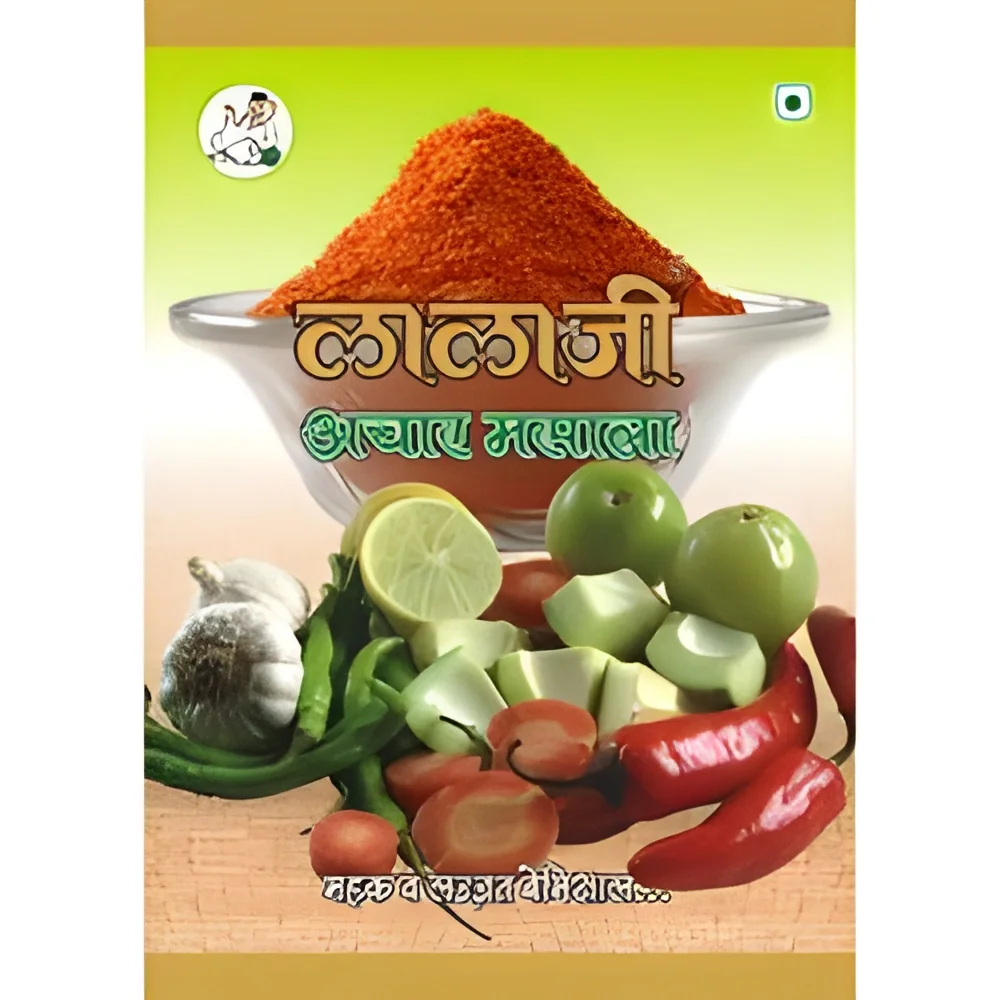
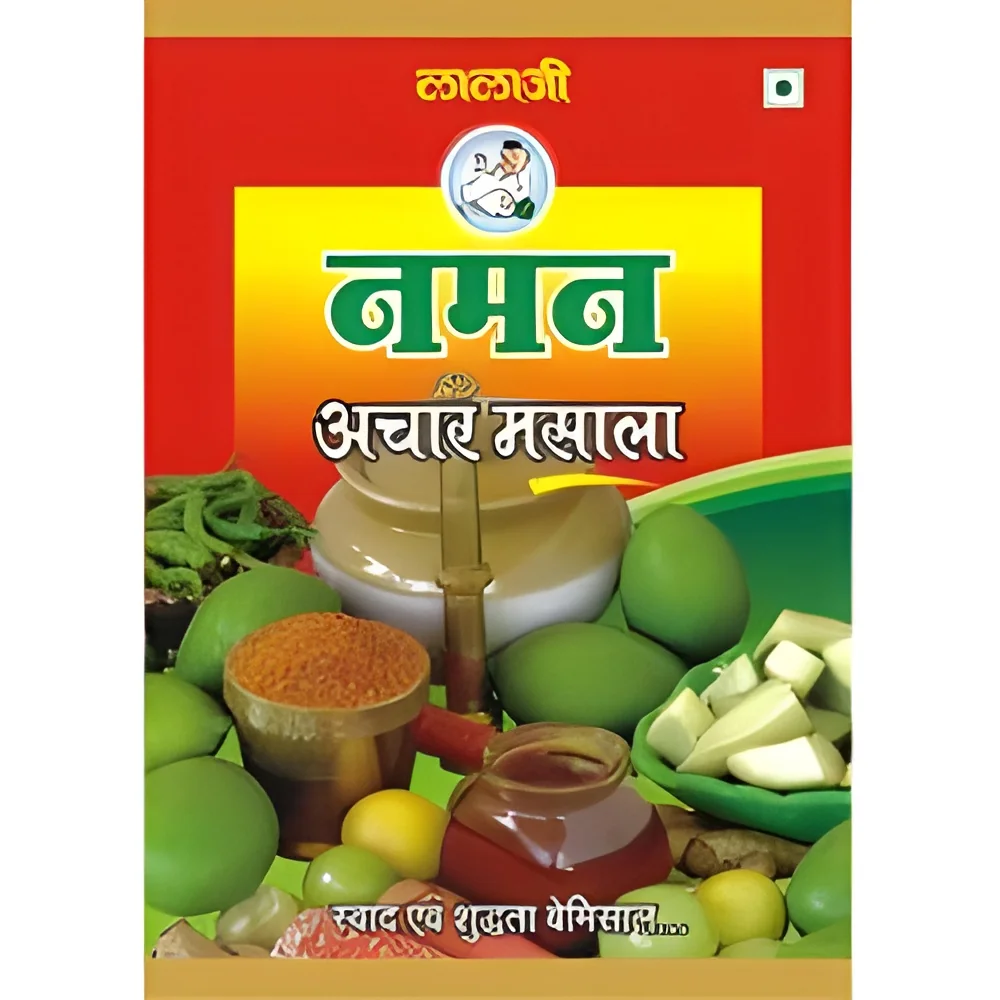
Pickle Masala
5 products available
What are Pickle Masala?
Pickle Masala is a unique blend of spices specifically formulated for making pickles, which are popular condiments in various cuisines. This blend typically includes a mixture of spices such as mustard seeds, fenugreek, turmeric, chili powder, and salt, among others. These ingredients not only enhance the flavor of pickles but also contribute to their preservation, allowing them to be stored for longer periods without spoilage.
The primary use of Pickle Masala is in the food processing industry, where it is utilized to create a variety of pickled products. Businesses in this sector leverage Pickle Masala to add flavor and increase the shelf life of fruits and vegetables. Additionally, it is widely used by home cooks and in restaurants to prepare traditional pickles, which are integral to many regional cuisines. The growing trend of homemade and artisanal pickles further highlights the relevance of Pickle Masala in today's market, as consumers seek authentic flavors.
With the increasing demand for pickled products, the market for Pickle Masala is expanding. It is relevant across various regions, particularly in countries where pickling is a culinary tradition. Factors such as changing consumer preferences towards spicy and tangy flavors are also driving growth in this sector, making Pickle Masala a key ingredient in both commercial and domestic kitchens.
Key Features and Specifications
Pickle Masala is characterized by its rich flavor profile and diverse applications. The specifications of Pickle Masala can vary based on the manufacturer and intended use, but several key features are commonly noted.
Key specifications include:
1. Flavor Profile
- A balanced combination of spicy, tangy, and aromatic flavors.
- Customizable blends to cater to specific regional tastes.
2. Shelf Life
- Typically offers a shelf life of 12 to 24 months when stored properly.
- Helps in preserving pickled products for extended periods.
3. Packaging Options
- Available in various packaging sizes, from small retail packs to bulk quantities.
- Ensures freshness and prevents moisture ingress.
4. Ingredient Composition
- Composed of natural spices, with no artificial preservatives.
- May include organic options to cater to health-conscious consumers.
5. Allergens
- Generally free from common allergens, but specific formulations may vary.
- Important to check ingredient labels for allergen information.
6. Customization
- Available in tailored blends to meet specific culinary needs.
- Can be formulated to accommodate various dietary preferences.
7. Quality Assurance
- Manufactured under strict quality control measures.
- Complies with food safety regulations.
Overall, the diversity in specifications allows businesses to choose Pickle Masala that best fits their product line and consumer demands.
Common Applications and Use Cases
Pickle Masala serves a wide range of industries and applications. Its versatility makes it suitable for various culinary uses.
1. Food Processing: Used extensively in the production of commercial pickles, where it enhances flavor and acts as a preservative.
2. Restaurants: Essential for preparing house-made pickles, which can be featured as signature items on menus.
3. Home Cooking: Popular among home cooks for creating traditional pickles, adding a homemade touch to meals.
4. Catering Services: Used by catering companies to provide authentic flavors in dishes served at events.
5. Export Markets: Increasingly being used in the export of traditional pickled products to international markets.
6. Specialty Stores: Sold in gourmet shops as part of artisanal food products, appealing to health-conscious consumers.
7. Food Retail: Available in retail outlets catering to diverse culinary needs, from Indian cuisine to fusion dishes.
Product Variants and Subcategories
Pickle Masala is diverse, with different variants available that cater to specific culinary needs and preferences.
Spicy Pickle Masala
This variant is characterized by a higher chili content, making it suitable for those who prefer a spicier flavor profile. It is commonly used in making traditional Indian pickles that require a robust taste.
Sweet and Sour Pickle Masala
This variant blends sweetness with tanginess, ideal for preparing pickles that have a sweet-sour flavor. It is often utilized in making fruit-based pickles, such as mango or lime.
Herbal Pickle Masala
Incorporating herbs like curry leaves and coriander, this variant is aimed at consumers looking for a more aromatic and flavorful pickle. It is popular in health-focused culinary applications.
Benefits and Advantages
Pickle Masala offers several benefits that make it a valuable ingredient in culinary applications.
Key benefits include:
1. Enhanced Flavor: Provides an authentic and rich taste to pickled products, appealing to a wide range of consumers.
2. Extended Shelf Life: Acts as a natural preservative, allowing pickles to be stored for longer periods without compromising quality.
3. Versatility: Suitable for various types of pickles, including vegetable, fruit, and mixed options, catering to diverse tastes.
4. Convenience: Ready-to-use blends simplify the pickling process for both commercial and home kitchens.
5. Health Benefits: Many spices used in Pickle Masala have known health benefits, contributing to overall wellness.
6. Customization: Ability to tailor blends to specific regional tastes or dietary preferences, enhancing consumer satisfaction.
Buying Guide for B2B Buyers
When sourcing Pickle Masala, businesses should consider several critical factors to ensure they select the right product.
1. Quality Assessment: It is essential to evaluate the quality of the spices used in Pickle Masala. Look for suppliers that provide samples for testing or adhere to strict quality control standards.
2. Supplier Verification: Vet suppliers thoroughly by checking their reputation, certifications, and industry experience. This ensures reliability and consistency in product supply.
3. Pricing and MOQ: Understand pricing structures and minimum order quantities (MOQ) to align with budget constraints and production needs.
4. Delivery and Lead Times: Assess logistics and delivery capabilities of suppliers to ensure timely receipt of products, especially for just-in-time inventory needs.
5. Compliance Requirements: Ensure that the Pickle Masala meets local and international food safety regulations. This includes checking for necessary certifications and compliance with quality standards.
Compliance and Certifications
Pickle Masala is subject to various quality standards and certifications that ensure its safety and effectiveness in food applications. Key standards relevant to this product include ISO 9001 for quality management systems, which ensures consistent product quality and customer satisfaction.
Additionally, HACCP (Hazard Analysis Critical Control Point) is critical in the food industry, focusing on safety and risk management throughout the production process. Compliance with GDP (Good Distribution Practices) ensures that the product is stored and transported in appropriate conditions to maintain quality.
Pickle Masala may also carry industry certifications such as CE, indicating compliance with European health, safety, and environmental protection standards. It is essential for buyers to consider regional compliance requirements, which may vary by market, to avoid legal issues and ensure product acceptance.
Why Source Pickle Masala from Pepagora?
Pepagora provides a trusted platform for sourcing Pickle Masala, offering numerous advantages for B2B buyers.
Verified Supplier Network: Pepagora features a network of verified suppliers, ensuring that buyers can trust the quality and reliability of the products they source.
Streamlined RFQ Process: The platform simplifies the request for quotation (RFQ) process, allowing buyers to quickly compare prices and specifications from multiple suppliers, thus making informed purchasing decisions.
Trade Assurance and Support: Pepagora offers trade assurance, providing buyers with protection and support throughout the procurement process. This gives businesses peace of mind when sourcing products.
Regional Coverage: With a broad geographic reach that includes India, the GCC, and Southeast Asia, Pepagora connects buyers with local and international suppliers, facilitating easy access to quality Pickle Masala.
By choosing Pepagora, buyers can enhance their procurement experience and secure quality Pickle Masala efficiently.

 India
 India


Frequently Asked Questions
What are Pickle Masala?
Pickle Masala is a blend of various spices used to prepare pickles. It typically includes ingredients such as mustard seeds, fenugreek, turmeric, red chili powder, and salt, providing a tangy and spicy flavor to preserved fruits and vegetables.
What are the different types of Pickle Masala?
There are several types of Pickle Masala, including mango pickle masala, lime pickle masala, and mixed vegetable pickle masala. Each type offers a unique flavor profile, tailored to complement the specific fruits or vegetables being pickled.
How do I choose the right Pickle Masala?
To choose the right Pickle Masala, consider the type of pickle you wish to make and the flavor profile you prefer. Additionally, review the ingredients for freshness and quality, and consider any dietary restrictions or preferences.
What are the standard specifications for Pickle Masala?
Standard specifications for Pickle Masala include moisture content, particle size, and the proportion of spices used. It should also comply with food safety regulations and standards for additives and preservatives.
What is the price range for Pickle Masala?
The price range for Pickle Masala can vary widely based on quality and source, typically ranging from INR 100 to INR 500 per kilogram. Bulk purchases may offer better pricing options, depending on the supplier.
What quality standards apply to Pickle Masala?
Quality standards for Pickle Masala often include adherence to FSSAI regulations in India, which govern food safety and hygiene. Additionally, suppliers may follow ISO or other food quality management systems.
Where can I find Pickle Masala suppliers in India?
You can find Pickle Masala suppliers in India through B2B marketplaces like Pepagora, food ingredient trade shows, and local spice markets. Online searches can also yield a variety of manufacturers and distributors.
Can Pickle Masala be customized?
Yes, Pickle Masala can often be customized to meet specific flavor profiles or dietary requirements. Many suppliers offer the option to create tailor-made blends based on customer preferences.
What is the typical minimum order quantity for Pickle Masala?
The typical minimum order quantity (MOQ) for Pickle Masala varies by supplier but usually ranges from 5 to 25 kilograms. It's advisable to check with individual suppliers for their specific MOQs.
What is the typical lead time for Pickle Masala?
The typical lead time for Pickle Masala can range from a few days to several weeks, depending on the supplier's inventory and production capabilities. It's best to confirm the estimated delivery time when placing an order.
Why Businesses Trust Pepagora
Thousands of companies trust Pepagora to source smarter and sell faster
Expand Your Sales Globally

Source Smarter,Grow Faster
