
 IN
Organic Compost & Manure
31 products available
What are Organic Compost & Manure?
Organic compost and manure are natural fertilizers derived from decomposed organic materials. Organic compost is produced through the controlled decomposition of plant materials, food scraps, and other organic waste. Manure, on the other hand, is animal waste that has been processed for use in agriculture. Both products enrich soil fertility, improve soil structure, and promote healthy plant growth.
The primary uses of organic compost and manure include enhancing soil health in agricultural practices, landscaping, and gardening. Businesses in farming, horticulture, and landscaping frequently utilize these products to improve crop yields and promote sustainable practices. The growing emphasis on organic farming and eco-friendly practices has significantly increased the demand for organic compost and manure in the market.
In the context of the agricultural industry, organic compost and manure play a vital role in sustainable agriculture. They enable farmers to reduce reliance on synthetic fertilizers and pesticides, thus contributing to environmental health and soil preservation. The global market for organic fertilizers, including compost and manure, continues to expand due to increasing awareness of sustainable practices and the benefits of organic farming.
Key Features and Specifications
Organic compost and manure offer several key features that make them attractive for various applications. Their natural composition ensures that they are free from harmful chemicals, making them safe for both the environment and human health. Additionally, these products improve soil structure and moisture retention, which are essential for healthy plant growth.
Key specifications include:
1. Nutrient Content
- Organic compost typically contains essential nutrients such as nitrogen, phosphorus, and potassium.
- Nutrient levels may vary based on the source materials used in composting.
2. Organic Matter Percentage
- The organic matter content in compost and manure usually ranges from 20% to 60%.
- Higher organic matter levels enhance soil fertility and microbial activity.
3. pH Level
- The pH of organic compost and manure generally falls between 6.0 and 8.0.
- Maintaining an optimal pH level is crucial for nutrient availability to plants.
4. Moisture Content
- Ideal moisture levels for organic compost range from 40% to 60%.
- Proper moisture levels ensure effective decomposition and nutrient release.
5. Particle Size
- Compost can vary in texture, with particle sizes ranging from fine to coarse.
- A uniform particle size can enhance application efficiency.
6. Maturity Level
- Mature compost is fully decomposed and stable, typically indicated by a dark color and earthy smell.
- Immature compost may still contain undecomposed materials, affecting its effectiveness.
In summary, the specifications of organic compost and manure highlight their suitability for enhancing soil health and supporting sustainable agricultural practices.
Common Applications and Use Cases
Organic compost and manure have diverse applications across multiple industries.
1. Agriculture: Farmers use organic compost and manure to enrich soil fertility, improve crop yields, and promote sustainable farming practices.
2. Landscaping: Landscape designers incorporate organic compost into soil mixes for planting and gardening to enhance soil structure and moisture retention.
3. Horticulture: Nurseries and greenhouses utilize organic compost to provide essential nutrients for plant growth and to support organic growing methods.
4. Home Gardening: Home gardeners often apply organic compost to vegetable and flower beds to enrich the soil naturally.
5. Erosion Control: Organic compost can be used in erosion control measures, improving soil stability and plant growth on slopes and vulnerable areas.
6. Restoration Projects: Environmental restoration projects employ organic compost to rehabilitate degraded lands and enhance biodiversity.
7. Composting Facilities: Facilities producing compost use organic materials and manure to create high-quality compost for distribution.
Product Variants and Subcategories
Organic compost and manure come in various forms to meet different agricultural and gardening needs.
Bulk Organic Compost
This variant is often delivered in large quantities for commercial use. It is suitable for large-scale agricultural applications and landscaping projects.
Bagged Organic Compost
This packaged variant is convenient for home gardeners and smaller landscaping projects. It is ready to use and easy to store.
Liquid Manure
Liquid manure is a nutrient-rich slurry that can be applied directly to fields. It is particularly useful for rapid nutrient uptake by crops.
Composted Manure
This form of manure is fully decomposed and safe for application. It provides a balanced nutrient profile for various crops.
Benefits and Advantages
Choosing organic compost and manure offers several benefits for businesses and agricultural practices.
1. Environmental Sustainability: These products promote sustainable agriculture by reducing reliance on synthetic fertilizers and minimizing chemical runoff.
2. Improved Soil Health: Organic compost and manure enhance soil structure, increase nutrient availability, and promote beneficial microbial activity.
3. Cost-Effectiveness: Utilizing organic fertilizers can lower overall costs compared to synthetic alternatives, especially in the long term.
4. Enhanced Crop Yields: Regular application of organic compost and manure can lead to healthier plants and improved crop productivity.
5. Eco-Friendly: Organic compost and manure are natural, non-toxic options that contribute to environmental preservation.
6. Versatility: These products can be used in various applications, from large-scale farming to small home gardens.
Buying Guide for B2B Buyers
When sourcing organic compost and manure, B2B buyers should consider several key factors to ensure they make informed purchasing decisions.
1. Quality Assessment: Evaluate the quality of organic compost and manure based on nutrient content, moisture levels, and maturity. Request samples to analyze before making a purchase.
2. Supplier Verification: Conduct thorough vetting of suppliers. Check for certifications, customer reviews, and industry experience to ensure reliability.
3. Pricing and MOQ: Understand the pricing structure and minimum order quantities required by suppliers. Compare prices to ensure competitive rates while maintaining quality.
4. Delivery and Lead Times: Inquire about delivery options and lead times. Timely delivery is crucial for agricultural operations and project timelines.
5. Compliance Requirements: Familiarize yourself with local regulations and compliance standards related to organic fertilizers. Ensure the products meet relevant quality and safety standards.
Compliance and Certifications
Organic compost and manure must adhere to various compliance and certification standards to ensure quality and safety.
Relevant quality standards include ISO 9001, which focuses on quality management systems, and HACCP, which addresses food safety risks. These certifications help assure buyers that the products meet stringent quality requirements.
Additionally, industry certifications such as CE indicate compliance with European safety standards. This certification is essential for products intended for export or use in regulated markets.
Safety and testing requirements are crucial in maintaining the quality of organic compost and manure. Regular testing for contaminants, pathogens, and nutrient levels ensures that these products are safe for use in agriculture.
Regional compliance considerations vary based on local regulations. Buyers should be aware of specific guidelines that apply to their geographic location to ensure compliance with all applicable laws.
Why Source Organic Compost & Manure from Pepagora?
Pepagora provides a trusted platform for sourcing organic compost and manure, offering several key advantages to B2B buyers.
Verified Supplier Network: Pepagora features a network of verified suppliers who meet quality and safety standards. This network ensures that buyers have access to reliable products.
Streamlined RFQ Process: The platform allows buyers to submit requests for quotations easily, facilitating quick and efficient sourcing of organic fertilizers.
Trade Assurance and Support: Pepagora offers trade assurance, providing buyers with protection against potential issues during the purchasing process. Dedicated support is available to address any inquiries.
Regional Coverage: With a strong presence in India, the GCC, and Southeast Asia, Pepagora connects buyers with suppliers across diverse geographic regions, ensuring broad access to quality organic compost and manure.


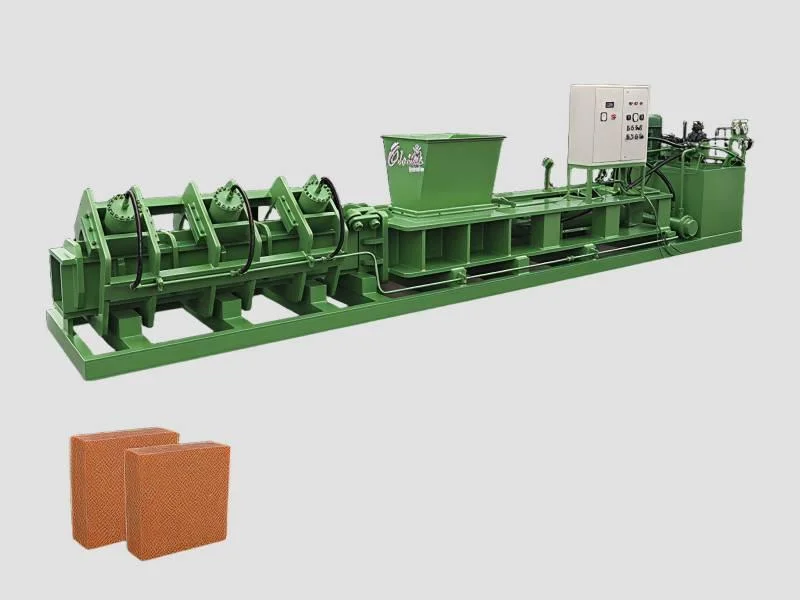


 India
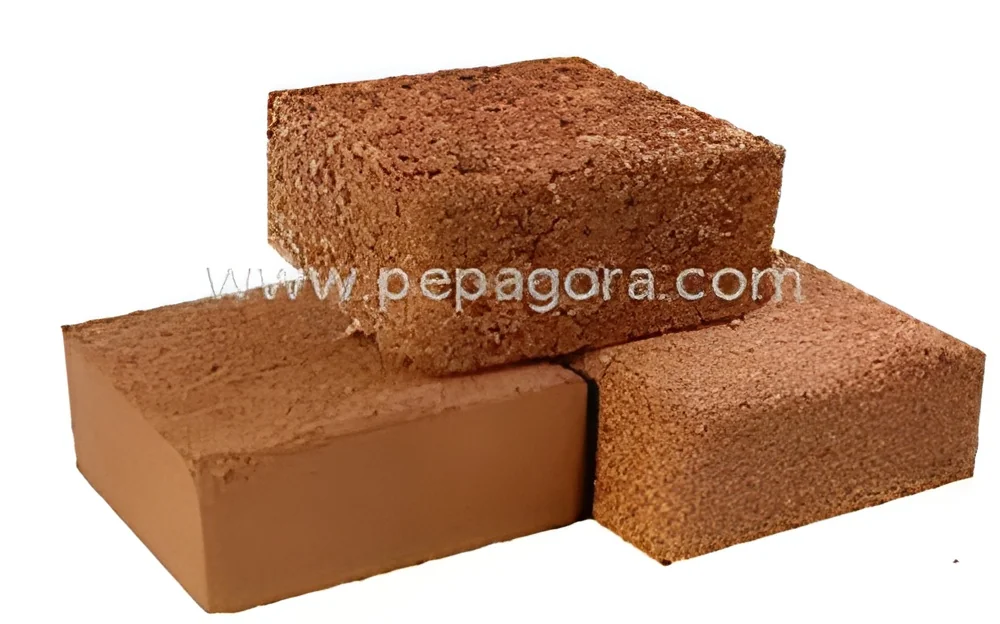
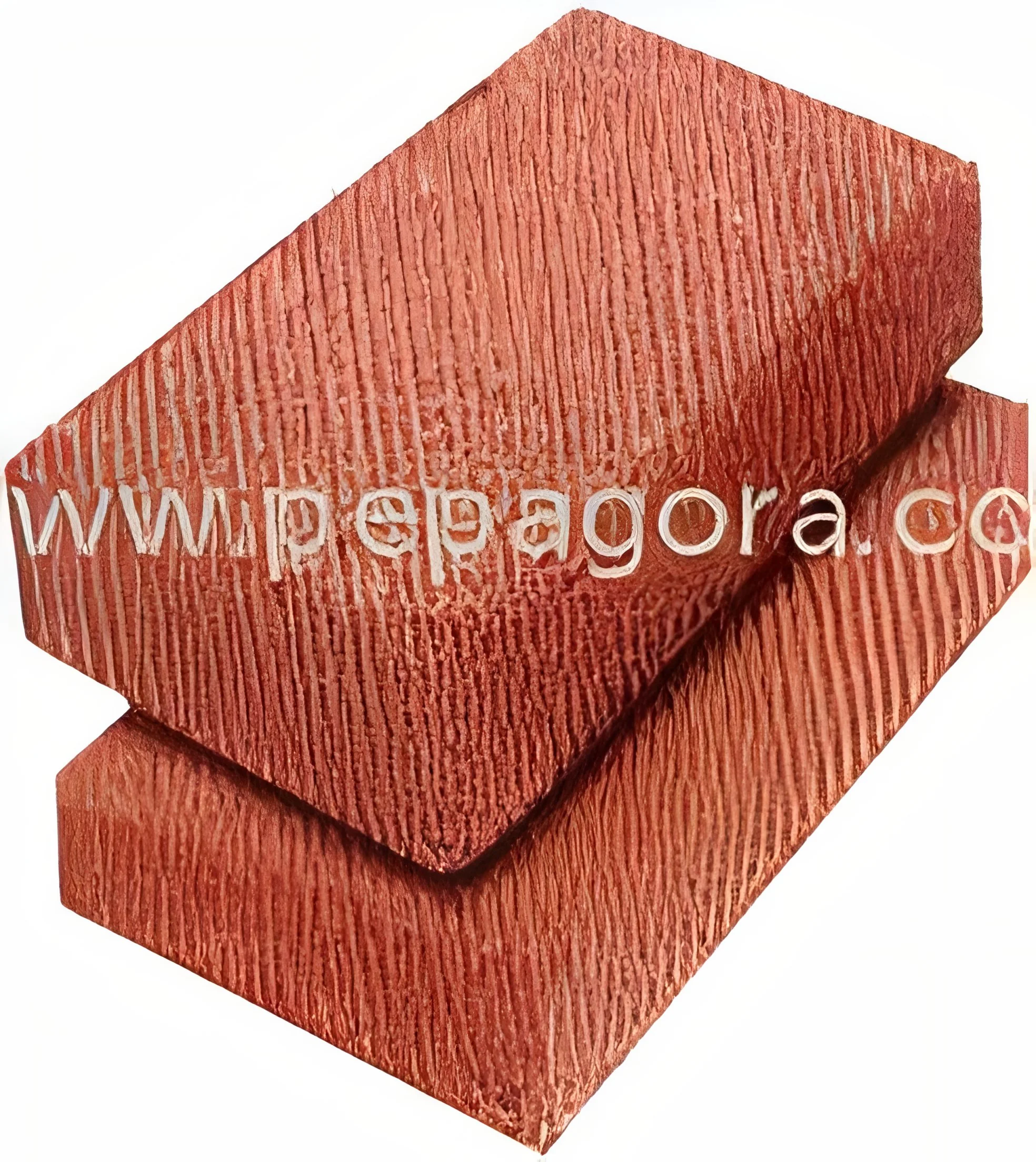
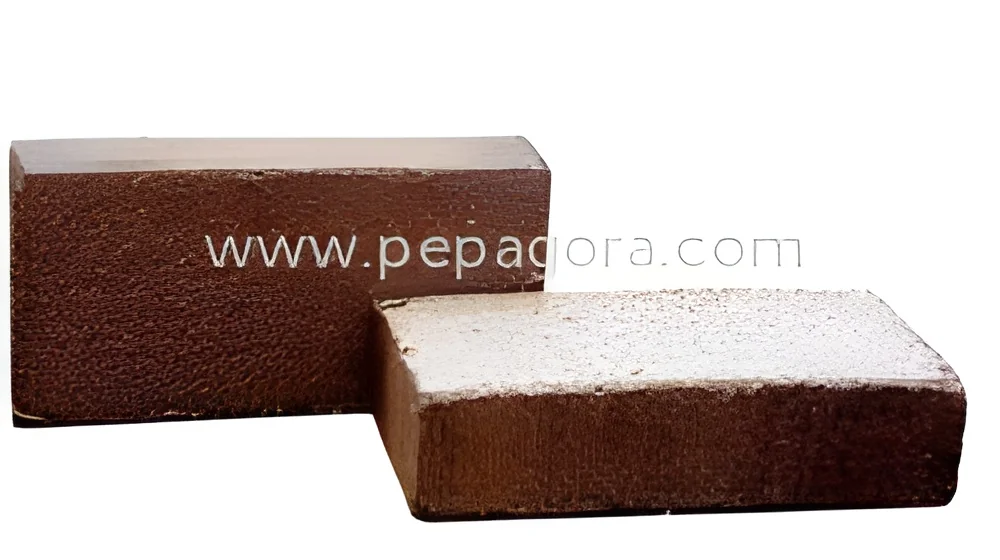
 India
 India

 India
 India
 India
 India

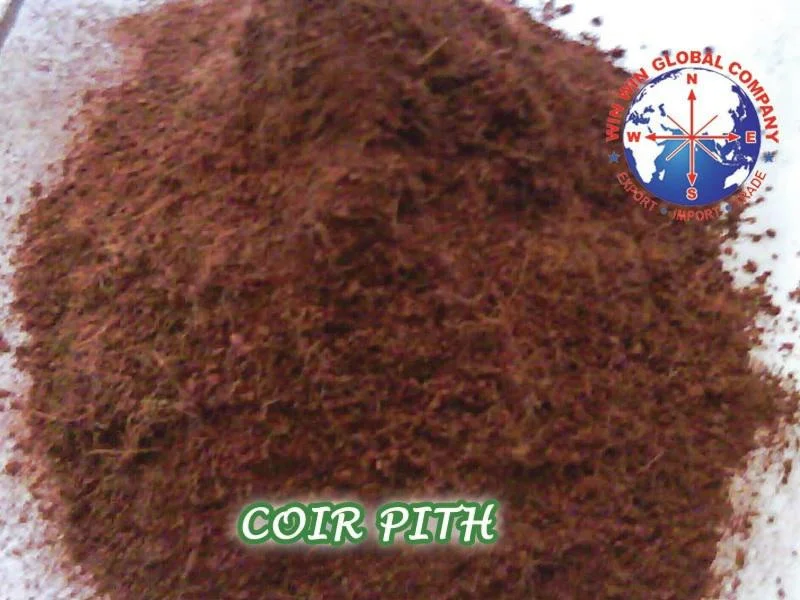 India


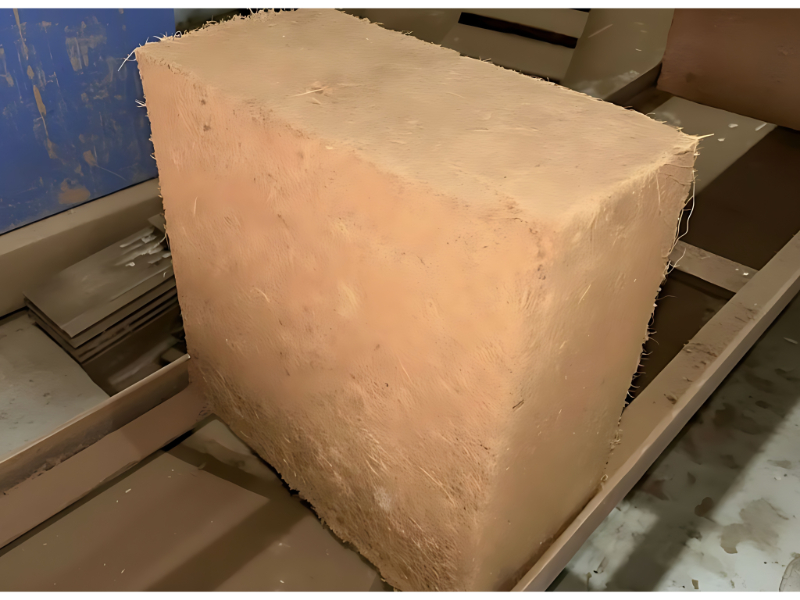
Frequently Asked Questions
What are Organic Compost & Manure?
Organic compost and manure are natural fertilizers derived from decomposed organic matter, including plant materials and animal waste. They enrich the soil, improve its structure, and provide essential nutrients for plant growth, making them vital for sustainable agriculture.
What are the different types of Organic Compost & Manure?
There are several types of organic compost and manure, including farmyard manure, green manure, vermicompost, and compost made from kitchen waste. Each type varies in nutrient content and application methods, catering to different agricultural needs.
How do I choose the right Organic Compost & Manure?
Choosing the right organic compost and manure involves considering soil type, crop requirements, and nutrient content. It is advisable to conduct a soil test and consult with agricultural experts to determine the most suitable option for your specific farming conditions.
What are the standard specifications for Organic Compost & Manure?
Standard specifications for organic compost and manure include parameters such as moisture content, pH level, nutrient concentration (NPK), and the presence of contaminants. These specifications ensure the product's effectiveness and safety for agricultural use.
What is the price range for Organic Compost & Manure?
The price of organic compost and manure can vary widely based on type, quality, and source, typically ranging from INR 500 to INR 2500 per ton. Factors such as packaging and delivery may also influence the final cost.
What quality standards apply to Organic Compost & Manure?
Quality standards for organic compost and manure are often governed by national agricultural regulations, including parameters for nutrient content and absence of harmful substances. Compliance with these standards ensures the safety and effectiveness of the products in agricultural applications.
Where can I find Organic Compost & Manure suppliers in India?
Organic compost and manure suppliers in India can be found through online marketplaces, agricultural cooperatives, and local gardening centers. Platforms like Pepagora.com provide a listing of manufacturers and suppliers, making it easier to source these products.
Can Organic Compost & Manure be customized?
Customization of organic compost and manure is possible based on specific nutrient requirements and application methods. Suppliers may offer tailored blends to meet the unique needs of different crops or soil conditions.
What is the typical minimum order quantity for Organic Compost & Manure?
The typical minimum order quantity (MOQ) for organic compost and manure varies by supplier but usually ranges from 1 ton to 10 tons. It is advisable to check with individual suppliers for their specific MOQ policies.
What is the typical lead time for Organic Compost & Manure?
The typical lead time for organic compost and manure can range from a few days to several weeks, depending on the supplier's stock availability and order size. It is essential to confirm lead times with the supplier before placing an order.
Why Businesses Trust Pepagora
Thousands of companies trust Pepagora to source smarter and sell faster
Expand Your Sales Globally

Source Smarter,Grow Faster
