What are On-Site Equipment Installation Services?
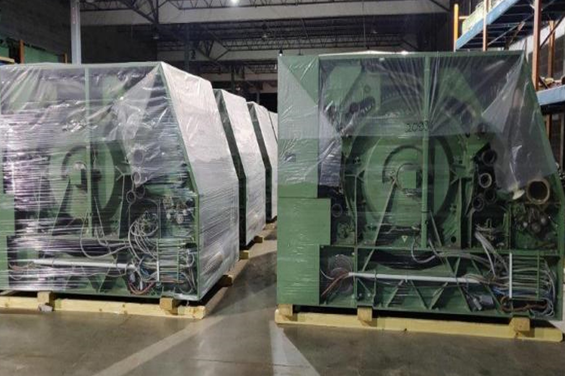
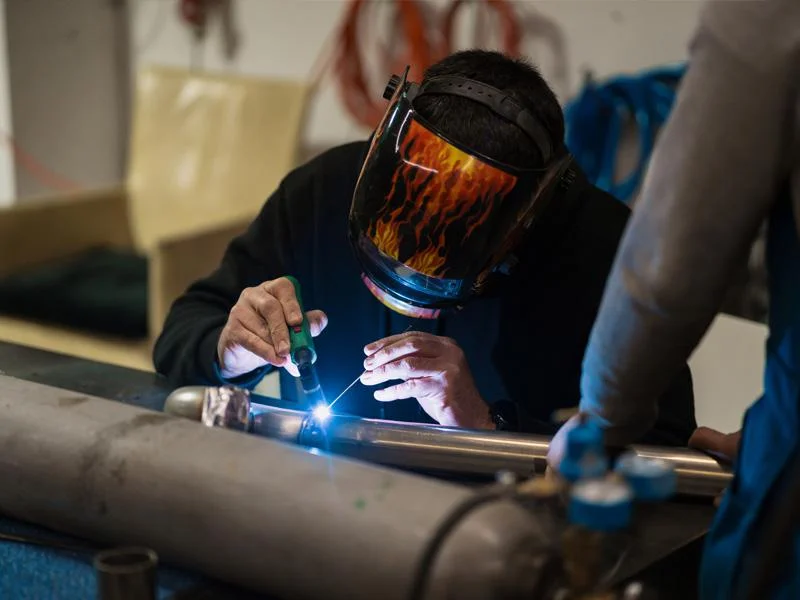
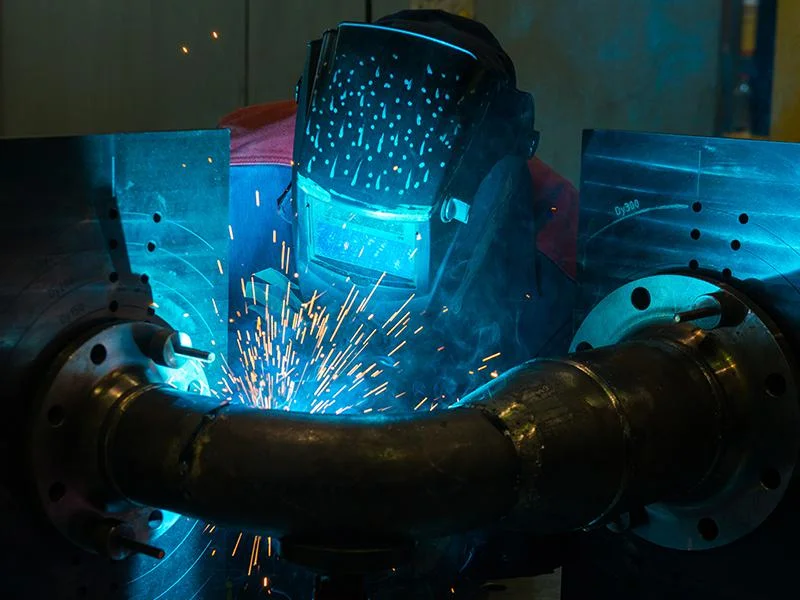
On-Site Equipment Installation Services refer to the professional support provided for the setup and installation of various industrial equipment directly at the customer's location. These services encompass a range of tasks, including equipment assembly, alignment, calibration, and functionality testing. The goal is to ensure that the equipment operates efficiently and meets the specific requirements of the facility.
These services are essential in sectors such as manufacturing, construction, and logistics, where timely and accurate installation can significantly impact operational efficiency. Businesses rely on these services to minimize downtime and ensure that equipment is installed according to industry standards and best practices. The relevance of on-site installation services is further emphasized by the increasing complexity of modern machinery and the need for precise installation to achieve optimal performance.
In a market that values efficiency and reliability, on-site equipment installation services are critical. They bridge the gap between equipment procurement and operational readiness, ensuring that companies can start utilizing their investments without unnecessary delays.
Key Features and Specifications
On-Site Equipment Installation Services come with several defining features and specifications that enhance their effectiveness. These services are designed to be flexible and tailored to meet specific industry needs.
Key specifications include:
1. Equipment Type
- Services can accommodate a wide range of equipment, from heavy machinery to specialized tools.
- Installation processes are customized based on the type and complexity of the equipment.
2. Technical Support
- On-site technical support is provided during and after installation.
- Assistance with troubleshooting and maintenance is often included.
3. Compliance with Standards
- Services adhere to relevant industrial standards, ensuring safety and reliability.
- Compliance with local regulations is prioritized.
4. Project Management
- Installation projects are managed by experienced professionals.
- Effective project management ensures timely completion and coordination with other trades.
5. Training Services
- Operators may receive training on the equipment post-installation.
- Training helps ensure safe and effective use of the installed equipment.
6. Warranty and Support
- Many services include warranty coverage for installation.
- Ongoing support options are available for long-term maintenance.
7. Customization
- Services can be tailored to fit unique operational needs.
- Flexibility in scheduling and installation methods is often offered.
In summary, On-Site Equipment Installation Services provide comprehensive support that is essential for ensuring equipment functionality and safety in various industries.
Common Applications and Use Cases
On-Site Equipment Installation Services are utilized across multiple sectors, each with its own specific requirements.
1. Manufacturing: In manufacturing, these services are crucial for the installation of production machinery, ensuring that equipment is operational and integrated into existing workflows.
2. Construction: On-site installation is vital for heavy equipment such as cranes and excavators, where precise setup is necessary for safety and efficiency.
3. Logistics: In logistics, installation services help set up conveyor systems and automated storage solutions, optimizing material flow and storage capabilities.
4. Healthcare: In healthcare facilities, installation services are essential for medical equipment such as MRI machines and surgical tools, where proper setup is critical for patient safety.
5. Energy: In the energy sector, services are needed for the installation of turbines and other power generation equipment, which require precise alignment and calibration.
6. Food Processing: In food processing industries, installation services ensure that processing equipment complies with hygiene and safety standards.
7. Telecommunications: Installation services are integral to setting up communication equipment, ensuring reliable connectivity for operations.
Product Variants and Subcategories
While there are no specific subcategories available for On-Site Equipment Installation Services, the diversity in service offerings allows for tailored solutions to meet various operational needs.
Standard Installation Services
These services include basic installation and setup of equipment, focusing on ensuring that machinery is correctly assembled and operational.
Advanced Installation Services
This variant includes specialized installation processes that may require additional technical expertise, such as calibration and integration with existing systems.
Custom Installation Solutions
For unique applications, custom installation solutions can be designed. These services are tailored to meet the specific requirements of a project or facility.
Benefits and Advantages
On-Site Equipment Installation Services provide a range of benefits that contribute to operational success.
Key benefits include:
1. Reduced Downtime: Timely installation minimizes disruptions, allowing businesses to resume operations quickly.
2. Enhanced Safety: Professional installation helps ensure that equipment is set up safely, reducing the risk of accidents and injuries.
3. Expert Guidance: Access to experienced technicians ensures that installations meet industry standards and best practices.
4. Customized Solutions: Services can be tailored to address specific needs, improving overall efficiency.
5. Ongoing Support: Many services include follow-up support, aiding in maintenance and troubleshooting.
6. Compliance Assurance: Professional installation helps ensure compliance with local regulations and industry standards.
Buying Guide for B2B Buyers
When sourcing On-Site Equipment Installation Services, various factors should be considered to ensure the best choice for your business needs.
1. Quality Assessment: Evaluate the quality of services offered by reviewing past projects and client testimonials. This helps ensure that the provider meets high standards.
2. Supplier Verification: Conduct background checks on potential suppliers to verify their credentials and experience in the industry. This step is crucial for building trust.
3. Pricing and MOQ: Compare pricing structures among different service providers. Consider minimum order quantities and whether they align with your project requirements.
4. Delivery and Lead Times: Inquire about delivery schedules and lead times for installation services. Timeliness is key to project success.
5. Compliance Requirements: Ensure that the service provider understands and adheres to all relevant compliance and regulatory requirements in your industry.
Compliance and Certifications
Compliance and certifications are essential aspects of On-Site Equipment Installation Services. Providers should adhere to relevant quality standards such as ISO 9001, which ensures consistent quality management processes. Industry certifications, like CE marking, indicate compliance with safety and environmental regulations.
Safety and testing requirements are critical, particularly in industries where equipment failure can have severe consequences. Regular assessments and adherence to safety protocols are necessary to maintain compliance.
Additionally, regional compliance considerations must be taken into account. Different areas may have specific regulations that affect installation processes, and providers should be knowledgeable about these to avoid potential issues.
Why Source On-Site Equipment Installation Services from Pepagora?
Pepagora offers a reliable platform for sourcing On-Site Equipment Installation Services, providing several key advantages for businesses.
Verified Supplier Network: Pepagora connects buyers with a network of verified suppliers, ensuring that only qualified professionals are considered for installation projects. This network fosters trust and reduces the risk of poor service.
Streamlined RFQ Process: The request for quotation (RFQ) process is designed to be efficient and user-friendly, allowing buyers to easily compare offers from multiple suppliers. This transparency aids in making informed decisions.
Trade Assurance and Support: Pepagora provides trade assurance, protecting buyers by ensuring that suppliers meet agreed-upon terms. Additionally, dedicated support is available to address any concerns during the procurement process.
Regional Coverage: With a strong presence in regions such as India, the GCC, and Southeast Asia, Pepagora enables businesses to find local suppliers that understand regional needs and compliance requirements, enhancing the overall installation experience.

 IN
IN