IN
₹
Description
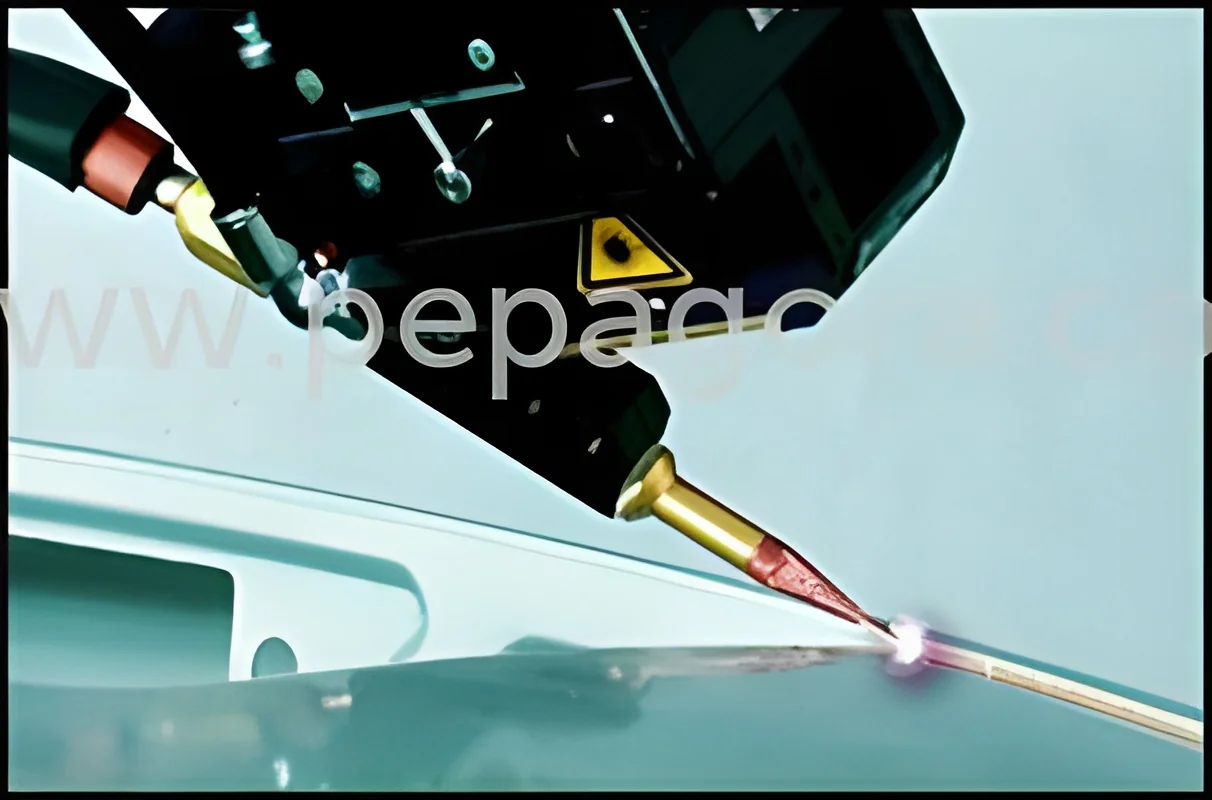
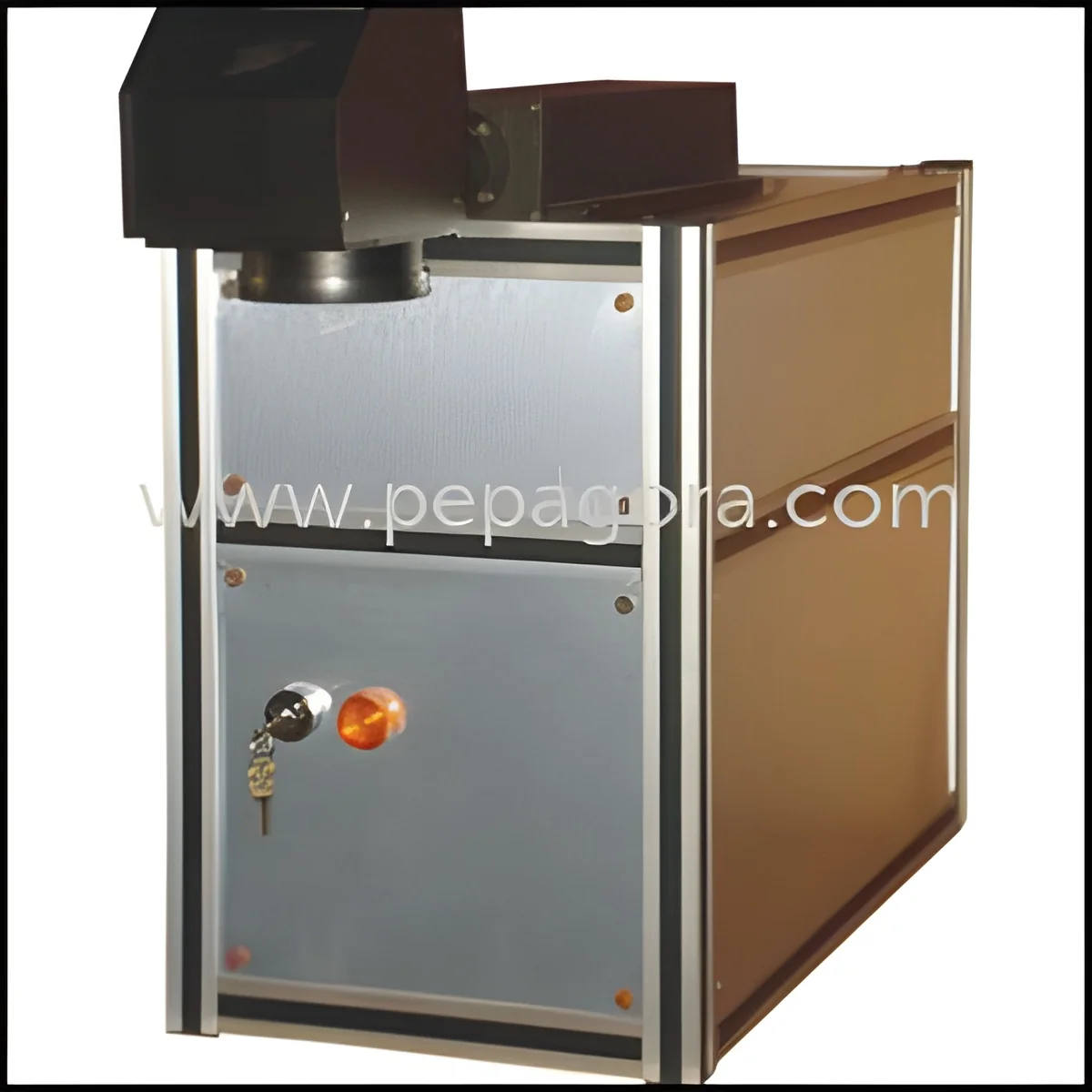
Industrial Laser Hardening Services provide a precise, advanced surface treatment that significantly enhances the durability and performance of metal components. Using controlled diode lasers, this process selectively hardens specific areas of a part without affecting the entire component. This targeted approach allows for the use of cost-effective base materials while achieving superior surface properties exactly where needed. The process is ideal for components subjected to high mechanical stresses, wear, and fatigue, delivering an optimal balance between surface hardness and core toughness. With minimal thermal distortion and exact control, laser hardening ensures consistent, repeatable results across production batches, making it a reliable choice for manufacturers focused on improving component lifespan and operational reliability.

This hardening technology serves critical industries where component failure is not an option. In automotive and transportation, it strengthens transm...
Industrial Laser Hardening Services provide a precise, advanced surface treatment that significantly enhances the durability and performance of metal components. Using controlled diode lasers, this process selectively hardens specific areas of a part without affecting the entire component. This targeted approach allows for the use of cost-effective base materials while achieving superior surface properties exactly where needed. The process is ideal for components subjected to high mechanical stresses, wear, and fatigue, delivering an optimal balance between surface hardness and core toughness. With minimal thermal distortion and exact control, laser hardening ensures consistent, repeatable results across production batches, making it a reliable choice for manufacturers focused on improving component lifespan and operational reliability.

This hardening technology serves critical industries where component failure is not an option. In automotive and transportation, it strengthens transmission gears, engine valves, camshafts, and steering components. The tool, die, and mold industry relies on it for cutting tools, stamping dies, and precision molds requiring extreme wear resistance. Heavy equipment sectors use it for construction machinery, agricultural implements, and mining components that face constant abrasive wear. Industrial manufacturing applies it to machine tool components, rollers, and guides. The process also benefits hydraulic and pneumatic systems by hardening cylinder rods and valve seats, ensuring reliable operation under high pressure and frequent use.

Laser hardening delivers substantial business value through enhanced component performance and reduced total lifecycle costs. The technology's precision minimizes material waste and energy consumption compared to conventional hardening methods, supporting efficient production. By enabling the use of economical base materials with localized hardening, significant material cost savings are achieved without compromising on part quality or performance. The process's reliability ensures consistent results batch after batch, reducing rejection rates and unexpected maintenance. This repeatability builds trust in supply chains and end-products. The minimal part distortion eliminates the need for most secondary finishing operations, increasing production throughput while maintaining tight tolerances and superior surface quality that meets stringent industry standards for safety and performance.

Key Features:
- Precise diode laser technology for controlled, localized surface hardening
- Minimal thermal distortion to preserve component geometry and core properties
- Selective treatment of specific stress zones and complex part geometries
- Compatibility with various steel alloys, cast iron, and other ferrous materials
- Repeatable, automated process ensuring consistent quality across production batches

Benefits:
- Extends component service life by significantly increasing surface wear resistance
- Reduces total production costs by allowing use of cost-effective base materials
- Minimizes part rejection and rework through precise, controlled treatment
- Decreases maintenance frequency and downtime for machinery and equipment
- Enhances part performance under high-stress, abrasive, or fatigue conditions
Specifications
| Additional Information | |
|---|---|
| Country of Origin | India |
Application
Laser hardening is a precision surface treatment process that uses focused diode lasers to selectively harden specific areas of metal components. This method allows for exact control over the hardened zone, minimizing distortion and maintaining the core properties of the base material. It is particularly effective for complex geometries and critical stress points where traditional methods are less suitable, ensuring components meet rigorous performance demands.
This technology is widely adopted across industries requiring high wear resistance and durability in components. It enables the use of cost-effective materials by enhancing surface properties, reducing overall production costs. Applications range from tool manufacturing to heavy machinery, providing reliable performance in demanding environments with precise, repeatable results that extend part lifespan and reduce maintenance frequency.
- Hardening critical wear surfaces on industrial cutting tools, dies, and forming tools
- Enhancing durability of gear teeth, camshafts, and transmission components in automotive and machinery
- Strengthening mold surfaces and cores in plastic injection and die-casting industries
- Improving wear resistance on hydraulic cylinder rods, piston heads, and valve components
- Treating specific high-stress areas on agricultural, construction, and mining equipment parts
Trade Details
| Available Stock | In Stock |
| Sample Availability | No |
Payment Terms
| Payment Terms |
|
Company Profile
Laser Automation Pvt Ltd, Maharashtra
 Maharashtra, India
Factory Details
Factory SizeBelow 1000 sqm
Annual Production Capacity0
Industrial Laser Hardening Services For Durable Component Surfaces
Industrial Laser Hardening Services from [Manufacturer Name] use precise diode lasers to enhance component durability for high-stress industrial parts, offering reliable surface treatment for cost-effective material solutions.
Min. Order Quantity: 1 unit
Shipping
Shipping fee and delivery date to be negotiated. Contact supplier now for more details.
Laser Automation Pvt Ltd
 Maharashtra, India