
 IN
Mulch & Cocopeat Blocks
9 products available
What are Mulch & Cocopeat Blocks?
Mulch and cocopeat blocks are organic materials used primarily in gardening and agriculture. Mulch refers to various materials applied to the surface of soil to retain moisture, suppress weeds, and improve the overall aesthetics of the garden. Cocopeat, or coir pith, is a byproduct of coconut processing and is used as a soil amendment or growing medium. It is known for its excellent water retention, aeration, and nutrient-holding capabilities.
These products are widely used in various agricultural practices, landscaping, and horticulture. They serve as essential components in potting mixes, seedling trays, and as a top dressing for gardens. Businesses within the agricultural sector, including nurseries and landscaping companies, leverage mulch and cocopeat blocks to enhance plant growth, improve soil structure, and promote sustainable gardening practices.
In the current market, the demand for eco-friendly and sustainable agricultural products is rapidly increasing. As a result, mulch and cocopeat blocks have gained significant traction due to their natural properties and ability to enhance soil health. The growing emphasis on organic farming and environmentally sustainable practices further drives their relevance in the industry.
Key Features and Specifications
Mulch and cocopeat blocks offer various features that make them valuable to businesses in agriculture and landscaping. They are designed to be easy to handle and apply, providing convenience for users. The following specifications detail the essential characteristics of these products.
Key specifications include:
1. Water Retention Capacity
- Cocopeat blocks can hold up to 10 times their weight in water, making them highly effective in maintaining soil moisture.
2. pH Level
- The pH level of cocopeat typically ranges from 5.5 to 6.5, which is ideal for most plant growth.
3. Nutrient Content
- These blocks contain essential nutrients like potassium, phosphorus, and magnesium, supporting healthy plant growth.
4. Structural Integrity
- The fibrous nature of cocopeat provides structure to potting mixes, promoting aeration and root development.
5. Biodegradability
- Both mulch and cocopeat blocks are biodegradable, contributing to sustainable agricultural practices.
6. Weeding and Pest Control
- Mulch effectively suppresses weed growth and can deter certain pests, minimizing the need for chemical herbicides.
7. Lightweight and Easy to Transport
- The compact nature of blocks makes them easy to transport and store, reducing shipping costs.
8. Versatility in Applications
- Suitable for use in gardens, greenhouses, and for various types of plants, including flowers, vegetables, and shrubs.
In summary, the combination of water retention, nutrient content, and environmental benefits makes mulch and cocopeat blocks essential for modern agricultural and landscaping practices.
Common Applications and Use Cases
Mulch and cocopeat blocks are utilized across various industries, each benefiting from their unique properties.
1. Agriculture: Farmers use cocopeat blocks as a growing medium for hydroponic systems and as an amendment for improving soil health. Their water retention properties are particularly valuable in arid regions.
2. Horticulture: Nurseries employ these products for potting plants, ensuring optimal moisture levels and nutrient availability, which is critical for healthy plant development.
3. Landscaping: Landscape architects use mulch to enhance soil quality, suppress weeds, and promote plant growth in public parks and private gardens.
4. Home Gardening: Gardeners benefit from the use of mulch and cocopeat blocks to maintain healthy soil, improve aesthetics, and reduce maintenance efforts.
5. Environmental Restoration: Eco-friendly projects incorporate these materials to restore degraded lands and promote biodiversity.
6. Greenhouses: In controlled environments, cocopeat is used as a substrate for seedling trays, providing ideal conditions for germination and growth.
7. Urban Farming: The lightweight nature of cocopeat makes it suitable for rooftop and vertical gardens, maximizing space while ensuring plant health.
Product Variants and Subcategories
Mulch and cocopeat blocks come in various forms, catering to different user needs and applications. This diversity allows businesses to select the best option for their specific requirements.
Cocopeat Blocks
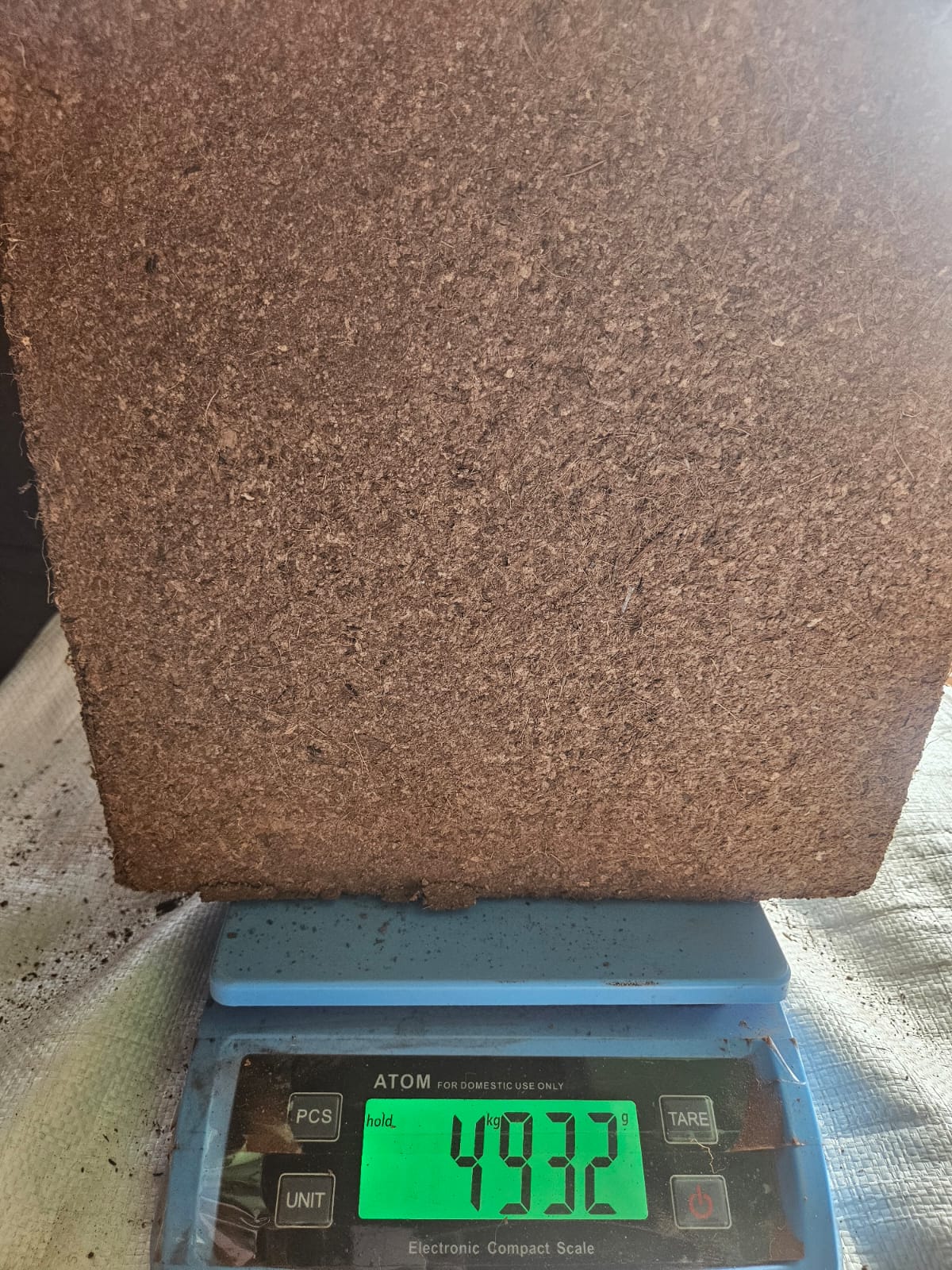
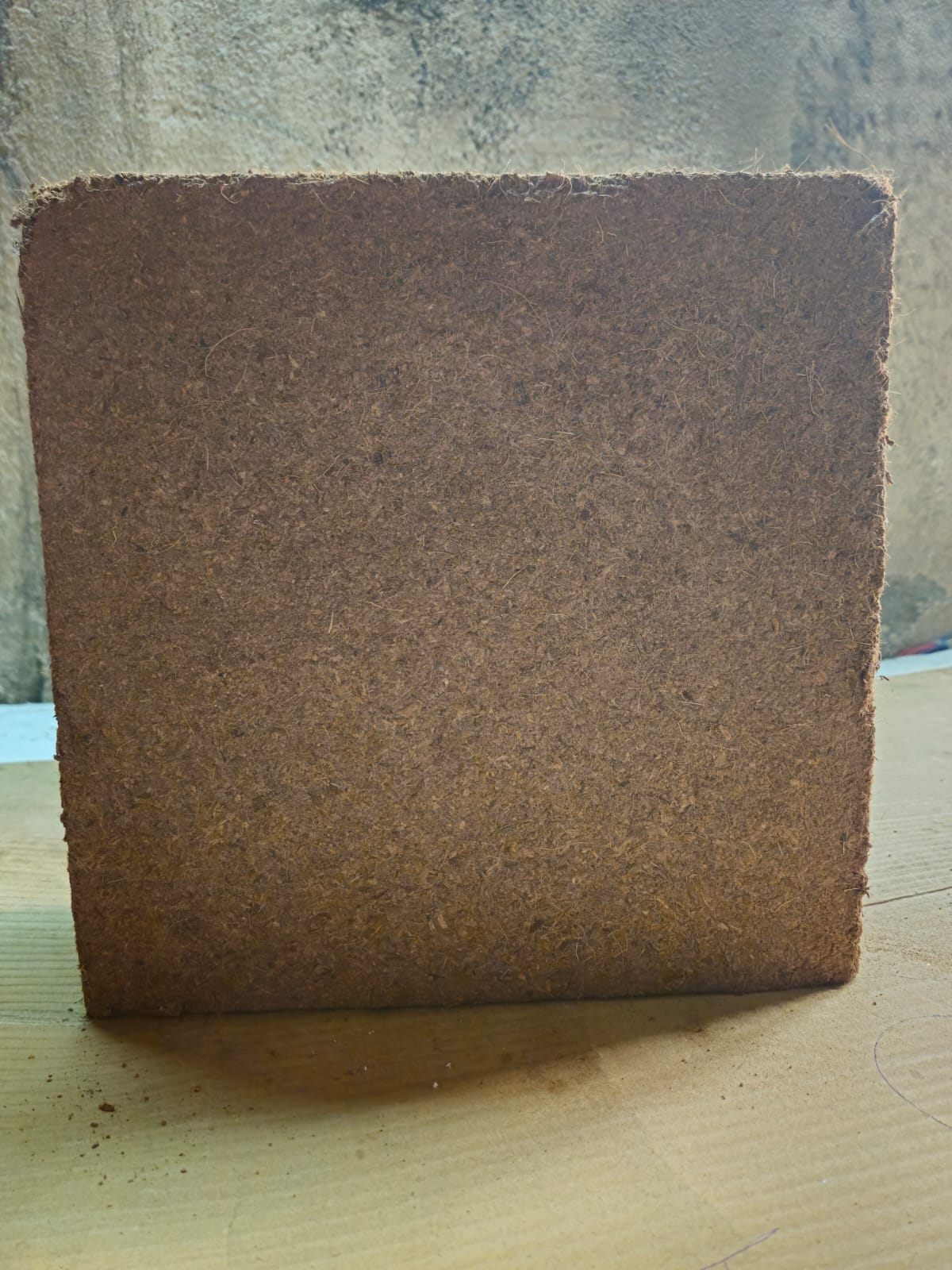
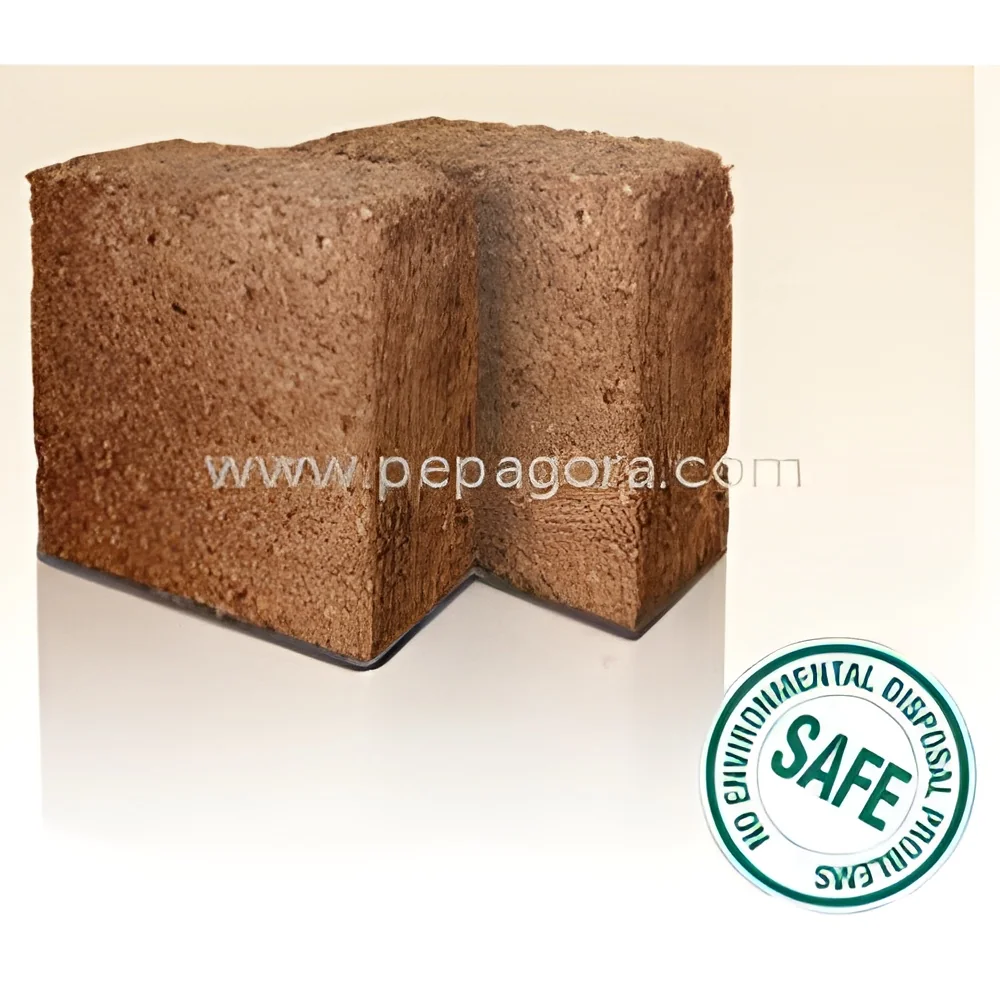
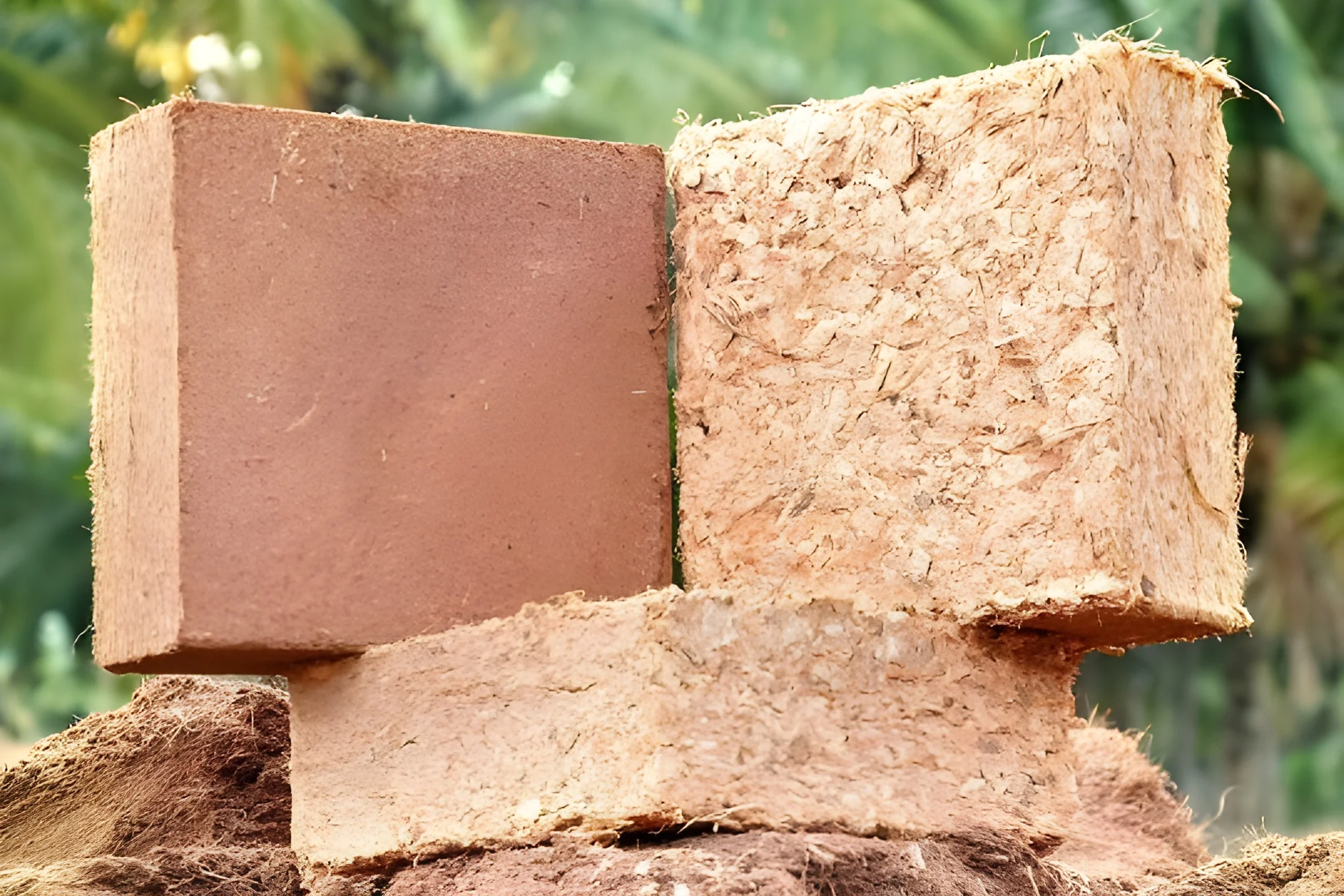
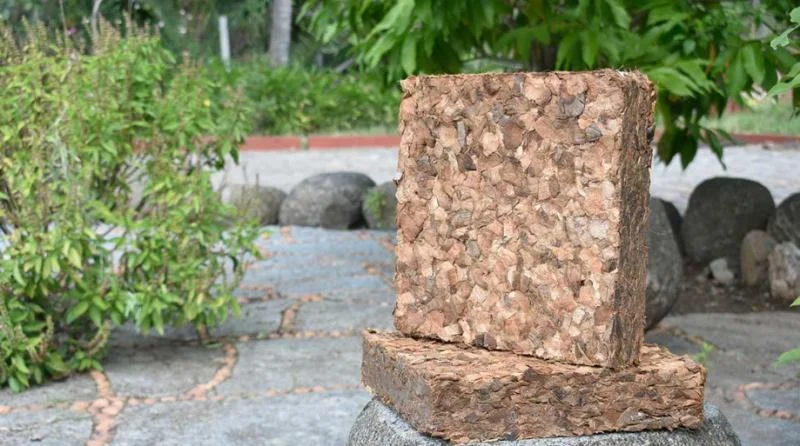
These blocks are compressed coir pith that expands when water is added. They are used primarily as a growing medium in horticulture and agriculture. Their excellent aeration and water retention properties make them ideal for seed germination and potting.
Decorative Mulch
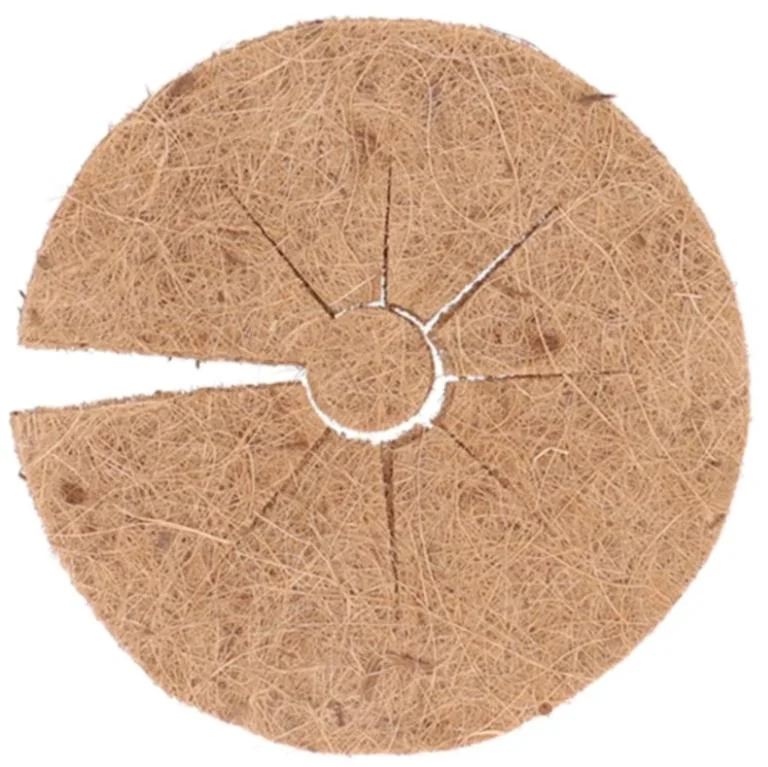
This variant includes colored and natural mulch materials that are used for landscaping purposes. They not only serve functional roles in moisture retention and weed control but also enhance the visual appeal of garden spaces.
Organic Mulch
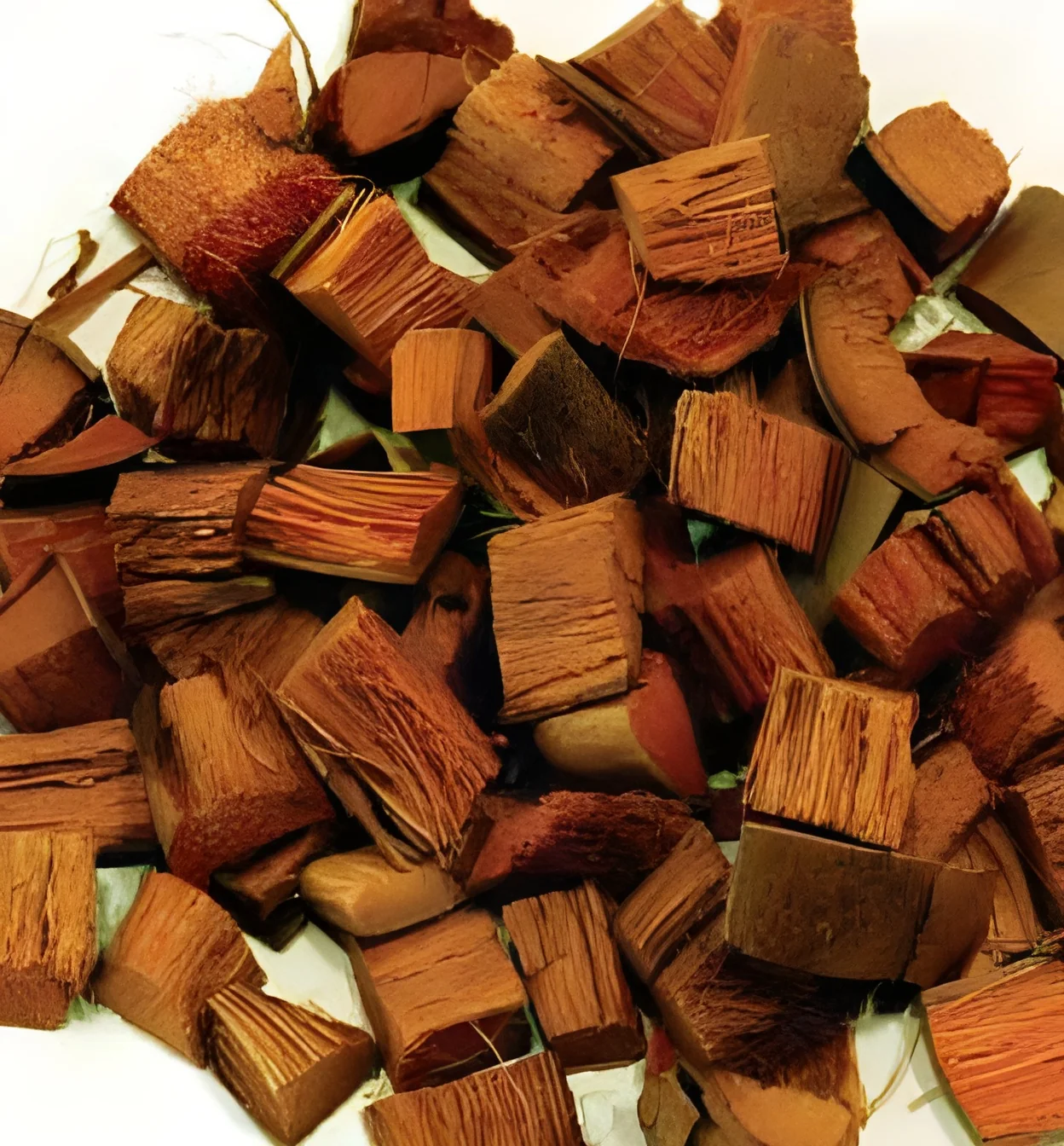
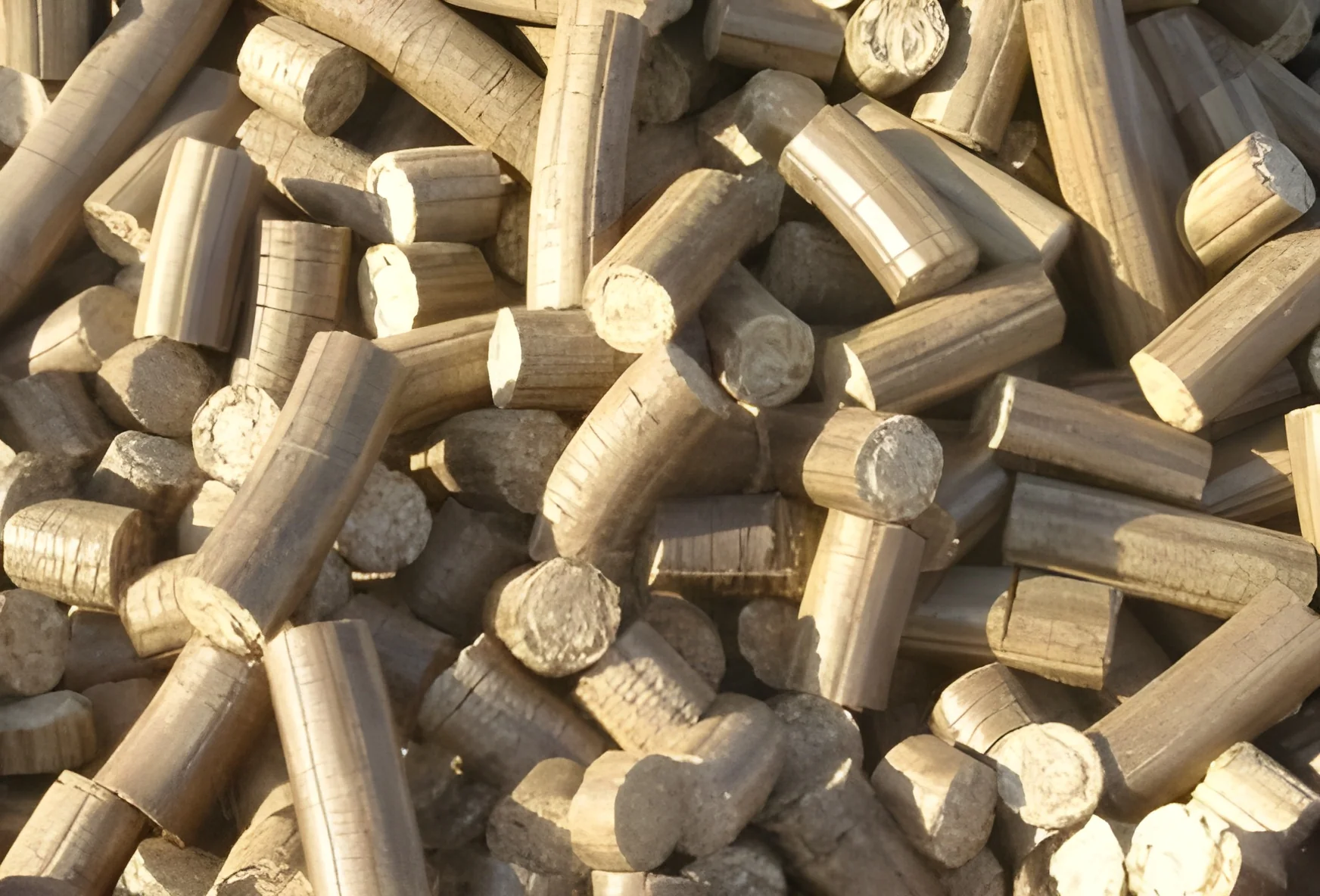
Made from natural materials such as wood chips or straw, organic mulch decomposes over time, enriching the soil. It is commonly used in gardens and flower beds to promote organic gardening practices.
Benefits and Advantages
Investing in mulch and cocopeat blocks provides several key benefits for businesses.
1. Enhanced Soil Health: These products improve soil structure and nutrient content, fostering optimal growing conditions for plants.
2. Water Conservation: Cocopeat's high water retention capacity reduces the need for frequent irrigation, saving water and resources.
3. Weed Suppression: Applying mulch effectively prevents weed growth, reducing competition for nutrients and water among plants.
4. Cost-Effective: The lightweight nature of these products lowers transportation costs, making them an economical choice for businesses.
5. Eco-Friendly: Both mulch and cocopeat are biodegradable and sourced from renewable materials, aligning with sustainable practices.
6. Improved Aesthetics: Decorative mulches enhance the visual appeal of gardens and landscapes, contributing to overall property value.
Buying Guide for B2B Buyers
When sourcing mulch and cocopeat blocks, it is essential for B2B buyers to consider several key factors to ensure they make informed purchasing decisions.
1. Quality Assessment: Buyers should evaluate the quality of cocopeat and mulch products based on factors such as purity, moisture content, and absence of contaminants.
2. Supplier Verification: It is crucial to vet suppliers for reliability and credibility. Looking for certifications and reviews can help ensure a trustworthy partnership.
3. Pricing and MOQ: Understanding the pricing structure and minimum order quantities (MOQ) is important for budgeting and inventory management.
4. Delivery and Lead Times: Buyers should inquire about logistics, including delivery schedules and lead times, to align with their operational needs.
5. Compliance Requirements: Familiarity with regional compliance regulations ensures that products meet safety and quality standards, protecting both the buyer and end-user.
Compliance and Certifications
Compliance and certifications play a significant role in the quality assurance of mulch and cocopeat blocks. Relevant standards include ISO 9001, which ensures quality management systems, and HACCP, which focuses on food safety management.
Additionally, many products hold certifications like CE and UL, indicating that they meet specific safety and performance standards.
It is also essential to consider regional compliance, as regulations can vary widely. Buyers should ensure that their products meet local environmental and safety standards to avoid potential legal issues.
Why Source Mulch & Cocopeat Blocks from Pepagora?
Pepagora provides a trusted platform for sourcing mulch and cocopeat blocks, offering several key advantages to buyers.
Verified Supplier Network: The platform connects businesses with a network of verified suppliers, ensuring that buyers can source high-quality products from reputable sources.
Streamlined RFQ Process: Pepagora simplifies the quotation process, allowing buyers to easily request and receive quotes from multiple suppliers, facilitating informed decision-making.
Trade Assurance and Support: Buyers benefit from trade assurance measures that protect their investments and provide support throughout the sourcing process, enhancing buyer confidence.
Regional Coverage: With a presence in India, GCC, and Southeast Asia, Pepagora offers extensive geographic coverage, making it easier for businesses to access these essential products in various markets.

 India
 India

 India
Frequently Asked Questions
What are Mulch & Cocopeat Blocks?
Mulch & Cocopeat Blocks are organic materials used in gardening and agriculture to improve soil health and moisture retention. Cocopeat, made from coconut husks, serves as a natural soil conditioner, while mulch helps suppress weeds and regulate soil temperature.
What are the different types of Mulch & Cocopeat Blocks?
There are several types of Mulch & Cocopeat Blocks, including shredded coconut husk, compressed cocopeat blocks, and various organic mulch materials such as straw or wood chips. Each type serves specific purposes in gardening, such as moisture retention, soil aeration, and weed control.
How do I choose the right Mulch & Cocopeat Blocks?
Choosing the right Mulch & Cocopeat Blocks depends on your specific gardening needs, such as the type of plants, climate, and soil conditions. Consider factors like water retention, biodegradability, and nutrient content to determine which type suits your requirements best.
What are the standard specifications for Mulch & Cocopeat Blocks?
Standard specifications for Mulch & Cocopeat Blocks typically include dimensions, density, moisture content, and pH level. For example, cocopeat blocks often come in compressed sizes, usually around 5 kg, with a moisture content of 10-15% and a pH level between 5.5 and 6.5.
What is the price range for Mulch & Cocopeat Blocks?
The price range for Mulch & Cocopeat Blocks can vary based on quality, supplier, and quantity ordered. Generally, cocopeat blocks can range from INR 100 to INR 500 per block, depending on the specifications and market conditions.
What quality standards apply to Mulch & Cocopeat Blocks?
Quality standards for Mulch & Cocopeat Blocks include ensuring that the products are free from contaminants and meet specific moisture and pH levels. Many suppliers adhere to industry standards, such as ISO certifications, to ensure product consistency and reliability.
Where can I find Mulch & Cocopeat Blocks suppliers in India?
You can find Mulch & Cocopeat Blocks suppliers in India through online B2B marketplaces like Pepagora.com, trade shows, agricultural fairs, and local gardening supply stores. It's advisable to check reviews and ratings to ensure you are dealing with reputable suppliers.
Can Mulch & Cocopeat Blocks be customized?
Yes, many suppliers offer customization options for Mulch & Cocopeat Blocks. This may include variations in size, compression levels, and blends with other organic materials to meet specific agricultural or gardening needs.
What is the typical minimum order quantity for Mulch & Cocopeat Blocks?
The typical minimum order quantity (MOQ) for Mulch & Cocopeat Blocks can vary by supplier, but it often ranges from 10 to 50 blocks. Larger orders may be required for wholesale purchases or commercial use.
What is the typical lead time for Mulch & Cocopeat Blocks?
The typical lead time for Mulch & Cocopeat Blocks can vary depending on the supplier and order size. Generally, it ranges from 7 to 21 days, considering factors such as production time, shipping, and availability.
Why Businesses Trust Pepagora
Thousands of companies trust Pepagora to source smarter and sell faster
Expand Your Sales Globally

Source Smarter,Grow Faster
