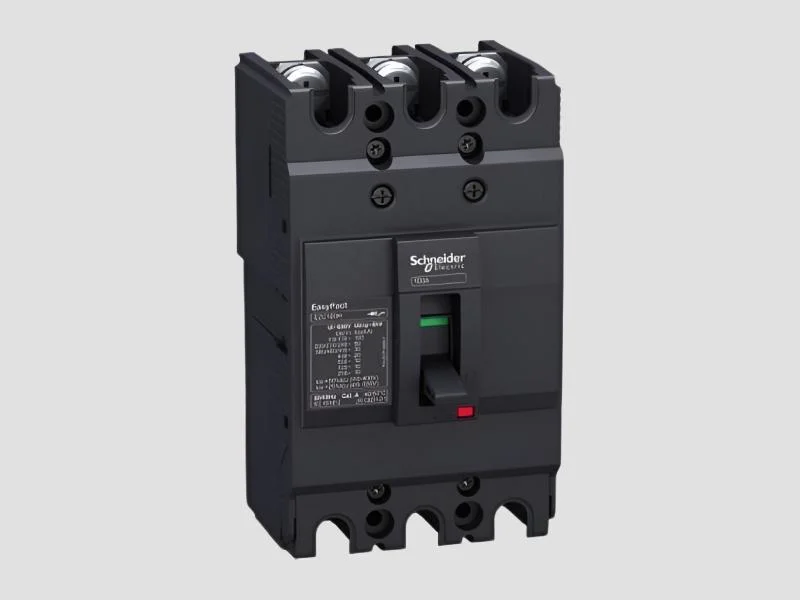
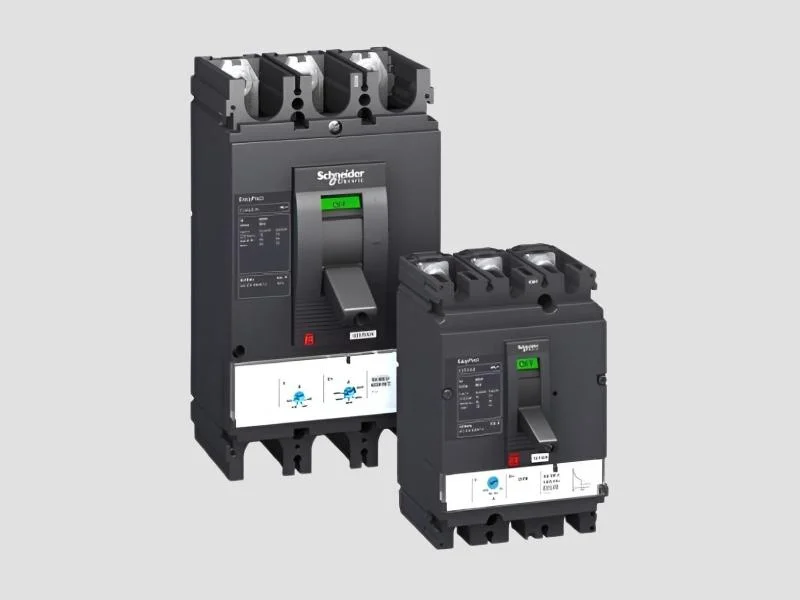
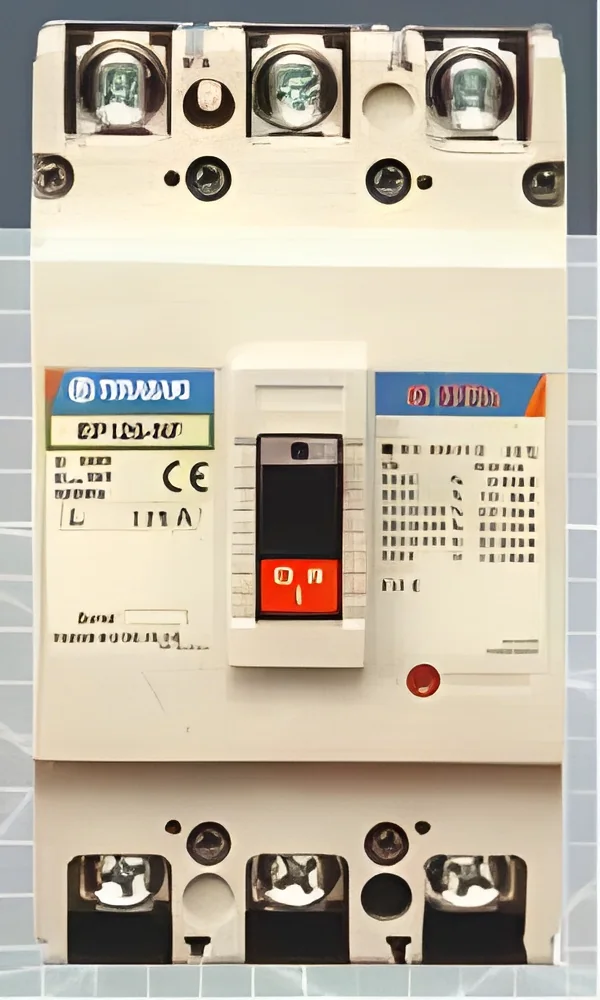
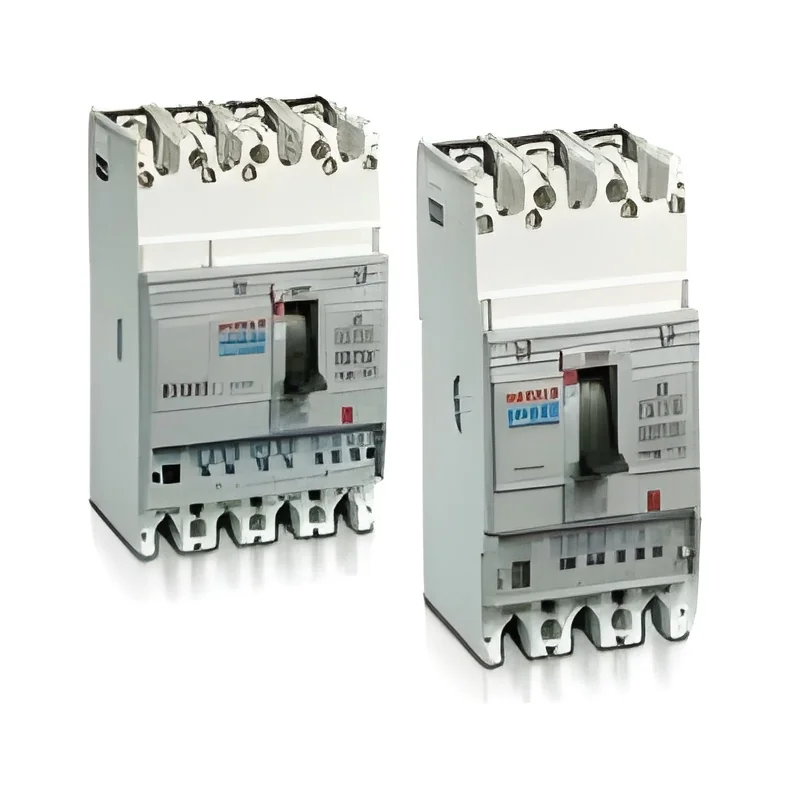
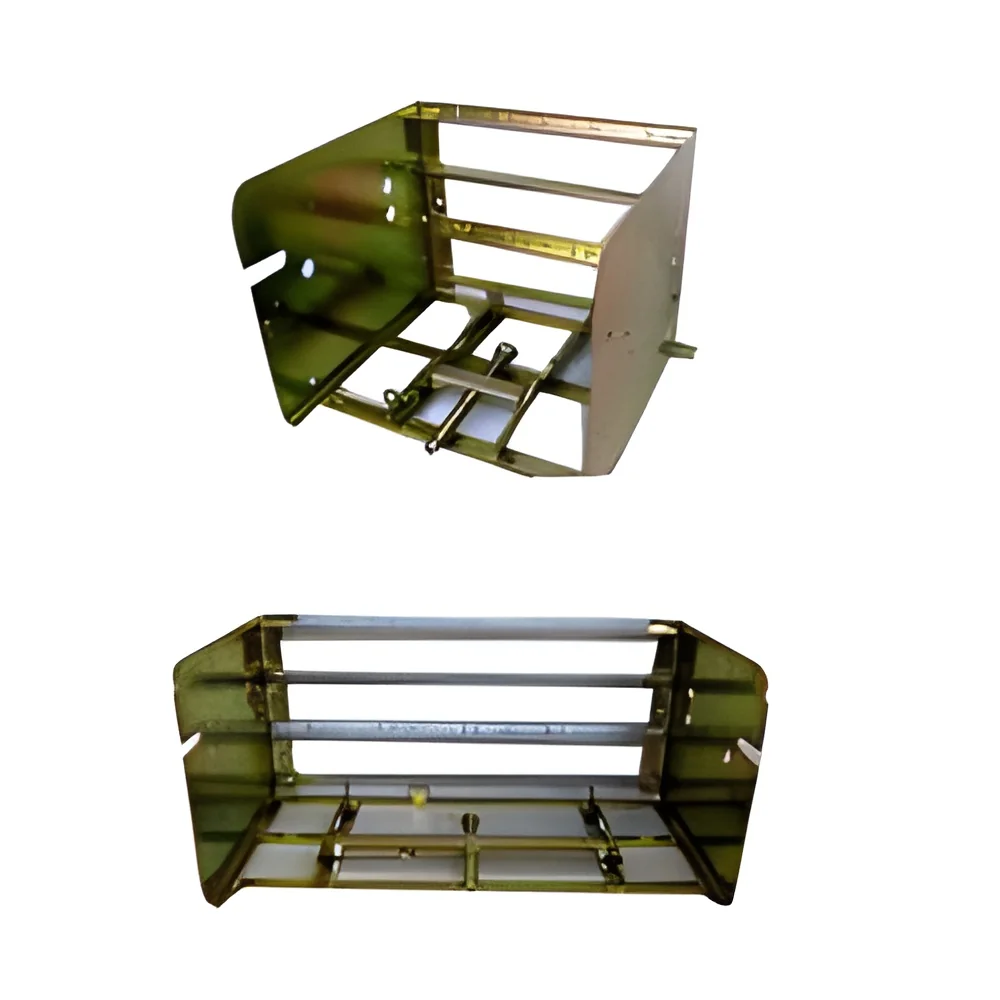
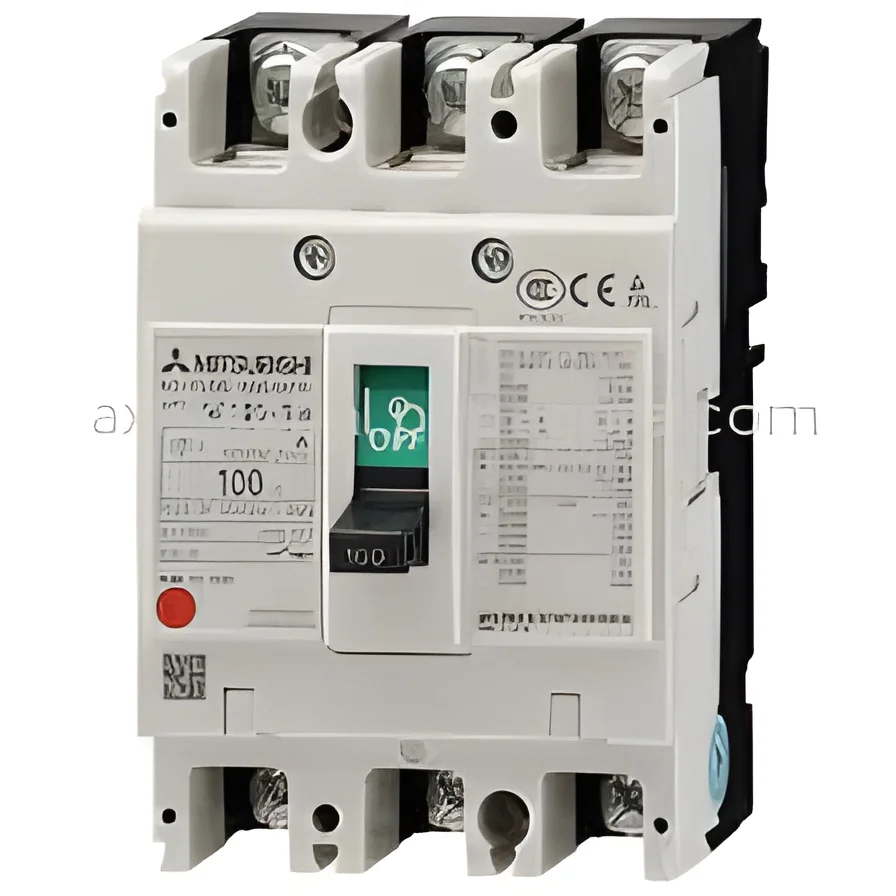
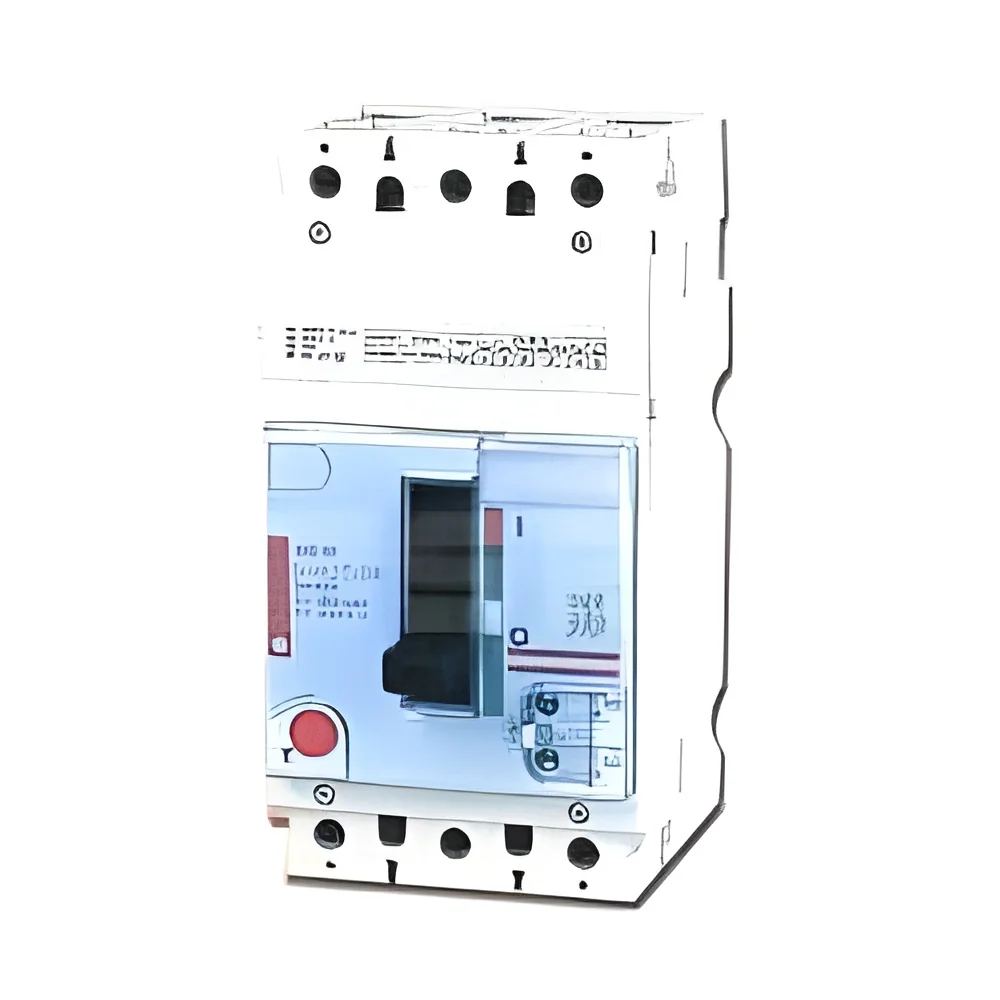
Key Features and Specifications
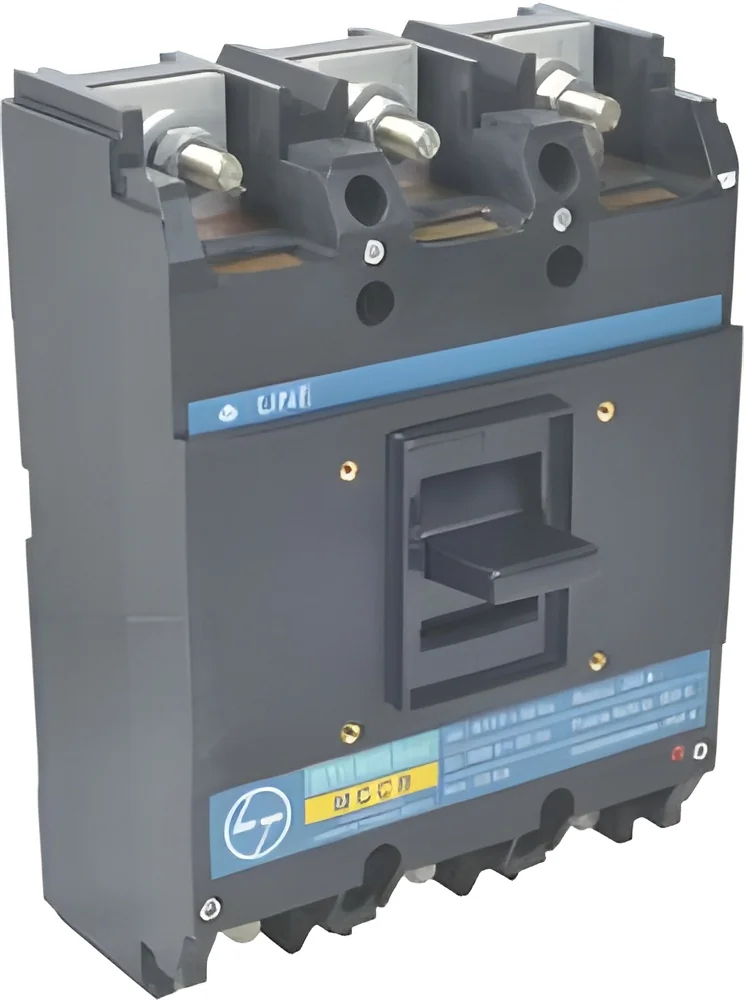
Molded Case Circuit Breakers (MCCBs) come with a range of features and specifications that enhance their functionality and reliability. Understanding these specifications is crucial for selecting the appropriate circuit breaker for specific applications.
Key specifications include:
1. Rated Current
- This specifies the maximum continuous current that the MCCB can carry.
- Typical ranges are from 15A to 1600A.
2. Breaking Capacity
- This refers to the maximum fault current that the MCCB can safely interrupt.
- Common ratings are from 10kA to 100kA.
3. Voltage Rating
- This indicates the highest voltage the MCCB is designed to handle.
- Common standards include 240V, 415V, and 690V.
4. Thermal Magnetic Trip
- This feature combines thermal and magnetic mechanisms to provide overload and short-circuit protection.
- Trip settings can often be adjusted based on application needs.
5. Number of Poles
- MCCBs are available in single, double, three, and four-pole configurations.
- The choice depends on the specific circuit requirements.
6. Mounting Type
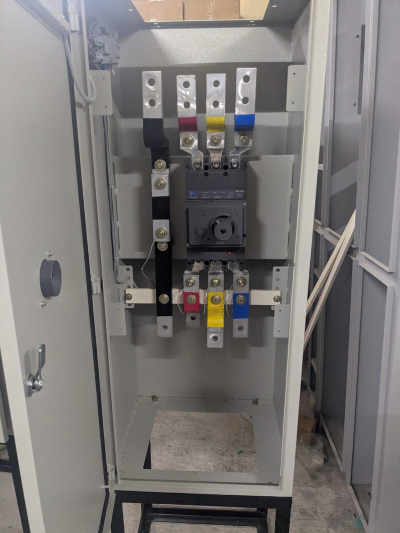
- MCCBs can be mounted on panels or installed in enclosures.
- Options include din rail or direct panel mount.
7. Certifications
- Most MCCBs are compliant with international safety standards such as CE marking.
8. Auxiliary Contacts
- Some MCCBs come with auxiliary contacts for remote signaling or integration into more complex control systems.
In summary, understanding these key features and specifications helps businesses select the right MCCB for their needs, ensuring safety and compliance in their electrical systems.
Common Applications and Use Cases
Molded Case Circuit Breakers (MCCBs) are utilized across various industries to protect electrical circuits from faults.
1. Manufacturing: In manufacturing facilities, MCCBs are crucial for safeguarding machinery and equipment from overloads, ensuring operational efficiency.
2. Construction: During construction projects, MCCBs protect temporary power systems and machinery, reducing the risk of electrical hazards.
3. Energy: In power distribution networks, MCCBs are employed to manage electrical loads and safeguard against failures, critical for maintaining service reliability.
4. Commercial Buildings: In commercial settings, MCCBs are used in electrical panels to protect lighting and HVAC systems from electrical faults.
5. Telecommunications: Within telecom infrastructure, MCCBs protect sensitive equipment from surges and overloads, ensuring uninterrupted service.
6. Water Treatment: MCCBs are essential in water treatment plants, securing electrical systems that control pumps and filtration processes.
7. Data Centers: In data centers, MCCBs help manage power distribution to servers and other critical equipment, preventing outages.
Product Variants and Subcategories
Molded Case Circuit Breakers (MCCBs) are available in various variants, each tailored for specific applications and requirements.
Standard MCCB
This variant is designed for general protection of electrical circuits. It typically features thermal magnetic tripping and is suitable for most commercial and industrial applications.
Smart MCCB
This advanced variant includes monitoring capabilities, allowing for real-time data on electrical usage and diagnostics. Ideal for facilities seeking enhanced control over their electrical systems.
Hydraulic Magnetic MCCB
This variant utilizes hydraulic principles for tripping, providing high performance in high fault current situations. It is often used in heavy industrial environments.
Compact MCCB
Designed for space-constrained applications, compact MCCBs provide reliable protection in smaller enclosures without compromising performance.
Benefits and Advantages
Molded Case Circuit Breakers (MCCBs) provide numerous benefits that enhance their value in industrial and commercial settings.
Key benefits include:
1. Enhanced Safety: MCCBs significantly reduce the risk of electrical fires and equipment damage by effectively interrupting fault currents.
2. Reliable Performance: With robust construction and advanced tripping mechanisms, MCCBs offer consistent and reliable protection in various operating conditions.
3. Flexibility: The wide range of ratings and configurations available allows businesses to select MCCBs tailored to their specific application needs.
4. Cost Efficiency: By preventing equipment damage and downtime, MCCBs contribute to long-term savings, making them a cost-effective investment.
5. Easy Installation: MCCBs are designed for straightforward installation, reducing setup time and associated costs.
6. Compliance Assurance: Most MCCBs meet international safety standards, helping businesses maintain compliance with regulatory requirements.
Buying Guide for B2B Buyers
When sourcing Molded Case Circuit Breakers (MCCBs), several critical factors should be considered to ensure the right selection.
1. Quality Assessment: Evaluate the quality of MCCBs based on manufacturer reputation, adherence to standards, and user reviews. Reliable products will minimize maintenance issues.
2. Supplier Verification: Vet suppliers to ensure they provide genuine products with appropriate certifications. This step is essential to avoid counterfeit items.
3. Pricing and MOQ: Understand the pricing structure and minimum order quantities. Ensure that the costs align with your budget and project requirements.
4. Delivery and Lead Times: Discuss logistics and lead times with suppliers to ensure timely delivery, especially for urgent projects or replacements.
5. Compliance Requirements: Verify that the MCCBs comply with necessary regulatory standards specific to your industry and region, ensuring safety and reliability.
Compliance and Certifications
Molded Case Circuit Breakers (MCCBs) must adhere to several quality standards and certifications to ensure reliability and safety in various applications.
Key relevant quality standards include ISO 9001, which emphasizes effective quality management systems, ensuring consistent product quality. Other essential standards may apply, depending on the specific application and region.
Industry certifications such as CE mark indicate compliance with European safety and environmental protection requirements. This certification is critical for gaining market acceptance in Europe and other regions.
Additionally, MCCBs must meet safety and testing requirements that ensure they can handle fault conditions without failure. Regular testing and adherence to these standards are crucial for maintaining operational safety.
Regional compliance considerations should also be taken into account, as different regions may have specific electrical safety regulations that MCCBs must satisfy. This ensures that products are safe for use in their intended markets.
Why Source Molded Case Circuit Breakers (MCCBs) from Pepagora?
Pepagora provides a trusted platform for sourcing Molded Case Circuit Breakers (MCCBs) with several key advantages that enhance the buying experience for B2B customers.
Verified Supplier Network: Pepagora partners with only verified suppliers, ensuring that buyers receive high-quality MCCBs from reputable manufacturers. This network helps eliminate the risk of counterfeit products.
Streamlined RFQ Process: The request for quotation (RFQ) process on Pepagora is designed for efficiency. Buyers can easily compare quotes from multiple suppliers, facilitating informed purchasing decisions.
Trade Assurance and Support: Pepagora offers trade assurance, providing buyers with added protection during transactions. This support instills confidence, knowing that customer interests are safeguarded throughout the sourcing process.
Regional Coverage: With a geographic reach spanning India, the Gulf Cooperation Council (GCC), and Southeast Asia, Pepagora effectively connects buyers with suppliers across these regions. This broad coverage allows businesses to source MCCBs tailored to their local needs.

 IN
IN

 India
India