What are Modular Kitchen Design?
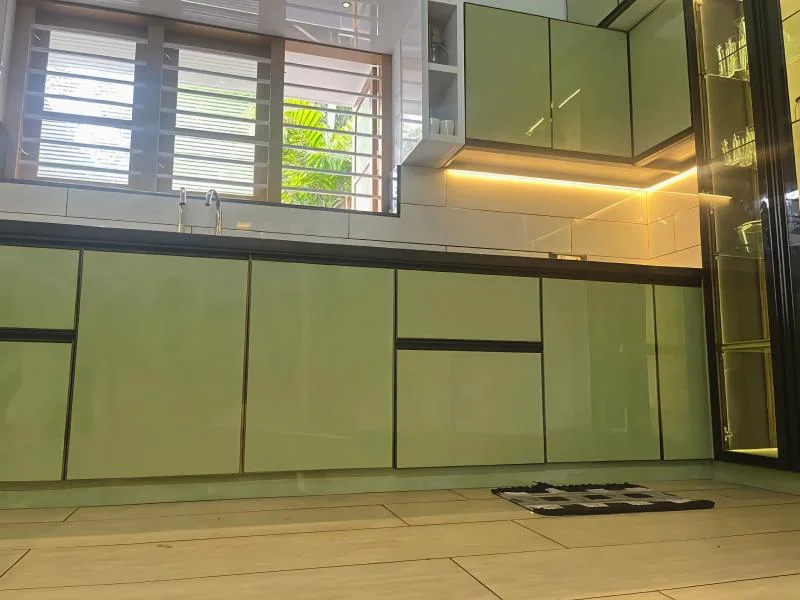
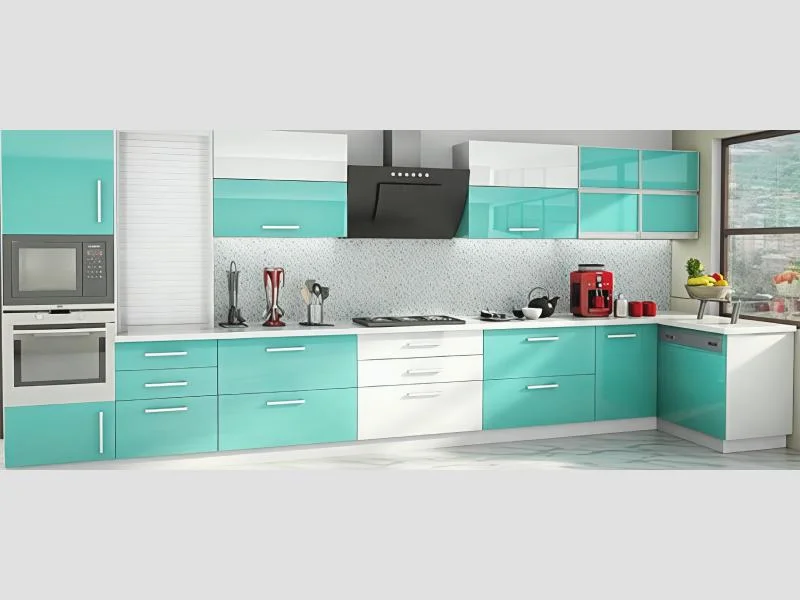
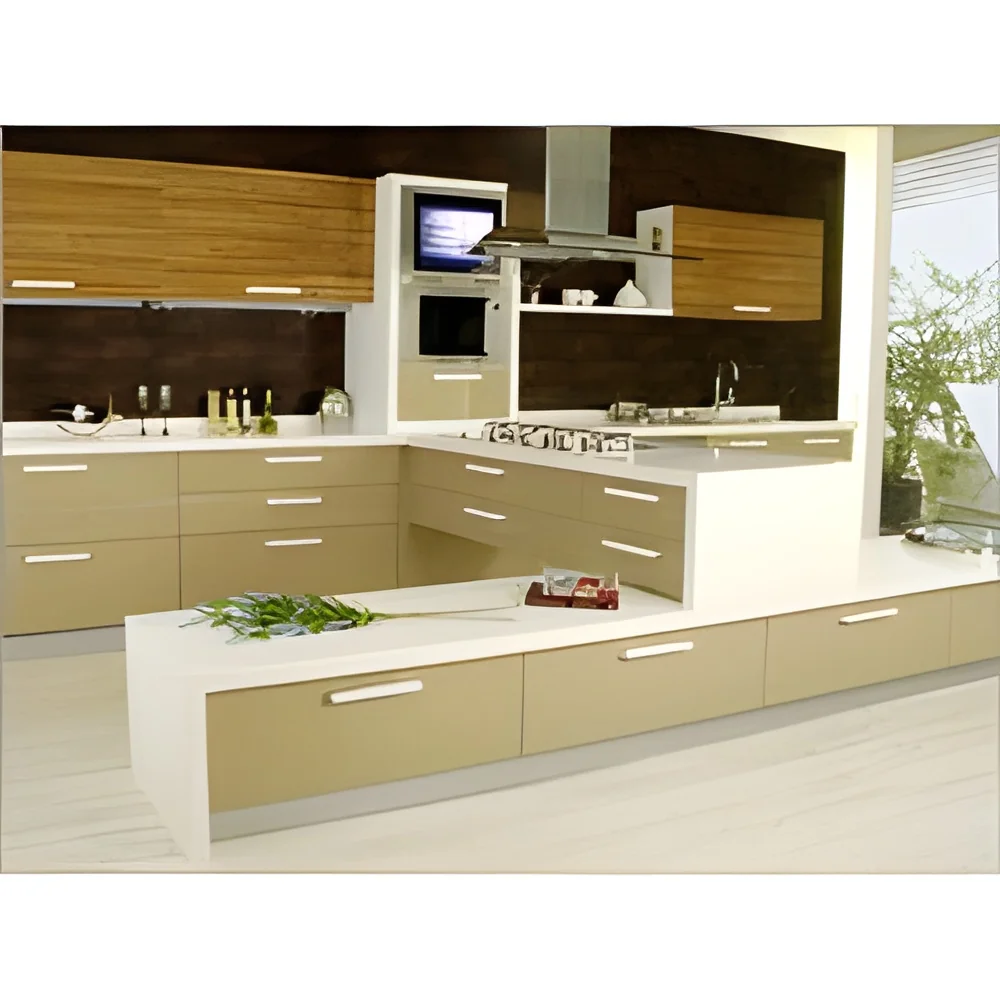
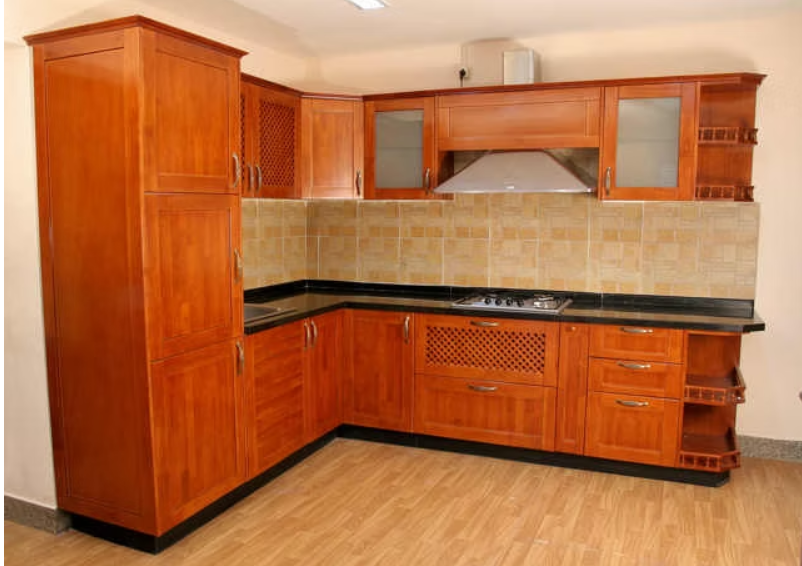
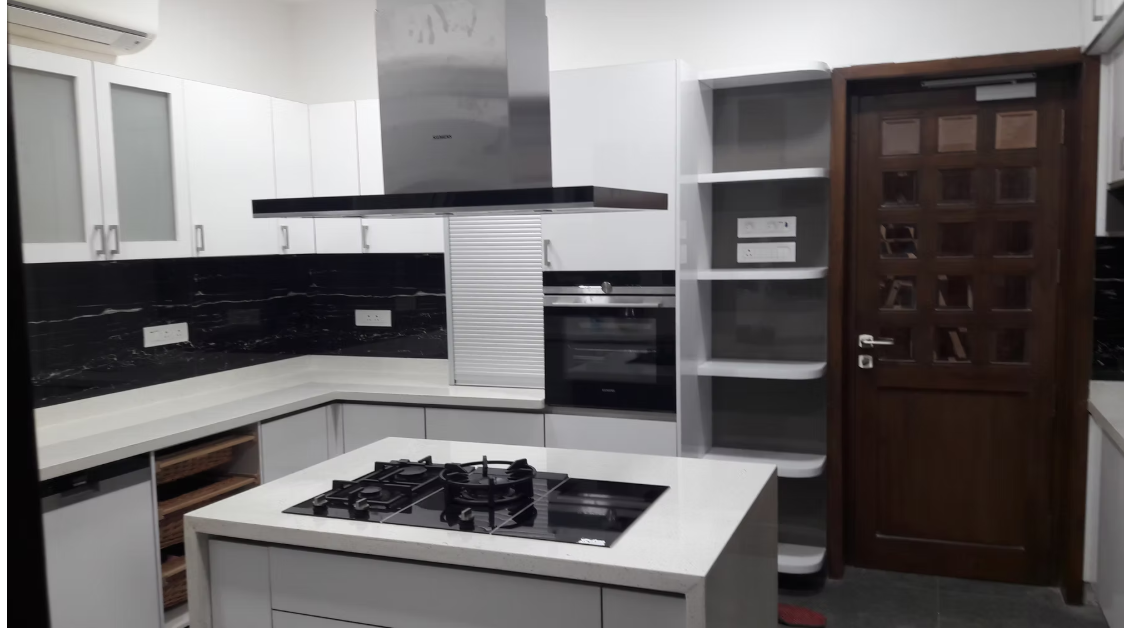
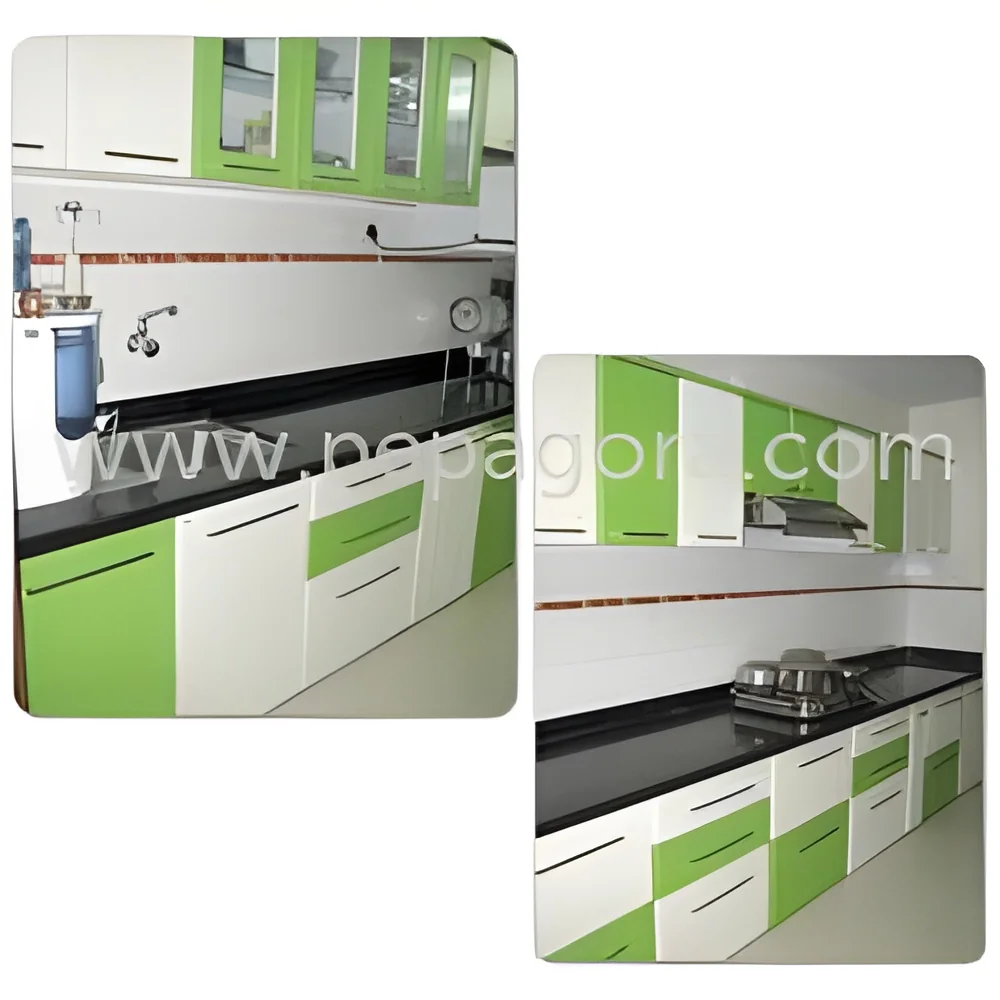
Modular Kitchen Design refers to a contemporary approach to kitchen layout and functionality, utilizing pre-fabricated cabinets and components that can be customized to fit specific spaces and needs. This design concept prioritizes both aesthetics and efficient use of space, allowing for a highly functional kitchen environment. Modular kitchens are characterized by their versatile components, which can include cabinets, countertops, and storage solutions that are designed to be easily assembled and disassembled.
These designs are particularly popular in residential and commercial applications, providing an organized and efficient cooking area that aligns with modern lifestyles. In the B2B context, modular kitchens are often utilized in restaurants, hotels, and various food service operations, where the need for efficient space management is critical. The industry has seen a growing demand for modular kitchen designs due to the increasing focus on home improvement and the rapid growth of the hospitality sector, driving innovation and variety in this segment.
Key Features and Specifications
Modular Kitchen Design offers a range of features and specifications that cater to both functionality and aesthetics. The modular nature allows for customization, enabling businesses to adapt designs to their specific requirements. Key specifications include:
1. Cabinet Materials
- Options include plywood, MDF, and particle board
- Varying finishes available, such as laminate, veneer, and paint
2. Dimensions
- Standard cabinet heights range from 30 to 36 inches
- Depth typically varies from 18 to 24 inches
3. Storage Solutions
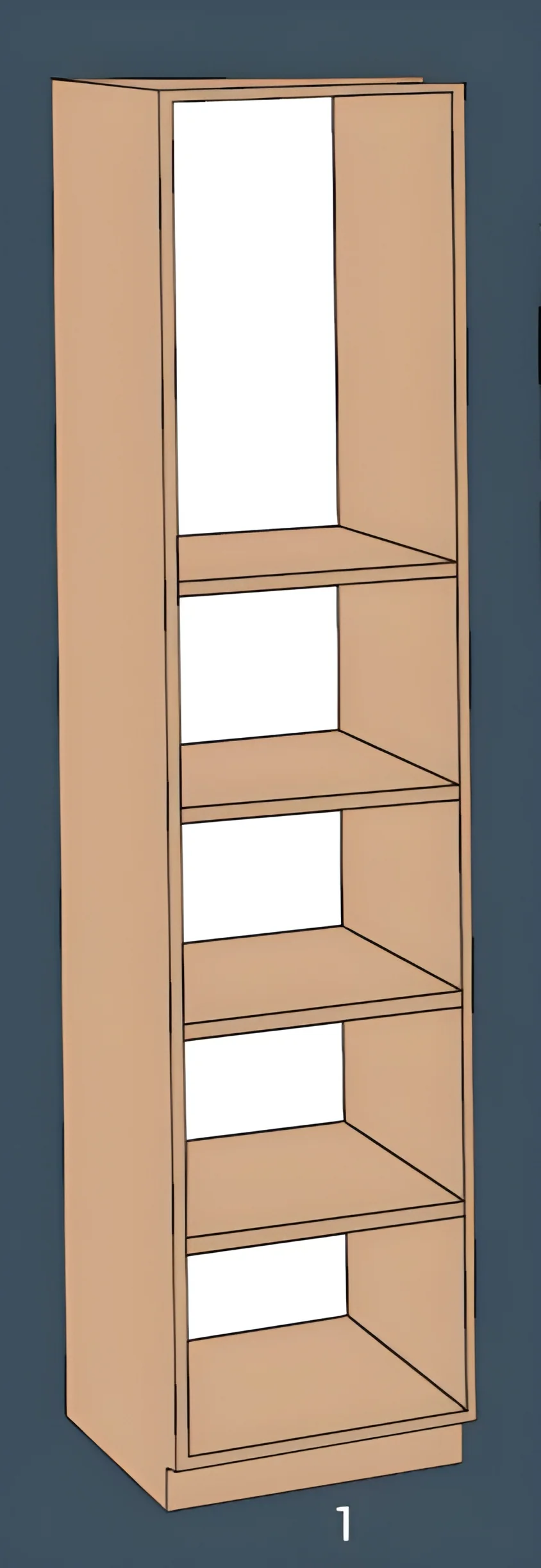
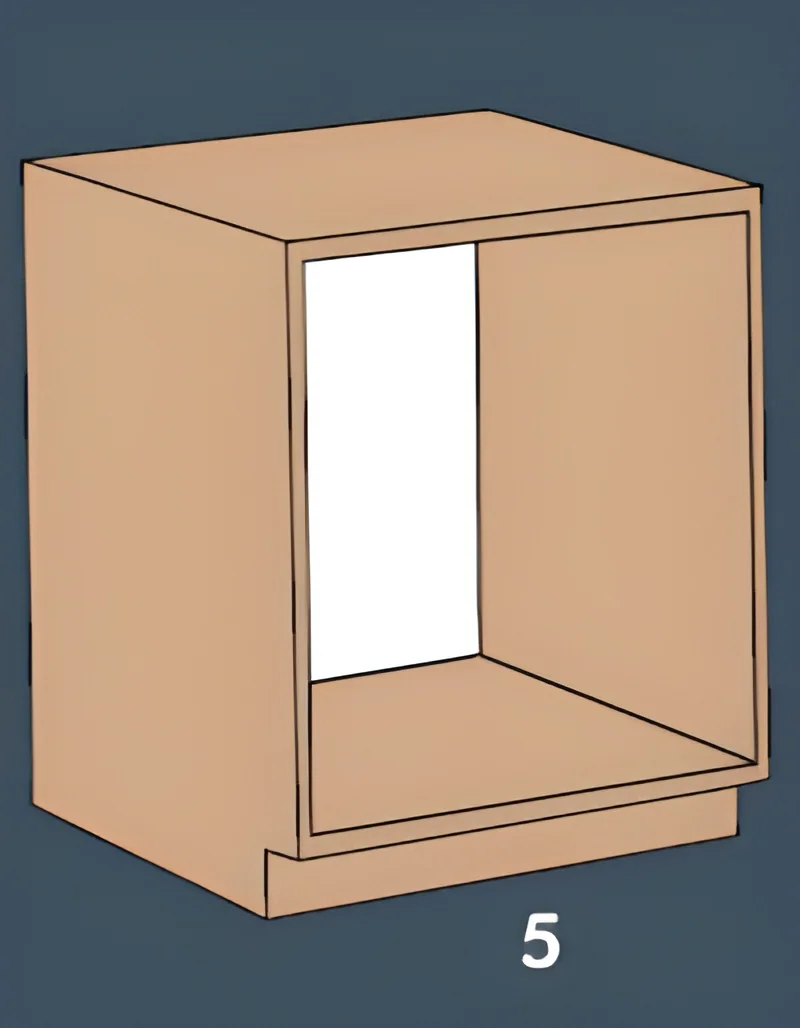
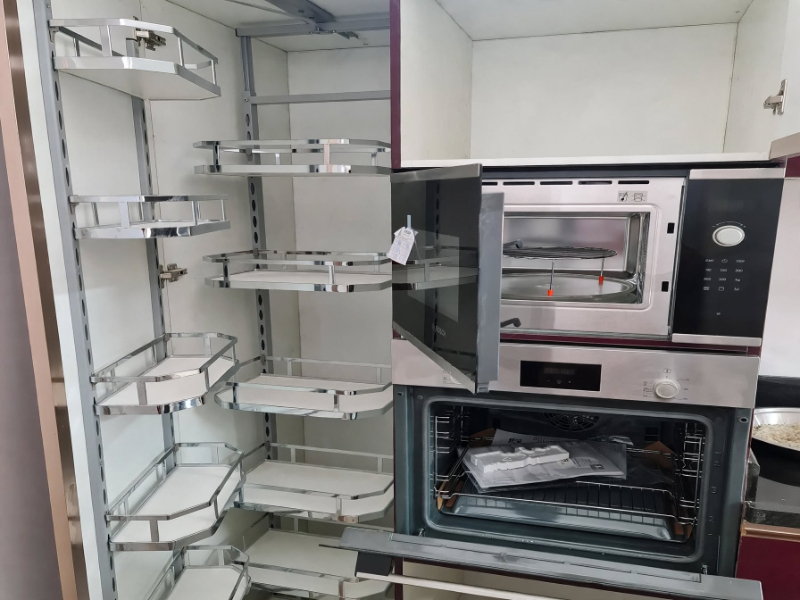
- Includes pull-out drawers, corner units, and tall units
- Customizable shelving options for optimized space
4. Countertop Materials
- Choices include granite, quartz, laminate, and solid surface
- Thickness typically ranges from 1 to 3 centimeters
5. Hardware
- Soft-close hinges and drawer tracks
- Variety of handles and knobs available for customization
6. Design Flexibility
- Configurable layouts to fit various kitchen sizes
- Ability to incorporate appliances seamlessly
7. Installation
- Quick assembly process due to pre-fabricated components
- Minimal disruption during installation
8. Aesthetic Options
- Wide range of colors and textures to match design preferences
- Custom finishes available to align with brand identity
In summary, the modular kitchen design offers a versatile solution that can be tailored to meet the unique needs of different businesses, providing both functional and aesthetic benefits.
Common Applications and Use Cases
Modular Kitchen Design finds applications across various industries.
1. Residential: Homeowners often choose modular kitchens for their space-saving designs and modern aesthetics, allowing for personalized layouts that enhance functionality.
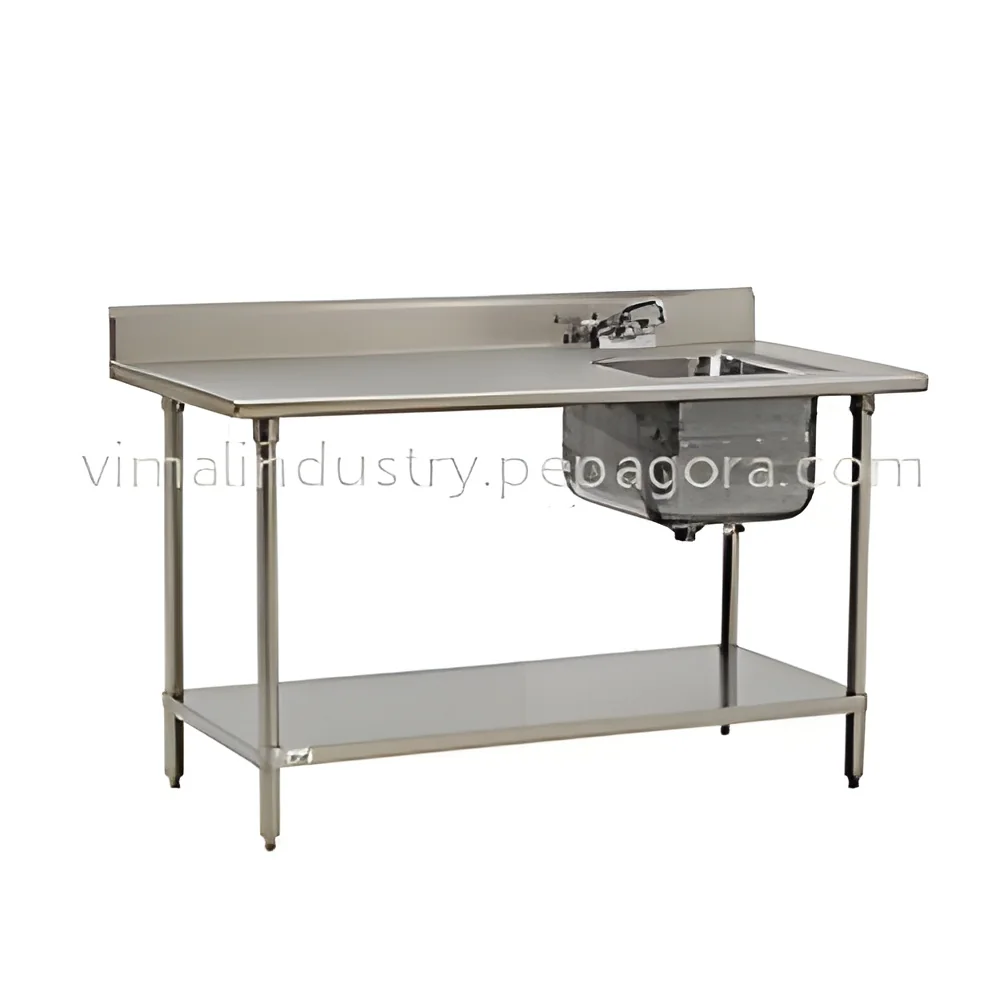
2. Restaurants: Commercial kitchens benefit from modular designs, enabling efficient workflows and streamlined operations, which are essential for high-volume cooking environments.
3. Hotels: Modular kitchens in hotel settings are designed for both staff use and guest accessibility, providing versatile cooking solutions that can easily accommodate different guest needs.
4. Cafes: Small cafes utilize modular kitchens to maximize limited space while ensuring that all necessary equipment and storage are readily accessible.
5. Catering Services: Catering companies often require modular kitchens that can be easily transported and set up at various locations, providing flexibility in operations.
6. Retail Food Outlets: Supermarkets and convenience stores implement modular kitchen designs for food preparation areas, enhancing the efficiency of their food service offerings.
7. Educational Institutions: Schools and colleges adopt modular kitchens for their dining facilities, allowing for easy adaptation to changing needs and menus.
Product Variants and Subcategories
Modular Kitchen Design encompasses a range of variants to suit different preferences and requirements.
Contemporary Modular Kitchen
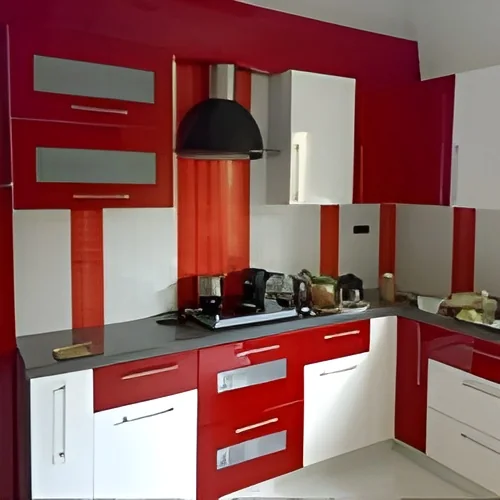
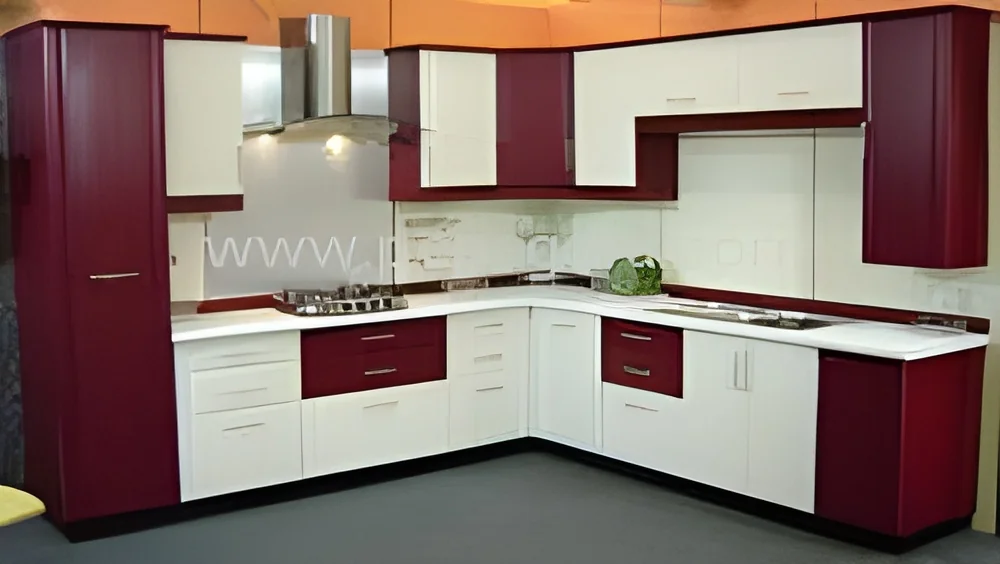
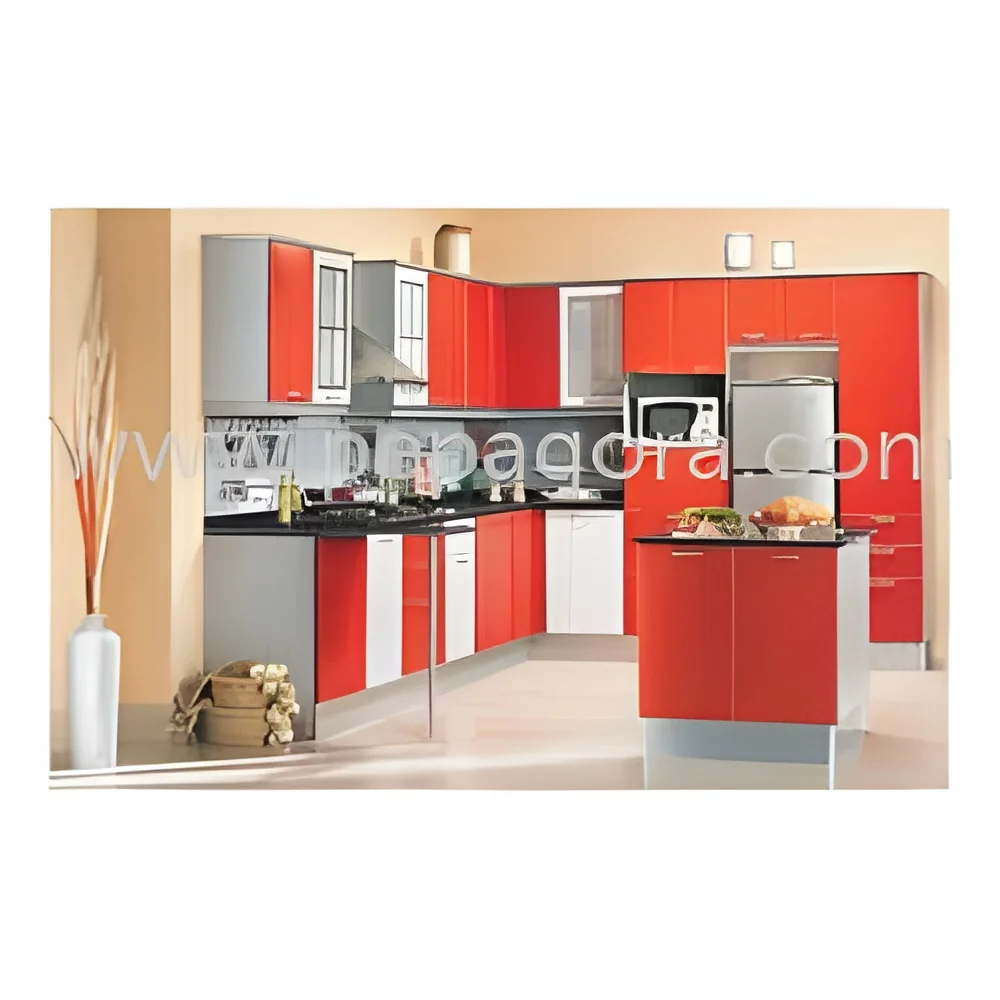
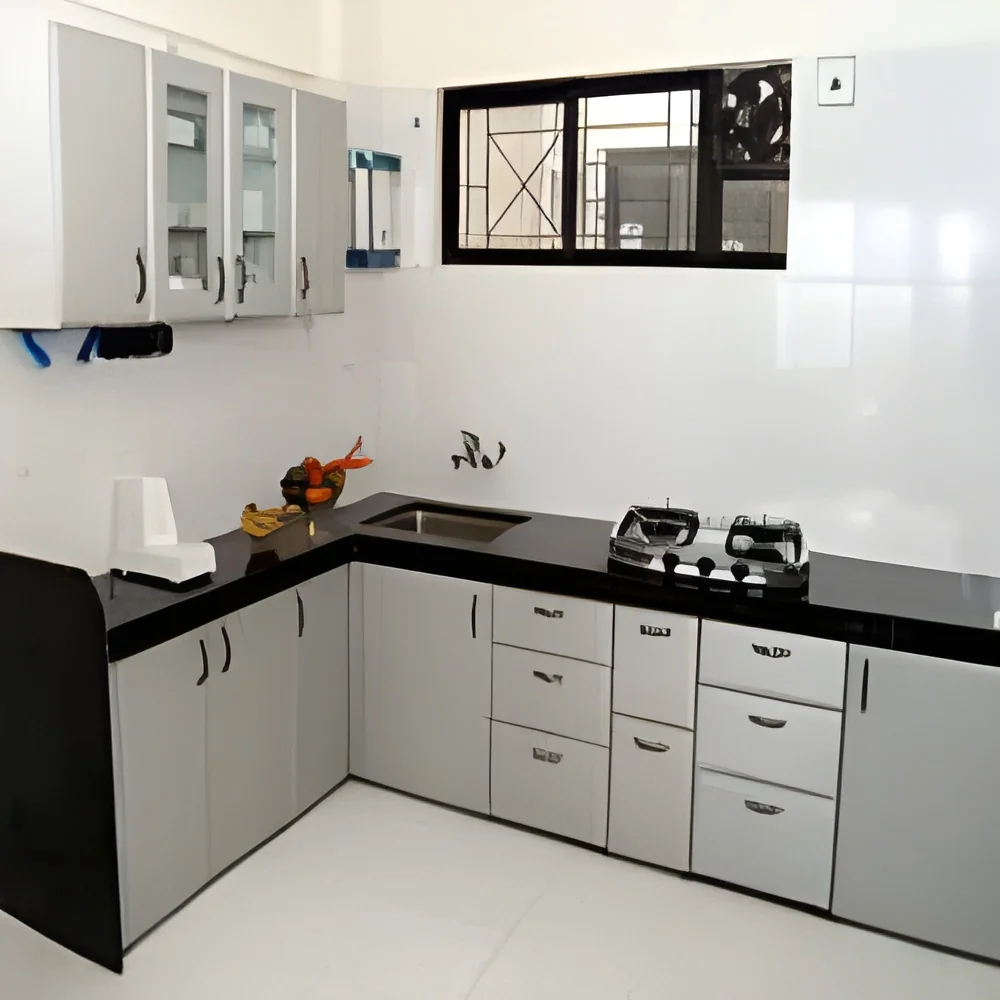
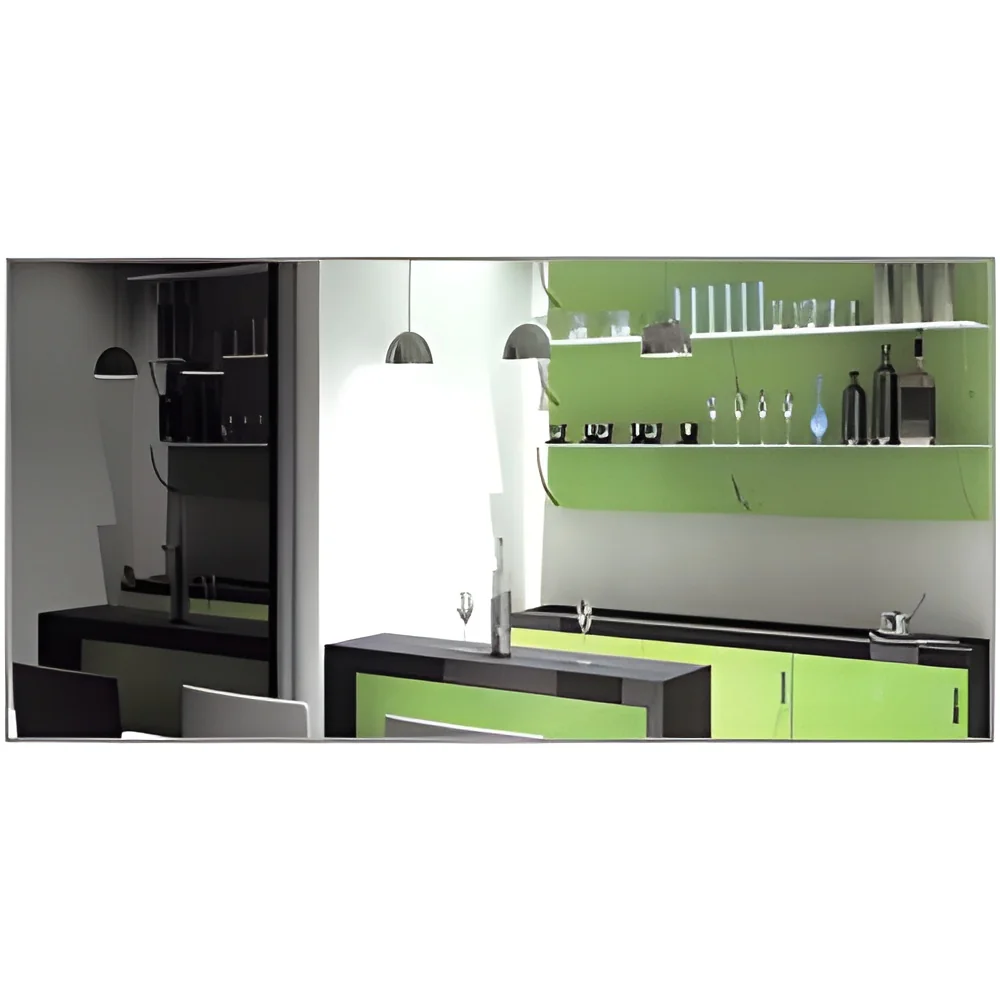
This variant features sleek lines and minimalistic designs, often incorporating high-gloss finishes. Ideal for modern homes and urban settings, it emphasizes efficiency and style.
Traditional Modular Kitchen
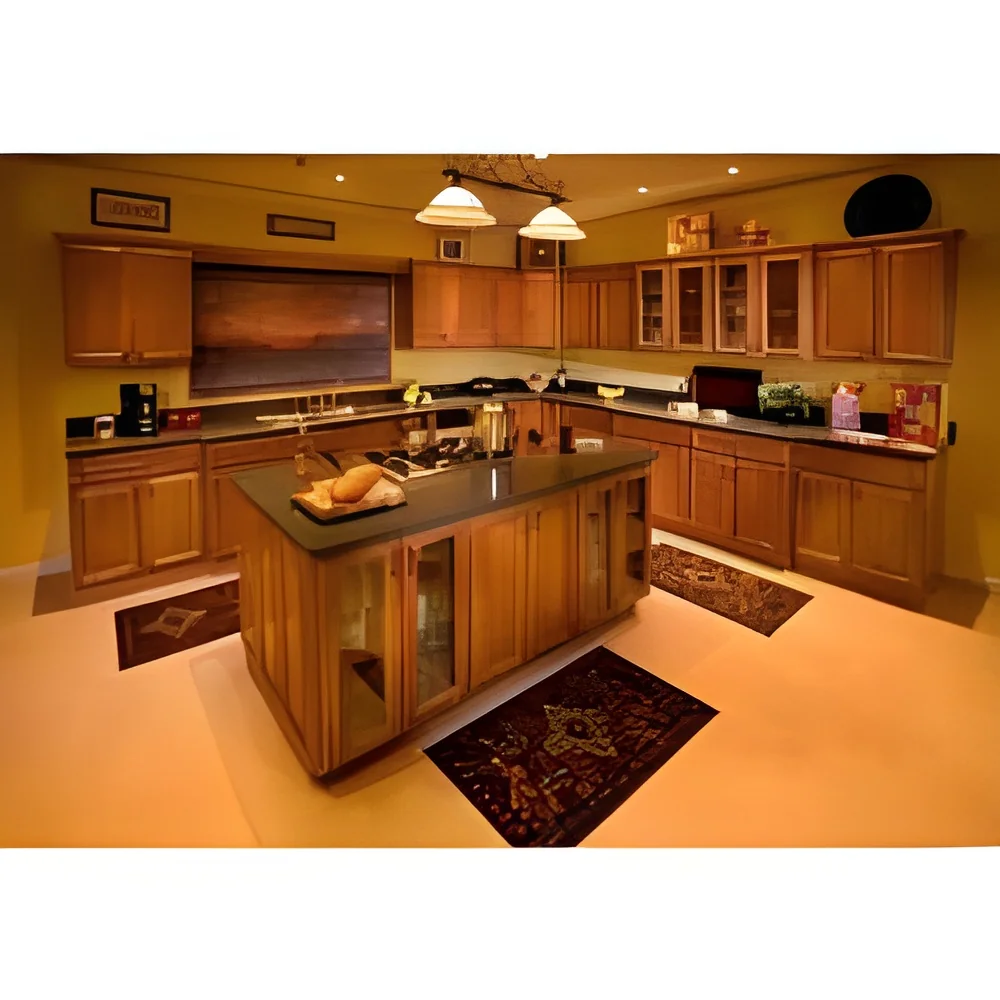
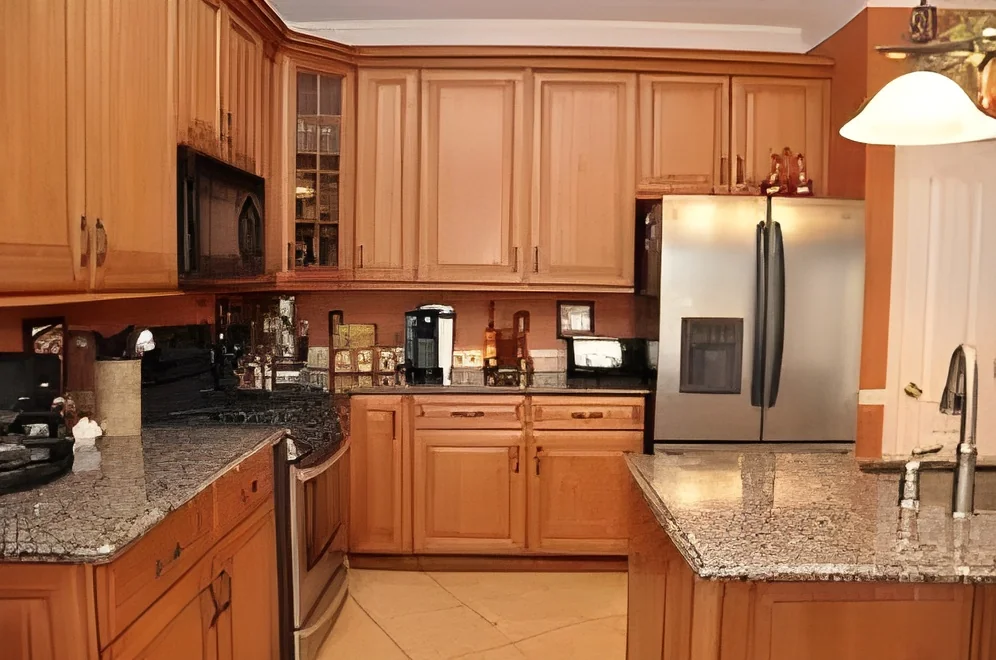
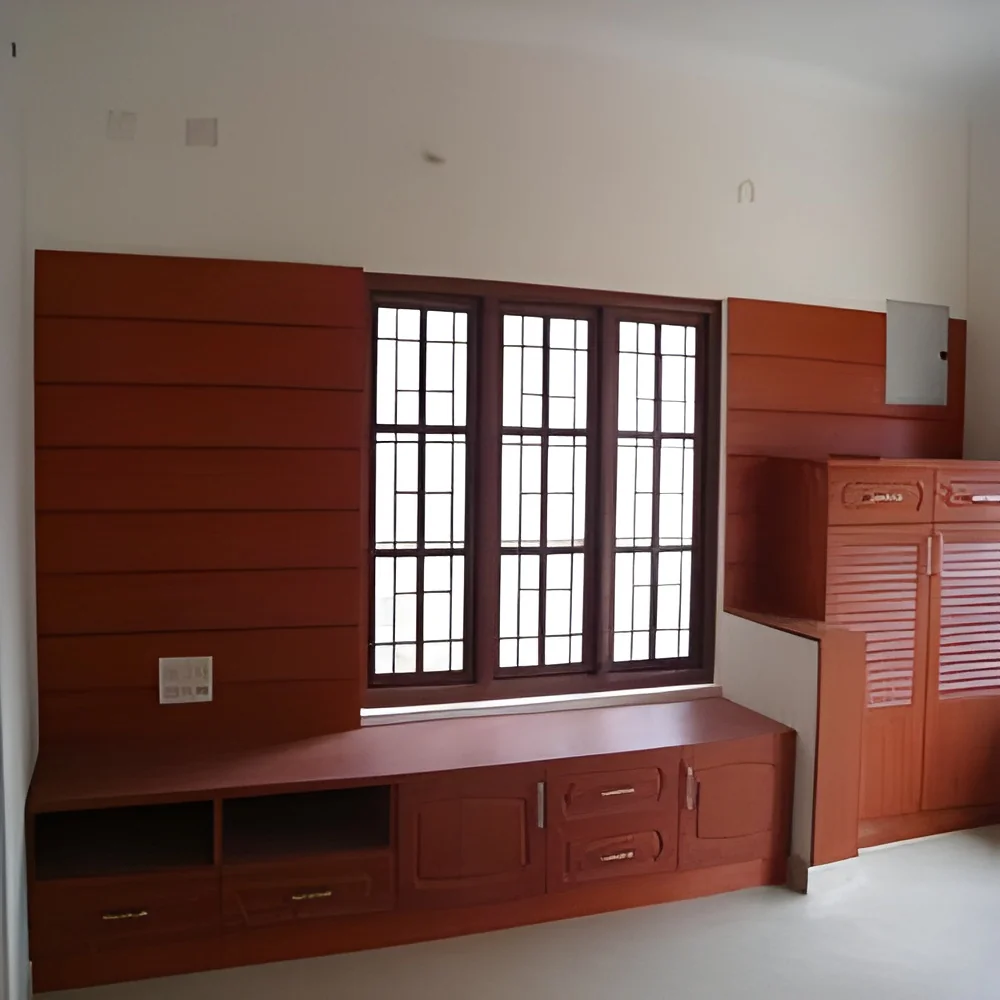
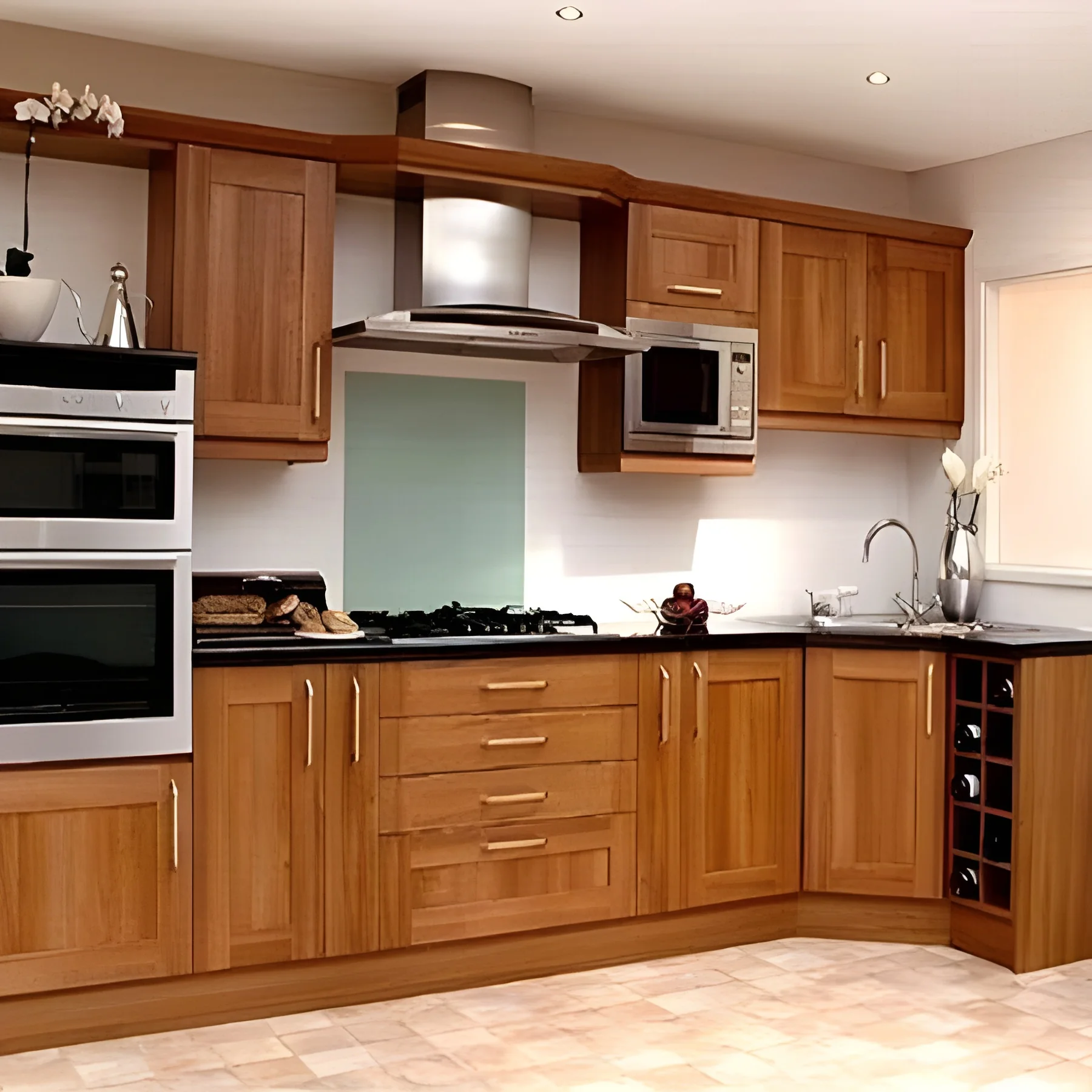
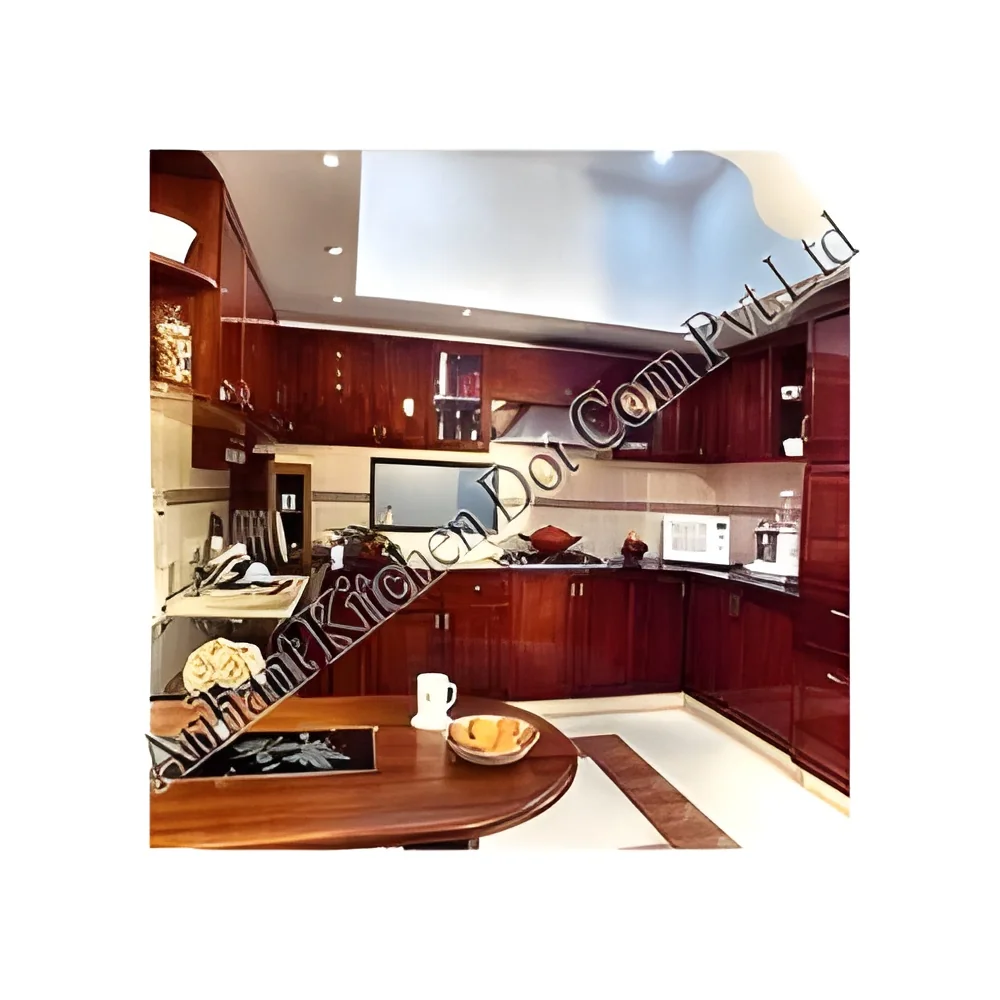
Traditional designs focus on classic elements such as wood finishes and ornate details. This variant is perfect for establishments aiming for a timeless aesthetic, often found in rustic or country-themed environments.
Compact Modular Kitchen
Designed for small spaces, this variant maximizes efficiency in limited areas. It is commonly used in urban apartments or small cafes where space is at a premium.
Luxury Modular Kitchen
This variant incorporates premium materials and sophisticated designs, catering to high-end residential projects. It often features custom cabinetry and exclusive finishes.
Benefits and Advantages
Investing in Modular Kitchen Design offers numerous advantages for businesses.
1. Space Optimization: Modular kitchens utilize available space efficiently, allowing for a more organized and functional cooking area.
2. Customization: The modular nature allows for a tailored design that suits specific business needs and preferences, enhancing user experience.
3. Quick Installation: Pre-fabricated components enable faster setup, minimizing downtime during renovations or new constructions.
4. Cost-Effectiveness: Businesses can achieve high-quality designs at competitive prices, making it a viable option for various budgets.
5. Versatile Applications: The adaptability of modular kitchens allows for use in diverse settings, from residential to commercial, ensuring broad market appeal.
6. Easy Maintenance: Modular components are designed for easy replacement and maintenance, reducing long-term operational costs.
Buying Guide for B2B Buyers
When sourcing Modular Kitchen Design, several factors should be considered to ensure optimal selection and procurement.
1. Quality Assessment: Evaluate materials and construction methods to ensure durability and longevity. Look for products that meet industry standards.
2. Supplier Verification: Vet suppliers by checking their reputation, customer reviews, and certifications. Ensure they have a track record of reliability.
3. Pricing and MOQ: Understand the pricing structure and minimum order quantities to align with budget constraints and project requirements.
4. Delivery and Lead Times: Discuss logistics with suppliers, including delivery schedules and lead times, to ensure that projects stay on track.
5. Compliance Requirements: Research relevant regulatory standards and compliance needs applicable to the region to ensure product safety and legality.
Compliance and Certifications
Modular Kitchen Design products must adhere to various quality standards and certifications to ensure safety and reliability.
ISO 9001 is a widely recognized standard that emphasizes quality management systems, ensuring that manufacturers maintain consistent quality in their products.
HACCP (Hazard Analysis Critical Control Point) is crucial for kitchen designs intended for food preparation, ensuring that health and safety standards are met.
Other certifications such as CE and UL indicate compliance with European and North American safety standards, respectively, providing assurance to buyers regarding product safety and performance.
Regional compliance considerations may vary, so it is essential to understand local regulations that govern materials and construction methods for kitchen designs.
Why Source Modular Kitchen Design from Pepagora?
Pepagora offers a trusted platform for sourcing Modular Kitchen Design, providing several key advantages to B2B buyers.
Verified Supplier Network: Pepagora ensures that all suppliers are thoroughly vetted, offering buyers confidence in the quality and reliability of their products.
Streamlined RFQ Process: The platform facilitates a straightforward request-for-quotation (RFQ) process, allowing buyers to receive competitive quotes efficiently.
Trade Assurance and Support: Buyers benefit from trade assurance that protects their purchases, along with dedicated support to address any queries or concerns throughout the sourcing process.
Regional Coverage: Pepagora’s extensive reach across India, the GCC, and Southeast Asia ensures that businesses can access a diverse range of modular kitchen designs tailored to their specific markets.

 IN
IN


 India
India