
 IN
Measuring Fixtures
1 products available
What are Measuring Fixtures?
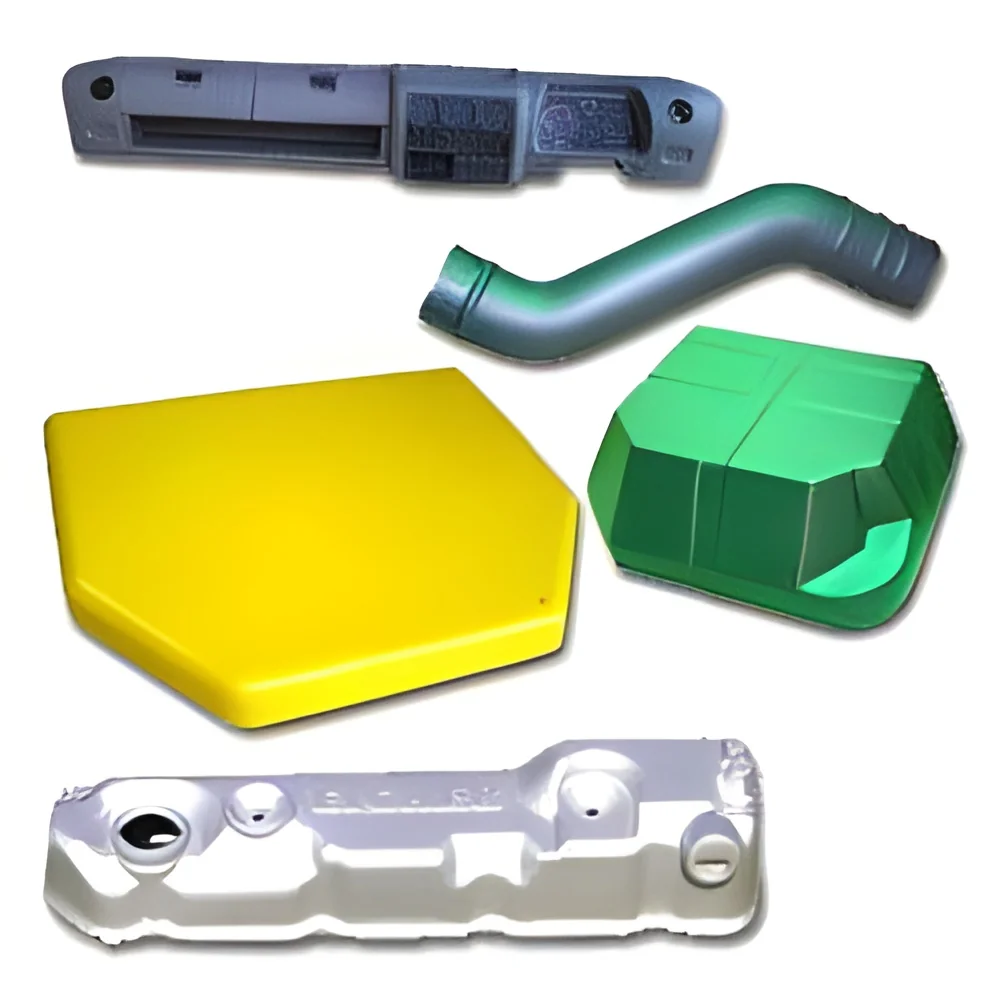
Measuring fixtures are specialized tools used in manufacturing and quality control processes to ensure accurate measurements of components and assemblies. These fixtures hold the workpiece in a fixed position while various measuring instruments assess dimensions, tolerances, and other specific parameters. By providing a stable and repeatable setup, measuring fixtures enhance precision and consistency in measurements.
Primarily, measuring fixtures are utilized in industries such as automotive, aerospace, and electronics manufacturing. They facilitate inspection processes by allowing operators to verify that parts meet specified requirements. This is crucial for maintaining product quality and adhering to industry standards. In today's competitive market, the demand for precision engineering drives the need for reliable measuring fixtures that can support complex manufacturing operations.
In terms of industry relevance, the growth of automation and advanced manufacturing technologies emphasizes the importance of accurate measurement. As businesses strive for efficiency and quality, measuring fixtures play a vital role in minimizing errors, reducing waste, and ultimately ensuring customer satisfaction. The market for measuring fixtures continues to expand, driven by technological advancements and the increasing emphasis on quality assurance.
Key Features and Specifications
Measuring fixtures are designed with various features that enhance their effectiveness in measurement tasks. These features cater to the specific needs of different applications and industries.
Key specifications include:
1. Material Construction
- Typically made from durable materials such as aluminum, steel, or composite materials
- Ensures stability and longevity under various operating conditions
2. Accuracy Levels
- Standard accuracy ranges from ±0.01 mm to ±0.1 mm depending on the fixture type
- Critical for high-precision applications in manufacturing environments
3. Adjustable Components
- Features adjustable clamps and supports to accommodate various workpiece sizes
- Provides flexibility for different measurement tasks and configurations
4. Integration Capability
- Designed to integrate with various measurement systems such as CMMs (Coordinate Measuring Machines)
- Enhances versatility in inspection processes
5. Customization Options
- Many manufacturers offer bespoke solutions tailored to specific measurement needs
- Allows businesses to optimize their measurement setups
6. Weight Capacity
- Can support weights ranging from a few grams to several hundred kilograms, depending on design
- Ensures suitability for different types of components
7. Surface Finish
- Smooth finishes to prevent wear on workpieces and ensure accurate measurements
- Improves the overall handling and usability of the fixture
8. Portability Features
- Some fixtures come with handles or lightweight designs for easy transport
- Facilitates use in multiple locations or for different projects
In summary, the key features and specifications of measuring fixtures are tailored to meet the diverse needs of various industries, ensuring precision and reliability in measurement tasks.
Common Applications and Use Cases
Measuring fixtures find applications across numerous industries, each with unique measurement requirements and challenges.
1. Automotive: In the automotive sector, measuring fixtures are used for inspecting engine components, body panels, and assembly alignment. They help ensure that parts meet strict quality standards and fit specifications.
2. Aerospace: Aerospace manufacturers utilize measuring fixtures for precise measurements of critical components, such as wing assemblies and fuselage parts. Accuracy is paramount in this industry due to safety and regulatory requirements.
3. Electronics: In electronics manufacturing, measuring fixtures assist in verifying the dimensions of circuit boards and electronic components. They help maintain quality control in a fast-paced production environment.
4. Medical Devices: Measuring fixtures are employed in the medical device industry to ensure that components meet stringent regulatory standards. This includes checking dimensions and tolerances of surgical instruments and implants.
5. Construction: In construction, measuring fixtures are used to ensure that structural components fit together as designed. They help verify the dimensions of steel frames and other critical elements.
6. Tooling: Tool manufacturers use measuring fixtures to ensure that cutting tools and molds have the correct dimensions. This aids in producing high-quality tools that perform reliably.
7. Furniture Manufacturing: In furniture production, measuring fixtures assist in ensuring that parts fit together correctly, particularly in modular designs. They help maintain consistency in product quality.
Product Variants and Subcategories
Measuring fixtures come in various types and configurations to suit specific measurement needs. This diversity allows businesses to select the most appropriate fixture for their applications.
Fixed Measuring Fixtures: These fixtures are designed for specific tasks and provide a stable base for measurement. They are ideal for repetitive tasks where consistency is crucial.
Adjustable Measuring Fixtures: These fixtures allow for modifications to accommodate different workpiece sizes or shapes. They offer flexibility for various measurement applications.
Custom Measuring Fixtures: Many manufacturers provide custom solutions tailored to specific customer requirements. This ensures that businesses can achieve optimal measurement accuracy for unique parts.
Portable Measuring Fixtures: Designed for mobility, these fixtures can be easily transported between different locations or projects. They are useful in dynamic work environments where flexibility is needed.
Benefits and Advantages
Measuring fixtures offer numerous benefits that enhance efficiency and accuracy in manufacturing processes.
1. Improved Accuracy: Measuring fixtures provide a stable setup, reducing the likelihood of measurement errors. This ensures that components meet specified tolerances.
2. Increased Efficiency: By streamlining the measurement process, fixtures allow for faster inspections, which can lead to higher productivity in manufacturing environments.
3. Consistency in Measurements: Using measuring fixtures ensures that measurements are repeatable, which is essential for quality assurance and compliance with industry standards.
4. Cost Savings: Accurate measurements help prevent costly rework and scrap, contributing to overall cost savings in production.
5. Enhanced Quality Control: Measuring fixtures play a critical role in quality control processes, helping businesses maintain high standards and meet customer expectations.
6. Customization Potential: The ability to customize fixtures allows businesses to create solutions that address their specific measurement needs, enhancing overall effectiveness.
Buying Guide for B2B Buyers
When sourcing measuring fixtures, several factors should be considered to ensure the right choice for your business needs.
1. Quality Assessment: Evaluate the materials and construction of the fixtures to ensure durability and reliability. High-quality fixtures can withstand rigorous use and provide long-term performance.
2. Supplier Verification: Vet potential suppliers to ensure they have a good reputation and track record in providing reliable measuring fixtures. Look for customer reviews and industry references.
3. Pricing and MOQ: Consider the pricing structure and minimum order quantities (MOQ) offered by suppliers. Ensure that the costs align with your budget and production requirements.
4. Delivery and Lead Times: Assess the supplier's ability to meet your delivery timelines. Timely delivery is crucial for maintaining production schedules and minimizing downtime.
5. Compliance Requirements: Verify that the measuring fixtures comply with relevant industry standards and regulations. This is essential for maintaining quality assurance and meeting legal requirements.
Compliance and Certifications
Measuring fixtures must adhere to various quality standards and certifications to ensure they meet industry requirements. Key standards include ISO 9001, which outlines quality management systems, ensuring that manufacturers provide consistent quality products.
Additionally, many measuring fixtures carry CE certification, indicating compliance with European safety and health standards. This certification is particularly important for businesses operating in global markets.
Safety and testing requirements are critical as well. Measuring fixtures should undergo rigorous testing to ensure they can withstand operational stresses and provide accurate measurements.
Regional compliance considerations may vary, so it is essential to be aware of specific regulations in different markets. Understanding these requirements can help businesses avoid potential legal issues and ensure product reliability.
Why Source Measuring Fixtures from Pepagora?
Pepagora offers a trusted platform for sourcing measuring fixtures, providing several key advantages for B2B buyers.
Verified Supplier Network: Pepagora connects buyers with a network of verified suppliers, ensuring that businesses can find reliable sources for high-quality measuring fixtures. Each supplier is vetted for credibility and performance.
Streamlined RFQ Process: The platform features a streamlined Request for Quotation (RFQ) process, making it easy for buyers to obtain competitive quotes from multiple suppliers. This simplifies the procurement process and helps businesses make informed decisions.
Trade Assurance and Support: Pepagora provides trade assurance, offering protection for buyers during transactions. This includes support for resolving any issues that may arise, ensuring a smooth purchasing experience.
Regional Coverage: With a strong presence in India, the GCC, and Southeast Asia, Pepagora facilitates access to a wide range of suppliers and products. This geographic reach enables businesses to find solutions that meet their specific needs, regardless of location.


 India
Frequently Asked Questions
What are Measuring Fixtures?
Measuring Fixtures are specialized tools used to hold or support a workpiece during measurement processes. They ensure accuracy and repeatability by providing a stable reference point for various measuring instruments.
What are the different types of Measuring Fixtures?
There are several types of Measuring Fixtures, including gauging fixtures, check fixtures, and assembly fixtures. Each type serves a specific purpose in measuring, verifying, or supporting components during production and quality control.
How do I choose the right Measuring Fixtures?
Choosing the right Measuring Fixtures involves considering factors such as the type of measurement required, the geometry of the workpiece, and the precision needed. It's essential to assess the compatibility of the fixture with your measuring instruments and production process.
What are the standard specifications for Measuring Fixtures?
Standard specifications for Measuring Fixtures typically include dimensions, material types, and tolerances. These specifications ensure that the fixtures can withstand operational conditions and provide accurate measurements.
What is the price range for Measuring Fixtures?
The price range for Measuring Fixtures can vary widely based on factors such as complexity, material, and manufacturer. Generally, basic fixtures may start from a few thousand rupees, while custom or advanced fixtures can cost significantly more.
What quality standards apply to Measuring Fixtures?
Measuring Fixtures are subject to various quality standards, including ISO and ASTM specifications. These standards ensure that the fixtures meet specific requirements for accuracy, durability, and performance.
Where can I find Measuring Fixtures suppliers in India?
You can find Measuring Fixtures suppliers in India through various online B2B marketplaces like Pepagora. Additionally, industry trade shows and directories can provide valuable contacts for manufacturers and suppliers.
Can Measuring Fixtures be customized?
Yes, Measuring Fixtures can be customized to meet specific requirements of a project. Customization may include alterations in size, material, or design to suit unique measurement needs.
What is the typical minimum order quantity for Measuring Fixtures?
The typical minimum order quantity (MOQ) for Measuring Fixtures varies by supplier and product type. Many manufacturers may require a MOQ ranging from 1 to several units, especially for custom fixtures.
What is the typical lead time for Measuring Fixtures?
The typical lead time for Measuring Fixtures depends on the complexity of the order and the supplier's production capacity. Generally, standard fixtures can be delivered within a few weeks, while custom fixtures may require longer production times.
Why Businesses Trust Pepagora
Thousands of companies trust Pepagora to source smarter and sell faster
Expand Your Sales Globally

Source Smarter,Grow Faster
