IN
IN₹
Apparel & Fashion
Loading subcategories...
View More
Description
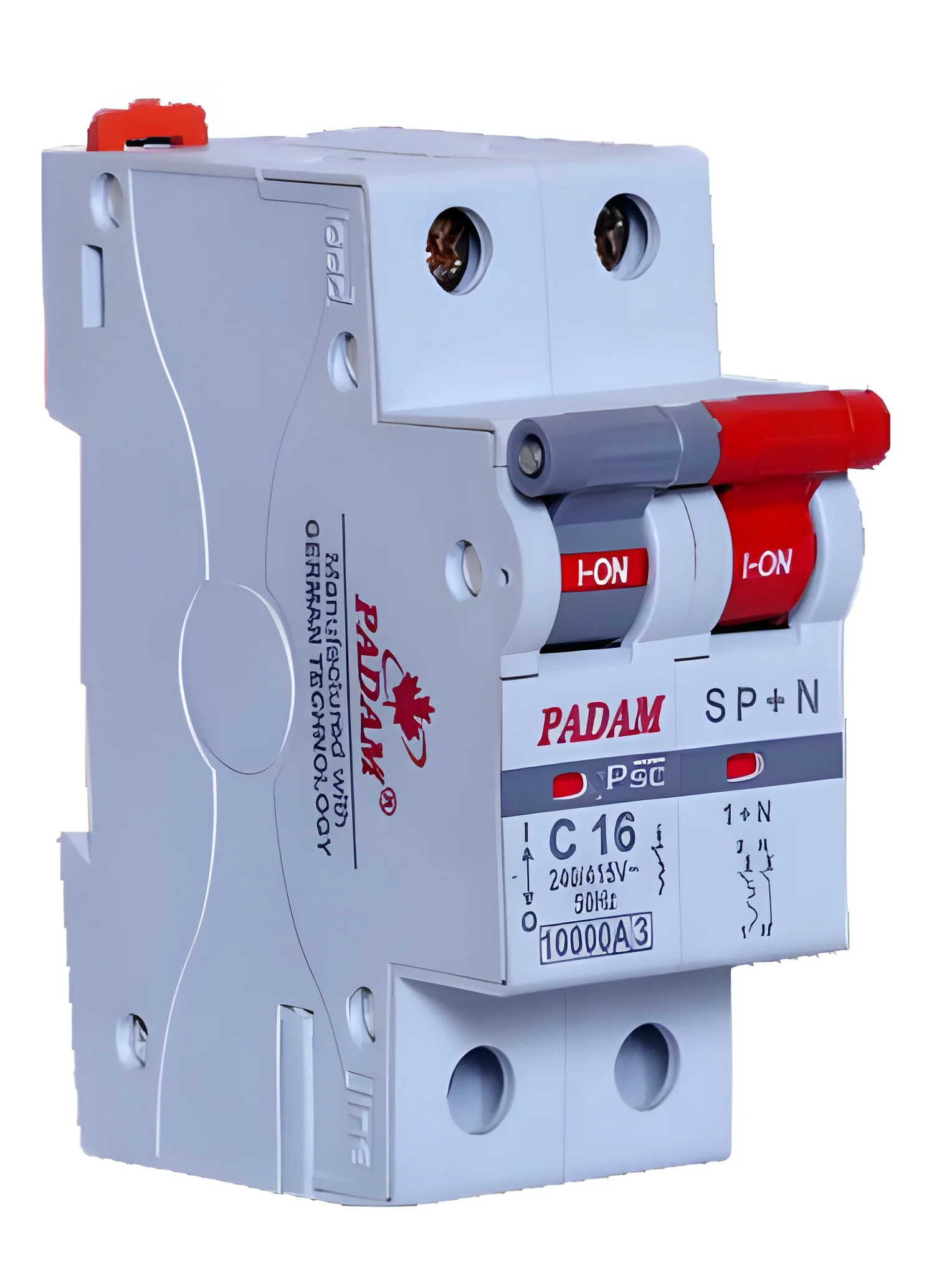
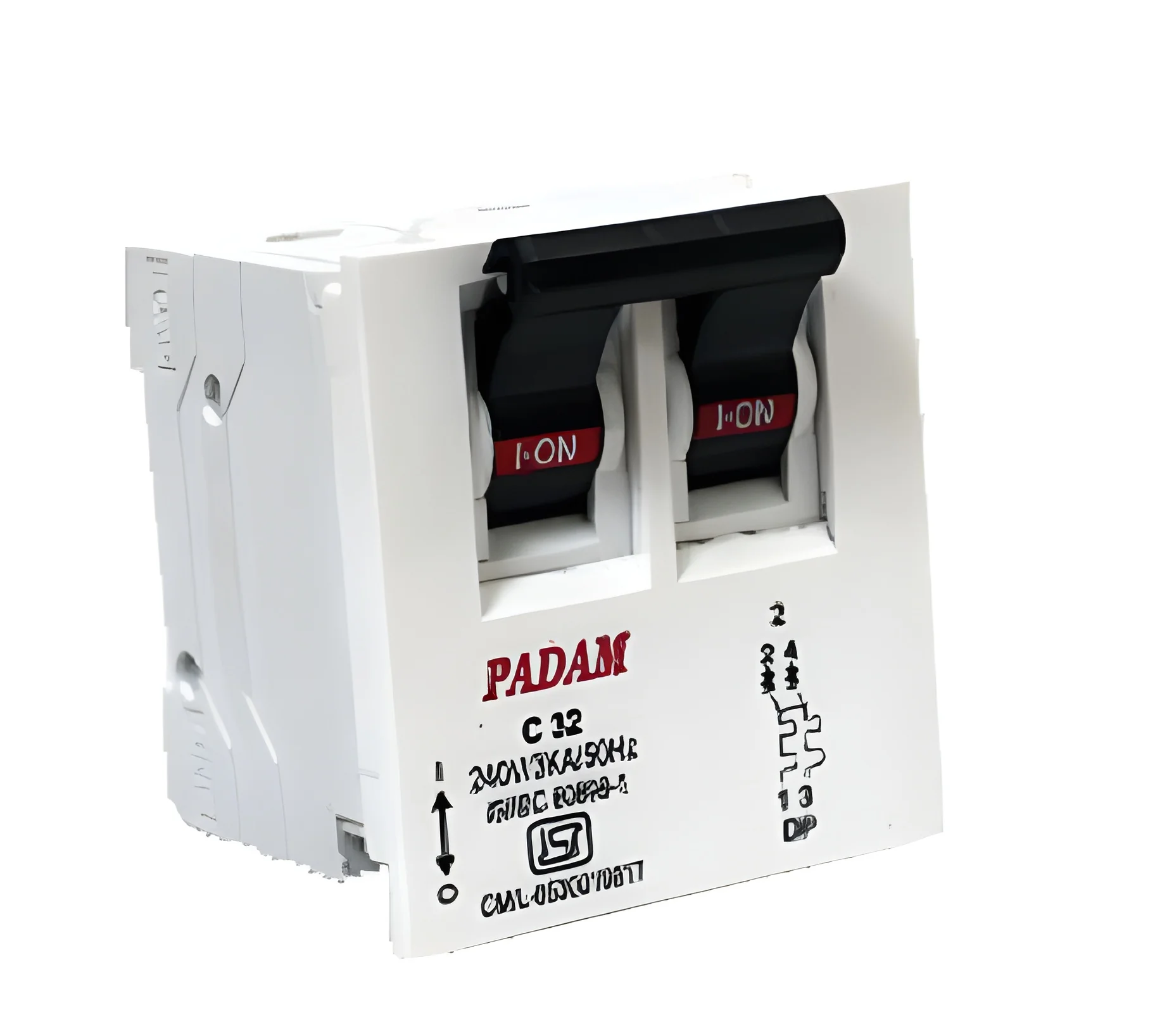
Tiny Trip Double Pole (DP) breakers represent the next generation of compact circuit protection devices, engineered to deliver complete electrical safety in single-phase systems. These innovative breakers simultaneously disconnect both phase and neutral conductors, providing comprehensive circuit isolation that exceeds basic safety standards. Their compact footprint addresses the growing need for space-efficient electrical components without compromising on protection capabilities. Designed with precision engineering, these breakers incorporate advanced thermal-magnetic trip mechanisms that respond instantly to overload conditions and short circuits, preventing potential electrical hazards before they can cause damage. The robust construction ensures consistent performance across diverse environmental conditions, making them suitable for various installation scenarios where reliability is non-negotiable. With easy installation features and maintenance-free operation, Tiny Trip DP break...
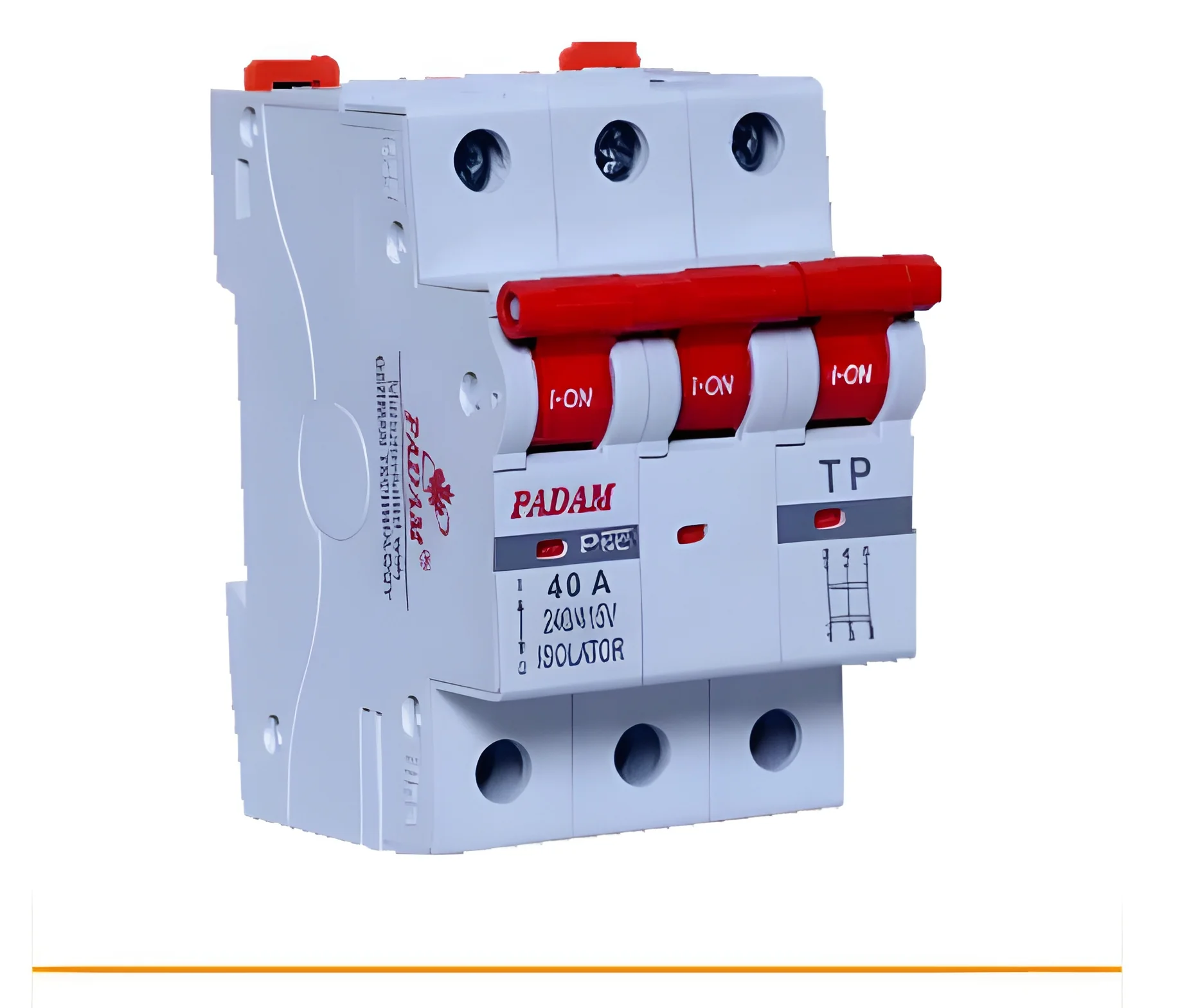
Tiny Trip Double Pole (DP) breakers represent the next generation of compact circuit protection devices, engineered to deliver complete electrical safety in single-phase systems. These innovative breakers simultaneously disconnect both phase and neutral conductors, providing comprehensive circuit isolation that exceeds basic safety standards. Their compact footprint addresses the growing need for space-efficient electrical components without compromising on protection capabilities. Designed with precision engineering, these breakers incorporate advanced thermal-magnetic trip mechanisms that respond instantly to overload conditions and short circuits, preventing potential electrical hazards before they can cause damage. The robust construction ensures consistent performance across diverse environmental conditions, making them suitable for various installation scenarios where reliability is non-negotiable. With easy installation features and maintenance-free operation, Tiny Trip DP breakers offer electrical contractors and system designers a trusted solution for modern safety requirements.

These double pole breakers find extensive application across multiple industries where electrical safety and space optimization are paramount. In the residential sector, they protect household circuits in apartment buildings, individual homes, and housing complexes, ensuring family safety through complete circuit isolation. Commercial establishments including retail stores, small offices, and restaurants benefit from their compact design that fits into space-constrained electrical panels while providing reliable protection for lighting circuits, outlet branches, and equipment power supplies. Light industrial facilities utilize these breakers for machinery protection, workshop electrical systems, and production line safety where simultaneous phase-neutral disconnection is crucial for worker protection. The hospitality industry incorporates them in hotel electrical systems for guest room safety, while renewable energy installations use them for DC circuit protection in solar power systems and battery backup units.

The business value of Tiny Trip DP breakers extends beyond basic circuit protection to deliver tangible operational advantages for electrical contractors, distributors, and end-users. Their reliability translates into reduced maintenance costs and minimized downtime, while the compact design allows for more efficient use of panel space, potentially reducing overall enclosure costs. The simultaneous phase-neutral disconnection feature provides an additional safety margin that can help businesses meet stringent electrical compliance standards and insurance requirements. For distributors and wholesalers, these breakers offer competitive differentiation through their unique combination of compact size and full protection capabilities. The robust construction ensures long service life, reducing replacement frequency and providing consistent performance that builds customer trust and repeat business. Customization options further enhance their appeal, allowing businesses to tailor specifications to specific project requirements while maintaining the core safety features that make these breakers stand out in the marketplace.

Key Features:
- Simultaneous disconnection of phase and neutral conductors for complete circuit isolation
- Compact design optimized for space-constrained distribution boards and electrical panels
- Advanced thermal-magnetic trip mechanism for reliable overload and short circuit protection
- Robust construction ensuring long service life and consistent performance
- Easy installation with standard mounting compatibility and maintenance-free operation

Benefits:
- Enhanced electrical safety through complete circuit isolation reducing shock hazards
- Space-saving installation allowing more components in limited panel areas
- Reliable protection against electrical faults preventing equipment damage and fire risks
- Reduced maintenance requirements and long-term operational cost savings
- Compliance with international safety standards and electrical code requirements
Specifications
| Additional Information | |
|---|---|
| Country of Origin | India |
| Customisable | No |
Application
Tiny Trip DP breakers deliver complete circuit isolation by simultaneously cutting off phase and neutral wires, ensuring maximum safety in single-phase electrical systems. Their fast-acting mechanism responds instantly to overloads and short circuits, preventing equipment damage and fire hazards while maintaining consistent performance across varying load conditions. These breakers are engineered for straightforward installation and long-term reliability, making them suitable for both new constructions and retrofit projects where electrical safety cannot be compromised.
The compact design of these double pole breakers makes them perfect for space-constrained installations such as small distribution boards, meter boxes, and compact electrical enclosures. They meet the growing demand for safety components that don't sacrifice performance for size, providing full-circuit protection where conventional breakers would be too bulky. This space efficiency makes them particularly valuable in modern residential complexes, small commercial establishments, and light industrial facilities where panel space is at a premium but safety requirements remain stringent. Real-world applications:
Real-world applications:
- Residential apartment electrical panels requiring complete circuit isolation for tenant safety
- Small commercial establishments like retail shops and offices needing reliable protection in compact distribution boards
- Light industrial workshops and manufacturing units where space-constrained panels demand compact safety devices
- Hotel and hospitality electrical systems requiring simultaneous phase-neutral disconnection for guest room safety
- Renewable energy installations and solar power systems needing reliable DC circuit protection in limited space
Trade Details
| Available Stock | In Stock |
| Sample Availability | No |
Payment Terms
| Payment Terms |
|
Company Profile

Padam Cables, New Delhi
 New Delhi, India
New Delhi, IndiaElectronics & Electrical•Manufacturer•Distributor / Wholesaler•Retailer
Factory Details
Factory SizeBelow 1000 sqm
Tiny Trip Double Pole Breaker Compact Single Phase Circuit Protection
Tiny Trip Double Pole (DP) breakers provide reliable safety by disconnecting both phase and neutral in single-phase circuits. Compact and ideal for residential and light commercial applications requiring space-saving protection.
Min. Order Quantity: 1
Shipping
Shipping fee and delivery date to be negotiated. Contact supplier now for more details.
Padam Cables
 New Delhi, India
New Delhi, IndiaElectronics & ElectricalManufacturer