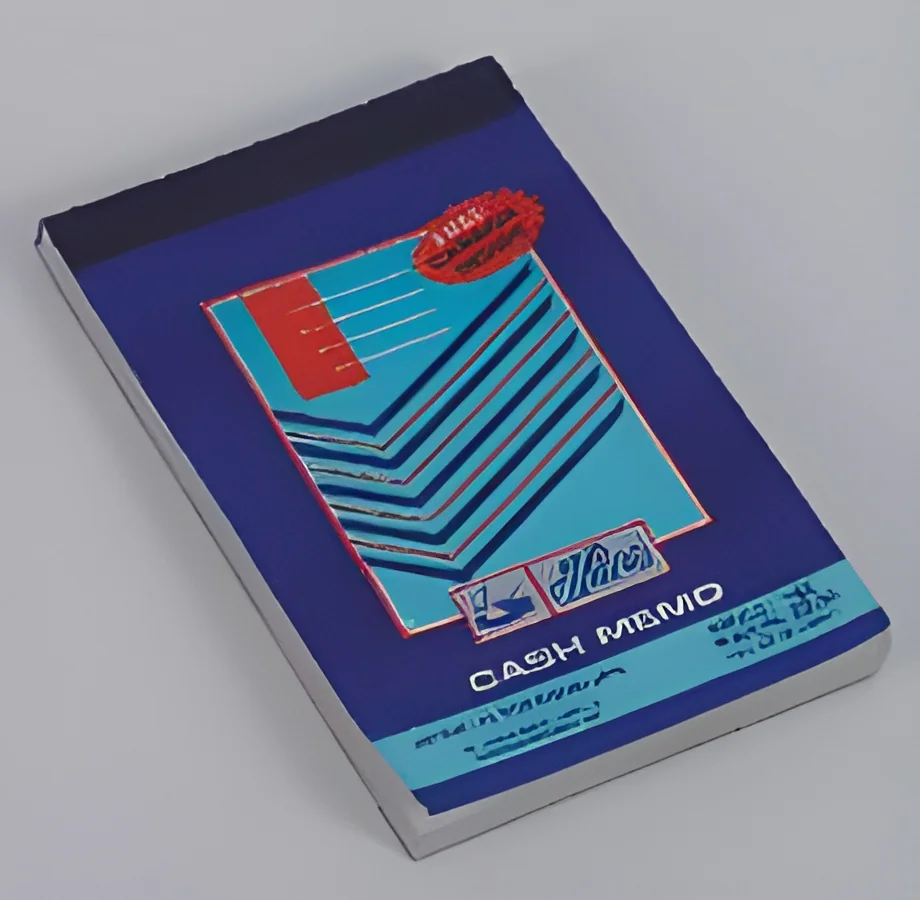
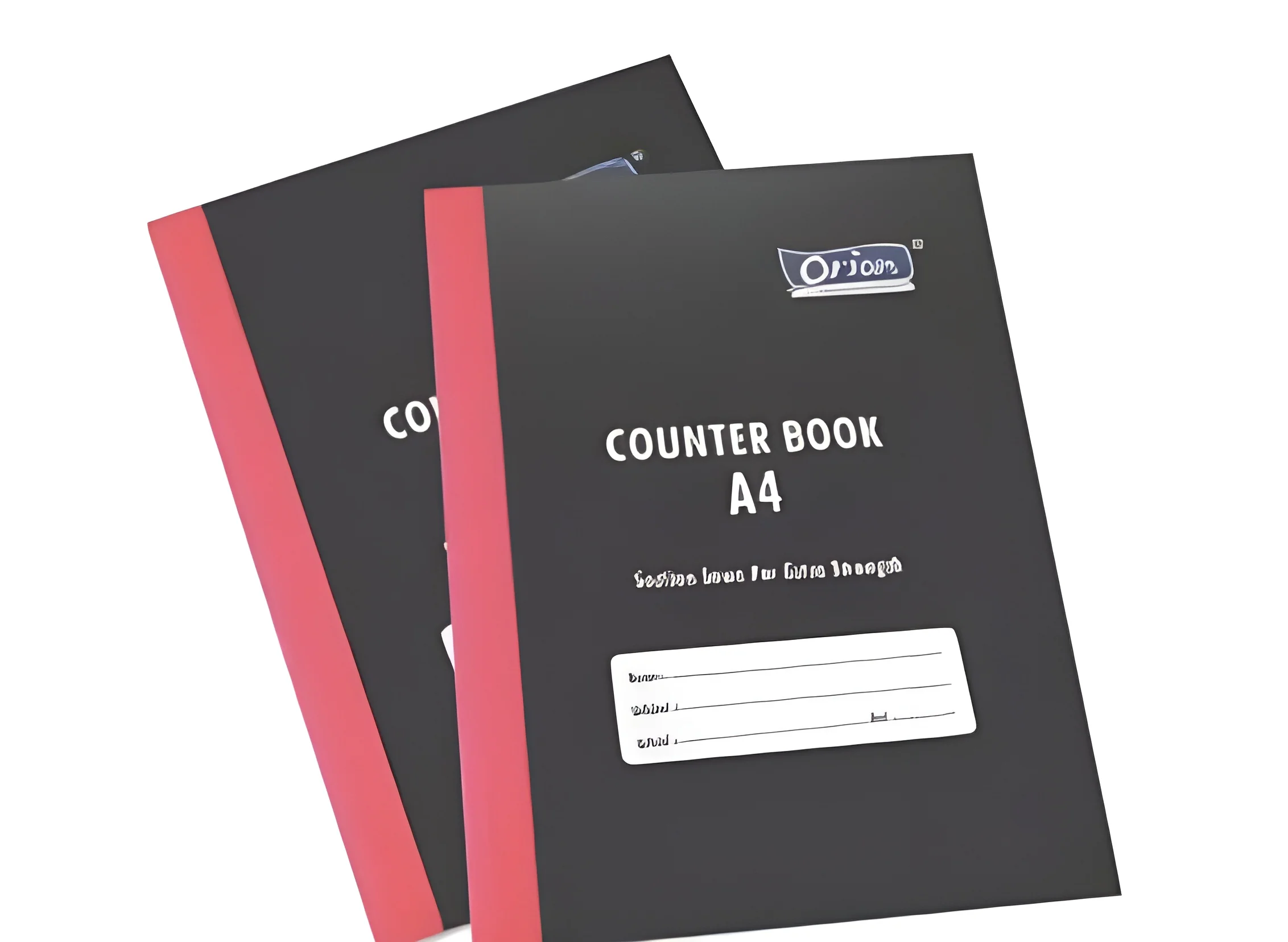
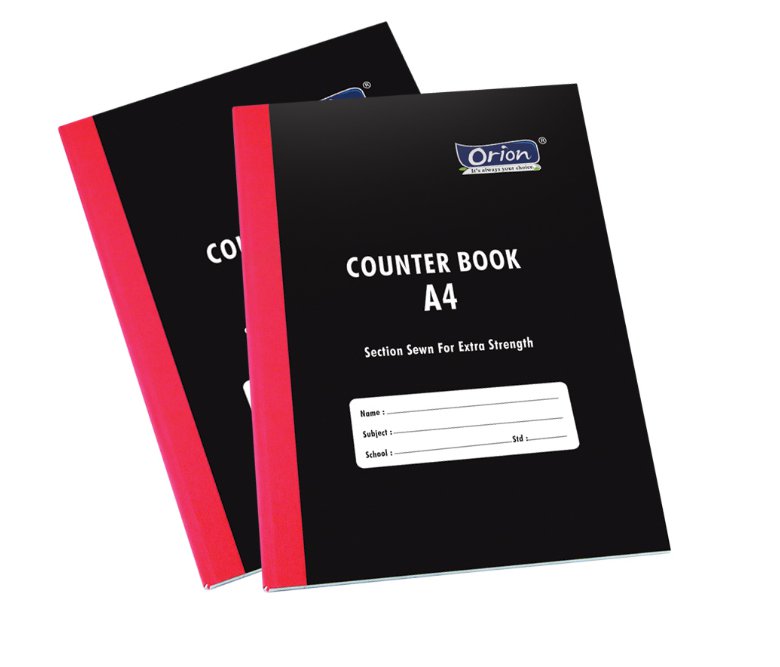
What are Log Books & Record Books?
Log books and record books are essential tools for documentation in various industries. These books provide a structured way to record important data, observations, and activities over time. Typically, they consist of printed pages with designated spaces for entries, making it easy for users to maintain a comprehensive record of operations.
In business applications, log books and record books serve multiple purposes, including tracking equipment usage, maintenance activities, and compliance with regulatory standards. They are widely utilized in sectors such as manufacturing, healthcare, and logistics, where accurate record-keeping is critical for operational efficiency and safety.
The relevance of log books and record books in today’s market cannot be overstated. As industries increasingly prioritize traceability and accountability, these products have become indispensable. Companies that effectively utilize log books can enhance their operational transparency and meet regulatory requirements more efficiently.
Key Features and Specifications
Log books and record books come with several key features designed to meet diverse industry needs. Understanding these specifications is crucial for selecting the right product for your business.
Key specifications include:
1. Page Layout
- Typically formatted with grids or blank spaces for easy writing.
- Options available for both bound and loose-leaf styles.
2. Durability
- Made from high-quality paper to withstand frequent handling.
- Some variants may feature waterproof or tear-resistant pages.
3. Size Options
- Available in various sizes, including A4, A5, and custom dimensions.
- Smaller sizes are convenient for portability.
4. Customization
- Possibility to personalize with company logos and specific formatting.
- Tailored layouts to suit particular industry requirements.
5. Binding Types
- Options include spiral, hardcover, and softcover bindings.
- Binding types can affect the durability and usability of the book.
6. Page Count
- Available in multiple page counts to suit different documentation needs.
- Standard options typically range from 50 to 200 pages.
7. Compliance Features
- Some books may come with pre-printed compliance checklists.
- Essential for industries that require adherence to regulatory standards.
In summary, the specifications of log books and record books are designed to enhance usability and durability, ensuring that they meet the rigorous demands of various industries.
Common Applications and Use Cases
Log books and record books are versatile products that find applications across multiple industries. Their ability to provide structured documentation makes them valuable in numerous contexts.
1. Manufacturing: In manufacturing, log books are used to track machinery operation, maintenance schedules, and production metrics. This documentation is vital for optimizing workflow and ensuring equipment reliability.
2. Healthcare: Healthcare providers utilize record books for patient documentation, medication logs, and procedural checklists. Accurate records are essential for maintaining patient safety and compliance with health regulations.
3. Logistics: In logistics, log books serve to document shipments, inventory levels, and transportation details. Keeping precise records helps in managing supply chain efficiency and accountability.
4. Education: Educational institutions use record books for attendance tracking, grading, and student performance logs. This information supports academic accountability and enhances communication with stakeholders.
5. Environmental Monitoring: Environmental agencies may use log books to record data on air quality, water levels, and wildlife observations. Such records are crucial for regulatory compliance and environmental assessments.
6. Food Safety: In the food industry, record books are vital for tracking food safety procedures, temperature logs, and inventory management. They help ensure compliance with health standards and regulations.
7. Construction: In construction, log books document project progress, safety inspections, and equipment usage. Accurate records are essential for project management and regulatory compliance.
Product Variants and Subcategories
Log books and record books come in various forms to cater to specific needs and industries. Each variant offers unique features to support different applications.
Standard Log Book
The standard log book is designed for general documentation purposes. It typically features lined pages for free-form entries and is suitable for a variety of industries.
Compliance Log Book
The compliance log book is tailored for industries with strict regulatory requirements. It often includes pre-printed templates for tracking compliance-related information, making it easier for users to maintain accurate records.
Maintenance Log Book
This variant focuses on equipment and machinery maintenance. It includes sections for recording maintenance schedules, repairs, and inspections, ensuring that equipment remains in optimal condition.
Field Log Book
Field log books are designed for outdoor use, often featuring weather-resistant materials. They are ideal for environmental monitoring, construction, and field research, allowing users to record data in various conditions.
Benefits and Advantages
Log books and record books provide numerous benefits that enhance operational efficiency and compliance across industries.
1. Improved Record Keeping: These books facilitate organized documentation, reducing the risk of lost information and ensuring easy access to critical data.
2. Regulatory Compliance: Many industries require accurate record-keeping for compliance purposes. Log books help businesses adhere to these regulations, minimizing the risk of penalties.
3. Enhanced Accountability: By maintaining detailed records, businesses can demonstrate accountability to stakeholders, customers, and regulatory bodies.
4. Streamlined Operations: With structured documentation, organizations can identify trends, track performance, and optimize processes, leading to better operational outcomes.
5. Customization Options: The ability to customize log books allows businesses to tailor documentation to their specific needs, enhancing usability and relevance.
6. Durability: Many log books are designed to withstand rigorous use, ensuring longevity and reliability in challenging environments.
Buying Guide for B2B Buyers
When sourcing log books and record books, several factors should be considered to ensure the right choice for your business needs.
1. Quality Assessment: Evaluate the quality of the paper and binding. High-quality materials contribute to durability and ease of use.
2. Supplier Verification: Vet suppliers thoroughly to ensure they provide reliable products. Check for reviews, certifications, and references.
3. Pricing and MOQ: Understand the pricing structure and minimum order quantities. This helps in budgeting and ensures that you can meet your documentation needs without overcommitting.
4. Delivery and Lead Times: Inquire about delivery schedules and lead times. Ensure that suppliers can meet your project timelines.
5. Compliance Requirements: Verify that the products meet any applicable regulatory standards for your industry. This is crucial for maintaining compliance and avoiding potential issues.
Compliance and Certifications
Log books and record books must meet specific quality standards and certifications to ensure reliability and safety in various applications. Compliance with standards such as ISO 9001 ensures that products are manufactured under stringent quality management systems, leading to consistent performance.
In addition to ISO standards, certifications like CE mark indicate that products comply with European safety, health, and environmental requirements. This is particularly important for businesses operating in regulated industries, as it assures buyers of product safety and quality.
Safety and testing requirements can vary by industry but generally involve rigorous assessments to ensure that the products can withstand expected use conditions. It is also essential for businesses to be aware of regional compliance considerations, as regulations may differ from one area to another.
Why Source Log Books & Record Books from Pepagora?
Pepagora offers a trusted platform for sourcing log books and record books, providing several key advantages for B2B buyers.
Verified Supplier Network: Pepagora maintains a network of verified suppliers, ensuring that buyers have access to high-quality products from reputable sources. This reduces the risk of procurement issues and enhances buyer confidence.
Streamlined RFQ Process: The request for quotation (RFQ) system simplifies the procurement process. Buyers can quickly compare quotes and select suppliers that best meet their needs, saving time and resources.
Trade Assurance and Support: Pepagora provides trade assurance to protect buyers against potential disputes. This support ensures that transactions are secure and that buyers can confidently make purchases.
Regional Coverage: With a strong presence in markets such as India, GCC, and Southeast Asia, Pepagora offers extensive regional coverage. This allows businesses to tap into local suppliers while benefiting from competitive pricing and diverse product offerings.

 IN
IN

 India
India