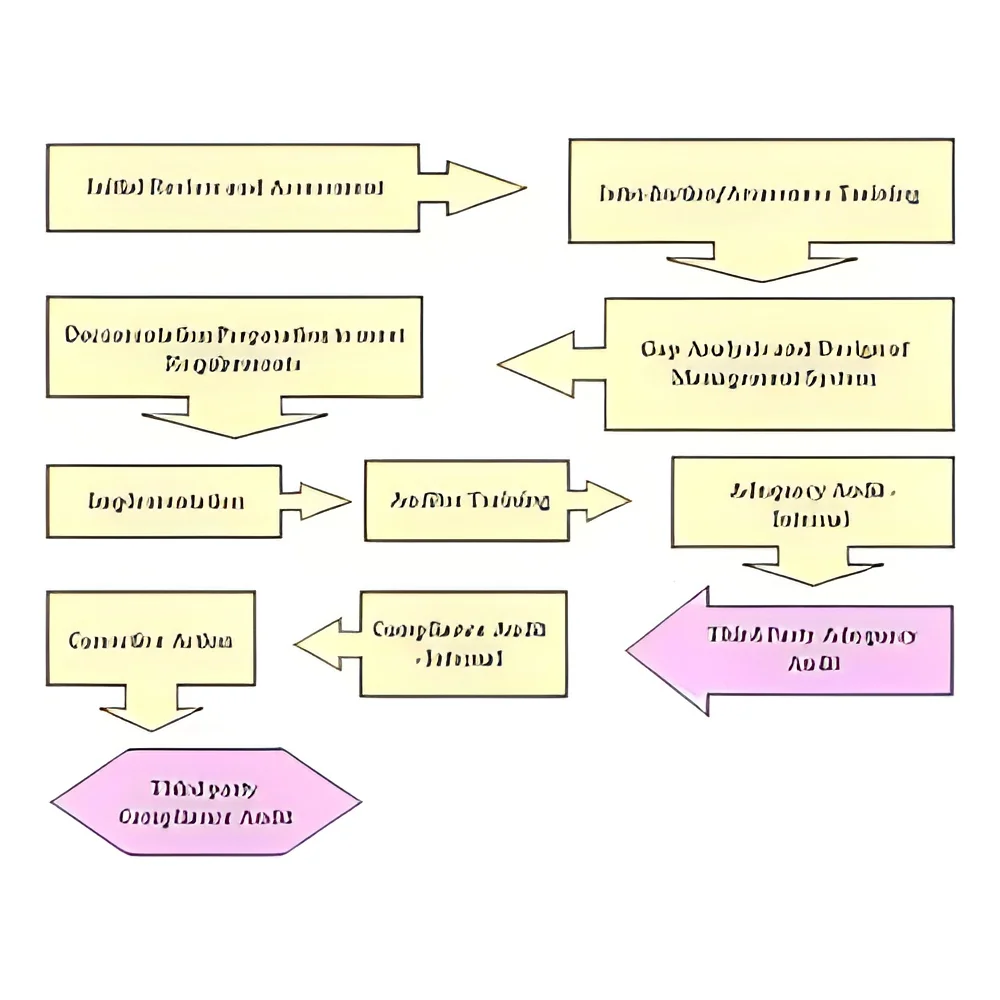
What are ISO 22000, HACCP, GMP Certification Support?
ISO 22000, HACCP, and GMP certification support are essential frameworks for organizations aiming to enhance food safety management and quality assurance. ISO 22000 is an international standard that outlines the requirements for a food safety management system. It combines the principles of HACCP (Hazard Analysis and Critical Control Points) with the requirements of ISO 9001, ensuring a comprehensive approach to managing food safety risks. GMP (Good Manufacturing Practices) focuses on the systems and procedures that ensure products are consistently produced and controlled according to quality standards.
These certifications are primarily used in the food and beverage industry, where maintaining safety and quality is critical. Businesses leverage these standards to demonstrate compliance with international regulations, improve operational efficiencies, and build customer trust. As consumers become increasingly aware of food safety issues, companies that are certified under these frameworks can differentiate themselves in a competitive marketplace. Adopting these practices not only enhances product safety but also aids in meeting regulatory requirements and customer expectations.
The relevance of ISO 22000, HACCP, and GMP extends beyond just food manufacturers. Any organization involved in the food supply chain, including producers, processors, and distributors, can benefit from these certifications. As global trade in food products grows, adherence to these standards becomes crucial for businesses looking to operate internationally and maintain high-quality assurance.
Key Features and Specifications
ISO 22000, HACCP, and GMP certification support provide a robust structure for organizations aiming to achieve compliance and enhance food safety. The key specifications include various elements that ensure efficient management of food safety processes.
Key specifications include:
1. Food Safety Management System
- Structured framework for managing food safety risks
- Integration of HACCP principles and ISO 9001 requirements
2. Hazard Analysis
- Systematic approach to identifying and evaluating food safety hazards
- Risk assessment to determine critical control points
3. Documentation Requirements
- Detailed documentation processes to ensure traceability
- Record-keeping for compliance and audits
4. Training and Competence
- Staff training programs to ensure understanding of food safety principles
- Competence assessments to maintain high standards
5. Monitoring and Measurement
- Procedures for monitoring food safety controls
- Metrics to measure effectiveness of the management system
6. Internal Audits
- Regular audits to evaluate compliance and performance
- Continuous improvement initiatives based on audit findings
7. Management Review
- Regular reviews of the food safety management system by top management
- Evaluation of resource needs and improvements
These specifications form the backbone of a successful food safety management system, enabling organizations to meet industry standards and customer expectations.
Common Applications and Use Cases
ISO 22000, HACCP, and GMP certification support are applicable across various industries that deal with food safety and quality assurance.
1. Food Manufacturing: These certifications help manufacturers implement effective food safety management systems to minimize contamination risks during production.
2. Food Processing: Processors utilize these standards to ensure that raw materials are handled safely and that final products meet safety regulations.
3. Catering Services: Catering companies adopt these certifications to assure clients that their food services comply with the highest safety standards.
4. Retail: Grocery and food retail businesses leverage these certifications to guarantee that the food they sell is safe for consumption.
5. Agriculture: Farmers and producers implement these standards to manage food safety from farm to table, ensuring compliance with regulatory requirements.
6. Logistics: Transportation companies in the food industry use these certifications to maintain safe conditions during the storage and transport of food products.
7. Restaurants: Establishments use these certifications to enhance food safety practices, protect their reputation, and meet local health regulations.
Product Variants and Subcategories
ISO 22000, HACCP, and GMP certification support offer a range of options to suit different organizational needs and industry requirements.
Consultation Services: These services assist businesses in understanding the certification process, tailoring a food safety management system to their specific operations, and preparing for audits.
Training Programs: Comprehensive training programs are available to educate staff on HACCP principles, GMP practices, and ISO 22000 requirements, ensuring that organizations have knowledgeable personnel.
Audit Services: Third-party audit services help organizations evaluate their compliance with ISO 22000, HACCP, and GMP standards, providing actionable insights for improvement.
Documentation Assistance: Support in developing and maintaining the necessary documentation to meet certification requirements is crucial for many organizations.
Benefits and Advantages
Adopting ISO 22000, HACCP, and GMP certification support provides several key benefits for businesses.
1. Enhanced Food Safety: Implementing these standards significantly reduces food safety risks, protecting consumers and improving product quality.
2. Regulatory Compliance: Organizations achieve compliance with local and international food safety regulations, minimizing the risk of legal issues.
3. Customer Trust: Certifications enhance brand reputation, fostering customer loyalty and increasing market competitiveness.
4. Operational Efficiency: Streamlined processes and effective risk management lead to improved operational efficiency, reducing waste and costs.
5. Market Access: Certification opens doors to new markets, especially for businesses looking to expand internationally and meet specific regulatory requirements.
6. Continuous Improvement: The frameworks encourage ongoing evaluation and improvement of food safety practices, ensuring organizations remain competitive and compliant over time.
Buying Guide for B2B Buyers
When sourcing ISO 22000, HACCP, and GMP certification support, businesses should consider several critical factors.
1. Quality Assessment: Evaluate the quality of services offered by certification providers, ensuring they have a proven track record of successful certifications in your industry.
2. Supplier Verification: Conduct thorough vetting of suppliers to confirm their credentials, certifications, and experience in food safety management.
3. Pricing and MOQ: Understand the pricing structure and any minimum order quantities that may apply. Ensure that the costs align with your budget while providing value.
4. Delivery and Lead Times: Confirm the timelines for receiving certification support services, as timely assistance can impact your operational efficiencies.
5. Compliance Requirements: Assess the specific compliance requirements for your industry and region, ensuring that the certification support aligns with these needs.
Compliance and Certifications
Compliance with relevant quality standards, particularly HACCP, is crucial for any organization involved in food production and safety. HACCP provides a systematic approach to identifying hazards and implementing controls, which is essential for ensuring product safety.
Industry certifications such as CE mark are also vital for demonstrating compliance with European Union regulations. Meeting safety and testing requirements ensures that products are safe for consumer use and comply with regulatory standards.
Additionally, organizations must consider regional compliance requirements, as food safety regulations can vary significantly across countries and regions. Understanding these nuances is essential for businesses looking to operate on a global scale.
Why Source ISO 22000, HACCP, GMP Certification Support from Pepagora?
Pepagora offers a reliable platform for sourcing ISO 22000, HACCP, and GMP certification support, providing various advantages for businesses seeking compliance and safety.
Verified Supplier Network: Pepagora has established a robust network of verified suppliers who specialize in certification support. This network enables businesses to connect with qualified partners who understand industry standards.
Streamlined RFQ Process: The platform simplifies the request for quotation process, allowing businesses to receive multiple quotes from different suppliers quickly. This efficiency helps streamline decision-making.
Trade Assurance and Support: Buyers benefit from trade assurance programs that protect their investments. Pepagora emphasizes buyer support, ensuring that businesses receive the necessary assistance throughout the certification process.
Regional Coverage: With a focus on India, the GCC, and Southeast Asia, Pepagora provides extensive regional coverage, facilitating connections with suppliers who understand local compliance requirements and market dynamics.

 IN
IN
 India
India