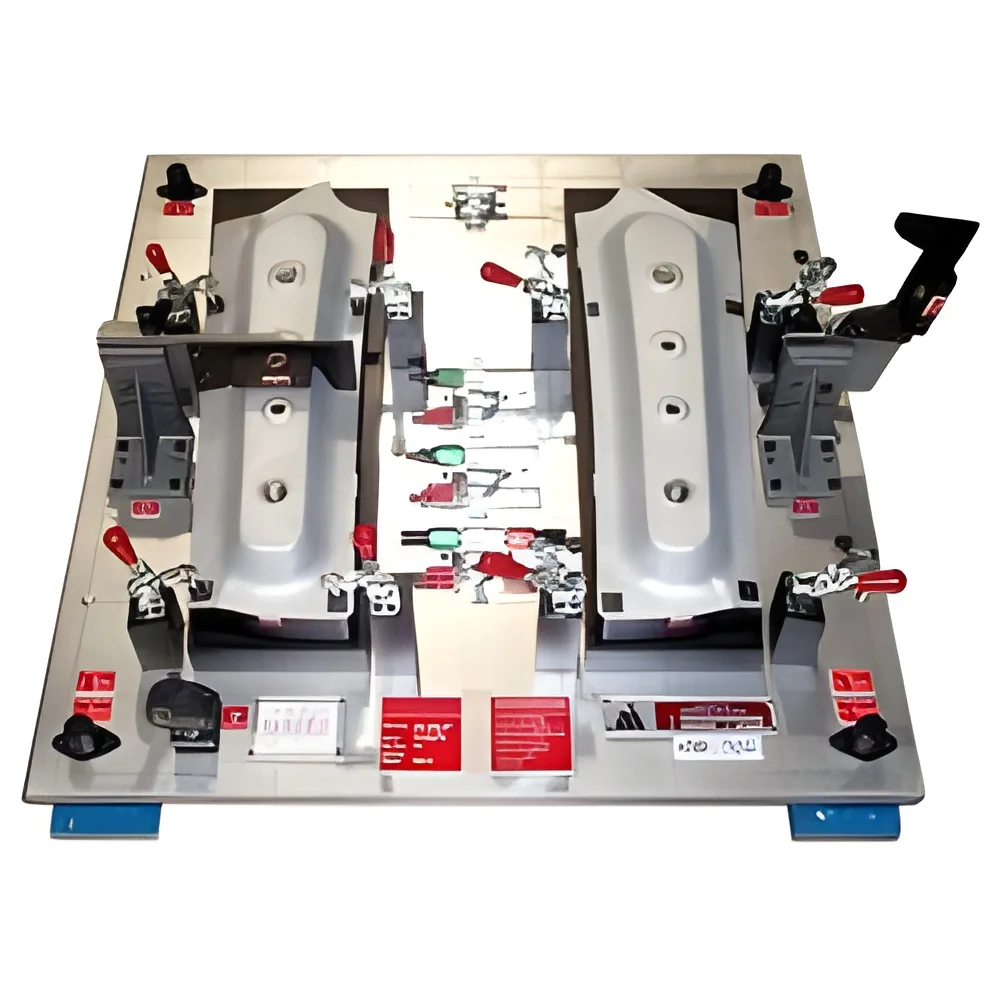
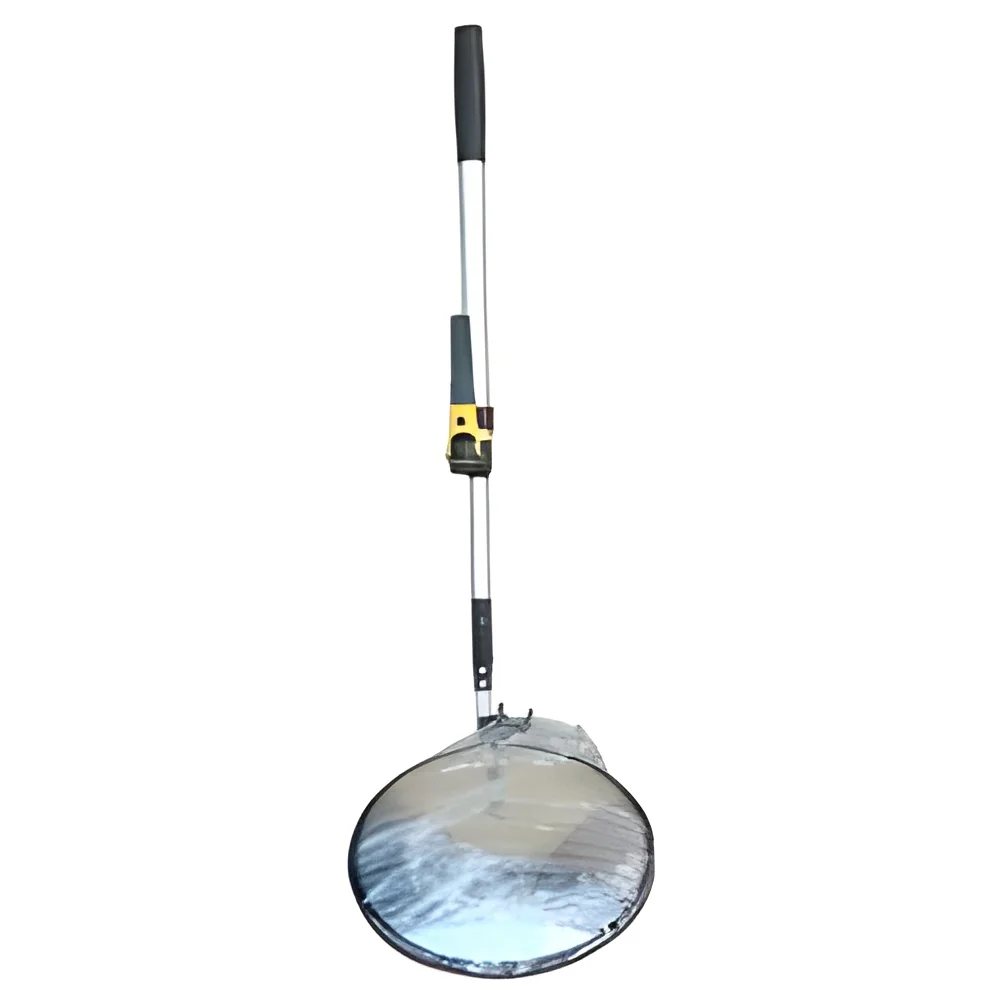
What are Inspection Fixtures?
Inspection fixtures are specialized tools designed to hold and support components during the inspection process. These fixtures ensure that parts are accurately positioned to facilitate measurement and evaluation, helping to maintain quality control in manufacturing processes. By providing a stable and repeatable setup, inspection fixtures minimize human error and enhance the reliability of inspections.
The primary uses of inspection fixtures are found in various applications, including quality assurance, testing, and assembly verification. They are particularly relevant in sectors such as automotive, aerospace, and electronics, where precision is crucial. Businesses utilize these fixtures to validate component specifications against design requirements, ensuring that products meet industry standards and customer expectations.
In the current market, the demand for inspection fixtures has grown due to increasing quality assurance regulations and the need for efficient manufacturing processes. As industries adopt more automated solutions, the role of these fixtures in supporting inspection processes becomes even more vital.
Key Features and Specifications
Inspection fixtures come with several key features that enhance their functionality and effectiveness. Understanding these specifications is essential for selecting the right fixture for your needs.
Key specifications include:
1. Material Composition
- Typically made from durable materials such as aluminum or steel
- Offers strength and resistance to wear over time
2. Dimensional Accuracy
- Precision manufacturing ensures fixtures maintain tight tolerances
- Critical for maintaining alignment during inspections
3. Customizability
- Fixtures can be tailored to fit specific components or applications
- Supports unique inspection requirements based on part geometry
4. Load Capacity
- Designed to support various weights, depending on application
- Ensures stability during the inspection process
5. Modular Design
- Some fixtures are modular, allowing for easy reconfiguration
- Enhances versatility for different inspection tasks
6. Ease of Use
- User-friendly designs facilitate quick setup and adjustments
- Helps reduce downtime during inspections
7. Compatibility with Measurement Tools
- Fixtures can be integrated with various measuring equipment
- Ensures comprehensive inspection capabilities
8. Surface Finish
- Smooth finishes help prevent scratches and wear on inspected parts
- Aids in maintaining the integrity of components.
In summary, selecting the right inspection fixture involves understanding these specifications and how they align with your specific inspection requirements.
Common Applications and Use Cases
Inspection fixtures are utilized across a wide range of industries, each with unique needs and applications.
1. Automotive: In the automotive industry, inspection fixtures are crucial for checking the alignment and fit of components such as chassis parts, engine components, and assemblies. They help ensure that every part meets strict safety and performance standards.
2. Aerospace: Aerospace manufacturers use inspection fixtures to verify the accuracy of complex components. These fixtures support parts during inspections that require high precision, such as wing assemblies and fuselage components.
3. Electronics: In the electronics sector, inspection fixtures assist in testing circuit boards and electronic assemblies. They ensure that components are placed correctly for soldering and that electrical tests can be conducted efficiently.
4. Medical Devices: Medical device manufacturers rely on inspection fixtures to validate the quality and safety of their products. These fixtures help maintain compliance with stringent regulatory requirements.
5. Industrial Equipment: Inspection fixtures are used to check the integrity of various industrial equipment components, ensuring they function correctly and meet performance specifications.
6. Consumer Goods: In the production of consumer goods, inspection fixtures help verify the quality of packaging and product assembly, ensuring products are delivered in perfect condition.
7. Defense: Defense contractors employ inspection fixtures to ensure that components for military applications meet rigorous quality and safety standards.
Product Variants and Subcategories
Inspection fixtures come in various forms to cater to different industries and applications.
Standard Inspection Fixture
This variant is designed for general use across multiple industries. It features adjustable components that allow for a range of inspection tasks and can be customized for specific requirements.
Precision Inspection Fixture
This type focuses on high-accuracy measurements, ideal for industries where precision is critical. It typically features rigid designs and specialized materials to maintain dimensional accuracy.
Portable Inspection Fixture
Designed for mobility, portable fixtures enable inspections in various locations. This variant is lightweight and easy to set up, making it suitable for field inspections.
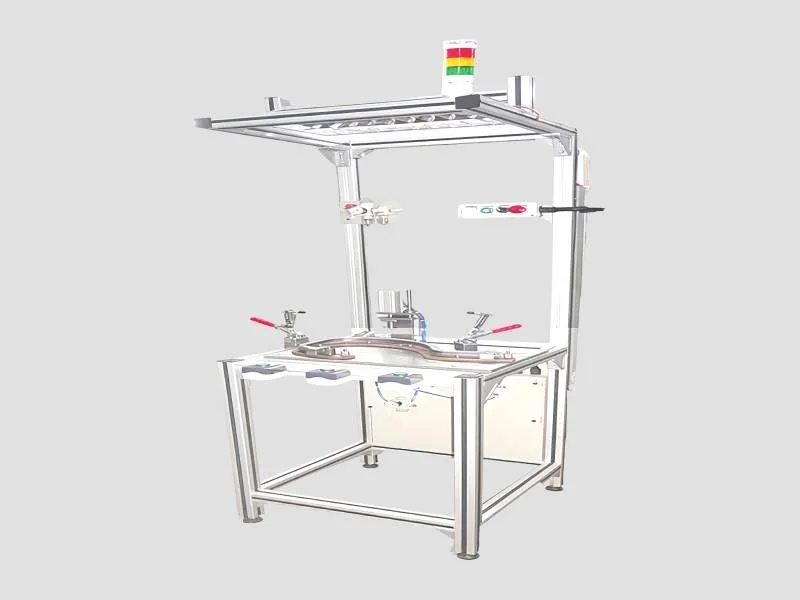
Automated Inspection Fixture
Incorporating technology, these fixtures enable automated inspection processes. They are equipped with sensors and measurement tools, facilitating quicker and more accurate inspections.
Benefits and Advantages
Inspection fixtures offer numerous benefits that improve the efficiency and effectiveness of inspection processes.
1. Enhanced Accuracy: These fixtures ensure that parts are held in precise positions, leading to more reliable inspection results.
2. Increased Efficiency: By reducing setup time and minimizing errors, inspection fixtures streamline the inspection process, saving valuable time.
3. Customization: The ability to tailor fixtures to specific applications ensures that unique inspection requirements are met effectively.
4. Durability: High-quality materials ensure long-lasting performance, even under rigorous inspection conditions.
5. Improved Quality Control: These fixtures contribute to higher product quality by ensuring that components meet design specifications.
6. Cost-Effectiveness: Investing in inspection fixtures can lead to reduced rework and scrap rates, ultimately saving costs in production.
Buying Guide for B2B Buyers
When sourcing inspection fixtures, it is crucial to consider several key factors to make an informed purchase.
1. Quality Assessment: Evaluate the materials and construction of the fixtures. Look for certifications or standards that indicate high manufacturing quality.
2. Supplier Verification: Ensure that the supplier has a good reputation and can provide references. Vetting suppliers helps minimize risks associated with quality and reliability.
3. Pricing and MOQ: Understand the pricing structure and minimum order quantities. This information is vital for budgeting and ensuring you meet your production needs.
4. Delivery and Lead Times: Consider the logistics involved in acquiring the fixtures. Verify the expected lead times to ensure that you can meet your production schedules.
5. Compliance Requirements: Be aware of any regulatory compliance that applies to your industry. Ensure that the fixtures meet the necessary standards and certifications.
Compliance and Certifications
Inspection fixtures are subject to various compliance and certification standards that ensure quality and safety.
Relevant quality standards include ISO 9001, which sets criteria for quality management systems. This standard ensures that inspection fixtures are manufactured consistently and meet customer and regulatory requirements.
Additionally, industry certifications such as CE are important for ensuring that fixtures comply with European safety and environmental standards. These certifications validate the quality and reliability of the products.
Safety and testing requirements also play a crucial role in the manufacturing of inspection fixtures. They must undergo rigorous testing to ensure they can withstand the expected conditions during use.
Regional compliance considerations may vary based on market requirements. It is essential to understand these local regulations to ensure full compliance.
Why Source Inspection Fixtures from Pepagora?
Pepagora provides a trusted platform for sourcing inspection fixtures with several key advantages.
Verified Supplier Network: Pepagora connects buyers with a network of verified suppliers, ensuring that you can source high-quality inspection fixtures confidently. This network is built on strict vetting processes that prioritize quality and reliability.
Streamlined RFQ Process: The request for quotation process on Pepagora is designed to be efficient and user-friendly. Buyers can easily submit their requirements and receive tailored quotes from multiple suppliers, enabling quick decision-making.
Trade Assurance and Support: Pepagora offers trade assurance to protect buyers throughout the purchasing process. This support includes assistance with disputes and ensuring that products meet the agreed specifications.
Regional Coverage: With a strong presence in India, GCC, and Southeast Asia, Pepagora provides extensive regional coverage. This geographic reach allows buyers to access suppliers that can meet local demands effectively.
By choosing Pepagora for your inspection fixture needs, you can ensure a seamless sourcing experience backed by a commitment to quality and customer satisfaction.

 IN
IN





 India
India