
 IN
Hydroponic Gardening Supplies
5 products available
What are Hydroponic Gardening Supplies?
Hydroponic gardening supplies refer to a range of products designed to support the cultivation of plants in a soilless environment. This innovative method allows for the growth of plants using nutrient-rich water solutions, making it possible to produce high yields in a controlled setting. Hydroponics is an efficient alternative to traditional farming, utilizing less space and water while enabling year-round cultivation.
The primary uses of hydroponic gardening supplies extend across various sectors, including agriculture, home gardening, and educational institutions. Businesses are increasingly adopting hydroponic systems to achieve sustainable farming practices. This method is particularly relevant in urban areas where space is limited and the demand for fresh produce is high. As consumers become more health-conscious and environmentally aware, the relevance of hydroponic gardening continues to grow, making it an integral part of the agricultural industry.
Key Features and Specifications
Hydroponic gardening supplies encompass a variety of products with specific features aimed at enhancing plant growth and overall system efficiency. Understanding these specifications is crucial for selecting the right equipment for your needs.
Key specifications include:
1. Nutrient Delivery System
- Efficiently delivers essential nutrients to plants
- May include drip systems, nutrient film techniques, or aeroponics
2. Grow Lights
- Provides necessary light spectrum for photosynthesis
- Options range from LED to fluorescent lighting
3. Growth Medium
- Supports plant roots in the absence of soil
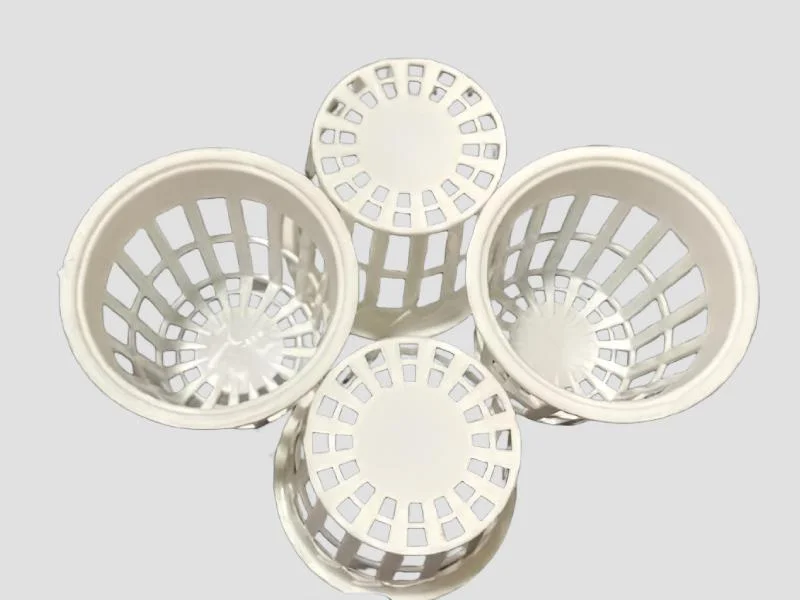
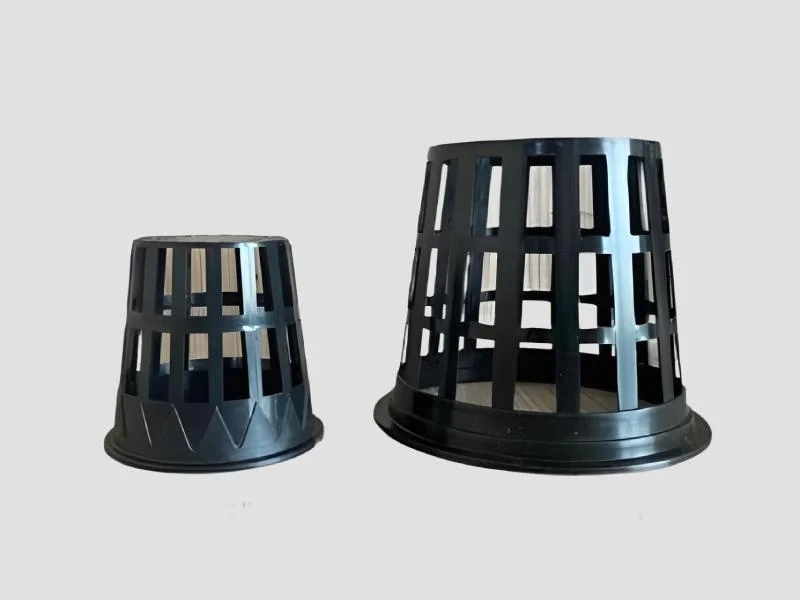
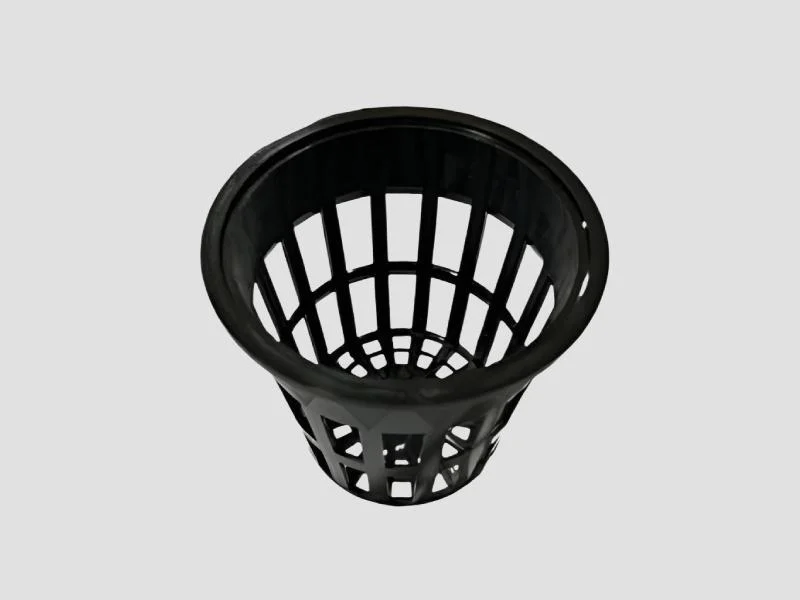
- Common types include rock wool, clay pellets, and coconut coir
4. pH Control Kits
- Ensures optimal pH levels for nutrient absorption
- Typically includes pH meters and adjustment solutions
5. Water Pumps
- Circulates water and nutrients throughout the system
- Available in various flow rates and sizes
6. Reservoir Tanks
- Holds nutrient solutions for distribution to plants
- Available in different capacities to suit system size
7. Environmental Controllers
- Monitors and adjusts temperature, humidity, and light
- Aids in maintaining ideal growing conditions
8. Hydroponic Systems
- Complete setups such as deep water culture, aeroponic, or vertical systems
- Designed for specific growing environments and plant types
In summary, understanding the features and specifications of hydroponic gardening supplies is essential for optimizing plant growth and ensuring success in soilless agriculture.
Common Applications and Use Cases
Hydroponic gardening supplies have diverse applications across various industries.
1. Commercial Agriculture: Many large-scale farms utilize hydroponic systems to grow vegetables and herbs, maximizing yield in limited space.
2. Urban Gardening: Homeowners in city environments employ hydroponics to cultivate fresh produce, often using compact systems suitable for balconies or rooftops.
3. Educational Institutions: Schools and universities implement hydroponic setups in science programs to teach students about sustainable agriculture and plant biology.
4. Research Facilities: Agricultural research centers use hydroponics for experiments related to plant growth and nutrient absorption.
5. Landscaping: Landscape designers incorporate hydroponic systems for aesthetic plant displays in urban settings, enhancing greenery in concrete environments.
6. Retail: Grocery stores and restaurants are increasingly sourcing hydroponically grown produce to meet consumer demand for fresh, local food.
7. Food Production Companies: Companies specializing in organic foods leverage hydroponics to ensure consistent quality and supply of produce.
Product Variants and Subcategories
Hydroponic gardening supplies come in various forms to cater to different user needs and growing conditions.
Nutrient Solutions
These specialized formulations provide essential minerals and nutrients required for optimal plant growth. They are tailored for specific plant types and growth stages, ensuring plants receive the best possible nourishment.
Hydroponic Kits
Complete kits are available for beginners and professionals alike, offering all necessary components for establishing a hydroponic system. These kits include nutrient solutions, grow lights, and instructions, making setup straightforward.
Vertical Hydroponic Systems
These systems utilize vertical space to maximize plant growth in limited areas. They are particularly popular in urban gardening, allowing for the cultivation of multiple plants in a compact footprint.
Aeroponic Systems
Aeroponics involves growing plants in a mist environment, delivering nutrients directly to the roots. This variant is highly efficient and can lead to faster growth rates.
Benefits and Advantages
Hydroponic gardening supplies offer several advantages for businesses and individuals alike.
1. Space Efficiency: Hydroponics allows for growing more plants in less space, making it ideal for urban gardening and small farms.
2. Water Conservation: This method uses significantly less water than traditional farming, promoting sustainable practices.
3. Faster Growth Rates: Plants grown hydroponically often experience quicker growth cycles due to optimized nutrient delivery and controlled environments.
4. Reduced Pest Issues: The controlled environment limits exposure to pests and diseases, reducing the need for chemical pesticides.
5. Year-Round Production: Hydroponic systems can be used indoors or in greenhouses, enabling year-round cultivation regardless of external weather conditions.
6. Quality Control: Growers can monitor and adjust nutrient levels, pH, and environmental factors to produce high-quality, consistent crops.
Buying Guide for B2B Buyers
When sourcing hydroponic gardening supplies, several factors should be considered to ensure a successful purchase.
1. Quality Assessment: Evaluate products based on durability and performance standards. Look for features that enhance efficiency and longevity.
2. Supplier Verification: Vet suppliers to ensure they have a reliable track record and positive reviews from other buyers. This step is crucial for maintaining supply chain integrity.
3. Pricing and MOQ: Understand the pricing structures and minimum order quantities (MOQ) required by suppliers. Compare costs to ensure you receive competitive pricing.
4. Delivery and Lead Times: Assess logistics and anticipated lead times for delivery. Choose suppliers who can meet your timelines to avoid disruptions in your operations.
5. Compliance Requirements: Verify that products meet relevant industry standards and regulations. Compliance with safety and quality standards is essential for operational success.
Compliance and Certifications
Hydroponic gardening supplies are subject to various compliance and certification standards that ensure safety and quality.
ISO 9001 is a widely recognized quality management standard applicable to manufacturers and suppliers of hydroponic products. Compliance indicates a commitment to consistent quality and improvement.
HACCP (Hazard Analysis Critical Control Point) focuses on food safety, making it relevant for hydroponic supplies used in food production. Adhering to HACCP principles ensures that products are safe for consumption.
CE certification signifies that products meet European health, safety, and environmental protection standards. This certification is crucial for suppliers aiming to market their products in Europe.
Additionally, safety and testing requirements may vary by region. It is important to understand local regulations to ensure compliance and avoid potential legal issues.
Why Source Hydroponic Gardening Supplies from Pepagora?
Pepagora provides a trusted platform for sourcing hydroponic gardening supplies, offering several key advantages for businesses.
Verified Supplier Network: Pepagora ensures that all suppliers are thoroughly vetted, providing peace of mind to buyers. This network allows businesses to connect with reputable manufacturers and distributors.
Streamlined RFQ Process: The request for quotation (RFQ) system simplifies the procurement process, enabling buyers to request multiple quotes from different suppliers quickly. This efficiency helps businesses make informed purchasing decisions.
Trade Assurance and Support: Pepagora offers trade assurance to protect buyers against potential issues. This support includes mediation and assistance to resolve disputes, ensuring a smooth buying experience.
Regional Coverage: Pepagora’s extensive reach includes India, the Gulf Cooperation Council (GCC) countries, and Southeast Asia. This geographic coverage allows businesses to access a wider range of products and suppliers, enhancing their sourcing capabilities.


 India
Frequently Asked Questions
What are Hydroponic Gardening Supplies?
Hydroponic Gardening Supplies refer to the equipment and materials used in hydroponic systems, which allow plants to grow without soil. These supplies include nutrient solutions, growing media, containers, pumps, lighting systems, and pH testing kits.
What are the different types of Hydroponic Gardening Supplies?
The different types of Hydroponic Gardening Supplies include nutrient solutions, hydroponic growing media (such as rock wool, clay pellets, or coconut coir), containers, pumps, and lighting systems. Additionally, accessories like pH meters, temperature controllers, and timers are essential for efficient hydroponic gardening.
How do I choose the right Hydroponic Gardening Supplies?
To choose the right Hydroponic Gardening Supplies, consider the type of plants you want to grow and the hydroponic system you plan to use. Evaluate the quality, compatibility, and efficiency of the supplies, along with your budget and space availability.
What are the standard specifications for Hydroponic Gardening Supplies?
Standard specifications for Hydroponic Gardening Supplies vary by type but generally include parameters like nutrient concentration, pH levels, and compatibility with specific hydroponic systems. It is important to ensure that the supplies meet the needs of the plants being cultivated.
What is the price range for Hydroponic Gardening Supplies?
The price range for Hydroponic Gardening Supplies can vary widely depending on the type and quality of the products. Generally, basic supplies can start from a few hundred rupees, while advanced systems and specialized equipment may cost several thousand rupees.
What quality standards apply to Hydroponic Gardening Supplies?
Quality standards for Hydroponic Gardening Supplies typically include ensuring that the materials are non-toxic, durable, and suitable for plant growth. Certifications and compliance with agricultural standards help verify the quality of the supplies used.
Where can I find Hydroponic Gardening Supplies suppliers in India?
You can find Hydroponic Gardening Supplies suppliers in India through B2B marketplaces like Pepagora, agricultural supply stores, and online retailers. Researching reputable manufacturers and distributors can also help you find reliable suppliers.
Can Hydroponic Gardening Supplies be customized?
Yes, many Hydroponic Gardening Supplies can be customized to suit specific requirements, such as size, features, and branding. It is advisable to discuss customization options directly with suppliers to ensure that your needs are met.
What is the typical minimum order quantity for Hydroponic Gardening Supplies?
The typical minimum order quantity (MOQ) for Hydroponic Gardening Supplies varies by supplier and product type. It can range from a few units for small items to larger quantities for bulk orders.
What is the typical lead time for Hydroponic Gardening Supplies?
The typical lead time for Hydroponic Gardening Supplies depends on the supplier and the availability of products. Generally, lead times can range from a few days for readily available items to several weeks for customized or backordered supplies.
Why Businesses Trust Pepagora
Thousands of companies trust Pepagora to source smarter and sell faster
Expand Your Sales Globally

Source Smarter,Grow Faster
