
 IN
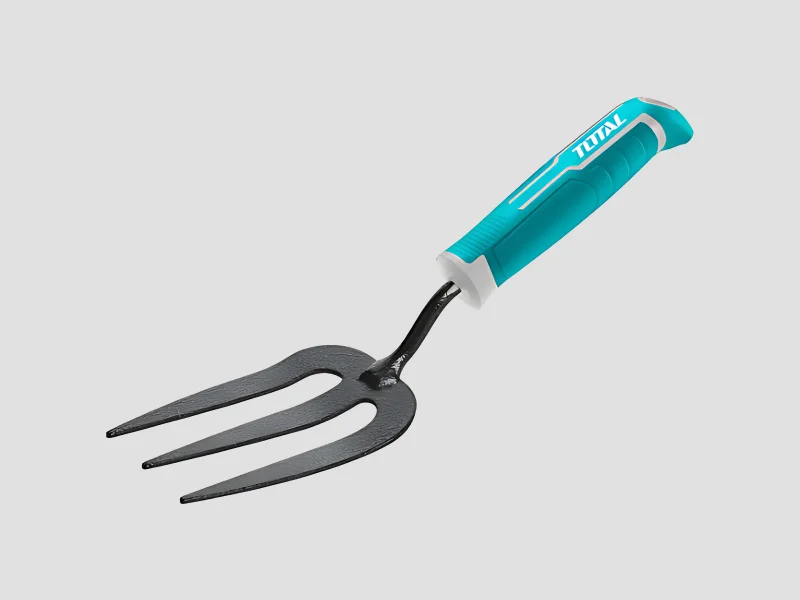
Hand Forks
1 products available
What are Hand Forks?
Hand forks are essential tools used in various industrial applications for lifting, moving, and maneuvering materials. These tools typically consist of a sturdy handle and a forked end with several prongs. The design allows for efficient handling and transportation of bulk materials, making them indispensable in warehouses, construction sites, and agricultural settings.
Hand forks are primarily utilized in industries such as agriculture, food processing, and logistics. In agriculture, they assist in handling soil and compost, while in food processing, they are used for managing ingredients. In logistics and warehousing, hand forks are crucial for moving pallets and heavy items, ensuring smooth operations and efficient workflows.
The relevance of hand forks in the market is significant, given their widespread use across various sectors. As industries continue to emphasize efficiency and productivity, the demand for reliable hand forks remains strong. They are often considered essential tools for any business that requires the movement of materials, contributing to enhanced operational efficiency and safety.
Key Features and Specifications
Hand forks come equipped with various features that enhance their functionality and usability. Understanding these specifications is essential for businesses looking to invest in the right tools.
Key specifications include:
1. Material Composition
- Typically made from high-grade steel or aluminum
- Ensures durability and strength for heavy-duty applications
2. Handle Type
- Available in various ergonomic designs
- Allows for comfortable grip and reduces hand fatigue
3. Fork Length
- Standard lengths range from 25 to 36 inches
- Longer forks provide better reach for larger loads
4. Fork Width
- Width can vary between 6 to 12 inches
- Wider forks offer greater stability when lifting materials
5. Weight Capacity
- Designed to handle loads from 200 to 800 pounds
- Ensures safe handling of heavy items
6. Finish
- Often coated with rust-resistant finishes
- Enhances longevity and maintains appearance
7. Prong Design
- Typically features 2 to 4 prongs
- Provides better gripping capability for different materials
8. Compliance Standards
- Many are compliant with safety regulations
- Adheres to industry-specific standards for quality assurance
In summary, hand forks are versatile tools with multiple features that cater to the needs of various industries. Their specifications ensure they can handle demanding tasks while promoting user safety and comfort.
Common Applications and Use Cases
Hand forks find applications across diverse industries due to their versatility and ease of use.
1. Agriculture: In farming operations, hand forks are used for soil tilling, compost handling, and harvesting crops. Their design allows farmers to efficiently manage bulk materials.
2. Food Processing: In food manufacturing, these forks facilitate the movement of ingredients and raw materials, ensuring smooth processing and hygiene standards are maintained.
3. Warehousing and Logistics: Hand forks are essential in warehouses for moving pallets, boxes, and heavy items. They help streamline operations, making it easier for workers to manage inventory.
4. Landscaping: In landscaping projects, hand forks are used for digging and aerating soil, making them crucial for garden preparation and maintenance.
5. Construction: Construction sites utilize hand forks for managing materials like gravel, dirt, and debris, aiding in site cleanliness and organization.
6. Retail: In retail environments, hand forks assist employees in restocking shelves and managing inventory in back rooms, enhancing operational efficiency.
7. Recycling: In recycling facilities, hand forks help sort and manage recyclable materials, contributing to environmental sustainability efforts.
Product Variants and Subcategories
Hand forks come in various designs and configurations to meet specific needs. The diversity of these tools makes them suitable for a wide range of applications.
Standard Hand Fork
This is the most common type, featuring a robust design with a straight handle and prongs. It is ideal for general-purpose use in agriculture and material handling tasks.
Garden Fork
Specifically designed for gardening, this variant has shorter prongs and a lighter build. It is perfect for tasks such as digging and aerating soil in smaller garden spaces.
Heavy-Duty Fork
Engineered for industrial applications, the heavy-duty fork has a reinforced structure to handle maximum loads. It is ideal for warehouses and construction sites.
Plastic Fork
This variant is lightweight and corrosion-resistant, making it suitable for food processing and handling delicate materials.
Benefits and Advantages
Hand forks offer numerous benefits that enhance productivity and operational efficiency.
1. Versatility: Hand forks can be used in various industries, making them a multi-functional tool for different applications.
2. Ergonomic Design: Many hand forks are designed to reduce strain on the user, promoting comfort during extended use.
3. Enhanced Productivity: By allowing for easy handling of materials, hand forks streamline operations and improve workflow efficiency.
4. Durability: Constructed from high-quality materials, hand forks are built to withstand rigorous use, ensuring a long service life.
5. Safety Features: Many hand forks come with safety features such as non-slip grips and reinforced prongs, reducing the risk of accidents.
6. Cost-Effectiveness: Investing in quality hand forks can lead to long-term savings by reducing the need for frequent replacements.
Buying Guide for B2B Buyers
When sourcing hand forks for business needs, certain factors should be considered to ensure the right purchase.
1. Quality Assessment: Evaluate the material and construction of the hand forks. Look for durable materials like steel or aluminum to ensure longevity and reliability.
2. Supplier Verification: Vet potential suppliers by checking their reputation, customer reviews, and industry certifications. A verified supplier can offer peace of mind regarding the product quality.
3. Pricing and MOQ: Understand the pricing structure and minimum order quantities. Compare quotes from multiple suppliers to ensure competitive pricing without compromising quality.
4. Delivery and Lead Times: Inquire about the delivery schedules and lead times for orders. Timely delivery is crucial for uninterrupted business operations.
5. Compliance Requirements: Ensure that the hand forks meet relevant industry standards and regulations. Compliance with safety and quality standards is essential for operational safety.
Compliance and Certifications
Compliance and certifications play a vital role in ensuring the quality and safety of hand forks. Relevant quality standards such as ISO 9001 indicate that the manufacturing processes meet international quality management requirements. This standard ensures that products consistently meet customer expectations and regulatory requirements.
Additionally, industry certifications like CE mark compliance indicate that the product meets European safety standards. This certification helps businesses in the European market to ensure that they are using safe and reliable tools.
Safety and testing requirements are critical, especially in industries involving heavy lifting or food handling. Manufacturers should adhere to these requirements to minimize risks associated with product failure or accidents.
Regional compliance considerations may also vary, necessitating checks against local regulations in different markets. This ensures that businesses can safely and legally use hand forks in their respective applications.
Why Source Hand Forks from Pepagora?
Pepagora offers a trusted platform for sourcing hand forks, presenting several key advantages for businesses.
Verified Supplier Network: Pepagora connects buyers with a network of verified suppliers who meet stringent quality standards. This verification process ensures that buyers can trust the products they purchase.
Streamlined RFQ Process: The platform simplifies the request for quotation (RFQ) process, allowing buyers to compare offers quickly. This feature saves time and enhances the efficiency of sourcing efforts.
Trade Assurance and Support: Pepagora provides trade assurance and buyer support to protect transactions. This buyer protection ensures that customers receive their orders as promised.
Regional Coverage: With a strong presence in India, the GCC, and Southeast Asia, Pepagora offers extensive regional coverage. This geographic reach allows businesses to source hand forks locally, reducing shipping times and costs.


Frequently Asked Questions
What are Hand Forks?
Hand forks are small gardening tools designed for loosening soil, turning compost, or aerating garden beds. They typically feature a handle and a head with several tines that help penetrate the ground easily.
What are the different types of Hand Forks?
There are several types of hand forks, including traditional garden forks, spading forks, and digging forks. Each type varies in tine shape, length, and spacing, catering to different gardening tasks.
How do I choose the right Hand Forks?
When selecting hand forks, consider the type of soil you will be working with and the specific gardening tasks you need to perform. Look for forks with comfortable handles and durable materials that can withstand regular use.
What are the standard specifications for Hand Forks?
Standard specifications for hand forks typically include the length of the handle, the number of tines, and the material of both the handle and fork head. Common materials include stainless steel, carbon steel, and various types of wood or composite for handles.
What is the price range for Hand Forks?
The price of hand forks can vary widely based on the material, brand, and design, usually ranging from INR 200 to INR 2,000. Higher-end models may offer ergonomic designs and enhanced durability.
What quality standards apply to Hand Forks?
Quality standards for hand forks often include material durability, ergonomic design, and resistance to rust and corrosion. Many manufacturers follow industry norms to ensure their products meet user safety and performance expectations.
Where can I find Hand Forks suppliers in India?
You can find hand forks suppliers in India through B2B marketplaces like Pepagora, local hardware stores, or gardening supply companies. Online platforms often provide a comprehensive list of manufacturers and distributors.
Can Hand Forks be customized?
Many manufacturers offer customization options for hand forks, allowing you to select materials, handle designs, or even branding. It's best to inquire directly with suppliers about available customization features.
What is the typical minimum order quantity for Hand Forks?
The minimum order quantity (MOQ) for hand forks can vary by supplier, but it typically ranges from 10 to 100 units. It's advisable to check with individual suppliers for their specific MOQ requirements.
What is the typical lead time for Hand Forks?
The lead time for hand forks generally depends on the supplier and the order size, ranging from a few days for in-stock items to several weeks for custom orders. Always confirm the estimated delivery time with your supplier before placing an order.
Why Businesses Trust Pepagora
Thousands of companies trust Pepagora to source smarter and sell faster
Expand Your Sales Globally

Source Smarter,Grow Faster
