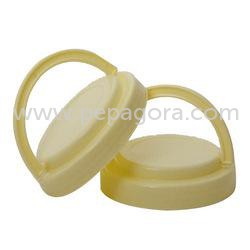
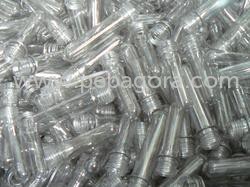
𝗪𝗵𝗮𝘁 𝗮𝗿𝗲 𝗚𝗹𝗮𝘀𝘀 𝗝𝗮𝗿 & 𝗣𝗘𝗧 𝗕𝗼𝘁𝘁𝗹𝗲𝘀?
Glass jars and PET bottles are essential packaging solutions used across various industries. Glass jars are typically made from high-quality glass and are known for their durability, transparency, and resistance to chemical reactions. They are often used to store food products, cosmetics, and pharmaceuticals. PET, or polyethylene terephthalate, bottles are made from a type of plastic known for its lightweight nature and excellent barrier properties. These bottles are widely used for beverages, personal care products, and household cleaners.
The primary uses of glass jars and PET bottles extend to food and beverage packaging, cosmetic storage, and pharmaceutical applications. Businesses across these sectors rely on these containers to ensure product safety, prolong shelf life, and enhance aesthetic appeal. The versatility of both materials makes them suitable for a range of products, from jams and sauces in glass jars to soft drinks and bottled water in PET bottles.
In today's market, the relevance of glass and PET packaging continues to grow. With increasing consumer demand for sustainable and recyclable packaging options, manufacturers are focusing on producing eco-friendly glass jars and PET bottles. This trend is further supported by regulatory standards aimed at reducing plastic waste, making these products vital for companies looking to align with sustainable practices.
𝗞𝗲𝘆 𝗙𝗲𝗮𝘁𝘂𝗿𝗲𝘀 𝗮𝗻𝗱 𝗦𝗽𝗲𝗰𝗶𝗳𝗶𝗰𝗮𝘁𝗶𝗼𝗻𝘀
Glass jars and PET bottles come with a variety of features that cater to the specific needs of different industries. These specifications play a crucial role in determining the suitability of the packaging for various applications.
Key specifications include:
1. Material Type
- Glass jars are made from high-quality glass, while PET bottles are composed of lightweight plastic.
- Both materials offer excellent barrier properties against moisture and air.
2. Capacity
- Glass jars can range from small sizes of 50 ml to larger containers of several liters.
- PET bottles typically range from 250 ml to 2 liters, accommodating various beverage volumes.
3. Closure Types
- Glass jars often use metal lids or plastic screw caps, ensuring airtight seals.
- PET bottles typically feature screw caps or flip-top lids for easy access.
4. Transparency
- Glass jars offer full transparency, allowing visibility of contents.
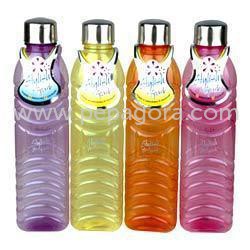
- PET bottles can be clear or colored, providing options for branding while still showcasing the product.
5. Recyclability
- Glass jars are 100% recyclable, maintaining quality after recycling.
- PET bottles are also recyclable, with many facilities capable of processing them into new products.
6. Temperature Resistance
- Glass jars can withstand high temperatures, making them suitable for canning.
- PET bottles are not suitable for high-temperature applications but perform well in standard conditions.
7. Weight
- Glass jars are heavier, which may affect shipping costs.
- PET bottles are lightweight, reducing transportation expenses.
In summary, the specifications of glass jars and PET bottles are integral to their performance, suitability, and sustainability in various applications.
𝗖𝗼𝗺𝗺𝗼𝗻 𝗔𝗽𝗽𝗹𝗶𝗰𝗮𝘁𝗶𝗼𝗻𝘀 𝗮𝗻𝗱 𝗨𝘀𝗲 𝗖𝗮𝘀𝗲𝘀
Glass jars and PET bottles serve numerous industries, each with specific applications that highlight their unique properties.
1. Food Industry: Glass jars are widely used for packaging jams, sauces, and preserves, while PET bottles are common for soft drinks and bottled water.
2. Cosmetic Industry: Glass jars are preferred for creams and lotions due to their premium appearance, whereas PET bottles are often used for shampoos and conditioners.
3. Pharmaceutical Industry: Glass jars provide a sterile environment for medications, while PET bottles are used for liquid medicines and vitamins.
4. Household Products: Glass jars are utilized for candles and cleaning solutions, while PET bottles are frequently used for detergents and sprays.
5. Beverage Industry: Both glass jars and PET bottles are extensively used for packaging juices, teas, and sports drinks, catering to diverse consumer preferences.
6. Retail and Wholesale: Both packaging types are popular in retail settings for their visual appeal and branding opportunities, helping to attract consumers.
7. E-commerce: As online shopping grows, glass jars and PET bottles are packaged securely for shipping, ensuring products arrive safely to customers.
𝗣𝗿𝗼𝗱𝘂𝗰𝘁 𝗩𝗮𝗿𝗶𝗮𝗻𝘁𝘀 𝗮𝗻𝗱 𝗦𝘂𝗯𝗰𝗮𝘁𝗲𝗴𝗼𝗿𝗶𝗲𝘀
The diversity of glass jars and PET bottles allows businesses to select the right variant for their specific needs.
Jar Variant: Mason Jars
Mason jars are a popular choice for home canning and food storage. They feature a wide mouth for easy filling and cleaning, making them ideal for preserving fruits and vegetables.
Bottle Variant: Sports Bottles
Sports bottles made from PET are designed for active lifestyles. They are lightweight, durable, and often feature a flip-top lid for convenient drinking during sports and outdoor activities.
Jar Variant: Apothecary Jars
Apothecary jars have a vintage appeal and are often used for decorative purposes or to store bulk items. They provide an elegant touch while serving practical storage needs.
Bottle Variant: Squeeze Bottles
Squeeze bottles made from PET are ideal for condiments and sauces. Their design allows for easy dispensing, making them a favorite in restaurants and food service.
𝗕𝗲𝗻𝗲𝗳𝗶𝘁𝘀 𝗮𝗻𝗱 𝗔𝗱𝘃𝗮𝗻𝘁𝗮𝗴𝗲𝘀
Glass jars and PET bottles offer numerous advantages that make them attractive packaging solutions.
Key benefits include:
1. Durability: Both glass and PET materials are strong and resistant to breakage, ensuring product safety during transport.
2. Aesthetic Appeal: Glass jars provide a premium look that enhances product presentation, while PET bottles can be customized with vibrant colors for branding purposes.
3. Preservation: Both types of packaging effectively protect contents from external elements, helping to preserve freshness and quality.
4. Lightweight Options: PET bottles are particularly lightweight, reducing shipping costs and making them easier for consumers to handle.
5. Recyclability: Both glass and PET materials are recyclable, aligning with sustainability goals and reducing environmental impact.
6. Versatility: These containers can be used for a wide range of products, from food to cosmetics, catering to diverse market needs.
𝗕𝘂𝘆𝗶𝗻𝗴 𝗚𝘂𝗶𝗱𝗲 𝗳𝗼𝗿 𝗕𝟮𝗕 𝗕𝘂𝘆𝗲𝗿𝘀
When sourcing glass jars and PET bottles, B2B buyers should consider several critical factors to ensure they make informed purchasing decisions.
1. Quality Assessment: Evaluating the quality of materials is vital. Buyers should look for suppliers who offer products that meet industry standards and are free from defects.
2. Supplier Verification: It is important to vet suppliers carefully. Check for certifications, customer reviews, and track records to ensure reliability and consistency.
3. Pricing and MOQ: Understand the pricing structure and minimum order quantities. This can vary significantly between suppliers and affects overall project budgets.
4. Delivery and Lead Times: Logistics is crucial in B2B transactions. Buyers should clarify delivery schedules and lead times to avoid disruptions in production.
5. Compliance Requirements: Familiarize yourself with regulatory standards applicable to glass and PET packaging. Ensure that suppliers comply with safety and testing requirements specific to your industry.
𝗖𝗼𝗺𝗽𝗹𝗶𝗮𝗻𝗰𝗲 𝗮𝗻𝗱 𝗖𝗲𝗿𝘁𝗶𝗳𝗶𝗰𝗮𝘁𝗶𝗼𝗻𝘀
Compliance with industry standards and certifications is essential for ensuring the safety and quality of glass jars and PET bottles.
Relevant quality standards include ISO 9001, which focuses on quality management systems, ensuring consistency in production processes. Additionally, HACCP (Hazard Analysis Critical Control Point) protocols help in identifying and managing food safety risks associated with packaging.
Industry certifications, such as CE marking, indicate compliance with European health, safety, and environmental protection standards. This is particularly important for products intended for use in Europe.
Safety and testing requirements are also crucial. Packaging must undergo rigorous testing for leaks, durability, and chemical resistance to ensure it meets regulatory demands.
Regionally, compliance considerations may vary. Buyers should be informed about local regulations regarding packaging materials, especially in food and pharmaceutical sectors.
𝗪𝗵𝘆 𝗦𝗼𝘂𝗿𝗰𝗲 𝗚𝗹𝗮𝘀𝘀 𝗝𝗮𝗿 & 𝗣𝗘𝗧 𝗕𝗼𝘁𝘁𝗹𝗲𝘀 𝗳𝗿𝗼𝗺 𝗣𝗲𝗽𝗮𝗴𝗼𝗿𝗮?
Pepagora provides a trusted platform for sourcing glass jars and PET bottles, offering several key advantages to B2B buyers.
Verified Supplier Network: Pepagora connects buyers with a network of verified suppliers. This ensures that businesses can find reliable partners who meet quality and service expectations.
Streamlined RFQ Process: The request for quotation process at Pepagora is designed to be efficient. Buyers can quickly obtain quotes from multiple suppliers, allowing for better comparison and decision-making.
Trade Assurance and Support: Buyers benefit from trade assurance programs that protect their investments. Pepagora offers support throughout the buying process, ensuring a smooth experience.
Regional Coverage: Pepagora's geographical reach extends across India, the GCC, and Southeast Asia. This broad coverage allows businesses to source locally while accessing a diverse range of products.
In summary, sourcing glass jars and PET bottles from Pepagora not only provides access to quality products but also facilitates a secure and efficient purchasing process.

 IN
IN

 India
India