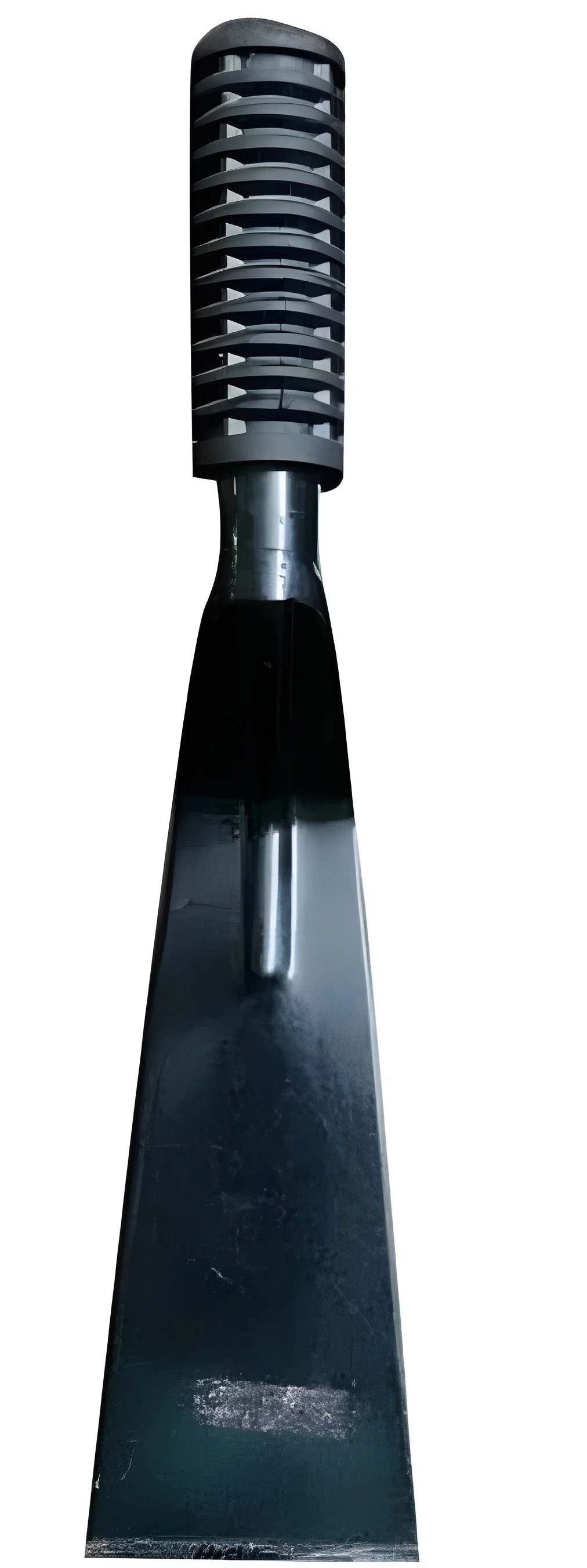
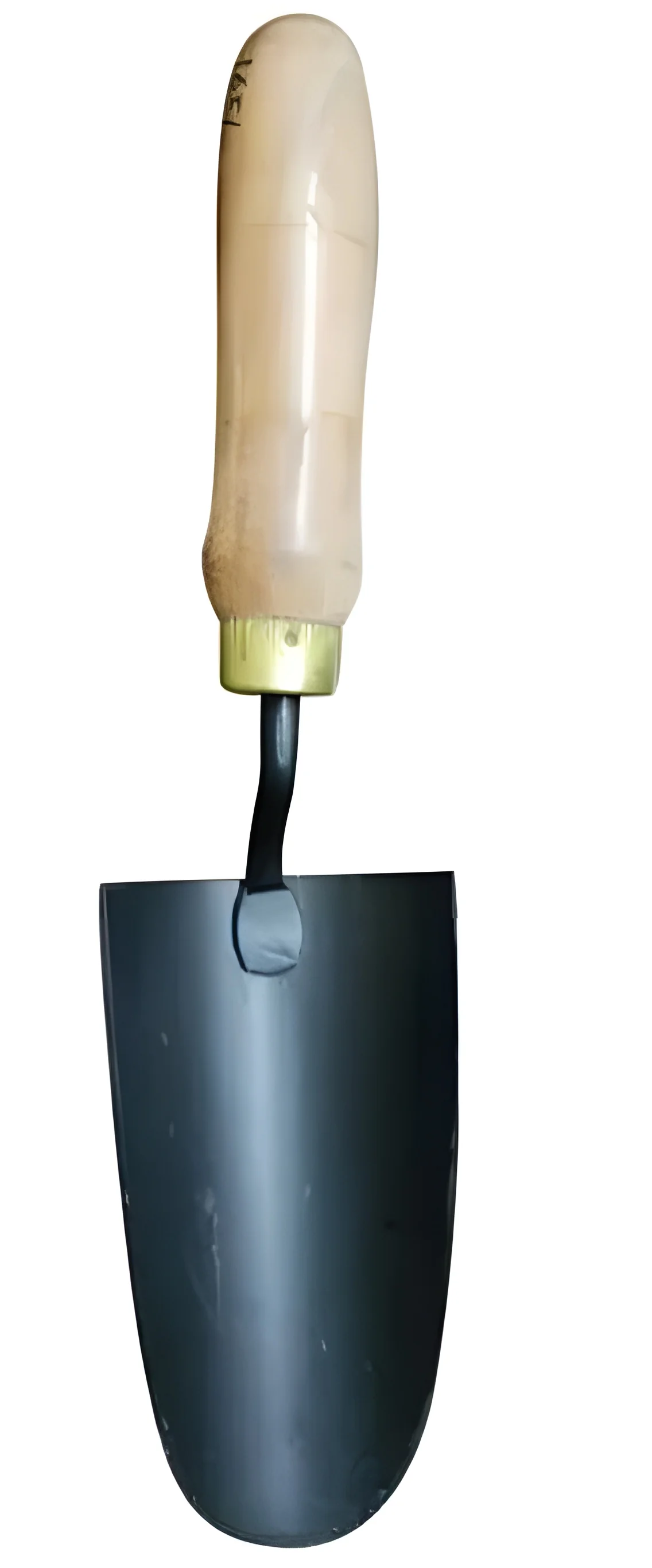
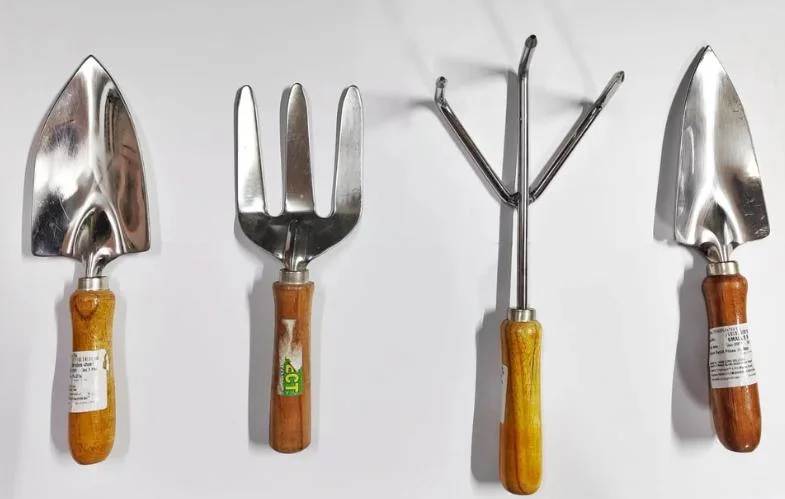
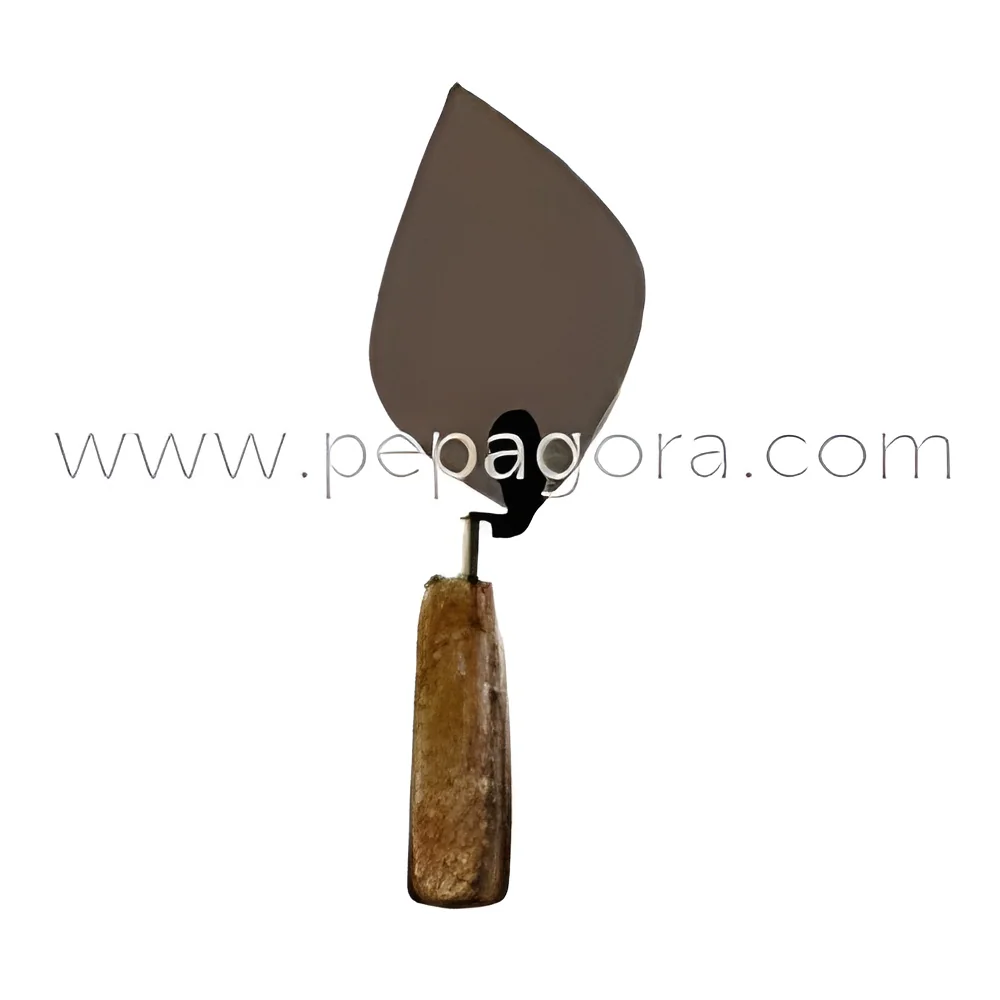
What are Garden Trowels?
Garden trowels are small hand tools designed for digging, planting, and cultivating soil in gardens and landscapes. Their compact size and pointed blades make them ideal for tasks that require precision, such as transplanting seedlings or tending to small flower beds. Typically made from durable materials like stainless steel or carbon steel, garden trowels are essential for both amateur gardeners and professional landscapers.
The primary uses of garden trowels extend beyond simple digging. They are commonly used for mixing soil, aerating compacted earth, and even removing weeds. In commercial applications, these tools are vital for nursery operations, landscaping projects, and agricultural settings where careful planting and soil management are required. The versatility and ease of use of garden trowels contribute significantly to their relevance in the horticulture industry.
In the broader market context, garden trowels are a staple in gardening and landscaping tools. With growing interest in sustainable gardening and home landscaping, the demand for high-quality garden trowels continues to rise. Businesses that provide these tools are well-positioned to serve both individual gardeners and larger commercial entities seeking reliable gardening solutions.
Key Features and Specifications
Garden trowels come with various features that enhance their usability and durability. Understanding these specifications is crucial for businesses looking to make informed purchasing decisions.
Key specifications include:
1. Blade Material
- Commonly made from stainless steel or carbon steel for durability and corrosion resistance.
- High-quality blades often have a polished finish to reduce soil adhesion.
2. Handle Design
- Ergonomically designed handles provide comfort during extended use.
- Materials can include wood, rubber, or plastic, catering to different user preferences.
3. Blade Size
- Standard blade lengths range from 6 to 12 inches.
- Widths typically vary between 3 to 5 inches, suitable for different planting tasks.
4. Weight
- Lightweight models (under 1 pound) are easier to handle for prolonged tasks.
- Heavier models may offer additional durability for tough soil conditions.
5. Trowel Type
- Options include traditional trowels, transplanting trowels, and weeding trowels, each serving specific gardening needs.
6. Warranty
- Many manufacturers offer warranties ranging from one year to a lifetime, indicating product quality and reliability.
In summary, the key features and specifications of garden trowels play a significant role in determining their suitability for various gardening tasks, making it essential for buyers to consider these aspects when sourcing.
Common Applications and Use Cases
Garden trowels serve a wide range of industries and applications, making them versatile tools for various gardening tasks.
1. Horticulture: In horticultural settings, garden trowels are used for planting and transplanting flowers, vegetables, and shrubs. Their precision allows for careful handling of delicate root systems.
2. Landscaping: Professional landscapers utilize garden trowels for soil preparation, planting, and maintenance tasks in both residential and commercial projects.
3. Agriculture: Farmers use trowels for small-scale planting and weeding in vegetable gardens, where precision is crucial.
4. Education: Schools and community gardens often employ garden trowels in educational programs to teach students about gardening and environmental sustainability.
5. Urban Gardening: In urban environments, where space is limited, garden trowels are essential for container gardening and small plot cultivation.
6. Nurseries: Garden trowels are fundamental tools in nurseries for potting plants and managing soil.
7. Home Gardening: Home gardeners rely on garden trowels for everyday gardening tasks, making them indispensable for maintaining home landscapes.
Product Variants and Subcategories
Garden trowels come in various designs, each tailored for specific tasks and user preferences. This diversity allows buyers to choose tools that best fit their needs.
Transplanting Trowel
This variant features a narrow blade, ideal for digging small holes for transplanting seedlings. Its pointed tip allows for easy penetration into the soil, making it a favorite among gardeners looking to move plants without damaging roots.
Weeding Trowel
Designed specifically for removing weeds, this trowel has a sharp, curved blade that helps cut through soil and roots. It is particularly useful in maintaining garden beds and flower patches.
Traditional Garden Trowel
The classic design of the traditional garden trowel includes a broader blade and a sturdy handle, making it suitable for a wide range of gardening tasks from digging to mixing soil.
Benefits and Advantages
Garden trowels offer several advantages that make them a valuable addition to any gardening toolkit.
Key benefits include:
1. Versatility: Garden trowels can perform multiple tasks, from planting to weeding, making them essential for gardeners of all skill levels.
2. Ease of Use: Their lightweight design and ergonomic handles reduce user fatigue, allowing for longer gardening sessions without discomfort.
3. Precision: The compact size and shape of garden trowels enable precise digging and planting, essential for maintaining healthy plants.
4. Durability: High-quality materials mean garden trowels can withstand harsh conditions, providing long-term value for users.
5. Cost-Effectiveness: With a relatively low price point, garden trowels offer excellent value, making them accessible for both amateur and professional gardeners.
6. Compact Storage: Their small size makes garden trowels easy to store in gardening kits or tool sheds, freeing up space for other equipment.
Buying Guide for B2B Buyers
When sourcing garden trowels for business needs, it is important to consider several key factors to ensure quality and suitability.
1. Quality Assessment: Look for trowels made from durable materials such as stainless steel. Verify the finish and construction to ensure they can withstand regular use.
2. Supplier Verification: Research suppliers to confirm their reputation and reliability. Check customer reviews and ratings to assess their service quality.
3. Pricing and MOQ: Understand the pricing structure and minimum order quantities. Compare offers from multiple suppliers to find the best deals.
4. Delivery and Lead Times: Inquire about shipping options and expected delivery times. Timely delivery is crucial for maintaining inventory levels.
5. Compliance Requirements: Ensure that the products meet relevant industry standards, such as CE certifications, to comply with safety regulations.
Compliance and Certifications
Garden trowels must adhere to specific quality standards and certifications to ensure safety and reliability in use.
Relevant quality standards include ISO 9001, which ensures that manufacturing processes meet international quality management criteria. Businesses should also consider HACCP (Hazard Analysis Critical Control Point) guidelines, particularly if the tools are used in food production environments.
The CE mark is another important certification, indicating that the product meets European health and safety standards. While specific safety and testing requirements for garden trowels are not detailed, it is essential to ensure that the tools are designed and manufactured with user safety in mind.
Regionally, businesses should be aware of compliance requirements that may vary across different markets. Understanding these requirements can help mitigate risks associated with sourcing and using garden trowels in various applications.
Why Source Garden Trowels from Pepagora?
Pepagora provides a trusted platform for sourcing garden trowels, offering numerous key advantages to B2B buyers.
Verified Supplier Network: Pepagora connects buyers with a network of verified suppliers, ensuring that you access high-quality garden trowels from reputable manufacturers. This verification process helps build trust and reliability in your procurement efforts.
Streamlined RFQ Process: The request for quotation (RFQ) system simplifies the sourcing process. Buyers can easily submit their requirements and receive competitive quotes from multiple suppliers, saving time and effort in finding the right products.
Trade Assurance and Support: Pepagora offers trade assurance features that protect buyers from potential risks. This support includes payment protection and dispute resolution, helping to ensure that your transactions are secure.
Regional Coverage: With a strong presence in India, the GCC, and Southeast Asia, Pepagora provides extensive geographic coverage. This regional reach allows buyers to source garden trowels efficiently, catering to diverse market needs and preferences.
By choosing Pepagora, businesses can enhance their procurement experience and ensure they obtain high-quality garden trowels tailored to their specific requirements.

 IN
IN
 India
India